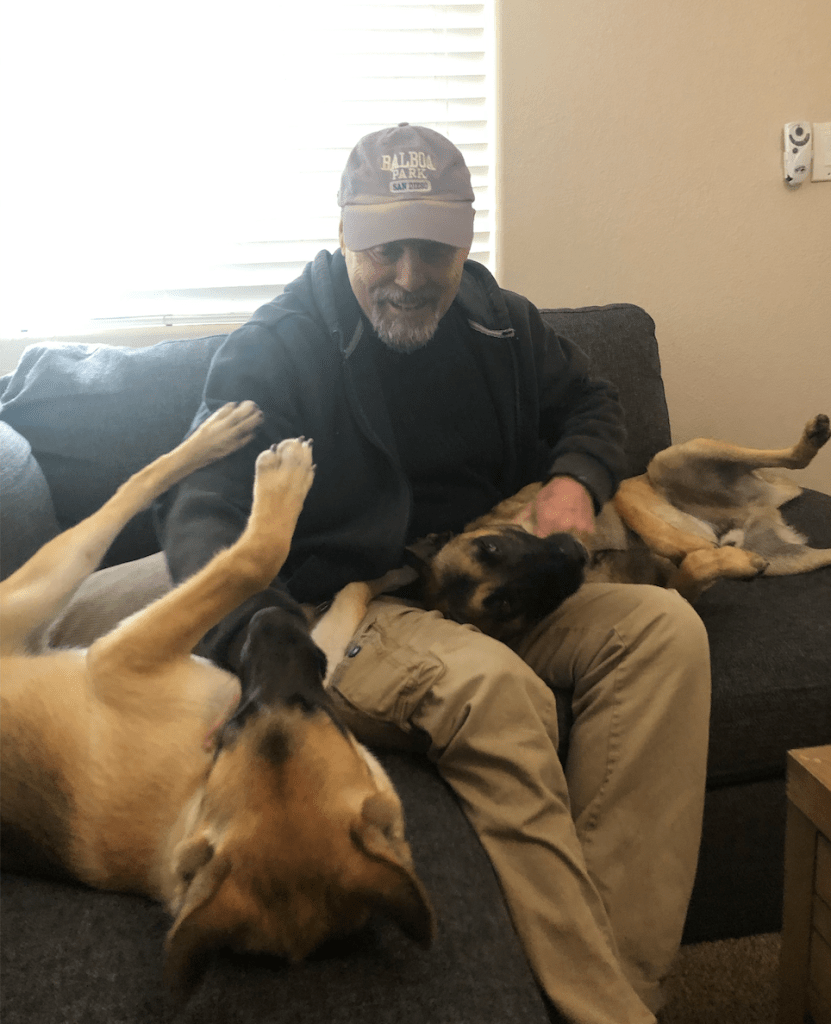
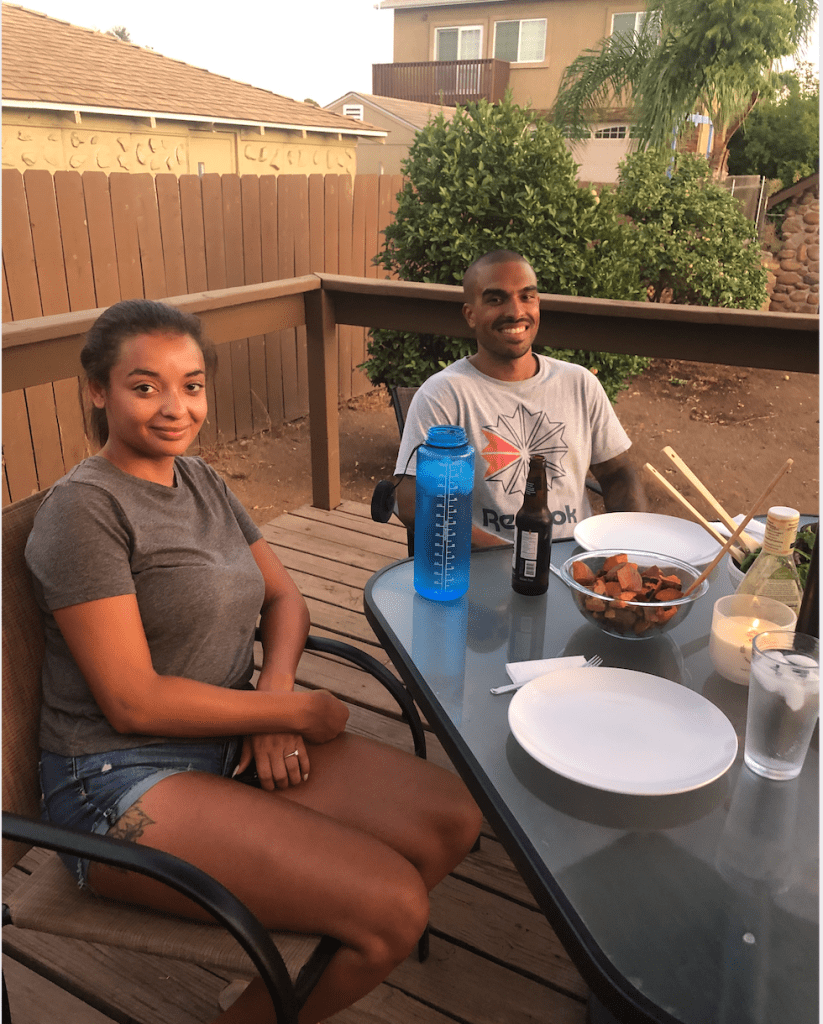
We made it to San Diego on Sunday. It was so nice to see our daughter Tessa and her finance Hudson in their new home- and of course our fur grand babies, Onxy and Copper!
R & R before we start our return trip across the country.

A retirement travel blog.

We made it to San Diego on Sunday. It was so nice to see our daughter Tessa and her finance Hudson in their new home- and of course our fur grand babies, Onxy and Copper!


We arrived at the Sonny Bono Wildlife Refuge in the Imperial Valley, about two hours from San Diego. This is the last stop on our trip before we arrive in San Diego. The refuge is surprising to say the least. There are ten power plants surrounding the refuge, such as the one in the picture below. After our initial dismay, thinking we were seeing major pollution, we found out that they are geothermal electric plants, an environmentally sustainable and clean way to produce electricity from the heat of the earth. They are making the Imperial Valley a renewable energy hub in the state. Turns out, though, power might not be the only thing these plants are producing. A paper published in the online journal Science found that geothermal production in the Imperial Valley inadvertently increased seismic activities around the San Andreas fault, which runs under the area. The Los Angeles Times reports that between 1981 and 2012, some 10,000 earthquakes over a 1.75 magnitude were registered in the area. Is this energy solution something we should rethink?

Situated along the Pacific Flyway, the refuge is a major north-south flyway for migratory birds in America, extending from Alaska to Patagonia. Every year, migratory birds travel some or all of this distance both in spring and in fall, following food sources, heading to breeding grounds, or traveling to overwintering sites. The refuge is the ony one of its kind, located 227 feet below sea level. (Wikipedia)
We saw big flocks of snow geese, along with various kinds of ducks and some Great Egrets. Before the Salton Sea was formed, waterfowl in this area were mostly found along the marshes and delta of the Colorado River (primarily in Mexico). During the 1920s, as water was increasingly diverted from the Colorado River for agriculture, marshes were inadvertently created. These marshes, at the edges of the then-smaller Salton Sea, resulted from agricultural water runoff. Waterfowl were attracted to the marshes from their former winter home in the drying Colorado River Delta.
Read more: https://www.desertusa.com/salton-sea/sonny-bono-salton-sea-wildlife-refuge.html#ixzz6DlTjseFq

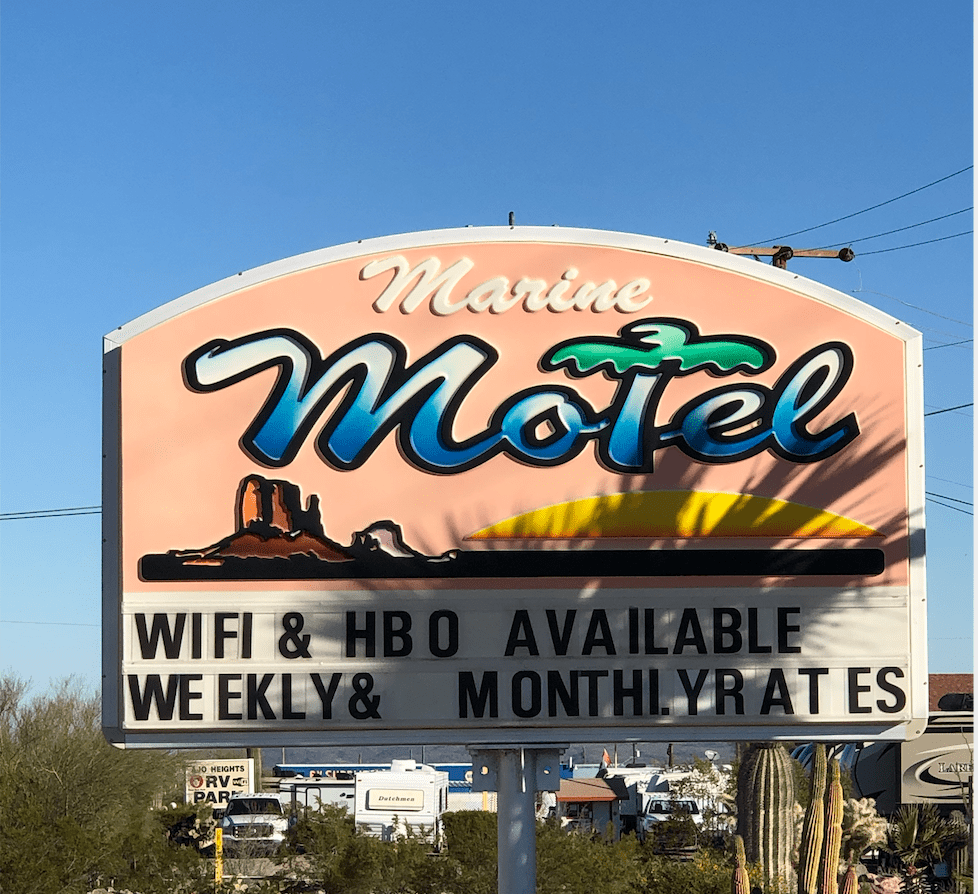
We stayed in the small unincorporated town of Ajo, Arizona (population 3,304), the closest town to Organ Pipe Cactus National Monument. It is an interesting place. We stayed at the Maine hotel, which was very basic, but clean and affordable.
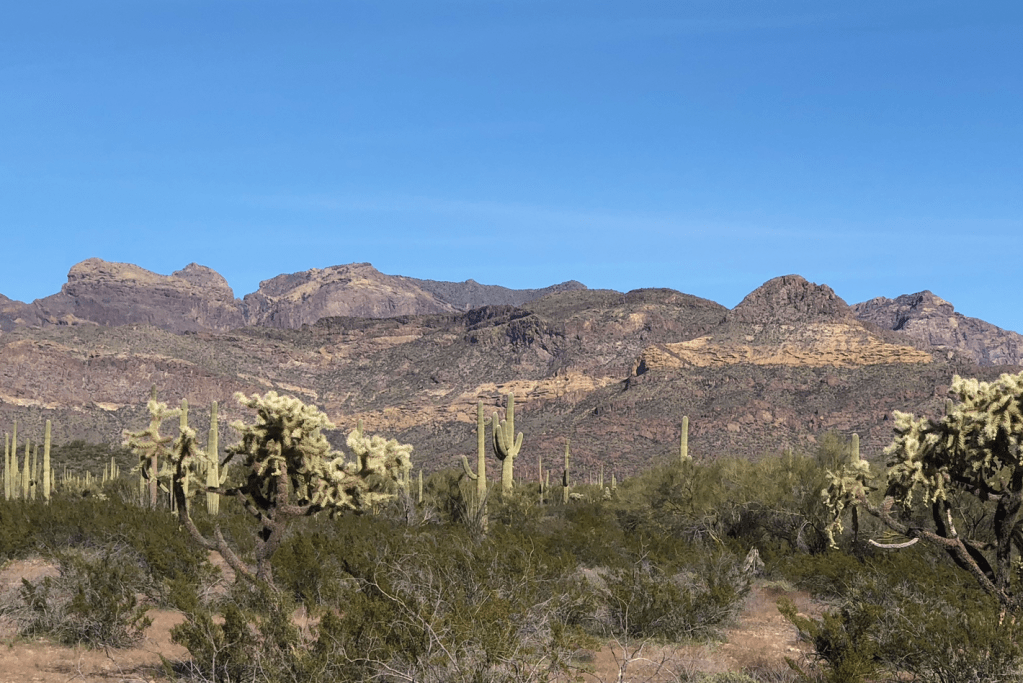
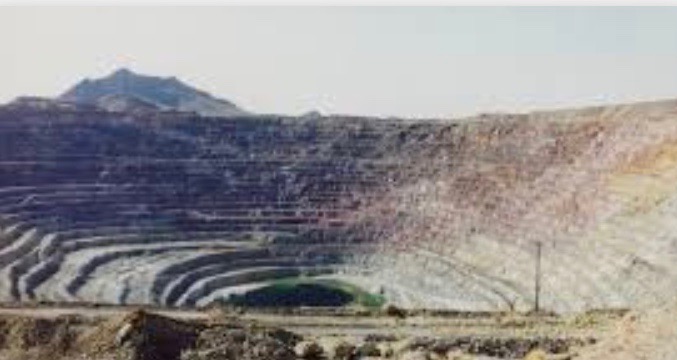
Thousands of years before the town of Ajo existed, the Tohono O’odham people and their ancestors thrived here in the Sonoran desert. Ajo was founded as a company coal mining town in 1847 by the Arizona Mining & Trading Company, eventually becoming the New Cornelius copper mine, an open pit mine. Not surprisingly, the mining company massed produced housing in segregated neighborhoods- Indian Village, Mexican Town and the rest of Ajo for white families. We are happy to say that the town seems quite integrated now.
Strikes and a drop in copper prices led to the mine closing in 1985; many people left and the town went into decline. Retired people then moved in and bought the vacant houses for cheap, ushering in a new era for the town. The International Sonoran Desert Alliance (International meaning the neighboring Tohono O’Odaham Nation, Mexico and U.S.) also helped with the resurgence. “We’re creating something that Ajo needs badly,” said Tracy Taft, former executive director of the International Sonoran Desert Alliance, which is spearheading a multipronged project to bring artists and arts events to Pima County’s far-flung town. “Ajo’s only hope for becoming really a flourishing town again is that kind of niche tourism.”
Most recently, the increase at the neighboring Custom and Border Patrol station from 24 to 400 agents have resulted in another influx of residents. To the consternation of local residents, the federal government spent $12.7 million to build new houses to attract people to apply for the new Border Patrol jobs while existing houses remain vacant. There is also a 27% local unemployment rate, so why not hire locally?
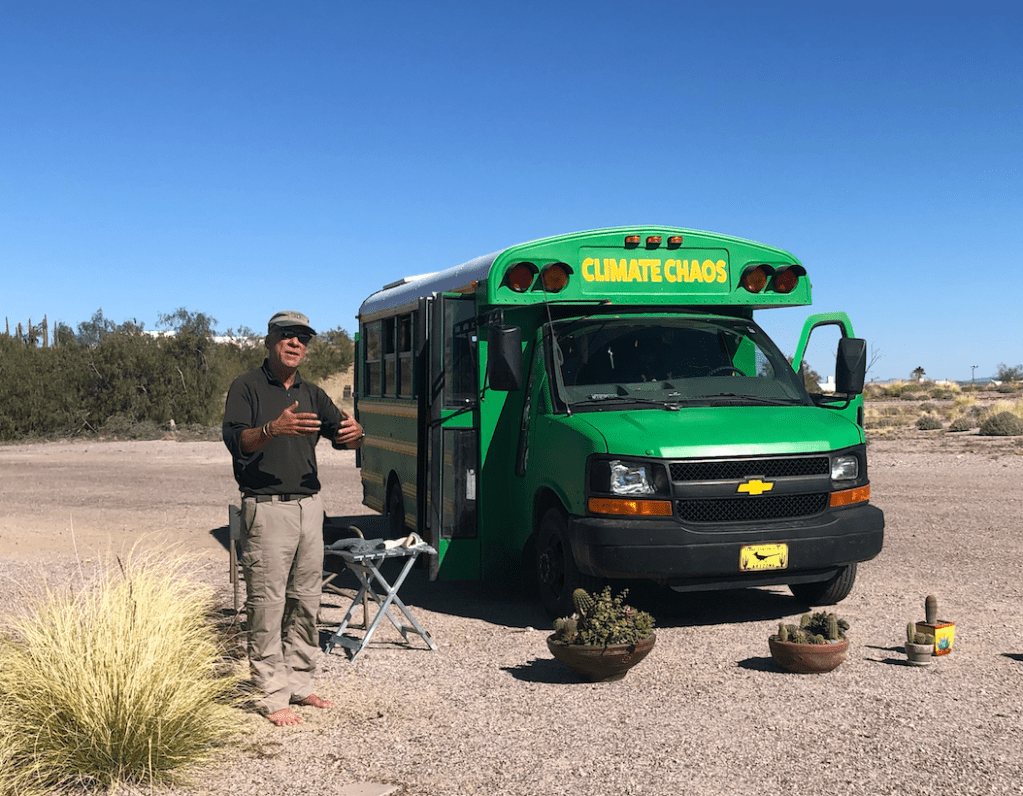

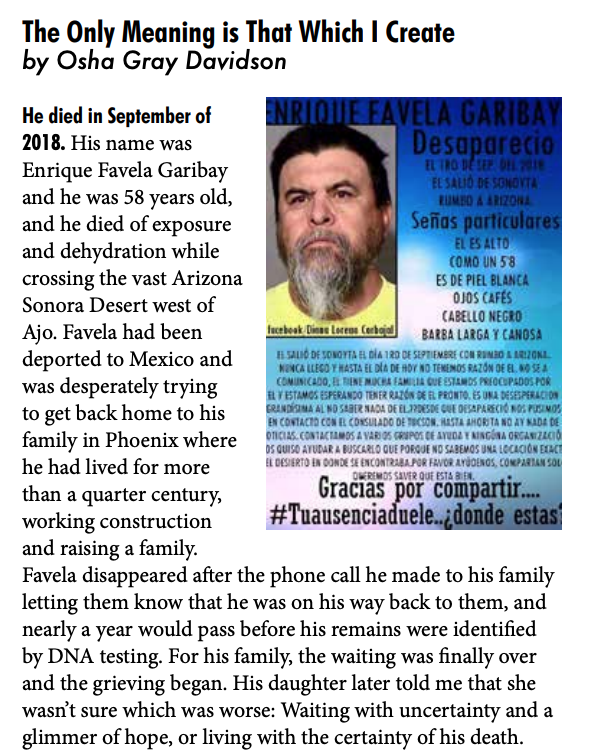
The above excerpt was written by a volunteer with Humane Borders, a volunteer organization founded in 2000, that maintains a system of water stations in the Sonoran Desert on routes used by migrants making the perilous journey here on foot. Their primary mission “is to save desperate people from a horrible death by dehydration and exposure and to create a just and humane environment in the borderlands. We locate our water stations on government and privately owned land with permission from the landowners.” Over 3000 people have died crossing the Arizona desert since January 1999 (Humane Borders website).
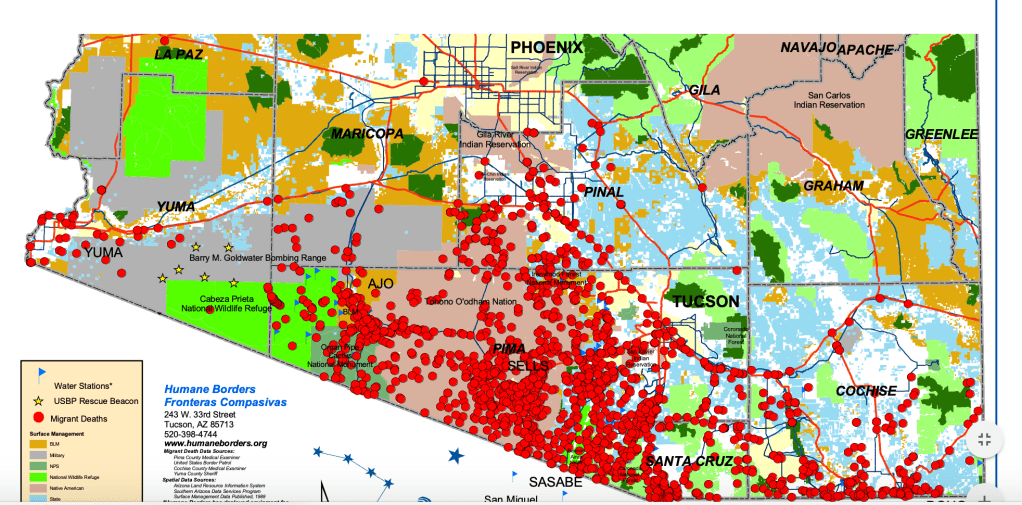
It wasn’t always this bad. A 1994 Clinton-era Border Patrol strategy called “Prevention Through Deterrence” sealed off urban entry points and funneled people to wilderness desert risking injury, dehydration, heat stroke, exhaustion and hypothermia. With this came a dramatic increase in deaths. The Prevention Through Deterrence strategy “directly led to the exponential increase in deaths in Southern Arizona,” according to Martinez, a researcher on the Migrant Border Crossing Study. “The data speaks for itself: There’s a direct correlation between the border buildup and the deaths. It’s undeniable.”
Kind people living near the border have always provided humanitarian aid to desert travelers, so it is somewhat of a misnomer to call it the “new underground railroad”. What has changed is the Trump administration, arresting people for it. A case that has gotten much attention is that of Scott Warren, who was arrested in January 2018 for by the U.S. Border Patrol in Ajo and accused of “harboring” for having given, food, water, clean clothes, and beds to two men, José and Kristian. José and Kristian had left Central America and traveled for several months across Mexico and then for days across the desert. They found their way to the “Barn,” a property used by humanitarian groups and volunteers that operate in the desert surrounding Ajo. Some days later, Border Patrol Agents entered the property and arrested the three of them.
The rural communities, farms, ranches, wildlife refuges, national parks and native lands along the border has been militarized. Ajo Border Patrol station, has been increased from 24 to 400 agents, with a capacity for 900 agents; Trump has proposed management of this land be turned over to the military. O’odham people at the Quitobaquito oasis were, no doubt, the first humanitarians of this place. They welcomed generations of travelers to the desert spring and shared the water and food that was grown there.
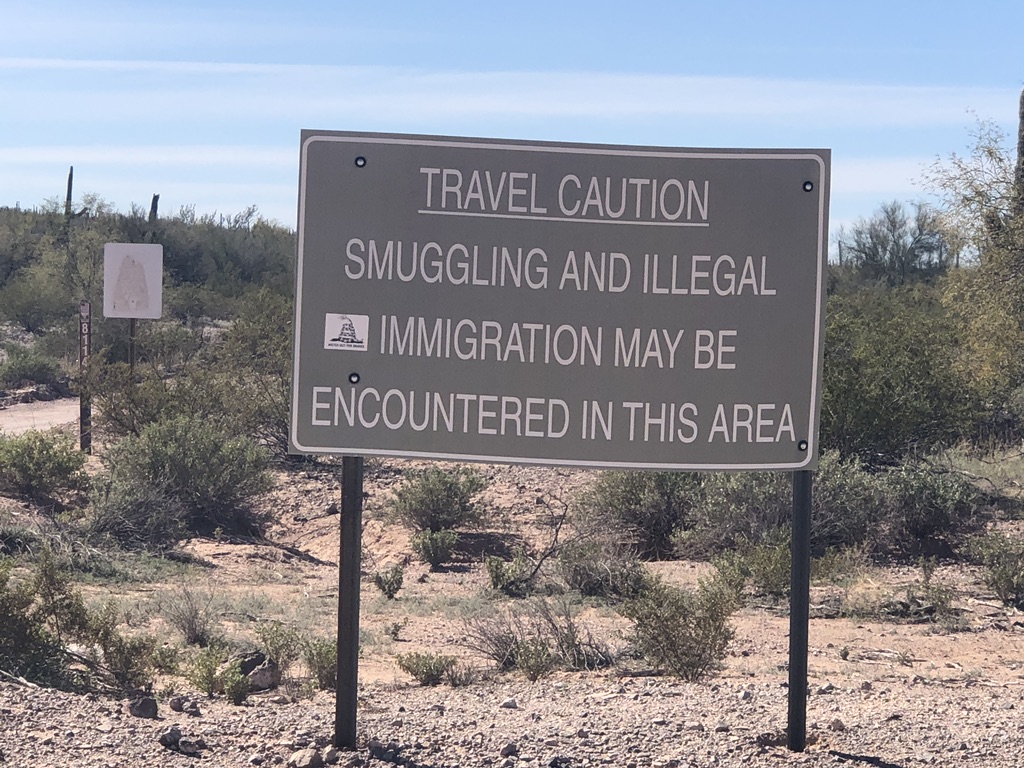
Former Tohono O’odham chair Ned Norris Jr. once estimated that before Prevention Through Deterrence, 200 or so migrants crossed the nation each month; once the strategy went into effect, that figure ballooned to 1,500 a day. O’odham lands became occupied territory, crawling with Border Patrol agents, penned in with vehicle checkpoints and monitored 24/7 with the latest in surveillance technology. As the interdiction industry put down roots, an economy for getting past the border guards ballooned. On the economically struggling Tohono O’odham Nation, the allure of potentially easy money trapped more than a few people in the cycle of arrest, felony conviction, and incarceration that plays out in communities across the country, including those far from the border. More enforcement meant more illicit activity, which required more enforcement — it was self-sustaining cycle with real-life consequences for the O’odham people.
People along the border are fighting back, with lawsuits and protests. And they will continue to provide humanitarian aid as they have done for generations. Scott Warren was recently found not guilty by a jury of his peers.

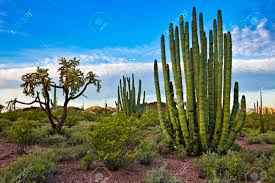
Organ Pipe Cactus National Monument is a UNESCO biosphere reserve right on the border of Mexico in the heart of the largest expanse of protected Sonoran Desert on the planet. . It is the only place in the United States where the organ pipe cactus grows wild and it is sacred to the Tohono O’odham people. The national monument is 96% designated wilderness — the highest degree of protection Congress can bestow upon federal land.
This, however, did not stop the Trump administration from building a 30 foot wall right through Organ Pipe National park.
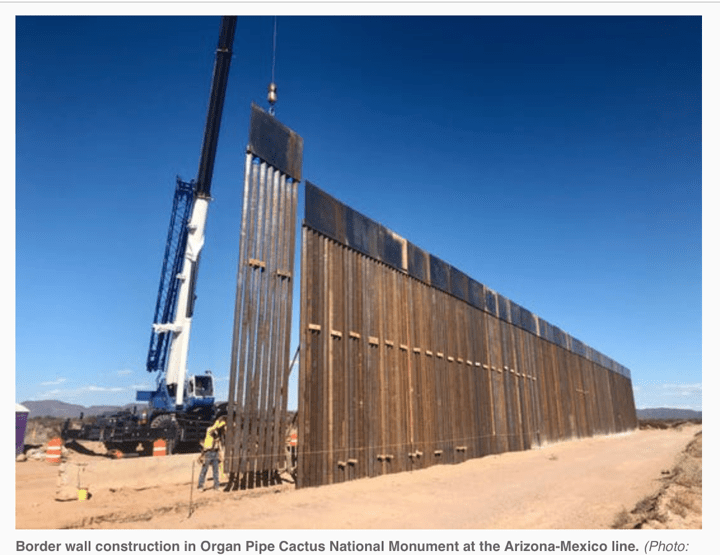
The first 30-foot (9.1 m) panels of a new Arizona, US-Mexico border wall were installed in August 2019 on a two-mile (3.2 km) stretch of Organ Pipe Cactus National Monument. It is the first of three projects that will add bollard walls along Southern Arizona’s wildlife refuges. The National Park Service issued a report on September 18, 2019, stating that the barrier wall threatens archaeological artifacts representing 16,000 years of human history.
Activists say the 30-foot barrier will block wildlife migration, destroy sacred sites and imperil endangered species. According to Laiken Jordahl, a naturalist at the Organ Pipe National Monument, it will take thousands of years for the land to regenerate from the Dept. of Homeland Security sucking tens of millions of gallons of waster out of the aquifer to mix concrete for the wall.Endangered species at Organ Pipe, such as Quitobaquito pupfish and Sonoyta mud turtles, will perish without water. Both the pupfish and the turtle are found only at Quitobaquito Springs, a sweet, reed-ringed desert oasis just a stone’s throw from the planned course of Trump’s wall. The wall will stop migrating wildlife in their tracks, preventing animals like desert bighorn sheep, Sonoran pronghorn and even cactus ferruginous pygmy owls from finding water, food and mates.
Click here is see more images of the border wall in a Sierra Club article.

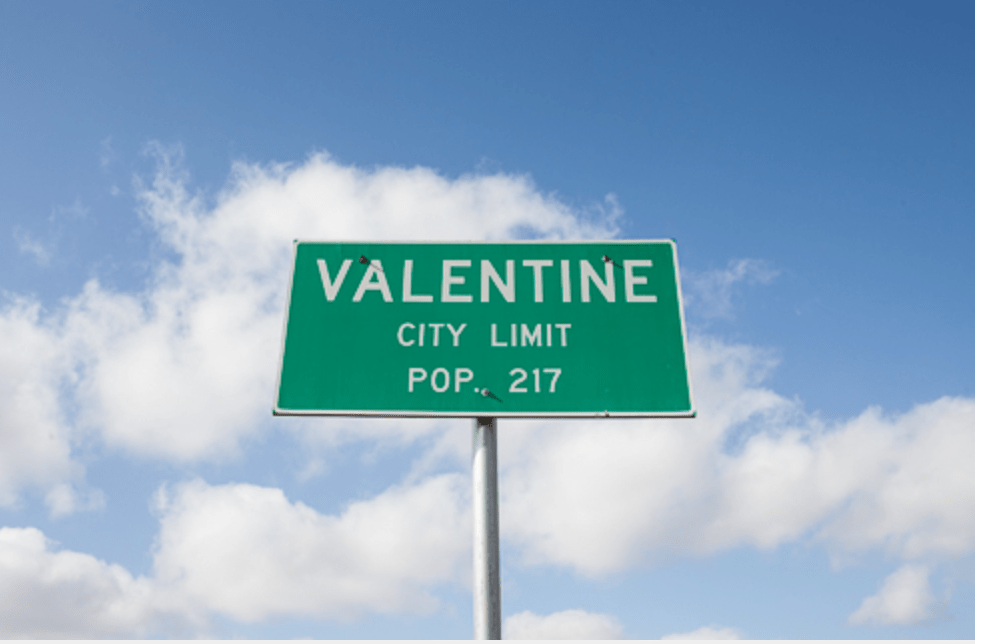
Since it is February, I would like to tell you the story of Valentine, Texas, which we passed by yesterday. Valentine is the ony incorporated town in Jeff Davis County Texas. It has a waning population: now likely less than 180 people, although the sign boasts a population of 217 . In fact, Valentine looks something like a ghost town. The gas station and the store are boarded up and most of the houses are abandoned.
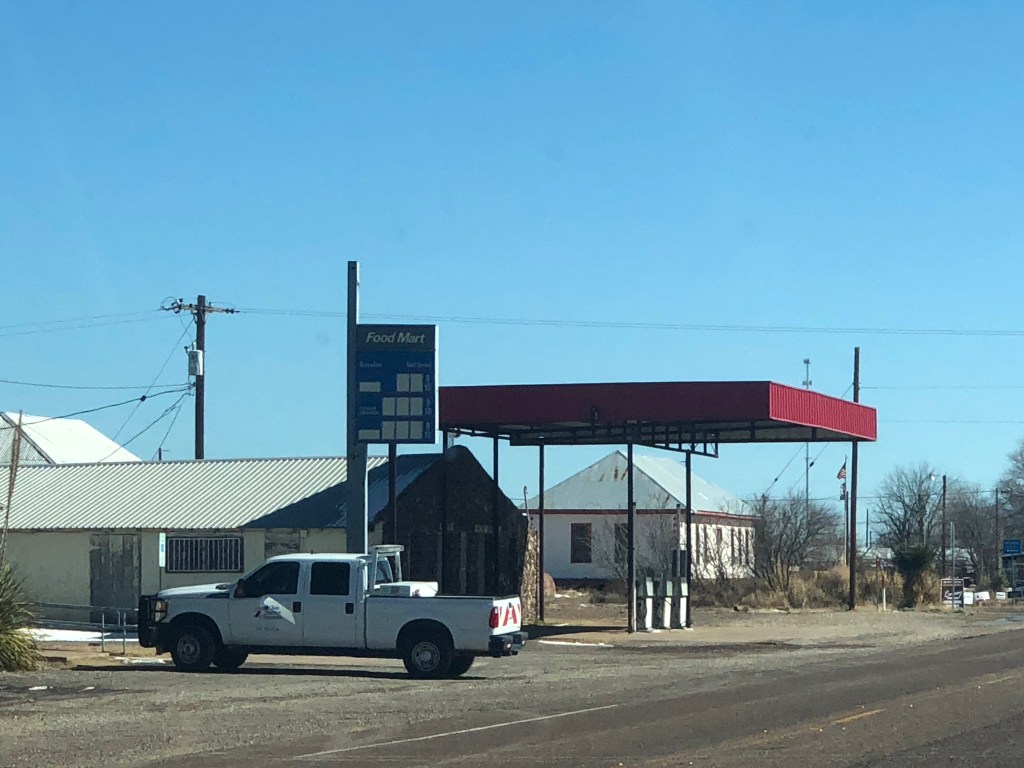
Valentine was founded in 1882, when a railroad crew had finished laying the tracks to the point where a water and fuel depot would be needed. It was Valentine’s Day, so the story goes, and they named the depot Valentine. The president of Wells Fargo and a major stockholder in the railroad was named John Valentine, which is the less romantic and probably real reason for the name. Valentine is halfway between L.A. and New Orleans, almost exactly 1000 miles each way. . In 1900 Valentine had two saloons, a butcher shop and a general store. Area ranchers shipped cattle out of Valentine but by the 1950s with the increase of trucks being used to haul cattle, Valentine’s railroad depot was closed down. At that point Valentine was no longer a thriving railroad community and the majority of the businesses closed down.
But the town still has heart. Jesus Calderon (who goes by Chuy), has been mayor there for 40 years. In addition to being mayor, he taught in the Valentine Independent School District. The school, K-12, has about 40 students. Some years they only graduate five or six from high school, some years one, but the whole town turns out to celebrate the graduates.
The town isn’t so small that it doesn’t have a post office. This is actually their claim to fame. This time of year they receive thousands of cards to be re-mailed bearing the Valentine postage stamp. The cards come from all over the U.S. and as many as 30 foreign countries.


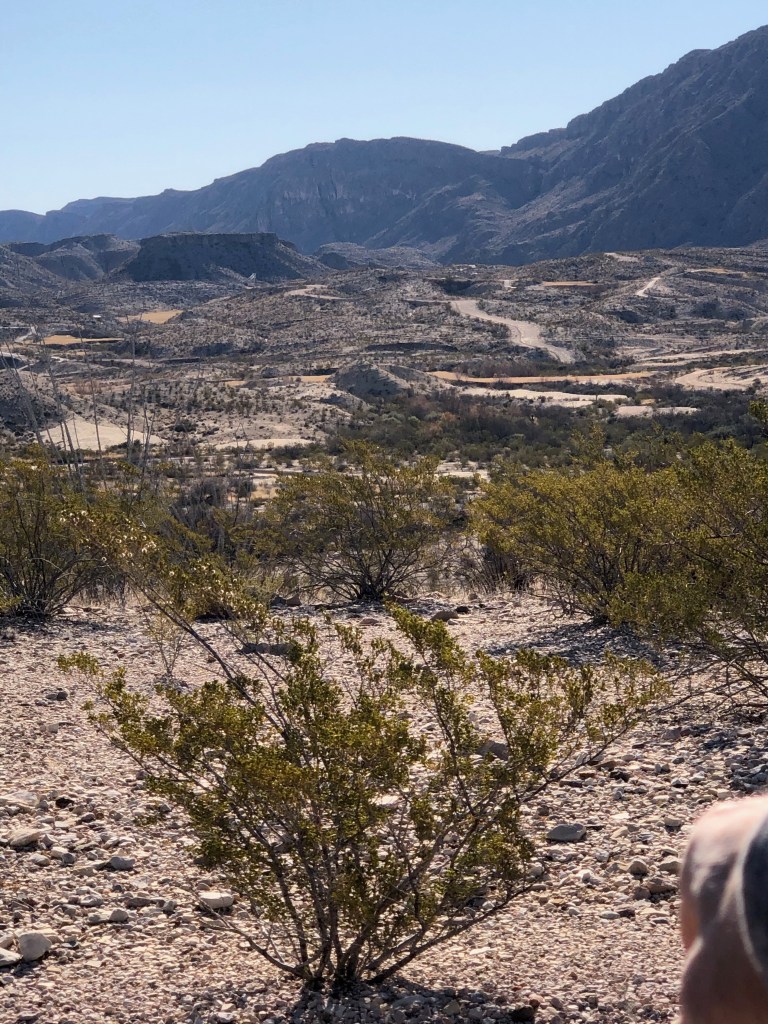
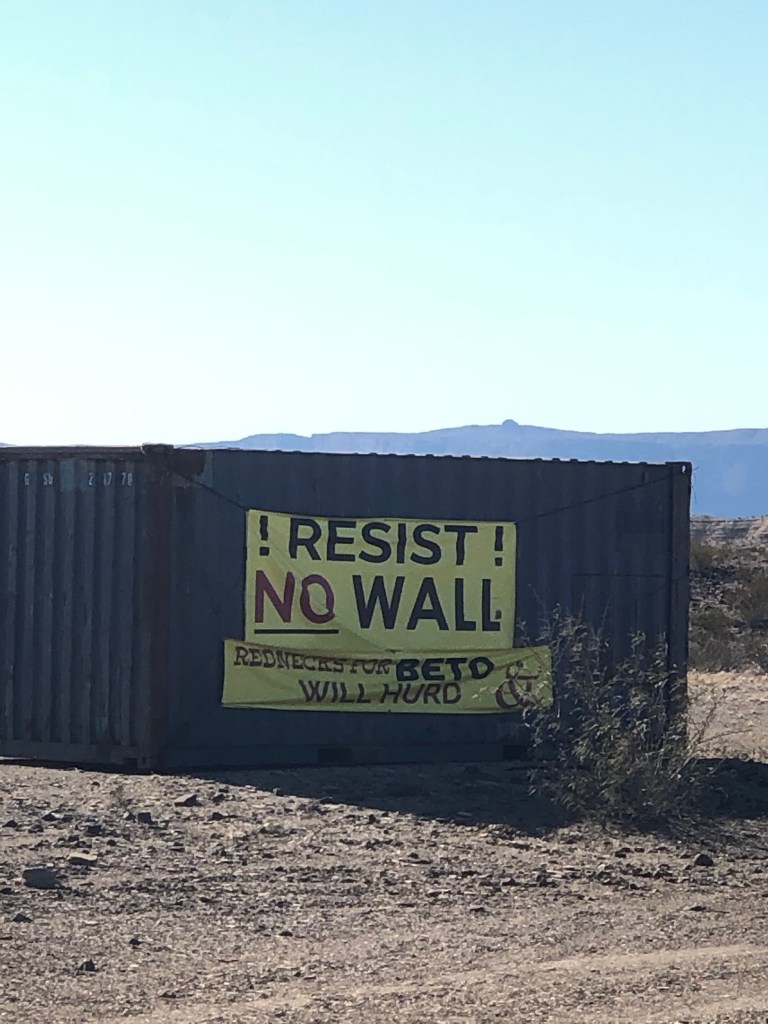
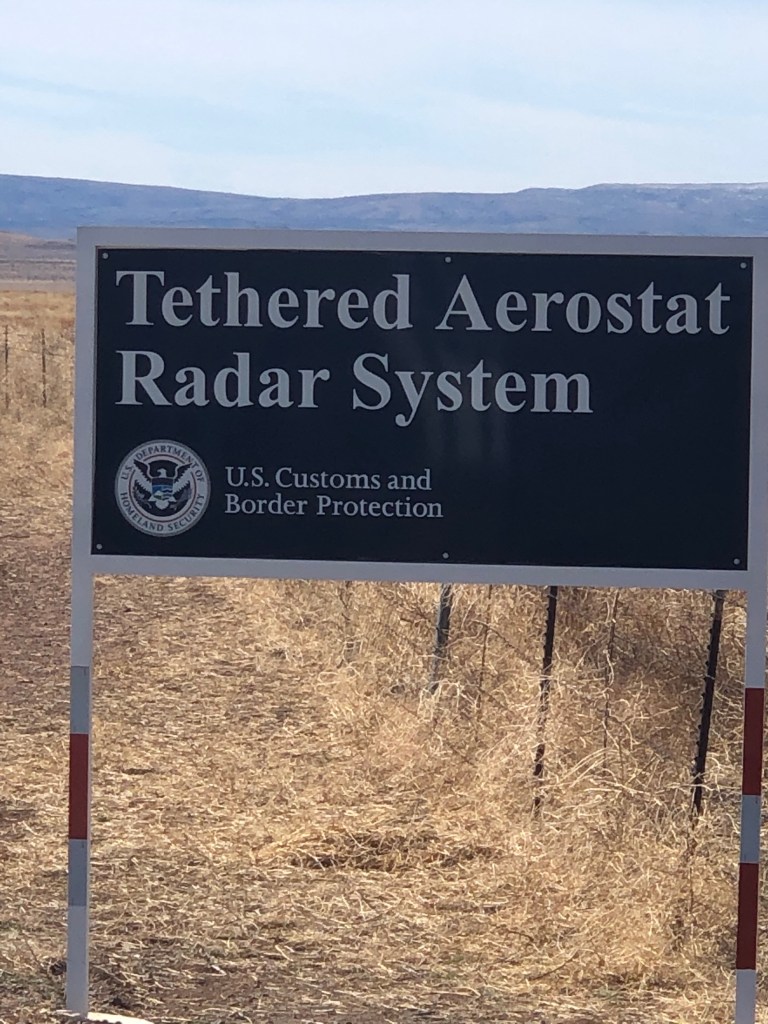
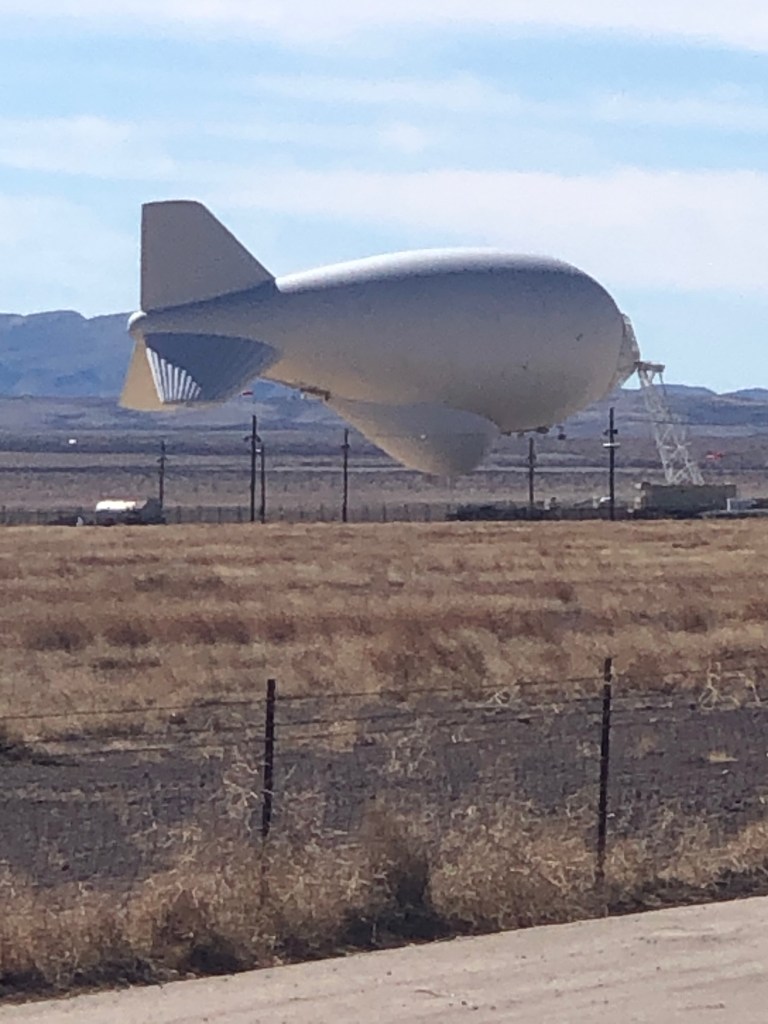

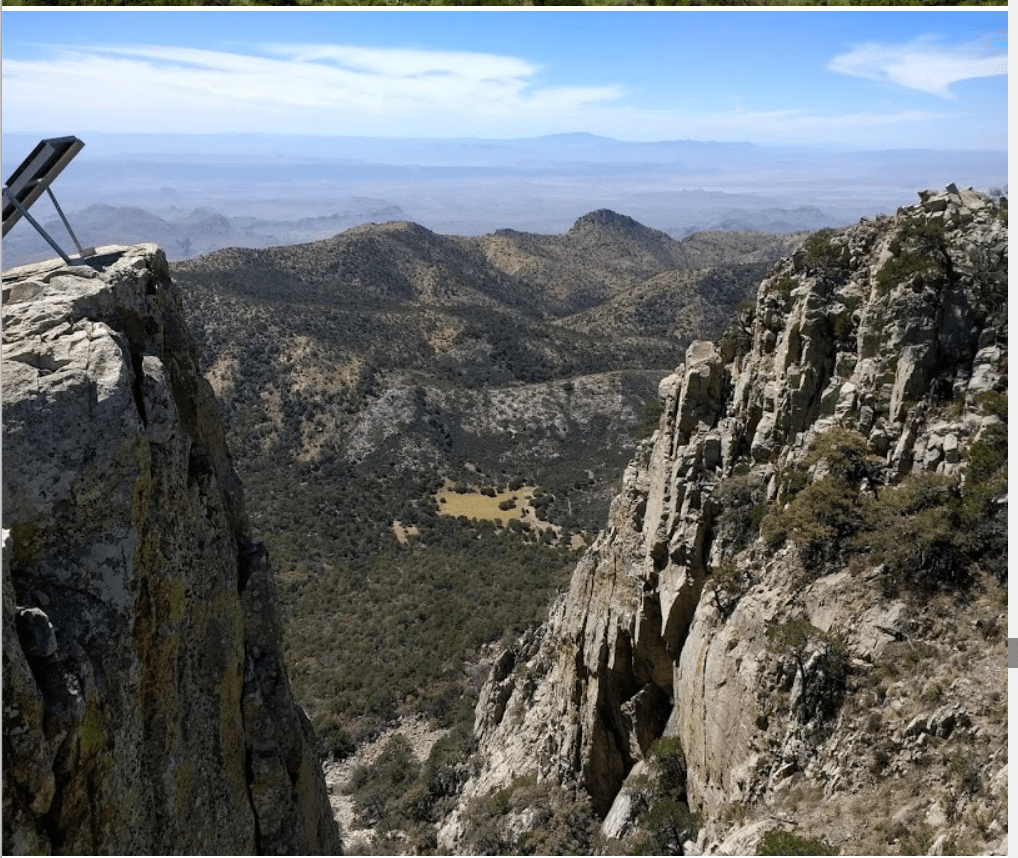
We spent the day at Big Bend National Park in West Texas. We got a late start waiting for the winter weather to clear and it took the rest of the day to do mostly a driving tour. The park is huge. We have to come back when we have time to hike and explore. Definitely plan on at least three days.
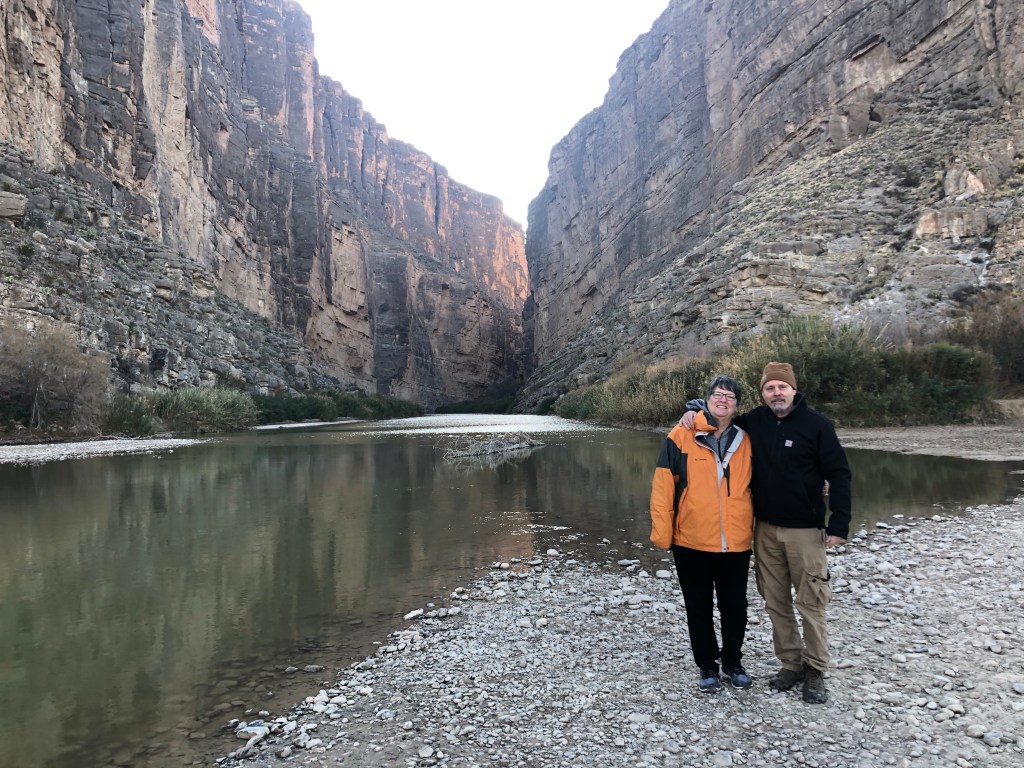
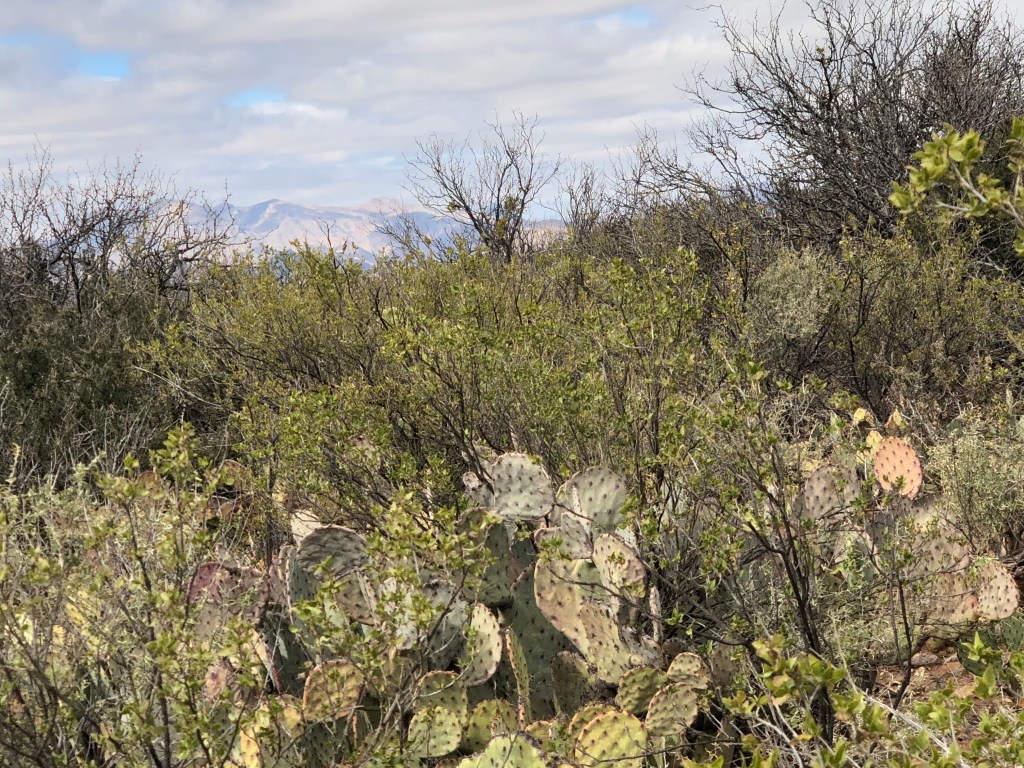


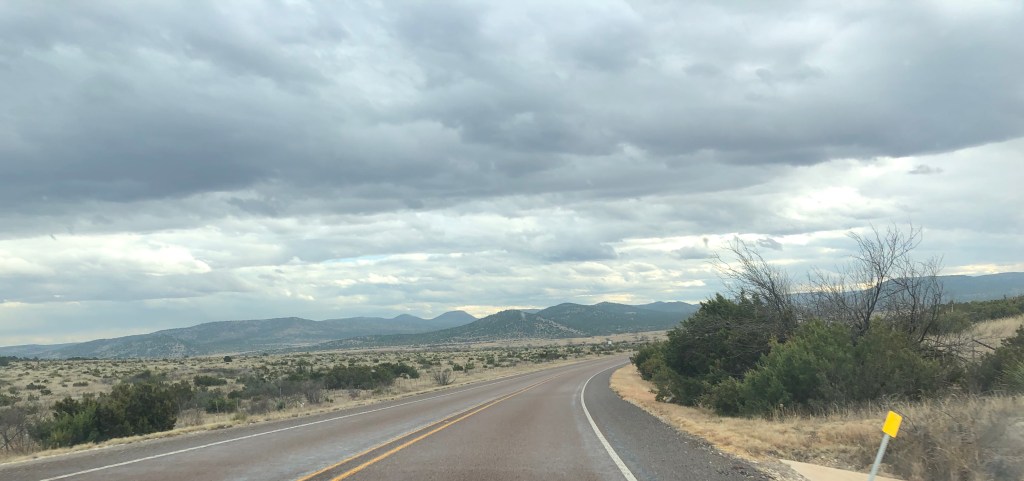
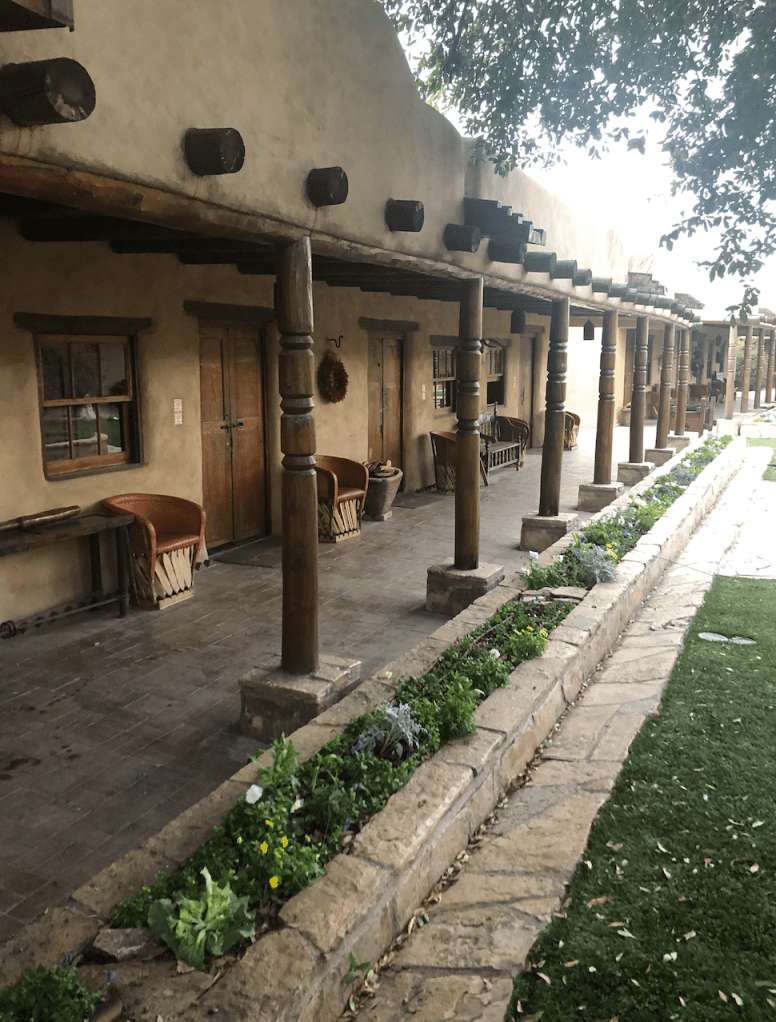
We spent the night in Marathon, Texas about 40 miles from Big Bend National Park. The historic Gage Hotel, is the happening place on main street in this tiny town, population 430. However, it does have a library, post office, bank, community center, general store, school, volunteer fire dept and a brewery.
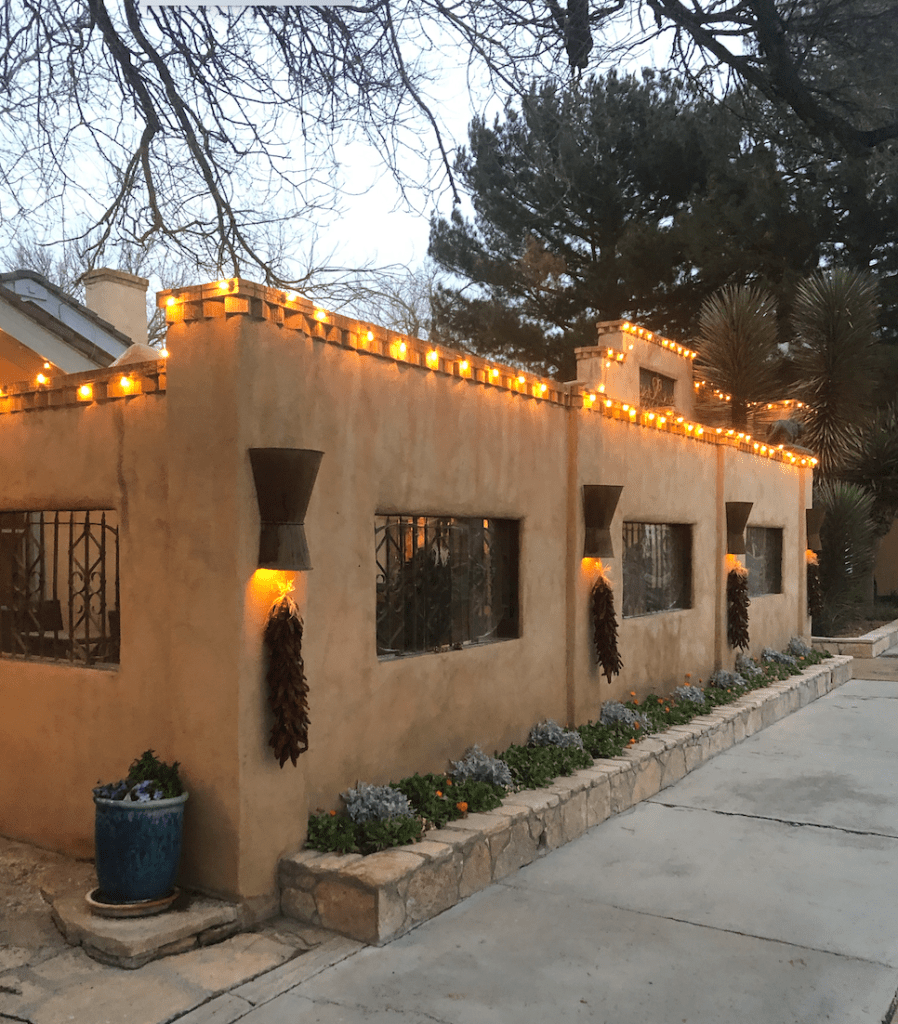
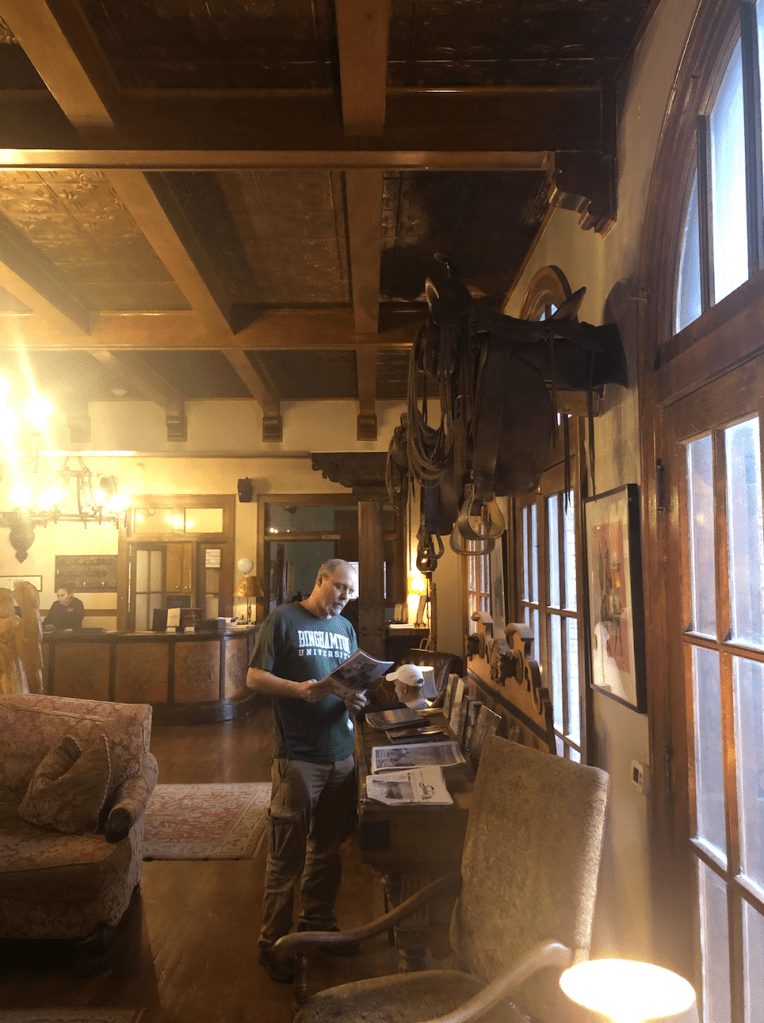
One of Marathon’s claims to fame is astronomy. It is really dark here at night. Marathon measures a CLASS 1 on the Bortle Light Pollution Scale, which means it is as dark as it gets on earth! Unfortunately, it was snowing last night, yes snowing for the first time in two years. Hopefully we will have clear a sky tonight so we can see the stars.

We arrived in Austin last night and hung out with our nephew, Jim, who moved here two weeks ago. It was nice to see him in his new digs.
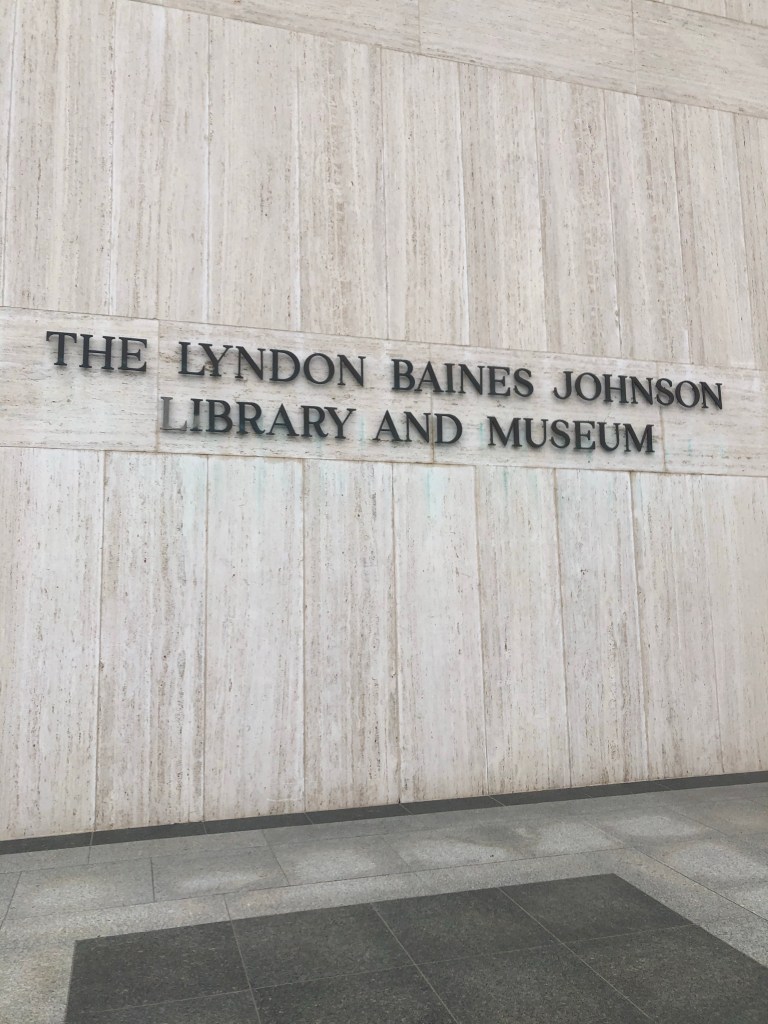
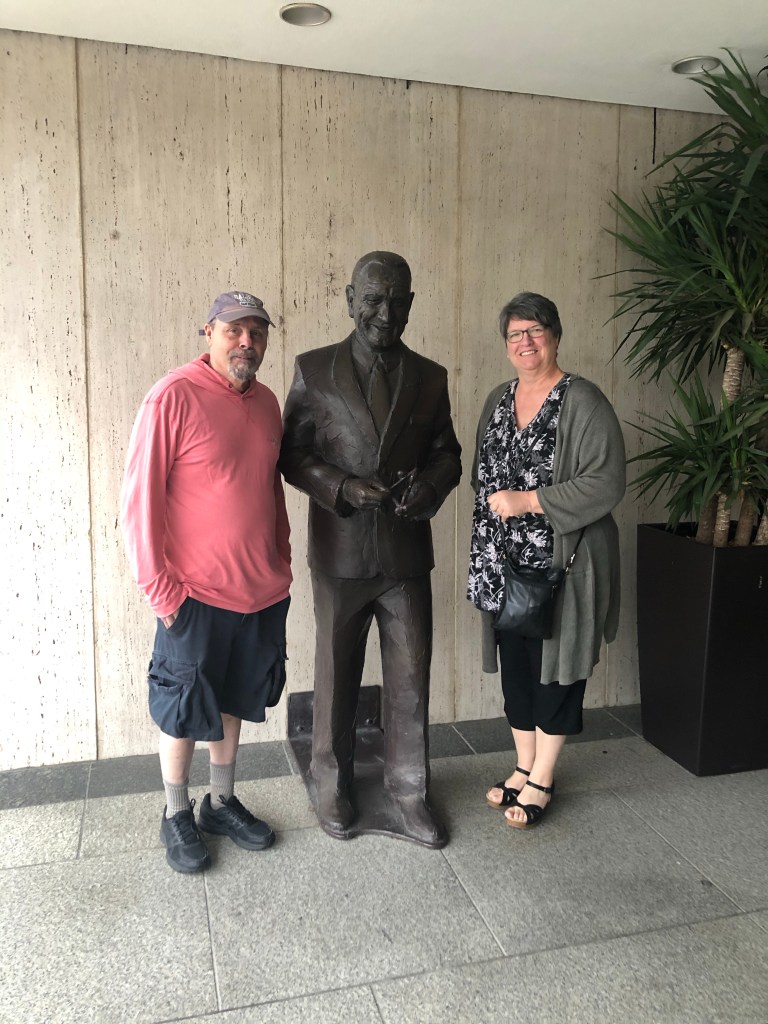
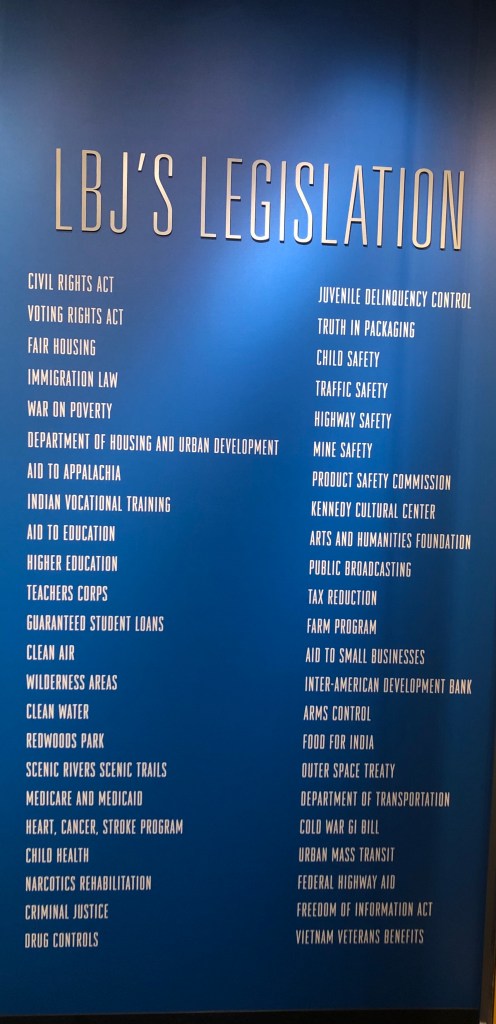
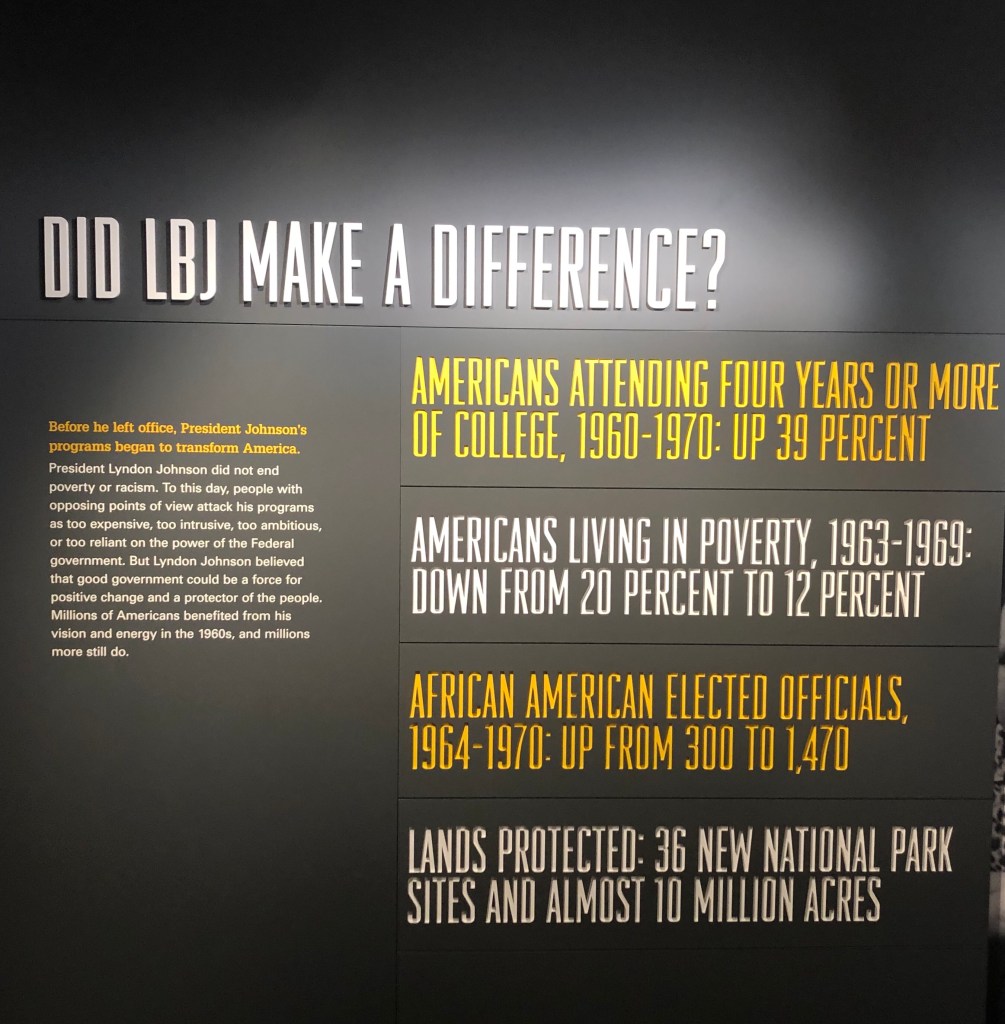
This afternoon we went to to the Lyndon B Johnson Library and Museum on the UT campus. The Vietnam War really tarnished LBJ’s reputation and he is not remembered fondly. Today we were reminded of how much legislation he got passed that really made a difference in the lives of Americans including: civil rights act, voters rights act, medicaid and medicare, fair housing act, and immigration reform.
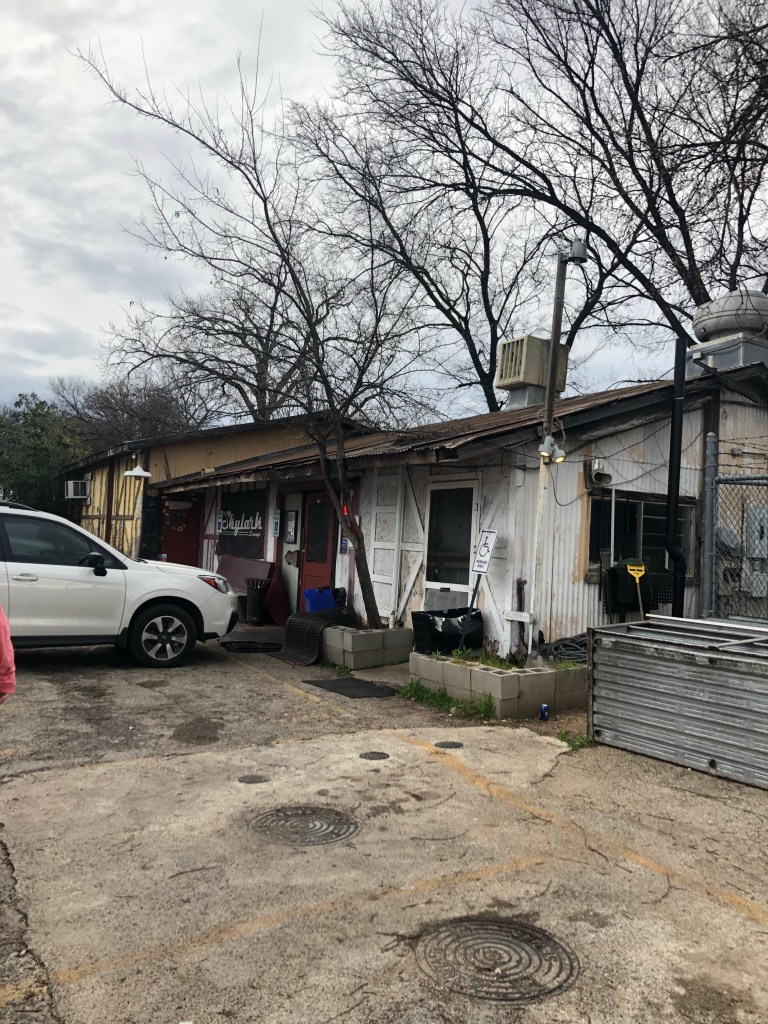
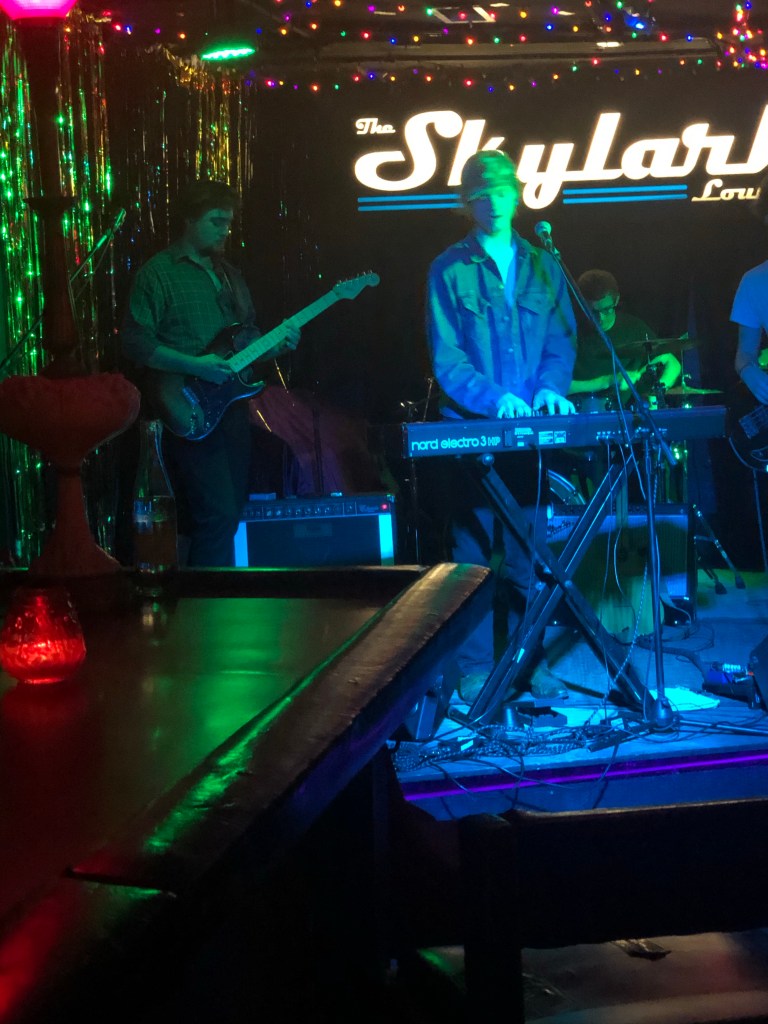
Tonight we went to the Skylark Lounge
 Perspectives on the Road