At the end of the Underground Railroad- Part Two

Today we visited the Uncle Tom’s Cabin Historic Site and Museum in Dresden, Ontario​. It is on the 200 acres of land purchased in 1841 to establish the British American Institute, a trade school where Black refugees could learn trades and start a new life of independence. The school had a grist mill, a saw mill, brick yard, iron works and rope factory.
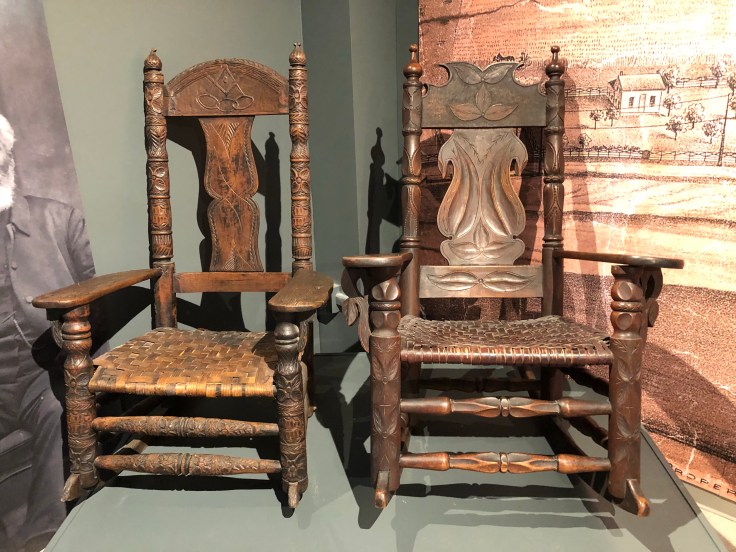
These black walnut chairs are examples of work done by students st the Institute, where caning and chair making were taught.

The settlement that grew up around the school was called Dawn, At least 500 Black freedom seekers made their home at Dawn. One of the Institute’s founders was Josiah Henson, an enslaved freedom seeker from Maryland who was a Methodist preacher, community leader, farmer, author and leading abolitionist. He was recognized internationally for his contribution to the abolition movement.
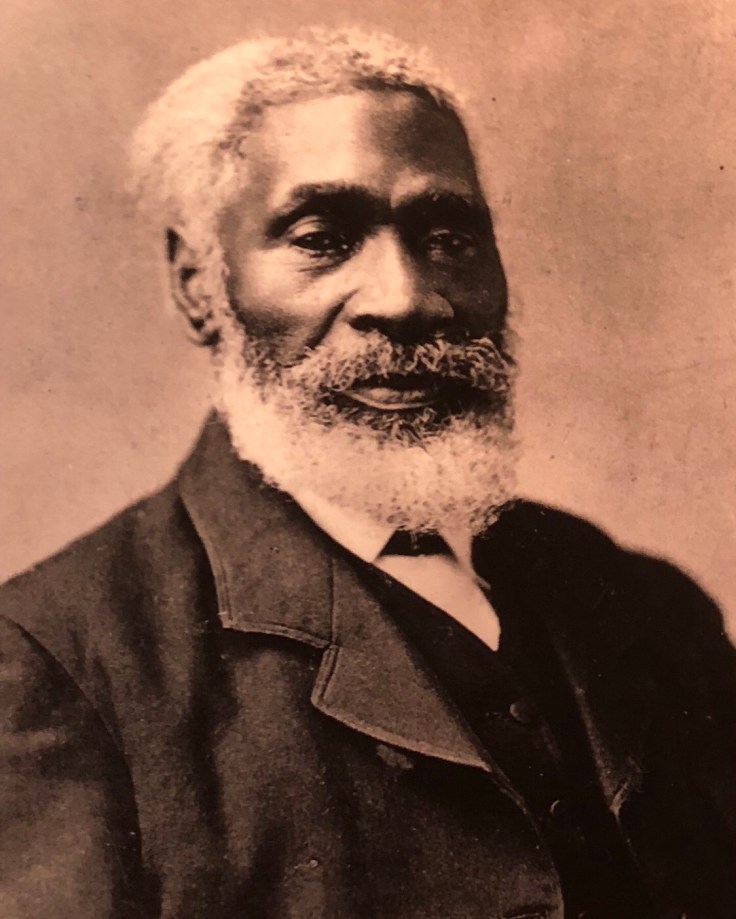
Reverend Josiah Henson

Henson’s vision for the Institute was “every tree which was felled, every bushel of corn we raised, would be for ourselves, in other words [we] could secure all the profits of our own labour.”

You can read Henson’s autobiography, The Life of Josiah Henson: Formerly a Slave first published in 1849.

Harriet Beecher Stowe’s book, ​Uncle Tom’s Cabin​ ‘s title character is based on the life of Josiah Henson. Henson capitalized on this fact his whole life to bring recognition and funding for the British American Institute. We learned that the derogatory Uncle Tom stereotype comes from the minstrel shows after the book was published, not the character in the book itself.

The Josiah Henson Interpretive Centre​, located on the site, houses a collection of 19th-century artifacts and rare books pertinent to the abolitionist era, as well as displays highlighting Reverend Josiah Henson’s life.
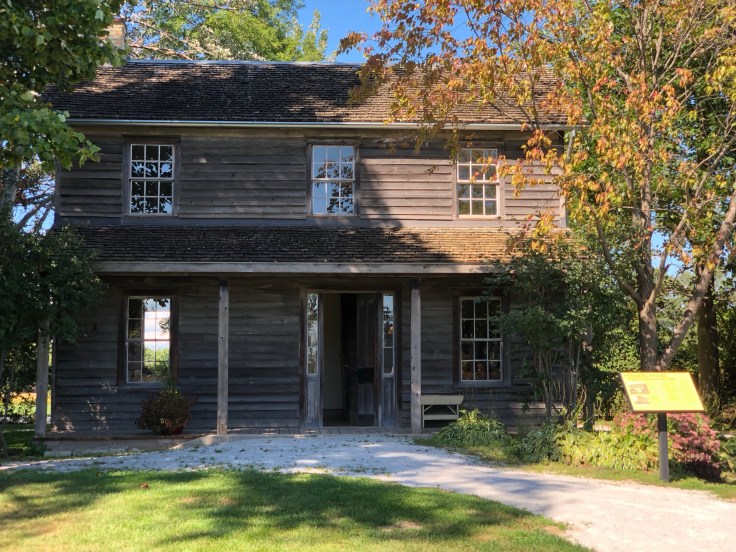
Josiah Henson’s House
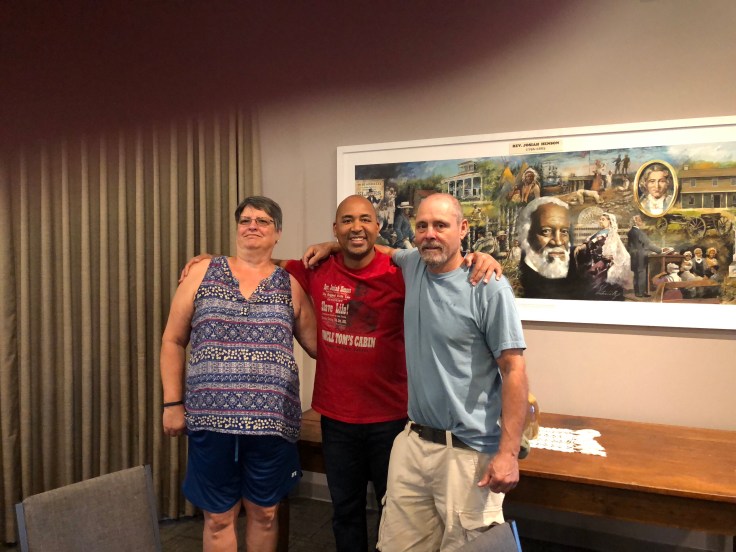
Steve Cook, museum Site Manager gave us a tour and was most informative. It is interesting to note that Steve is a fifth generation descendent of one of the original Dawn settlers.

At the End of the Underground Railroad- Part One

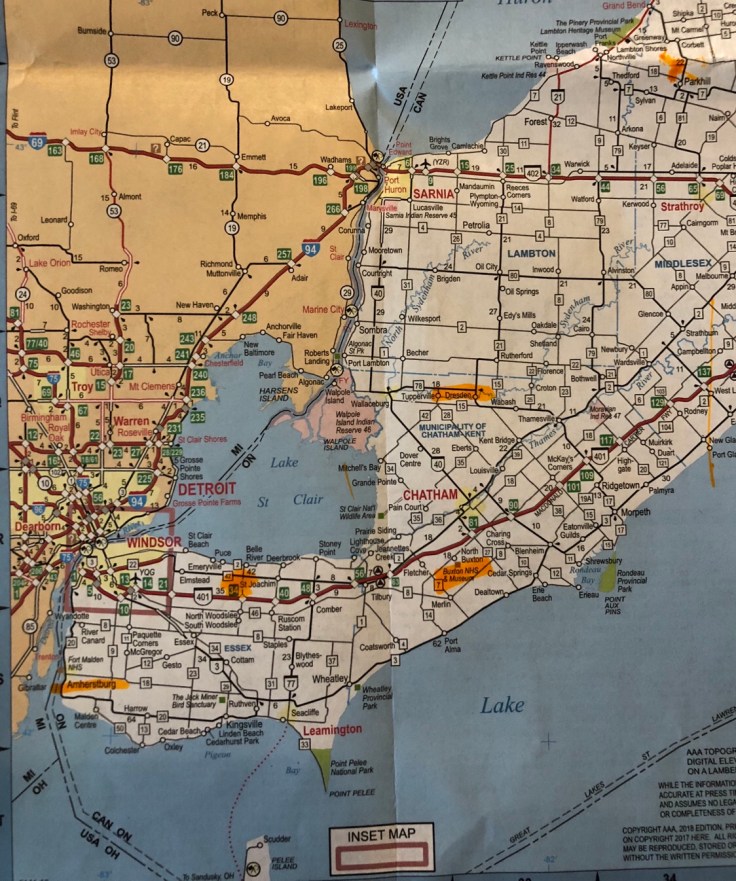
Today we arrived in Chatham- Kent, a small city in Ontario, above Lake Erie about an hour from Detroit.

According to the city welcome website, Chatham-Kent is now known for great fishing, classic cars and welcoming of diverse populations. Even though the Chatham-Kent population seems pretty White now, this area of Ontario has a proud Black History.  Between 1830 and 1860 about 30,000 Black freedom seekers crossed from the U.S. into this part of Southern Ontario to find a home free from the oppression of slavery.

Have you ever wondered what happened at the end of the underground railroad in Canada?  Did formerly enslaved people find peace and prosperity?  Did they live in freedom from racial hostility? What was day-to-day life like for them?

We found out that there were a number of thriving Black communities in this region between 1830 and 1860. They are now mostly just a memory marked by historic sites since most of the residents returned to the U.S to fight in the civil war or returned after the war when slavery was abolished.

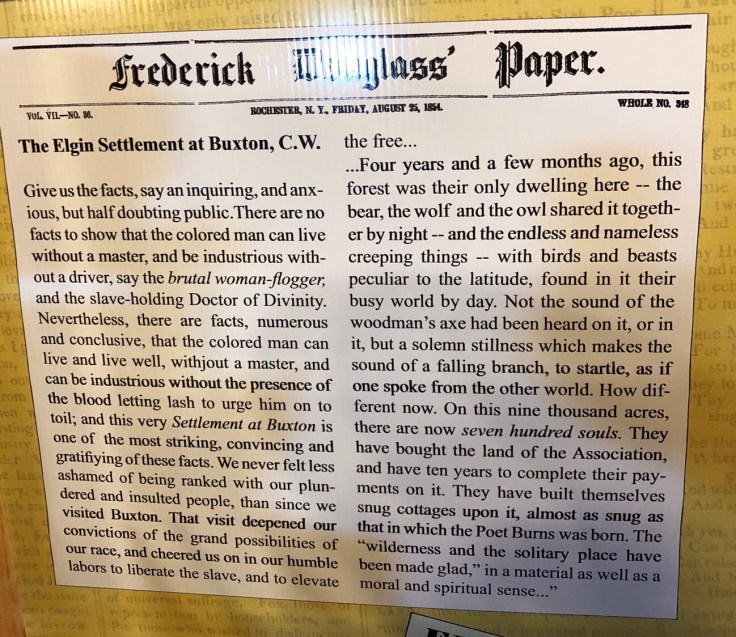
We visited the Buxton National Historic​ Site and Museum located in the municipality of Chatham-Kent. At it’s height, Buxton Settlement became home for approximately 2,500 people of African descent. The community was self-sufficient.  Within the first few years they cleared the land, built houses, schools and churches and a thriving farming economy was the result.

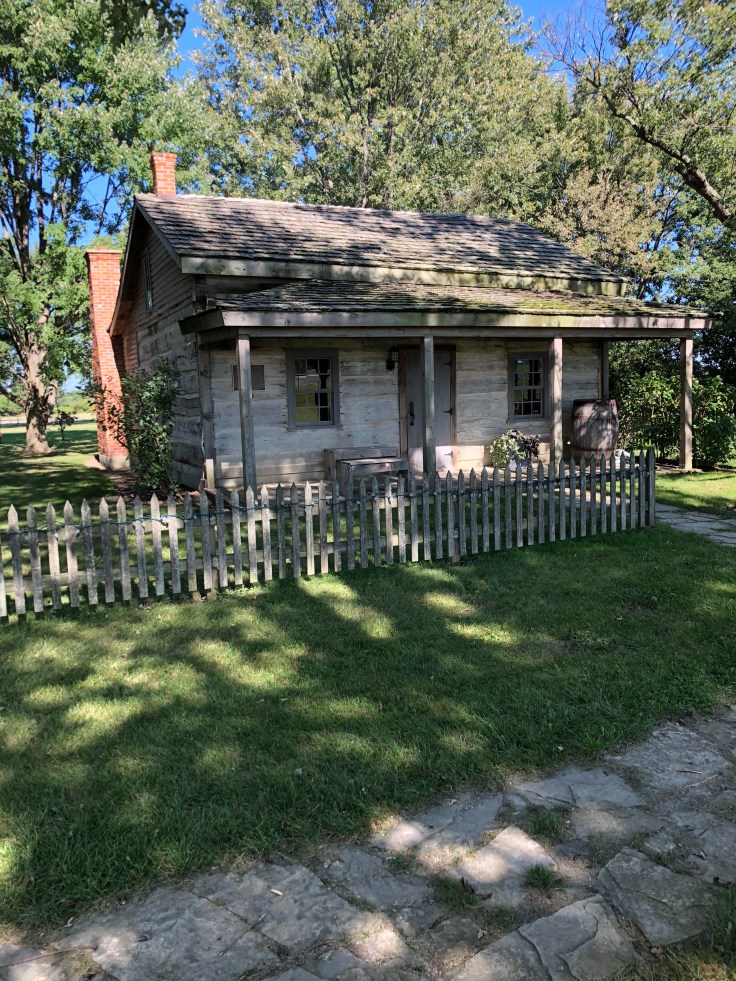
This cabin was built by its original owner Henry Colbert when he came to Buxton in 1850.
It was moving to spend some time alone in the cabin that was built by one of the original settlers.

Frederick Douglas visited Buxton in 1854 and wrote that ” the visit deepened our convictions of the grand possibilities of our race”.

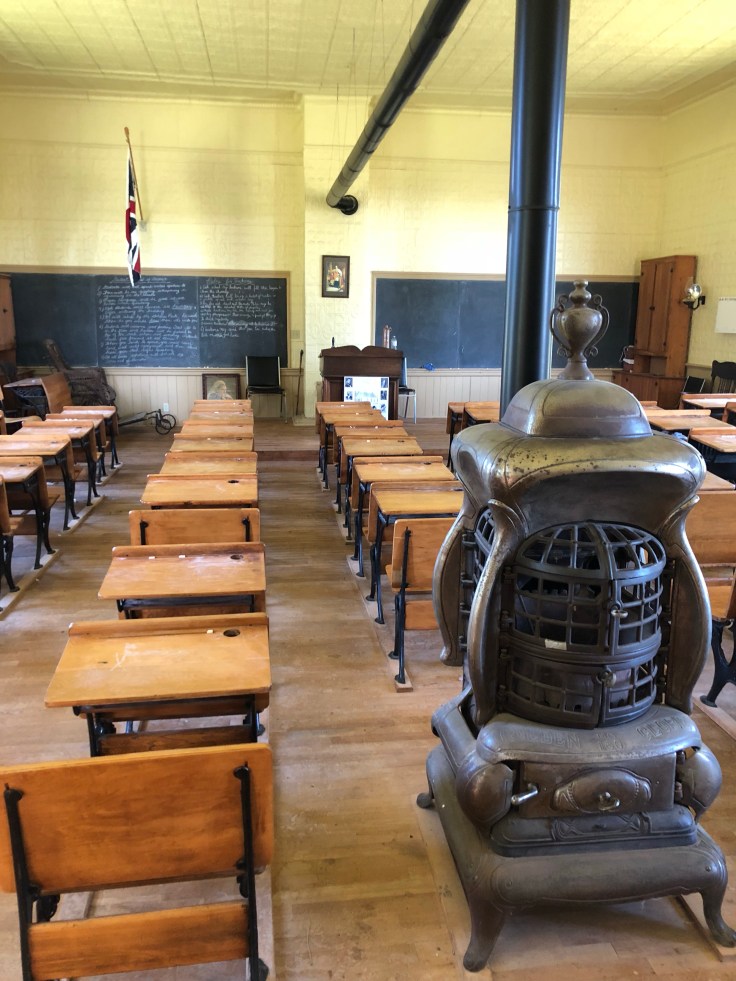
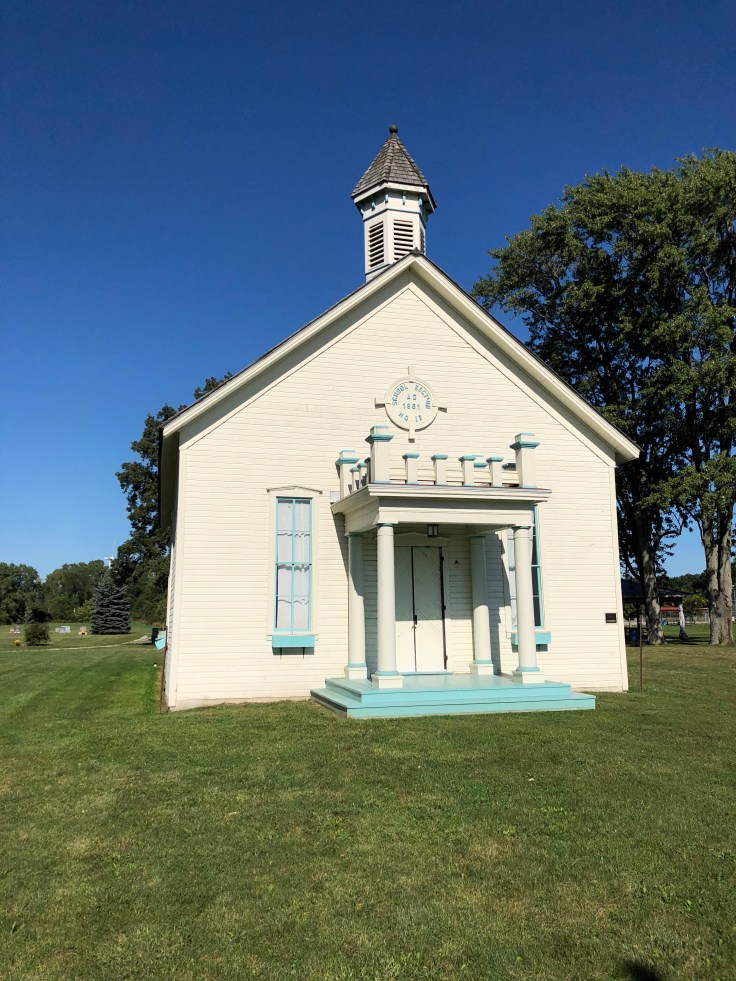
As former enslaved people denied the opportunity to learn to read and write, the Buxton community highly valued education as a key to success. Buxton had three schools that were considered so superior that nearby whites sent their children to attend these schools.

Original schoolhouse at Buxton

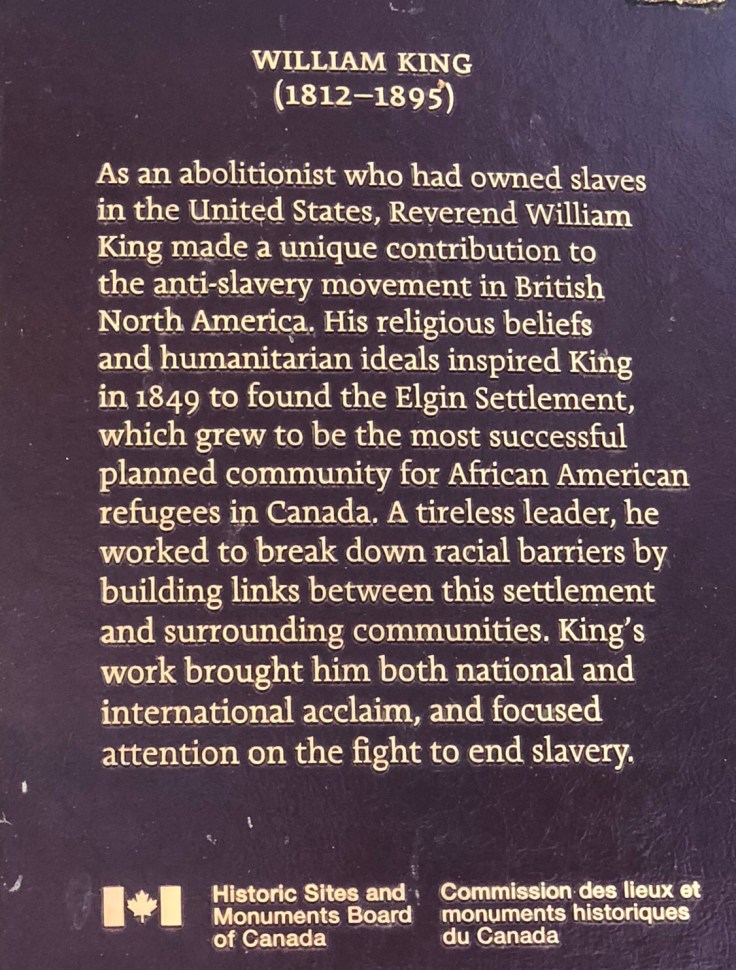
The Elgin Association, founded by Reverend William King, initially bought 9,000 acres of land, which they sold and financed at low cost to Black settlers.

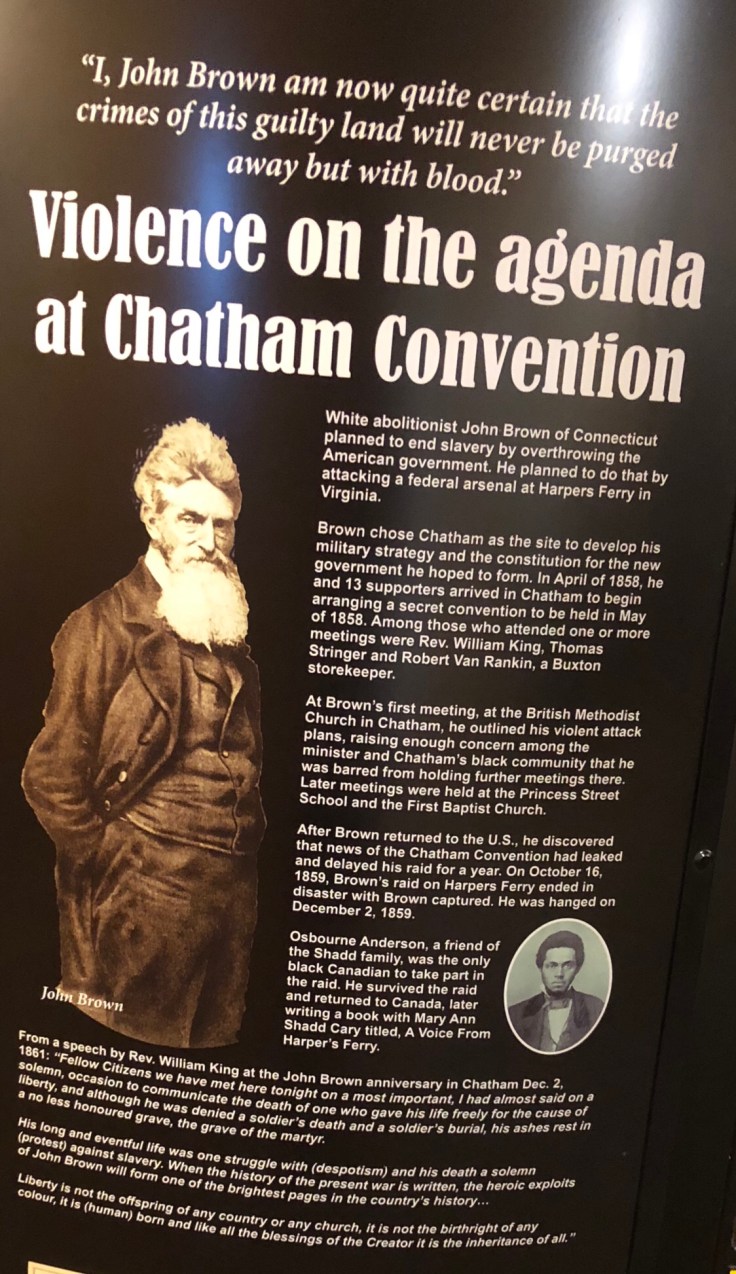
In addition to Frederick Douglas, John Brown visited Buxton. It was here he planned the Harper’s Ferry raid.

To learn more about what life might have been like in Buxton, I recommend readingElijah of Buxton by ​Christopher Paul Curtis, a novel for young people written from the perspective of Elijah, an eleven year old boy who was the first child born in Buxton. It attempts to be historically accurate and has a very moving account of how Buxton welcomed Black refugees to the community.

We are struck by the parallels with the current day journey of many Central American refugees who are also fleeing violence and oppression. Perhaps the U.S can learn something from Canada about welcoming refugees.

Our Midwest Adventure Begins

Tomorrow we will leave for our 24 day midwest adventure through Ontario, Michigan, Wisconsin and Ohio. Along the way we will visit family, camp, bike and report about what we learn along the way. Stay tuned!

Simple Pleasures

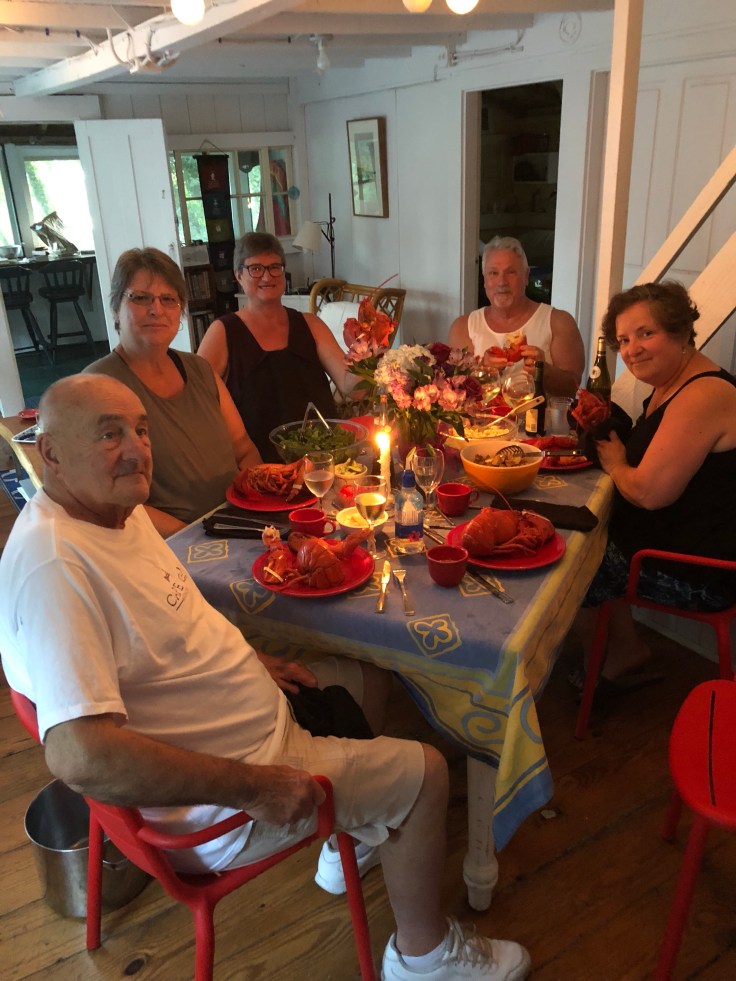
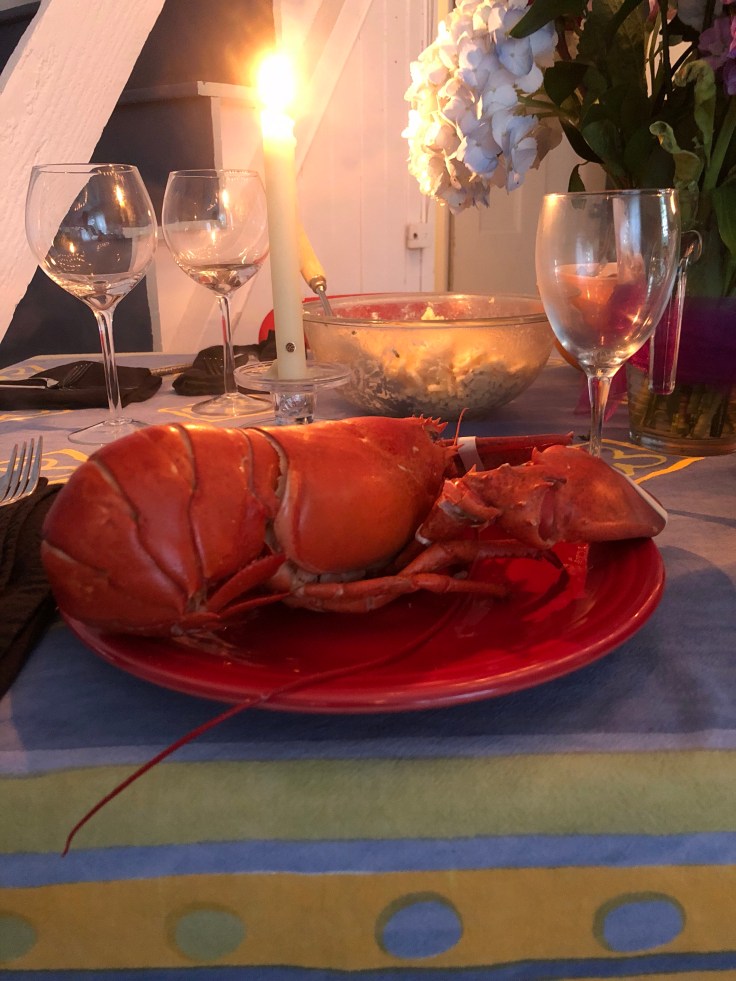
Sometimes simple pleasures are the best:

Good friends

Fresh caught home-cooked lobster

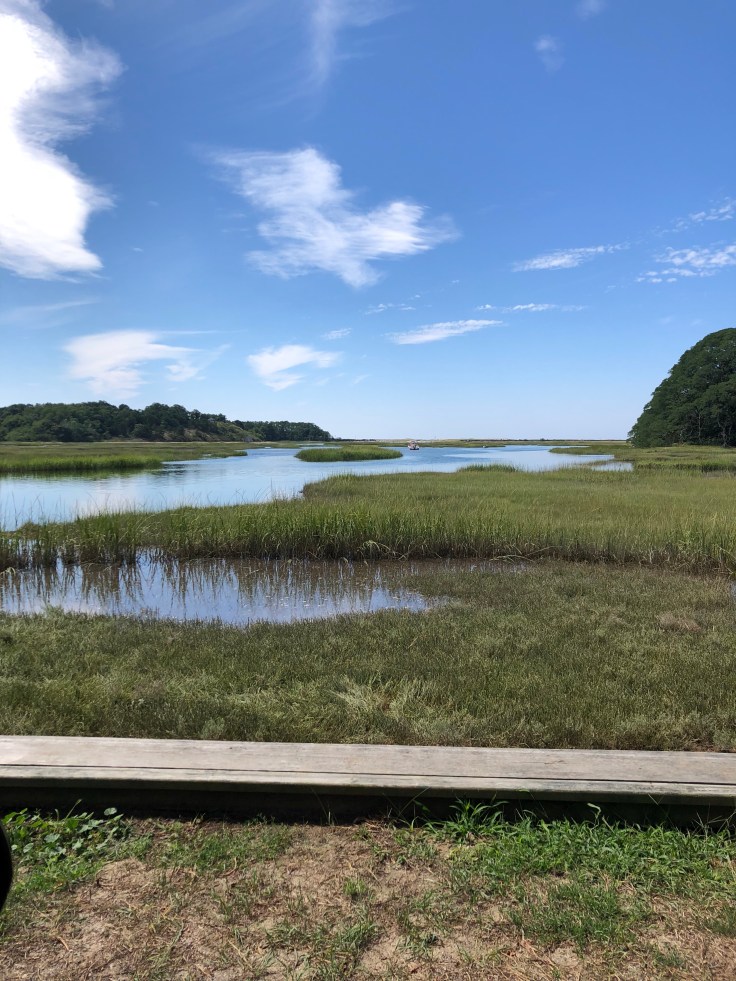
Floating in and out on the tidal river

A good book!

Salt water heals all things

March of the Fiddler Crabs

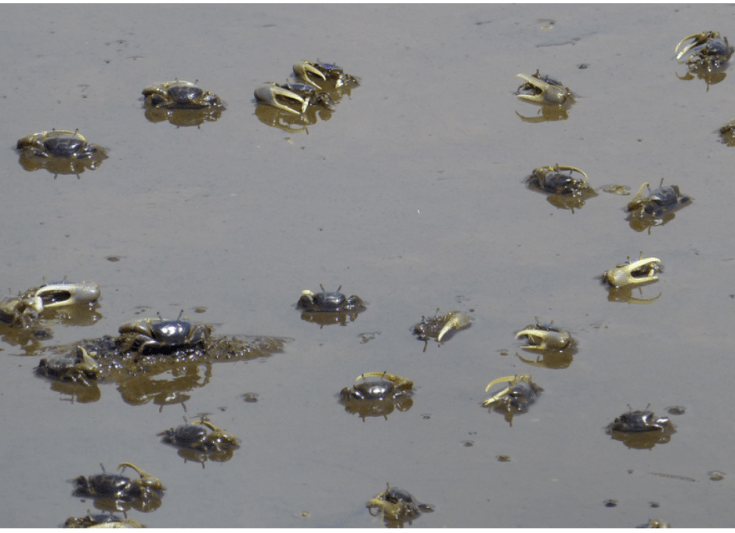
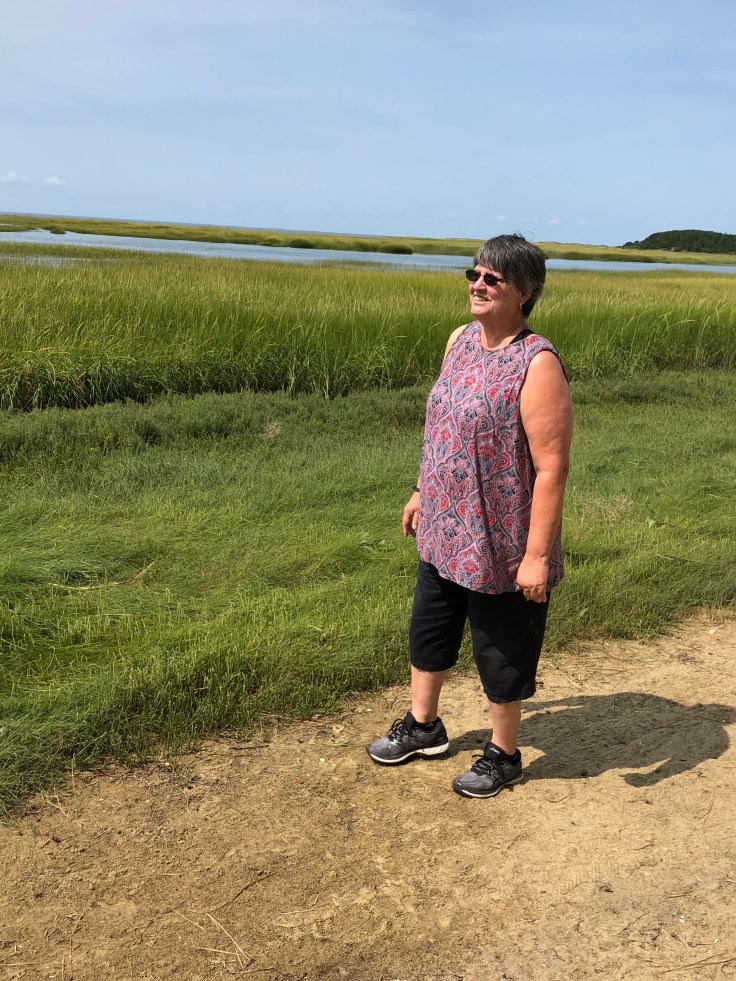
We took a walk in the salt marsh by Lieutenant Island near Wellfleet. The tide was low, leaving pools where we could see hundreds of the Fiddler Crabs coming out of their little holes in the salt marsh. They are very sensitive to sound and vibration and ran away when we approached. Why do they march in a line?

Fiddler crab 2IMG_4549

We did a little research and found out that you can easily identify males and females by their claws. Males have a greatly enlarged claw, while females do not. These large claws are used in contests for breeding burrows and to attract females. When a mating claw is lost, it is replaced with a small, feeding claw while the remaining claw expands into a new mating claw.

The Oyster Lady of Wellfleet

Oyster Lady of WellfleetOriginally published August, 2018

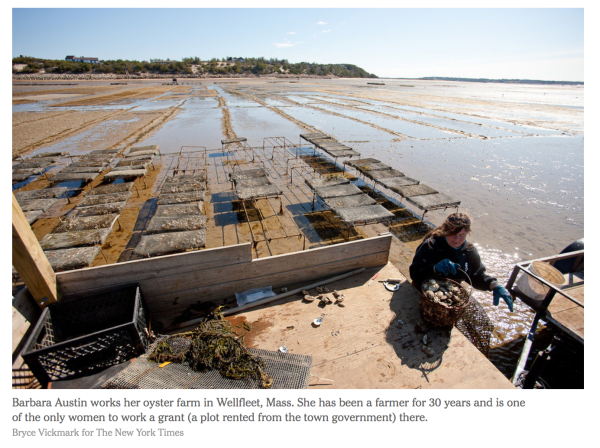
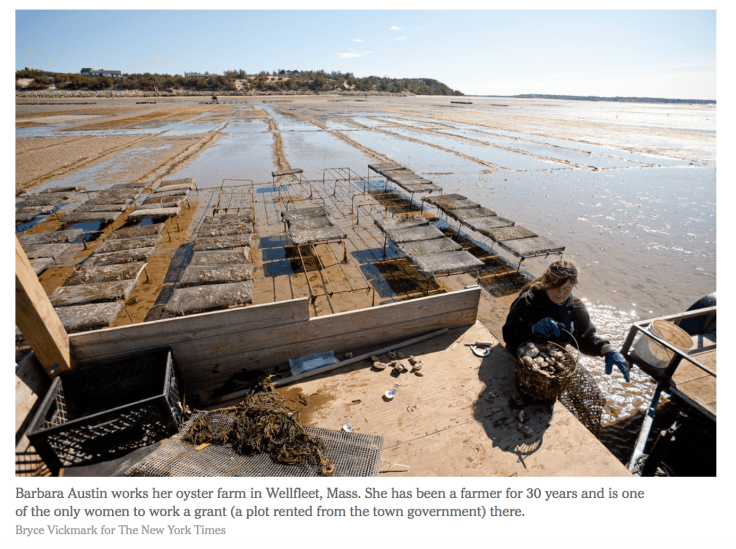
We are in Wellfleet today where the oysters are world famous. We decided to learn more about the Oyster farmers- commercial oysters are planted rather than hunted. There are about 80 three-acre “grants” or oyster beds leased from the town of Wellfleet. The grants are a centuries-old Wellfleet custom and right now about 250 people of the 3,000 people who reside in Wellfleet year round are making their income off these beds. The beds are only accessible for a few hours at low tide.  One of the best “oystermen” in Wellfleet is actually a woman named Barbara Austin. She is a Wellfleet legend and  a long time champion of the Annual Wellfleet Shucking Competition. Click here if you want to learn more about the oyster lady of Wellfleet.

Westoe Cottage, Truro

Our home away from home overlooking the tidal Pamet River as it opens out towards Cape Cod Bay. Built in the 1920’s, Westoe is one of eight Sladeville Cottages, which are all part of the historic registry. We like it because it is simple and rustic with its historic charm.

Welcome to the road

Thanks for joining us on our travel adventures!  This week we are in Truro, on Cape Cod  in Massachusetts. Yesterday, a dead Great White Shark washed up in the harbor in front of our cottage.

Dead shark.png

Ten days ago a man was bit by a shark while standing in the water at a Truro Beach. I don’t know if I am going in over my knees when we go the the beach tomorrow!

Blog at WordPress.com.

Up ↑