In our retirement we are have decided it is time to leave the bubble of Ithaca, New York and see what America is really about. We invite you to join us as we learn about people, places and the natural history we experience in our travels.
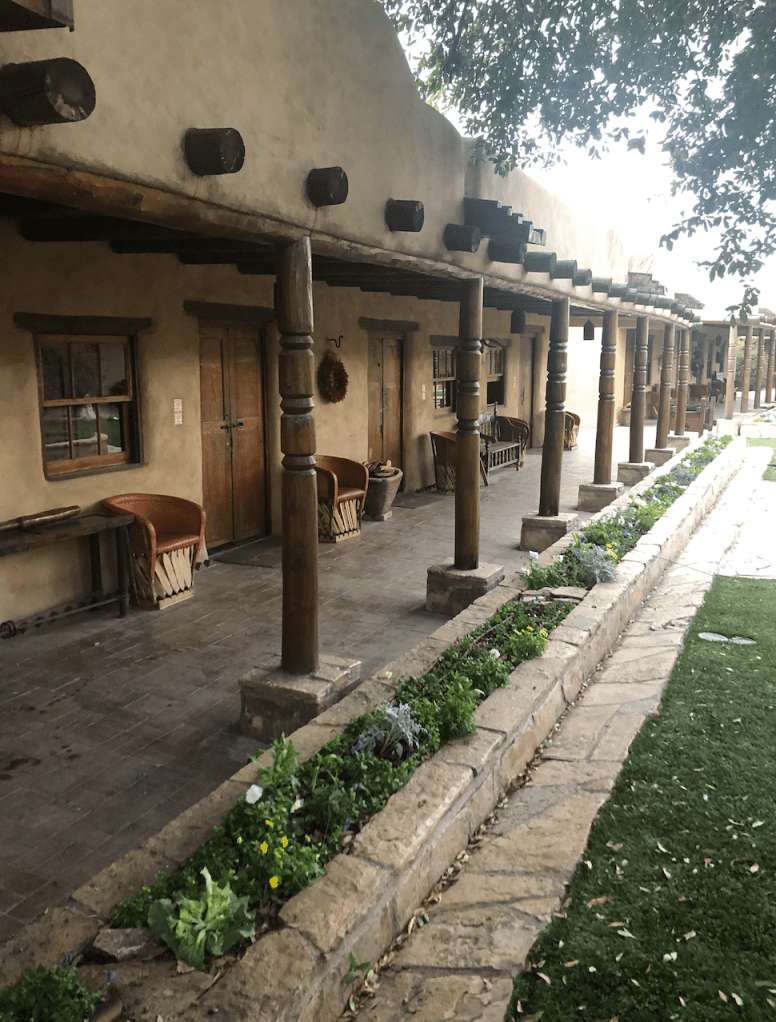
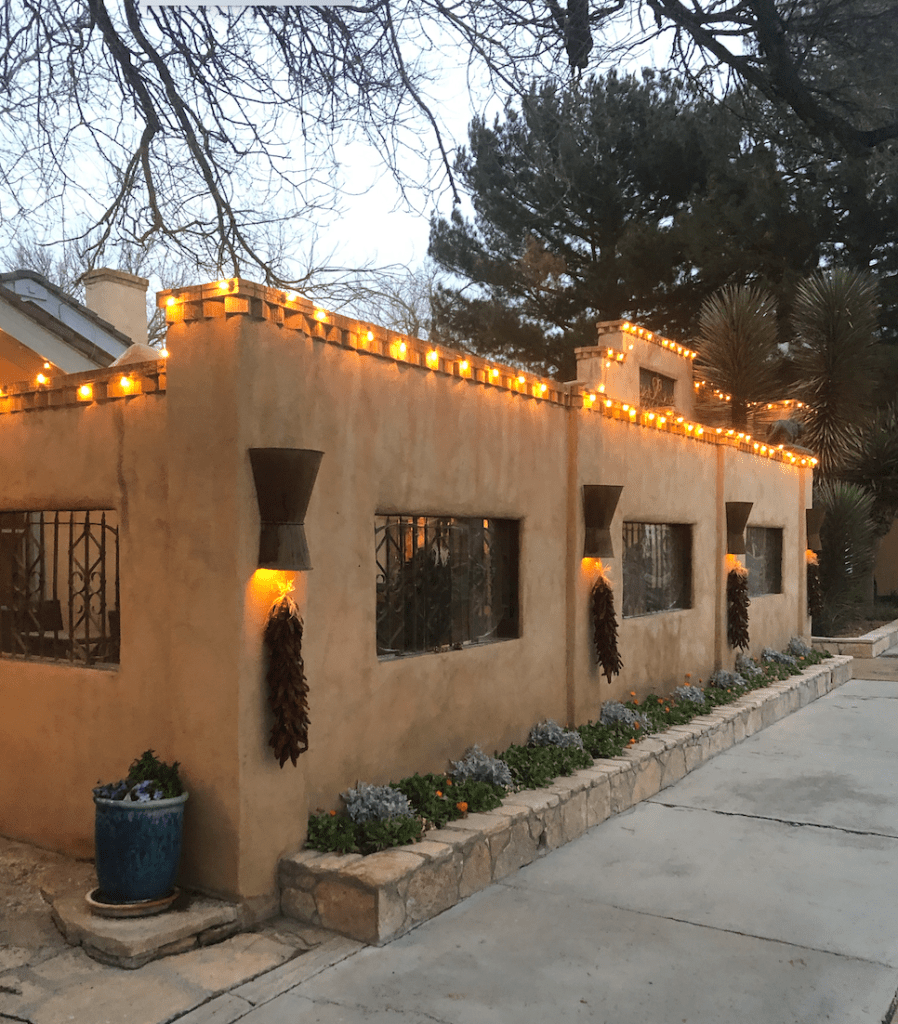
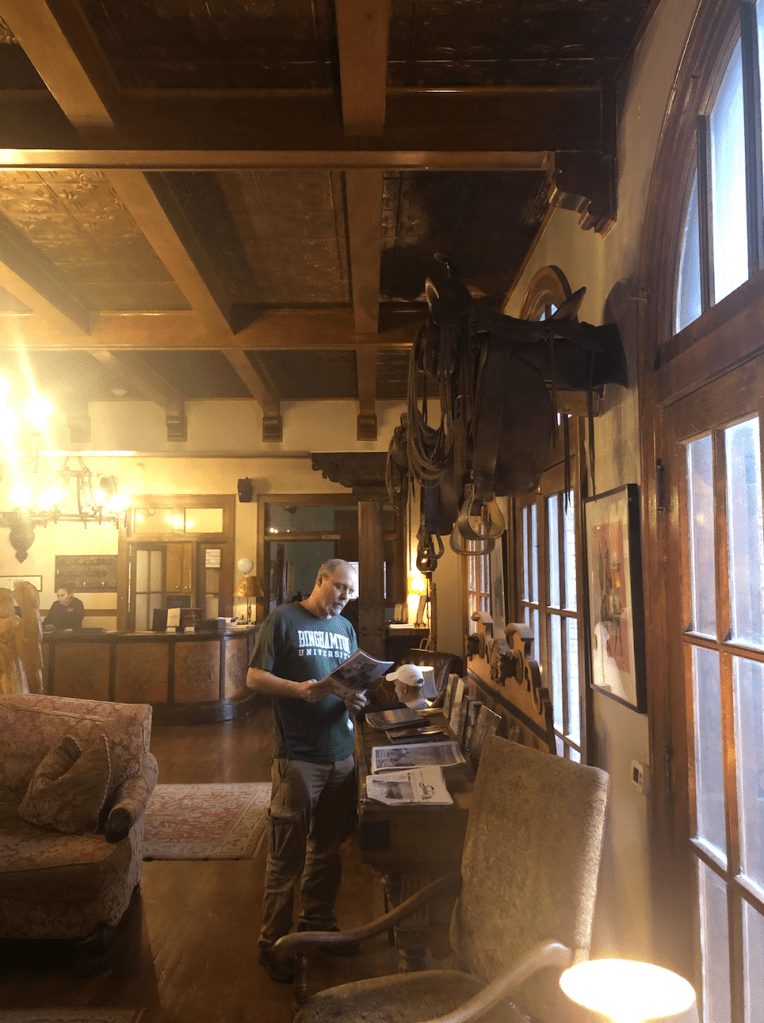
We spent the night in Marathon, Texas about 40 miles from Big Bend National Park. The historic Gage Hotel, is the happening place on main street in this tiny town, population 430. However, it does have a library, post office, bank, community center, general store, school, volunteer fire dept and a brewery.
The main drag in front of the Gage Hotel
Historic Gage Hotel, established in 1926
One of Marathon’s claims to fame is astronomy. It is really dark here at night. Marathon measures a CLASS 1 on theBortle Light Pollution Scale, which means it is as dark as it gets on earth! Unfortunately, it was snowing last night, yes snowing for the first time in two years. Hopefully we will have clear a sky tonight so we can see the stars.
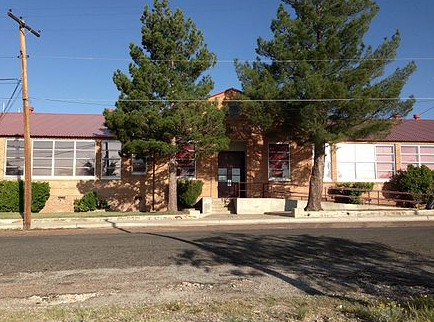
Marathon Independent School has 55 students, K-12. The two seniors graduated last year with a college associates degrees they earned in high school. The school is well funded by local ranchers; all graduates can go to college for free.
We arrived in Austin last night and hung out with our nephew, Jim, who moved here two weeks ago. It was nice to see him in his new digs.
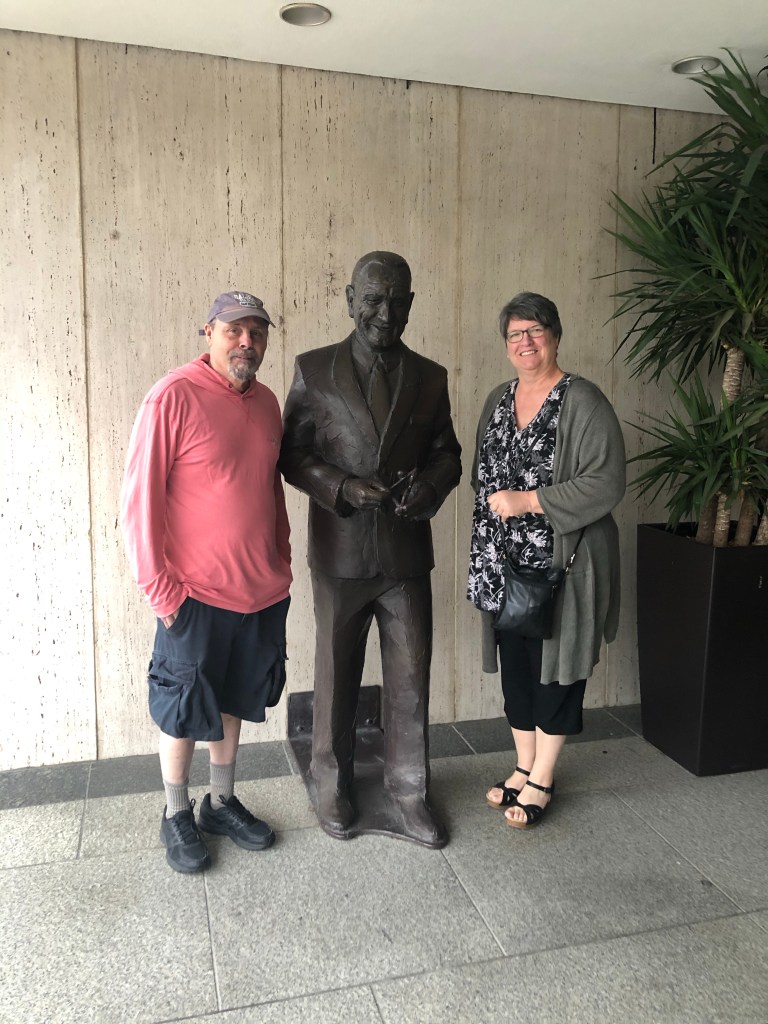
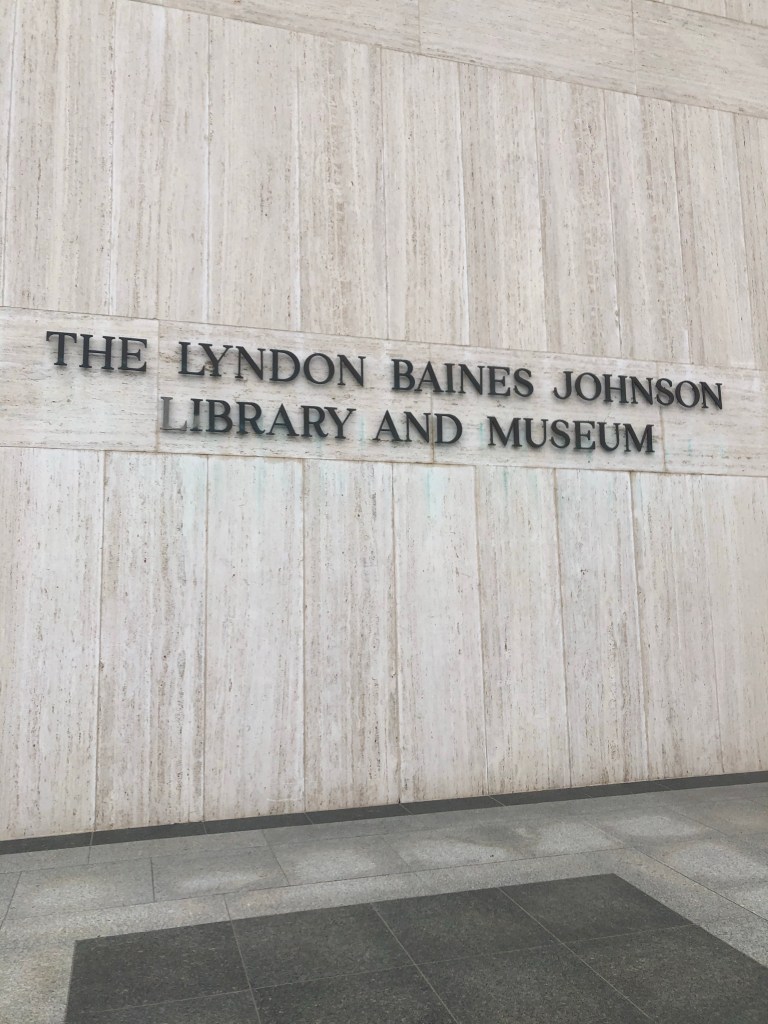
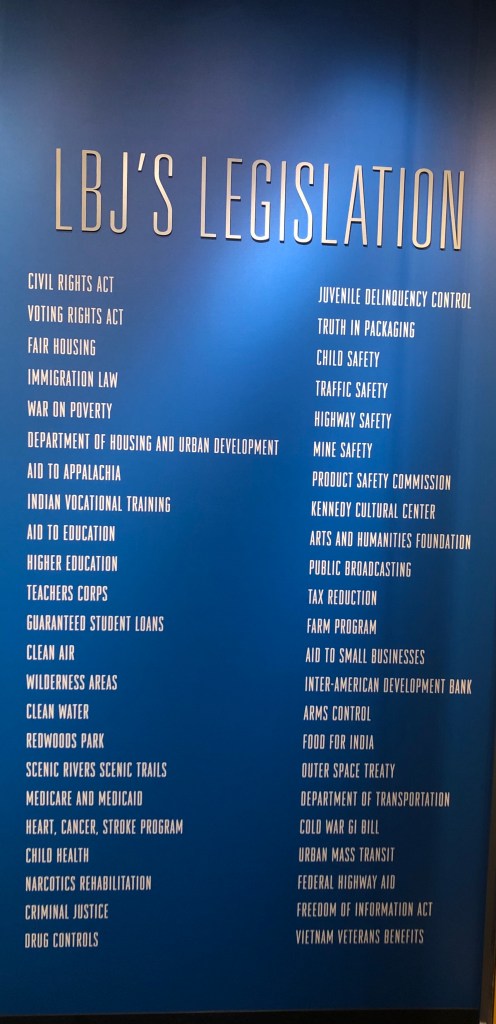
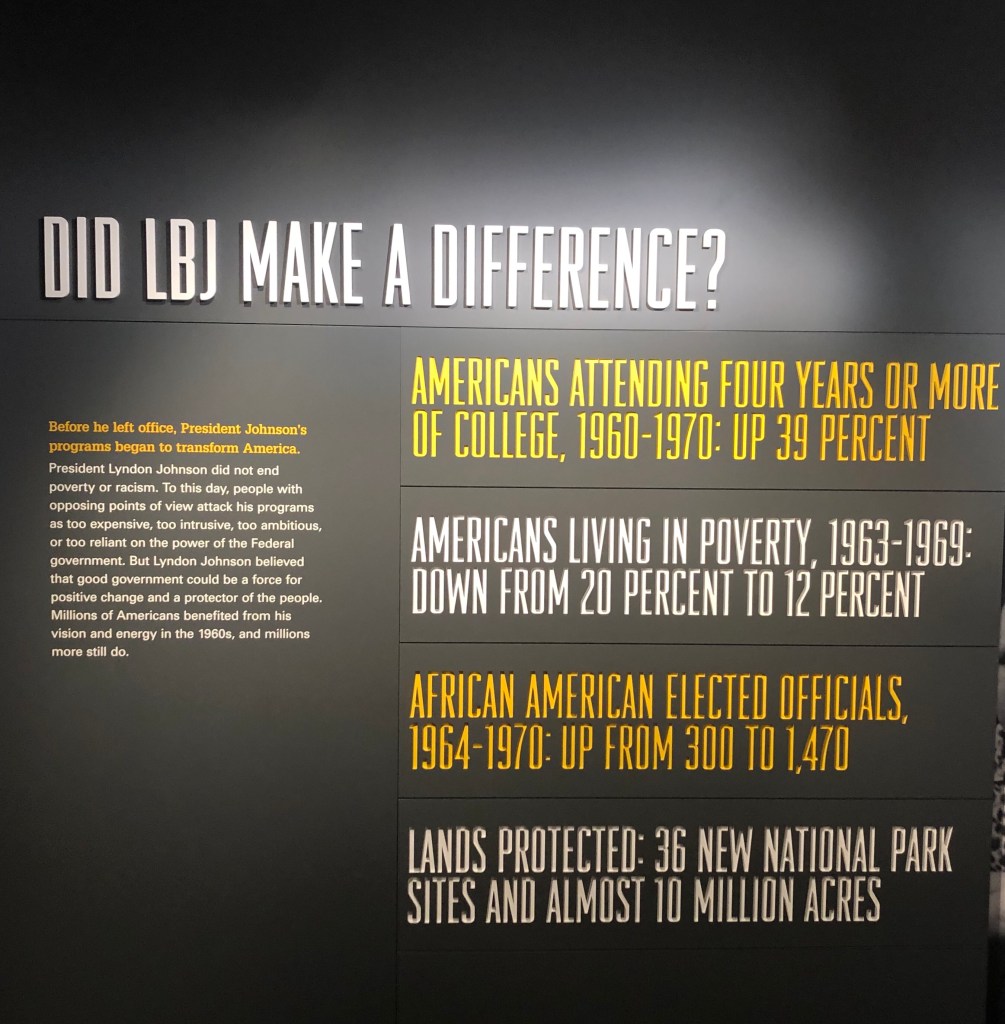
This afternoon we went to to the Lyndon B Johnson Library and Museum on the UT campus. The Vietnam War really tarnished LBJ’s reputation and he is not remembered fondly. Today we were reminded of how much legislation he got passed that really made a difference in the lives of Americans including: civil rights act, voters rights act, medicaid and medicare, fair housing act, and immigration reform.
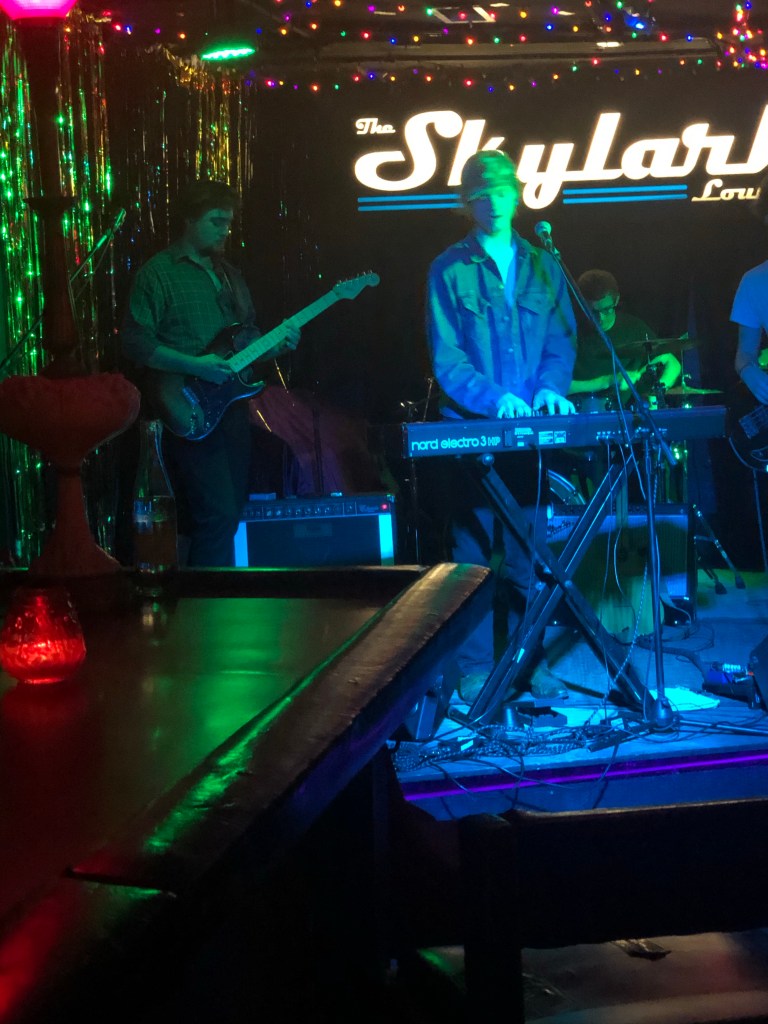
Tonight we went to the Skylark Lounge
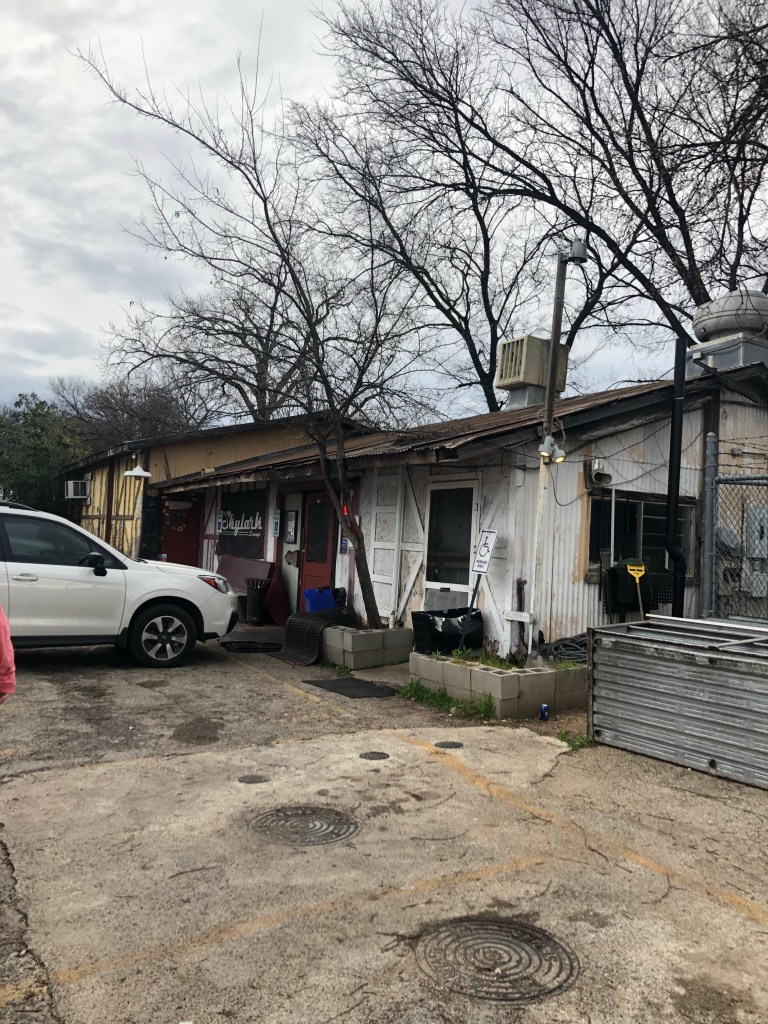
The club certainly does not look like much, but it it is a great place for those who loves blues and soul music.
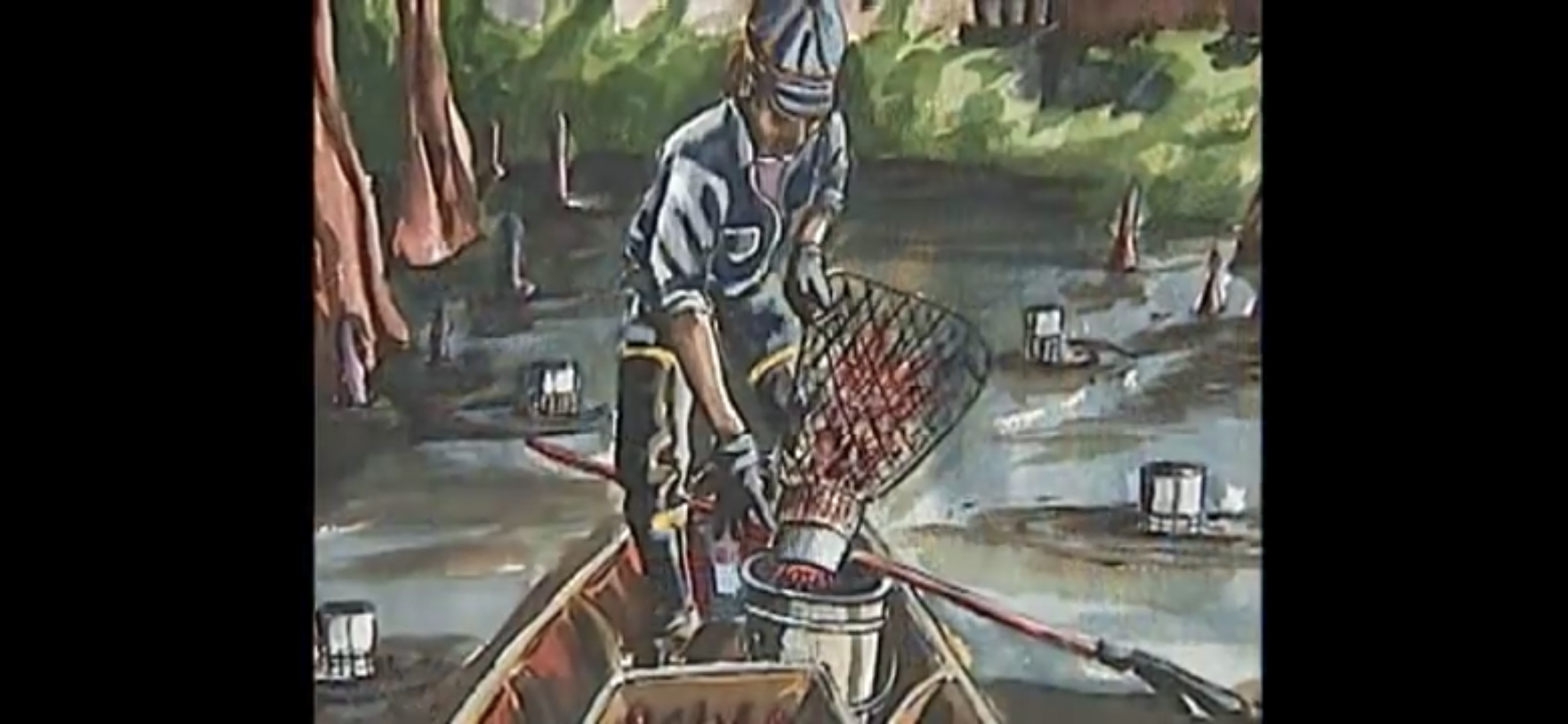
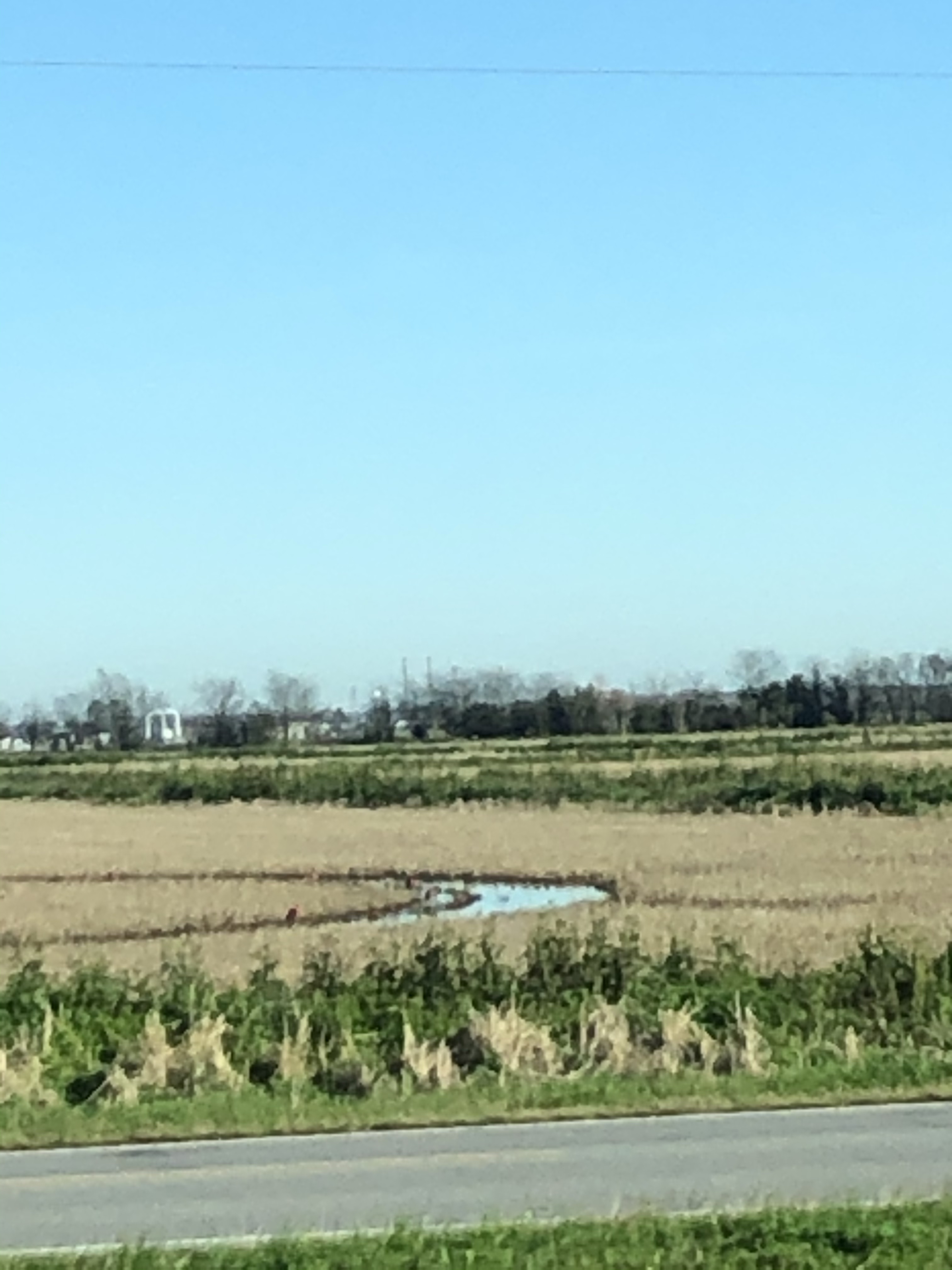
Today we drove through Atchafalaya Basin along Rt. 10 to Houston. This is a prime crawfish farming area. I learned that they say “crawfish”, not “crawdad”or “crayfish” below the 38th parallel. Wild crawfish have provided sustenance for Native Americans in the region for centuries. European settlers did not start harvesting crawfish from bayous and swamps until the 1880’s.
Today, crawfish farming is a major industry in Louisiana, producing 100 million pounds of crawfish annually. In addition to farming wild crawfish, it is farmed in ponds that are flooded and drained. Ninety percent of U.S crawfish production is in Louisiana.
Somewhere along I-10.
Some farmers grow crawfish and rice in the same fields.
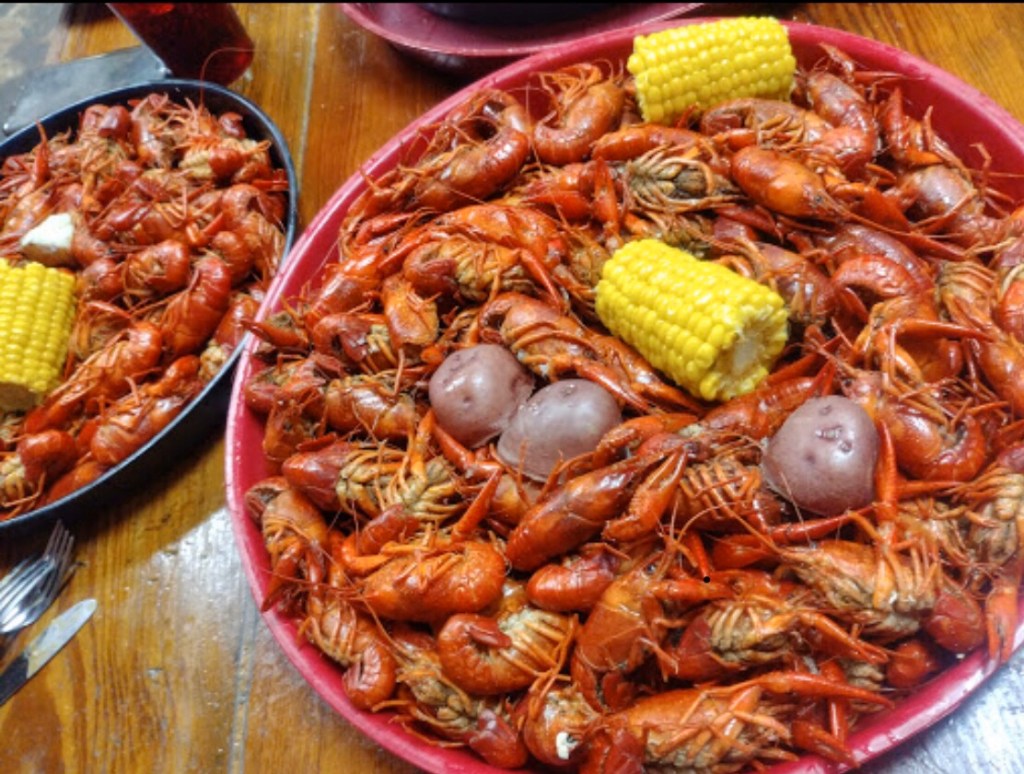
From cajuncrawfish.com Traditional Crawfish Boil
There is an art to eating crawfish, a hands on experience. A crawfish boil seems to me to be rather like a traditional New England clam steam, only messier. We did not have an opportunity to participate in a crawfish boil, but it was described to me. A big platter of crawfish, corn on the cob and boiled potatoes is brought out along with an empty pan for the refuse. Then the eating commences with everyone digging in with gusto. The proper way to eat a crawfish is to pinch the butt, break off the head and suck. I saw a t-shirt that said “it won’t suck itself”, which I assume was referring to a crawfish.
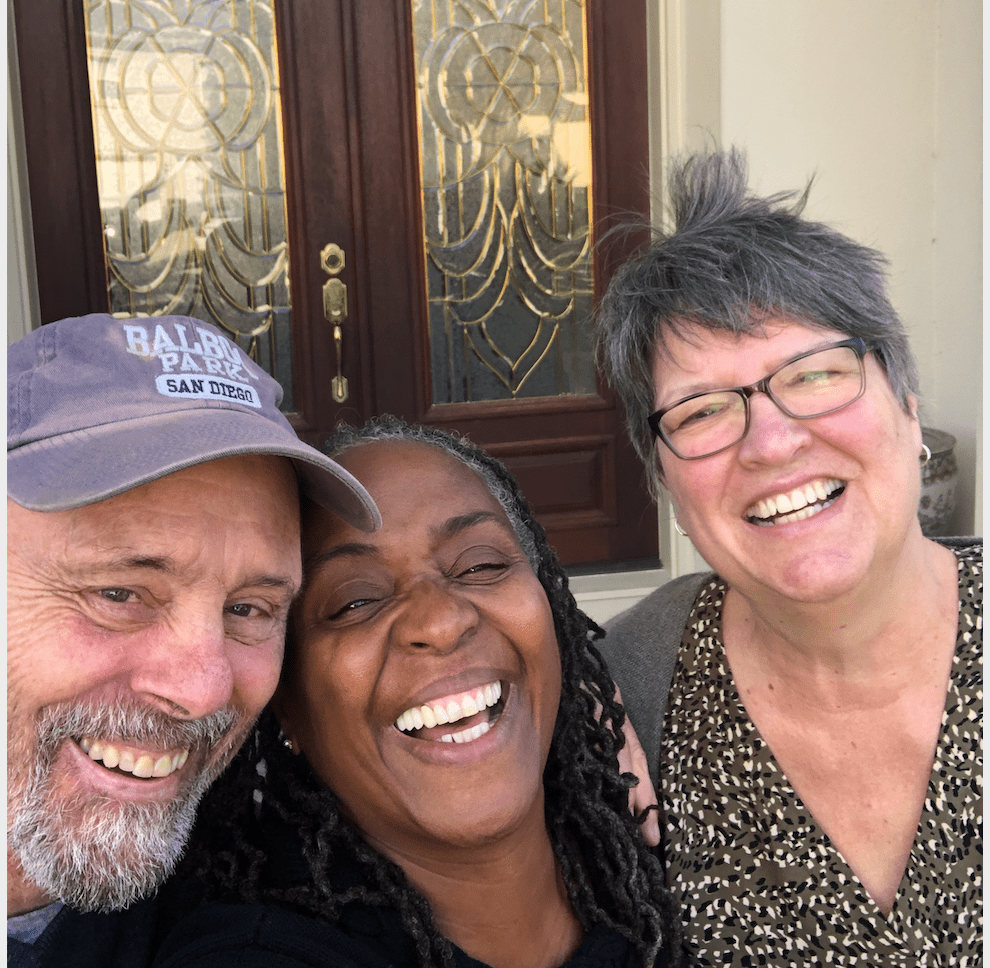
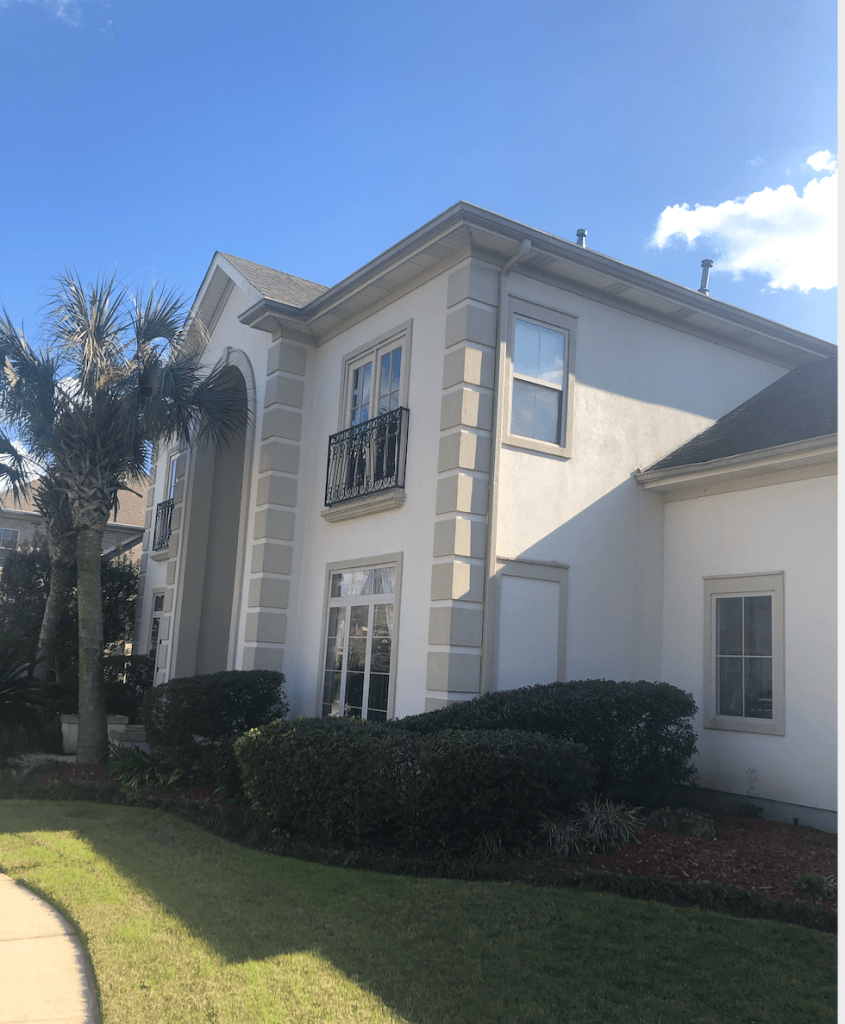
In the morning we visited our friend, Michelle at their beautiful home in the West Bank area of New Orleans.
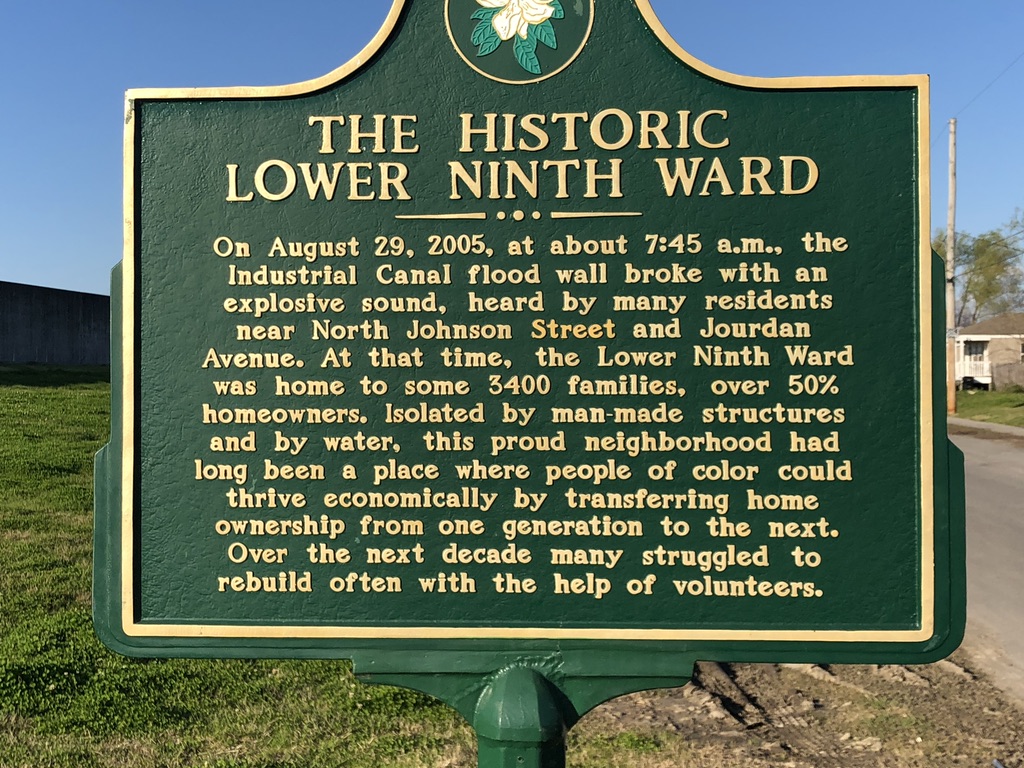
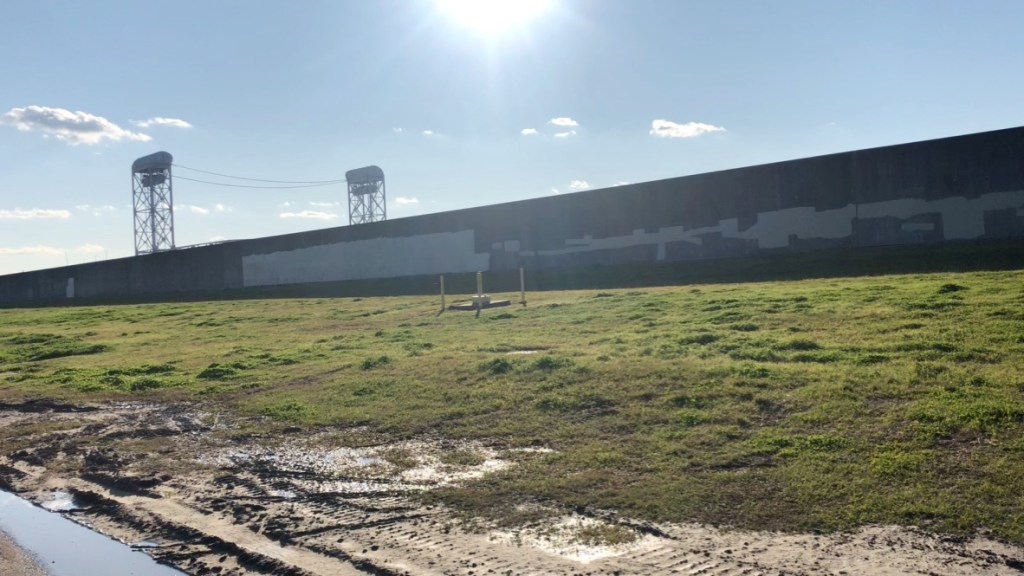
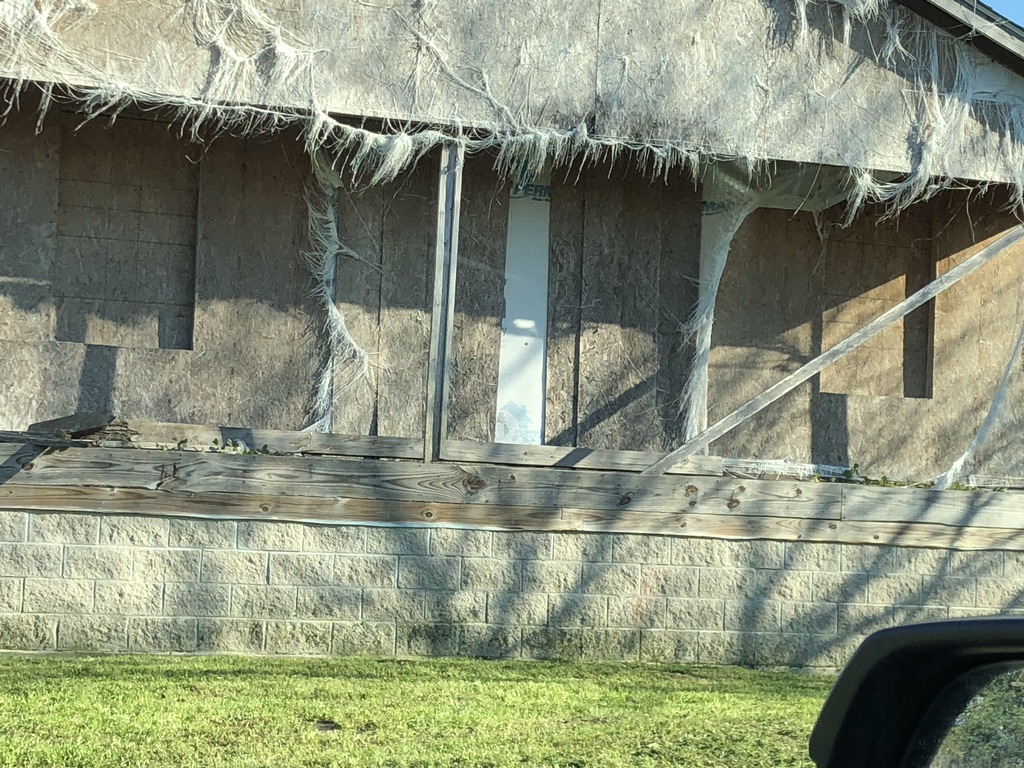
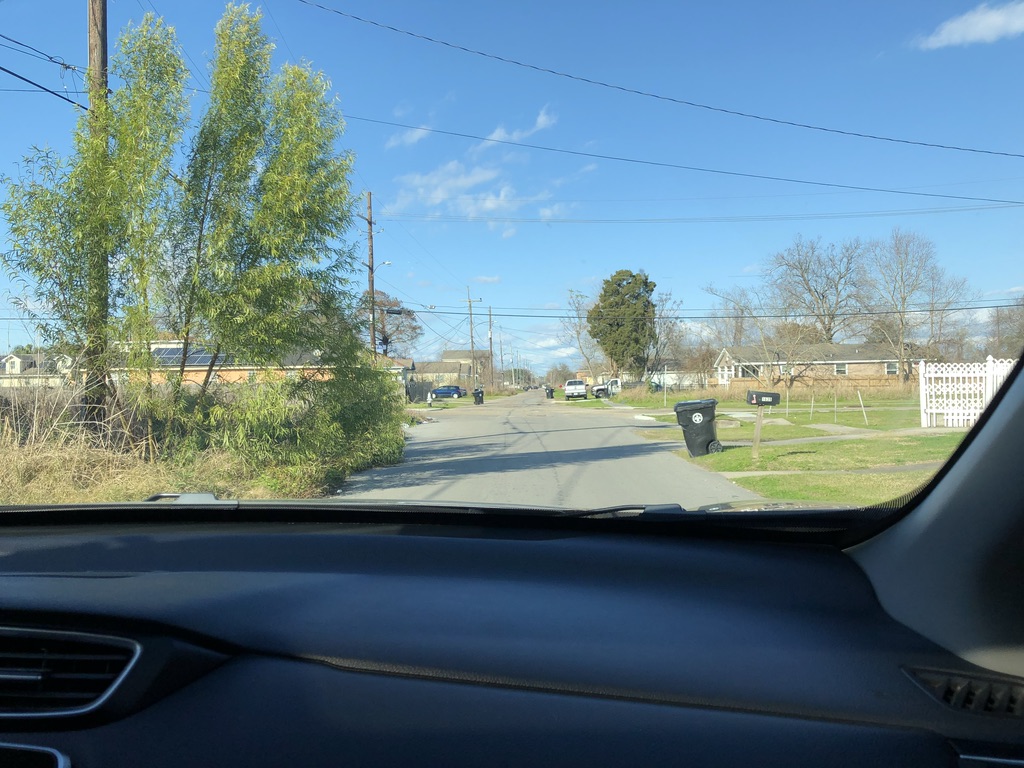
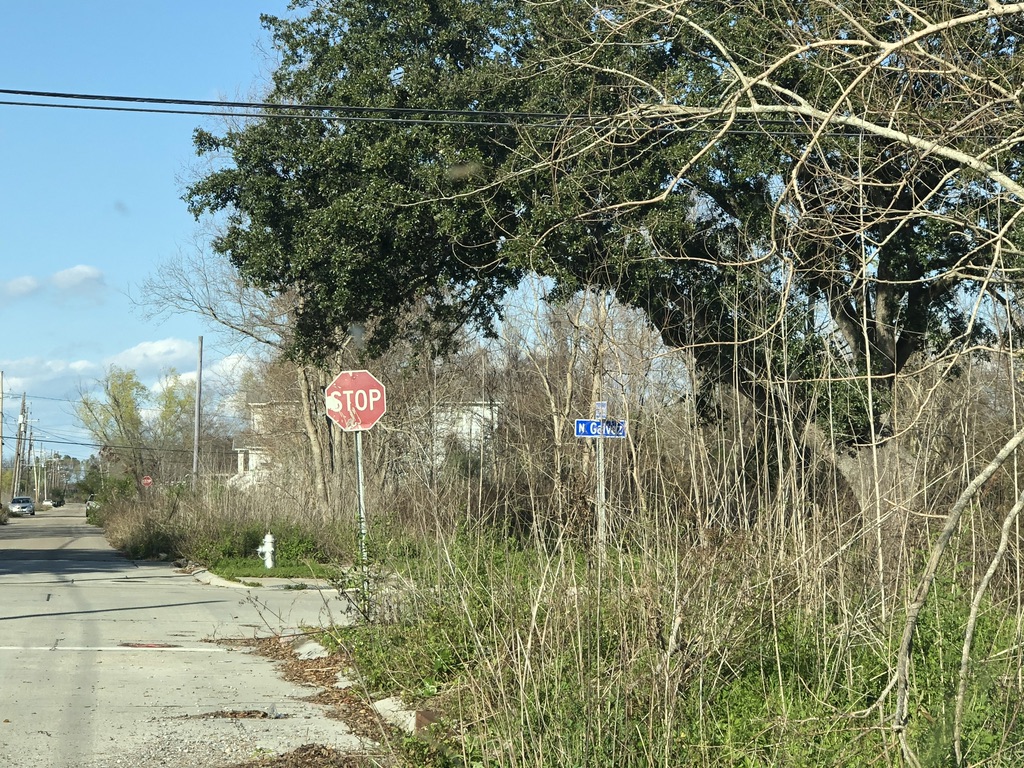
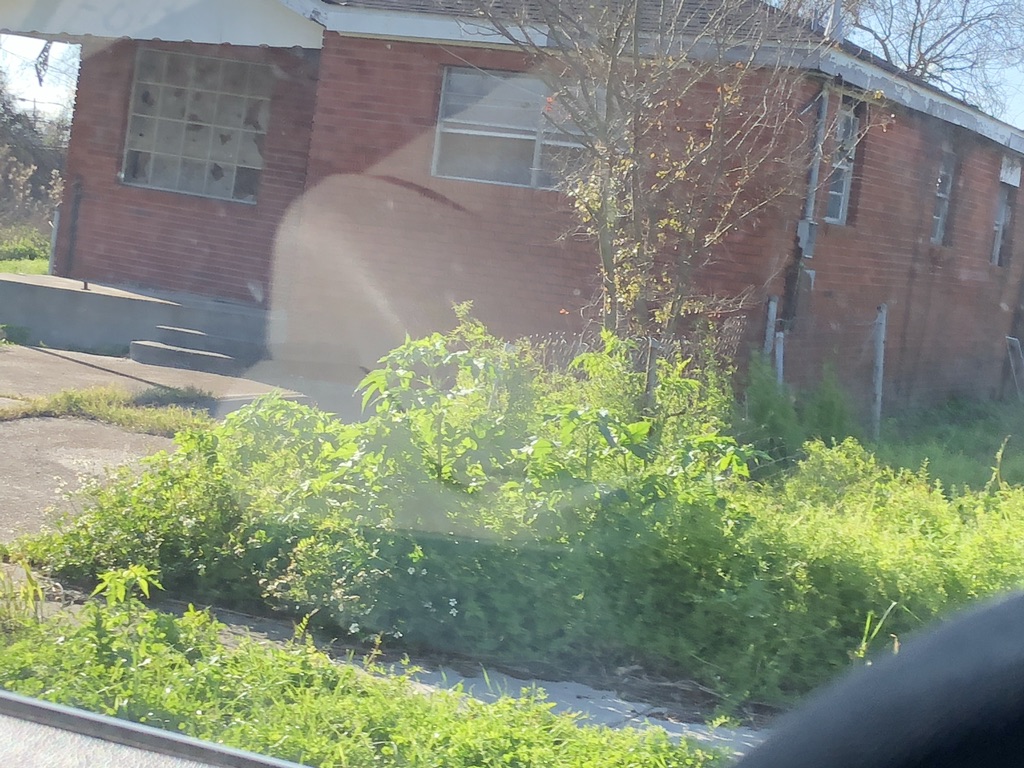
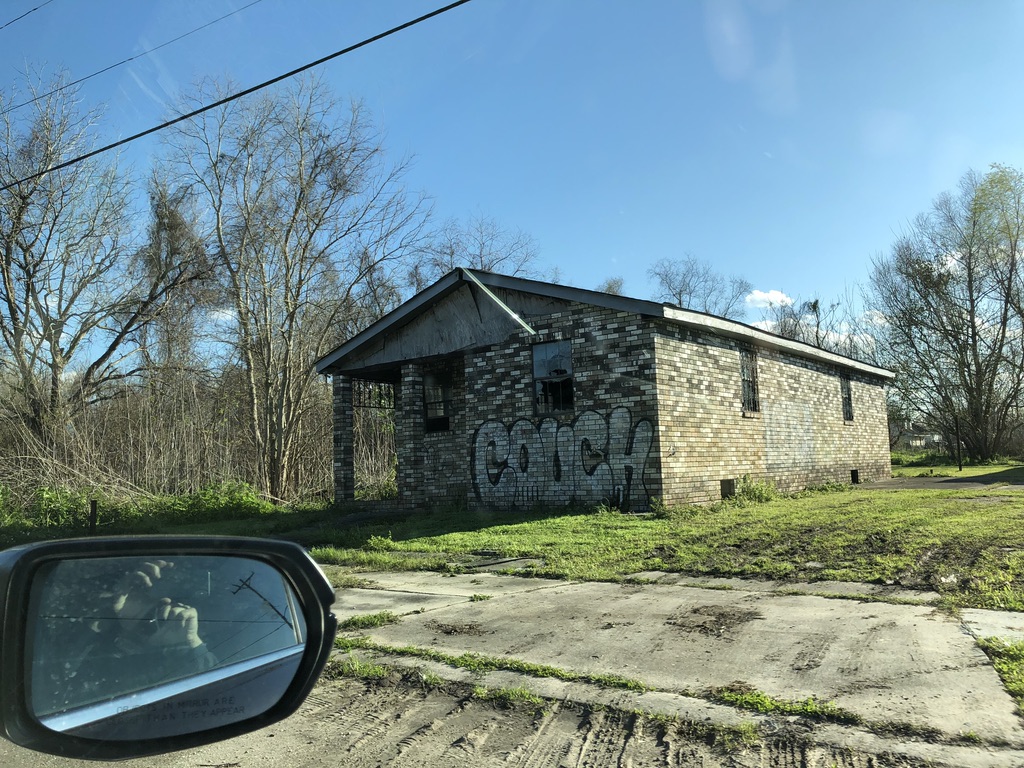
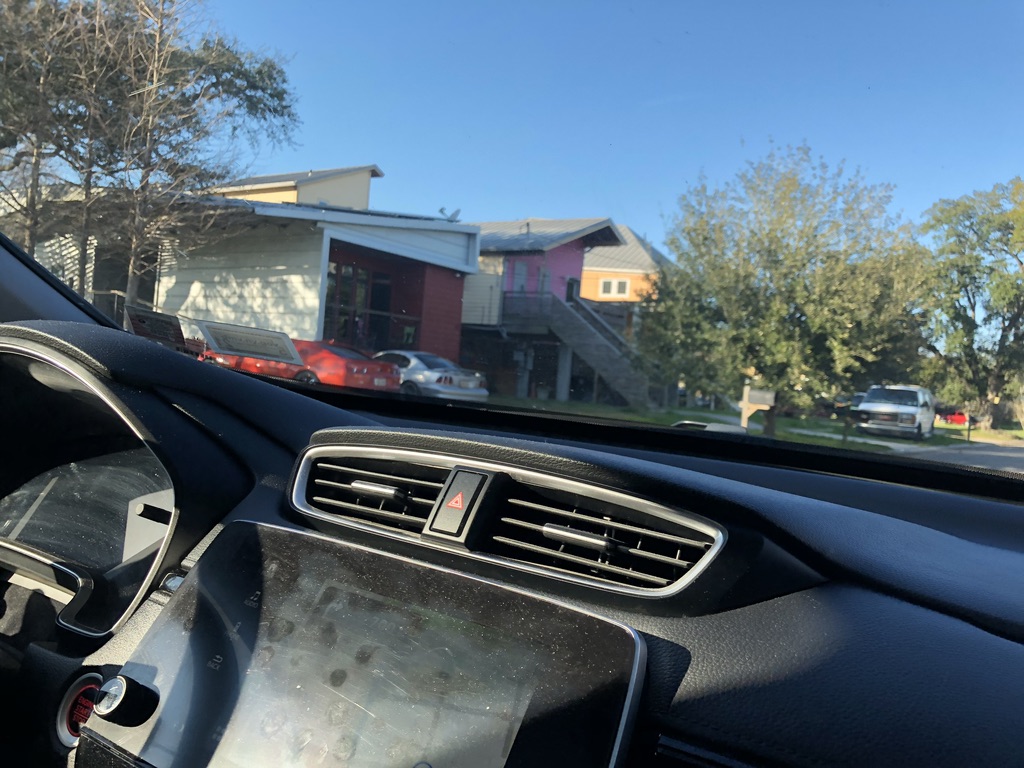
Then we visited the Lower 9th Ward in New Orleans. Fifteen years after Katrina, parts still look like a third world country. What were once city streets lined with houses, are abandoned lots and roads that are barely drivable.
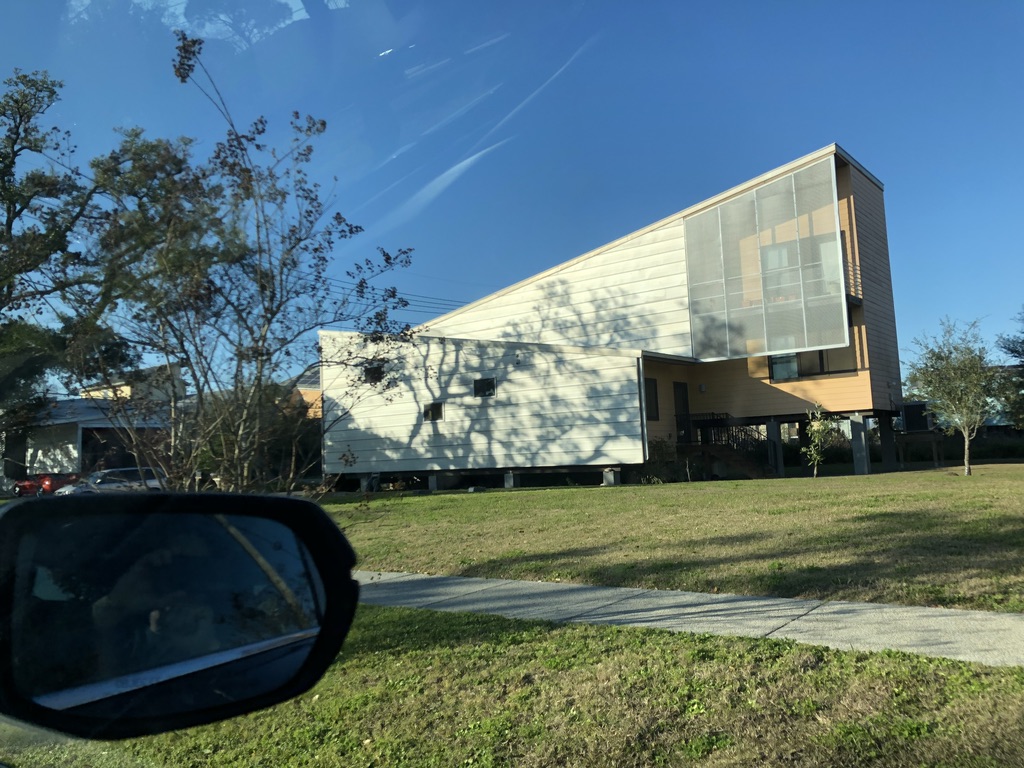
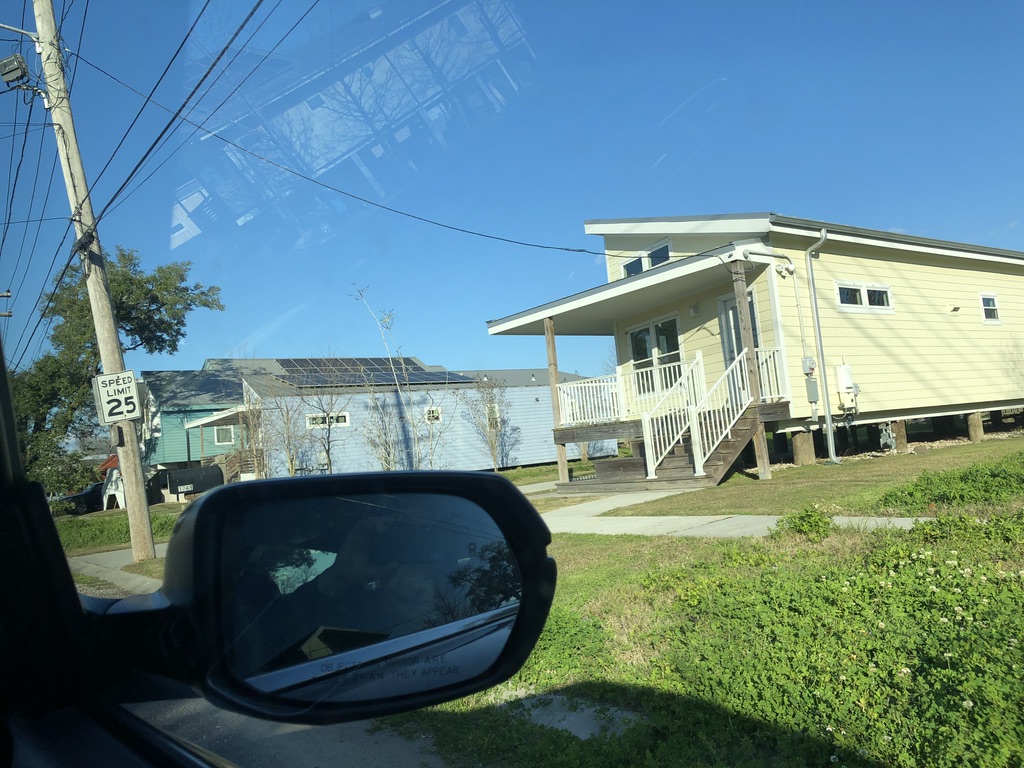
We did see some new construction in the lower 9th ward, such as these houses Brad Pitt financed.
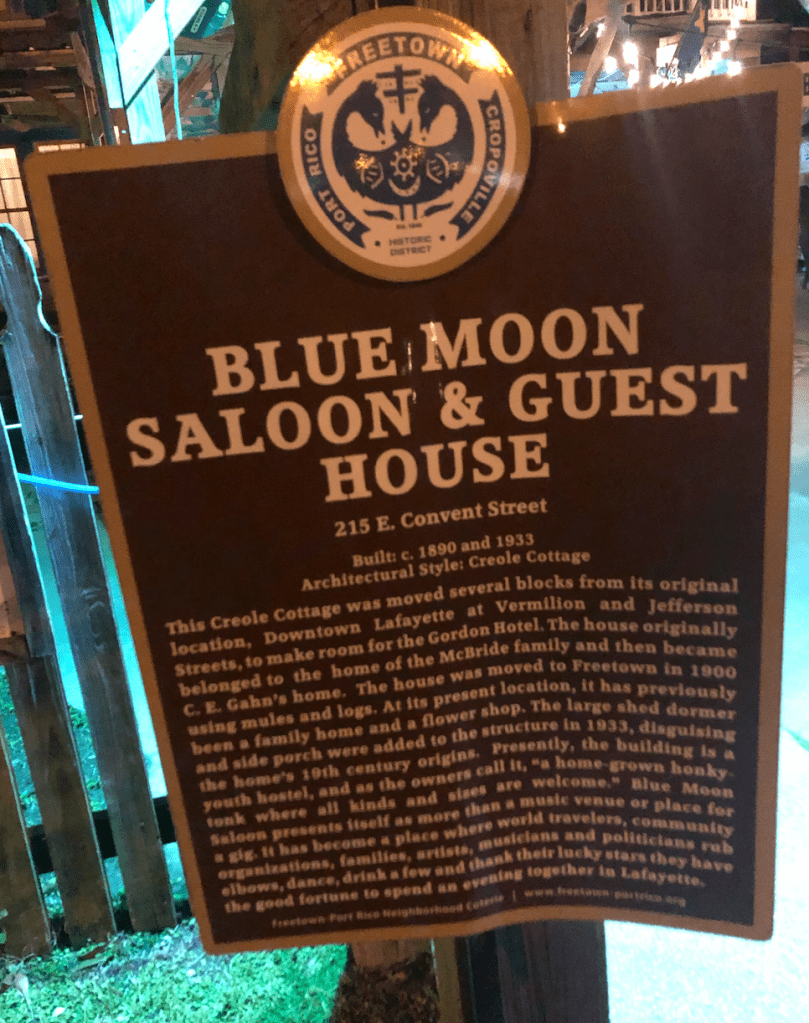
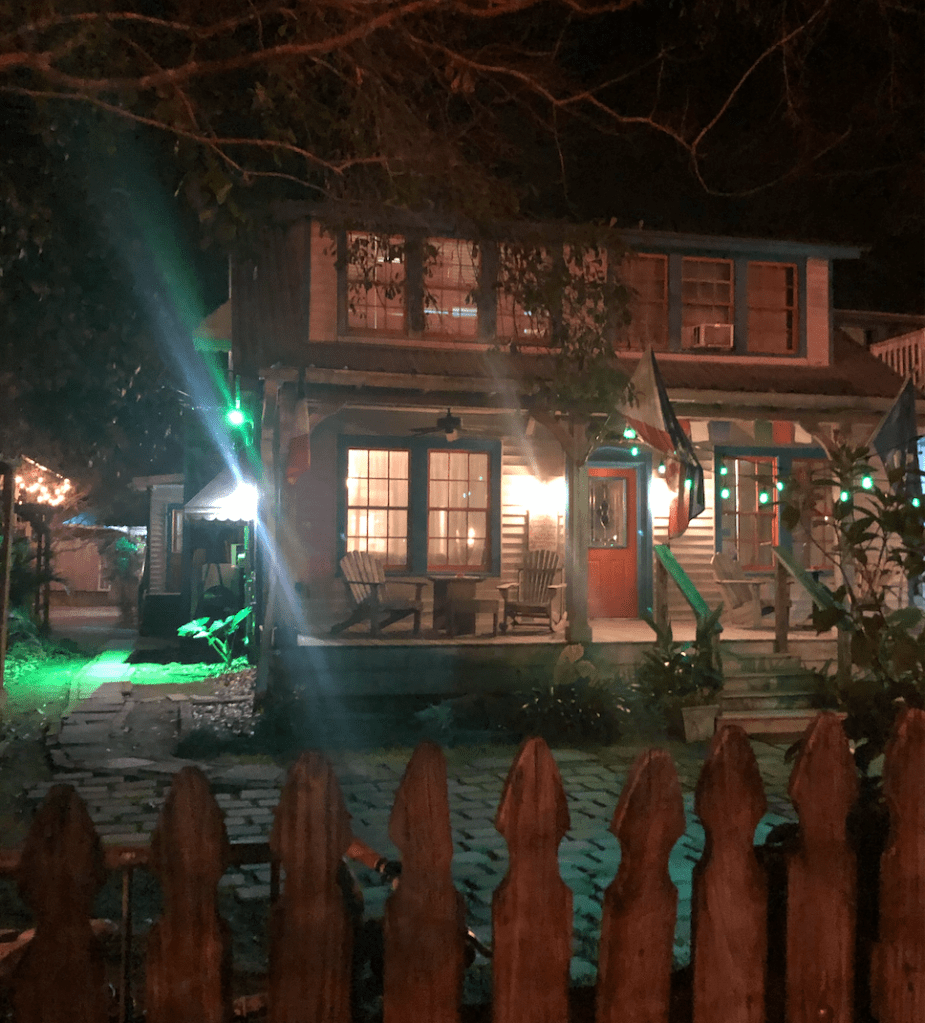
Instead of staying in New Orleans for the parade tonight, we drove to Lafayette, Louisiana and danced to some great Zydeco music at the Blue Moon Saloon. We made six new friends who had grown up in the area- southern hospitality is really a thing it turns out, but….. earlier in the evening before the band even started playing there was a scuffle and a two guys were thrown out by the bartender. Haven’t seen that in a while. A great time was had by all but the guys who were thrown out.
Dancing at the Blue Moon Saloon to Terry and the Zydeco Bad Boys.
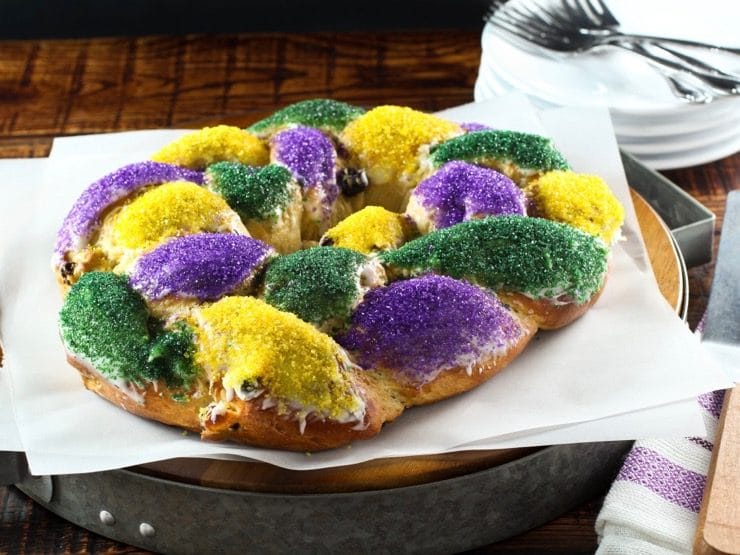
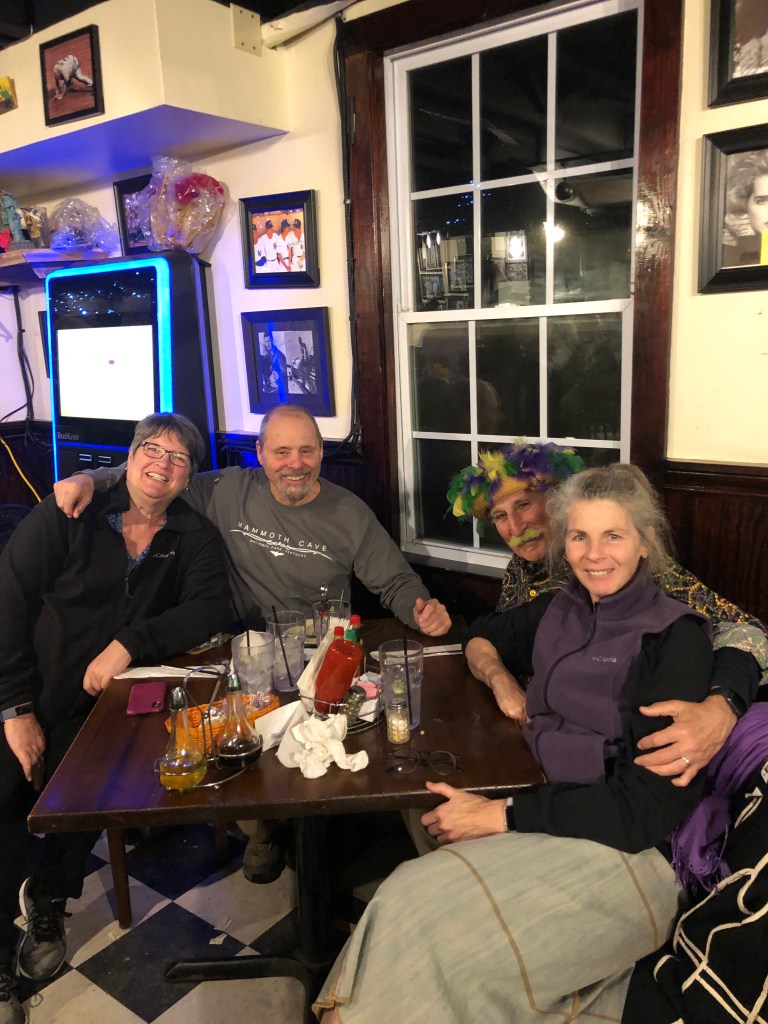
Today we learned that King Cake, a blend of coffee cake and cinnamon roll, is only eaten during Carnival that starts January 6 and ends on Mardi Gras. The name King Cake is a biblical reference to the three kings who brought gifts to baby Jesus. There is a surprise inside every cake- a baby! Whoever gets the baby in their slice gets to buy the next King Cake to keep the party going. This afternoon we arrived on Arabella Street in New Orleans at our friends Eileen and Dusk’s beautiful home. We went to a neighborhood restaurant, Frankie and Johnnies, and had poboys, gumbo, red beans & rice and some delicious char-grilled oysters.
We learned that Mardi Gras is preceeded by 21 days of parades in New Orleans. We look forward to the first parade of Carnival tomorrow night.
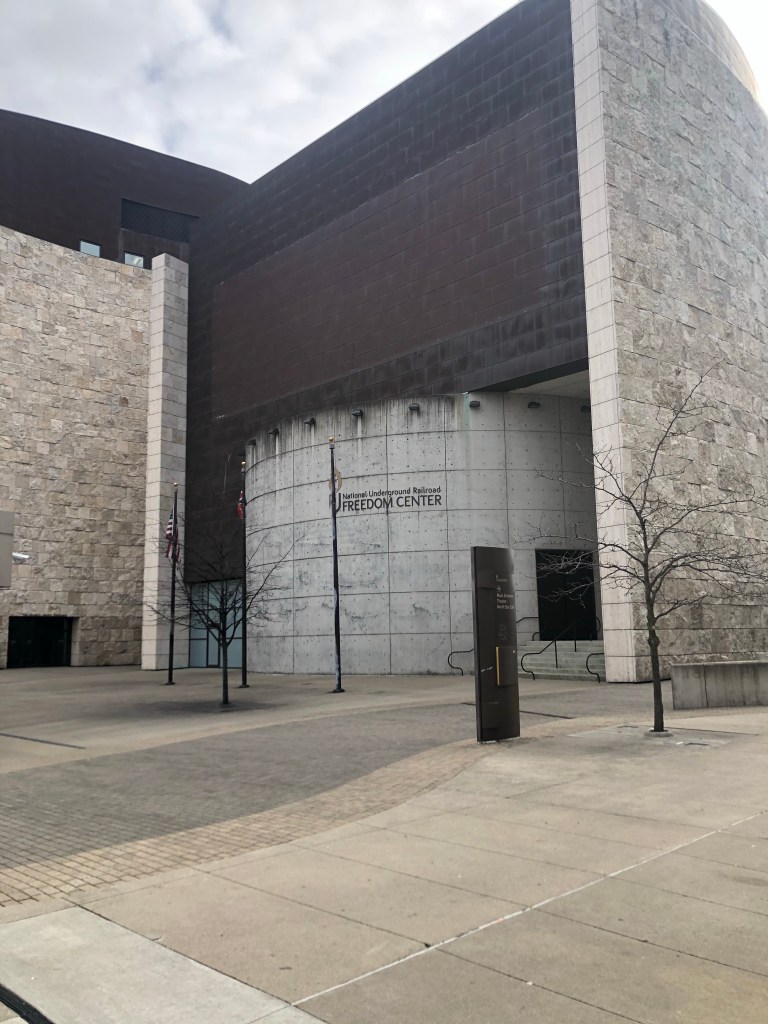
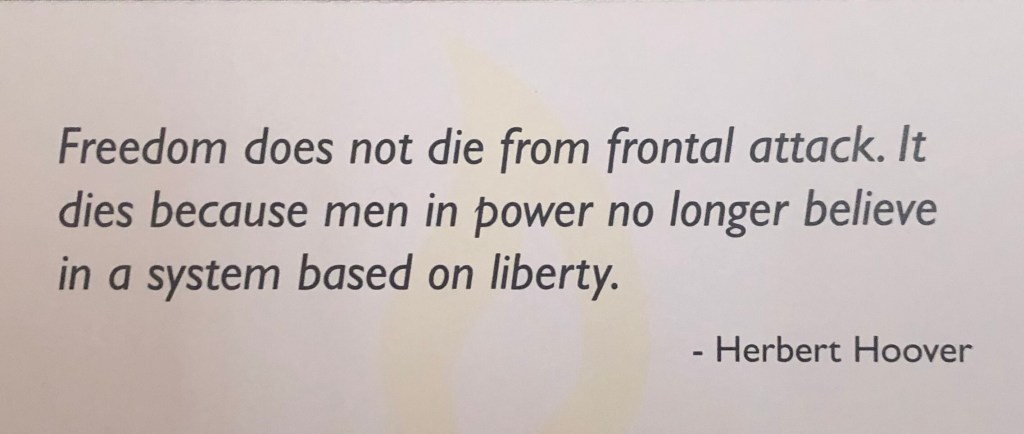
Today we went to the National Underground Railroad Freedom Center in Cincinnati, Ohio. It is well worth a visit. We’ll have to go back a second day next trip to take it all in.
Standing on the banks of the Ohio River, the unknowing can appreciate the power and majesty of the river, but there is so much more. I am in awe of the the significance of river, which seperates Ohio (was a free state) from Kentucky (was a slave state). Crossing this river meant freedom to countless enslaved people. Here is the poem, Eliza Crossing the River by Harriet Beecher Stowe. Many of us read Uncle Tom’s Cabin by Harriet Beecher Stowe and learned that most conductors on the underground railroad were White. Today we leaned that more often than not, it was Black folk, both free and enslaved, who risked their lives helping people to freedom. While many Quakers did settle in Southern Ohio and many White people of all faiths did help freedom seekers, this is not the whole story. Today we learned about John Parker, a formerly enslaved person, who helped hundreds of people cross the Ohio River. You can read more about John Parker here. The Freedom Center featured an excellent dramatization of the work of John Parker and Rev. John Rankin in a film called “Brothers of the Borderland”.
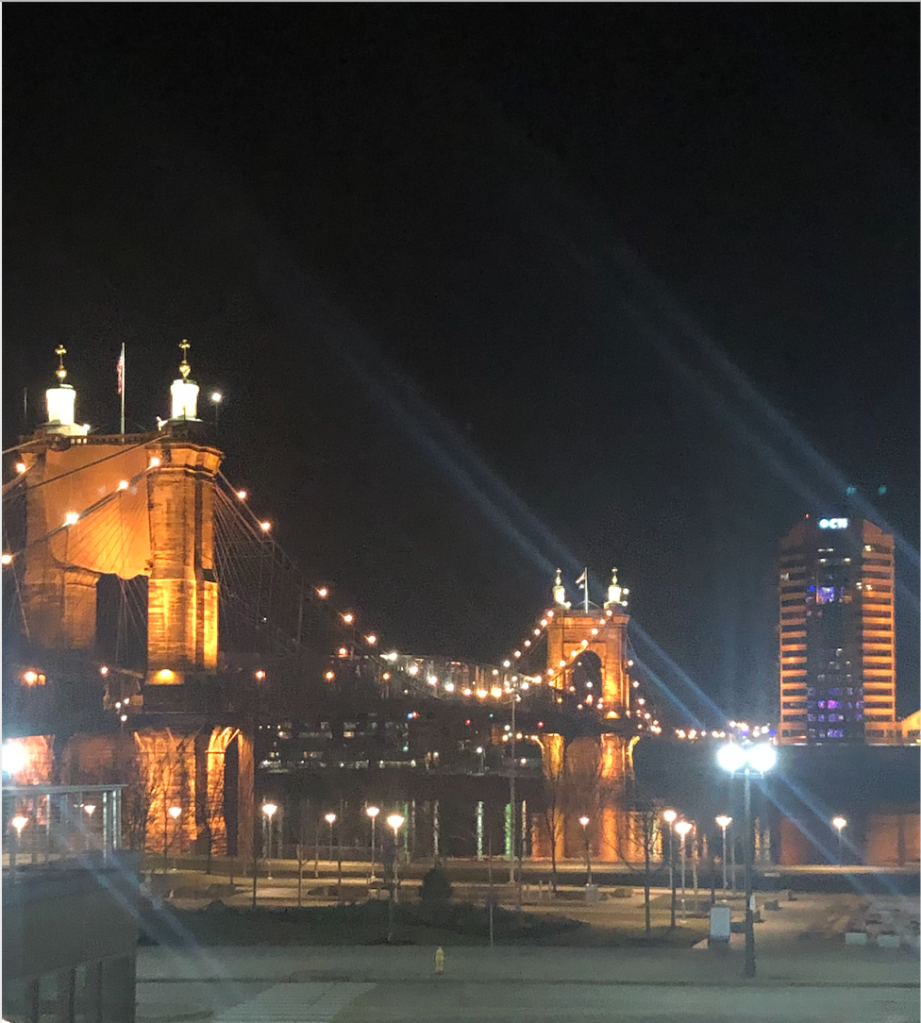
Did you know that this bridge in Cincinnati served as a prototype for the Brooklyn Bridge? It was designed by the same engineer, John A, Roebling in 1867. At the time, it was the longest bridge (1057 feet) in the world.
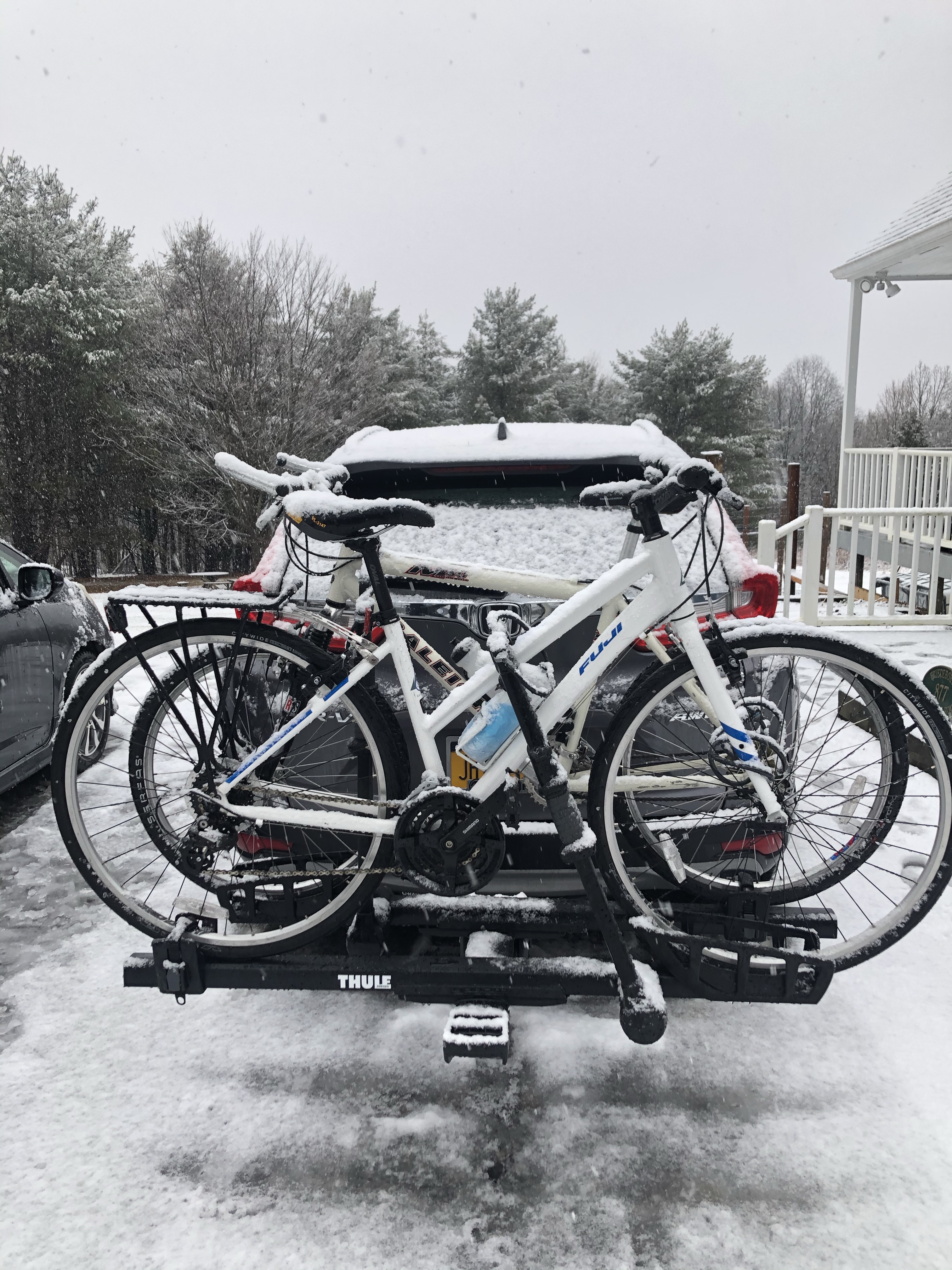
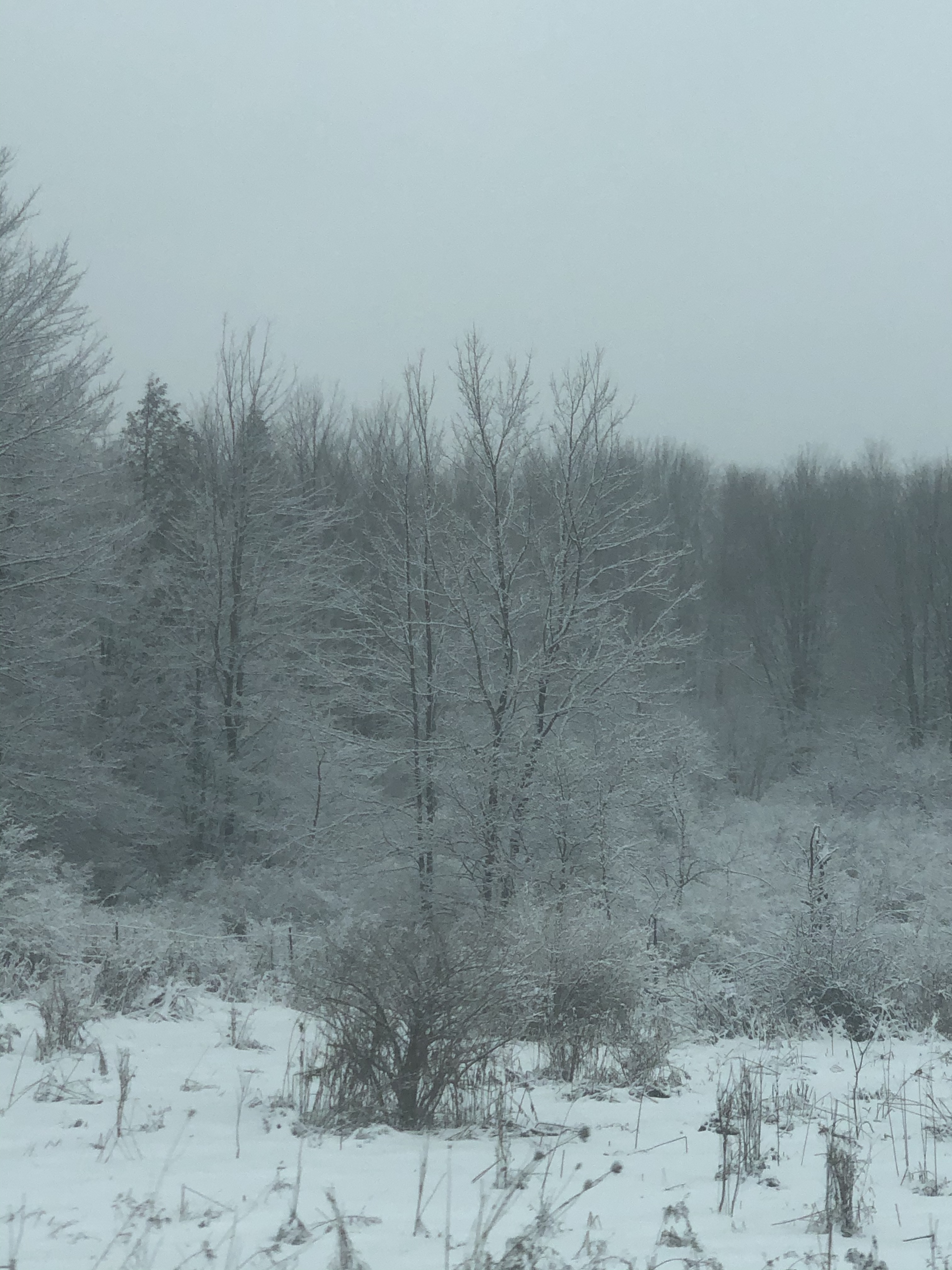
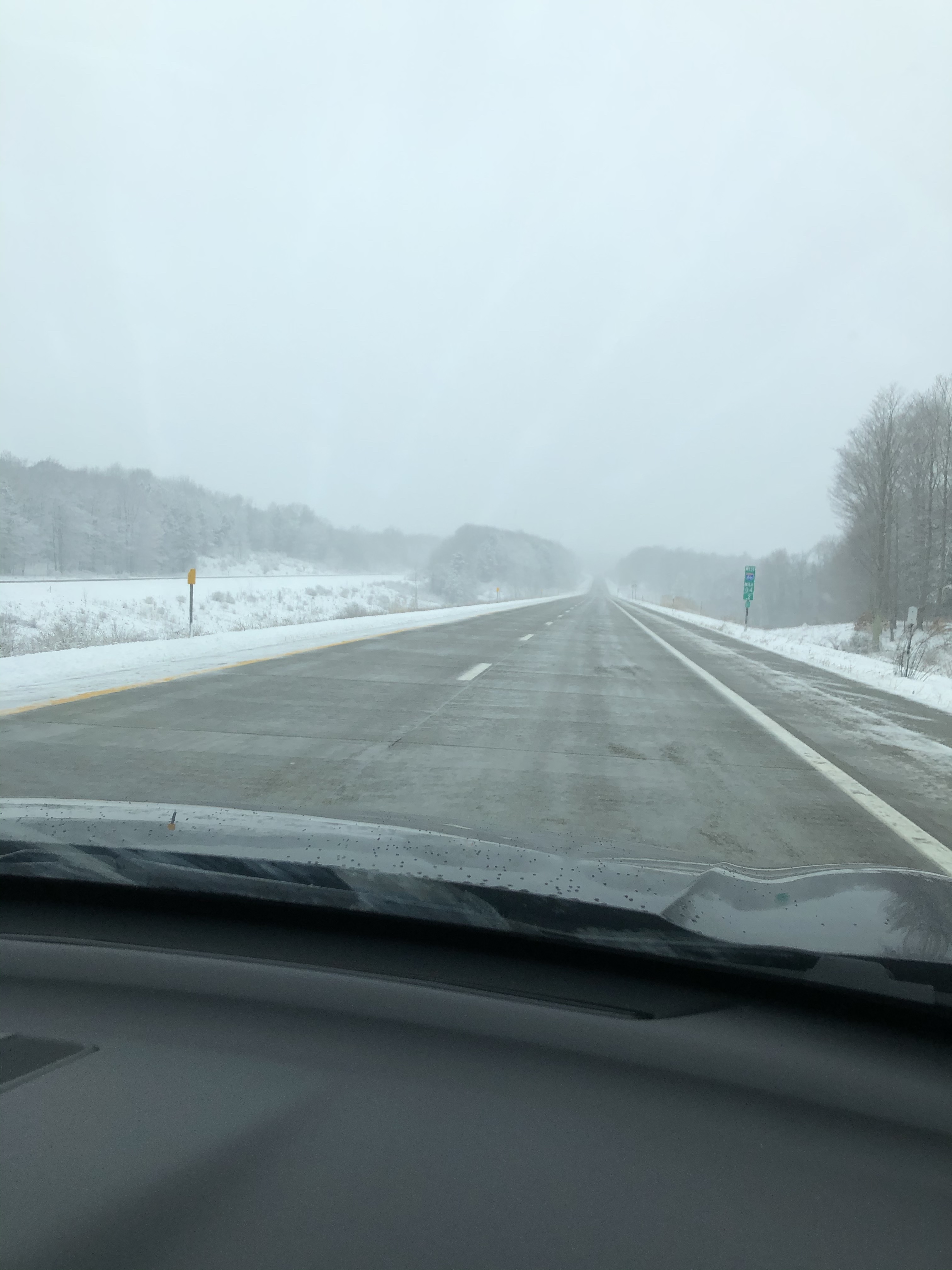
En route to Cincinnati. Still winter! Actually , the next four days in Cincinnati, Nashville and Memphis are going to be in the 40s. Hopefully no snow.
Tomorrow we leave for our cross country trip from upstate New York to southern California. Looking forward to saying goodbye to winter for a bit. We planned 10 stops: Cincinnati, Nashville, Memphis, New Orleans, Austin, Big Bend National Park, El Paso, Organ Pipe Cactus National Monument, and San Diego. Excited to share our trip with you!
We have arrived home safely after our 3,500 mile trip. We had a really great trip, but I have to say there is nothing like leaving to make us really appreciate home. I realize that we see more wildlife here than we did on our trip. Something I have taken for granted. We also had a great sleep in our own bed the first night home, something most of us experience. I must say it is much quieter here than in most campgrounds!
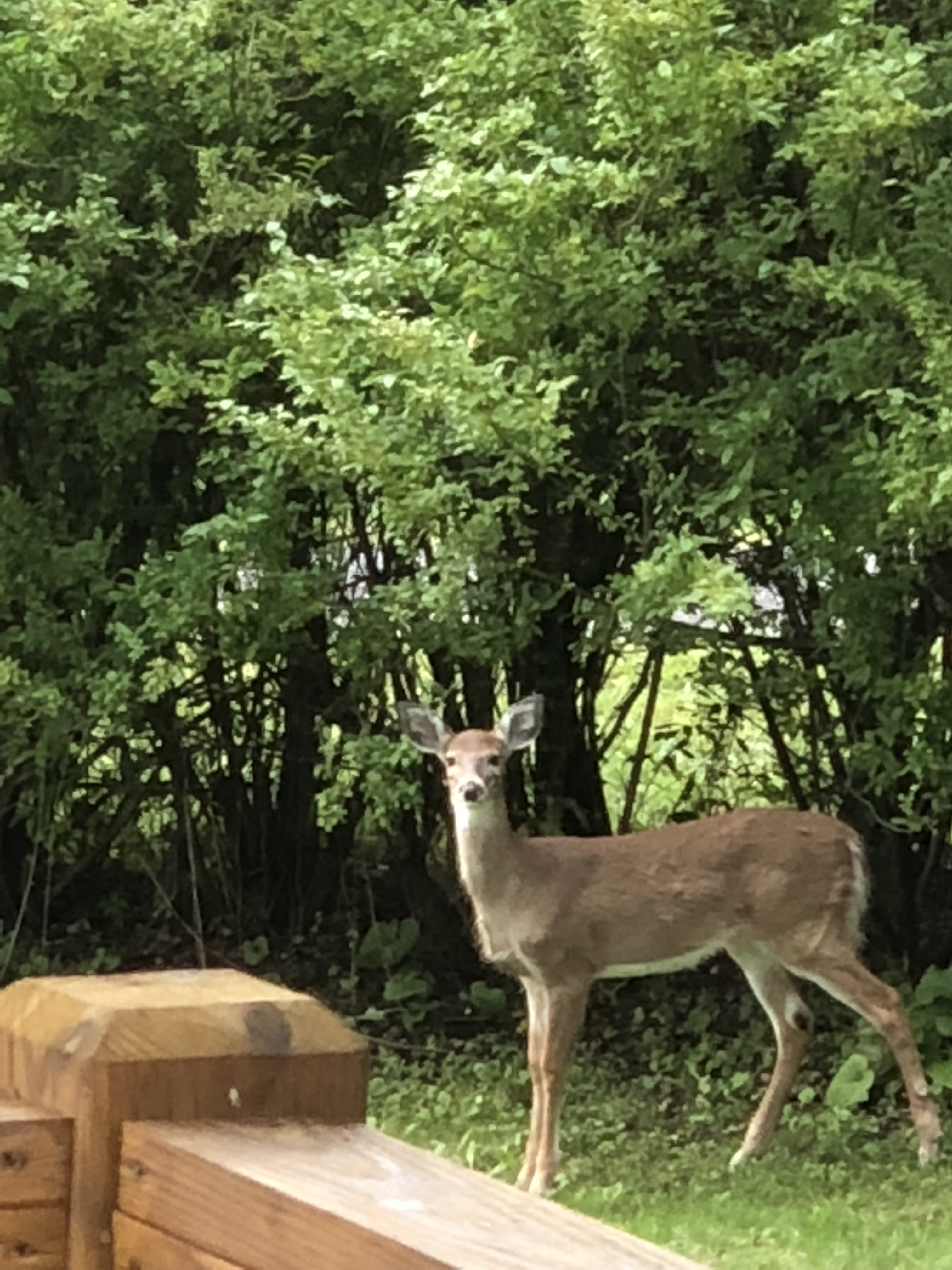
Sight out of my dining room window as I write. We actually could do with many fewer deer than we have in our back yard!
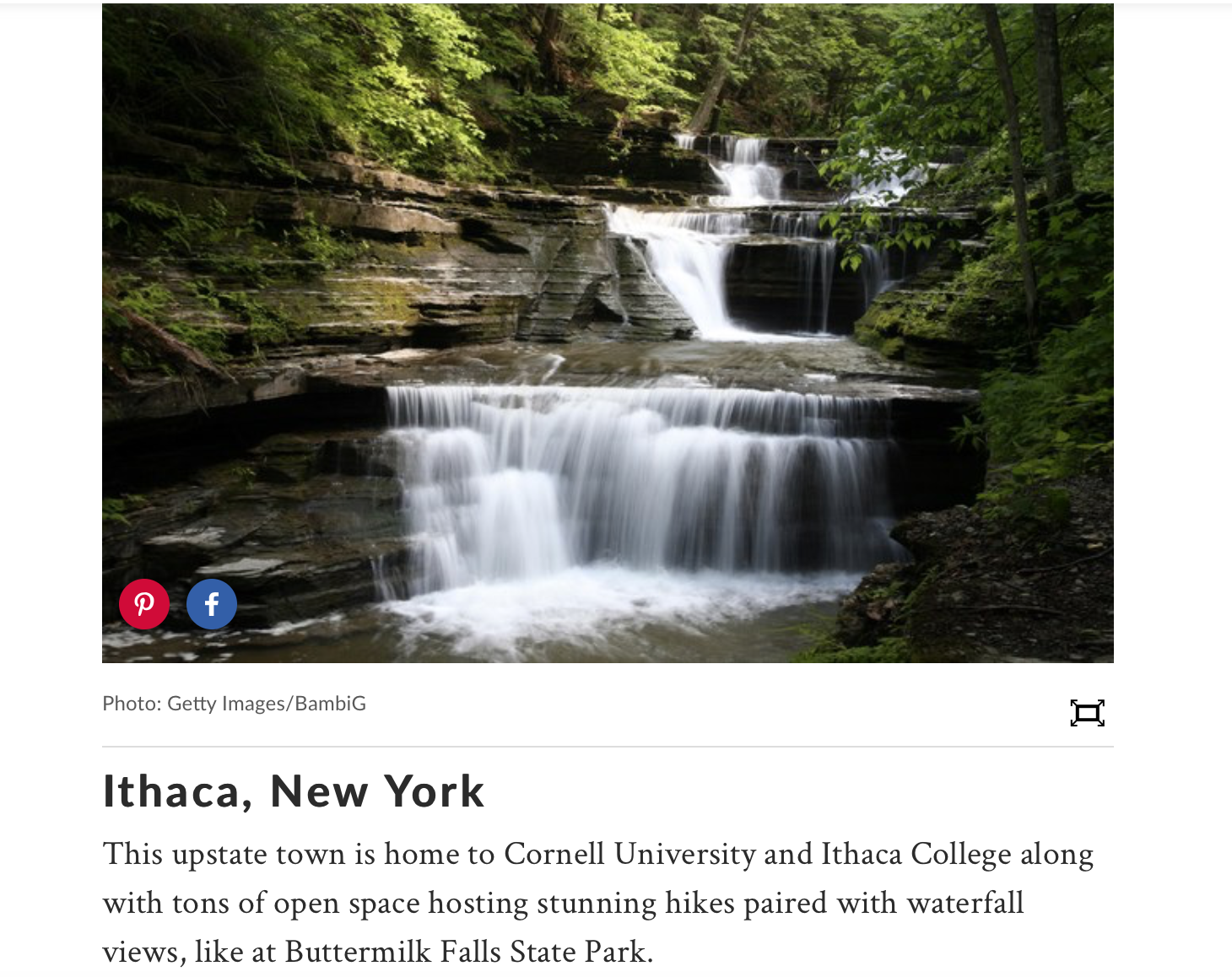
There is no place like home, but Ithaca is truly an exceptional place. It was chosen as prettiest place in New York by Architectural Digest magazine. Living in such a special place makes it really nice to come home. We should explore this area with the same enthusiasm as when we travel. Signing off until the next adventure!
















 Perspectives on the Road