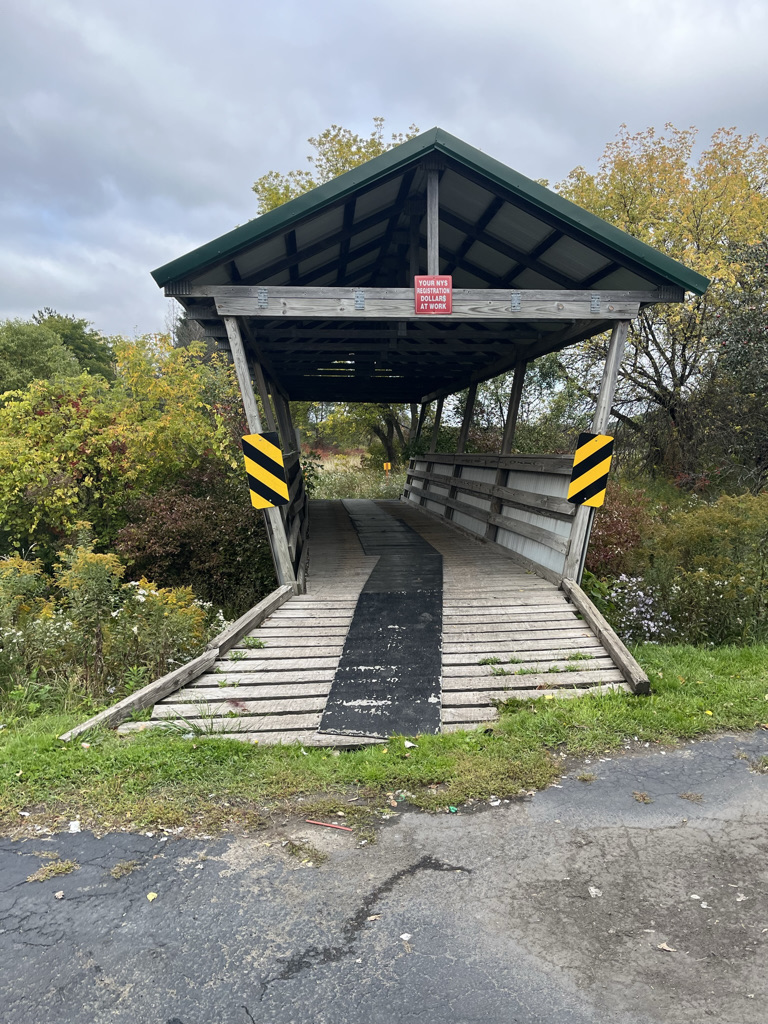
We stopped in Cuba, New York on Rt. 86 in Allegany County for a pit stop. I got wondering about the town, especially why it is called “Cuba”. The story goes that in 1822, the white settlers carved a piece out of a neighboring town called “Friendship”. and they needed a name for the new town. Someone suggested the Roman word “Cuba” that means “Goddess” or “protector of the young” and it was chosen for no apparent reason other than it sounds nice. This was a little disappointing as I was hoping for a much more interesting story and the name was not it. There was a cute covered bridge next to the gas station/ liquor store where we stopped. It is not big enough for a car. Any guesses what it is for?
If you guessed snow mobiles you would be correct!
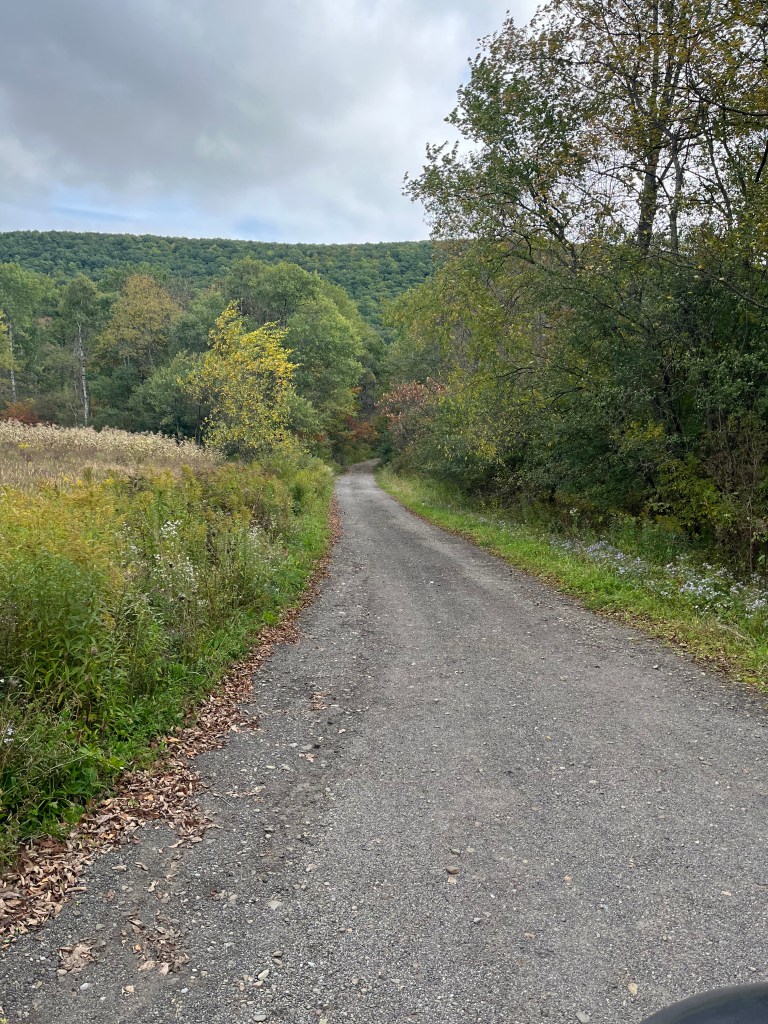
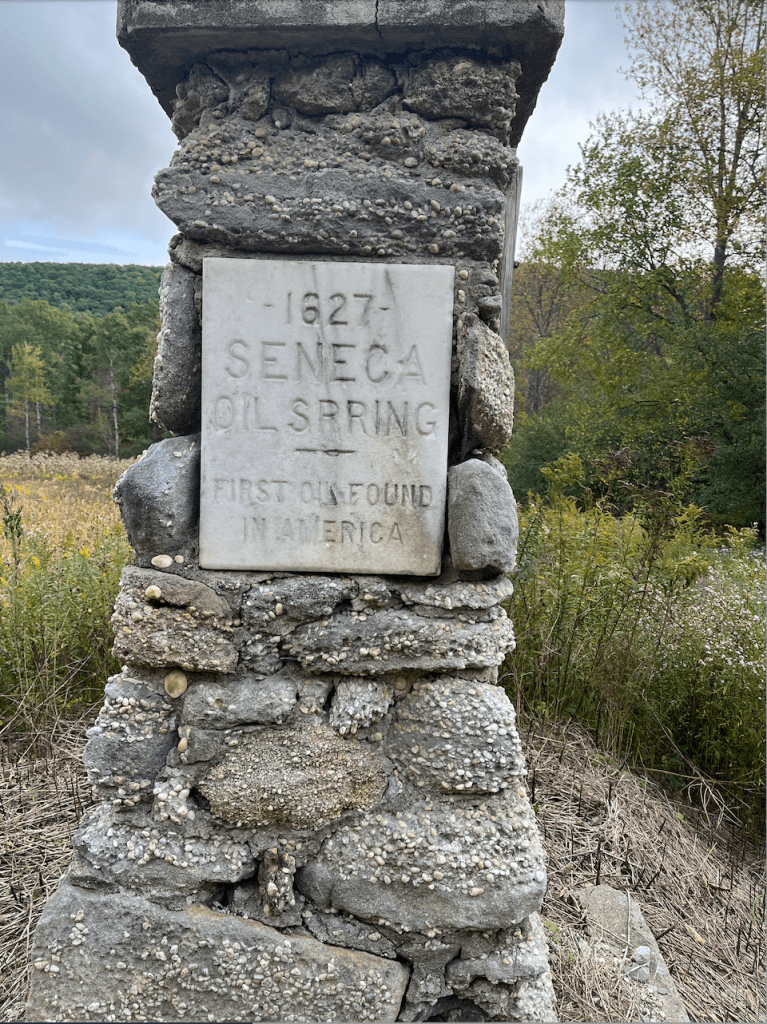
I read that the town is best known for Cuba Cheese, Cuba Lake and the Seneca Oil Spring. Being ever inquisitive, we wondered about Seneca Oil Spring, of which neither of us had ever heard a mention. It is on the Seneca Nation Territory that starts just west of the Cuba town line and google knew the way. We came to a stone pillar next to a dirt road that said “1627 Seneca Oil Spring- First One Found in America”
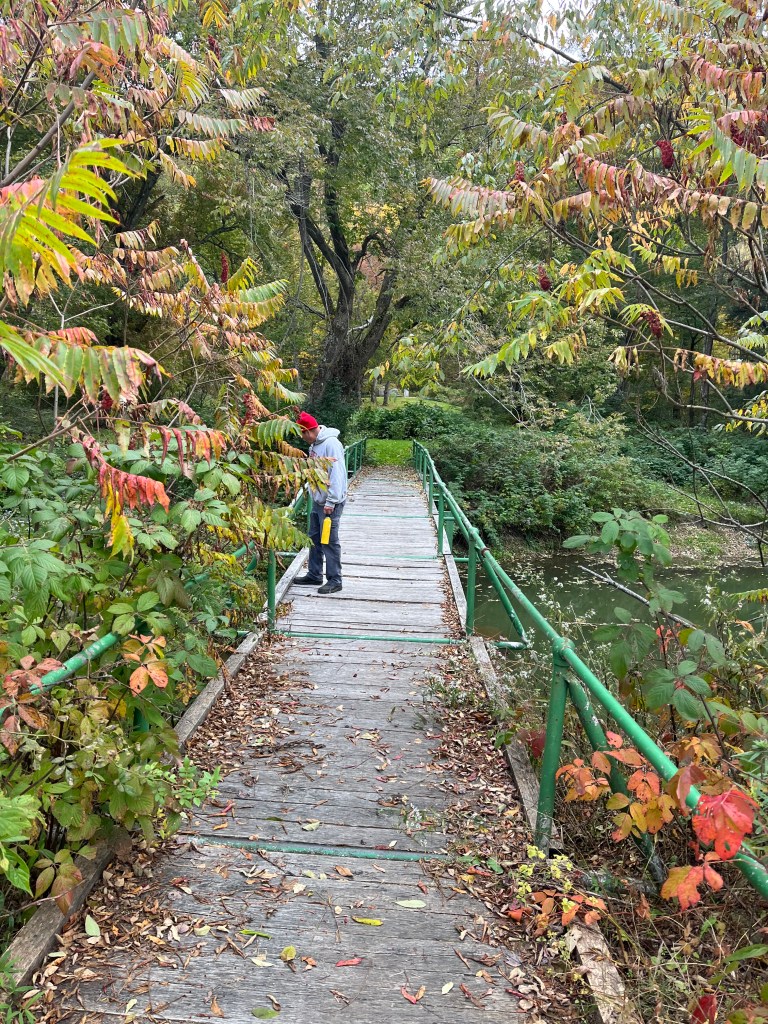
Of course we took the dirt road and came to a parking lot and a walking bridge over a creek to the Spring.
The Seneca discovered the oil spring and kept the “mysterious and magical” substance floating on the water secret. They would dip their blankets in and wring them into brass kettles to collect the liquid. They used the oil for medicinal purposes, making body paints, and adding it to fires and torches to make them flare (nyhistoric.com). Their mistake was trusting a missionary Father Joseph De La Roche and telling him the secret of the spring in 1627, who wrote back to his people in France about it. This is the first recorded discovery of oil in North America.
The Seneca fought on the side of the British during the American Revolution in an attempt to oust European settlers on their land. The Seneca and other Iroquois nations were forced to cede most of their lands to the U.S. in the Treaty of Canandaigua in 1794, , but the Seneca negotiated to keep 5 plots, including the Oil Springs. In the 1850s , the Seneca began a case to evict squatters, including Horatio Seymour, future New York Governor from Oil Springs Reservation in order to restore control and use to the tribe. Thanks to the efforts of influential Seneca leader, Governor Blacksnake, the state appeals court ruled in the tribe’s favor and the reservation was returned to the Seneca in 1861. Oil no longer comes from the spring, but the Seneca did build a casino on the Oil Springs Reservation.
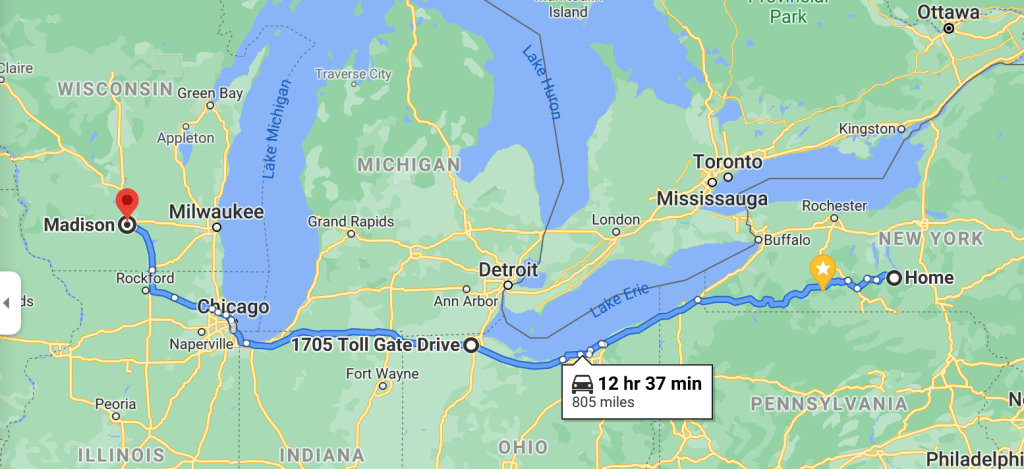
Tomorrow we are embarking on another road trip to Madison, Wisconsin to visit our son, Sebby. It’s exciting to think about being on the road again. We plan to stop in Oberlin, Ohio, take a little detour down to Amish Country, then on to Madison. We’ll let you know what we find as we go!
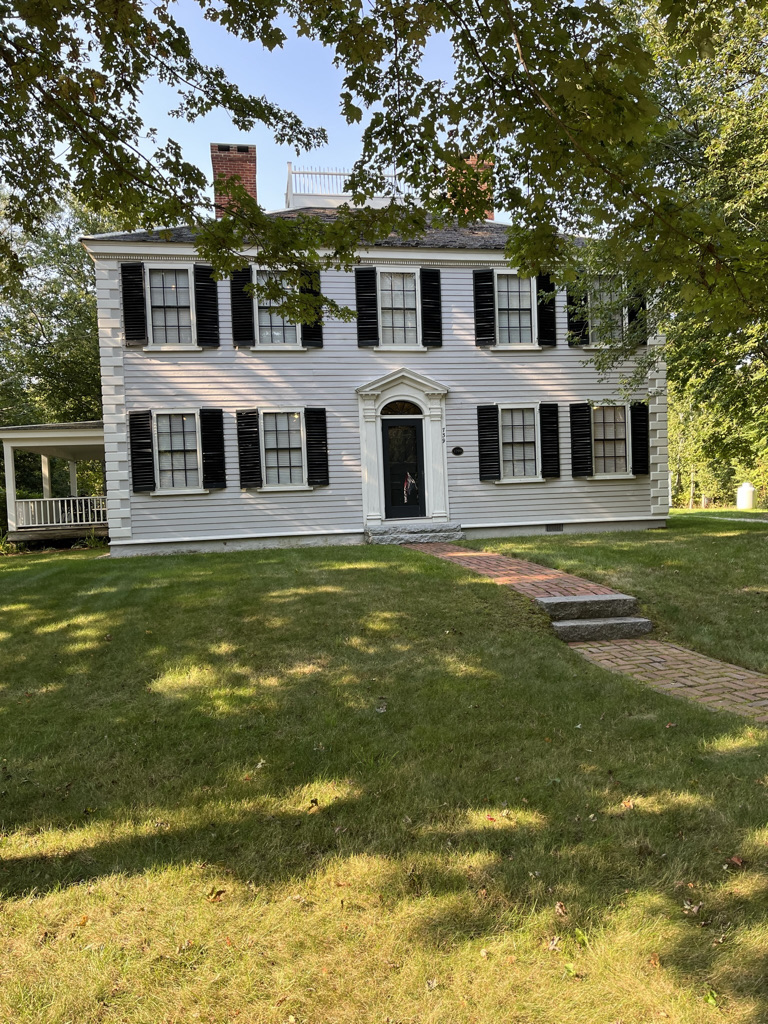
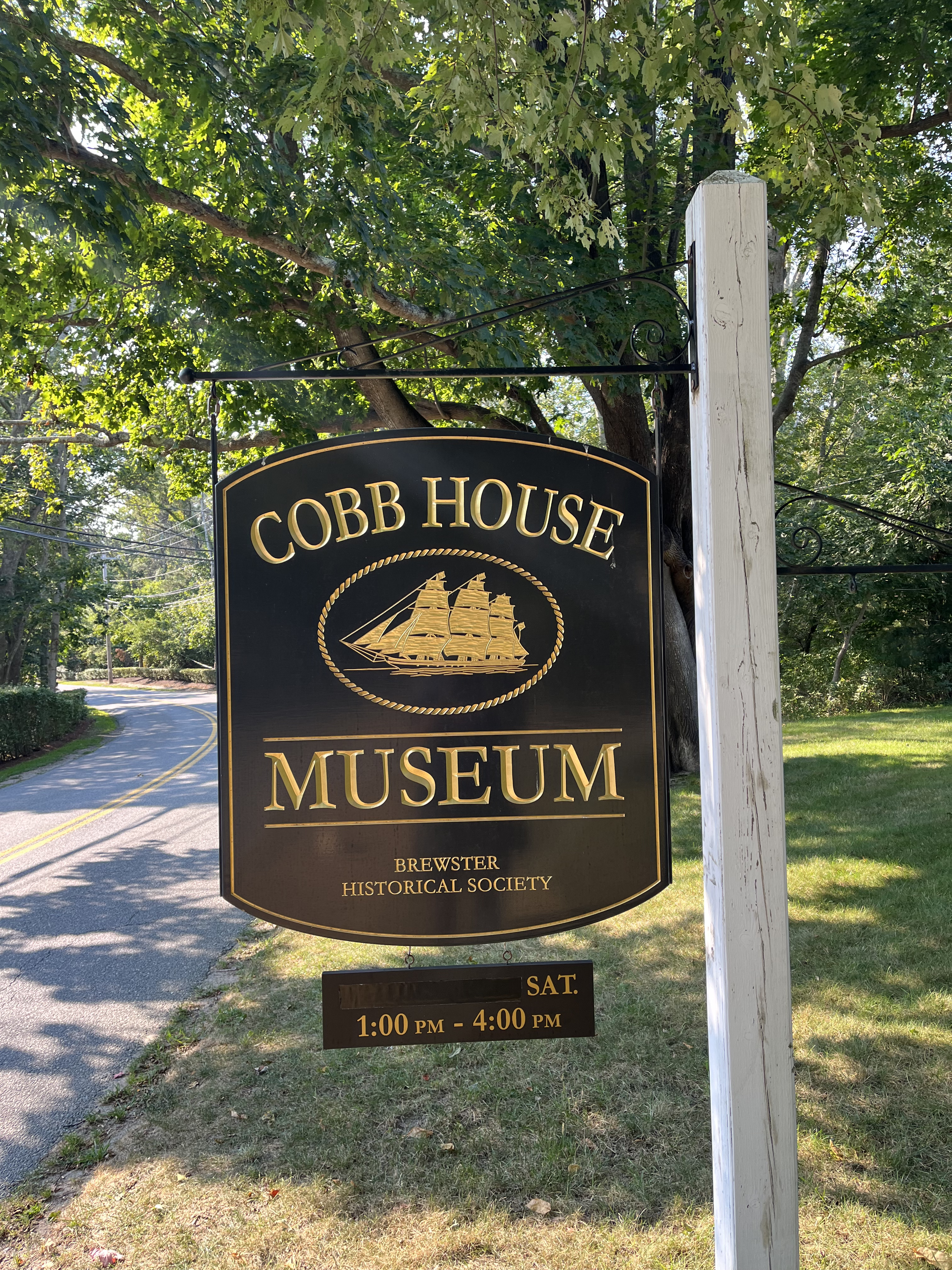
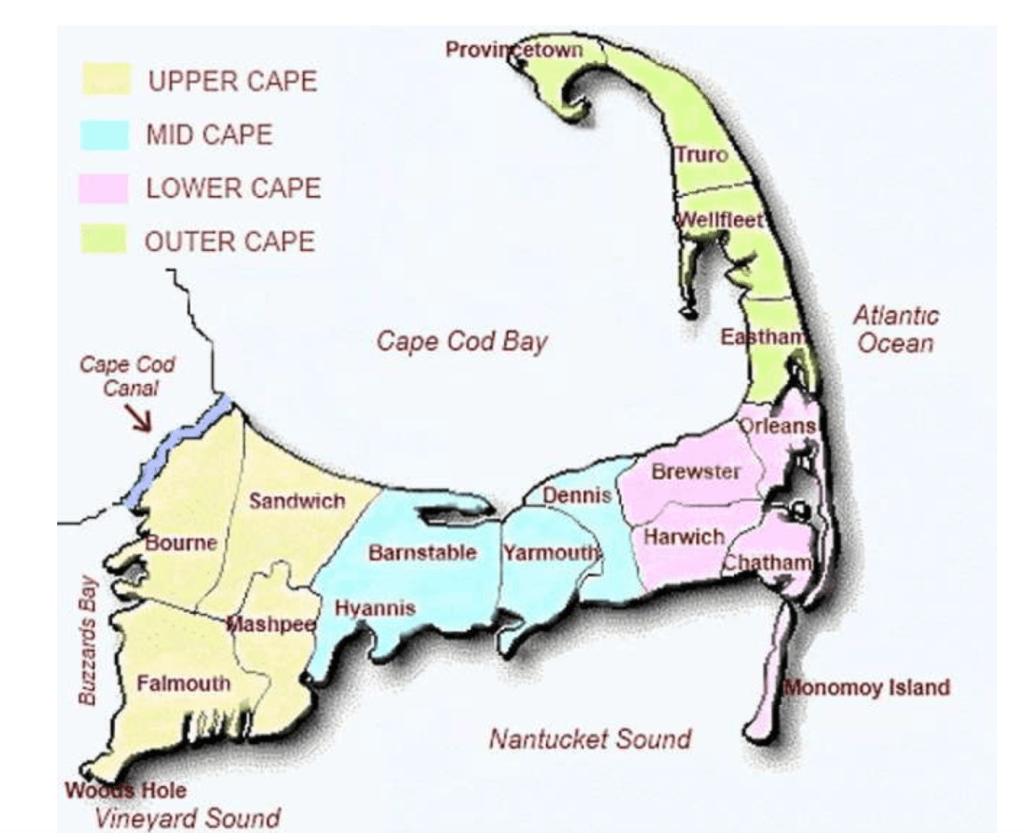
I was perusing Peggy Jablonski’s book, Cape Cod Camino Way (June, 2021), that mentioned the Cobb House Museum in Brewster, MA. and the life and times of Captain Elijah Cobb (July 4, 1768 – November 21, 1848), who built the house in 1799. We decided to visit the Cobb House Museum. Here is a video tour of the house describing many interesting facts about the architecture and life in Brewster at the time, including rare picture of Helen Keller and Ann Sullivan, who stayed in Brewster several summers.
There is more to the story that is not mentioned in the video or in the displays. While there is no smoking gun, circumstantial evidence points to the likelihood that Captain Elijah Cobb and the many sea captains residing in Brewster were involved in the slave trade. While very lucrative, even at the time the practice was shameful and then illegal in Massachusetts after 1783. What evidence is there of a Cape Cod slave trade?
Meadow Dibble Hilley, a native of Brewster and founder of the the Atlantic Black Box Project (a grassroots organization researching and reckoning with the New England slave trade) dug into this question. She wondered why the symbolic gravestones of several Brewster sea captains said they died on the west coast of Africa, Havana, Port au Prince and other ports in the Carribean. What were they doing there? And many of the sea captains were building large houses in Brewster that now serve as inns and taverns. Where did all that wealth come from? She noticed in Captain Elijah Cobb’s memoir that he omitted mention of the last twelve years of voyages, a crucial time in the slave trade.
There is some hard evidence. Hilley found an 1819 board of health report in the New England Journal of Medicine that described an investigation into the September 1818 to July 1819 voyage of the ship the Ten Brothers. The ship sailed out of Boston (as most Cape Cod ships generally did) and spent the fall of 1818 in the Gulf of Guinea off the west coast of Africa. Many of the crew contracted yellow fever and died, including Captain Joseph Mayo. Elijah Cobb, being a senior member of the crew, sailed the ship back to Boston by way of Martinique , in the Caribbean, to unload an “unspecified cargo”. Here is a quote from a Thoughtco article describing how the Triangle Trade system worked:
“New Englanders traded extensively, exporting many commodities such as fish, whale oil, furs, and rum and followed the following pattern that occurred as follows:
New Englanders manufactured and shipped rum to the west coast of Africa in exchange for enslaved people.
The captives were taken on the Middle Passage to the West Indies where they were sold for molasses and money.
The molasses would be sent to New England to make rum and start the entire system of trade all over again.
In the colonial era, the various colonies played different roles in what was produced and used for trade purposes in this triangular trade. Massachusetts and Rhode Island were known to produce the highest quality rum from the molasses and sugars that had been imported from the West Indies. The distilleries from these two colonies would prove to be vital to the continued triangular trade of enslaved people that was extremely profitable. Virginia’s tobacco and hemp production also played a major role as well as cotton from the southern colonies.”
When the Ten Brothers finally docked back in Boston, it carried more than molasses and sugar; it carried deadly mosquitoes that spread yellow fever through Boston. The Board of Health questioned Cobb about both the yellow fever and slavery, but cleared him of all suspicion in the end. Hilley, however, does not clear Cobb.
I bring this all up, not to sully the reputation of Brewster, but to finally get to the truth and acknowledge our whole history. Only when we tell the whole story and learn from the past will we be able to make amends and heal as a country.
We are staying in Truro, near the end of Cape Cod. I love it here because it is away from the commercial hubbub and traffic found further up cape. In Truro (located between Provincetown and Wellfleet) you will see quaint old cottages and natural areas, rather than commercial development. In fact, half the land in Truro is Cape Cod National Seashore, a national park.
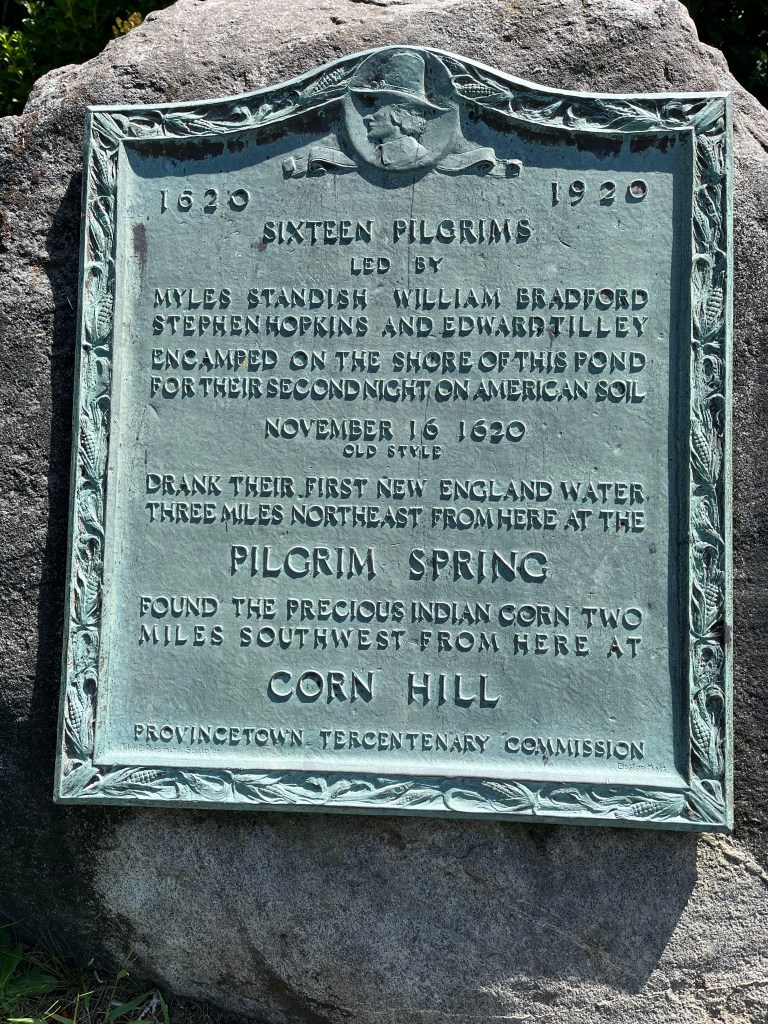
As is stated in most school text books, November 21st, 1620 the Mayflower, with 132 people aboard landed in what is now known as Provincetown Harbor. On the second day, Myles Standish and William Bradford led a scouting party to explore what is now Truro. They discovered fresh water at Pilgrim Spring and spent the night on Pilgrim Pond. There is this plague at Pilgrim Pond commemorating the event:
What the plaque neglects to say is that they stole the Nauset people’s corn to use as seed corn. The corn was part of a Nauset burial ground, a sacred place, which they disturbed. Corn Hill, where the corn was found, is less than a mile from our cottage. The Pilgrims stayed for one month, then sailed across the bay to settle in Plymouth, MA. in an abandoned Wampanoag village called Patuxet,. They were incredibly thankful to find this village with shelter and corn already planted and a stream of clean water.
According to an article in Slate Magazine (Nov 20,2012):
“[The Pilgrims] were even more thankful when the first Native American strolled into their midst, smiling and saying in English, “Welcome!” According to Pilgrim-era writings, he told them straight away that the previous villagers “died of an extraordinary plague.” A few days later, Tisquantum arrived. Called Squanto by Pilgrims, he was born in Patuxet, abducted by Englishman Thomas Hunt in 1614, and missed out on the epidemic that killed his entire village. During his years in captivity, he’d learned English, and he was now attached to a nearby branch of the Wampanoag. The Pilgrim leader William Bradford was already aware of the death toll from “Indean fever.” His scouts had ventured inland and noted “sculs and bones were found in many places lying still above ground, where their houses and dwellings had been; a very sad spectackle to behould.” It’s estimated as many as nine out of 10 coastal Indians were killed in the epidemic between 1616 and 1619.”
Many people think that native people no longer live in Massachusetts. While the Nauset do not exist as a separate nation, their bloodline lives on as part of the Mashpee Wampanoag Tribe, who number about 1,500 today. The Wampanoag became a federally recognized sovereign Indian nation in 2007. Four hundred years after the Mashpee Wampanoag in Plymouth, Mass. helped the Pilgrims from the Mayflower survive, they have been fighting to get their ancestral homeland back. Last week, they won a major victory in a ruling from the U.S. Department of the Interior that will give them substantial control of roughly 320 acres around Cape Cod.
It is so nice to be traveling again after a very long pandemic break! We are back at our favorite place in Truro, MA on Cape Cod. I met a female Atlantic Marsh Fiddler Crab (Uca pugnax) this morning. Watch the whole video and you will see her chowing down like the cookie monster. Yes, she is eating the mud, along with fungus, algae, microbes and decaying plant & animal matter (maritimeaquarium.org). Fiddler crab eating and burrowing helps keep the salt marsh clean and aerated. However, recent research has shown that crab burrowing may have a negative effect on climate change by releasing greenhouse gasses (carbon dioxide and methane) sequestered in the salt marsh
Atlantic Marsh Fiddler Crab in Pamet River salt marsh, Truro, MA.
The male fiddler crab has one very large claw- the bigger the claw, the more attractive to the females. The males stand in front of their burrows, hold their claws like fiddles and wave them around while stamping their feet to attract females. I can see why this would be irresistible. If the female is interested, she will stare at the male, the male runs toward her, then back to his burrow several times, inviting her to join him. If she is interested, she follows him into the burrow, he blocks the door to the burrow and they mate (https://www.chesapeakebay.net/discover/field-guide/entry/fiddler_crabs).
The natural world is fascinating. I’ll report back with any other wonders we run across here, natural or otherwise.
We find ourselves near Ashtabula once again, thanks to a snow storm. I am reposting this post about Ashtubula.
Sun Prairie, Wisconsin
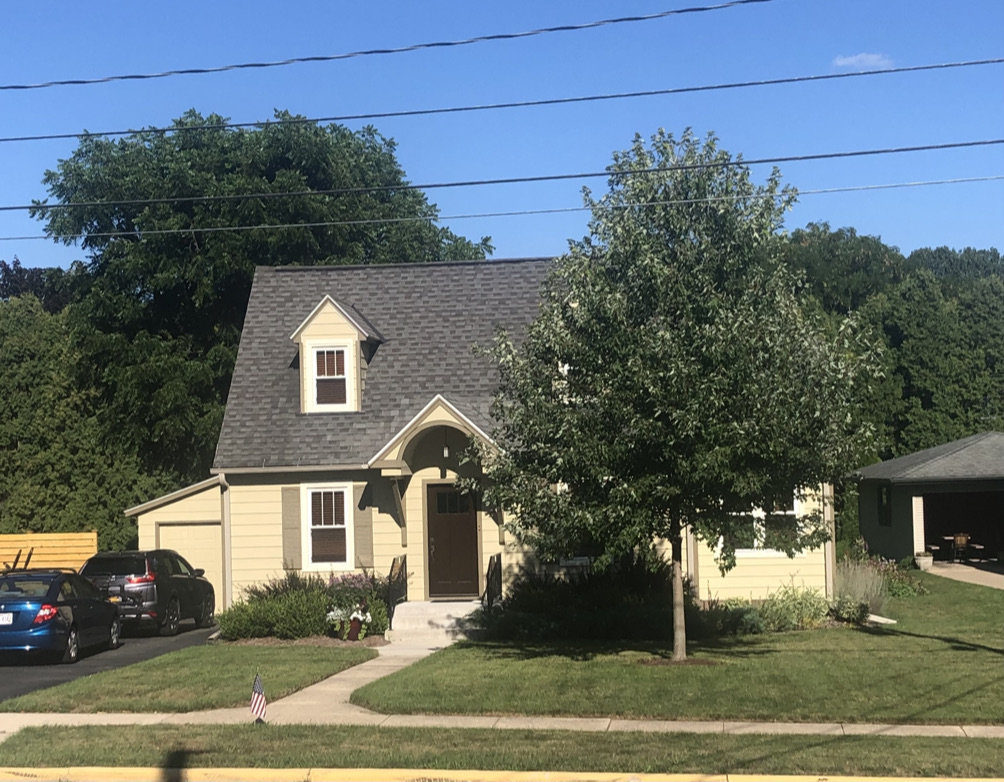
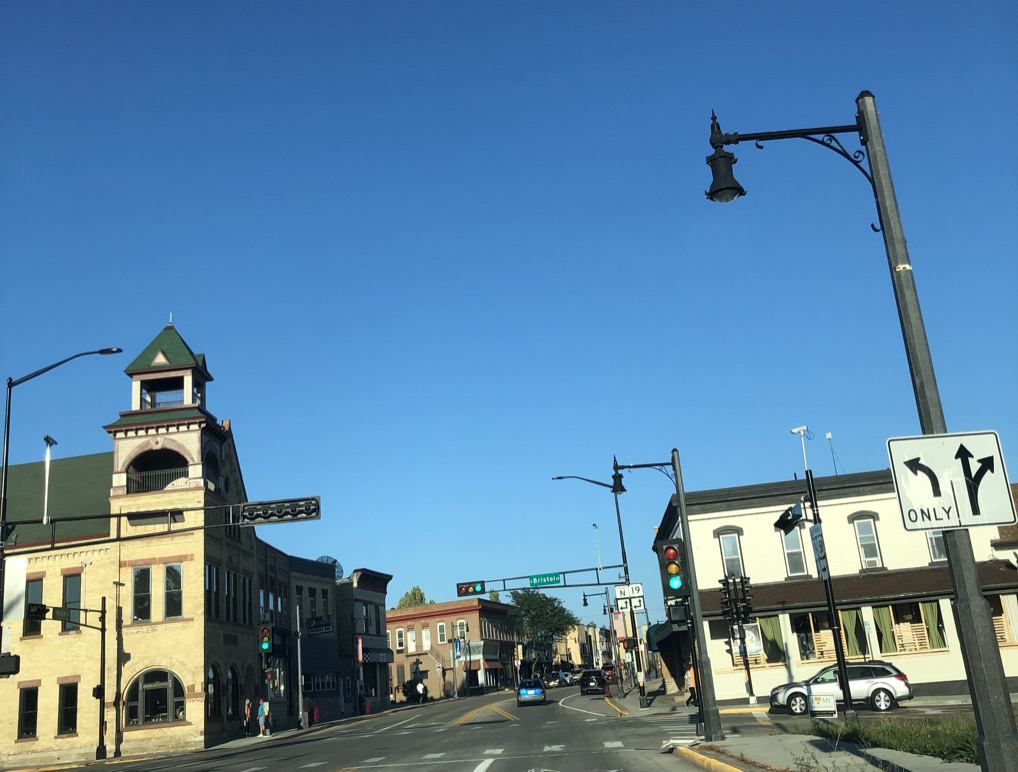
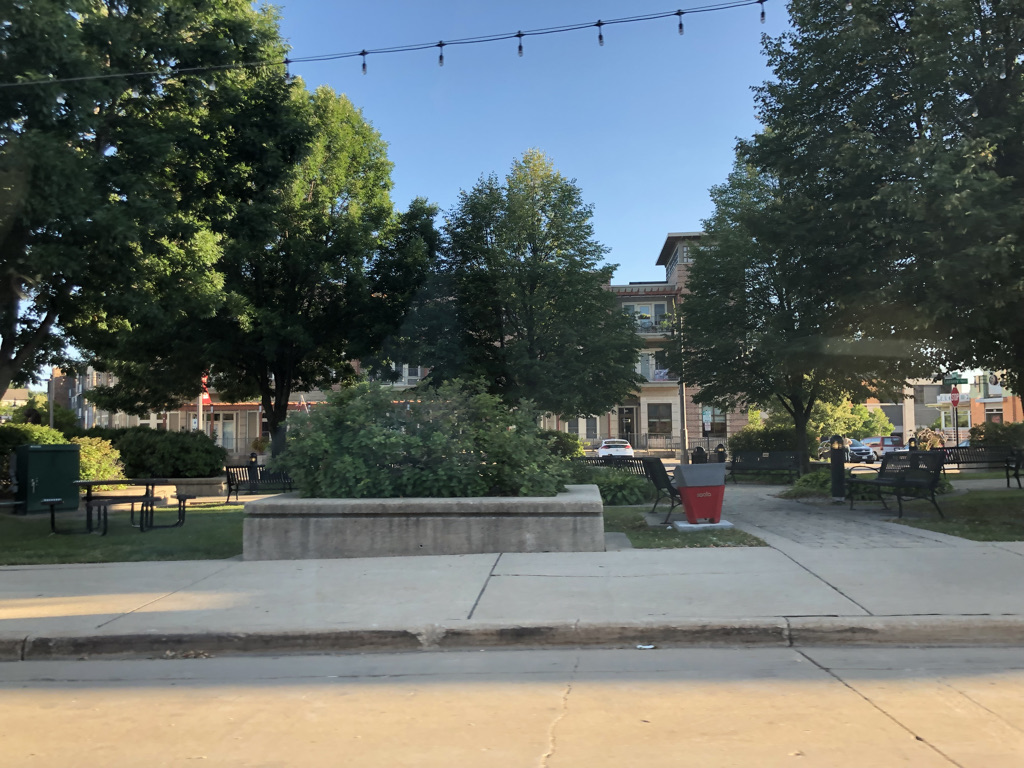
We rented a cute little house for the week in Sun Prairie, Wisconsin, a suburb of Madison. We knew very little about Sun Prairie, except that it is in quite close proximity to East Madison, where our son lives, and it was where artist Georgia O’Keefe grew up in the late 1800s. It is a quiet, manicured town with a small historic downtown and well-preserved village square. A little research revealed that the population of 34,661, is growing fast with a 17% increase since 2010. (U.S. Census 2019 estimate). It is the second-most populous city in Dane County after Madison. It seems like a nice place to live with clean, well maintained streets and parks and a new high school being built- something almost unheard of these days. It Is mostly white, so it might not be welcoming for all, although it has some racial diversity. Seventy-five percent of the population is white (non-hispanic), 8% is Black, 6.7% is Asian and 5.3% are Latino. The top of the City of Sun Prairie website announces “Sun Prairie is seeking the development of a city-wide Diversity, Equity and Inclusion (DEI) program. We need assistance to identify blind spots and processes that perpetuate systemic injustice, and identify current successes, areas for improvement.”
Sun Prairie was recognized as one of the “Best Places to Live in America” for 2020 by Money Magazine. It is not cheap to live here, but it is not as unaffordable as many other places. The average owner occupied house in 2021 costs $261,700 and average rent for a 2 bedroom home is $1,100 (bestplaces.net). It gets an A rating on Niche- the school are excellent and the crime rate is low compared to the national averages. It scores 9 out of 110 for Most Diverse Suburbs in Wisconsin:” (NIche), which may not be saying alot cause it is Wisconsin. Overall, it seems that Sun Prairie is thriving and a nice place to live.
The place we stayed on Dewey StreetDowntown Sun PrairieFormer City Hall on the leftDowntown Sun Prairie square
Ashtabula, Ohio
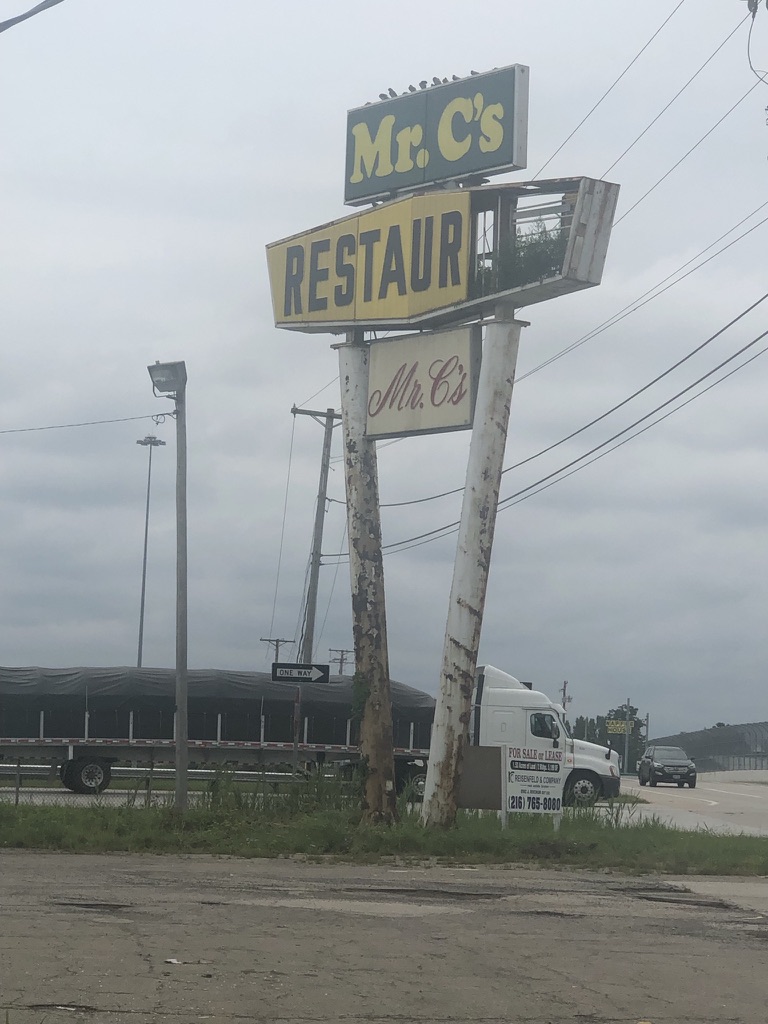
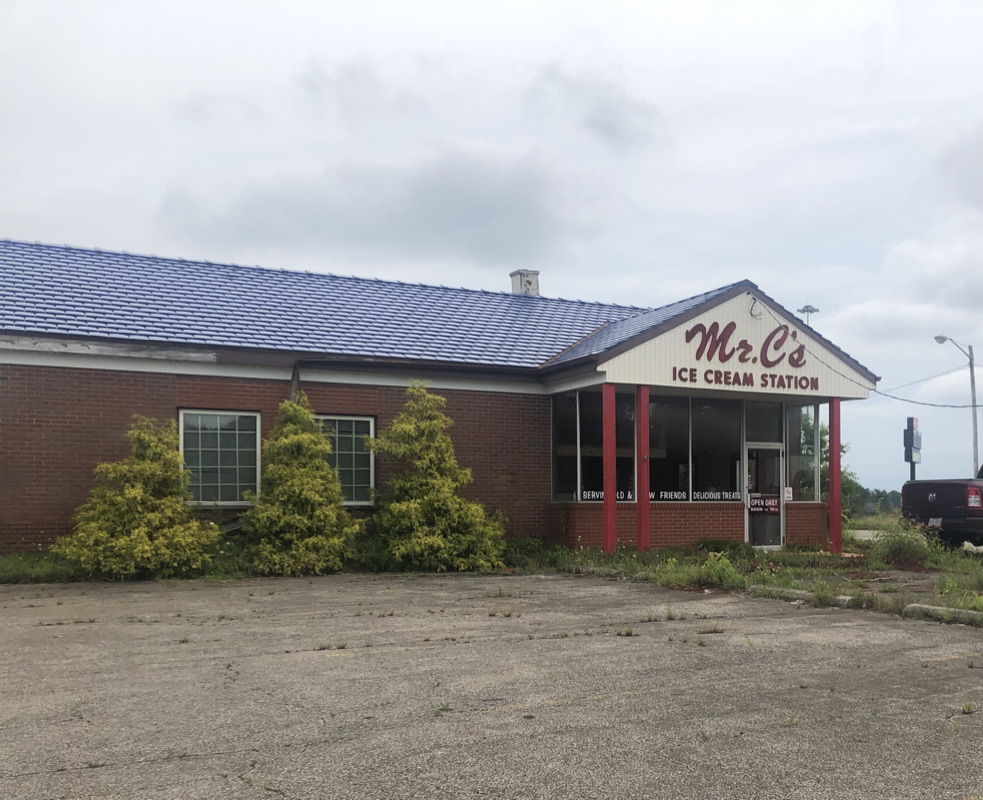
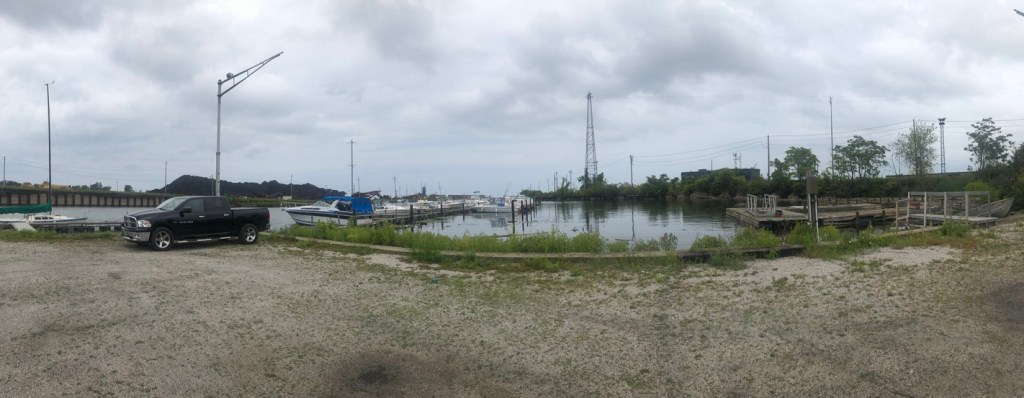
We stopped in Ashtabula, Ohio on our way home. It’s history as a prominent stop on the underground railroad and as one of the major Lake Erie coal ports back in the day, was intriguing. The city’s harbor has been important as a large ore and coal port since the end of the 19th century, and integral to the steel manufacturing that was developed around the Great Lakes.What a shock when we arrived. We were greeted by an abandoned ice cream shop when we turned off the Ohio Turnpike and things did not improve when we reached downtown Ashtabula.
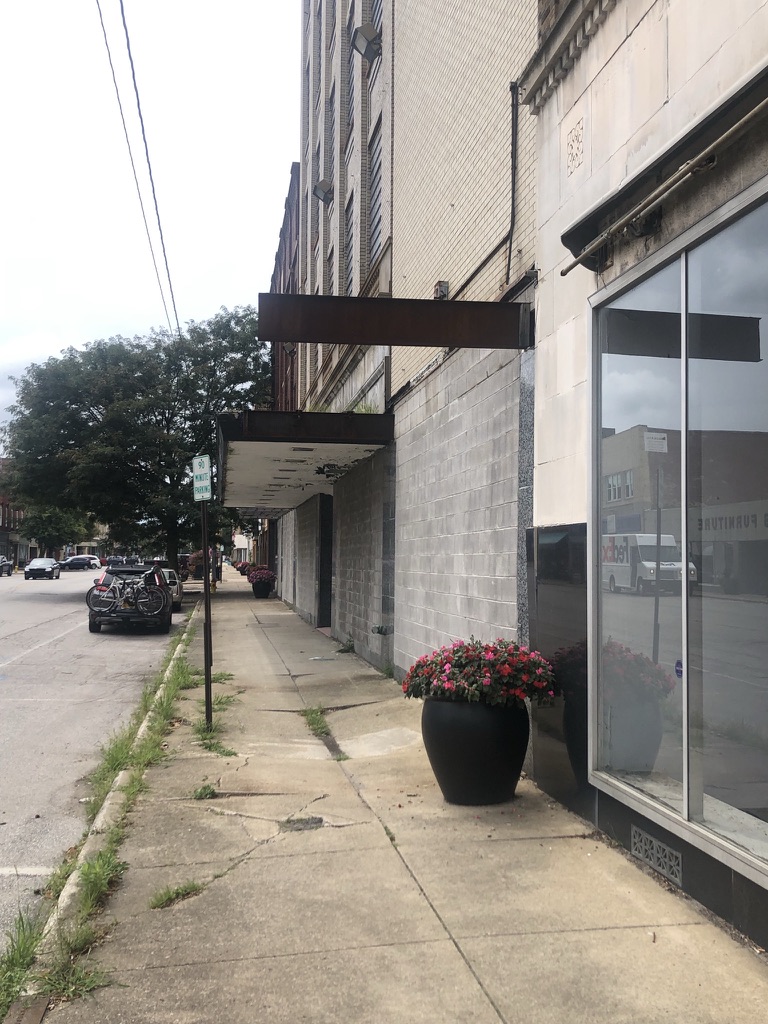
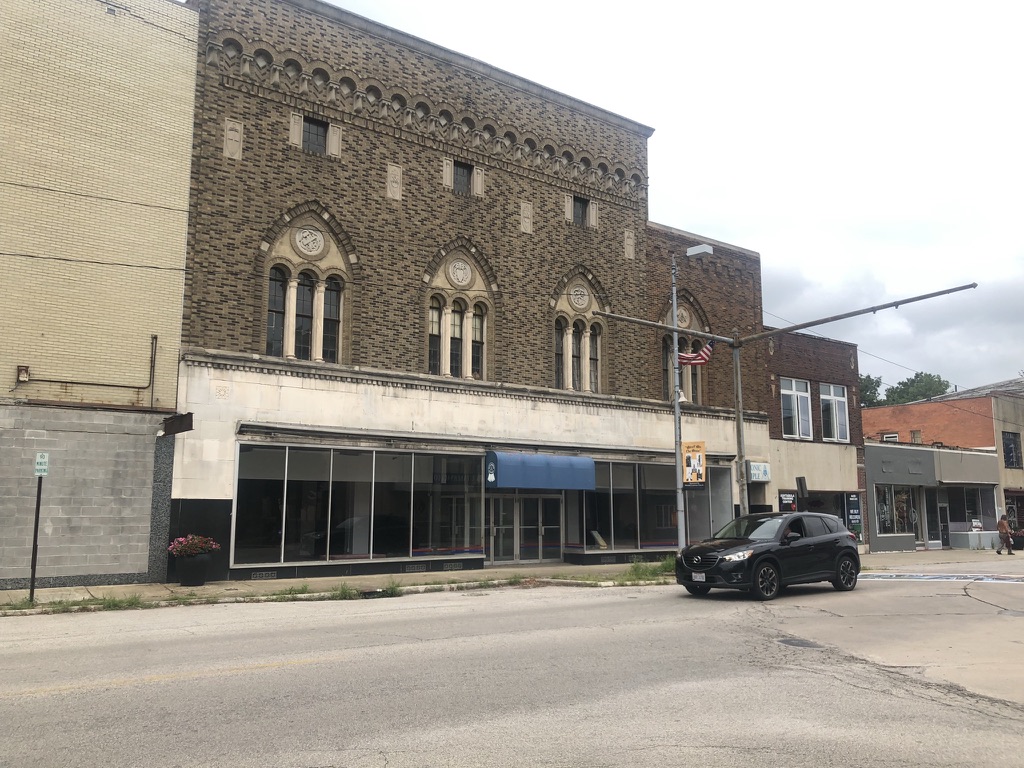
Ashtabula downtown was for the most part boarded up. “Decline” is a word that comes to mind- the population of 19,597 in 2020, is in decline(-6.29% since 2010 according to the U.S Census) along with the harbor, roads, and buildings.
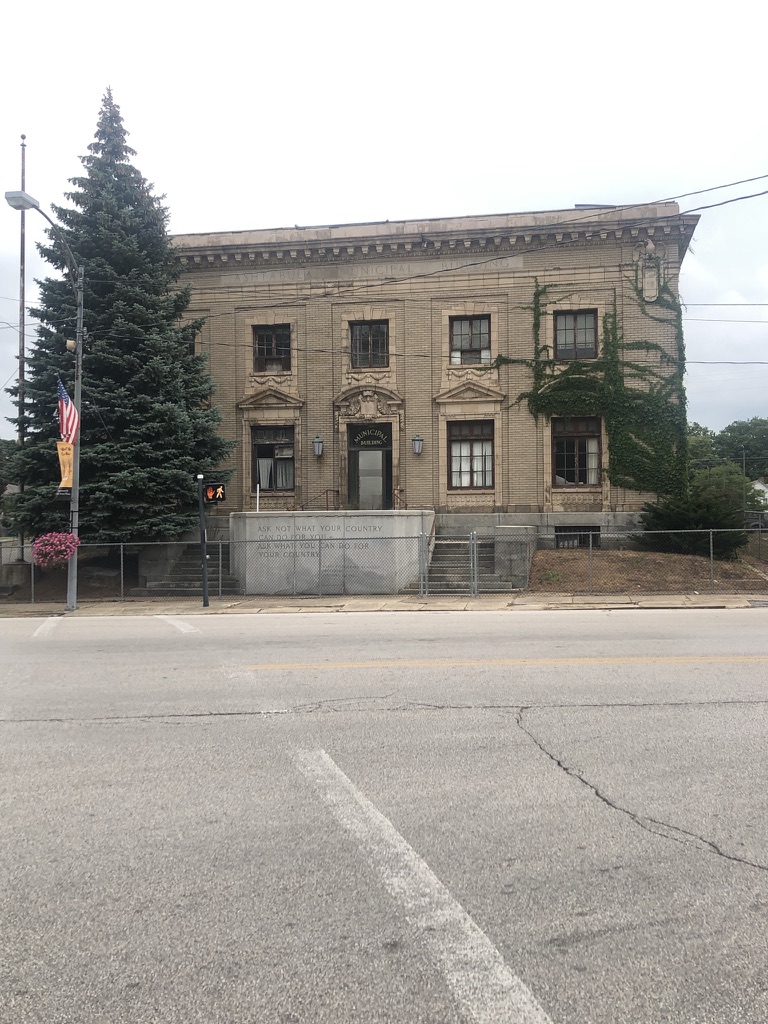
Almost the whole of Main St. was boarded up. It was distressing to see once grand buildings in such a state of decay. Even the Municipal building was boarded up and appeared abandoned, although there was still an American flag flying out front. Roads and sidewalks were in bad shape as well. Ashtabula gets a C rating on Niche.
So why did one city, Sun Prairie, continue to thrive when Ashtabula declined? It is interesting to note that both cities have a similar racial make-up. According to the most recent U.S Census, the racial composition of Ashtabula is 79.6% white (non-hispanic), 8.8% Latino, 8.51% Black, and 4.2% multi-racial. Both cities were founded in the mid 1800’s by European settlers, although Ashtabula was not incorporated until 1891. One explanation for Ashtabula’s decline, is that it is part of the Ohio “rust belt” which suffered the loss of the steel industry. As steel mills were moved offshore, ore shipments via Great Lake freighters dwindled. And Sun Prairie is essentially a bedroom community for Madison, only a 15 minute commute away. Ashtabula is an hour from any large city with jobs such as Cleveland or Erie.
In 1983 the once bustling harbor was placed on the national priorities list as a “superfund” site due to unregulated discharges of hazardous substances contaminating sediments, fish and wildlife. Toxic sludge built up from the discharge from the chemical plants on the Ashtabula River. According to Frank Lichtkoppler, a retired professor at Ohio State University who worked with the Ohio Sea Grant program, the sediment build up hampered coal and ore shipments as they could not ship full loads, which affected the livelihoods of many Ashtabula residents. Local residents got fed up and took action. They formed the Ashtabula River Partnership, a group of 50 organizations, including the federal and Ohio EPAs, an alphabet soup of other agencies, citizens and businesses, all led by the local port authority. Now the several feeder streams and the harbor are for the most part cleaned up, with Ashtabula River being one of the cleanest rivers feeding into Lake Erie. Economic recovery is just beginning. Bridge Street in Ashtabula
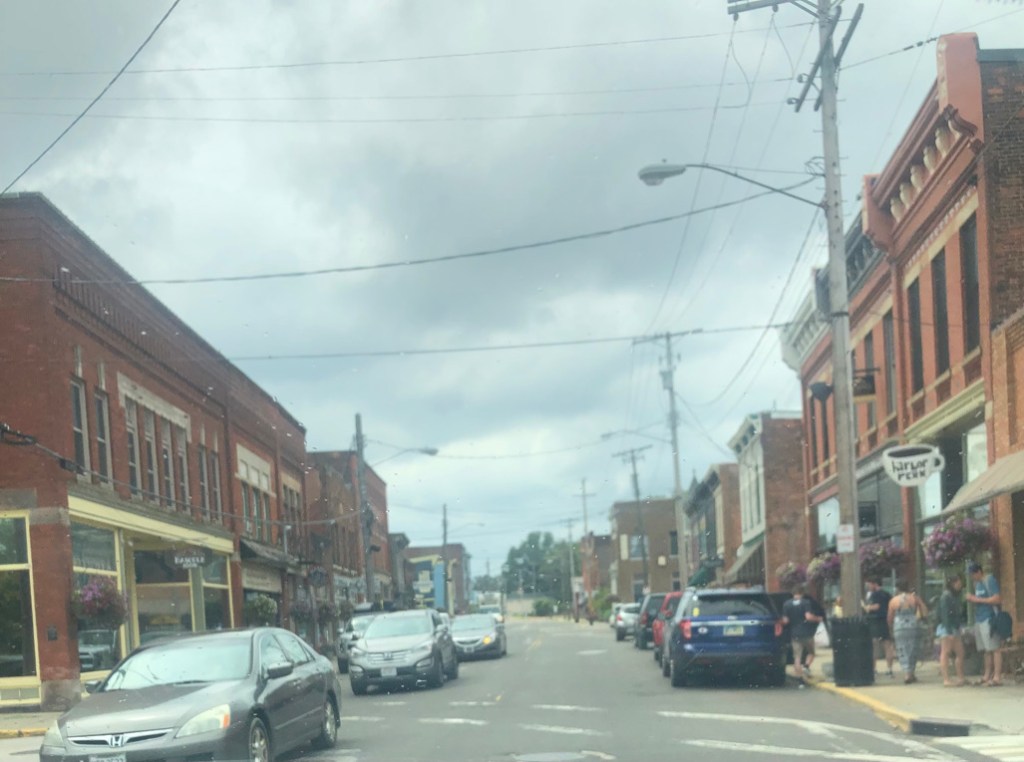
We saw signs of community revitalization on Bridge Street, near the harbor with new little coffee shops, restaurants and gift shops attracting tourists. The sidewalks were rebuilt and a row of condos was being built nearby. The reality might not be as thriving as the Bridge Street link above announces, but it is a start.
Another positive economic turn for Ashtabula is the construction of a new nodular pig iron plant in Ashtabula harbor. The plant, to be completed next year will be the only pig iron facility in the U.S. Pig iron is used to build high value metal components like engine blocks and landing gear. The plant is expected to create 100 permanent jobs.
While Ashtabula has a long way to go to until it is once again a thriving town, there is are glimmers of hope. Median home value is $54,200 (bestplaces.com)and average rent is $646/month. So for someone who is looking for a place to start out with affordable housing to be part of the change, it might be a good place to be.
We decided, due to the lack of mask wearing in Wisconsin, that we would enjoy outdoor activities only while in Dane County. For the first part of the week it was in the 90’s and there was a heat advisory. We went swimming at Governor Nelson State Park on Lake Mendota. The swimming area was a little mucky and the park seemed a bit unkept, but the good thing was that on that weekday there was only one other family at the swimming area.
Governor Nelson State Park
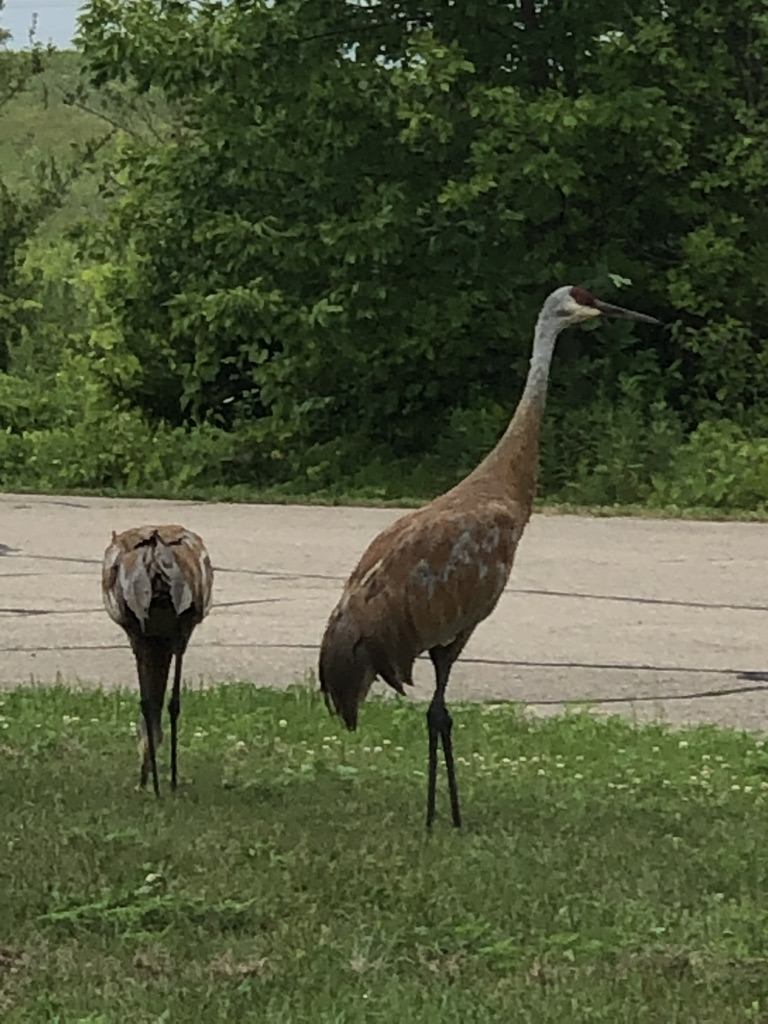
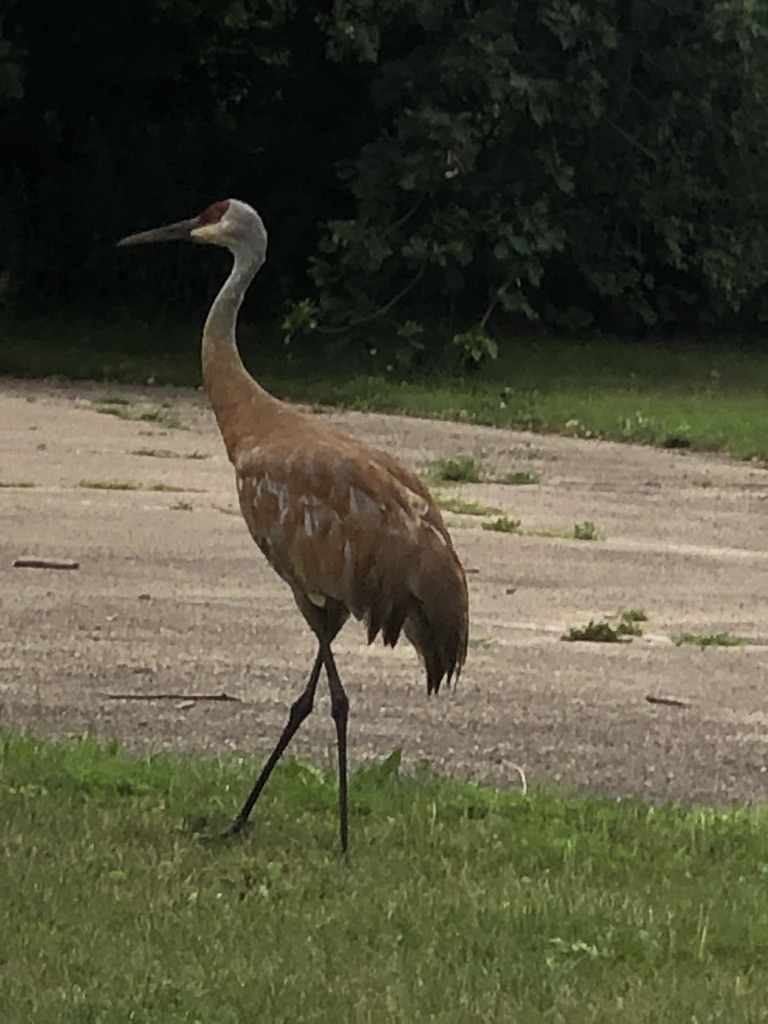
In the parking lot when we were leaving , we were excited to see a pair of Sandhill Cranes , which we had never seen before. They are impressively large and did not seem bothered by us in close proximity at all. I learned that they mate for life and can live several decades, so they are often seen in pairs.
Sandhill Cranes at Governor Nelson State Park
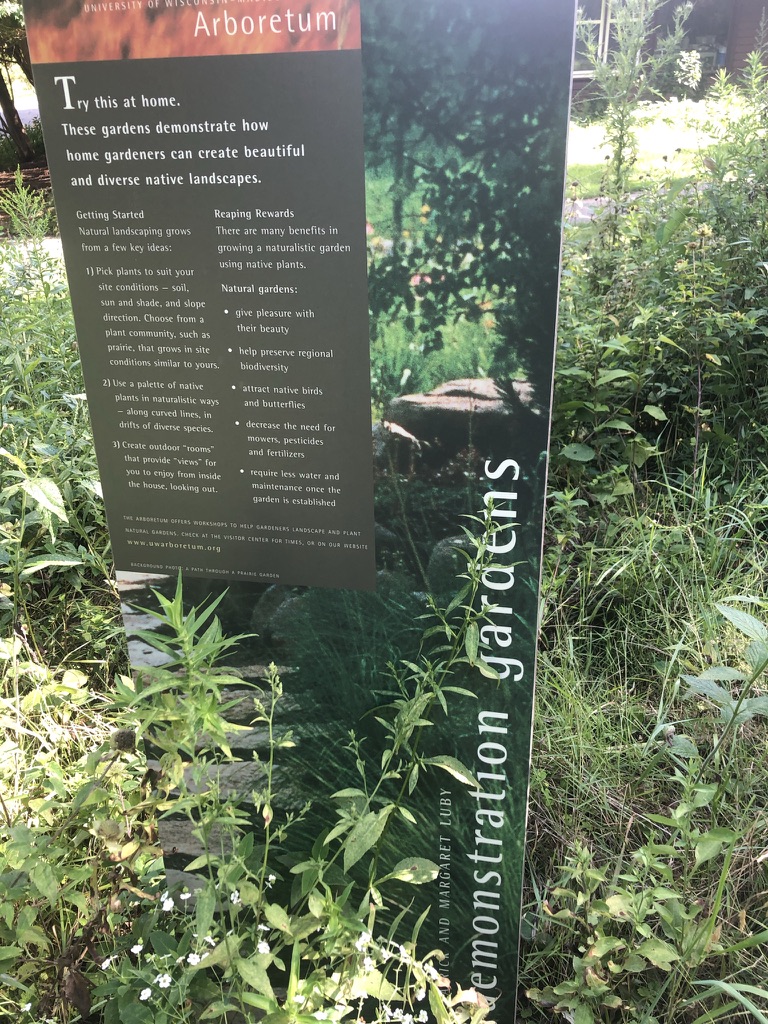
Once the weather cooled off, we decided to visit the University of Wisconsin- Madison Arboretum. The arboretum is known for their 85 year experiment in restoring abandoned farm land to native prairie. The idea for the prairie restoration is credited to Aldo Leopold, the famous conservationist, who was a professor at University if Wisconsin. To our surprise, the prairie just looked to us like an overgrown, unmanaged field you might find in Tompkins County. We realized our ideas of the what a prairie should look like came from old western movies and was not real, along with most everything else about those movies.
John is considering turning some of our lawn into a mini-prairie with native species, but no bison!
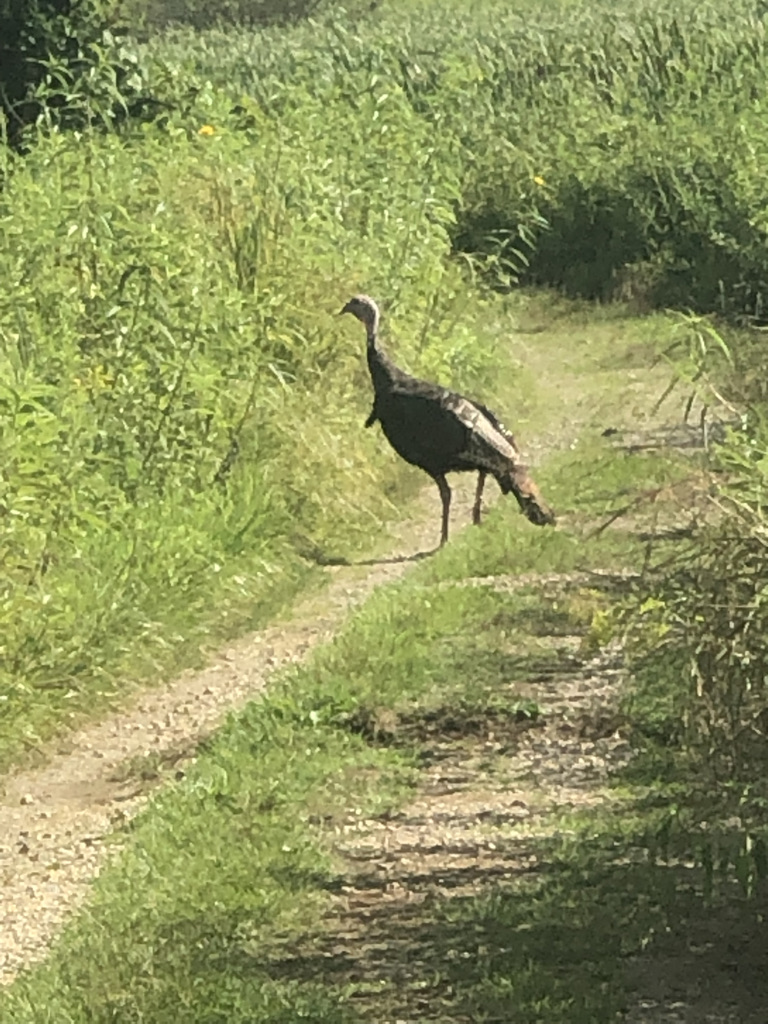
One thing we discovered that prairies and our field have in common is the Wild Turkey.
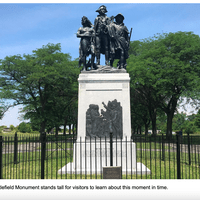
We stopped in Maumee, near Toledo, Ohio for the night. The Fallen Timbers Battlefield and Fort Miamis National Historic Site is near our hotel.
The monument inscription reads: “To General Anthony Wayne who organized the “Legion of the United States” by order of President Washington and defeated Chief Little Turtle’s warriors here at Fallen Timbers August 20, 1794. This victory led to the Treaty of Greenville, August 3, 1795, which opened much of the present state of Ohio to white settlers.”
According to Wikipedia and History.Com, General Anthony Wayne (1745-96), was honored because of the success of the Battle of Fallen Timbers and fighting the British earlier in the Revolutionary War. There are several cities and towns named after him and/or his family including Fort Wayne, IN, Wayne, NJ and Waynesboro, GA. I question whether he deserves these accolades given that he has quite a few skeletons in his closet and his overall character and integrity could be questioned. His father immigrated to Pennsylvania from Ireland and Anthony was born to privilege in Chester County, Pennsylvania. He was educated at his uncle’s private academy, then the College of Philadelphia, which later became U Penn. As an adult he moved to Georgia, where he had a large plantation with slaves. He was known as “Mad Anthony” because of his temper management issues. His marriage was rocky because of his infidelity. While Wayne did successfully lead the newly commissioned U.S. Army into battle at Fallen Timbers and defeated the Northwestern Confederacy, an alliance of Native nations, there is more to the story of the Northwestern Confederacy and what happened prior to the Battle at Fallen Timbers.
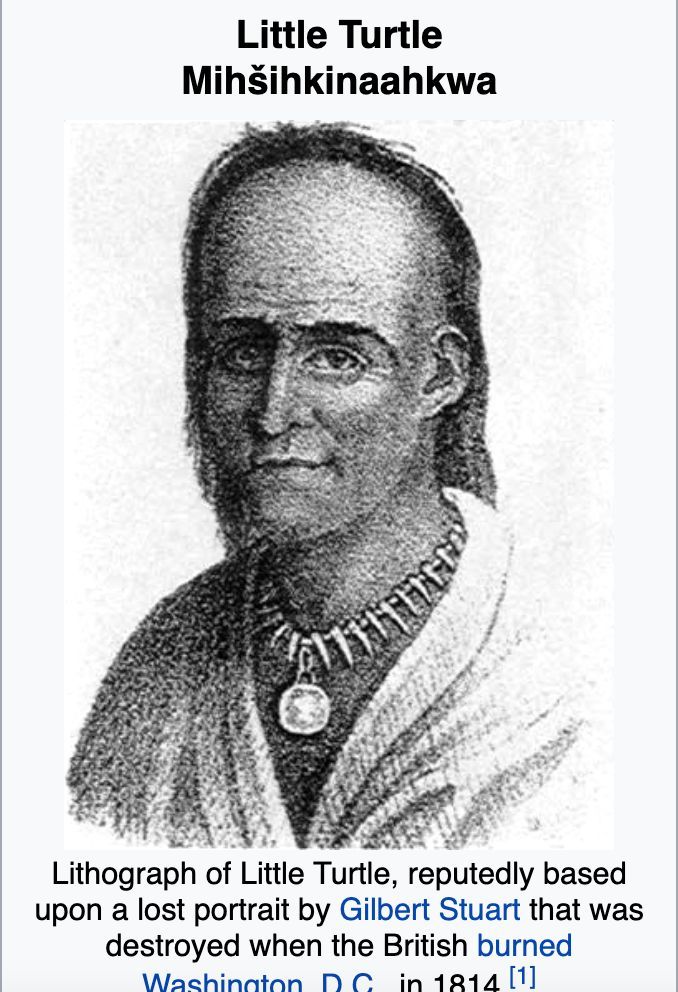
A Native American alliance was established at a Confederate Council Fire at the Huron Village, near the mouth of the Detroit River on December 18, 1786. This alliance called the Northwestern Confederacy or more formally, the United Indian Nations was to represent a united front in negotiating peace and resisting encroachment on their lands by European settlers. The Nations present were: the Five Nations (Iroquois), the Cherokee, the Huron, the Shawnee, the Delaware, the Ottawa, the Pottawattomi, the Twitchee, Joseph Brant and the Wabash Confederation. They sent a very moving letter (worth a read) to the Congress of the United States, asking them to respect the boundary of the Ohio River as the border of the United States and not allow settlers and surveyors to cross the river into Indian territory and they would do the same until further negotiations could be conducted. Their requests for peace were ignored by the U.S. This confederacy was very powerful and American expansion resulted in the Northwest Indian War (1785–1795), in which the Confederacy won significant victories over the United States. Some of these defeats were the worst ever suffered by the U.S Army. Perhaps Chief Little Turtle (Mihsihkinaahkwa) should be commemorated as well.
After what feels like a very long COVID-19 hiatus, we are heading out on a trip to Madison, Wisconsin tomorrow. We look forward to seeing our son, Sebby and nibling, Mallory. I recently learned that “nibling” is the non-gendered term for niece or nephew, in case you a wondering. I invite you to join us on our trip!
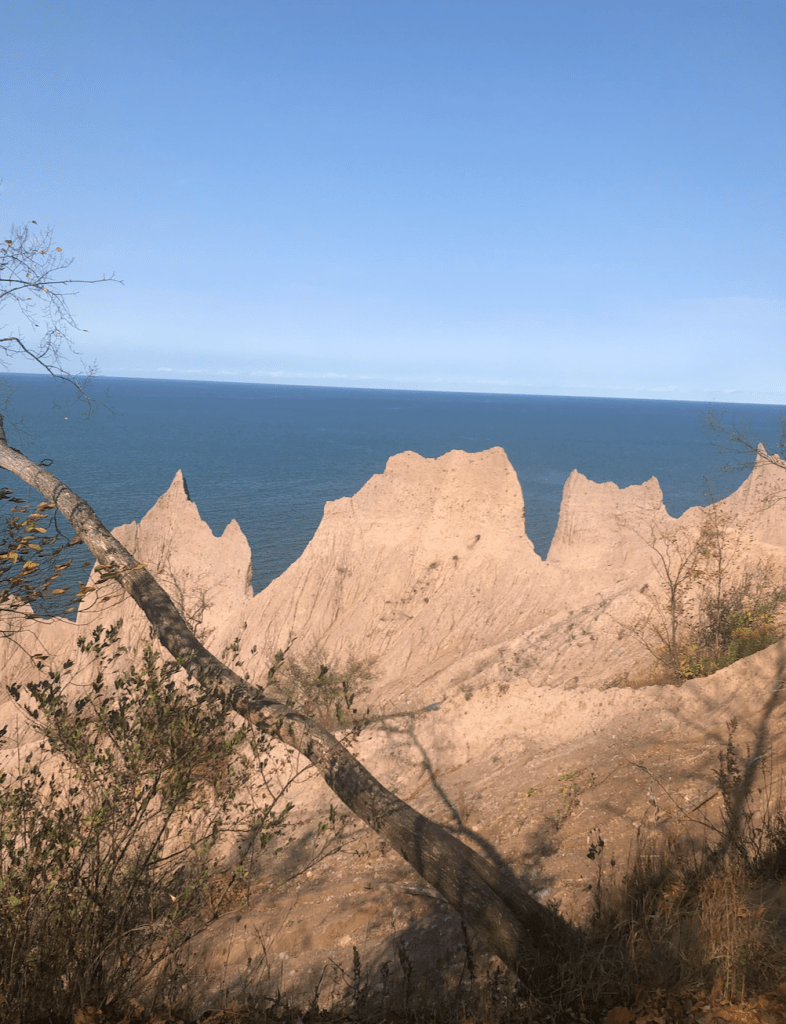
The answer is a special kind of drumlin. formed 10.000 years ago by a glacier. A drumlins are elongated, teardrop-shaped hills of rock, sand, and gravel. Drumlins can be over a mile long.
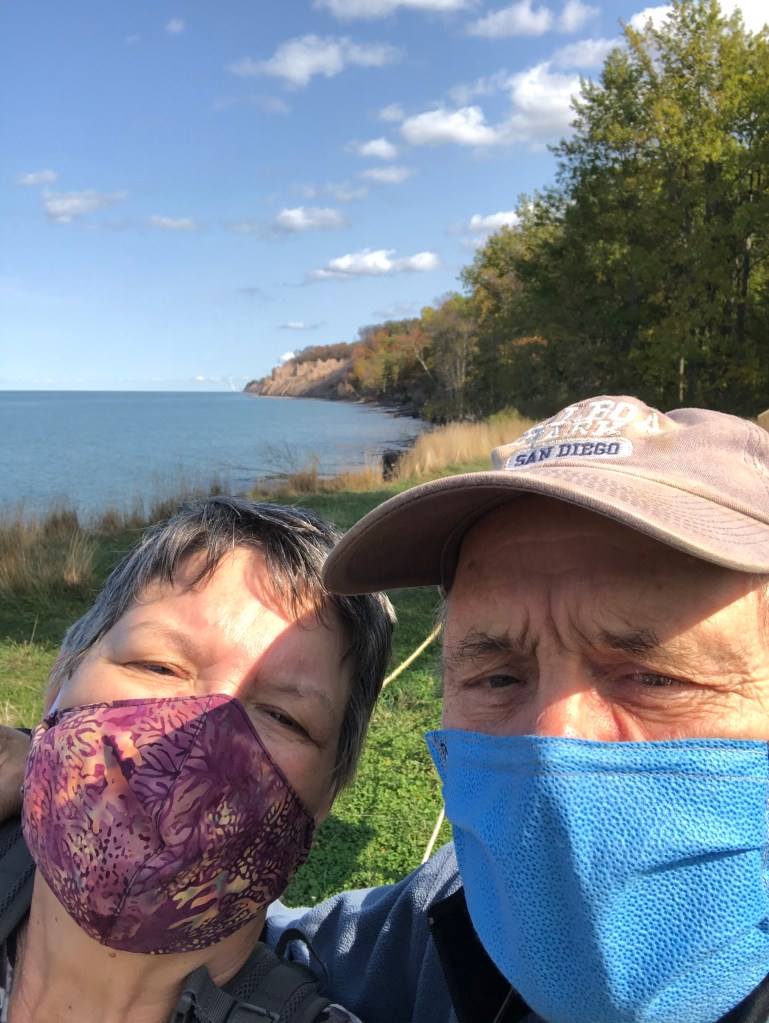
Yesterday, we took a day trip to Chimney Bluffs State Park on the shore of Lake Ontario. Chimney Bluffs has the most spectacular drumlins anywhere. With each wave on Lake Ontario, a tiny part of the bluff washes away. As the base disapears into the lake, more material slumps down to take its place. Rain and snow erode canyons between the pinnacles and ridges, giving the chimney bluffs their unique quality.
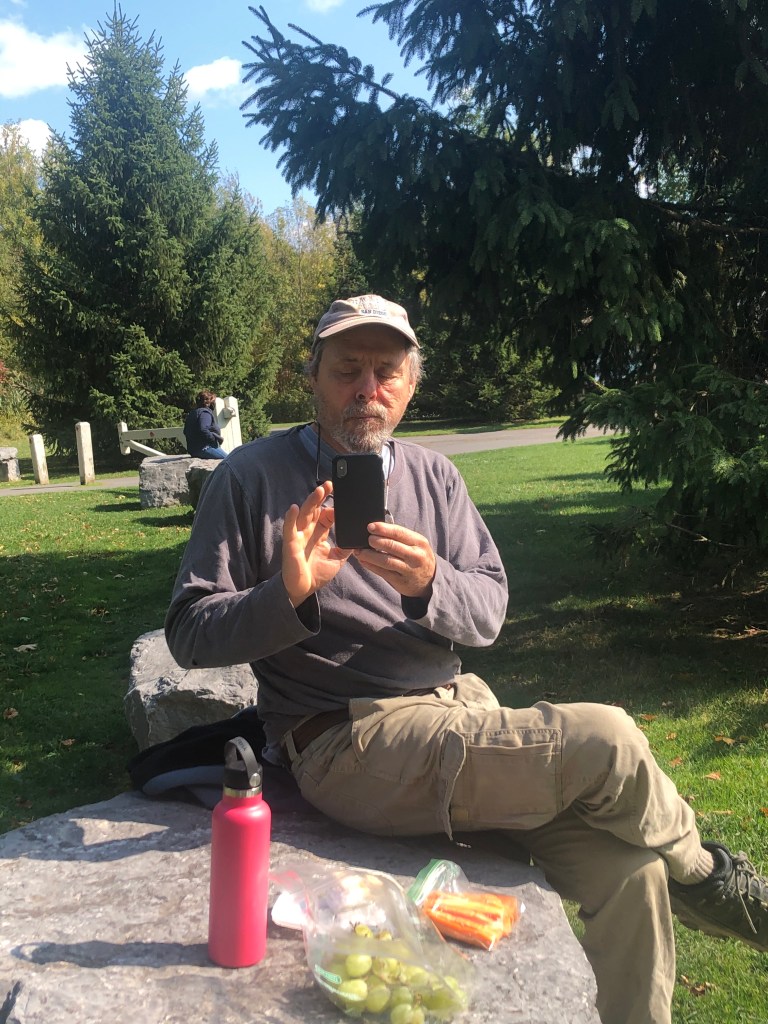
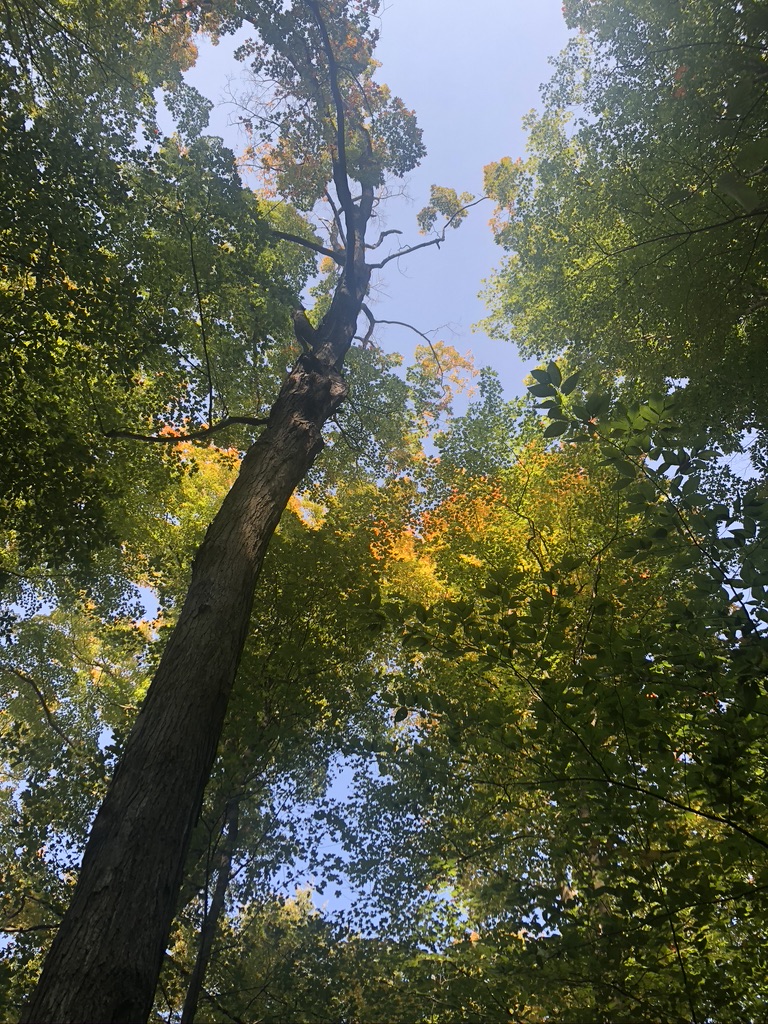
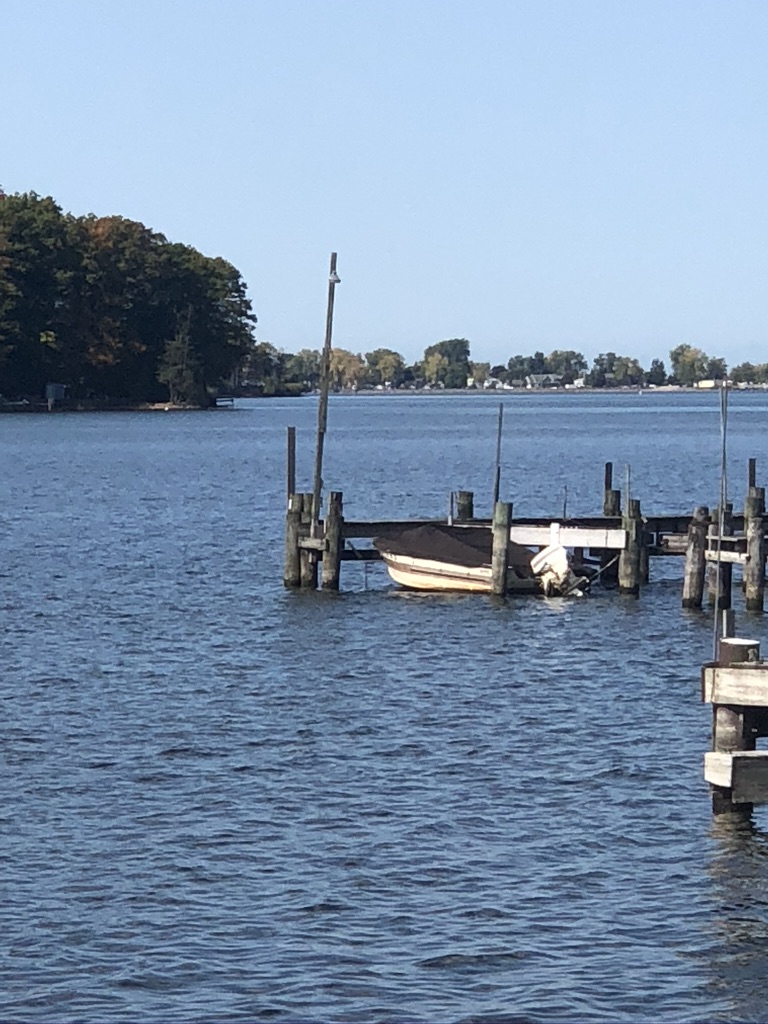
It was a beautiful fall day. We enjoyed a picnic and a hike through the woods to the bluffs. It takes about an hour an a half to get to Chimney Bluffs State Park from Ithaca. We recommend the trip!












 Perspectives on the Road