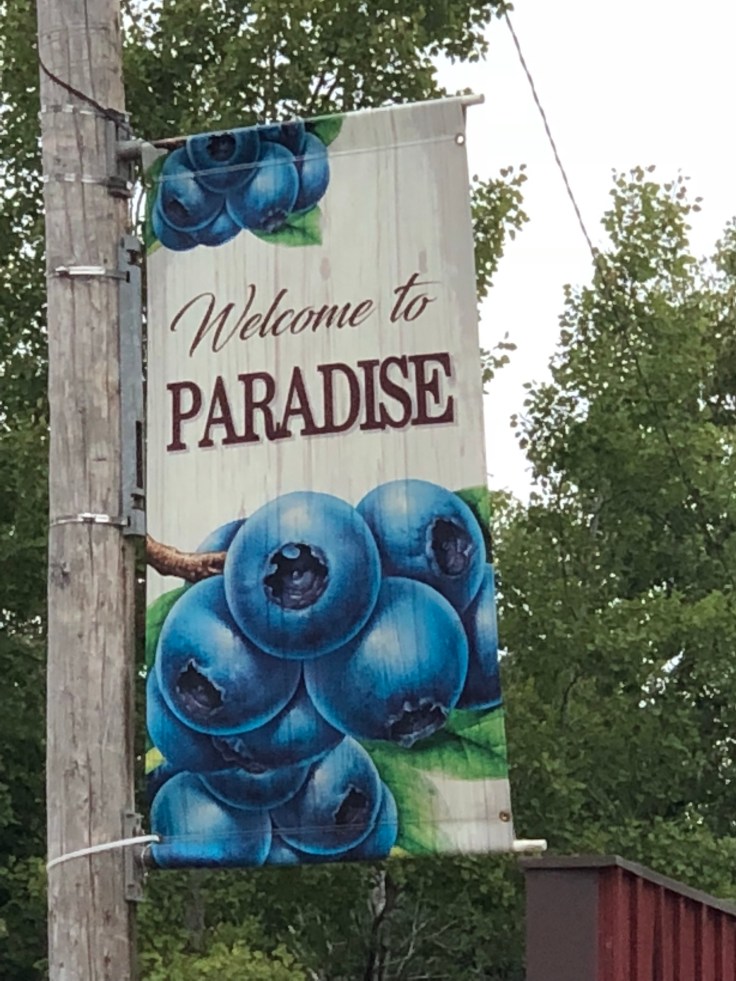
Welcome to Paradise

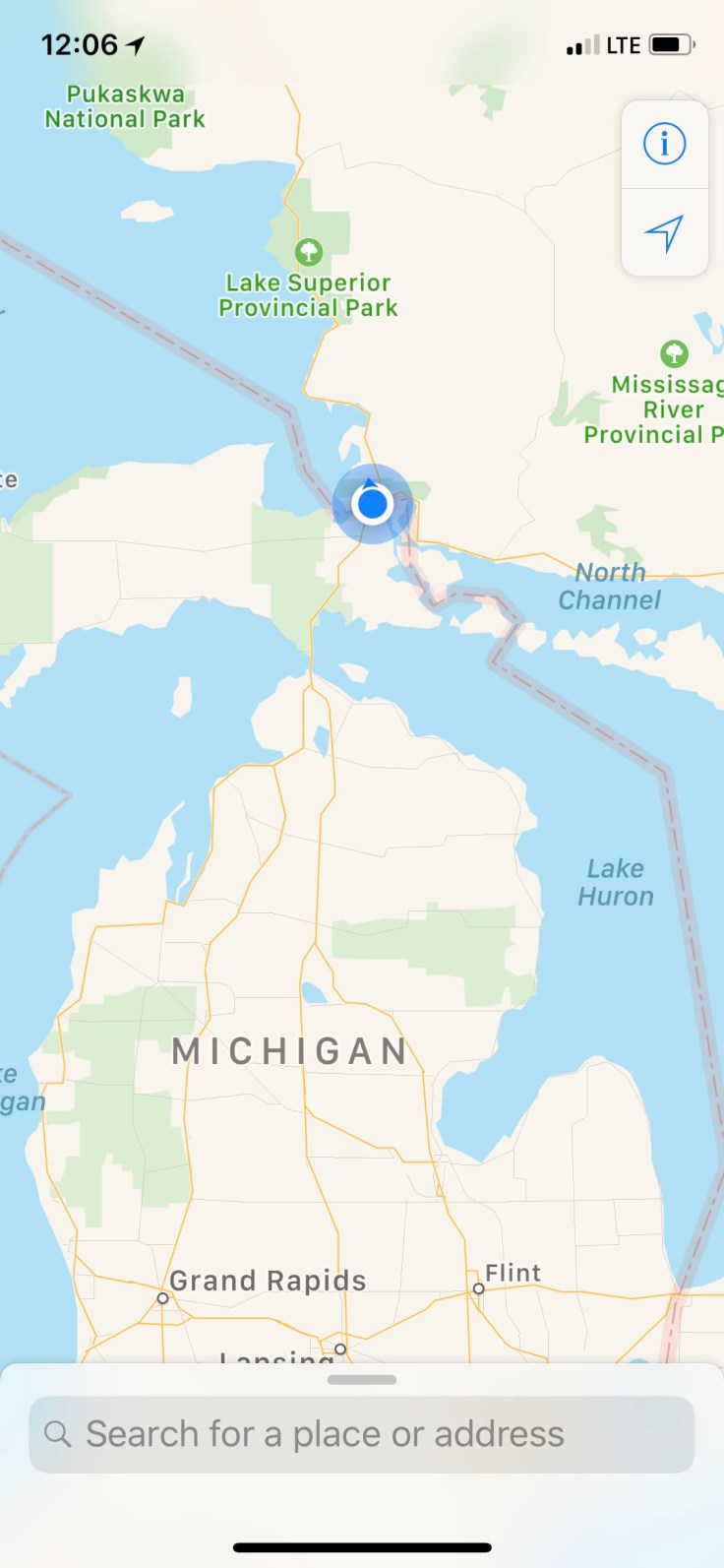
In case you did not know, Paradise is in the Upper Peninsula of Michigan on the shores of Lake Superior. It may not be quite as you envisioned it.

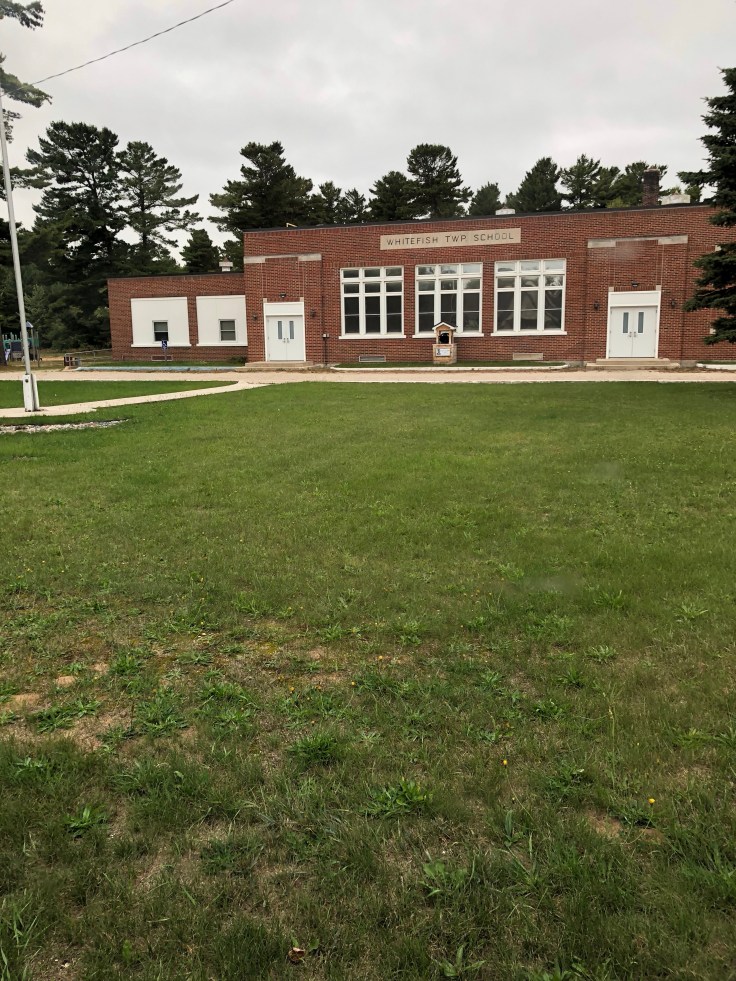
Paradise has a tiny school

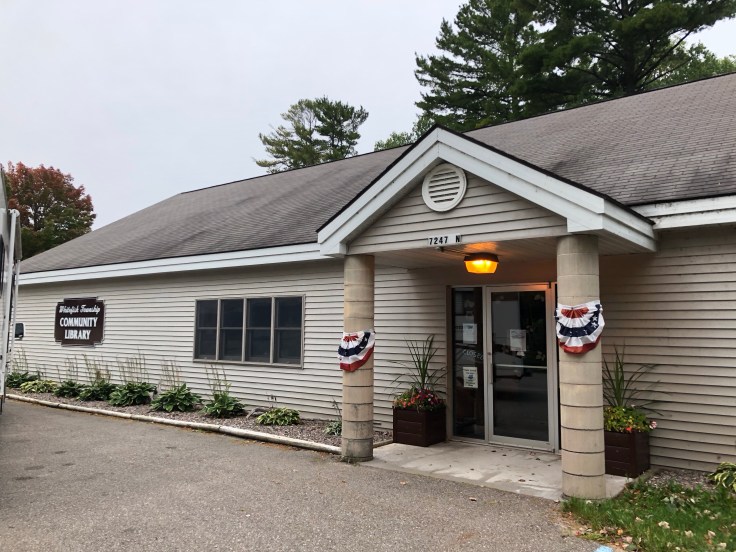
A library

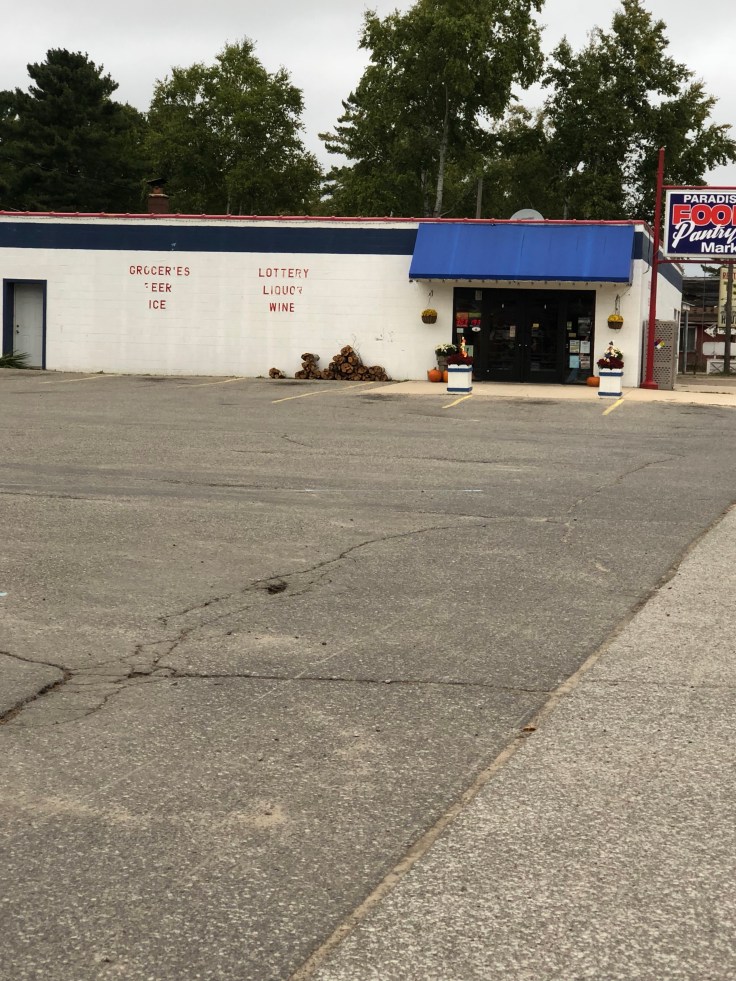
A grocery store

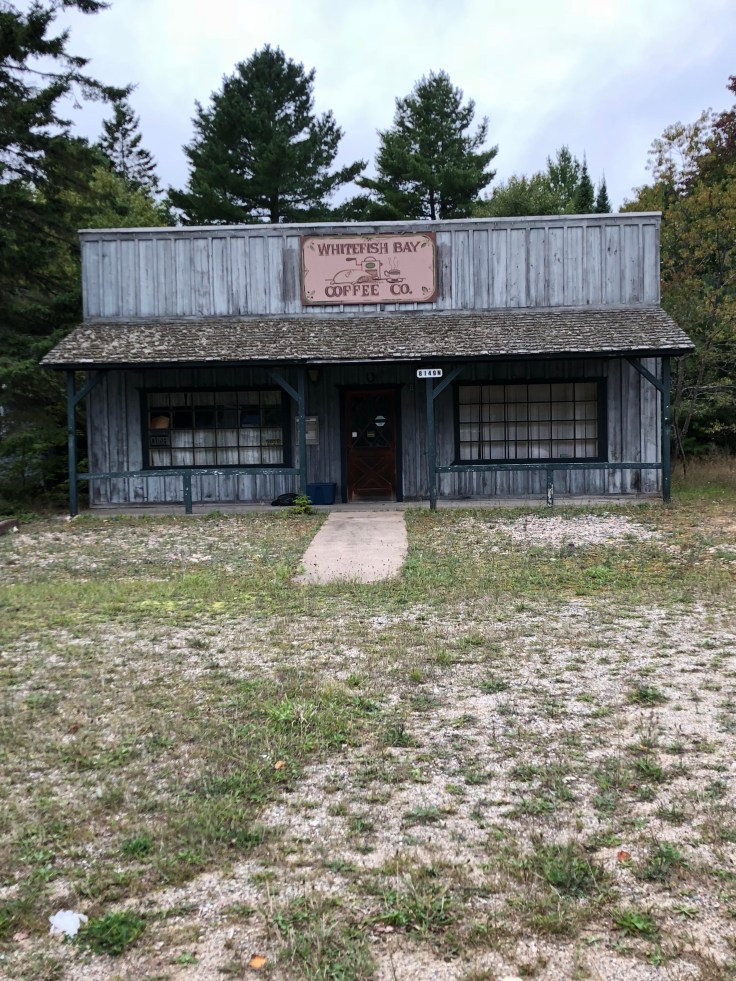
A coffee shop

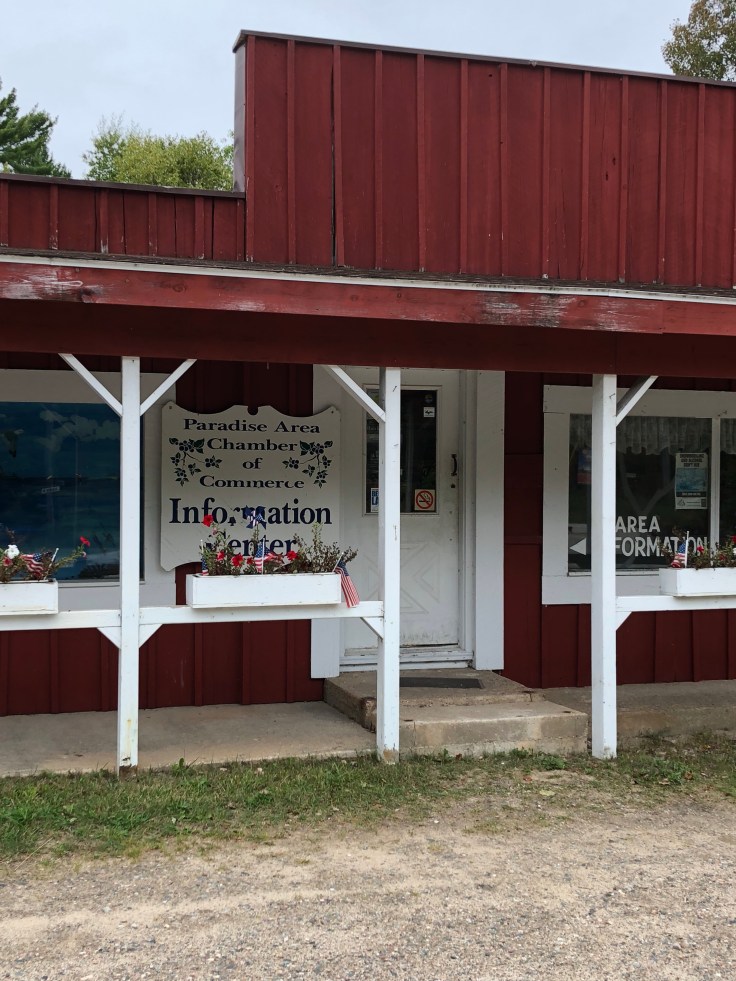
and a Chamber if Commerce tourist center

They have their own language and food. The Michigan upper peninsula is known as “da UP”. The people who live here are called “yoopers” and they call folks who live in lower Michigan ” trolls” cause they live under the (Mackinac) bridge.

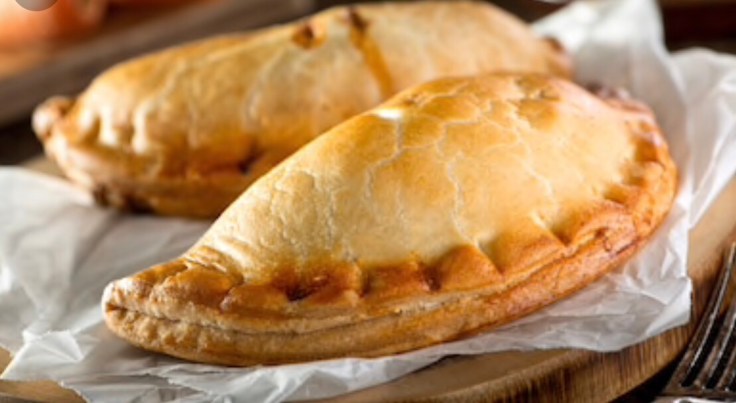
They are fond of eating pasties filled with beef, carrots and potatoes, a lot like empanadas.

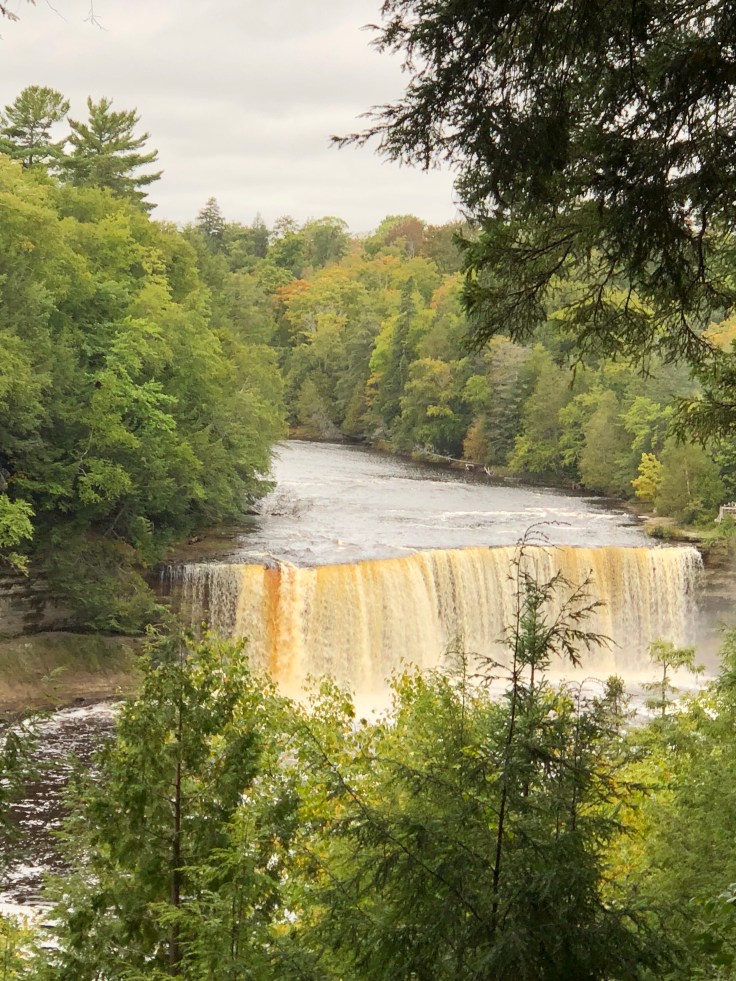
The main pastimes here are hunting, fishing, camping and snowmobiling. Paradise is nothing like Ithaca, except there are beautiful waterfall here too.

Tahquemenon State Park Upper Falls

Mackinac Island: Horse Poop and Cedar

Mackinack Island map.png

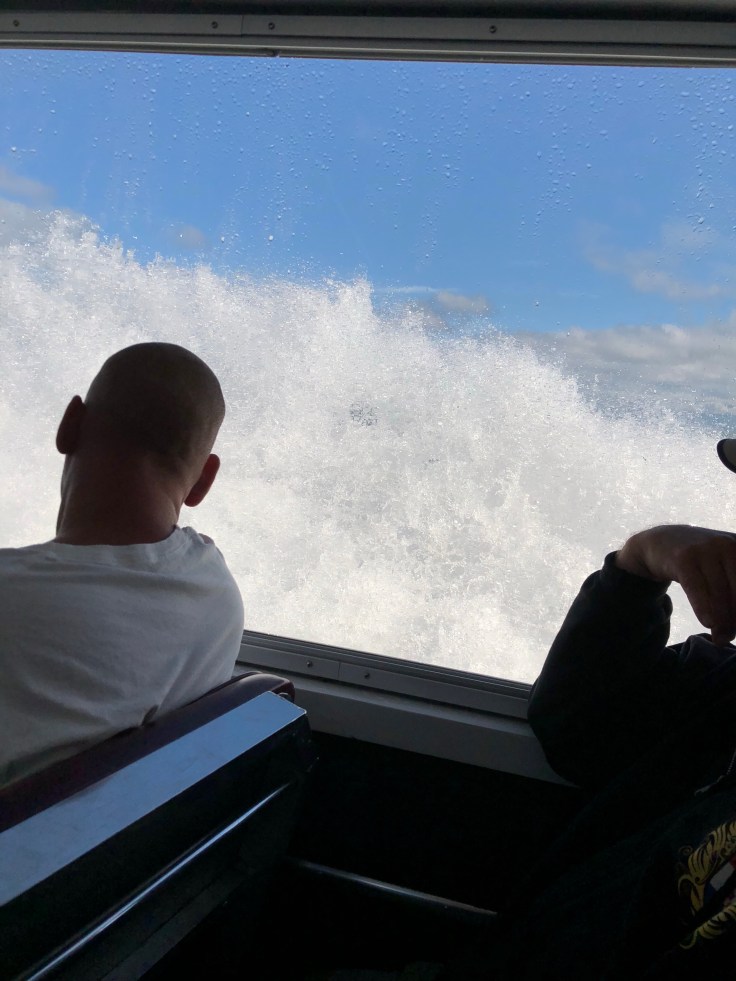
We took the ferry to Mackinac Island. There were six foot waves, which made the boat trip quite exciting.

This island is the only place in the U.S. where vehicles are not allowed. People get around on bikes and horse drawn wagons. The predominant scents of the island are horse poop and Northern White Cedar. Fortunately, we spent most of our time biking where the cedars prevailed, along with magnificent views of Lake Michigan.

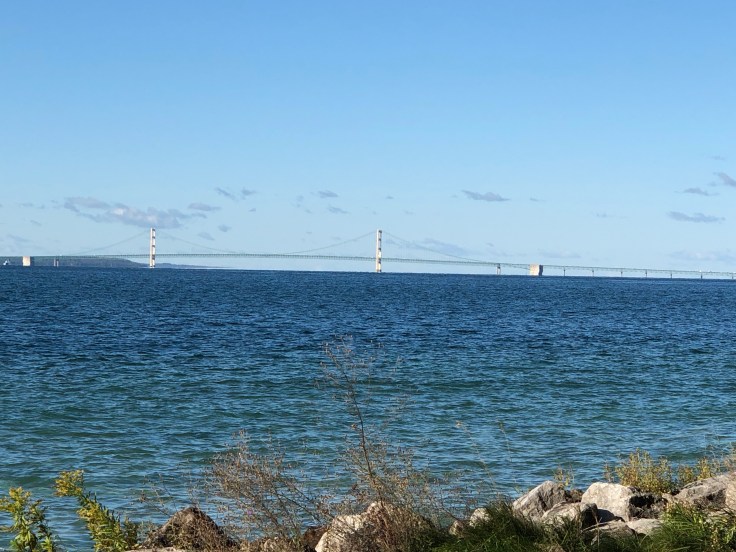
Mackinac Straights and Mackinac Bridge, which we went over to Upper Peninsula.

We recommend doing the eight-mile bike tour around the circumference of the island. It is flat, easy cycling with lots of points of interest along the way.

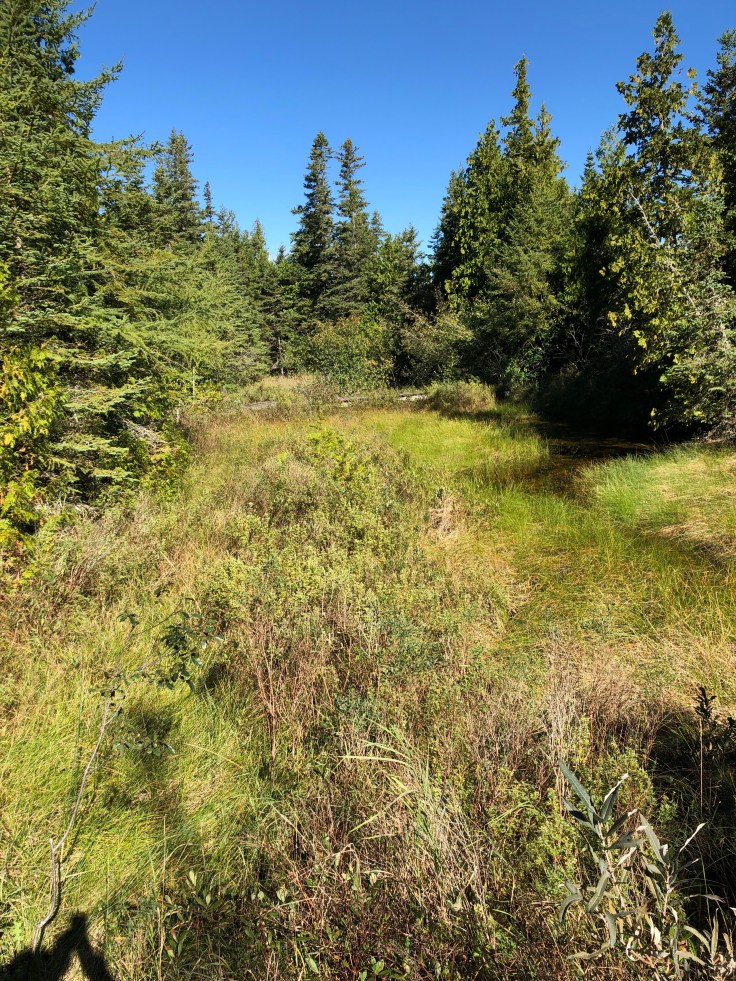
We took a nature walk through a wetland and Northern Boreal forest featuring dense White Cedar, Larch and Black Spruce.

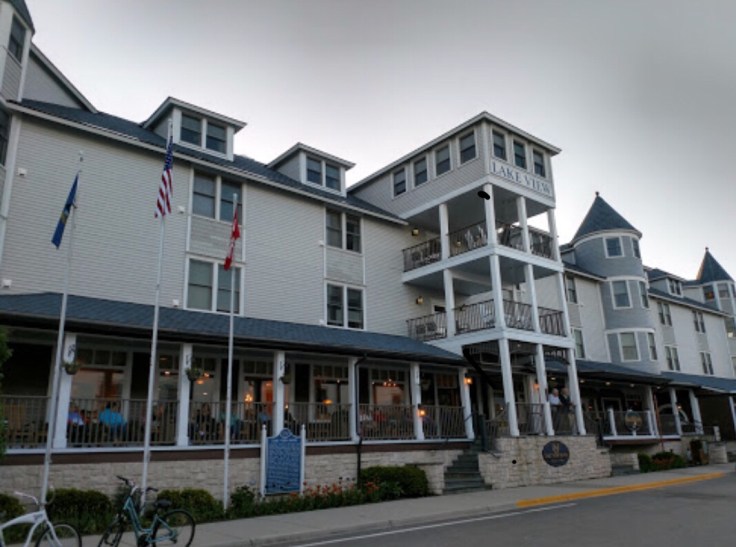
We stayed at the Lakeview Hotel, one of the oldest hotels on the island.

On to the Upper Peninsula of Michigan, known as the UP.

Mushroom Houses

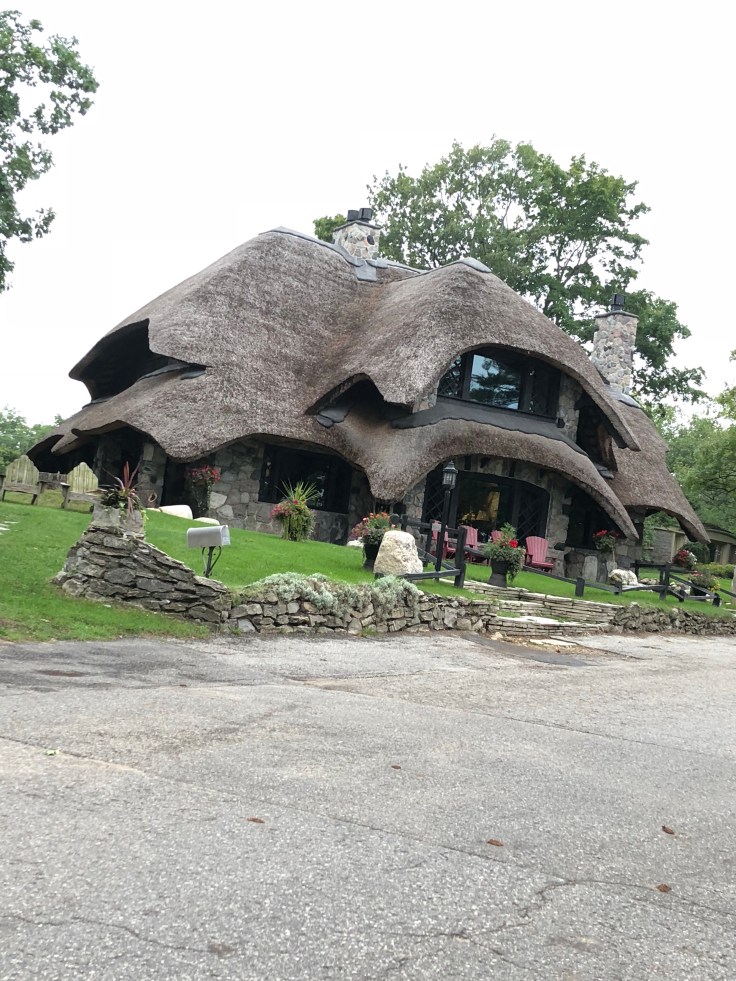
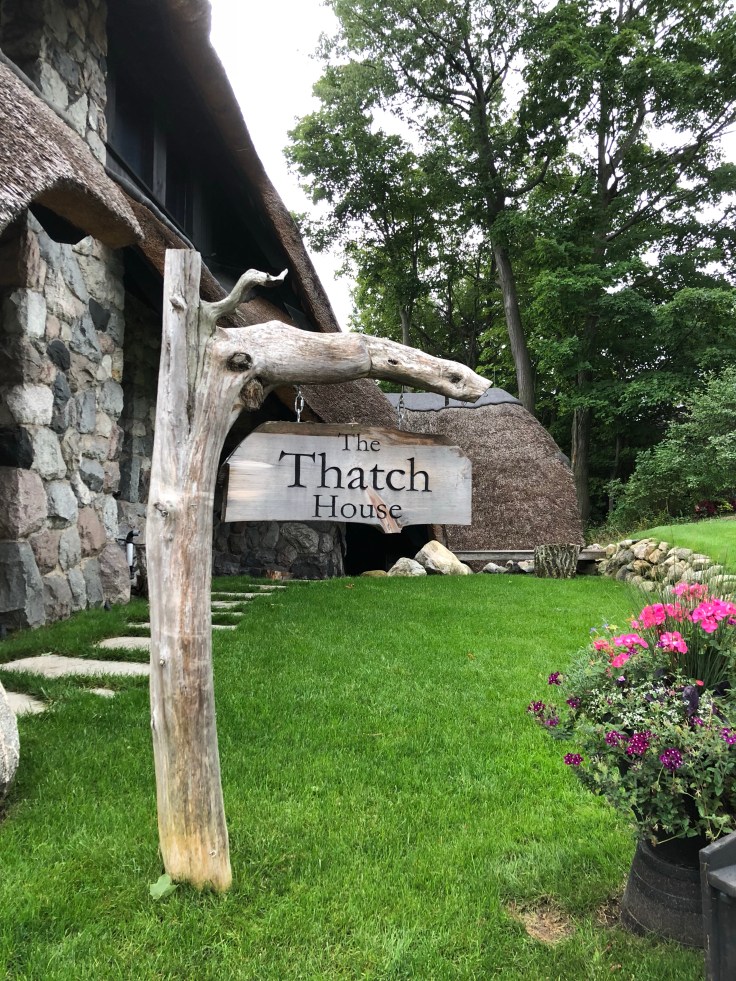
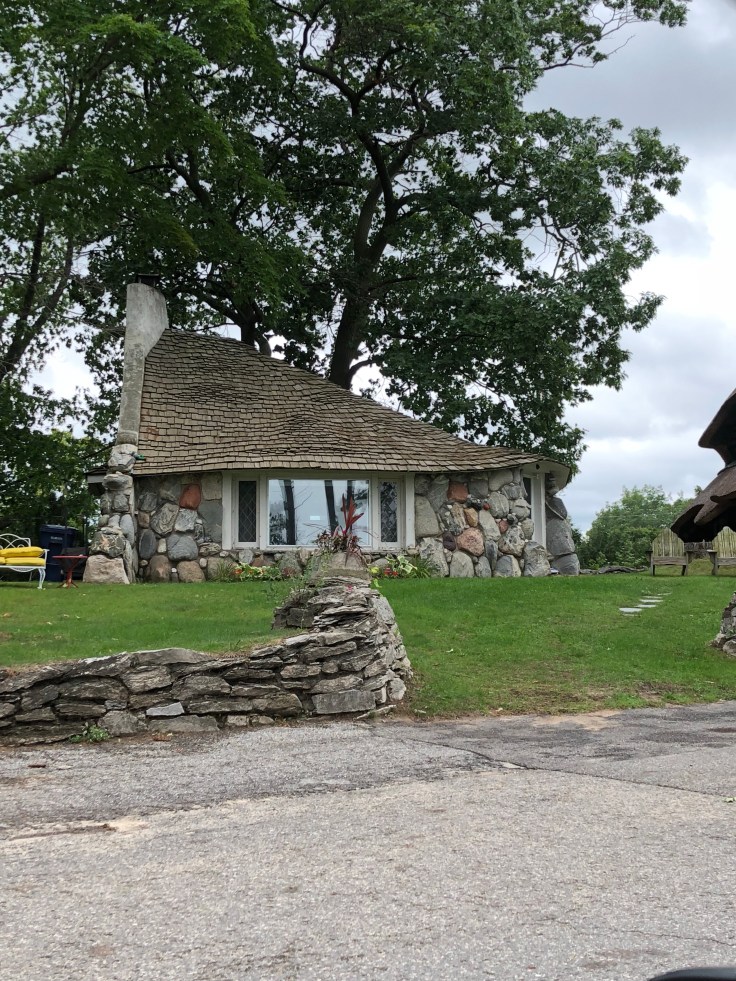
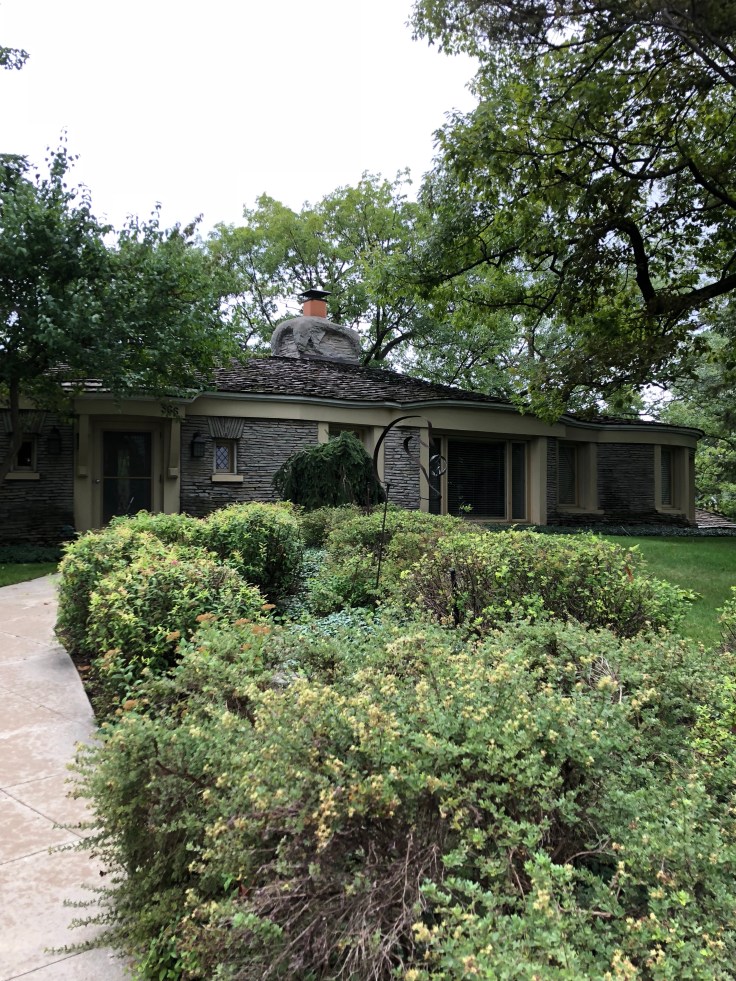
Charlevoix is a quaint town that we could not afford to live in. One of the unique feature are the mushroom houses designed by architect Earl Young in the first half of the 20th century. He designed over two dozen homes and commercial buildings. The stonework is whimsical and very impressive!

You can buy this hobbit house for only $785,000.
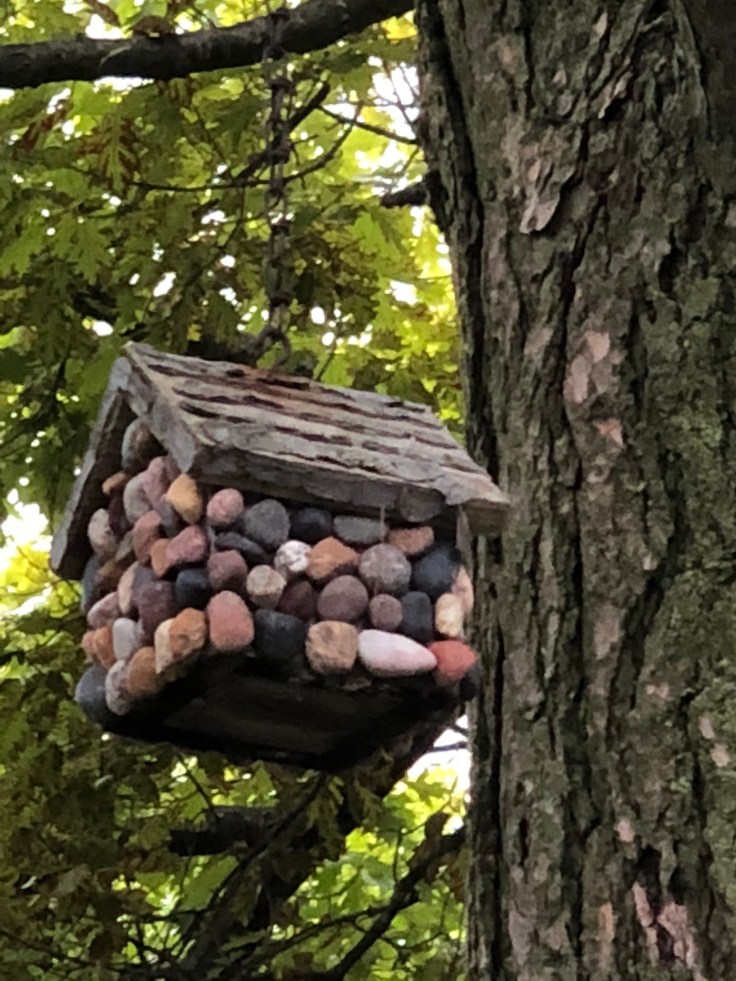
Even the birdhouses are quaint!

Heading North

We decided to go to airbnb in Charlevoix to escape 40 mph winds and rain at campsite.

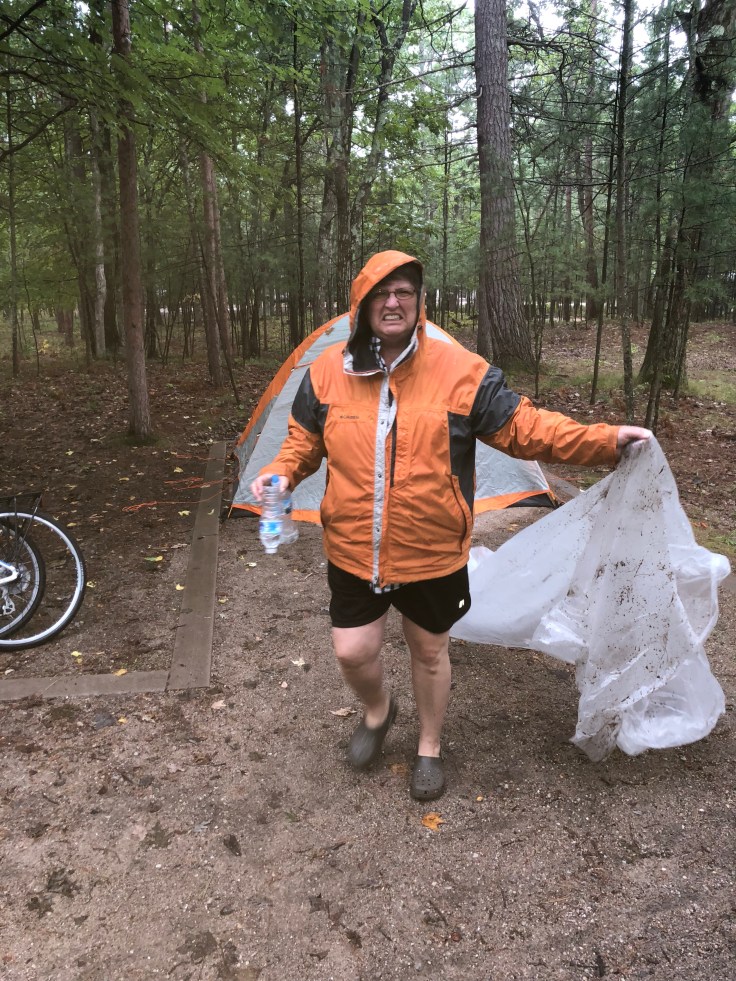
Not fun to break camp in the rain.
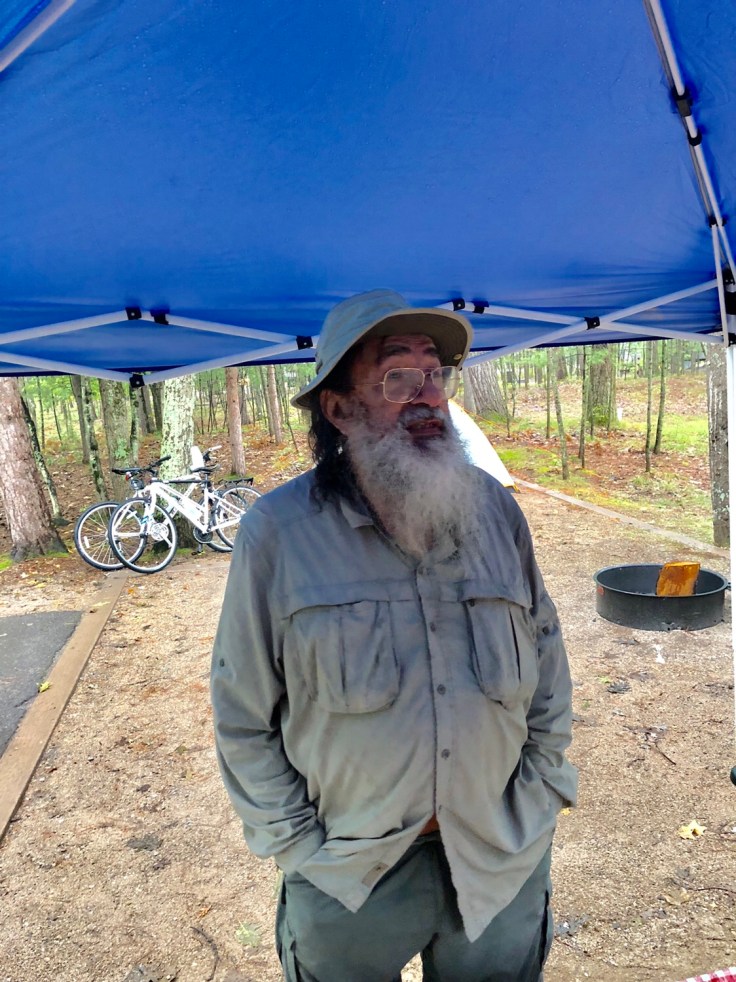
We had an interesting conversation with Art, a retired physician and our camping neighbor. He told us about growing up Native American (Odawa) and Polish in Northern Michigan. He also told us interesting stories about being an emergency room physician.
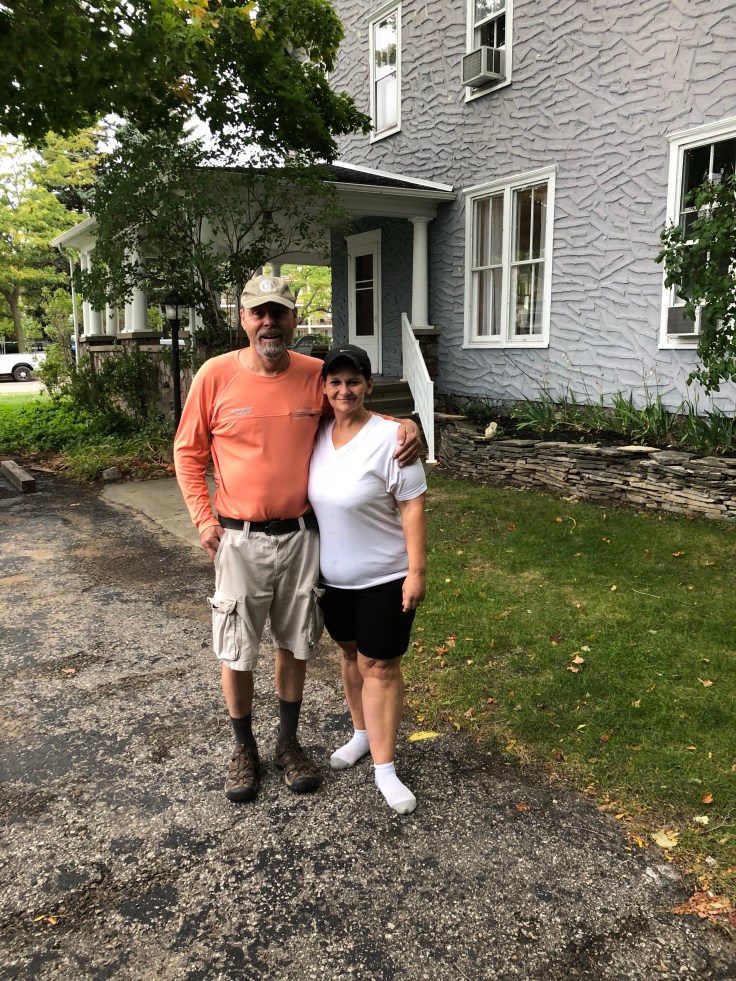
Amber was a most gracious host at the Charlevoix House, which is right near the lighthouse, draw bridge and mushroom houses

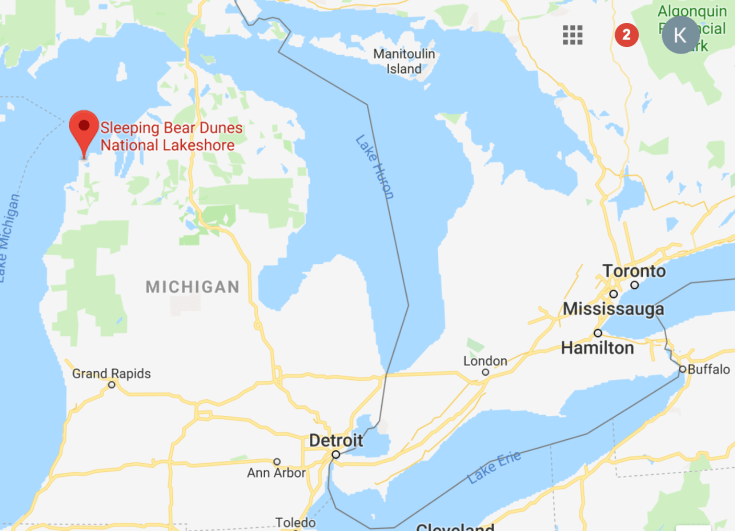
Sleeping Bear Dunes

Sleeping Bear Dunes map.png

We are finally camping. Today we hiked and biked, which felt great.

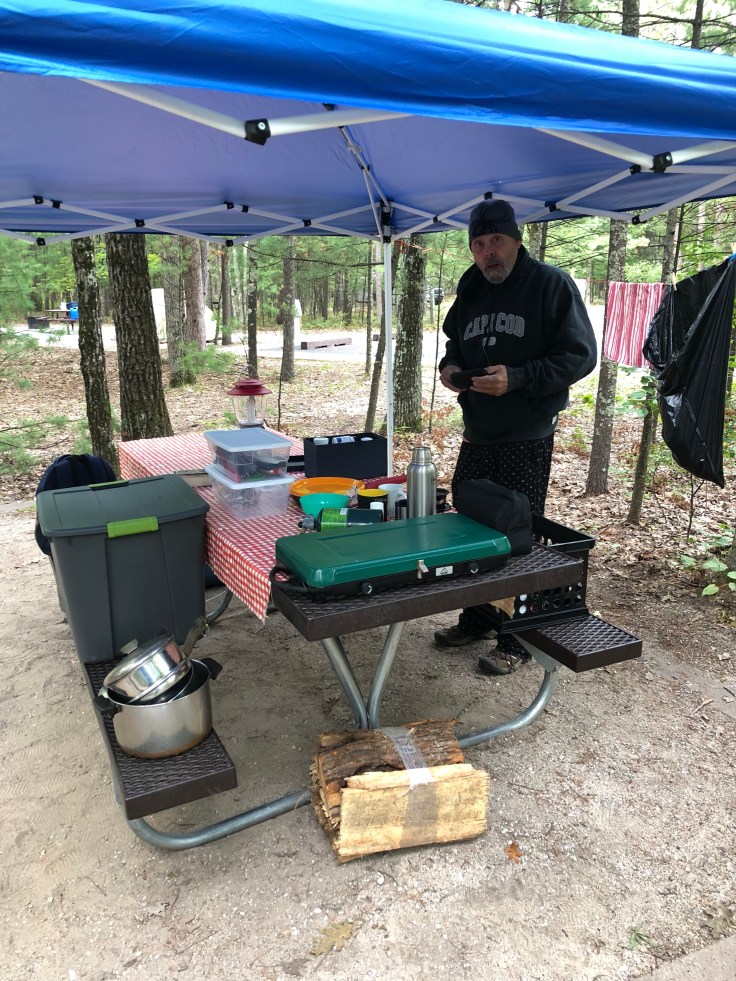
Our campsite before coffee.

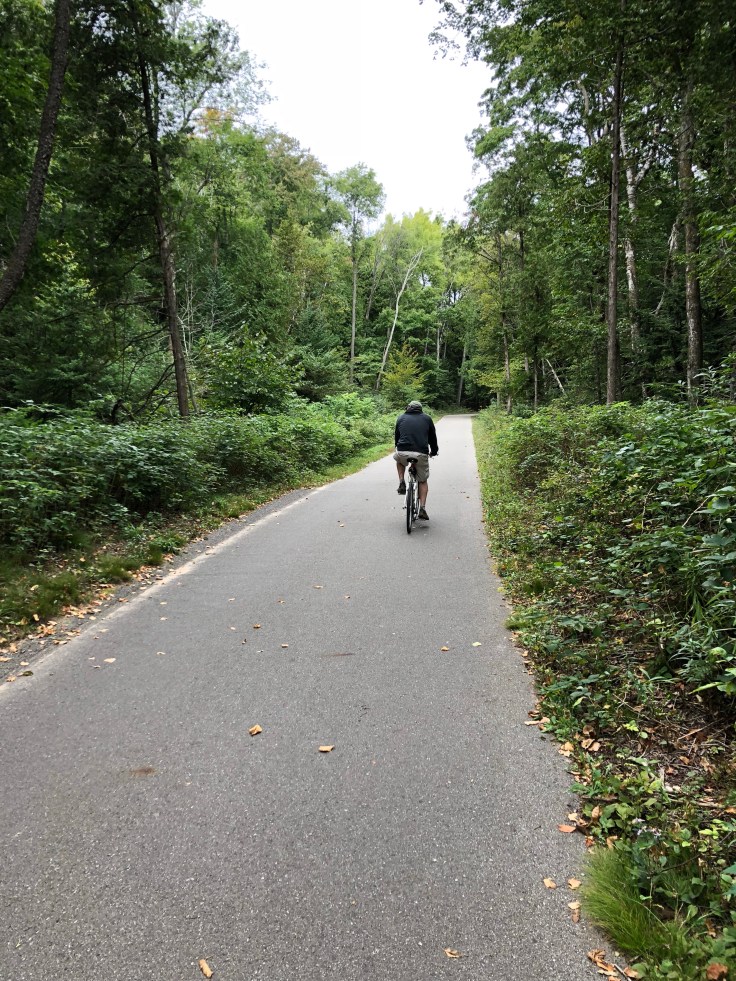
Heritage bike trail at Sleeping Bear Dune National Park.

There was a spectacular view from the top of the sand dune.

We took my Uncle’s advice and decided not to do the climb down to the water!

Beer City

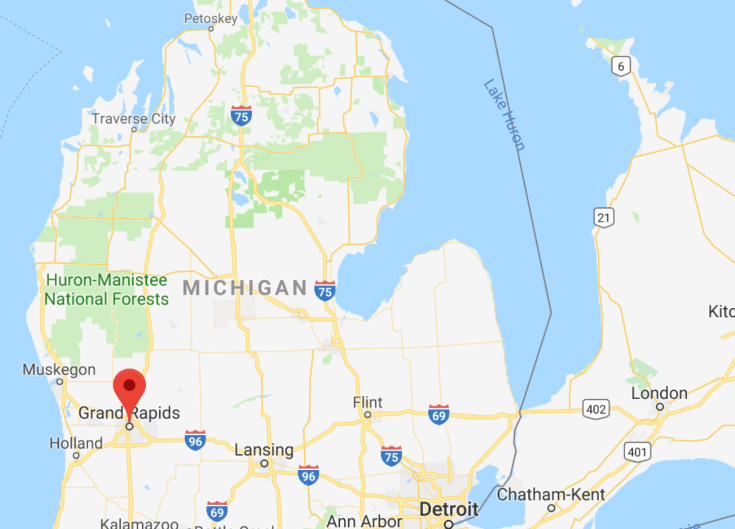
Screenshot 2018-09-14 13.06.03.png

Last night we stopped in Grand Rapids for a visit with Aunt and Uncle Tom & Sally Burpee. Good conversation and food!

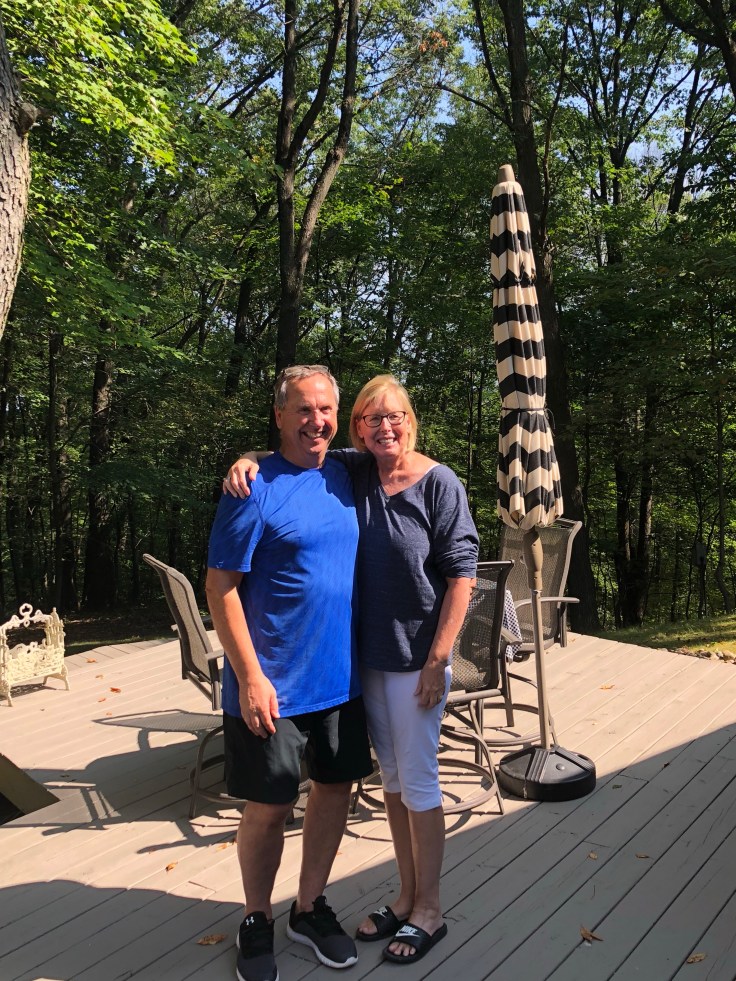
Our great hosts Tom and Sally Burpee

Grand Rapids is a thriving city with over 20 craft breweries. The growing population is now over 1 million in the Grand Rapids metropolitan area.

There are 15 colleges, many located in the metropolitan area. An increase in health care institutions on the medical mile is spurring job growth.

We enjoyed our visit. Now on to the Sleeping Bear Dunes National Park!

At the end of the Underground Railroad- Part Two

Today we visited the Uncle Tom’s Cabin Historic Site and Museum in Dresden, Ontario​. It is on the 200 acres of land purchased in 1841 to establish the British American Institute, a trade school where Black refugees could learn trades and start a new life of independence. The school had a grist mill, a saw mill, brick yard, iron works and rope factory.

These black walnut chairs are examples of work done by students st the Institute, where caning and chair making were taught.

The settlement that grew up around the school was called Dawn, At least 500 Black freedom seekers made their home at Dawn. One of the Institute’s founders was Josiah Henson, an enslaved freedom seeker from Maryland who was a Methodist preacher, community leader, farmer, author and leading abolitionist. He was recognized internationally for his contribution to the abolition movement.

Reverend Josiah Henson

Henson’s vision for the Institute was “every tree which was felled, every bushel of corn we raised, would be for ourselves, in other words [we] could secure all the profits of our own labour.”

You can read Henson’s autobiography, The Life of Josiah Henson: Formerly a Slave first published in 1849.

Harriet Beecher Stowe’s book, ​Uncle Tom’s Cabin​ ‘s title character is based on the life of Josiah Henson. Henson capitalized on this fact his whole life to bring recognition and funding for the British American Institute. We learned that the derogatory Uncle Tom stereotype comes from the minstrel shows after the book was published, not the character in the book itself.

The Josiah Henson Interpretive Centre​, located on the site, houses a collection of 19th-century artifacts and rare books pertinent to the abolitionist era, as well as displays highlighting Reverend Josiah Henson’s life.

Josiah Henson’s House
Steve Cook, museum Site Manager gave us a tour and was most informative. It is interesting to note that Steve is a fifth generation descendent of one of the original Dawn settlers.

At the End of the Underground Railroad- Part One

Today we arrived in Chatham- Kent, a small city in Ontario, above Lake Erie about an hour from Detroit.

According to the city welcome website, Chatham-Kent is now known for great fishing, classic cars and welcoming of diverse populations. Even though the Chatham-Kent population seems pretty White now, this area of Ontario has a proud Black History.  Between 1830 and 1860 about 30,000 Black freedom seekers crossed from the U.S. into this part of Southern Ontario to find a home free from the oppression of slavery.

Have you ever wondered what happened at the end of the underground railroad in Canada?  Did formerly enslaved people find peace and prosperity?  Did they live in freedom from racial hostility? What was day-to-day life like for them?

We found out that there were a number of thriving Black communities in this region between 1830 and 1860. They are now mostly just a memory marked by historic sites since most of the residents returned to the U.S to fight in the civil war or returned after the war when slavery was abolished.

We visited the Buxton National Historic​ Site and Museum located in the municipality of Chatham-Kent. At it’s height, Buxton Settlement became home for approximately 2,500 people of African descent. The community was self-sufficient.  Within the first few years they cleared the land, built houses, schools and churches and a thriving farming economy was the result.

This cabin was built by its original owner Henry Colbert when he came to Buxton in 1850.

It was moving to spend some time alone in the cabin that was built by one of the original settlers.

Frederick Douglas visited Buxton in 1854 and wrote that ” the visit deepened our convictions of the grand possibilities of our race”.

As former enslaved people denied the opportunity to learn to read and write, the Buxton community highly valued education as a key to success. Buxton had three schools that were considered so superior that nearby whites sent their children to attend these schools.

Original schoolhouse at Buxton

The Elgin Association, founded by Reverend William King, initially bought 9,000 acres of land, which they sold and financed at low cost to Black settlers.

In addition to Frederick Douglas, John Brown visited Buxton. It was here he planned the Harper’s Ferry raid.

To learn more about what life might have been like in Buxton, I recommend readingElijah of Buxton by ​Christopher Paul Curtis, a novel for young people written from the perspective of Elijah, an eleven year old boy who was the first child born in Buxton. It attempts to be historically accurate and has a very moving account of how Buxton welcomed Black refugees to the community.

We are struck by the parallels with the current day journey of many Central American refugees who are also fleeing violence and oppression. Perhaps the U.S can learn something from Canada about welcoming refugees.

Our Midwest Adventure Begins

Tomorrow we will leave for our 24 day midwest adventure through Ontario, Michigan, Wisconsin and Ohio. Along the way we will visit family, camp, bike and report about what we learn along the way. Stay tuned!

Blog at WordPress.com.

Up ↑