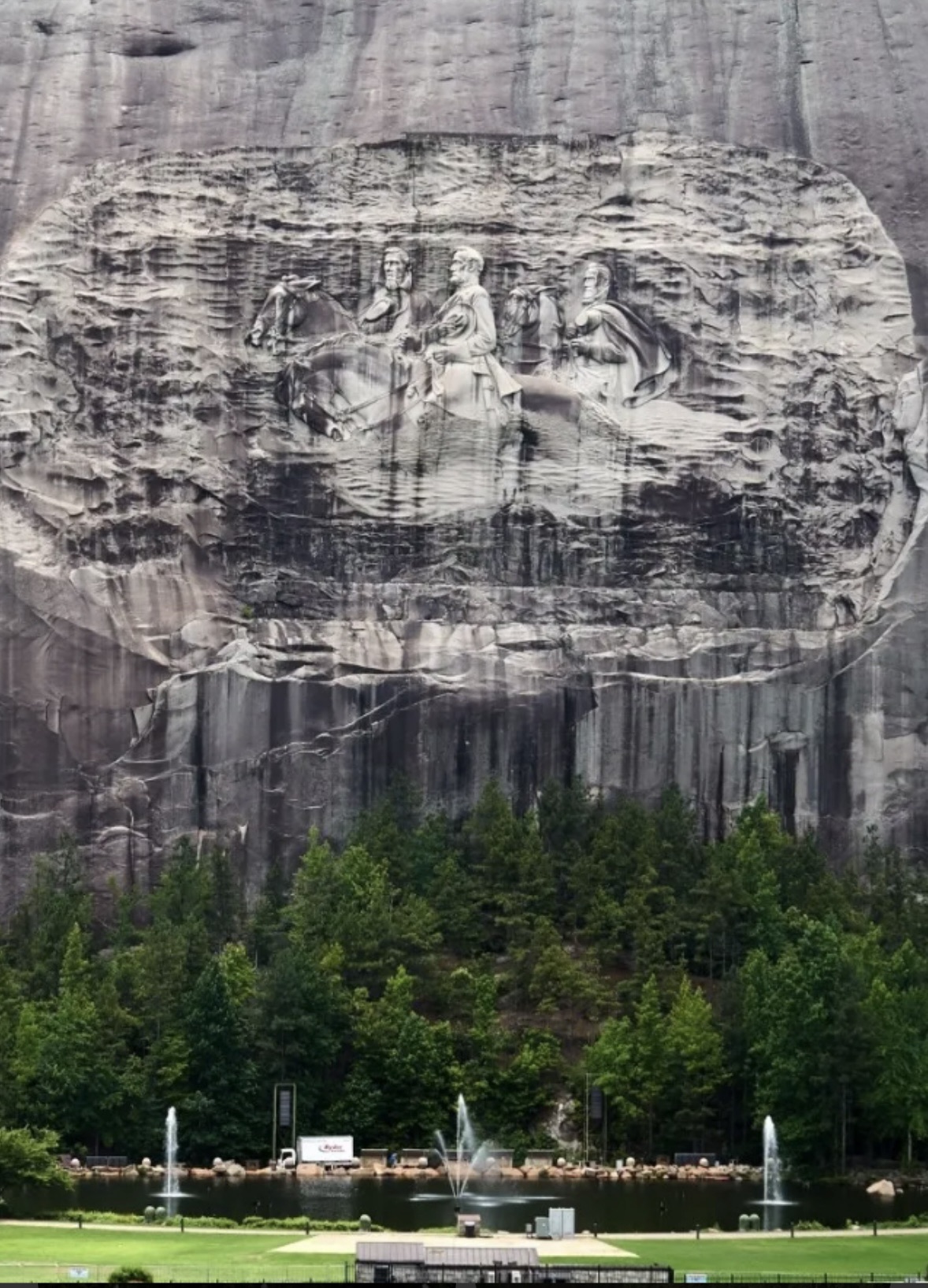
Just five miles away from Clarkston, GA, the most diverse square mile in America (see my last post), is Stone Mountain, “the largest shrine to white supremacy in the history of the world” according to Richard Rose, President of the Atlanta chapter of the National Association for the Advancement of Colored People (NAACP). Stone Mountain is the Mount Rushmore of the Confederacy, only bigger. Robert E. Lee is as tall as a nine-story building. Jefferson Davis’ nose is the size of a sofa.
Here is the ugly history of Stone Mountain according to the Southern Poverty Law Center:
“The nearly 60-year effort it took to create this monument, from its first fundraising campaign in 1915 to finishing touches in 1972, makes quite the compelling story. Historical photos show stonecutters dangling from cables and perched on swings halfway down the mountain’s 825-foot face. Carving these figures into the mountainside took courage, strength and skill. But there’s an odious side to the story.
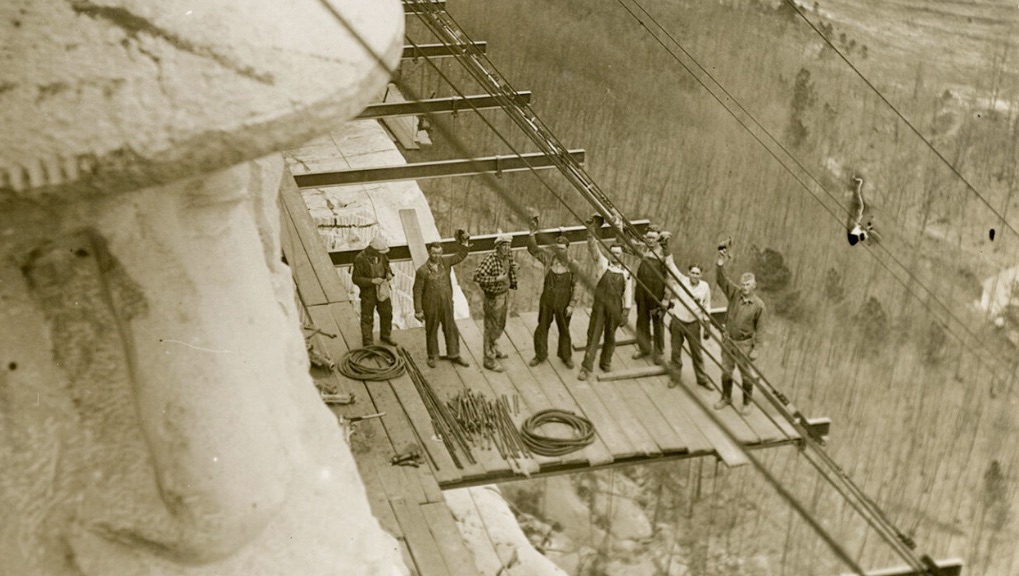
In 1915, the second coming of the Ku Klux Klan occurred atop Stone Mountain. Klan money helped fund the monument. And the first of its three head sculptors was a Klansman, as was the owner of the mountain, Samuel Venable, whose family bought it in 1887 to run a quarry. Venable granted the Klan rights to hold meetings there in perpetuity. And for decades it did.
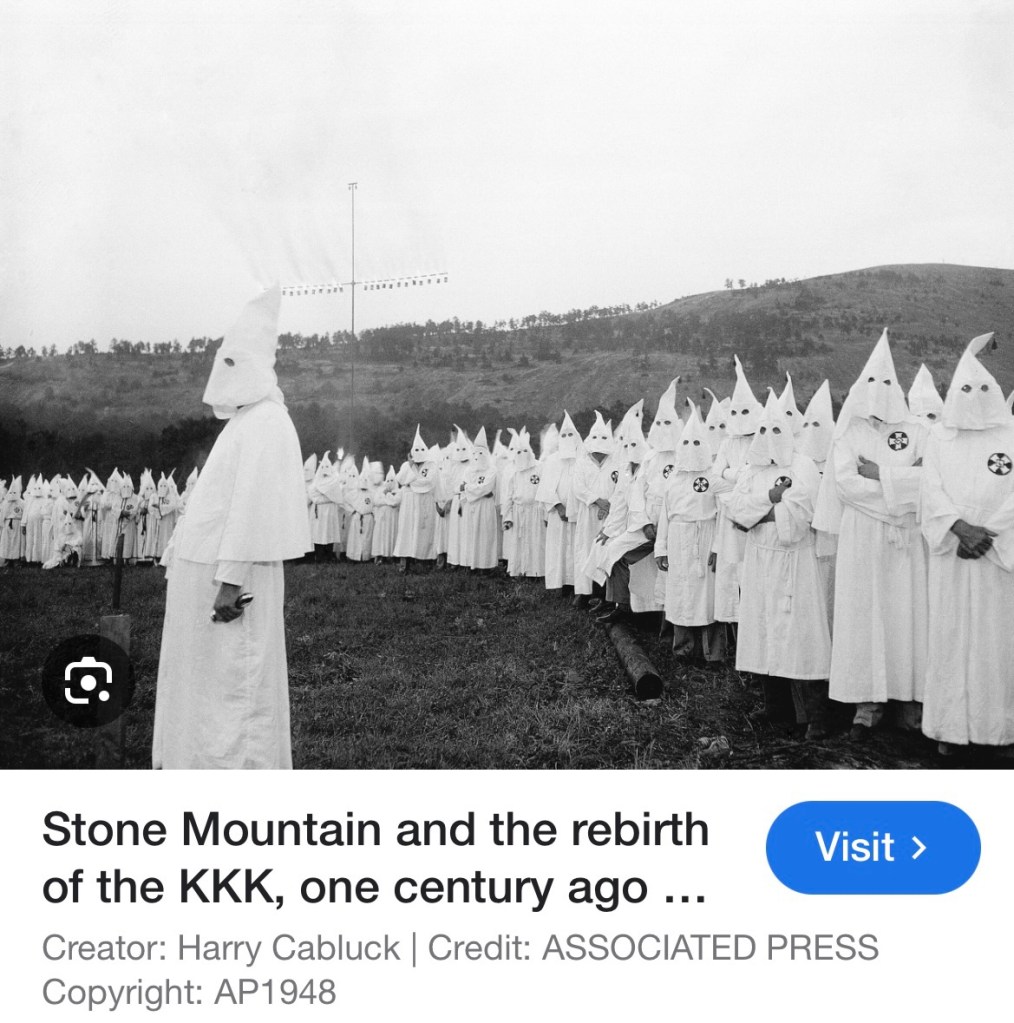
Two events sparked the revival of the Klan, which swept the South during Reconstruction before fizzling in the 1870s.
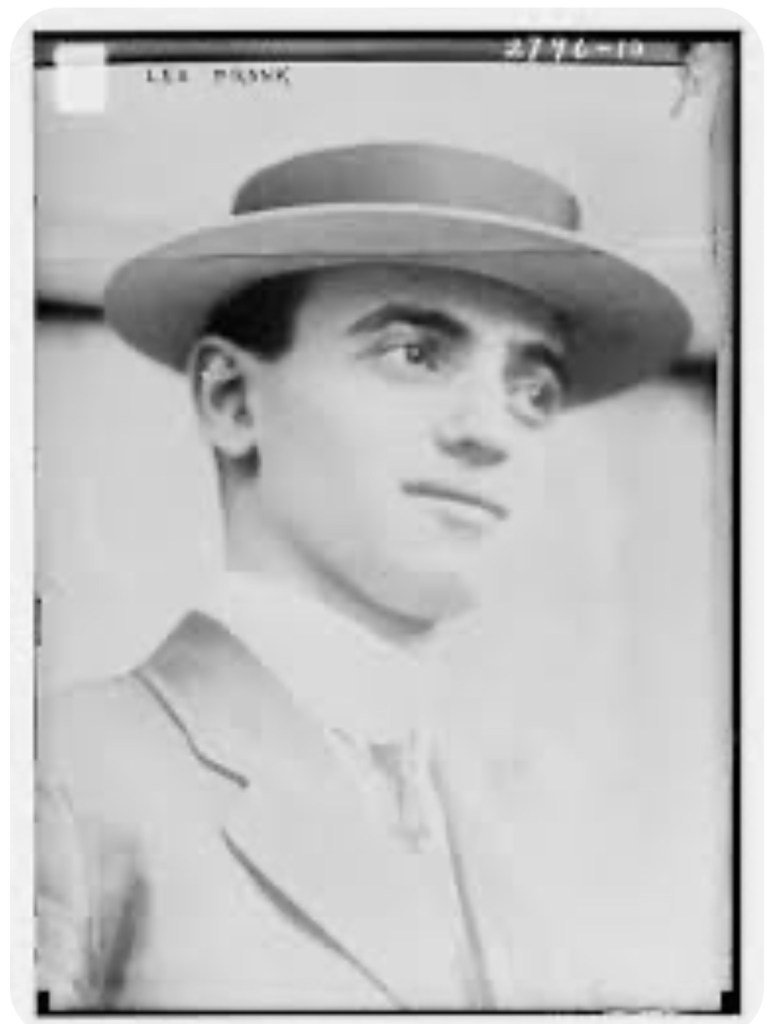
Fueled by anti-Semitism, the first was the lynching of Leo Frank, a Cornell graduate and Jewish superintendent of an Atlanta factory, who was convicted in a shoddy trial of the murder of a 13-year-old Christian girl. After Frank’s death sentence was commuted to life, an armed mob snatched him from prison while guards did nothing to stop it. The men drove Frank to the girl’s hometown and hung him from an oak tree. (Decades later a witness came forward and, in 1986, the Georgia Board of Parole granted Frank a posthumous pardon.)
The other provocation was the Atlanta debut of D.W. Griffith’s Birth of a Nation, a silent film portraying African Americans as savages and sex fiends who defiled white women, while glorifying the KKK as saviors galloping to the rescue.
On Thanksgiving night, William J. Simmons led a group of 15, including some members of the Frank lynching mob, to the summit of Stone Mountain, where they set up a flag-draped altar, opened a Bible and burned a 16-foot cross in an initiation ceremony described in Atlanta’s Stone Mountain: A Multicultural History, by Paul Stephen Hudson and Lora Pond Mirza.
The resurrected KKK targeted primarily blacks, but also Jews, Catholics and foreigners among others.
Although the idea of carving a monument into Stone Mountain had floated about for years, Civil War widow Helen Plane made it her mission. As a charter member of the United Daughters of the Confederacy, champions of the “Lost Cause” version of the Civil War, she had both the passion and the sway. Once Gutzon Borglum was chosen as the sculptor in 1915, she wrote him with a design suggestion.
“I feel it is due to the Klan which saved us from Negro dominations and carpetbag rule, that it be immortalized on Stone Mountain. Why not represent a small group of them in their nightly uniform approaching in the distance?”
Due to funding challenges and World War I, the jackhammers, drills and explosives didn’t descend upon the mountain until 1923. Borglum had grandiose visions of carving an army of Confederates in addition to the three leaders, as many as 1,000 figures sweeping across the mountain. But after a year’s work, all he’d completed was Lee’s head.
Project managers fired him and later pressed charges when he destroyed his models. Borglum fled the state and went on to carve Mount Rushmore in the Black Hills of South Dakota on sacred Lakota land.
Augustus Lukeman took over, but slammed into the deadline before finishing. In 1916, Venable had granted a 12-year lease to complete the carving, and time was up. The project sat mothballed for the next 36 years.
The Supreme Court’s Brown v. Board of Education integration decision and rise of the Civil Rights Movement jump-started interest in completing the carving. In 1958, under Georgia’s segregationist governor, Marvin Griffin, the state created the Stone Mountain Memorial Association and purchased the dome and surrounding land to create a memorial park.
Carving resumed July 1964 with its third head sculptor, Walter Kirtland Hancock. Eight years later it was finished.
The state’s purchase of Stone Mountain voided Venable’s agreement with the Klan, but that hasn’t stopped sympathizers and other white supremacists from making pilgrimages to their sacred ground of hate. And, it’s hard to ignore the timing of the park’s official grand opening on April 14, 1965 — 100 years to the day that President Abraham Lincoln was shot.”
 Perspectives on the Road
Karen, Do you mind if i suggest forwarding this to the Witness list? I’ll think that over before doing it, but this kind of history is so important!
LikeLike