John Brown’s Legacy

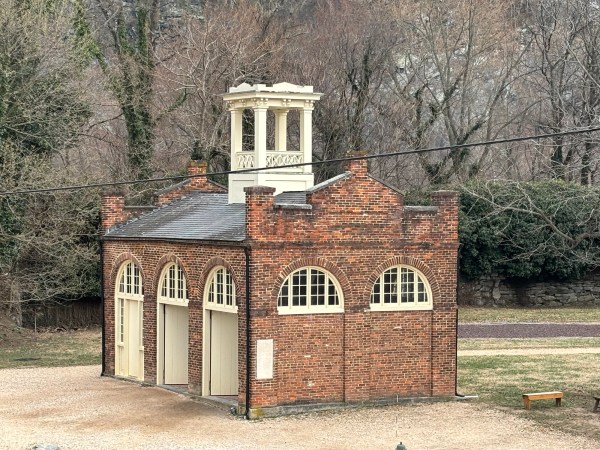
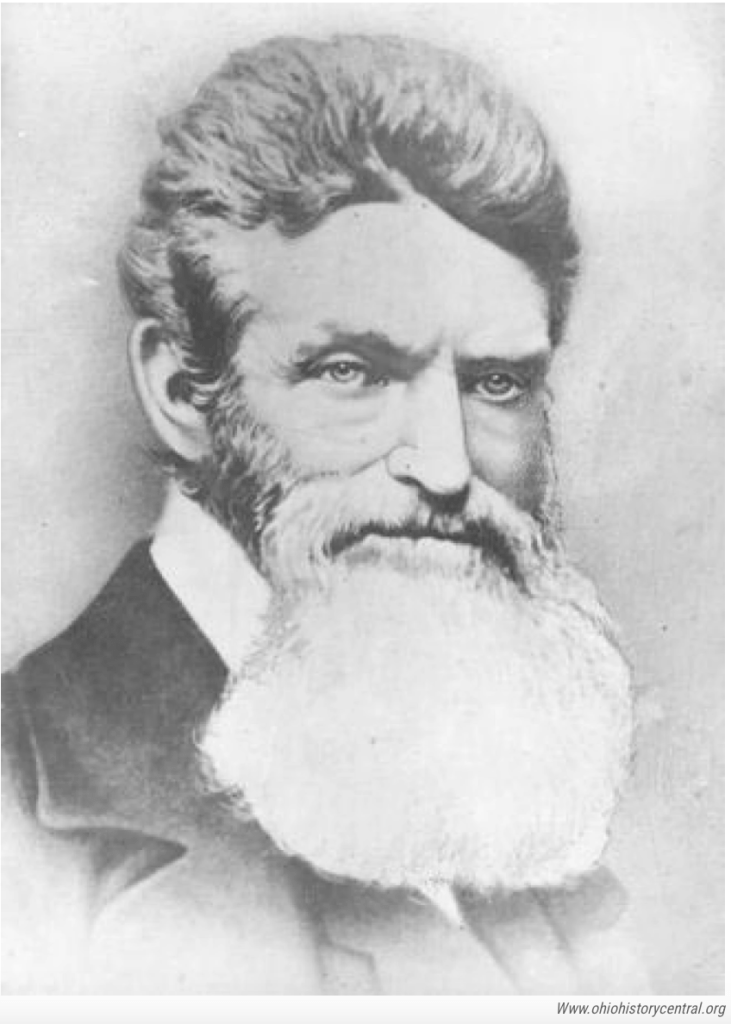
Today we went to Harpers Ferry National Park in West Virginia. Harpers Ferry is where John Brown took his last stand against slavery, He attempted to take the federal army at Harpers Ferry in order to lead a slave rebellion and create an armed underground railroad. The fire engine station (shown in the picture above) was used by John Brown and his army of 21 men as their fort. It was where they were captured and some were killed on October 18, 1859. He was hung shortly after. John Brown’s last written words predicting the Civil War were: “I, John Brown, am now quite certain that the crimes of this guilty land will never be purged away but with blood”.
John Brown

I have been interested in John Brown for a long time, especially after reading the book, Cloudsplitter, by Russel Means. It is written as historical fiction, from the perspective of his son and based on historical documents. I feel a bit guilty admiring John Brown so much since violence goes against my Quaker beliefs. Nonetheless, his steadfast dedication to the abolition cause, in spite of major hardships in his life is an inspiration.

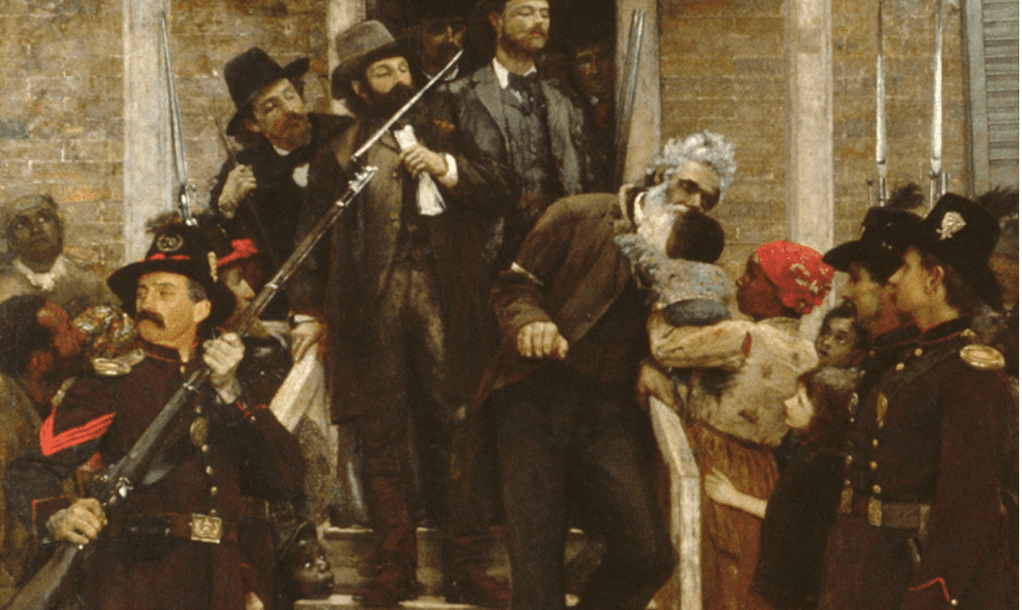
Thomas Hovenden, The Last Moments of John Brown (detail), 1182, oil on canvas, 196.5 x 168.3 cm. Courtesy The Metropolitan Museum of Art.
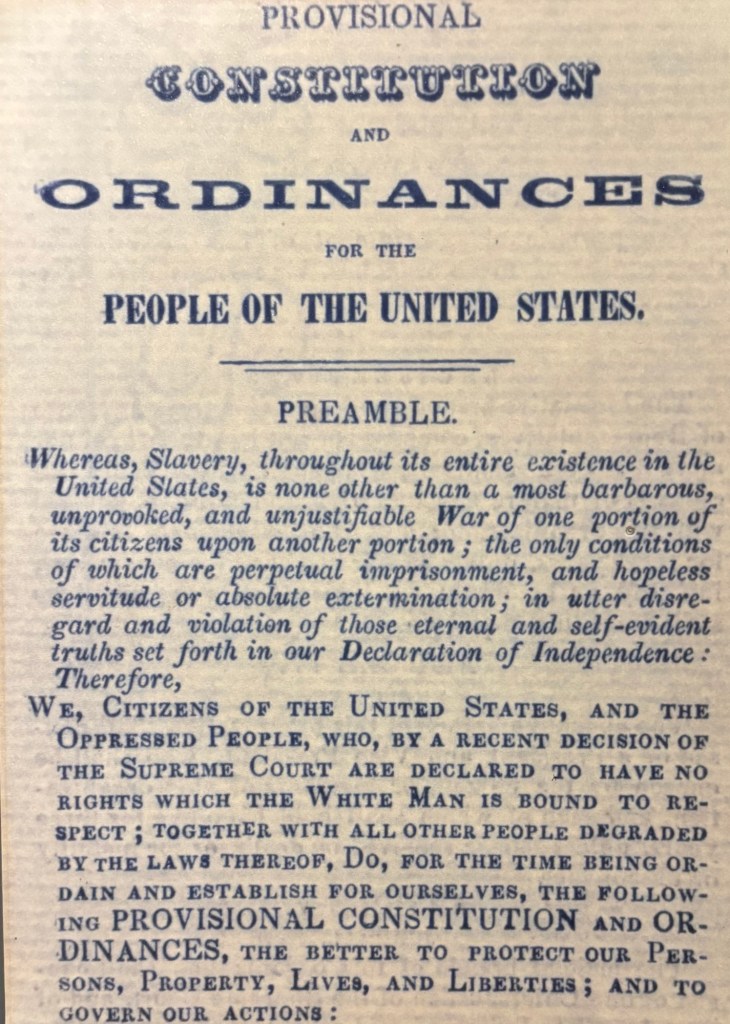
At an anti-slavery convention in Chatham, Ontario, John Brown presented a new constitution abolishing slavery.

While the whole plan at Harper’s Ferry was ill conceived, it did have the support and financial backing of well-heeled abolitionists and the support of Frederick Douglass, who knew of the plan.Harriet Tubman thought very highly of John Brown as well. Brown intended to create a corridor on the underground railroad. By arming abolitionists and freed enslaved people, safer passage to freedom could be provided.

After John Brown was executed in Charlestown, VA, a funeral procession embarked across six states. The funeral train, carrying his coffin traveled through a divided nation teetering on the brink of civil war. John Brown was laid to rest at his farm in North Elba, New York, in the Adirondacks. His body lay in state at the Adam’s Hotel in Elizabethtown, NY (near North Elba). I am proud to say that one of my ancestors, ACH Livingston (an abolitionist from the area) served as a poll bearer. On December 8, 1959 John Brown was laid to rest. John Brown’s Farm and grave is now a State Historic Site.

The Economic Boom and Bust in Coal Country

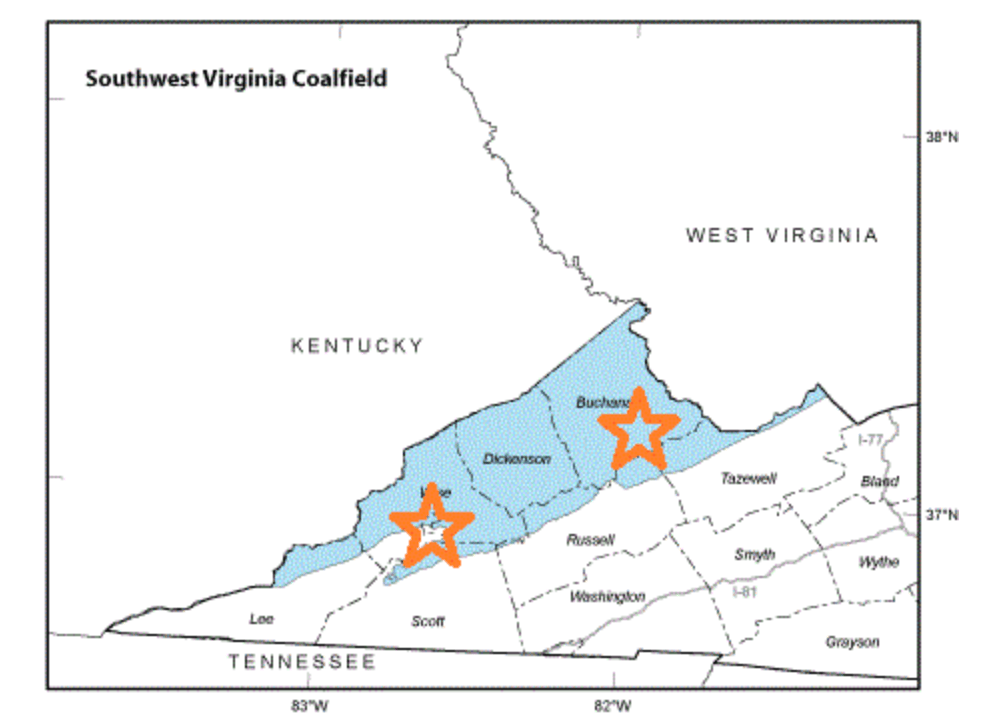
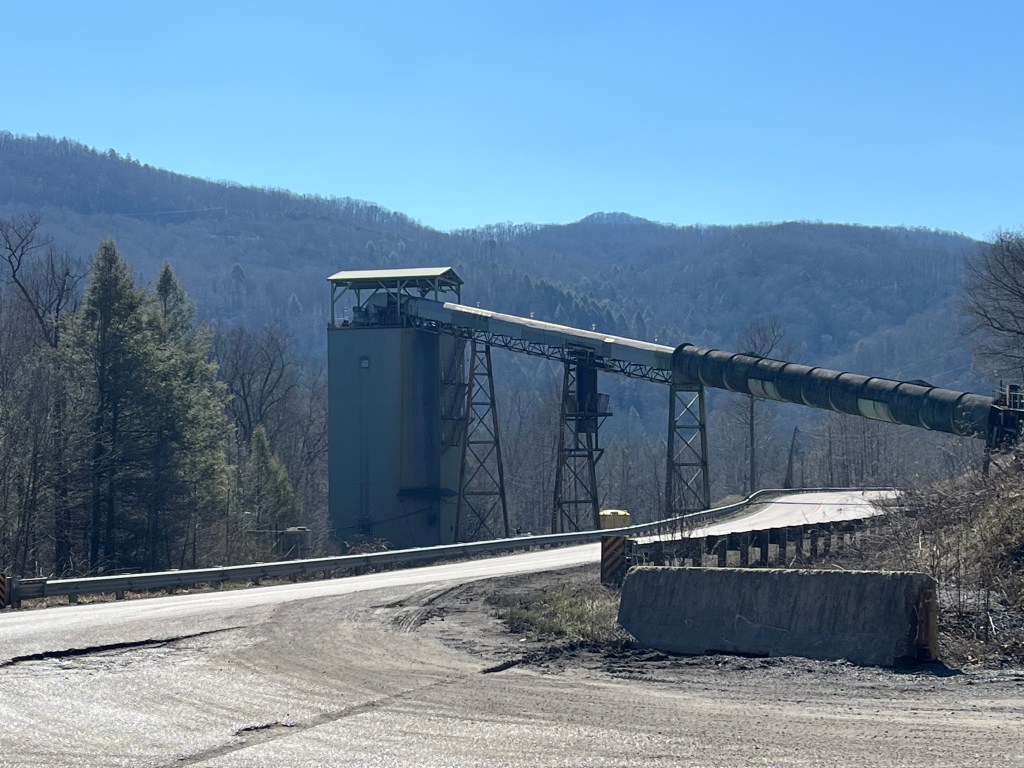
We are now in the heart of coal country in southern Virginia near the Kentucky border. Almost all of the small towns carved out of the steep mountains are decreasing in population and struggling to replace coal as an economic engine for the community. The large coal companies have left for places like Colorado, leaving small outfits like the one above.

In the 1880s, coal deposits became the dominant resource utilized in the area. Immigration trends and economic conditions across the country attracted many people to the area for work, including African Americans and Irish, Polish, Italian, and Hungarian immigrants. In the 1970s, the change in regulations and the OPEC oil embargo drove up the price of coal and created a boom for the coal economy in the region. New mines were opened and existing mines expanded. The boom lasted until 1983, when coal prices declined, mines were opened in western states in the U.S and mining technology reduced the demand for coal miners.The boom turned into a bust. (https://www.jstor.org/stable/3590402) As our country attempts to deal with climate change, regulations have been put in place to reduce greenhouse gas emissions and protect public health. And coal is being replaced by lower-cost natural gas and renewable energy sources.

So what are these communities to do? They are isolated, with no population centers close by to attract new business customers or commute to new jobs. There are still jobs in the lumber industry, confirmed by all of the log trucks we passed on the mountain roads, although this industry is in decline as well. And they do have another major rural employer in Wise County, the prison industry. Virginia’s two highest security “super max” state prisons are located in Wise County: Red Onion State Prison, opened in 1998, and Wallens Ridge State Prison, opened in 1999.[3](Wikepedia). According to a local former miner we spoke with, many former coal miners have become prison guards. But this is not keeping the towns thriving. There are many boarded up stores and signs of decline.

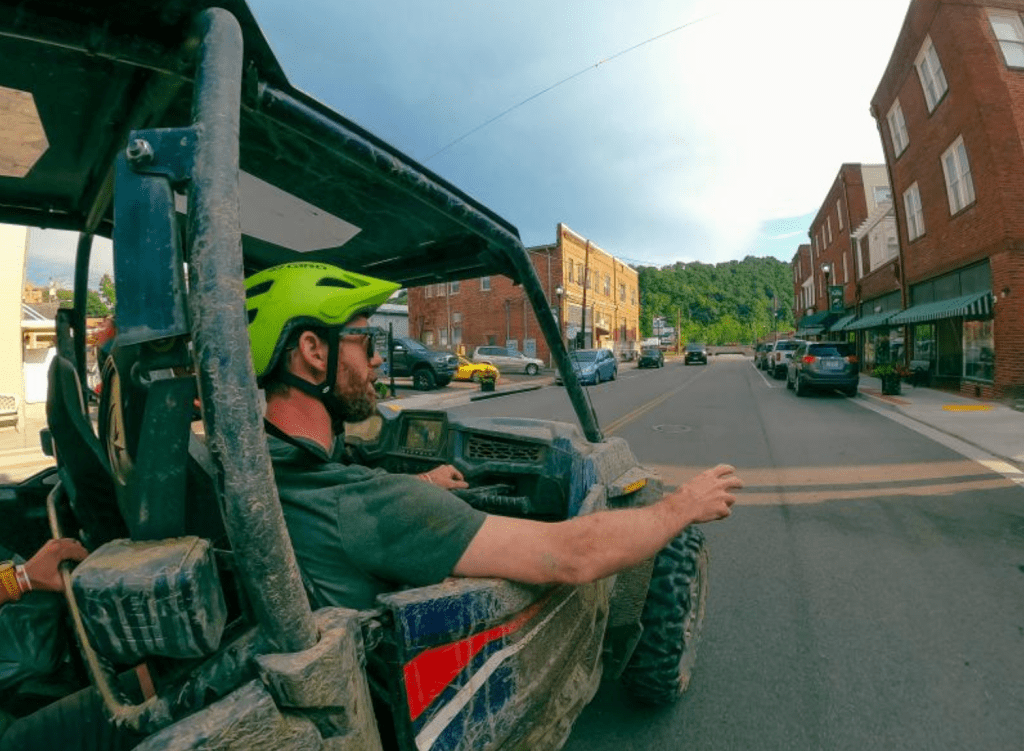
Many of the towns are trying to attract outdoor adventure tourists. A big attraction now is atv trailing that takes advantage of the steep mountain trails; we saw that in several towns they allow atvs on the town streets. It is not at all clear that many of these towns will make a come back, although not for lack of effort. We met Jim, a lawyer in Williamson, WV, who was working hard on bringing the arts and other tourist attractions to Williamson. It is clear there is a great deal of effort expended to recreate these tiny towns.

Paw Paw, West Virginia

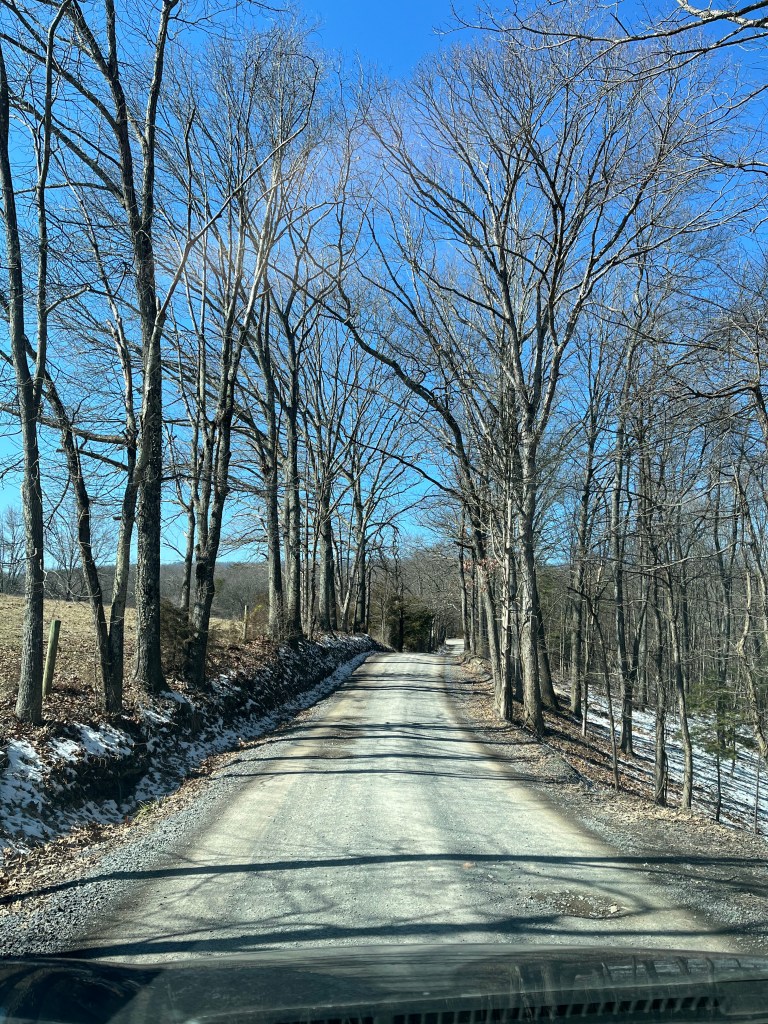
Our first stop was in Paw Paw, West Virginia to visit John’s high school friend Reed, and his wife Deborah. They live in a beautiful and remote area outside the tiny town of Paw Paw (population 410 in 2020), with a commercial area consisting of small restaurant, gas station, Dollar Store, like our town of Enfield in upstate New York, although we don’t have a restaurant. Paw Paw is named after the fruit tree that is native to the area. This entire area of the West Virginia is quite rural, although is only a 2 hour drive to Washington DC, which attracts people with money wanting to purchase or build a second home. They have to drive 40 minutes to buy groceries or get medical care.

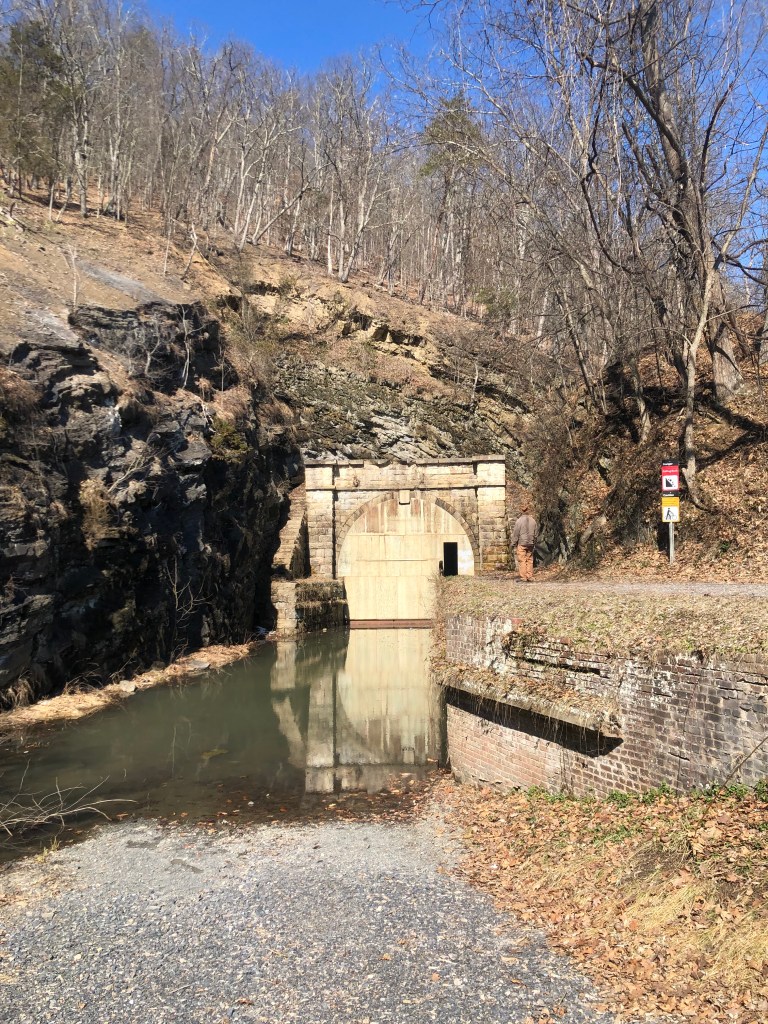
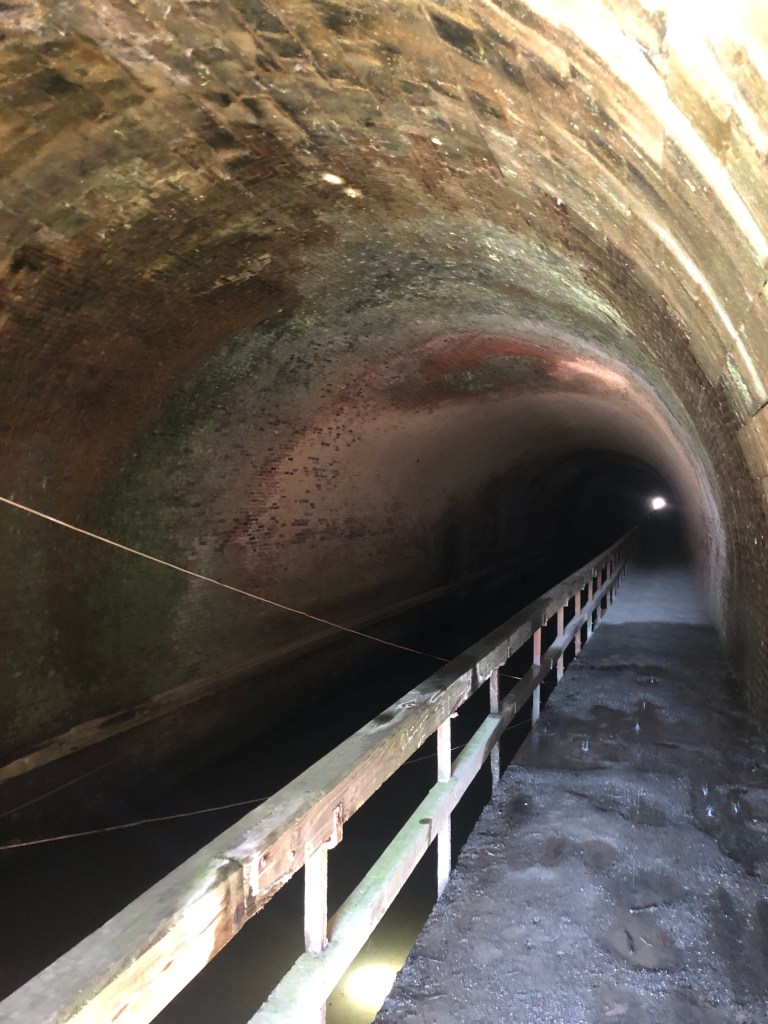
Paw Paw is known for the Paw Paw tunnel through the mountain, The C&O Canal Company started work on the tunnel in 1836 estimating that it would take 2 years to build; it was built to save them from digging 6 miles of canal on the Potomac River. The canal’s main cargo was coal, brought from Cumberland Maryland and stops along the way to Washington DC. Due to riots, labor strikes by the Irish, English and German workers, fund shortages and difficulty digging through loose shale, the 3,118 ft tunnel through the mountain was not finished until 14 years later.  It sounds like it might not have been such a great investment. When the tunnel finally did open, there were often bottlenecks because it was impossible for boats to turn around or pass. Today the hiking trail through the tunnel is maintained by the National Park Service.

Another interesting fact about Paw Paw is that that grammy award winning Texas swing band, Asleep at the Wheel got their start on a farm in Paw Paw. West Virginia.

Blog at WordPress.com.

Up ↑