John Brown’s Legacy

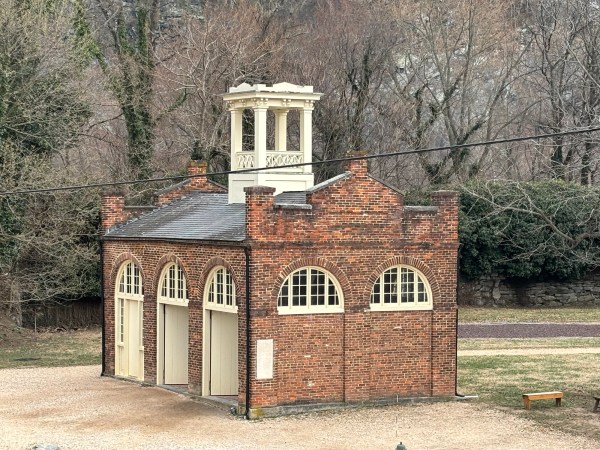
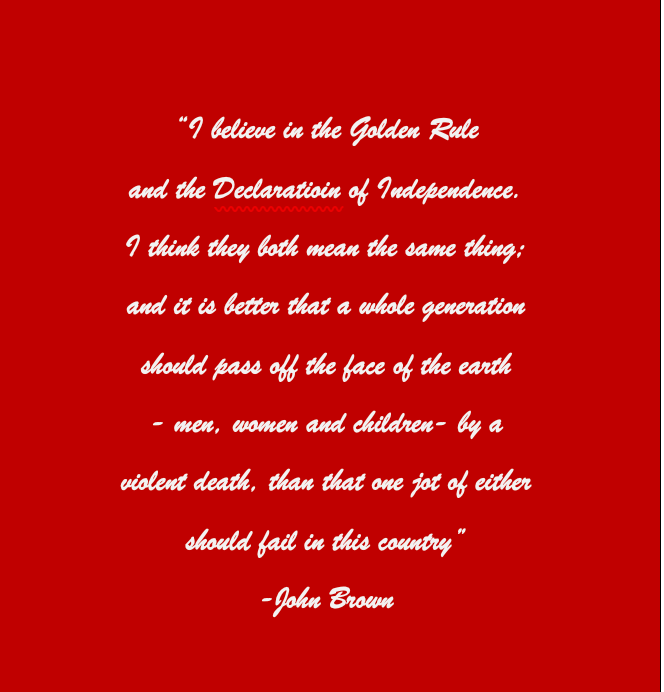
Today we went to Harpers Ferry National Park in West Virginia. Harpers Ferry is where John Brown took his last stand against slavery, He attempted to take the federal army at Harpers Ferry in order to lead a slave rebellion and create an armed underground railroad. The fire engine station (shown in the picture above) was used by John Brown and his army of 21 men as their fort. It was where they were captured and some were killed on October 18, 1859. He was hung shortly after. John Brown’s last written words predicting the Civil War were: “I, John Brown, am now quite certain that the crimes of this guilty land will never be purged away but with blood”.
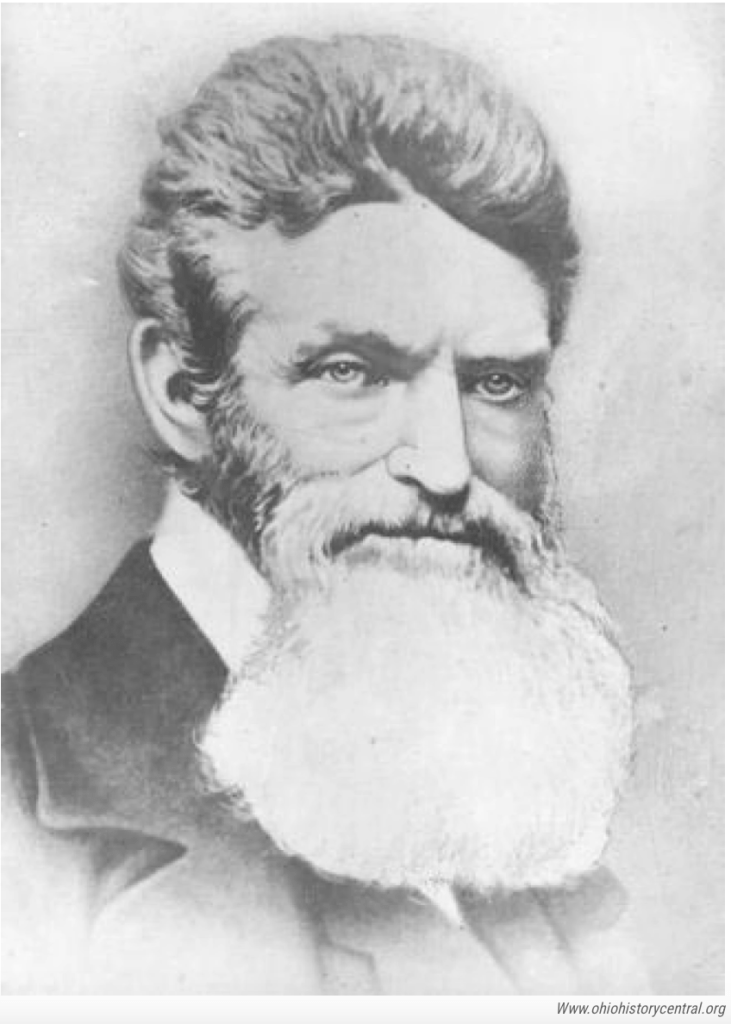
John Brown

I have been interested in John Brown for a long time, especially after reading the book, Cloudsplitter, by Russel Means. It is written as historical fiction, from the perspective of his son and based on historical documents. I feel a bit guilty admiring John Brown so much since violence goes against my Quaker beliefs. Nonetheless, his steadfast dedication to the abolition cause, in spite of major hardships in his life is an inspiration.
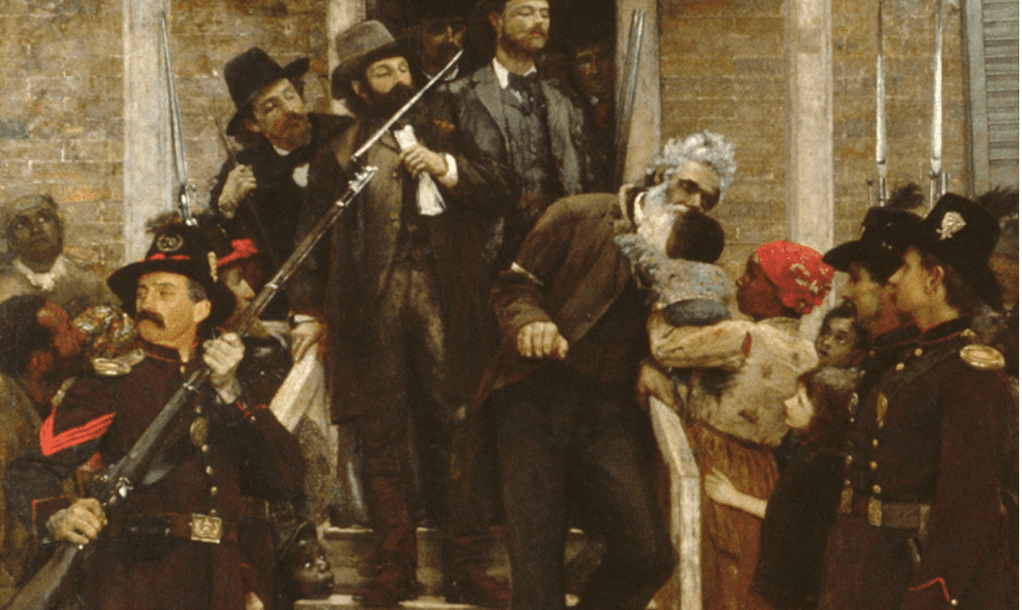
Thomas Hovenden, The Last Moments of John Brown (detail), 1182, oil on canvas, 196.5 x 168.3 cm. Courtesy The Metropolitan Museum of Art.
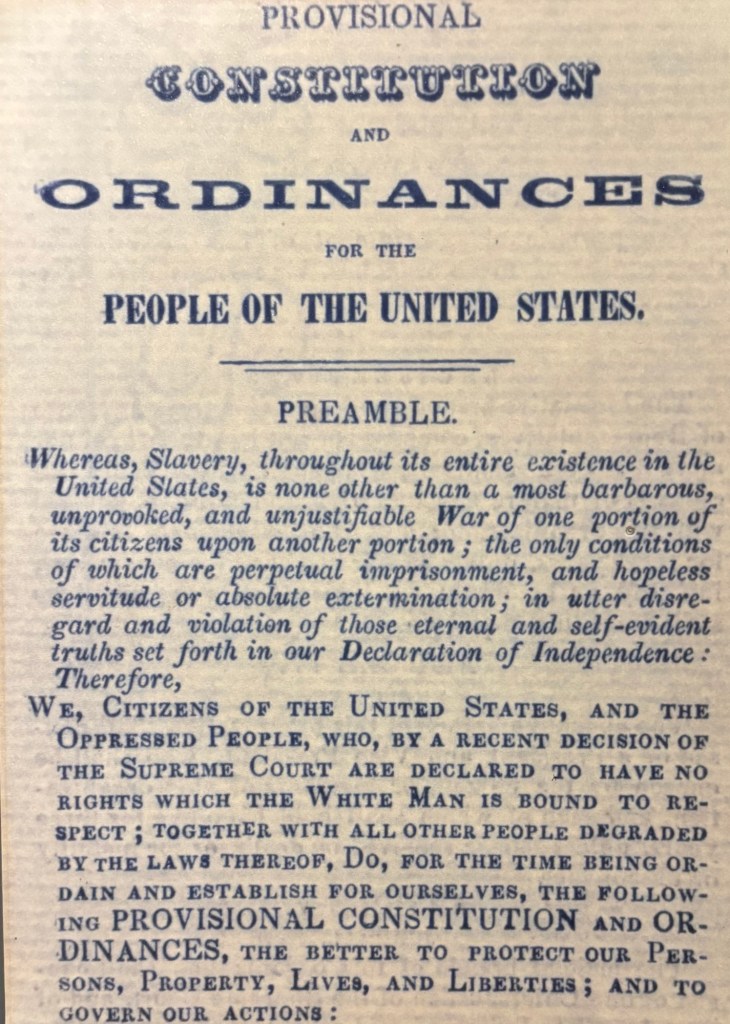
At an anti-slavery convention in Chatham, Ontario, John Brown presented a new constitution abolishing slavery.

While the whole plan at Harper’s Ferry was ill conceived, it did have the support and financial backing of well-heeled abolitionists and the support of Frederick Douglass, who knew of the plan.Harriet Tubman thought very highly of John Brown as well. Brown intended to create a corridor on the underground railroad. By arming abolitionists and freed enslaved people, safer passage to freedom could be provided.

After John Brown was executed in Charlestown, VA, a funeral procession embarked across six states. The funeral train, carrying his coffin traveled through a divided nation teetering on the brink of civil war. John Brown was laid to rest at his farm in North Elba, New York, in the Adirondacks. His body lay in state at the Adam’s Hotel in Elizabethtown, NY (near North Elba). I am proud to say that one of my ancestors, ACH Livingston (an abolitionist from the area) served as a poll bearer. On December 8, 1959 John Brown was laid to rest. John Brown’s Farm and grave is now a State Historic Site.
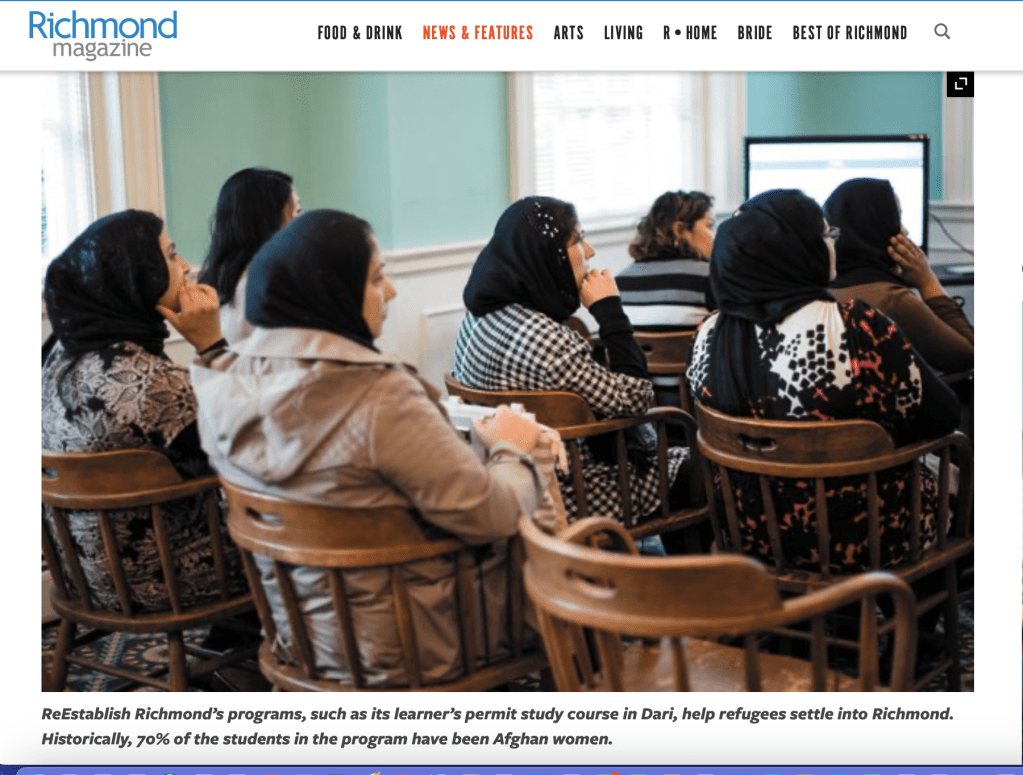
The New Richmond Settlers

When the history is written of the Afghan diaspora at the end of America’s longest war, the Richmond region will have its own story to tell.

The first group of 221 Afghan Special Immigrant Visa holders (SIVs) and their families arrived on July 30, 2021 at Dulles International Airport after a daylong flight from Kabul, Afghanistan. From there, they were bused to Fort Gregg-Adams (formerly known as Fort Lee) south of Richmond to complete their processing for entry into the country before being resettled. Thousands of other SIVs arrived in subsequent weeks under a program the Biden administration has called Operation Allies Refuge.

These Afghan citizens (SIVs) worked to support the U.S. armed forces as interpreters, drivers and in other capacities during America’s 20-year war in Afghanistan. When the U.S. withdrew troops, SIVs and their families were among the first to be evacuated, as they faced deadly reprisals from the Taliban for cooperating with Americans.

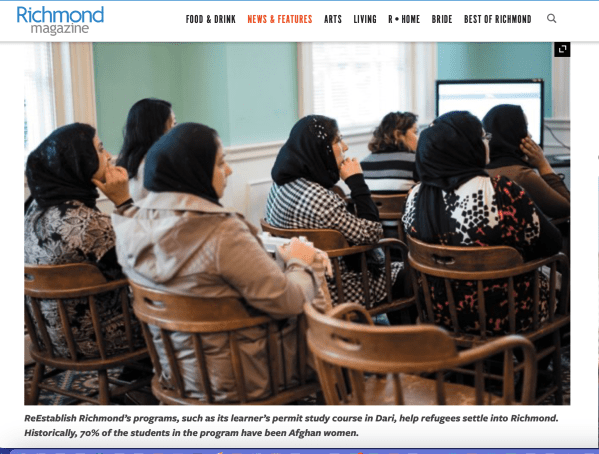
Richmond, Virginia has welcomed over 3,500 refugees from Afghanistan in the last five years.Virginia has the second largest Afghan community in the United States, with over 23,000 Afghans living in the state. Stands to reason because three of the eight military bases used by Dept of Defense to initially house SIV applicants and other vulnerable Afghans are in Virginia- Marine Corps Base Quantico, Fort Pickett and Fort Gregg-Adams. After they finished processing at the port of entry, U.S. citizens, lawful permanent residents, and SIV holders departed the airport, while SIV applicants and other vulnerable Afghan allies who were granted humanitarian parole were provided transportation to U.S. military facilities where they received a full medical screening and a variety of services before moving onto their next destination.

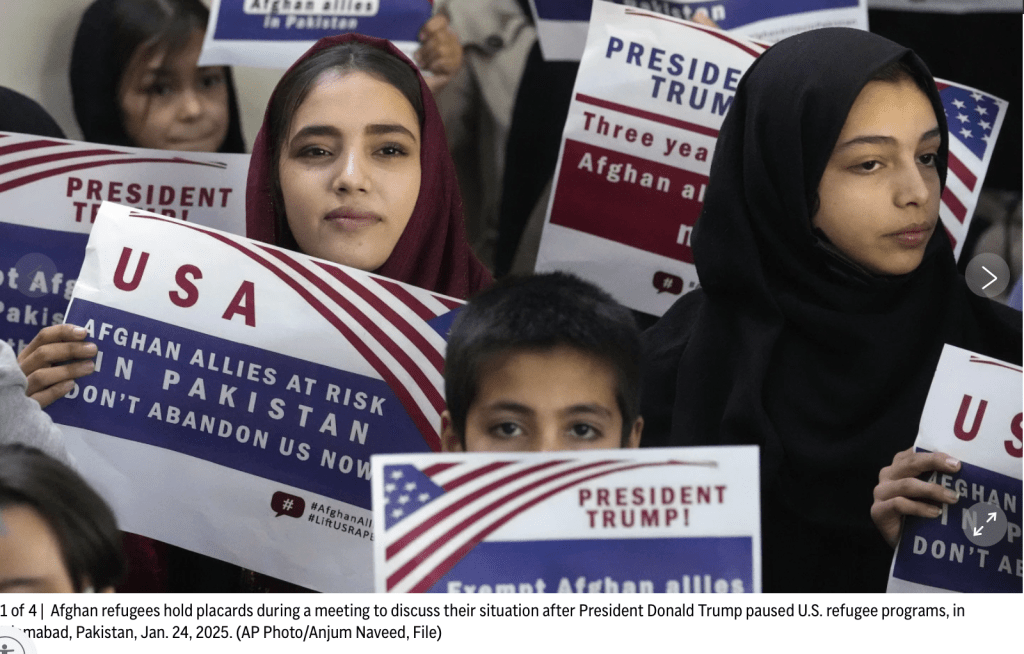
On August 29, 2021, President Biden directed the Department of Homeland Security (DHS) to lead and coordinate ongoing efforts across the federal government to support vulnerable Afghans, including those who worked alongside us in Afghanistan for the past two decades, as they safely resettle in the United States.  Tens of thousands of recently arrived refugees are now losing support for basic necessities like food and rent after a Trump administration order suspended federal funding for resettlement agencies.s.

There is widespread confusion as agency leaders seek greater clarity from the government. The most pressing question is how they will continue supporting refugees already under their care in the United States.

The suspension of federal funding “paralyzes the program,” said Krish O’Mara Vignarajah, president and CEO of Global Refuge, the national Lutheran refugee resettlement agency. At least 26,494 refugees and recipients of Special Immigrant Visas are affected, and almost certainly more, according to an analysis of government statistics.

The Lost Cause

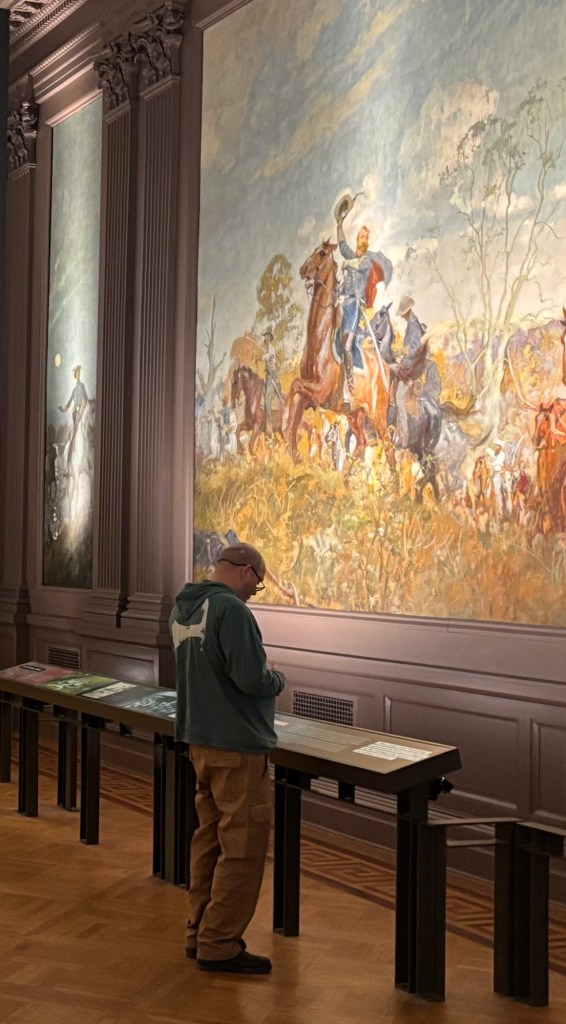
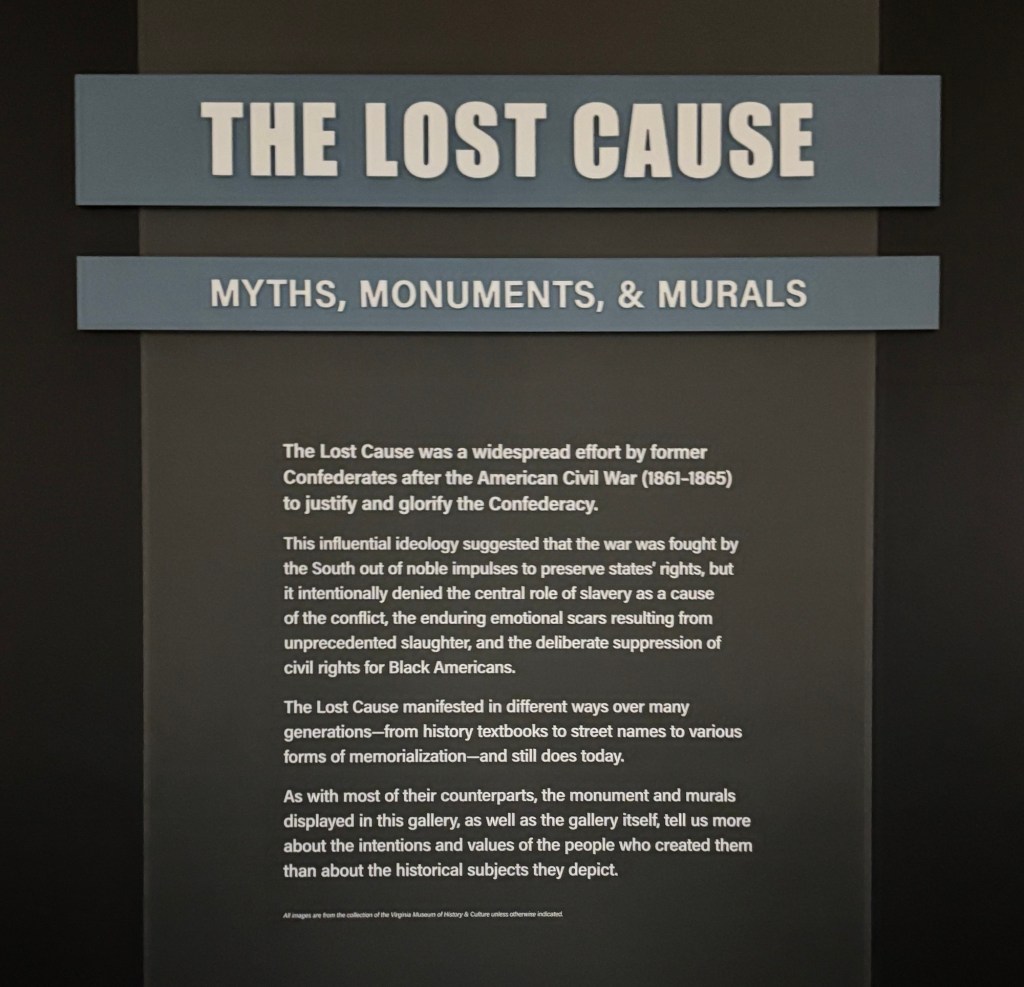
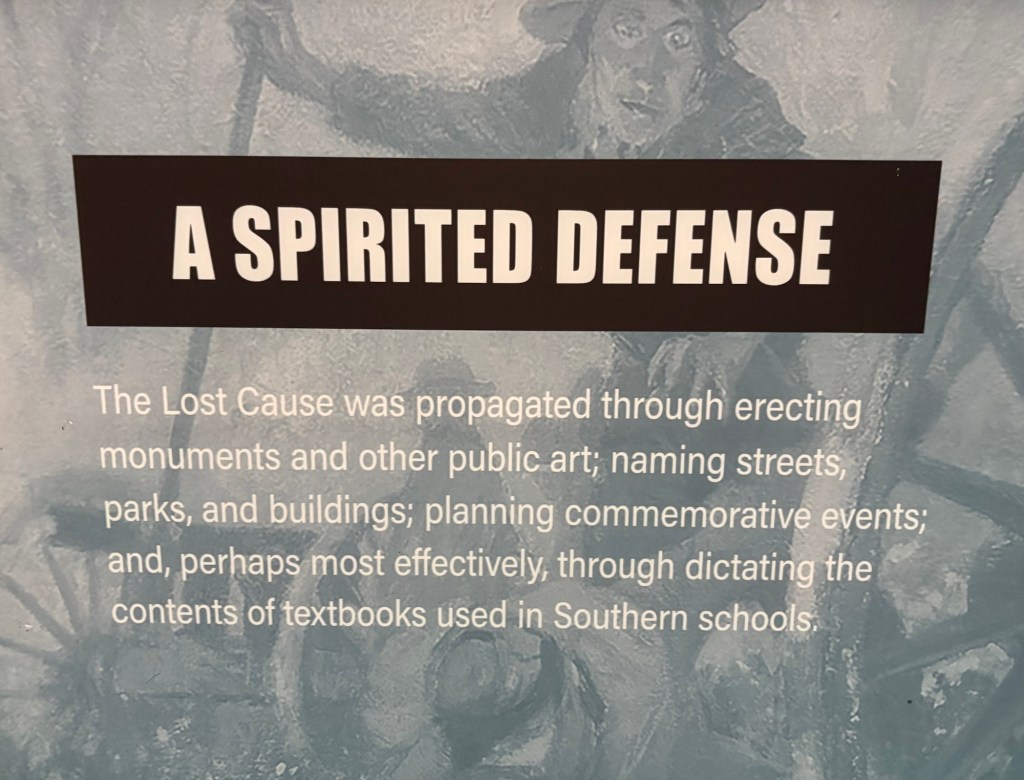
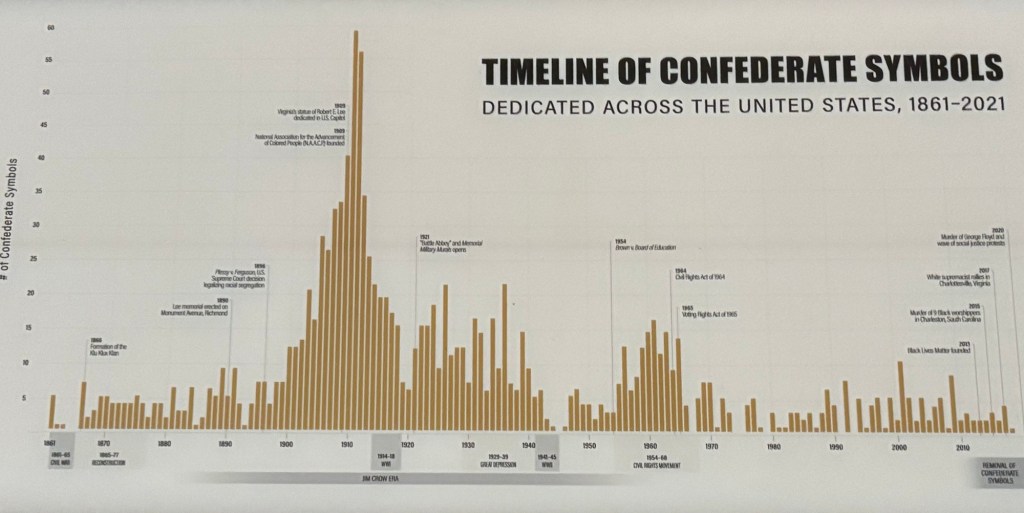
On Wednesday we visited the Virginia Museum of History and Culture (VMHC) in Richmond. I I had very mixed feelings when I saw the VMHC had a Lost Cause room. However, I do think it is important not to forget history lest we repeat it. I believe it was truthfully done, the murals, statue and other artifacts on display with plaques telling the truth and dispelling myths.

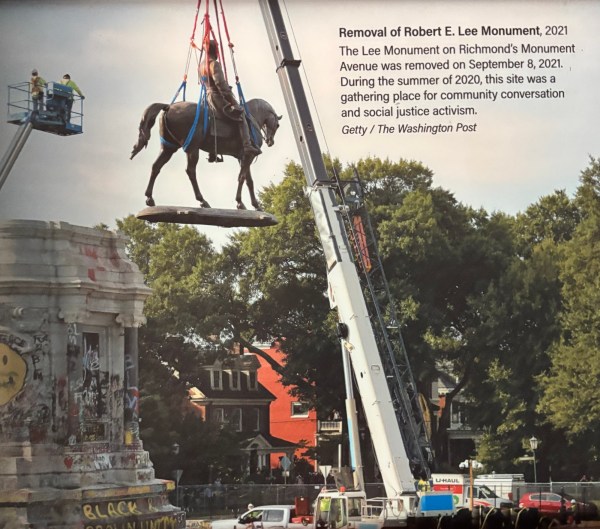
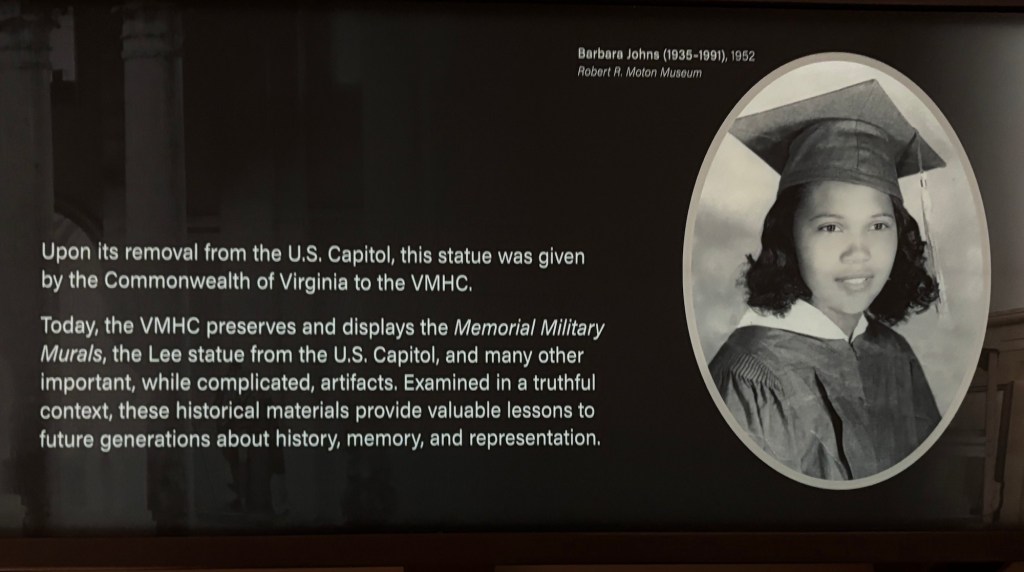
I learned that in 2020, the Virginia General Assembly voted to remove Robert E. Lee from the U.S. Capitol and replace him with a state of Civil Rights Activist Barbara Johns (later Powell). At age 16, this Virginian led a student protest of inferior conditions in her Black high school that ultimately culminated in Brown v. Board of Education (1954).the landmark U.S. Supreme Court decision declaring segregation unconstitutional.

Stonewall Jackson’s Lost Arm

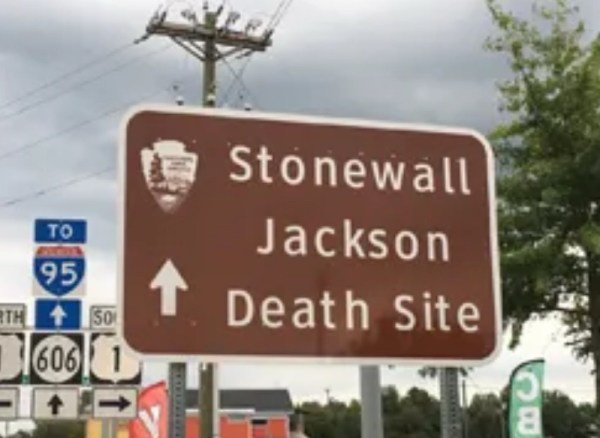
We saw this sign along I95 on the way to Richmond, VA., “Stonewall Jackson Death Site”. Seems like peculiar wording and got us wondering how Stonewall Jackson did die. Did he die in battle during the Civil War? Apparently, he was accidentally fired upon by his own troops, the 18th North Carolina Infantry Regiment, while reconnoitering with members of his staff. He lost his left arm to amputation. Weakened by his wounds, he died of pneumonia eight days later. Jackson’s death proved a severe setback for the Confederacy

Another interesting story (I can’t attest to the truth of it) is that Union Troops dug up his arm during the Battle of the Wilderness in 1864.  Another story suggests that U.S. Marines visiting the area in 1921 also dug up and reburied the arm. While these stories are difficult to substantiate, they confirm that Jackson’s arm has become a point of curiosity over time. In 1998, archaeologists working for the National Park Service investigated the area but did not find a specific burial site. 

Not sure why there is such interest in Stonewall Jackson’s arm. Maybe we will have to visit this national park site to find out more.

Bacon’s Rebellion

We are in Williamsburg, Virginia and yesterday we visited the Jamestown Settlement Museum. We were not sure what to expect in terms of an inclusive historical perspective and were happy to see that they describe the museum”s mission as fostering “an awareness and understanding of the early history, settlement, and development of the United States through the convergence of American Indian, European, and African cultures and the enduring legacies bequeathed to the nation.” It does seem that they are very much attempting to be inclusive in the telling of history. I am wondering how different it is from the presentation of facts 20 years ago?

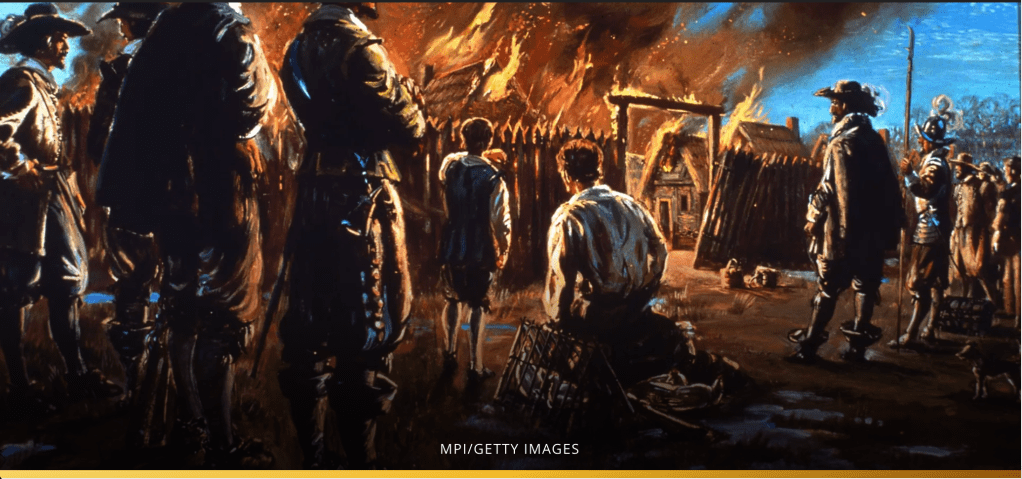
I did not know much about Bacon’s Rebellion, an armed rebellion of settlers against Colonial Governor William Berkeley, Bacon and his armed rebels ransacked their colonial capital, threatened its governor and upended Virginia’s social order. They managed to chase Berkely from Virginia and burned the settlement to the ground. The rebellion failed. Soon Bacon was dead and his militia defeated. The rebellion he led is commonly thought of as the first armed insurrection by American colonists against Britain and their colonial government a hundred years before the American Revolution. (History.com) The alliance between European indentured servants and Africans (a mix of indentured, enslaved, and free Blacks) disturbed the colonial upper class. They responded by hardening the racial caste of slavery in an attempt to divide the two races from subsequent united uprisings with the passage of the Virginia Slave Codes of 1705.[5][2][6]. White indentured servants were subsequently offered 50 acres of land to farm when their servitude ended, giving them considerably more status, while Blacks were subject to lifetime servitude or slavery, which was a very effective way to prevent any future uprisings.

General John Glover and His Integrated Regiment

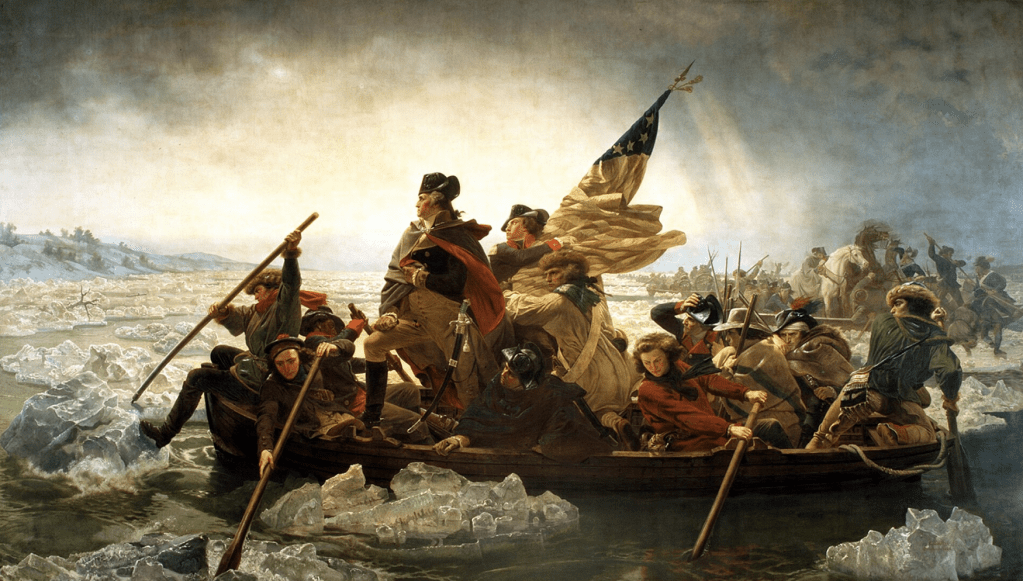
John Glover’s racially integrated regiment rowed George Washington’s troops across the Delaware leading to a victory at the Battle of Trenton

Yesterday we arrived in Williamsburg, Virginia, which is home to both the Jamestown Settlement Museum and Colonial Williamsburg living history museum. We decided to visit the Jamestown Settlement first and were very surprised to see pods of military people all over the place dressed in costume from the Greek Phalanx (500 B.C.E) to the current day Virginia National Guard as part of the 40th annual Military through the Ages event. Being a Quaker and a pacifist, I was not happy to see this taking over the Jamestown Settlement Museum. I have to admit, that I did find elements of it very interesting. There was a pod there representing Black Soldiers of the American Revolution.

We spoke at length with a man from New Jersey (I never got his name) who was representing the 14th Continental Regiment. He was a wealth of information about Black history in general and particularly John Glover’s regiment from Marblehead, Massachusetts.

Glover marched his regiment to join the siege of Boston in June 1775. At Boston, General George Washington chartered Glover’s schooner Hannah to raid British supply vessels, the first of many privateers or warships authorized by Washington. For this reason the Hannah has been occasionally called the first vessel of the Continental Navy or its later successor the United States Navy.[10] (Wikipedia)

The Marblehead militia or “Glover’s Regiment” became the 14th Continental Regiment. John Glover was able to raise a regiment of 500 men composed of both his militia and Marblehead mariners, and termed by Washington as soldiers “bred to the sea.”[11] This regiment became known as the “amphibious regiment” for their vital nautical skills. It was composed almost entirely of seamen, mariners and fishermen.[12] Many of these men of were Native Americans, Jewish, African-Americans, and Spanish forming the first integrated units in the new American military.[2] The regiment’s muster rolls listed one-third of the men as dark complexioned. A Pennsylvania general was shocked by the “number of negroes” treated as equals in Glover’s Regiment.[13] Most of the regiment lived in Marblehead, and came together before the war, fishing in the Grand Banks. At sea, everyone was working towards a common goal, and a person’s background didn’t matter, a philosophy carried over into the regiment.[2] (Wikipedia)

Our Jamestown experience in all was very interesting, although it was disconcerting to see Jamestown Settlement staff in costume intermingled with people walking around in togas, suits of armor, kilts, viking costumes and current day combat gear. I will do another post on what I learned about the Jamestown Settlement itself.

Blog at WordPress.com.

Up ↑