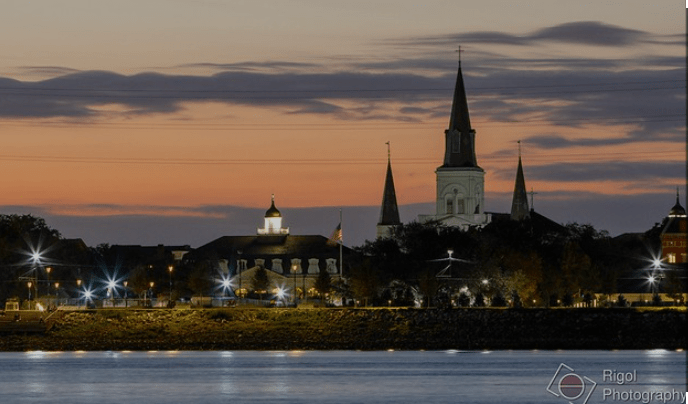
Charleston, South Carolina: The Holy City

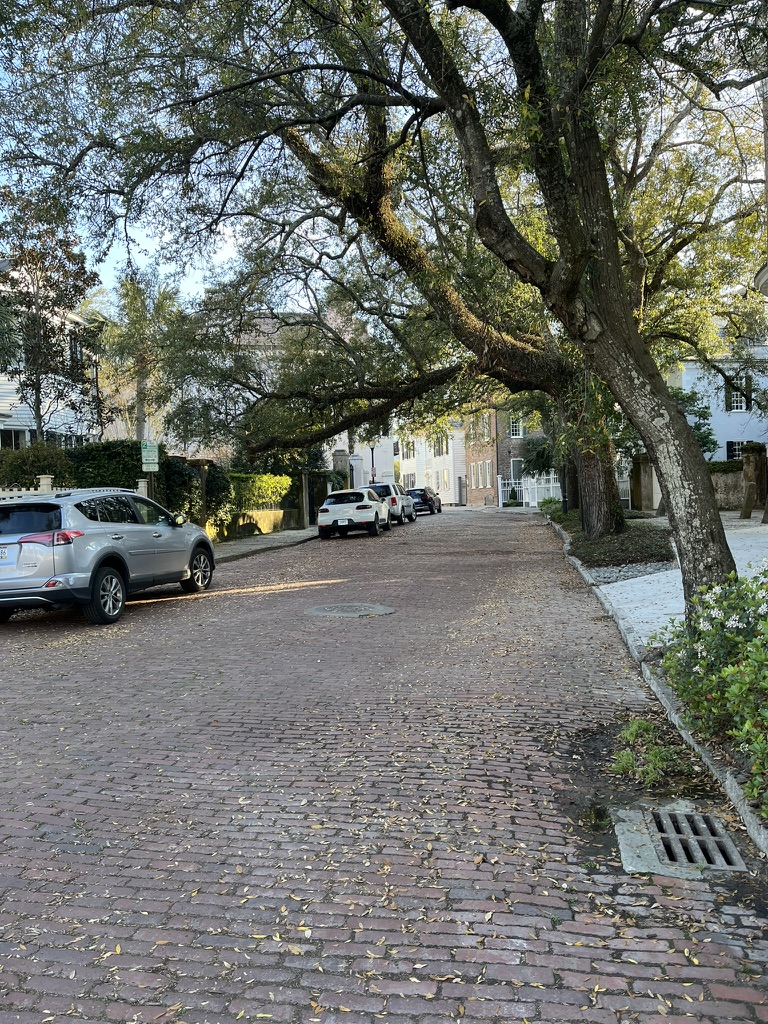
Charleston, South Carolina really is a beautiful and interesting city. I had forgotten that it was one of the original 13 colonies from the founding of the U.S. and has many buildings dating to the colonial period.
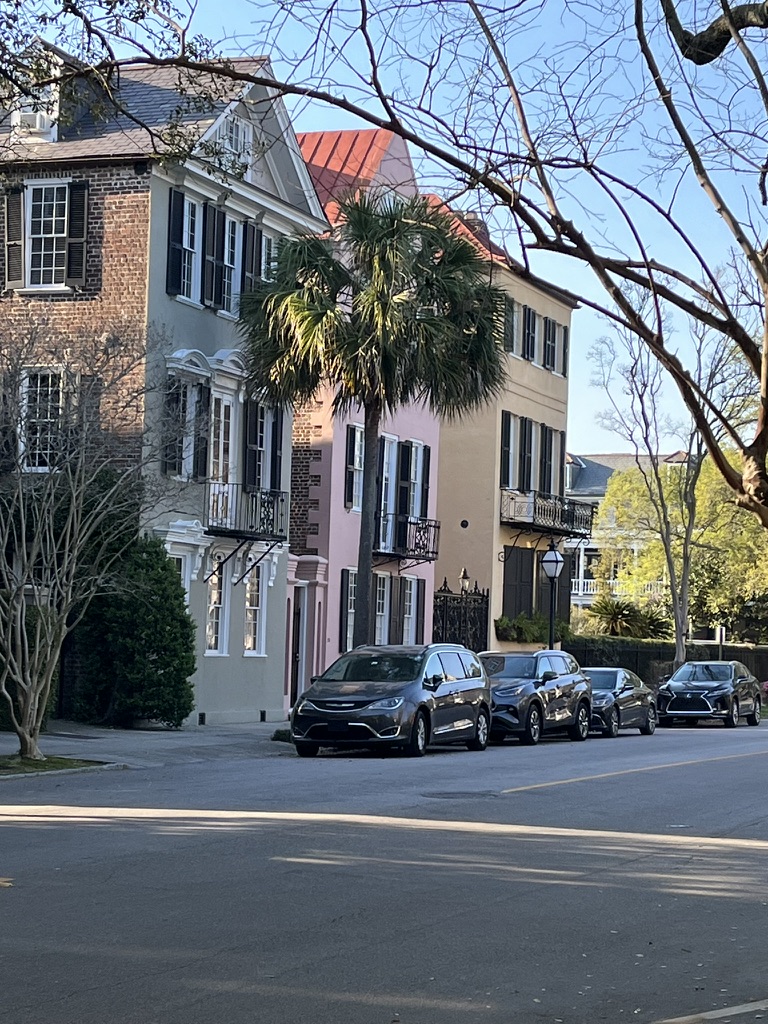
One interesting fact is that there is a city ordinance saying that no building may be built taller than the tallest church steeple. Charleston is known as the “Holy City” because of it’s religious tolerance and the abundance of places of worship. Though the history of Charleston’s nickname is hotly debated, one thing remains clear: it’s home to one of the largest concentrations of churches in the U.S. (including some of the country’s oldest congregations). It is worth noting that this tolerance came over time- the famous Mother Emanuel African Methodist Episcopal Church, the first Black church built in 1818, faced major discrimination and hostility. State and city ordinances at the time limited worship services by black people to daylight hours, required that a majority of congregants in a given church be white, and prohibited black literacy. In 1818, Charleston officials arrested 140 black church members and sentenced eight church leaders to fines and lashes. City officials again raided Emanuel AME Church in 1820 and 1821 in a pattern of harassment. (Wikipedia).
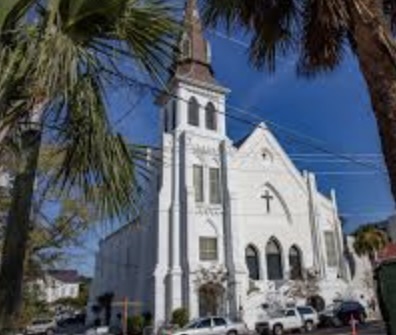
Mother Emanuel AME Church

Cuthbert, Georgia: A Rural Georgia Town

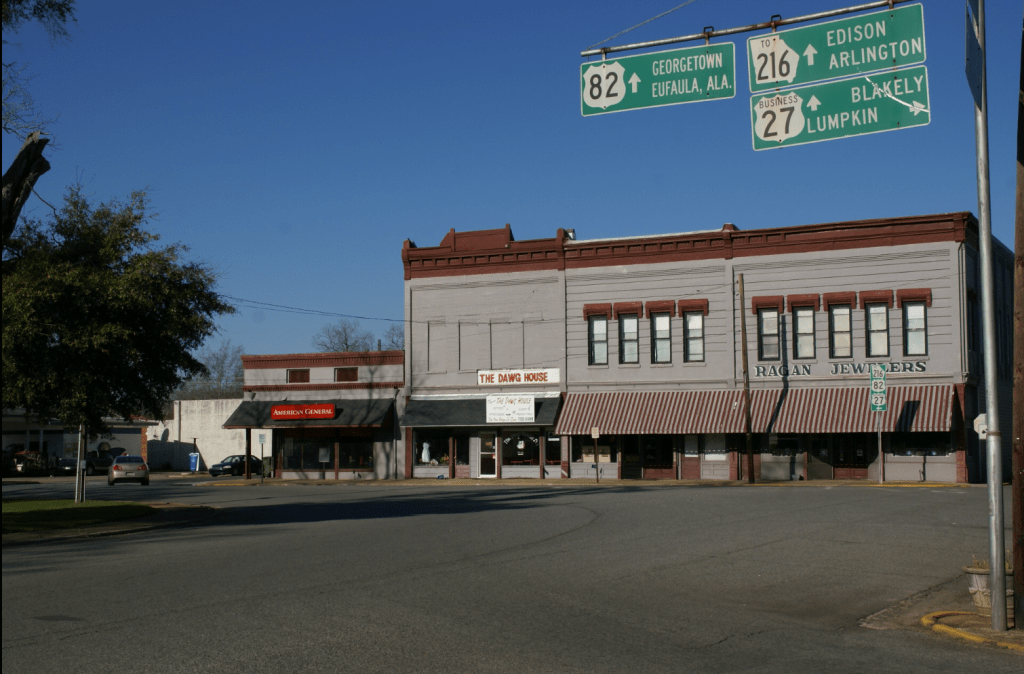
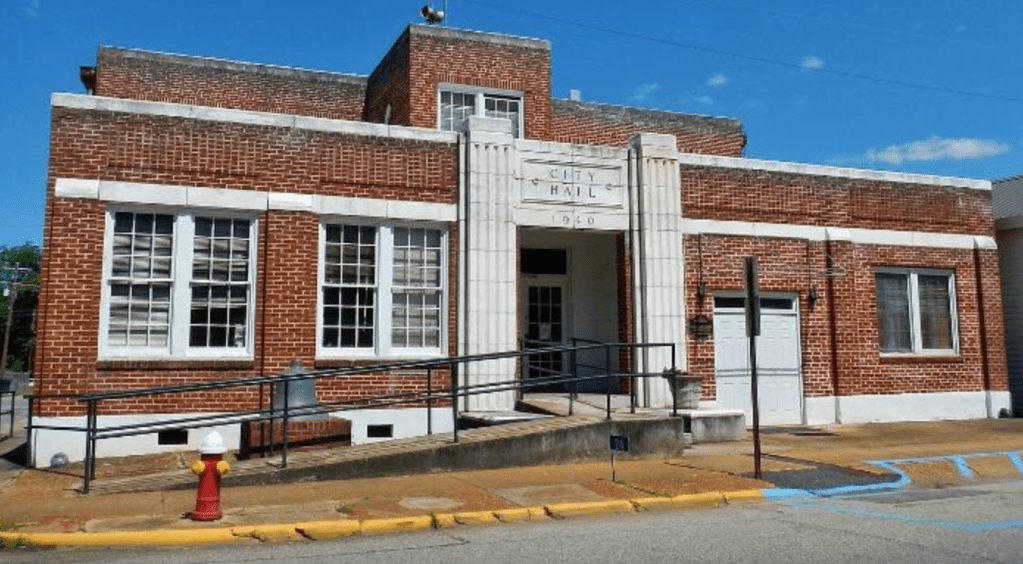
We enjoyed driving less traveled roads through Georgia today. We stopped for gas in Cuthbert, Georgia (population 3,143), on the Jefferson Davis Highway. It is 100 miles from the gulf coast, 100 miles from the closest city (Montgomery, Al) and not near, it seems, anything at all. The City of Cuthbert, incorporated in 1831, is the county seat of  Randolph County, which has a total population of 6,287 people. Most of the buildings, built on Cuthbert town square around 1890, are still there. One surprising thing about Cuthbert is that there are no obvious chain restaurants or motels, except for the ever present Dollar General. Is there a rural town in America that does not have a Dollar General?

According to Wikipedia, the county was developed for cotton plantations, the major commodity crop, and the rural area had a high proportion of enslaved Black workers. Today the Cuthbert population is still 80% Black. The main occupation now is food production as there is a large chicken processing plant owned by Tyson in Cuthbert. Poultry is now the largest sector of Georgia’s agricultural production since the Georgia cotton industry was decimated by the Boll Weevil. The insect first swept into GA in 1915 in dust clouds from the west. By the early 1920s, it had destroyed over 60 % of Georgia’s cotton crops.(New Georgia Encyclopedia)

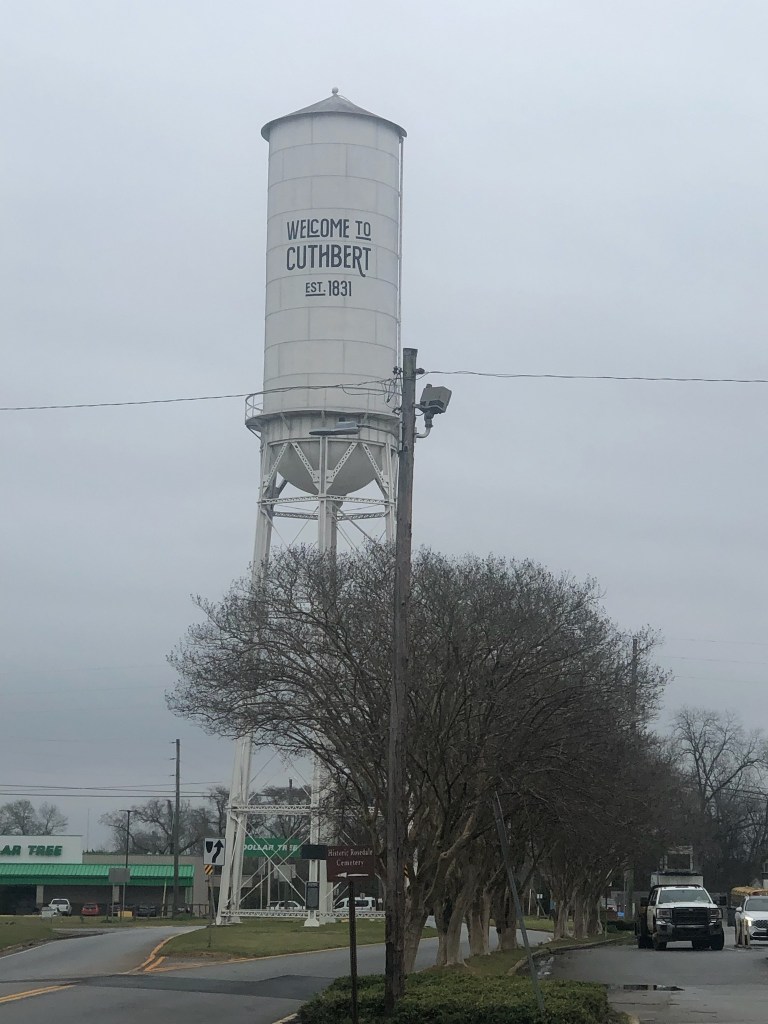
The Cuthbert Water Tower, erected in 1895, has the distinction of being the only water tower in the middle of a federal highway. It is located in the middle of US Highway 82 (Jefferson Davis Highway) and defines the skyline of Cuthbert. For many years, people believed those who drank water from the tower would either stay or return to Cuthbert.

Cuthbert is the birthplace of boxer Larry Holmes, NFL player Rosey Grier and jazz and swing musician Fletcher Henderson Jr. (1897-1952). Another famous person who grew up in Cuthbert heard of is Winfred Rembert, a Black artist who used hand-tools and shoe dye on leather canvases. During a civil rights march in the 1960s, Rembert was arrested without being charged. He spent seven years on a chain gang and survived a lynching.You can watch a short documentary film about Rembert called All Me: The Life and Times of Winfred Rembert. His memoir, Chasing Me to My Grave: An Artist’s Memoir of the Jim Crow South, was published posthumously in September 2021 and won the 2022 Pulitzer Prize for Biography. 

Asheville, North Carolina

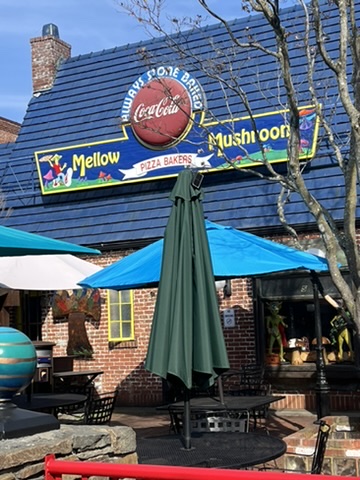
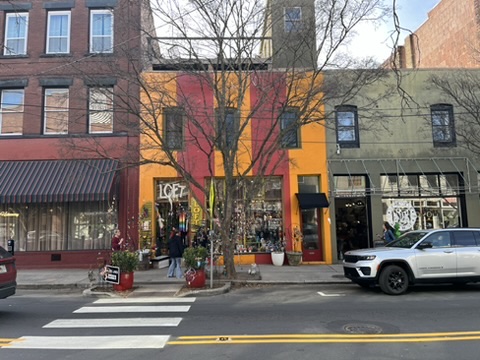
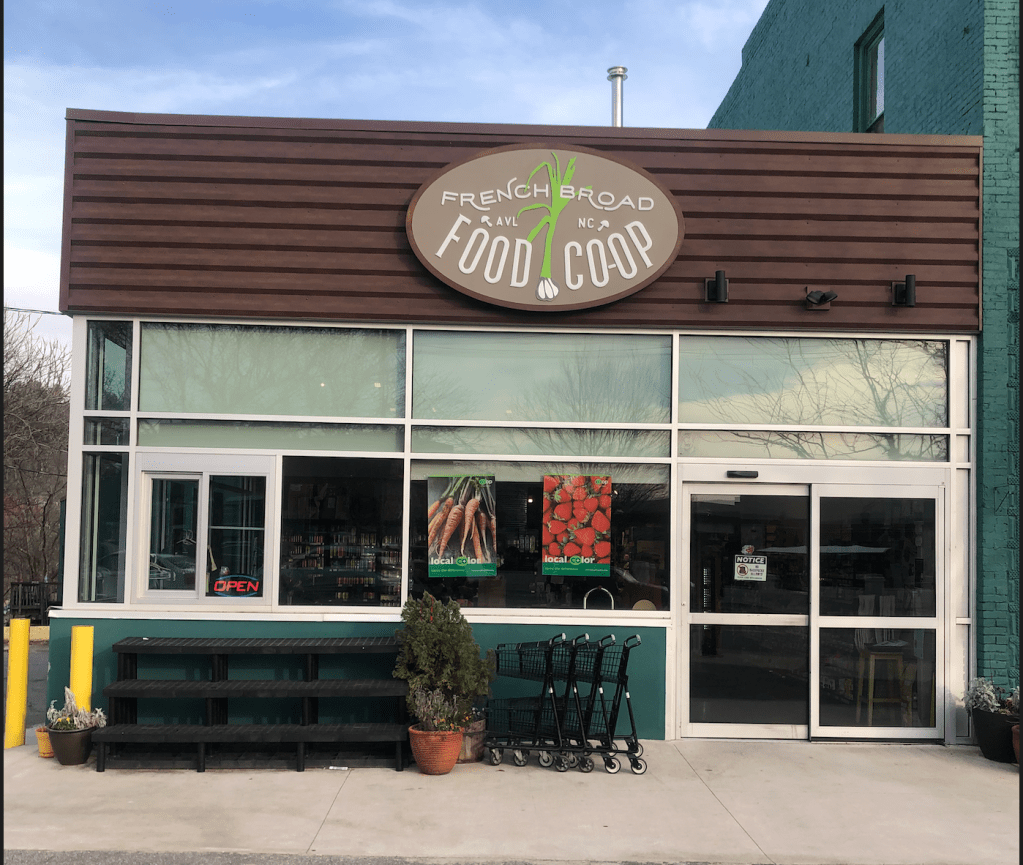
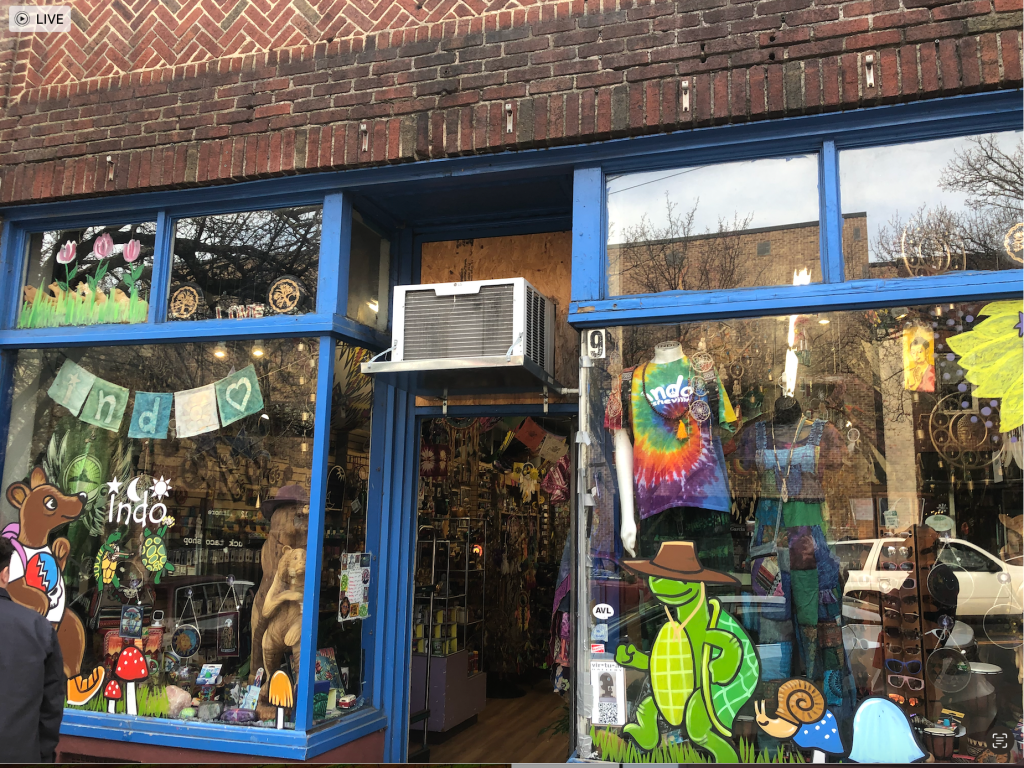
We have been in Asheville, North Carolina for a couple of days. I have to say, Ithaca has nothing on Asheville as a hippy haven! We have been enjoying walking around town seeing the sites.

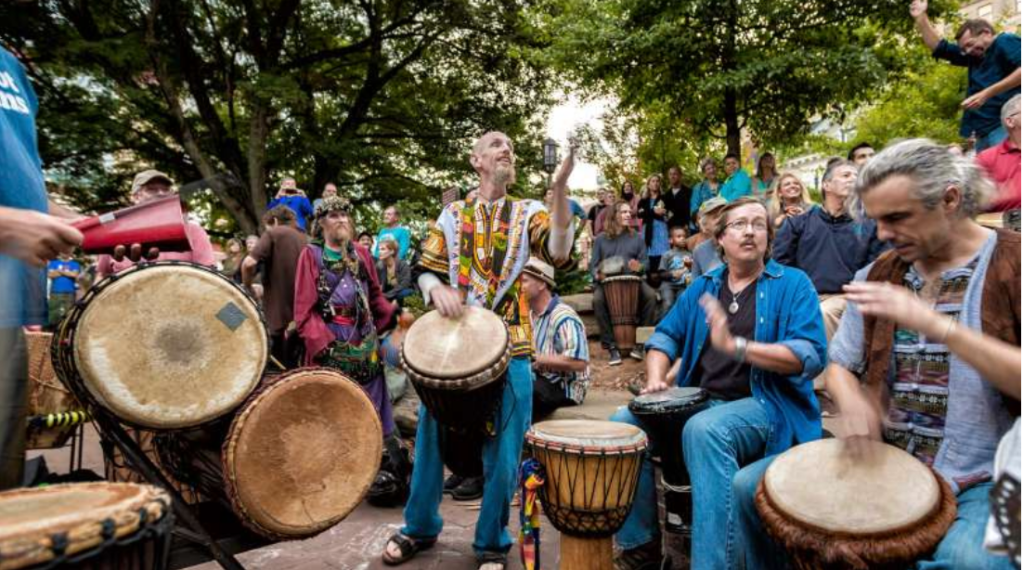
Every Friday night they even have a drum circle in a downtown park.

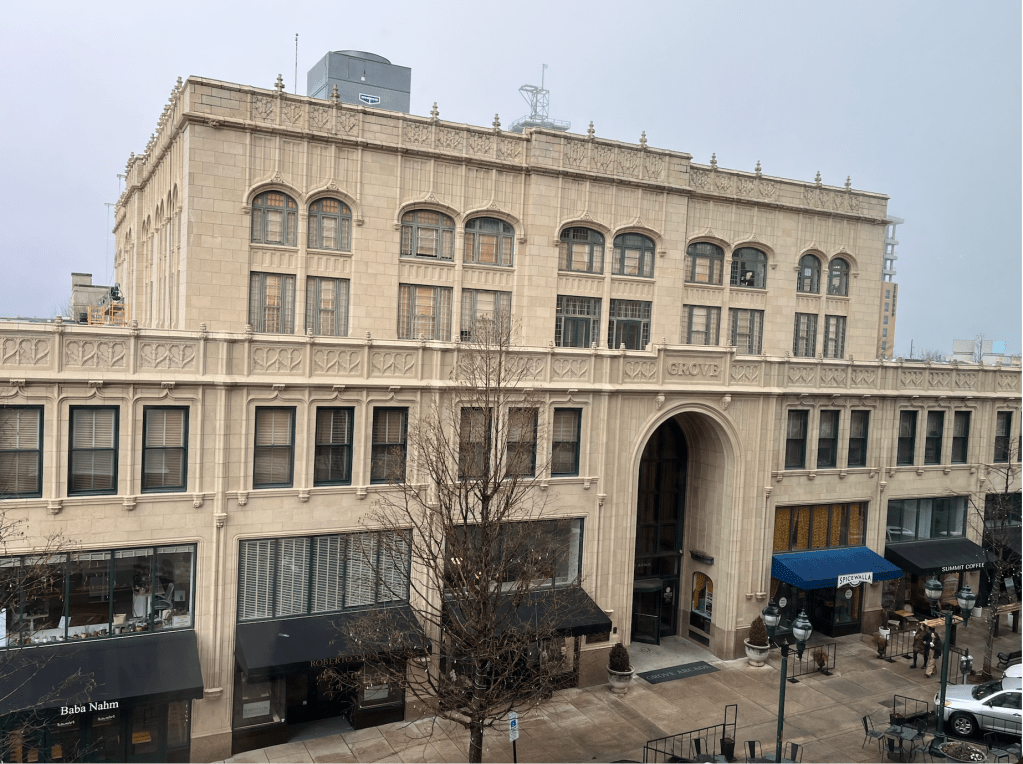
These pictures are of the historic Grove Arcade, a huge indoor mall built in 1929. The first floor of the building (which is a whole block) is stores, the second floor is offices and the top floors are luxury apartments. In 1976, it became the first indoor mall to be added to the National Register of Historic Places.

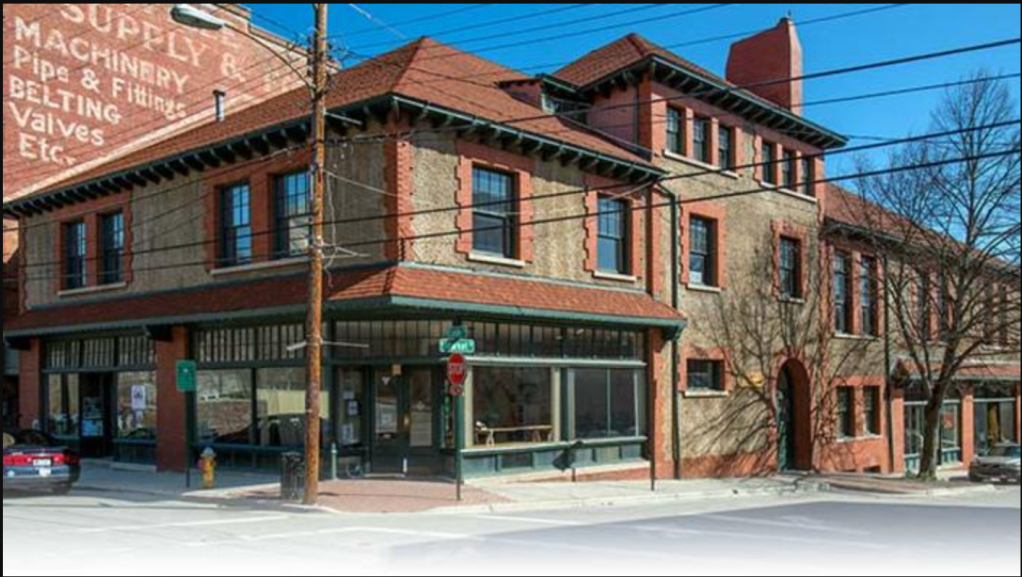
YMI Culture Center in Asheville houses art galleries, classes and performances in African-American cultural art and history. It was founded in 1893 in the Black business district as the Young mens Institute to give Black people a safe place to gather. Here is an interesting article about The Block and efforts to bring back a once thriving Black business district.

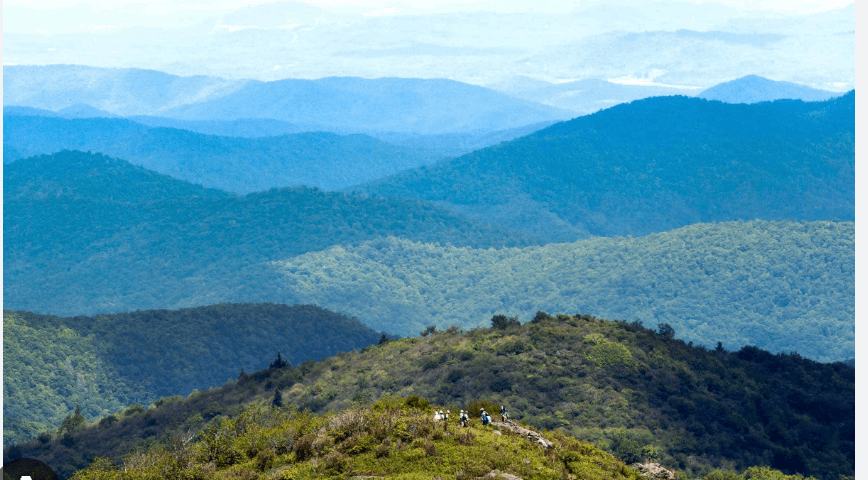
And of course there are the beautiful Blue Ridge Mountains with Mt. Mitchell, (elevation 6,684 feet) the highest mountain east of the Mississipi, which we can see from our hotel room.

I can understand why many Ithacans choose Asheville as their escape from winter instead of Florida.

The Economic Boom and Bust in Coal Country

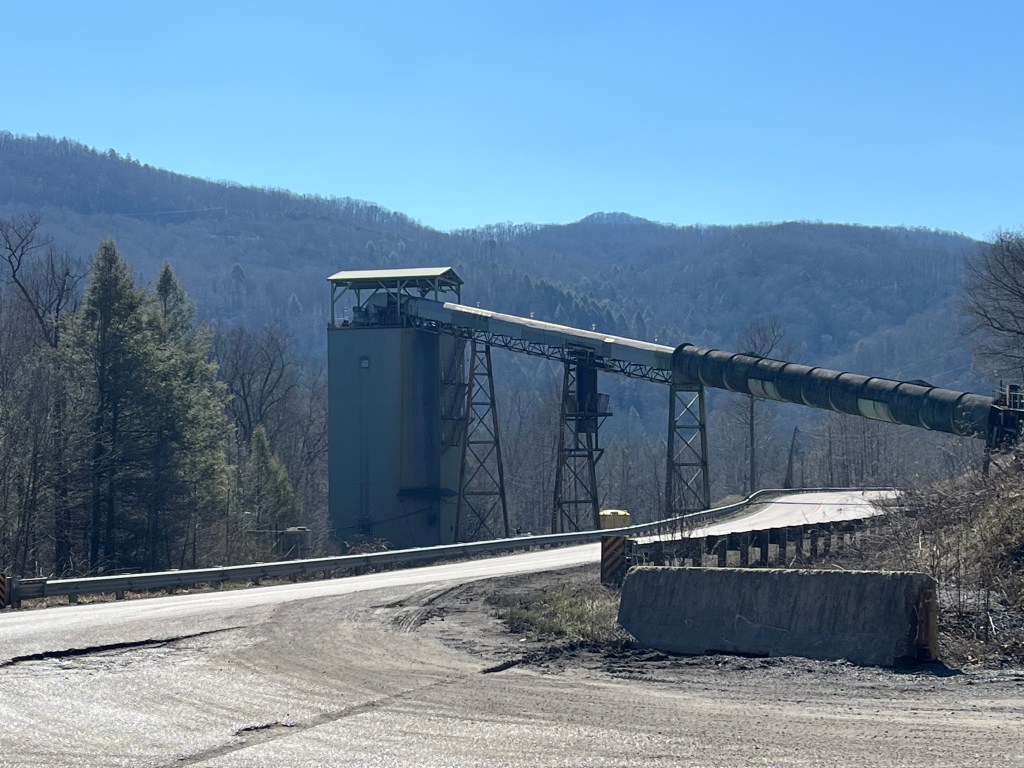
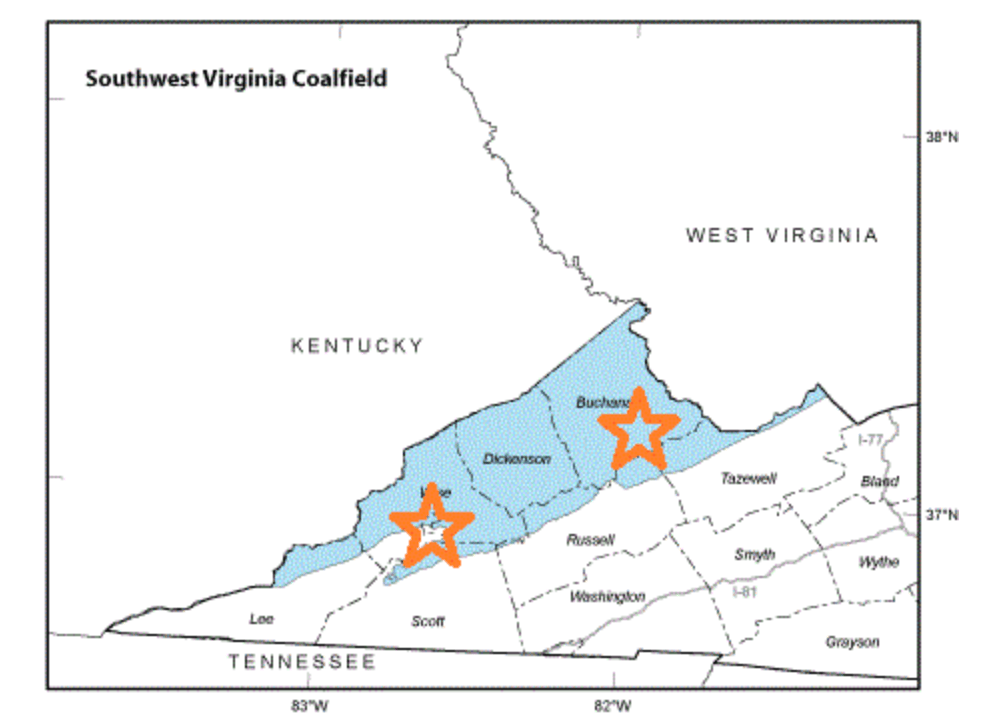
We are now in the heart of coal country in southern Virginia near the Kentucky border. Almost all of the small towns carved out of the steep mountains are decreasing in population and struggling to replace coal as an economic engine for the community. The large coal companies have left for places like Colorado, leaving small outfits like the one above.

In the 1880s, coal deposits became the dominant resource utilized in the area. Immigration trends and economic conditions across the country attracted many people to the area for work, including African Americans and Irish, Polish, Italian, and Hungarian immigrants. In the 1970s, the change in regulations and the OPEC oil embargo drove up the price of coal and created a boom for the coal economy in the region. New mines were opened and existing mines expanded. The boom lasted until 1983, when coal prices declined, mines were opened in western states in the U.S and mining technology reduced the demand for coal miners.The boom turned into a bust. (https://www.jstor.org/stable/3590402) As our country attempts to deal with climate change, regulations have been put in place to reduce greenhouse gas emissions and protect public health. And coal is being replaced by lower-cost natural gas and renewable energy sources.

So what are these communities to do? They are isolated, with no population centers close by to attract new business customers or commute to new jobs. There are still jobs in the lumber industry, confirmed by all of the log trucks we passed on the mountain roads, although this industry is in decline as well. And they do have another major rural employer in Wise County, the prison industry. Virginia’s two highest security “super max” state prisons are located in Wise County: Red Onion State Prison, opened in 1998, and Wallens Ridge State Prison, opened in 1999.[3](Wikepedia). According to a local former miner we spoke with, many former coal miners have become prison guards. But this is not keeping the towns thriving. There are many boarded up stores and signs of decline.

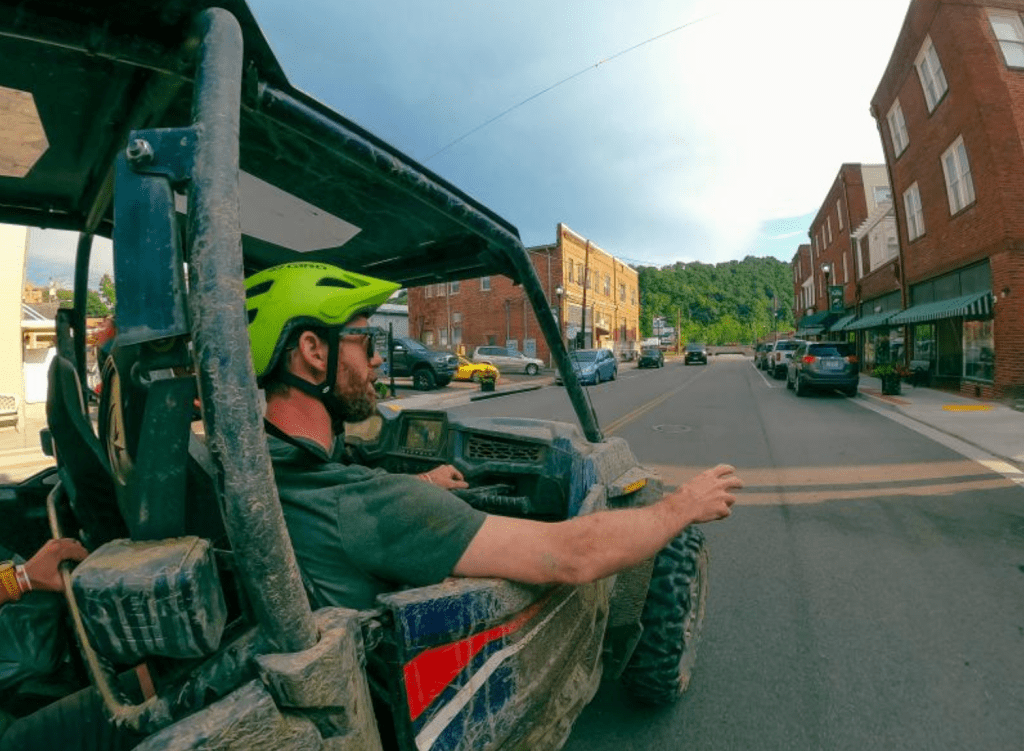
Many of the towns are trying to attract outdoor adventure tourists. A big attraction now is atv trailing that takes advantage of the steep mountain trails; we saw that in several towns they allow atvs on the town streets. It is not at all clear that many of these towns will make a come back, although not for lack of effort. We met Jim, a lawyer in Williamson, WV, who was working hard on bringing the arts and other tourist attractions to Williamson. It is clear there is a great deal of effort expended to recreate these tiny towns.

Blog at WordPress.com.

Up ↑