McLeod Plantation: A Site of Consciousness

Yesterday we visited McLeod Plantation, one of many former southern plantation’s that gives tours near Charleston, South Carolina. A major difference berween the McLeod Plantation and all of the others is that it is owned by Charleston County Park, Recreation and Tourism Commission rather than the heirs of the original planation owners. It is also a member of the International Coalition of Sites of Consciousness, that focuses on transforming places that preserve the past into spaces that promote civic action.

The McLeod Plantation has been controversial because it introduces you to the Gathers and Dawson families, who were enslaved on the plantation, as well as the McLeods. It talks about the free black Massachusetts 55th Volunteer Infantry emancipating the enslaved people and using the planation as headquarters as well as the plantation being the headquarters for the James Island Freedman’s Bureau during Reconstruction. It tells the truth about the brutal treatment of the enslaved people on a sea island cotton plantation and the plight of Black folks in Charleston even to this day.
Here is a video describing the McLeod Planation tour. If the video does not load, here is the link: https://www.ccprc.com/1447/McLeod-Plantation-Historic-Site

In case you cannot tell, if you find yourself in Charleston, highly recommend this tour!
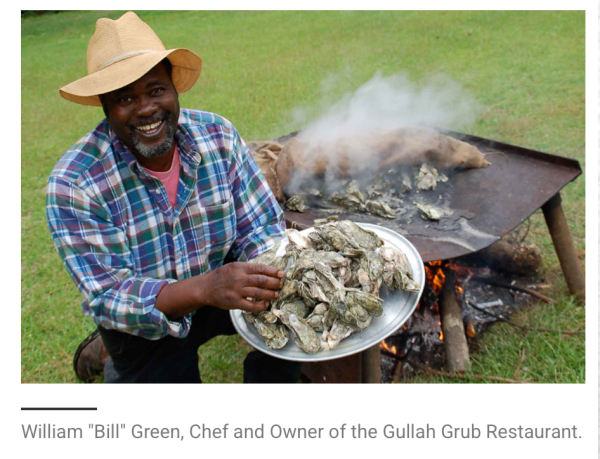
Gullah Grub: Low Country Flavor

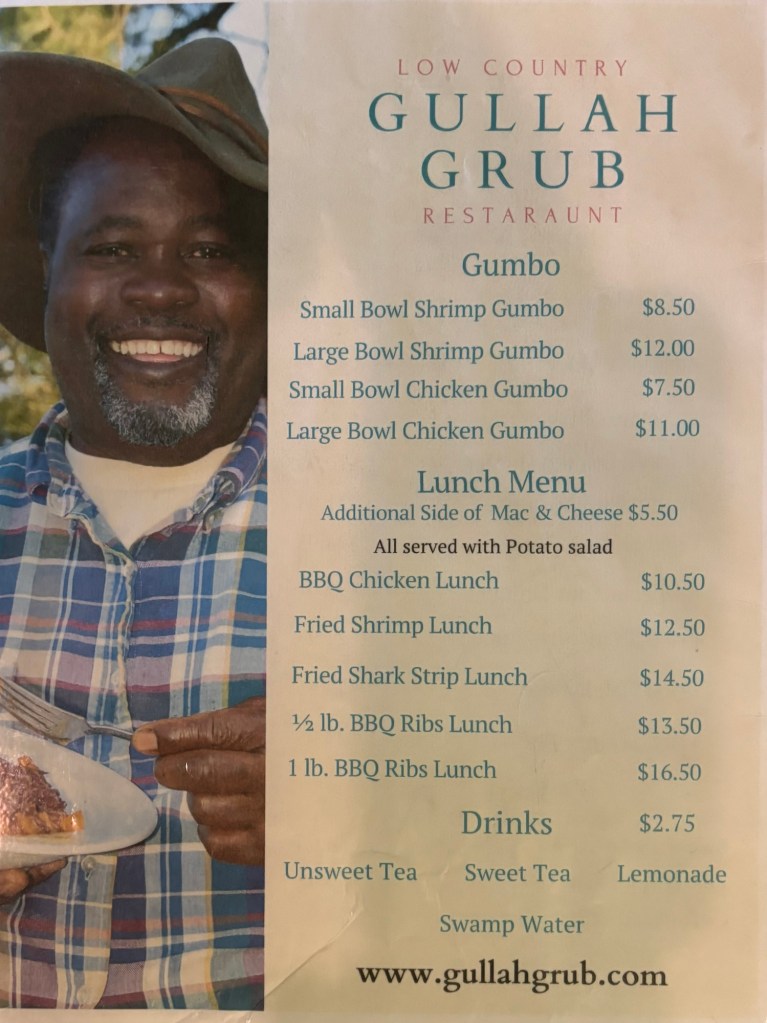
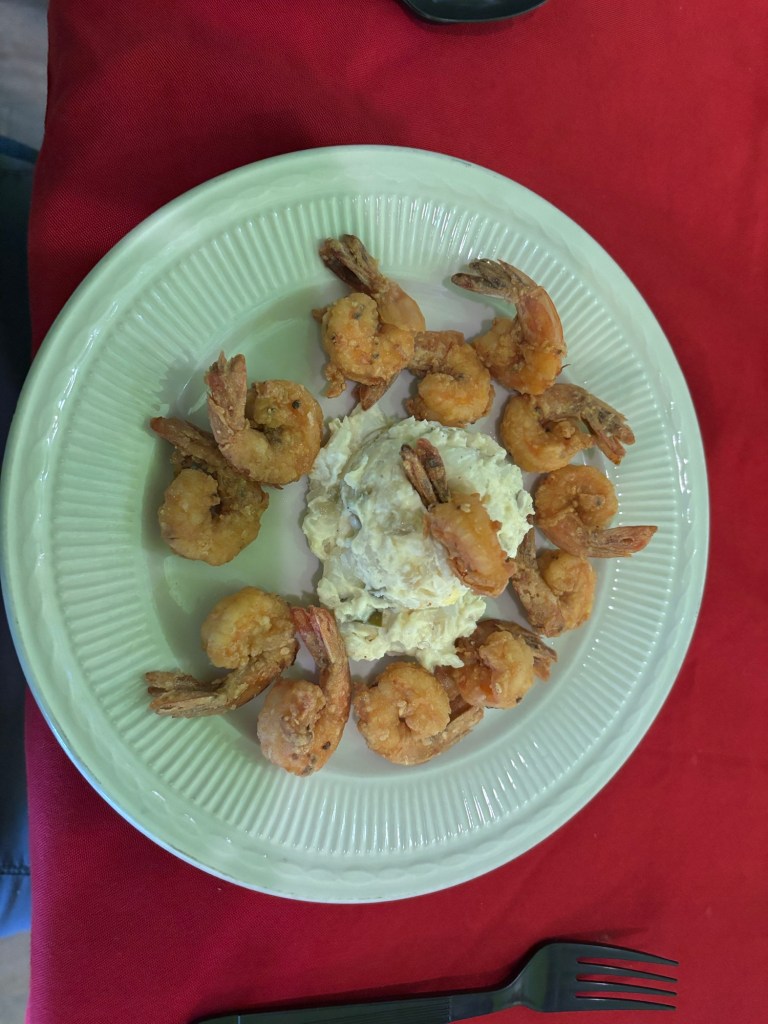
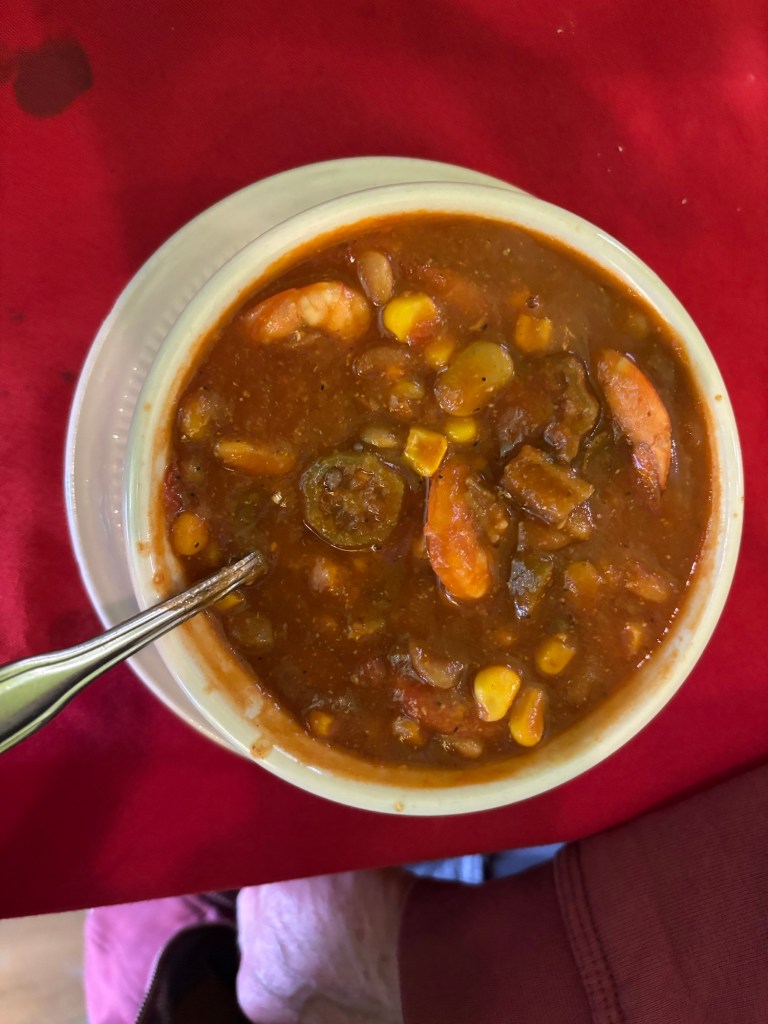
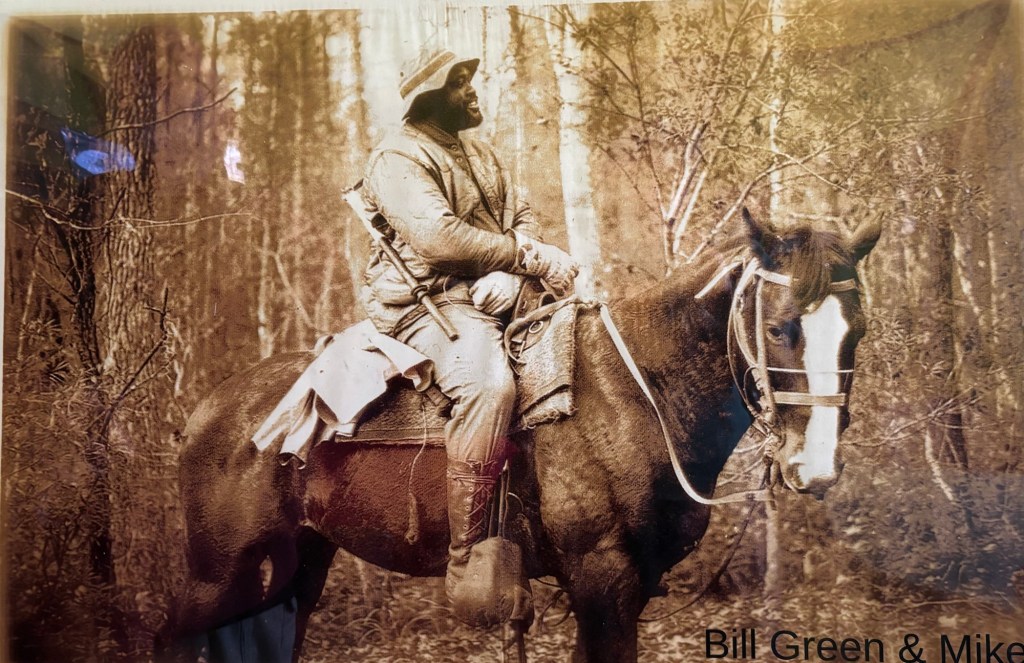
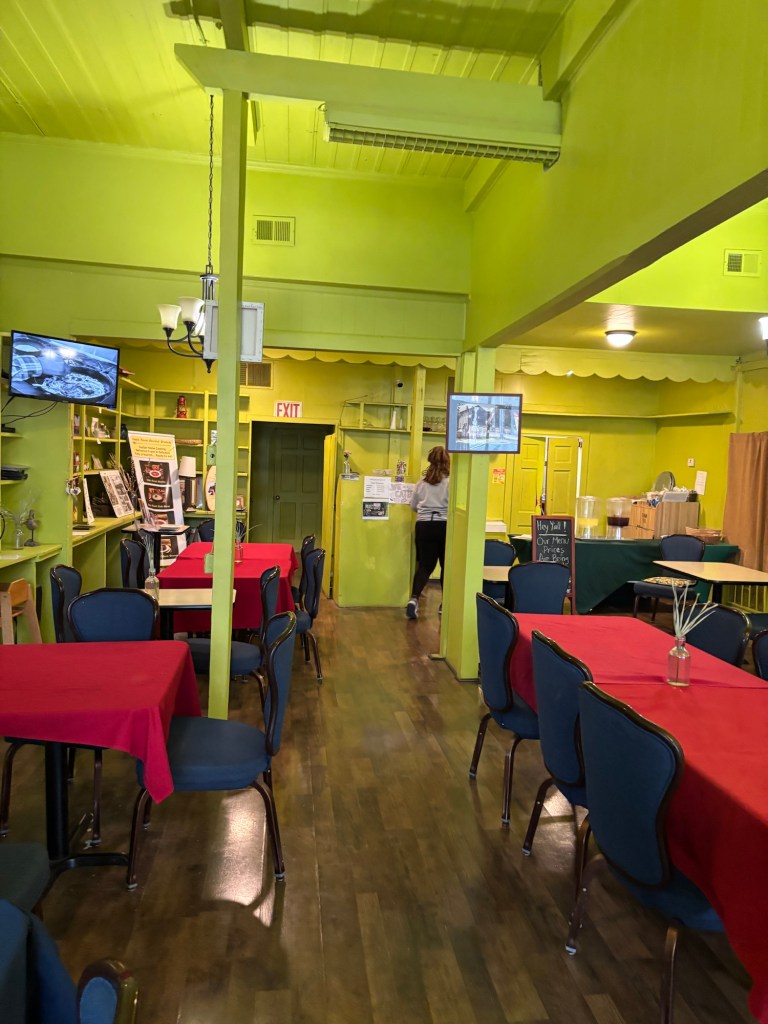
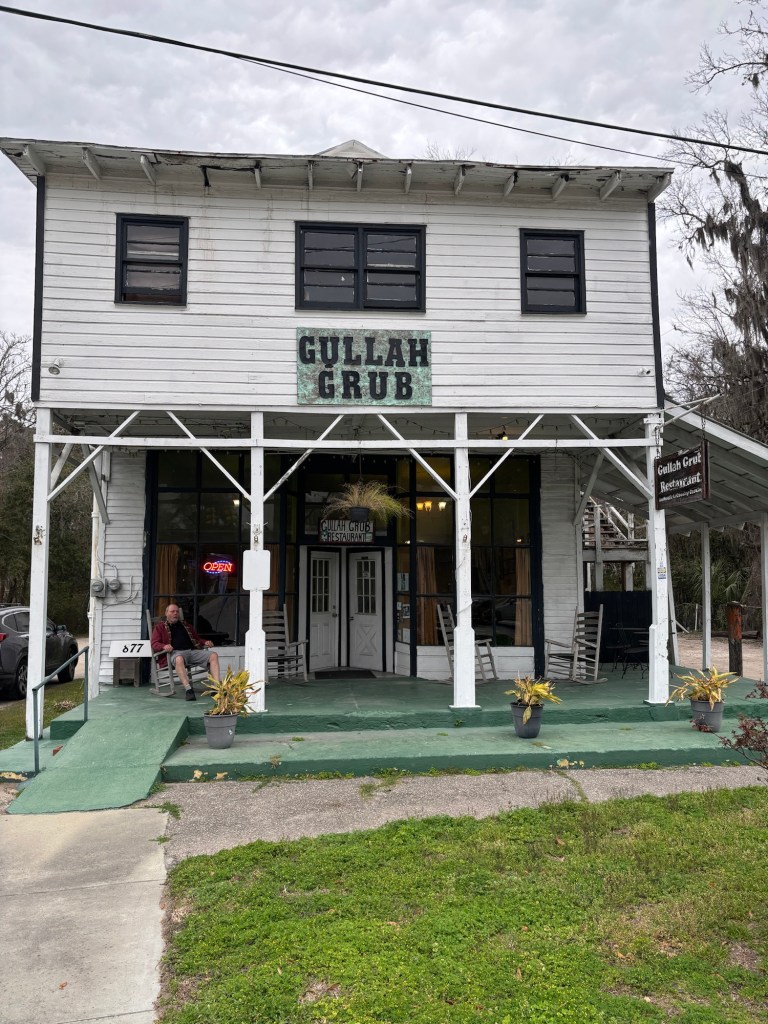
What to do on a rainy day? We decided it was a good day to check out the local cuisine. We are on St. Helena Island near Beaufort, SC. having lunch at the Gullah Grub Restaurant.. The Gullah Grub restaurant serves real Low Country meals that follow the Gullah traditions of eating fresh, local and in season. Owner and Chef Bill Green will cook you up some delectable local dishes.

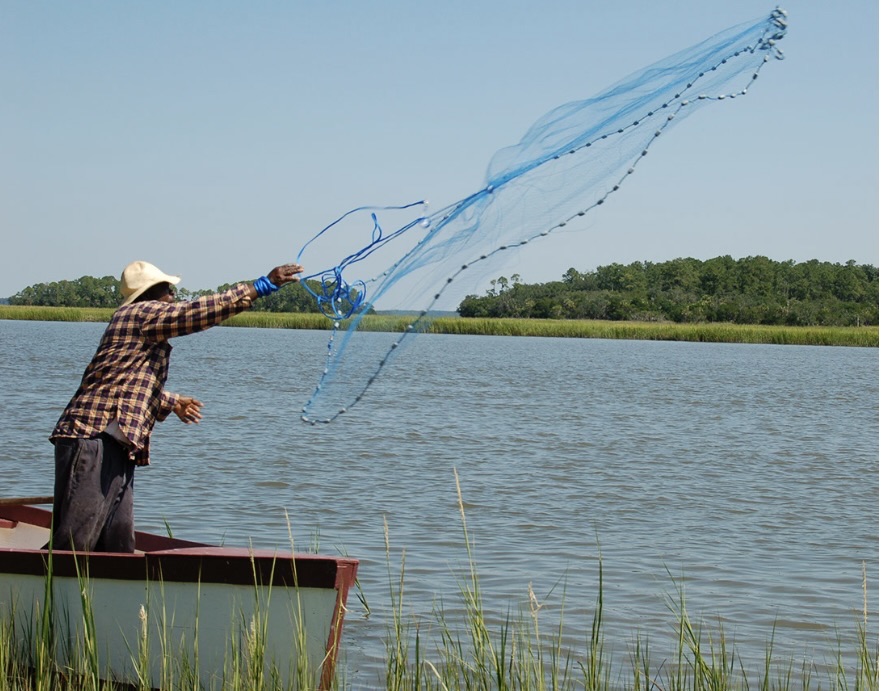
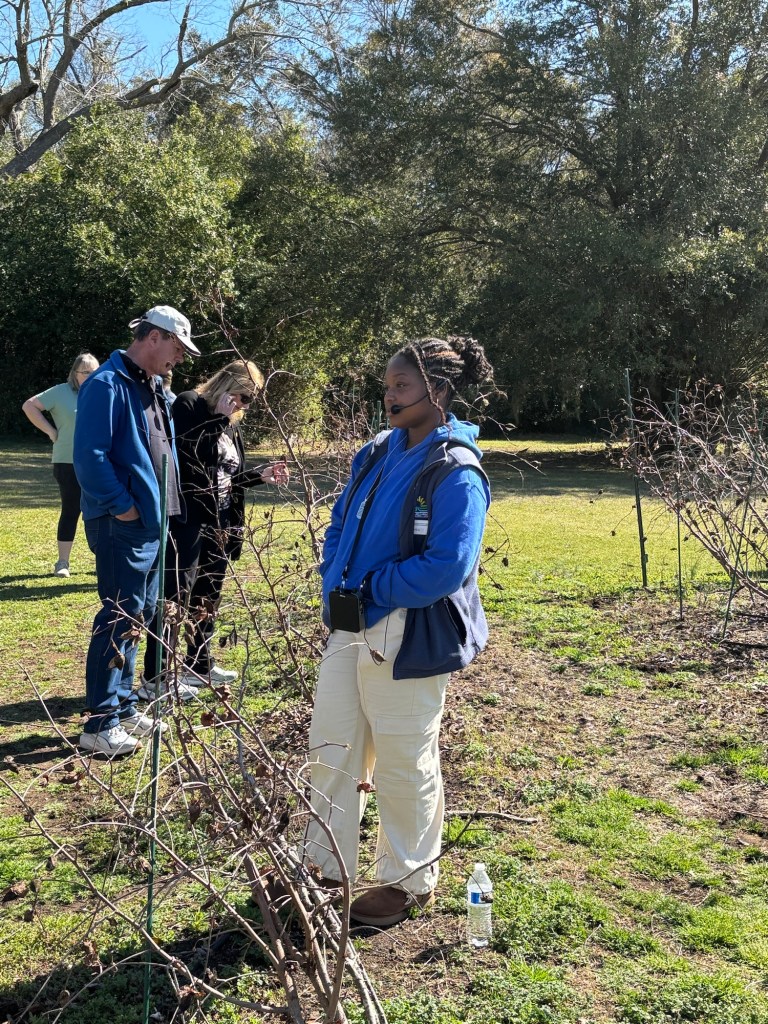
Chef Bill is an avid hunter, fisherman and gardener. He has grown his own organic rice, and serves locally sourced meat and seafood he sometimes catches himself.

We recommend that if you find yourself on the South Carolina Sea Islands in Beaufort County, you visit Chef Bill in the Gullah Grub Restaurant for some local flavor.

Something Lost: Magnolia Beach Hotel

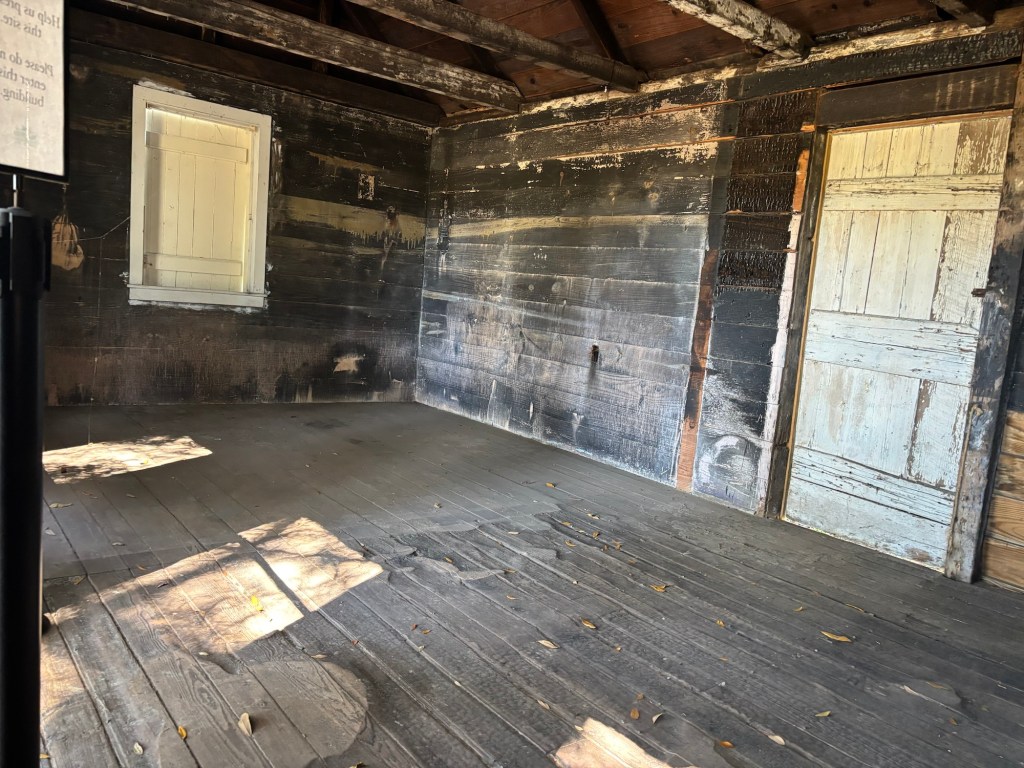
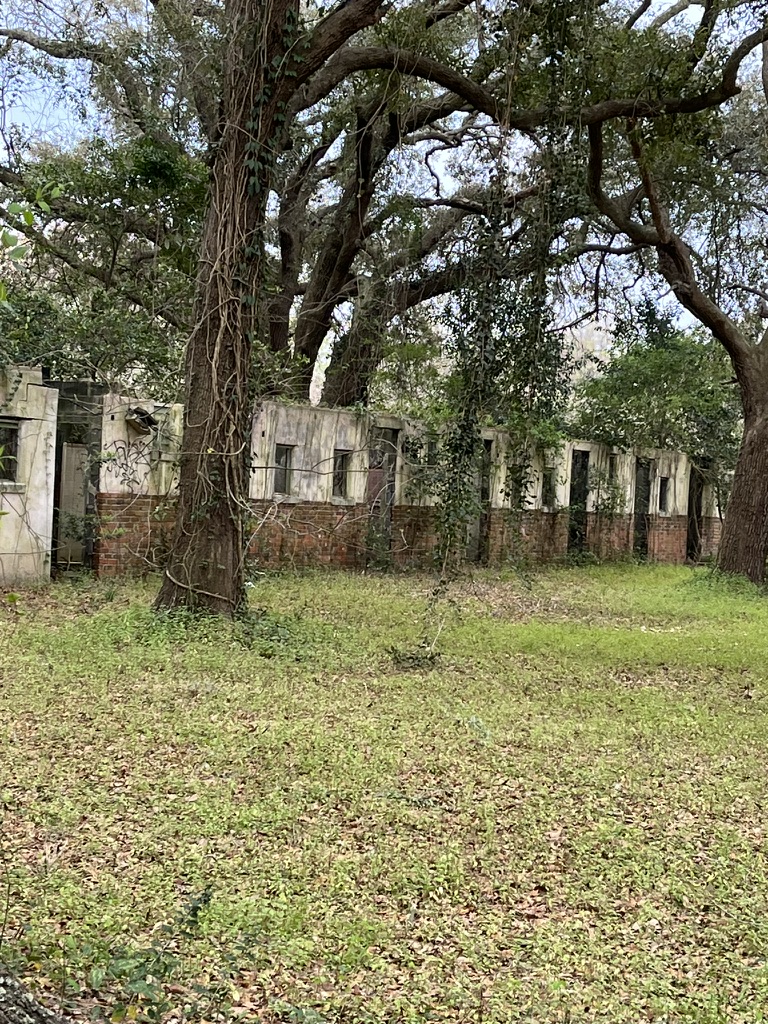
Remains of Magnolia Beach Hotel in Georgetown, South Carolina

In our travel we have come across abandoned African American resorts all across the country. While we would never want to turn back hard won victories during the civil rights movement, it is sad that these vibrant vacation spots for the African American community were lost.

The Magnolia Beach Hotel, built in the 1930’s during the time of segregation in the South, was a popular destination for local and visiting African Americans. It was listed in the Green Book and was known for its vibrant nightlife. It hosted many famous performers of the day- Duke Ellington, Louis Armstrong, and Pearl Bailey were among the famous acts. The hotel and Beach were destroyed in 1954 by Hurricane Hazel and was never rebuilt.

Charleston, South Carolina: The Holy City

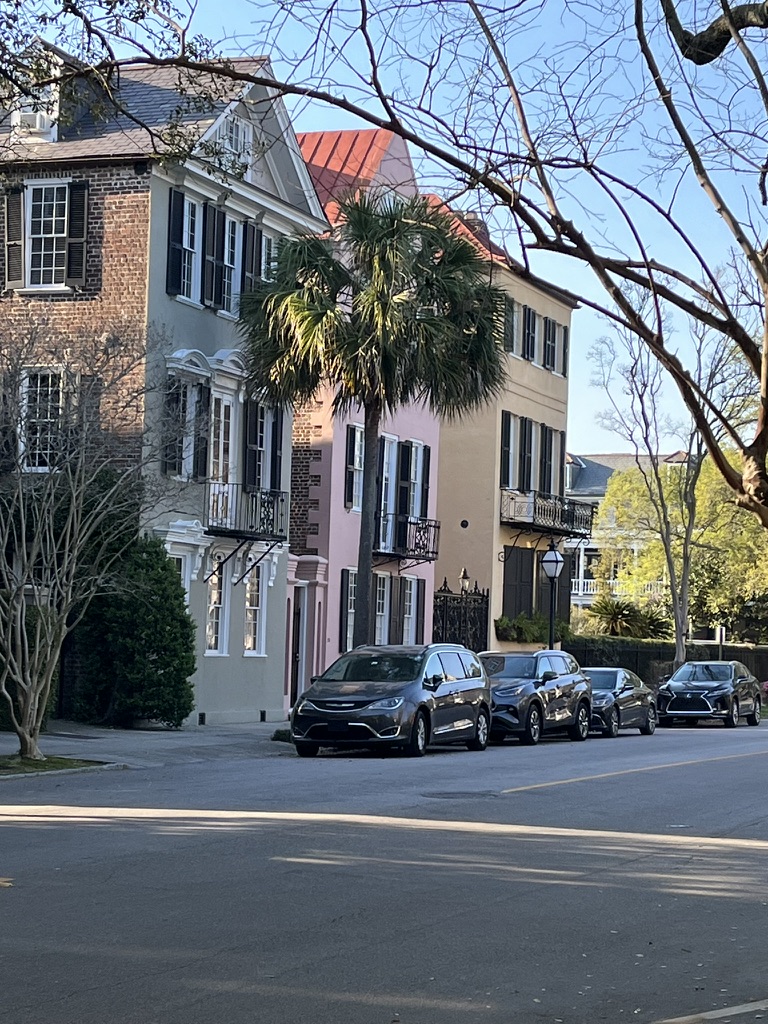
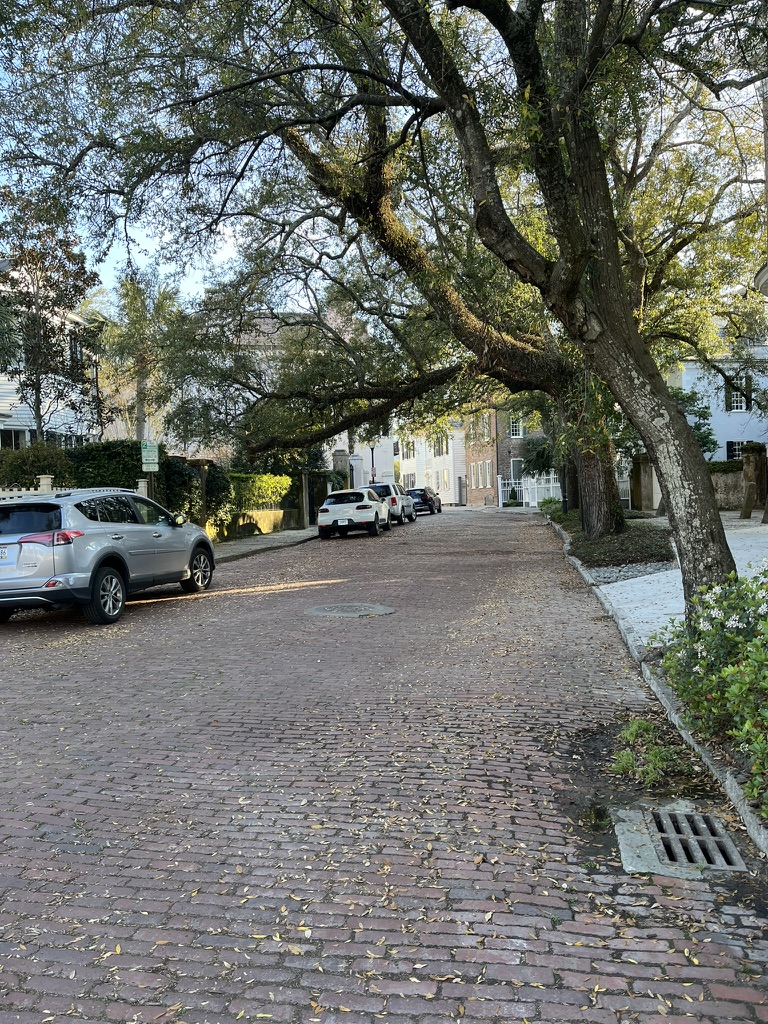
Charleston, South Carolina really is a beautiful and interesting city. I had forgotten that it was one of the original 13 colonies from the founding of the U.S. and has many buildings dating to the colonial period.

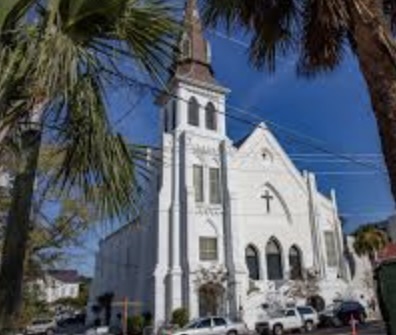
One interesting fact is that there is a city ordinance saying that no building may be built taller than the tallest church steeple. Charleston is known as the “Holy City” because of it’s religious tolerance and the abundance of places of worship. Though the history of Charleston’s nickname is hotly debated, one thing remains clear: it’s home to one of the largest concentrations of churches in the U.S. (including some of the country’s oldest congregations). It is worth noting that this tolerance came over time- the famous Mother Emanuel African Methodist Episcopal Church, the first Black church built in 1818, faced major discrimination and hostility. State and city ordinances at the time limited worship services by black people to daylight hours, required that a majority of congregants in a given church be white, and prohibited black literacy. In 1818, Charleston officials arrested 140 black church members and sentenced eight church leaders to fines and lashes. City officials again raided Emanuel AME Church in 1820 and 1821 in a pattern of harassment. (Wikipedia).

Mother Emanuel AME Church

Honoring Untold African American Stories

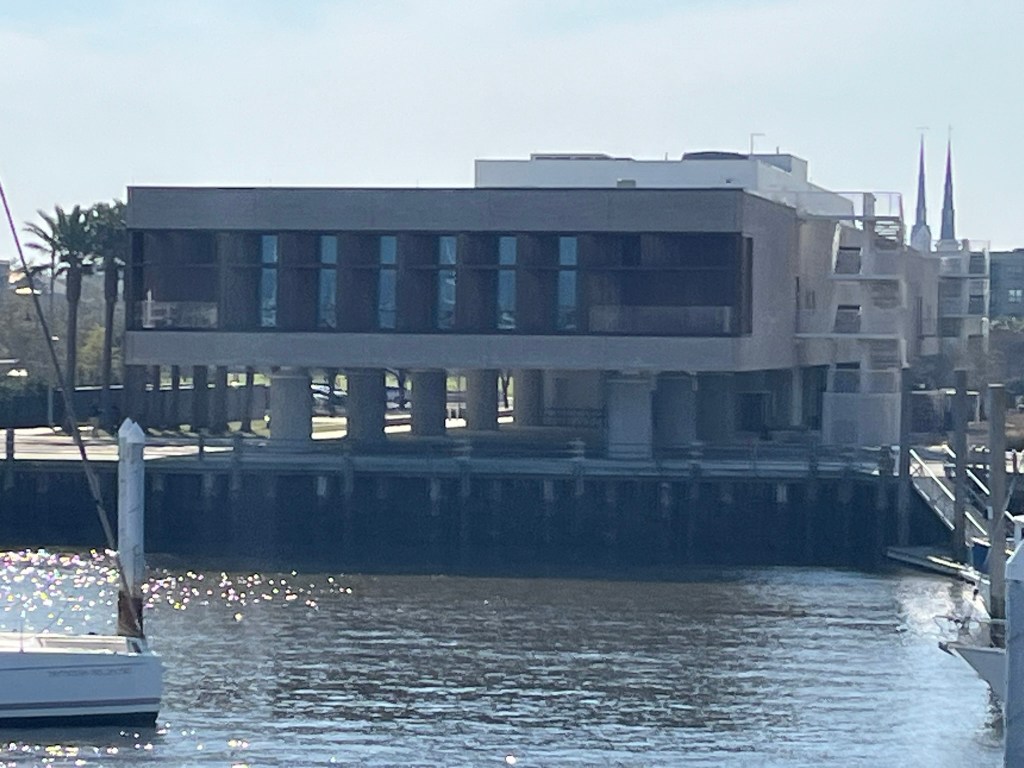
The new International African American Museum in Charleston, South Carolina is definitely worth a visit. Built on Gadsden’s Wharf, where 40% of all American enslaved persons entered the country, the museum has an interesting focus on reconnecting African American families with their history and ancestors through their Center for Family History. Here is a PBS news story about the genealogy research center.

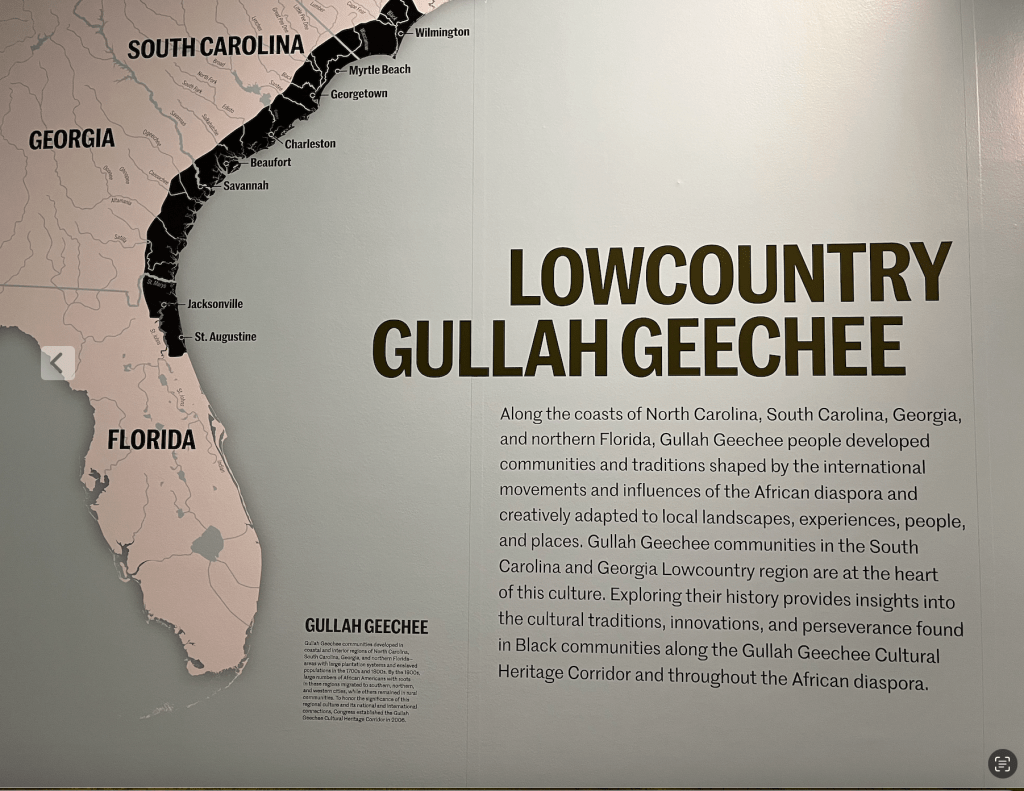
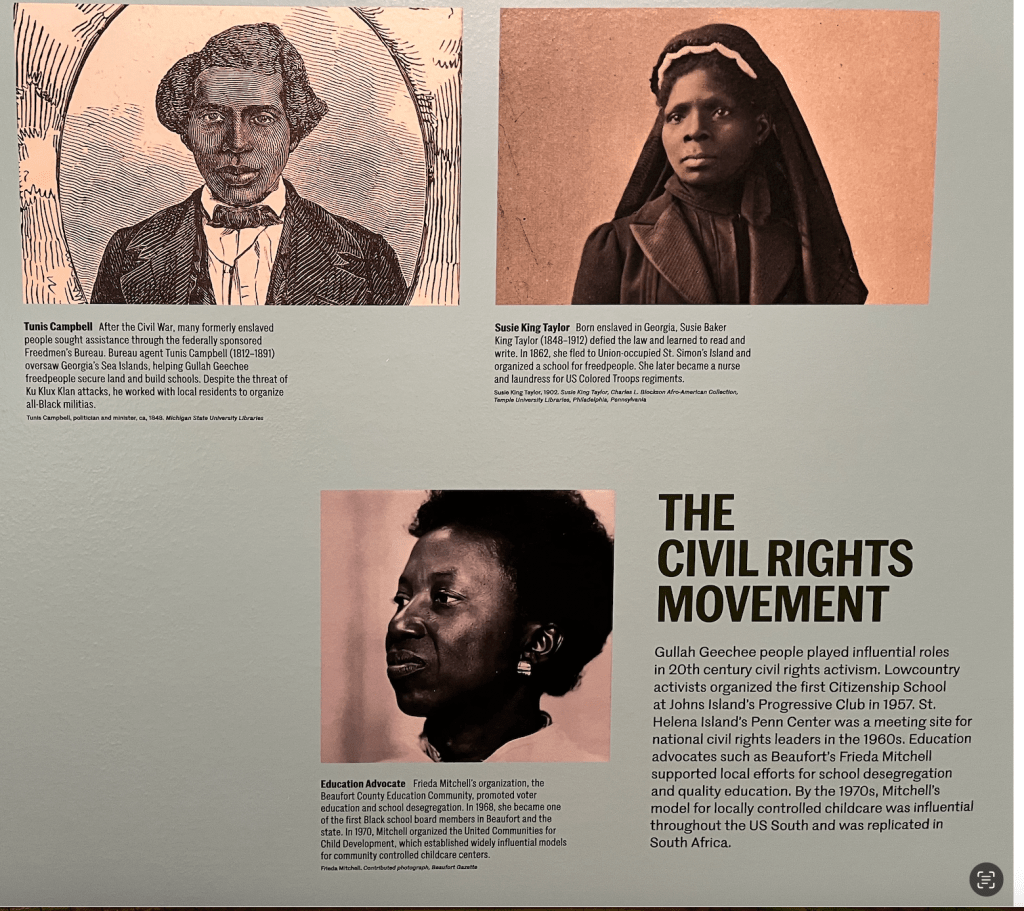
The museum has a large exhibit on the Gullah Geechee of the Carolinas, Florida and Georgia Low Country.

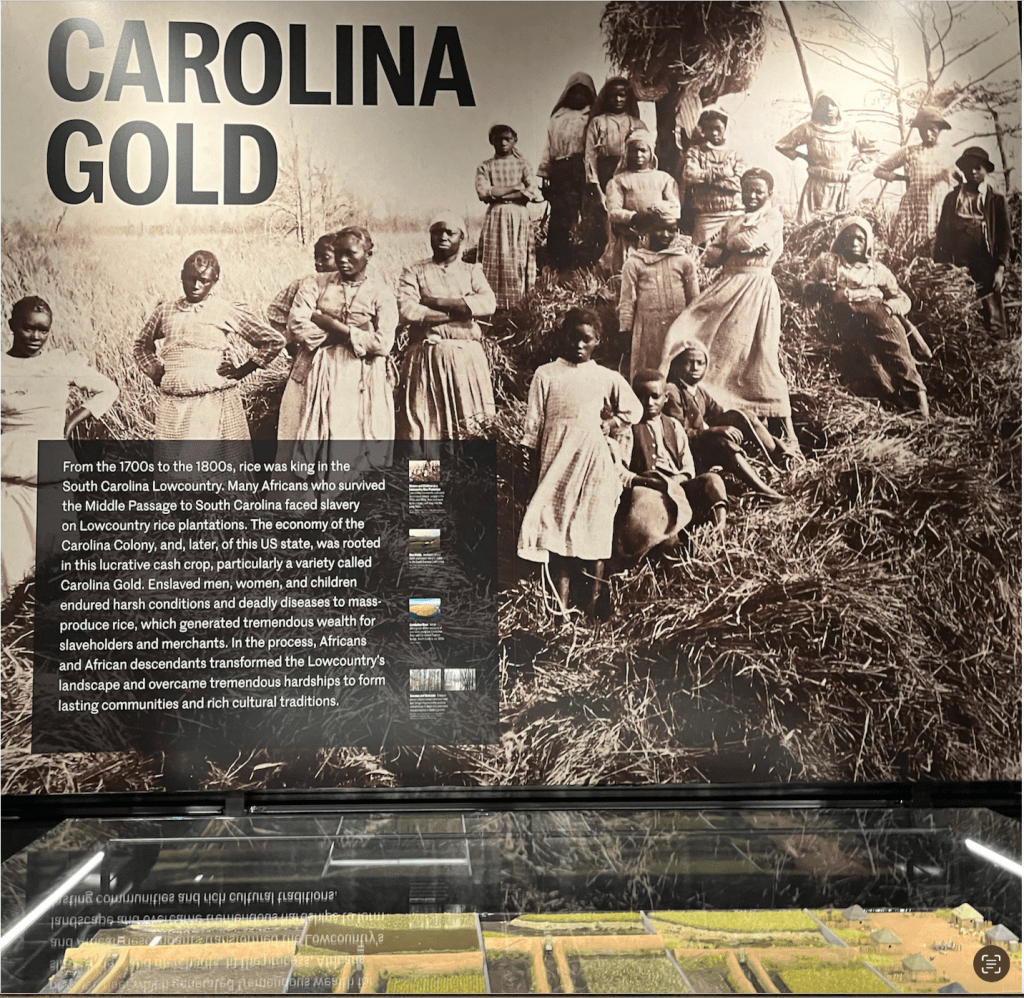
You can also learn about Carolina Gold- the rice industry in South Carolina that was developed by enslaved people who brought the knowledge of rice production from their homeland in Africa..

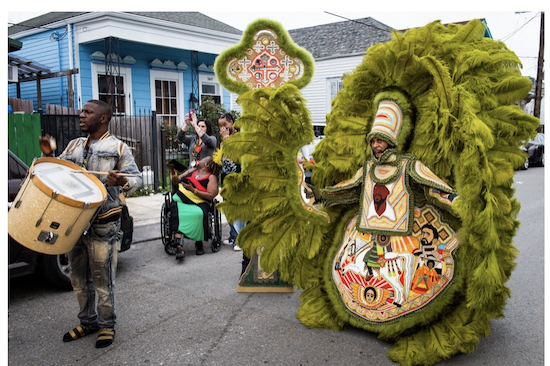
They also had a movie about the Black Indian society for the New Orleans Mardi Gras. Many enslaved people were taken in by the Seminoles and that history is celebrated during Mardi Gras.

As we visit museums on the Civil Rights Trail, we have noticed that the info can get somewhat repetitive. This museum presents information that I have not seen elsewhere. I encourage you to visit!

Blog at WordPress.com.

Up ↑