Wild Goose Jack

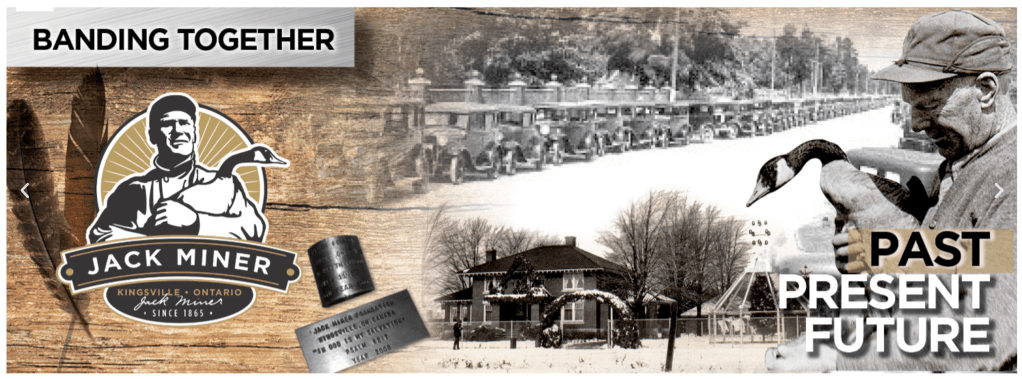
Jack Miner (April 10, 1865 – November 3, 1944) sometimes known as “Wild Goose Jack” was one of the first Canadian bird conservationist, who known for changing the migratory route of the Canada Goose. Jack lived most of his life near Kingsville, Ontario. His parents, who emigrated from England , were enticed to Canada by the Free Grants and Homestead Act of 1868. If a homesteader cleared and cultivated 15 acres of land and built a dwelling at least 16 x 20 feet within five years, they got title to the land. Jack who never had a formal education and was illiterate until he was 33 years old, worked as a hunter, trapper and farmer.

1n 1904 Jack noticed that Canadian geese were stopping at his pond in the spring on their migration North. He bought 7 tamed Canadian geese to live on the pond, hoping to attract wild geese. It took 4 years, but finally geese and ducks were arriving in great numbers. He expanded the size of his pond and by 1913 his entire homestead was a bird sanctuary.

Until 1909, the location of migrating Canadian Geese summer summer breeding grounds were unknown. Miner developed a method for banding birds for the first time. His hand stamped bands included his address and a bible verse. That fall he started receiving tags from eastern shore of James BayHudson Bay, and as far abroad as Baffin Island.[3] A second route south into the United States followed the Mississippi Flyaway, into states such as North and South CarolinaGeorgiaAlabama and the gulf coasts of Florida.[4] He was for thre first time able to map the migration routes of the geese.

In 1923, Miner published an account of his banding methods and waterfowl conservation studies in Jack Miner and the Birds. It was very popular: all 4000 copies of the first print-run sold out in nine months. The book is still in print.[5] The Jack Miner Bird Sanctuary is still a popular spot for bird-watching.

Kingsville, Ontario

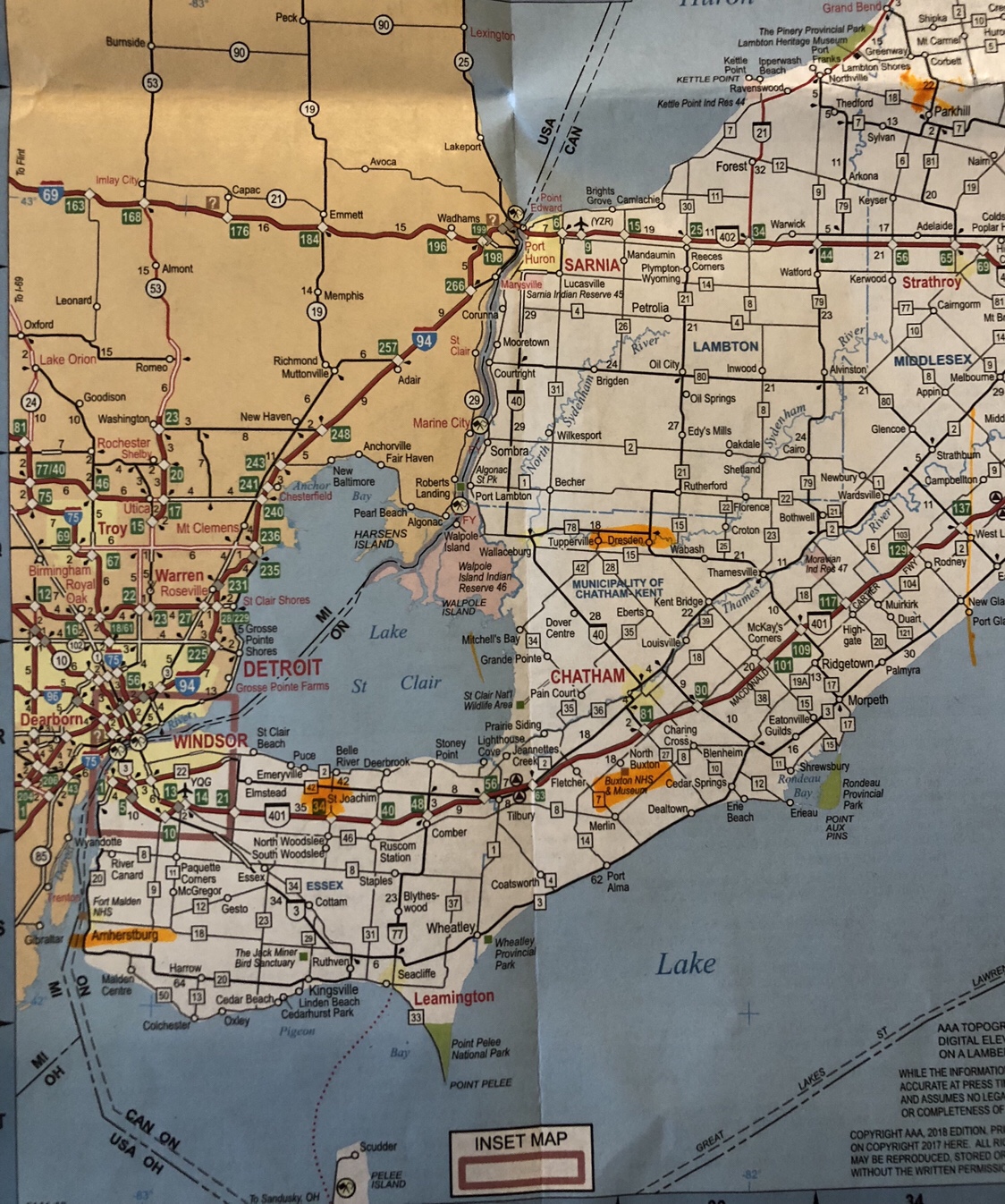
Our first stop is in Kingsville. Ontario, the southernmost town in Canada, with a population of  23,968 . It is on the shores of Erie Lake and home to dozens of vineyards and farms. The Kingsville area boasts one of the largest concentrations of vegetable greenhouses in North America. These greenhouses produce tomatoes, cucumbers, peppers, strawberries, flowers and potted plants.

Kingsville and the Essex County region sell themselves as an affordable place to live and do business. They claim that the cost of their land is among the lowest on the continent, and their housing prices are low compared to the rest of Canada.  Kingsville is just 35 minutes from to the busiest border crossing in North America (Detroit) making Kingsville a desirable location!

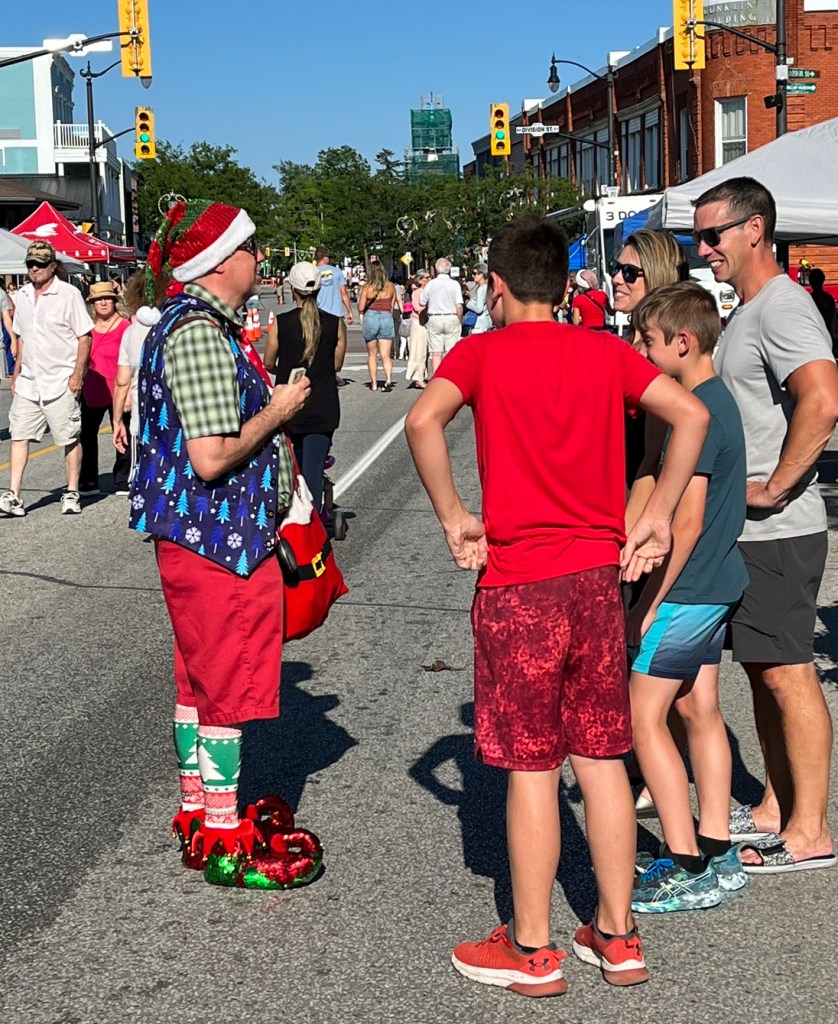
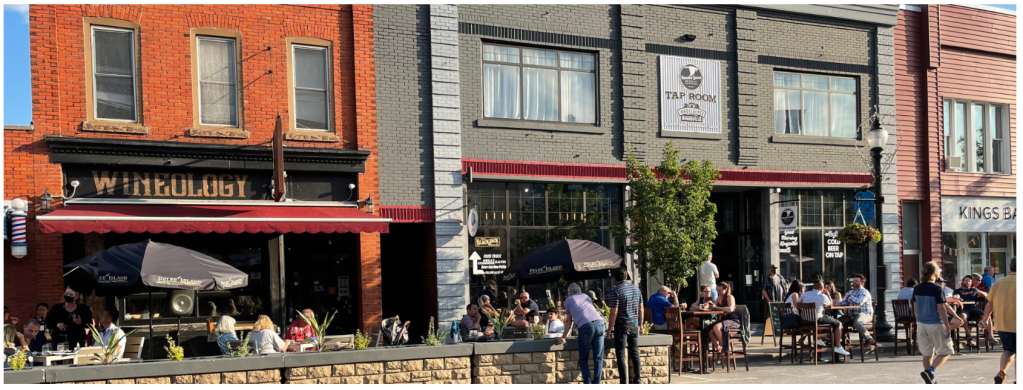
We arrived on a Saturday, when they close Main Street, right in front of our hotel and have all kinds of family activities in the street- games, vendors, food trucks a bagpipe marching band, and a dance band. The theme was Christmas in July. We really enjoyed ourselves.

At the End of the Underground Railroad- Part One

Today we arrived in Chatham- Kent, a small city in Ontario, above Lake Erie about an hour from Detroit.

According to the city welcome website, Chatham-Kent is now known for great fishing, classic cars and welcoming of diverse populations. Even though the Chatham-Kent population seems pretty White now, this area of Ontario has a proud Black History.  Between 1830 and 1860 about 30,000 Black freedom seekers crossed from the U.S. into this part of Southern Ontario to find a home free from the oppression of slavery.

Have you ever wondered what happened at the end of the underground railroad in Canada?  Did formerly enslaved people find peace and prosperity?  Did they live in freedom from racial hostility? What was day-to-day life like for them?

We found out that there were a number of thriving Black communities in this region between 1830 and 1860. They are now mostly just a memory marked by historic sites since most of the residents returned to the U.S to fight in the civil war or returned after the war when slavery was abolished.

We visited the Buxton National Historic​ Site and Museum located in the municipality of Chatham-Kent. At it’s height, Buxton Settlement became home for approximately 2,500 people of African descent. The community was self-sufficient.  Within the first few years they cleared the land, built houses, schools and churches and a thriving farming economy was the result.

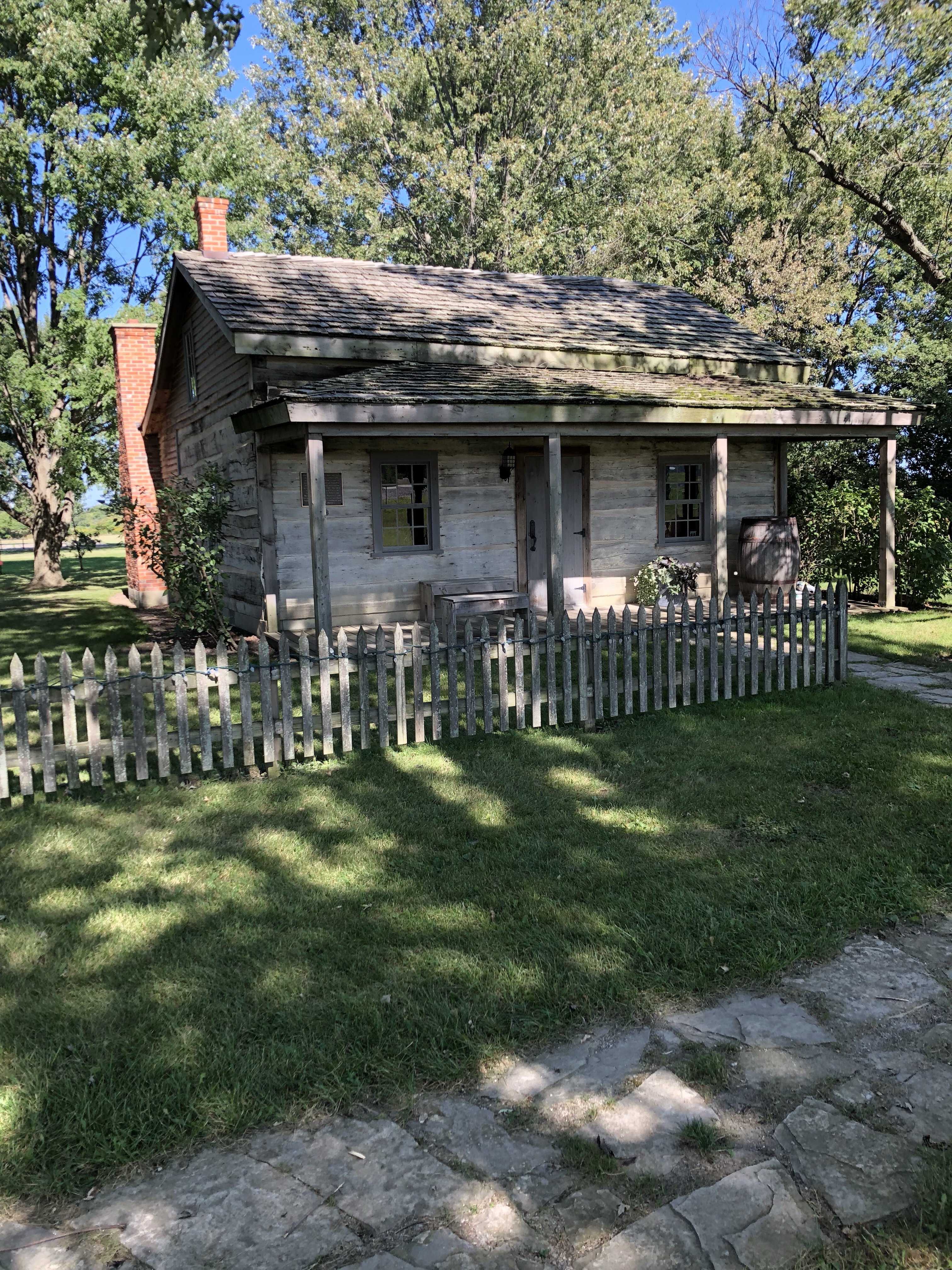
This cabin was built by its original owner Henry Colbert when he came to Buxton in 1850.
It was moving to spend some time alone in the cabin that was built by one of the original settlers.

Frederick Douglas visited Buxton in 1854 and wrote that ” the visit deepened our convictions of the grand possibilities of our race”.

As former enslaved people denied the opportunity to learn to read and write, the Buxton community highly valued education as a key to success. Buxton had three schools that were considered so superior that nearby whites sent their children to attend these schools.

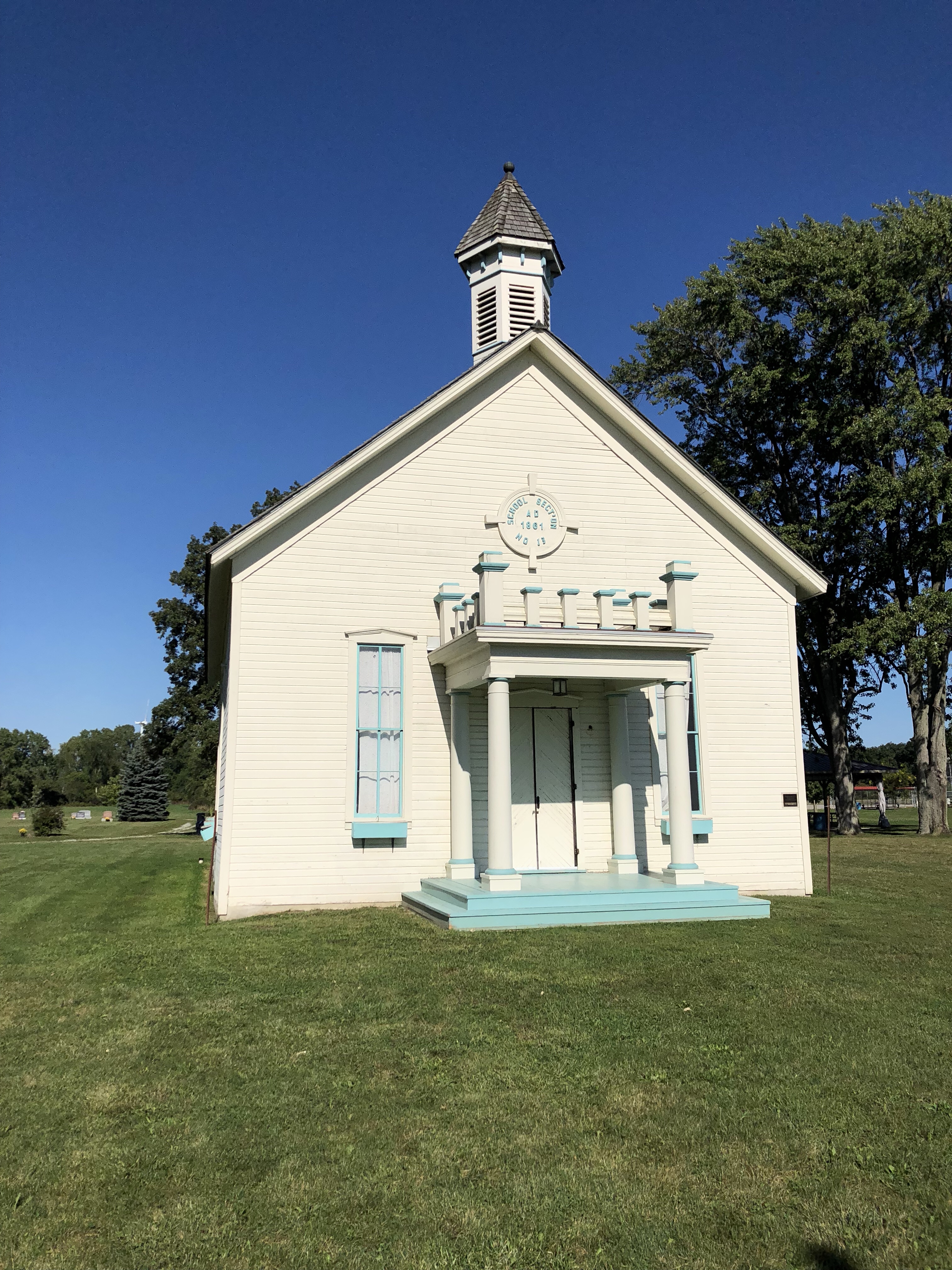
Original schoolhouse at Buxton

The Elgin Association, founded by Reverend William King, initially bought 9,000 acres of land, which they sold and financed at low cost to Black settlers.

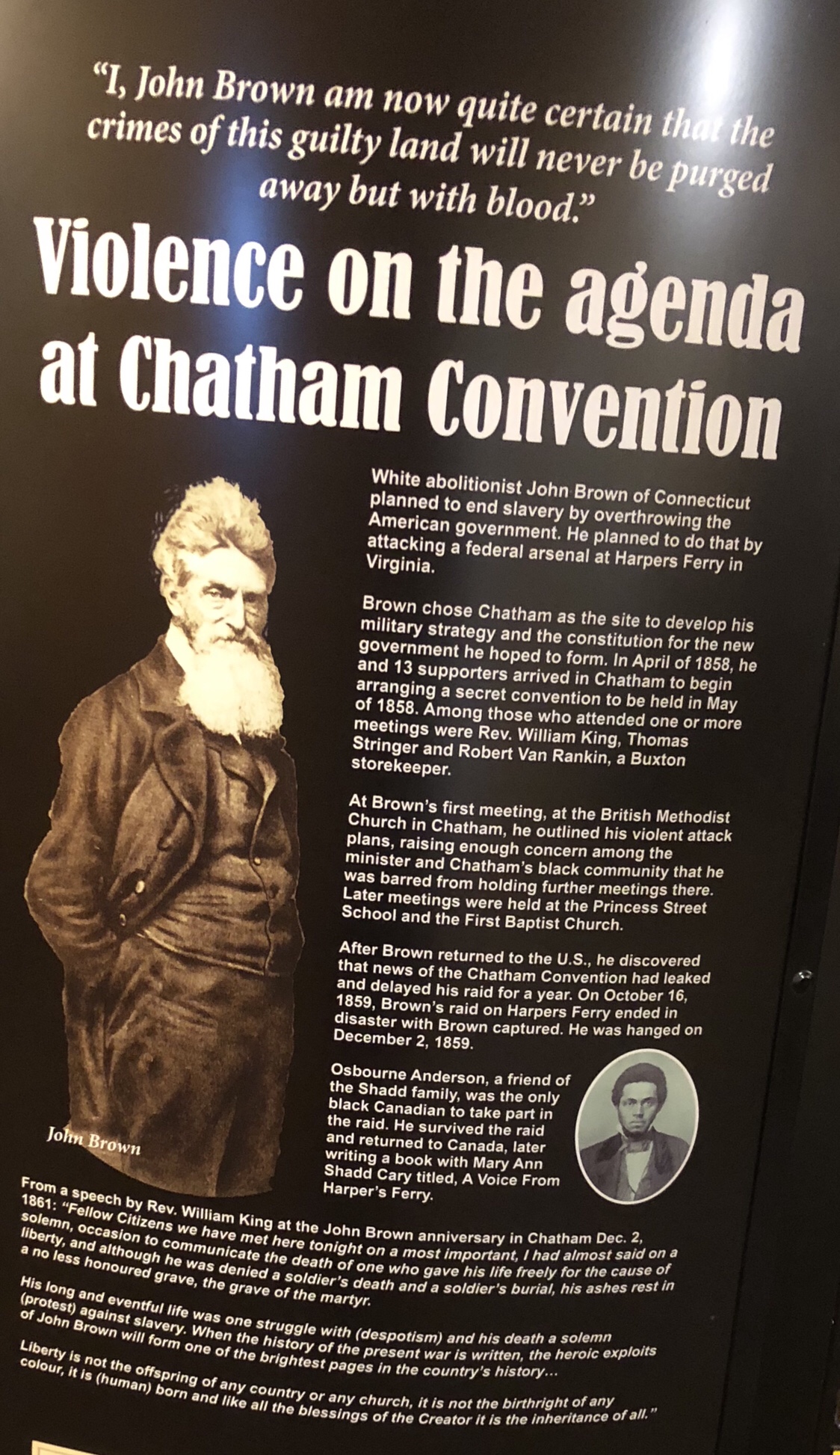
In addition to Frederick Douglas, John Brown visited Buxton. It was here he planned the Harper’s Ferry raid.

To learn more about what life might have been like in Buxton, I recommend readingElijah of Buxton by ​Christopher Paul Curtis, a novel for young people written from the perspective of Elijah, an eleven year old boy who was the first child born in Buxton. It attempts to be historically accurate and has a very moving account of how Buxton welcomed Black refugees to the community.

We are struck by the parallels with the current day journey of many Central American refugees who are also fleeing violence and oppression. Perhaps the U.S can learn something from Canada about welcoming refugees.

Our Midwest Adventure Begins

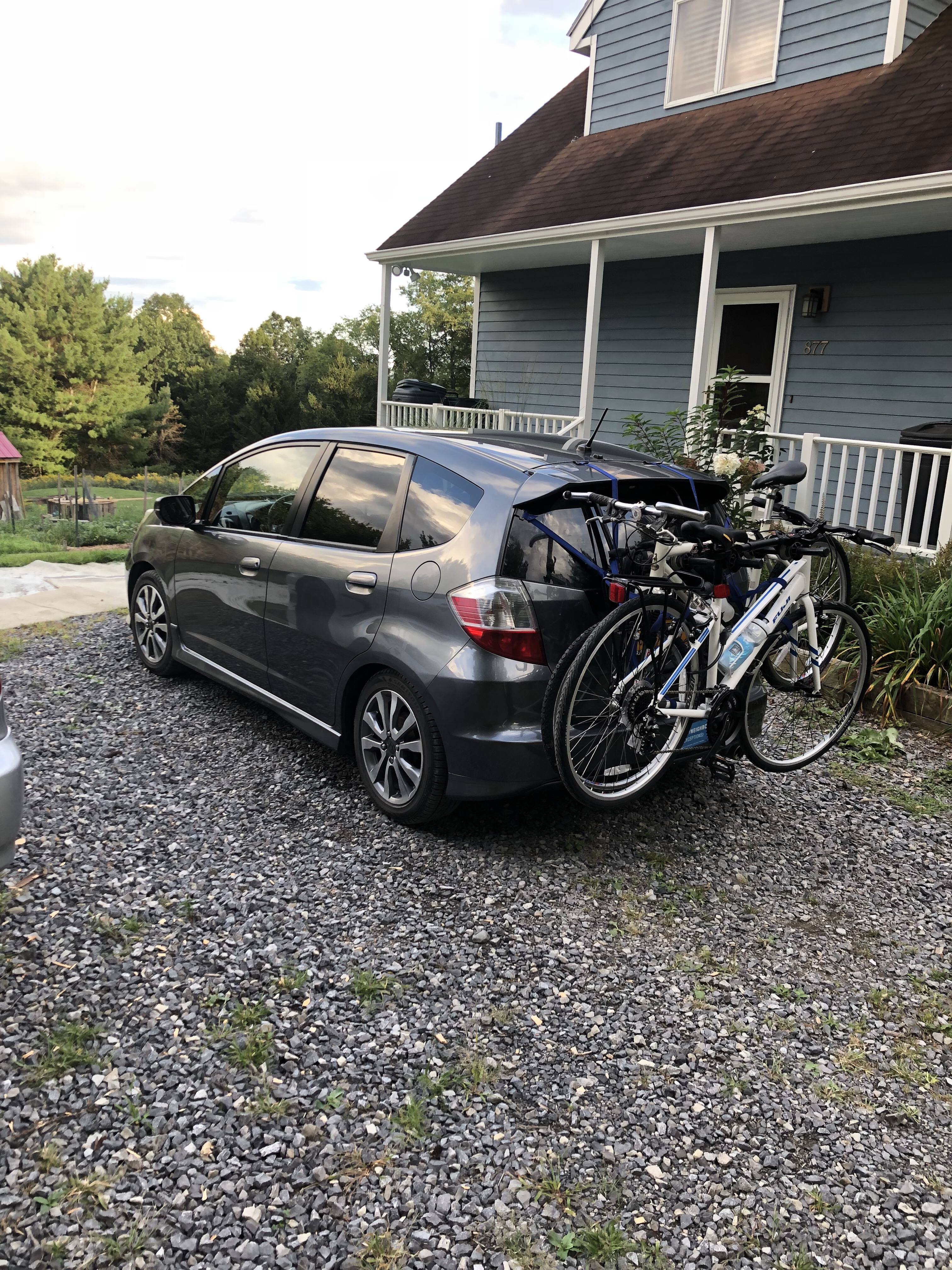
Tomorrow we will leave for our 24 day midwest adventure through Ontario, Michigan, Wisconsin and Ohio. Along the way we will visit family, camp, bike and report about what we learn along the way. Stay tuned!

Blog at WordPress.com.

Up ↑