
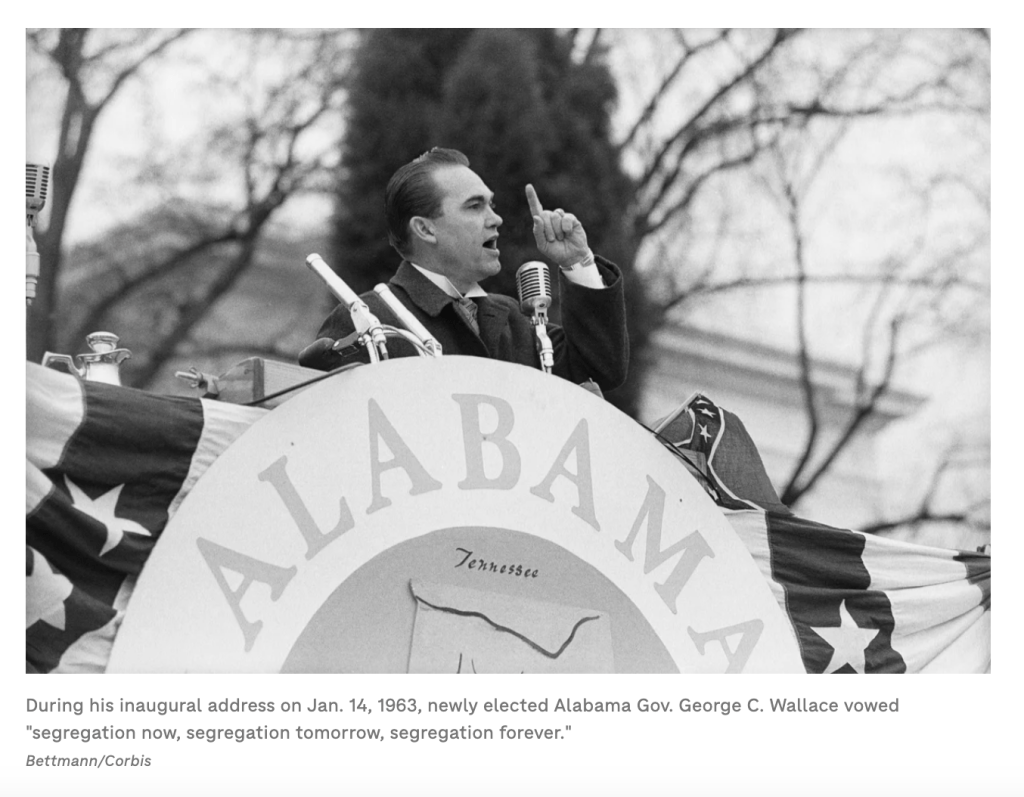
We are in Eufaula, 85 miles south east of Montgomery, in Barbour County, Alabama, still in the deep south on the Georgia border. Eufaula is where Governor George Wallace was born and raised. On January 14, 1963, George Wallace was sworn in as Alabama Governor (in the same spot that Jefferson Davis was sworn in as President of the Confederacy) spewing the infamous lines, “segregation now, segregation tomorrow, and segregation forever!” Wallace made sure to thank the “home folks” of his native Barbour County for giving “an anxious country boy” a chance.
It is here in Barbour County, Alabama that Jefferson Cowie, in his Pulitzer Prize winning book, Freedom’s Dominion: A Saga of White Resistance to Federal Power (2022) chronicles “the unholy union , more than two hundred years strong, between racism and rabid loathing of government” (New York Times Book Review). I have always associated “freedom” with the fight of the oppressed for a better, more just world. Freedom is also a word used by those looking to dominate. This book helped me understand the hatred of white supremacists toward the Federal government that Trump used to enflame his followers to act during the January 6th, 2021 insurrection. I was first alerted to this book because Cowie is scheduled to speak at Ithaca College on Thursday, March 28th, at 5pm in the Park School Auditorium.
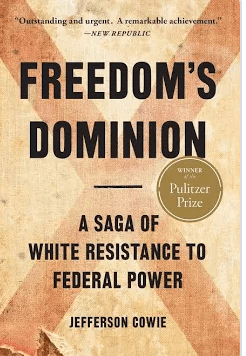
According to the book’s introduction, Freedom’s Dominion is ” a story of rough continuity, recurring conflict, and ideological regeneration across time in one place. In Barbour County, freedom served as an ideological scaffolding that supported most every form of domination discussed in this book- Indian land dispossession and removal, mob political violence, lynching, convict labor, Jim Crow, resistance to school integration, and the fight against voting rights… Those defending racism, land appropriation, and enslavement portrayed themselves, and even understood their own actions, as part of a long history of freedom.”
I have to say, since I skimmed this book before I arrives in Eufaula, I expected to find a back water place ravaged by history. This is not at all what we found. Eufaula is home to the second largest historic district in the state, with more than 700 historic and architecturally significant structures. There are quite a number of antebellum mansions and the downtown is quite well preserved and attractive. There is money here. According to the Eufaula Chamber of Commerce pamphlet , when the Union Troops rode in to Eufaula at the end of the Civil War, some town aristocrats wined and dined the Union General, who decided to spare the town and there was no death and destruction for the White gentry as occurred in many other southern towns. Somehow, this just makes the violent, racist history of the town seem worse.
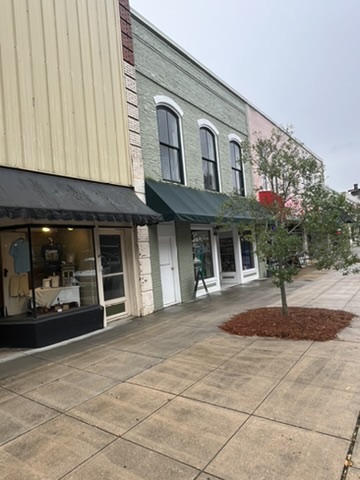
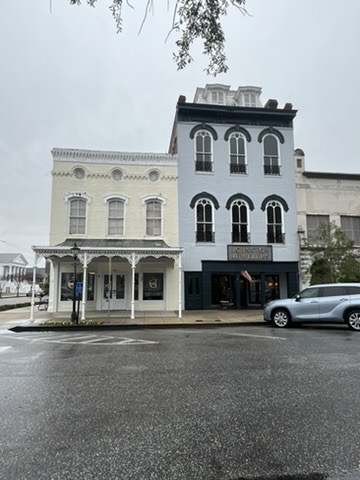
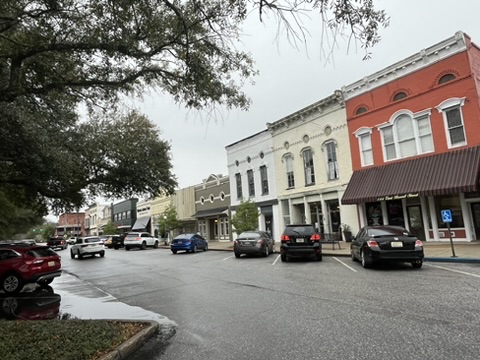
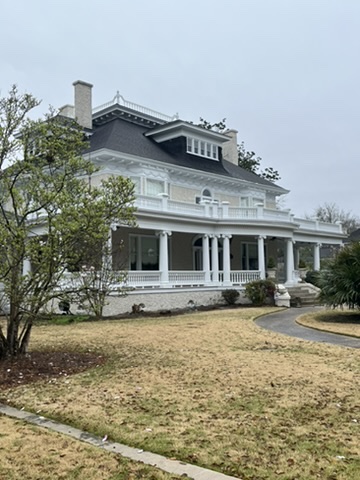
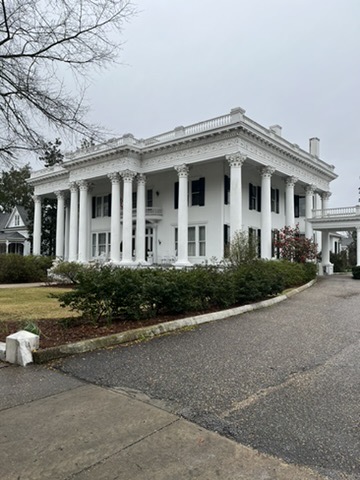
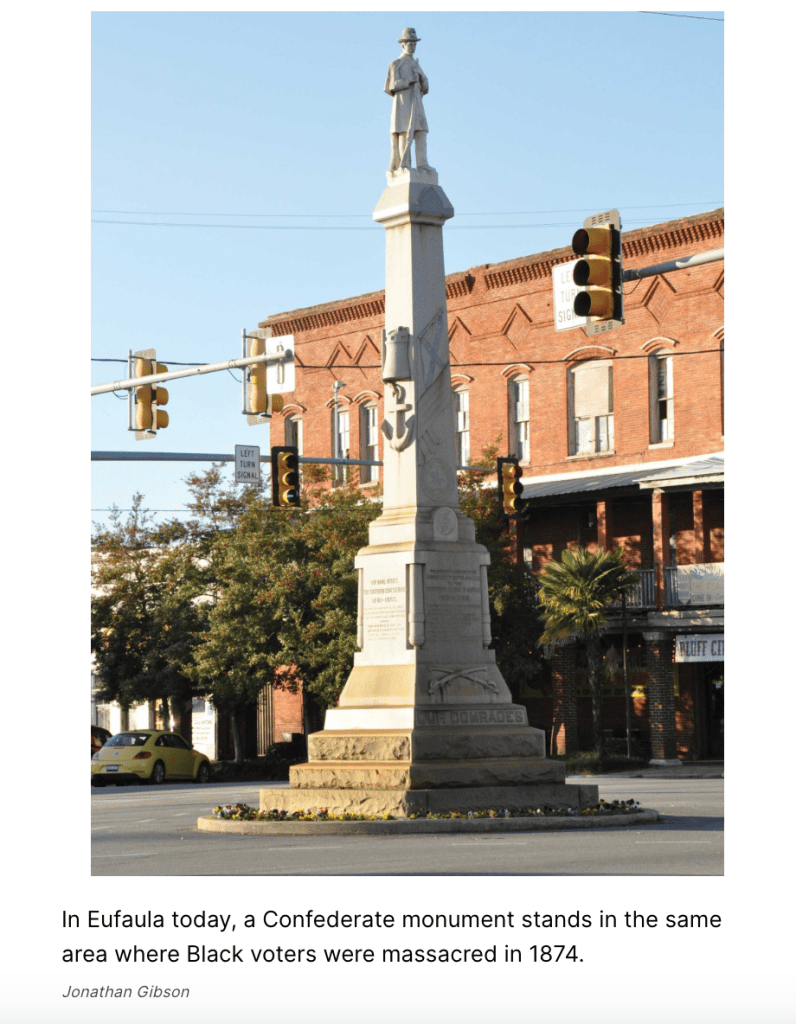
“In downtown Eufaula, the streets where Black voters were shot down for voting more than 140 years ago now host a towering Confederate monument erected by the United Daughters of the Confederacy in 1904. S.H. Dent, a former Confederate soldier who witnessed and possibly helped commit the massacre, spoke at the monument’s unveiling.”
Reconstruction in America: A Truth That Needs Telling, Equal Justice Initiative
Except for the fact that it was spared at the end of the Civil War, and so many grand historic structures remain, Eufaula and Barbour County are not so different than any other southern counties, and I dare say some northern counties, too. This point was driven home when we saw the sheer number of counties that had documented lynchings when we went to the lynching museum in Montgomery.
 Perspectives on the Road