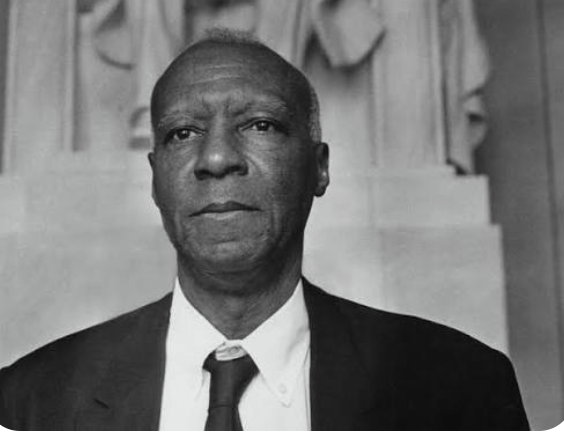
A. Philip Randolph and the First Black Labor Union

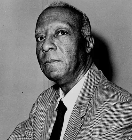
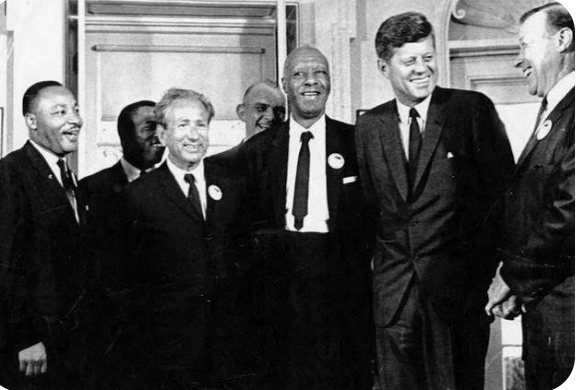
A. Philip Randolph is known for his co-leadership of the 1963 March on Washington for Jobs and Freedom, where over 250,000 protesters marched for an end to segregation in public accommodations, decent housing, integrated education and the right to vote.

What many people do not know is that 22 years earlier, on January 25th, 1941, A Philip Randolph, as president of the Brotherhood of Sleeping Car Porters, called for a massive protest march in Washington to end racial segregation and discriminatory hiring in WWII defense industries and the U.S. military. Tens of thousands of Black men were prepared to march. This resulted in President Franklin D. Roosevelt signing Executive Order 8802 that banned discrimination in defense contracts and created the Fair Employment Practices Committee (FEPC). Randolph then called off the march- proving that mass economic and political pressure could force federal action on civil rights, laying the groundwork for the civil rights movement that followed.
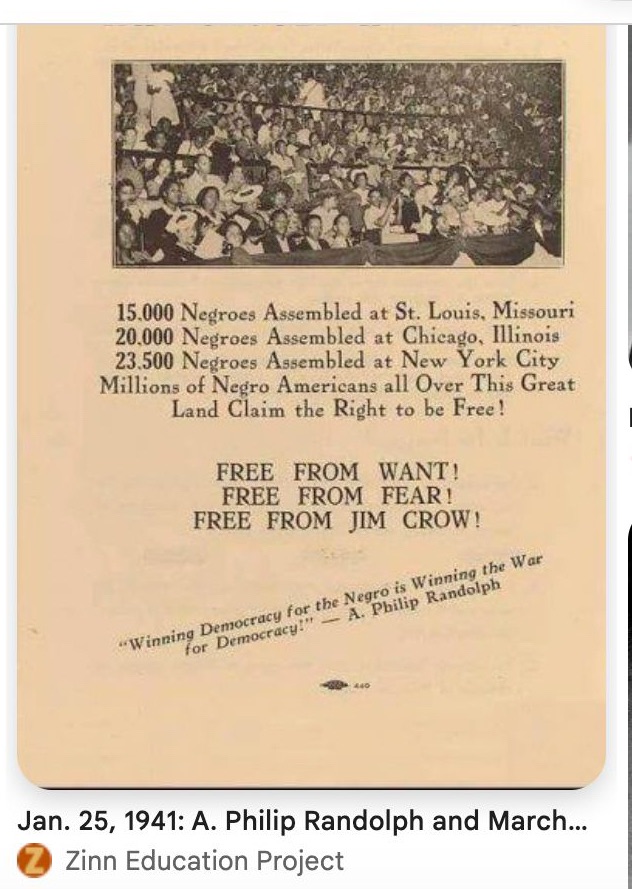
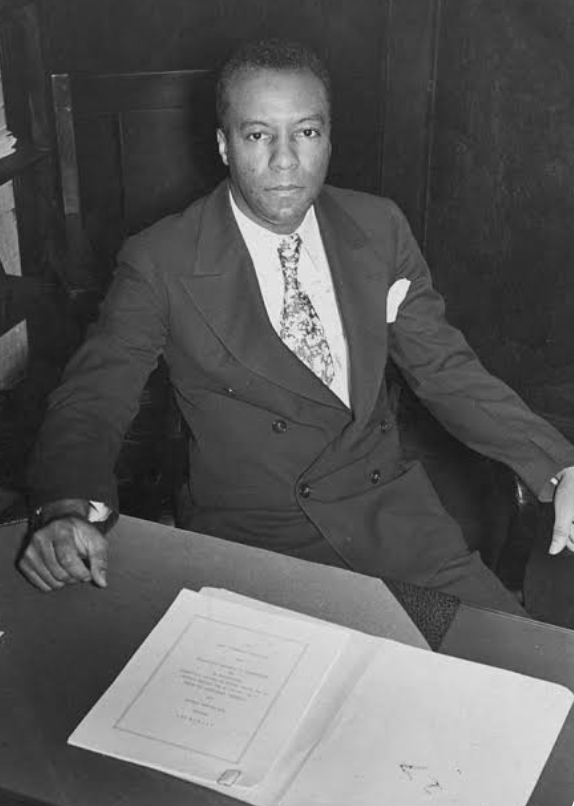
Twenty years before that, Randolph organized the Brotherhood of Sleeping Car Porters union, the first successful Black led labor union. This union served porters working on the Pullman Company railroads. Porters were subjected to poor working conditions including long hours on little sleep, low wages and dehumanizing treatment Although it took twelve years, the Brotherhood of Sleeping Car Porters was successful in achieving higher wages for workers, a shorter work month, and the right to a hearing before discharge.

Philips proved to be a talented and tenacious organizer over and over again. In addition to his role as president of the Brotherhood of Sleeping Car Porters and as a civil rights leader, Randolph contributed to the labor movement as the vice-president of the American Federation of Labor and Congress of Industrial Organizations (AFL-CIO) in 1955 and served on the council until 1974.
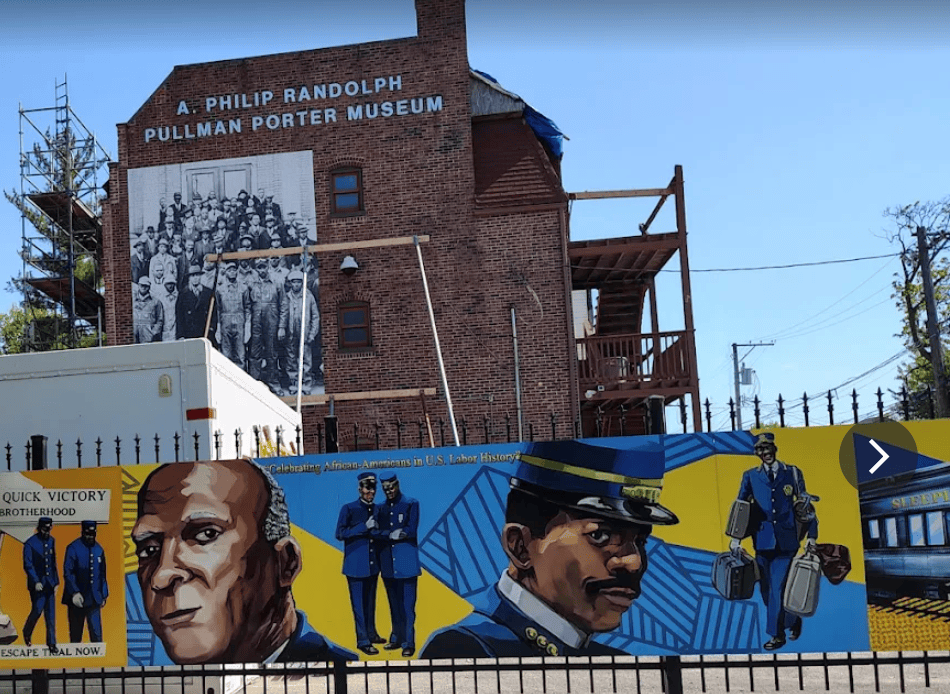
The A. Philip Randolph Pullman Porter Museum, in the Pullman neighborhood of Chicago was closed for renovations. But we will make sure to visit it in the future.
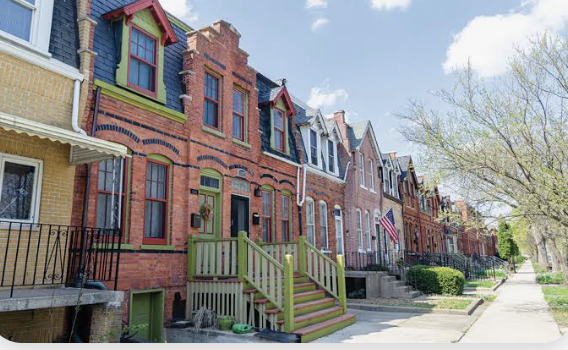
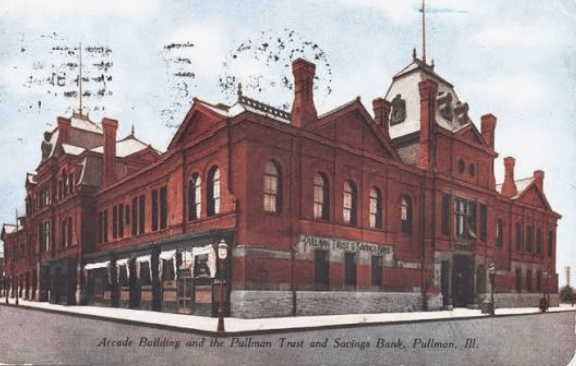
Pullman: A Company Town in Chicago

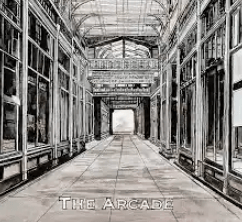
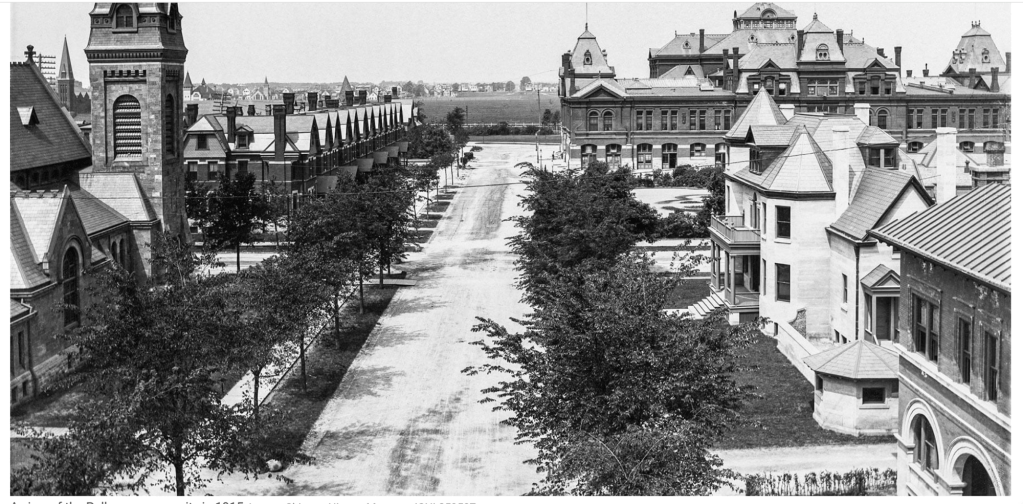
On our way into Chicago we stopped by Pullman National Historical Park on Chicago’s South Side. It was the first model, planned industrial community in the United States, built in the 1880s by George Pullman for employees of his railroad company, the Pullman Place Car Company. The row houses were comfortable by standards of the day, with indoor plumbing, gas, and sewers, but Pullman was quite paternalistic toward his workers. establishing behavioral standards they had to meet to live there, such as no alcohol. The Arcade building, was built to be the social and commercial heart of the community. It contained stores, YMCA, barbershops, professional offices, a bank, a post office, a library and a 1,000 seat theater. It was a complete company town and Pullman controlled all aspects of workers’ lives.

According to the National Park Service, the town of Pullman was ethnically diverse, with fewer than half of the residents in 1885 being native-born Americans. Many were English, Dutch, German, Irish, and Scandinavian. Though the Pullman Company employed Black men and women to work as porters and maids, the town had very few , if any, Black residents. “The company itself actually had no restriction on race [when it came to] who would live in the town of Pullman,” said Sue Bennett, assistant superintendent of the Pullman National Monument. “But let’s face it: There were societal limitations based on race.” It is interesting to note that today, the Pullman neighborhood is equal part Black, Latino and White residents. (Chicago Sun-Times)

Following the Panic of 1893, the demand for sleeping cars was greatly reduced. Pullman laid off hundreds of workers and switched many more to pay-per-piece work; wages were reduced by 25-30%. He did not, however, reduce the rent charged in his company town or lower charges for food or gas, causing hardship for workers.Workers responded by striking.(Wikipedia)

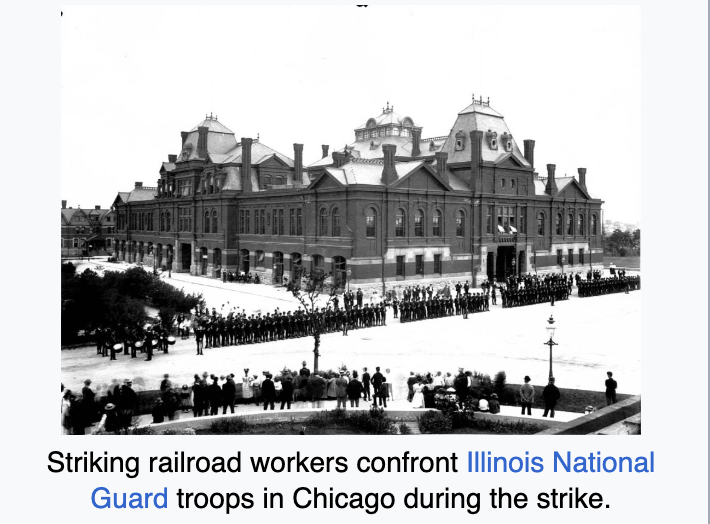
The Pullman Strike was initiated in 1894, and it lasted for 2 months, When company management fired grievance delegates, workers walked out and joined the American Railway Union (ARU) led by Eugene V. Debs, launching a sympathy boycott of all trains using Pullman cars. The boycott spread to 27 states, involving up to 250,000 workers and effectively halted midwestern and national rail traffic, eventually leading to intervention by the US government and military. President Grover Cleveland ordered the Army to stop the strikers from obstructing trains. Strike leader Eugene V. Debs was arrested and convicted of conspiracy and violation of a court order and sentenced to six months in prison. The boycott collapsed and the ARU was effectively destroyed. In an attempt to reconcile with angry American workers, President Cleveland signed legislation making Labor Day a federal holiday.

A view of the Pullman community in 1915 Image: Chicago History Museum, ICHi-059537

Two years after Pullman’s 1897 death, the town of Pullman was annexed to Chicago after the Illinois Supreme Court ordered the company to give up ownership of the town, arguing that the company’s charter stipulated it was only for manufacturing, and owning the town operated outside of that charter.

Historic Pullman is now a national model for community revitalization. You can read more about it here.

Pearl’s Place Peach Cobbler

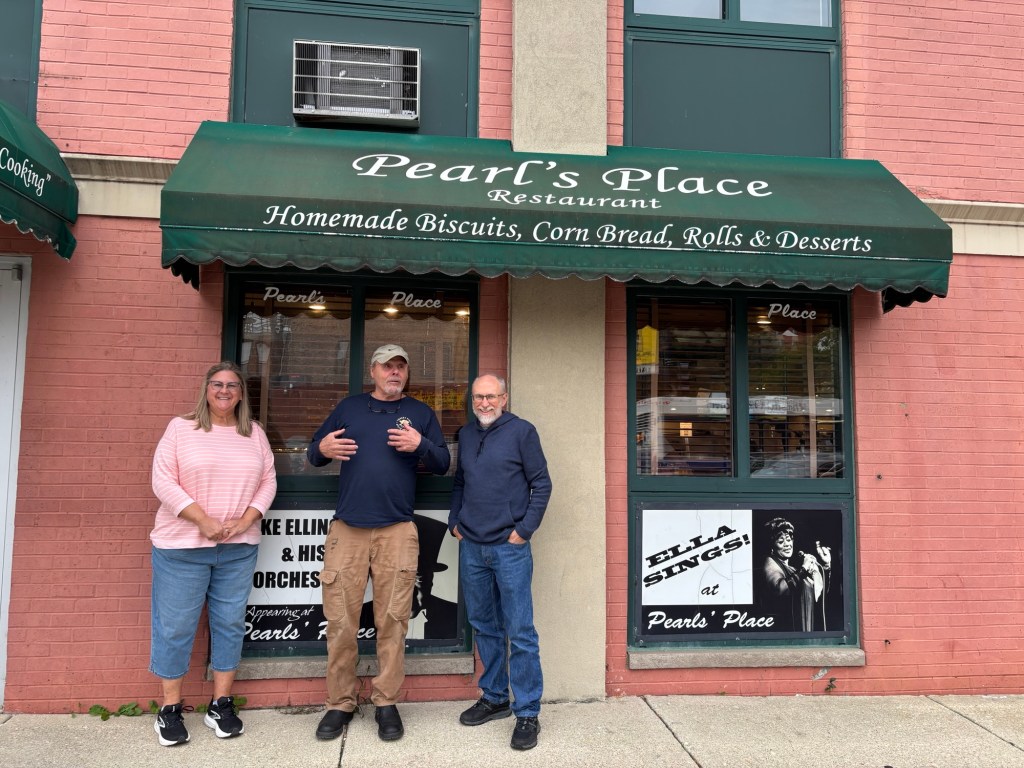
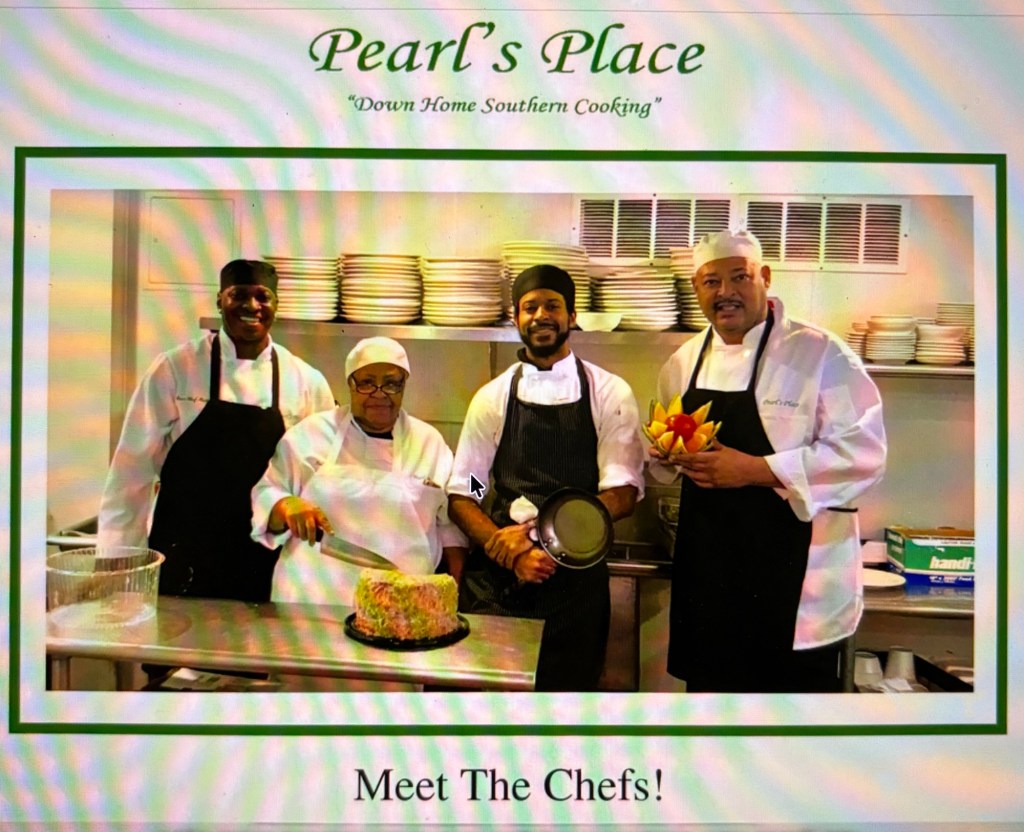
We were introduced to Pearl’s Place soul food restaurant in Bronzeville (in South Chicago) by our new friends, Andrew and Lisa, who live in Chicago.

Pearl’s Place serves delicious home- style food and in a very friendly atmosphere. We were seated by Michelle, whose father is a chef there. They have an amazing, award- winning buffet and peach cobbler to die for.

Pearl’s Place has deep roots in the community, having served its residents (and celebrities from far and wide) for 30 years. Needless to say, I recommend you visit Pearl’s Place on your next visit to Chicago!

Saul Alinsky and the Back of the Yards Neighborhood Council

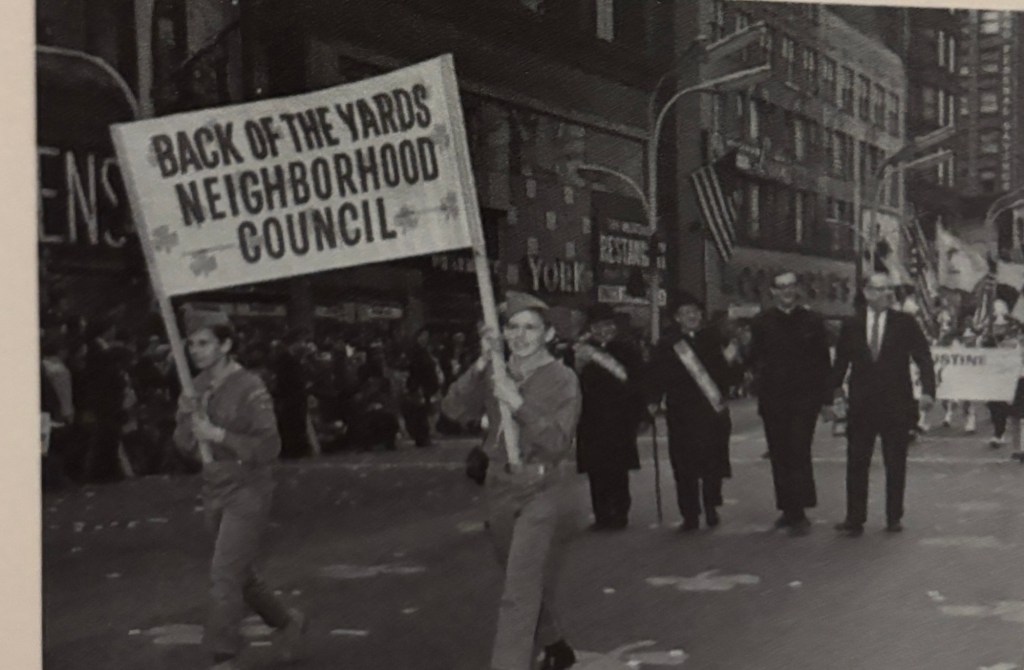
Photo courtesy of the Back of the Yards Neighborhood Council

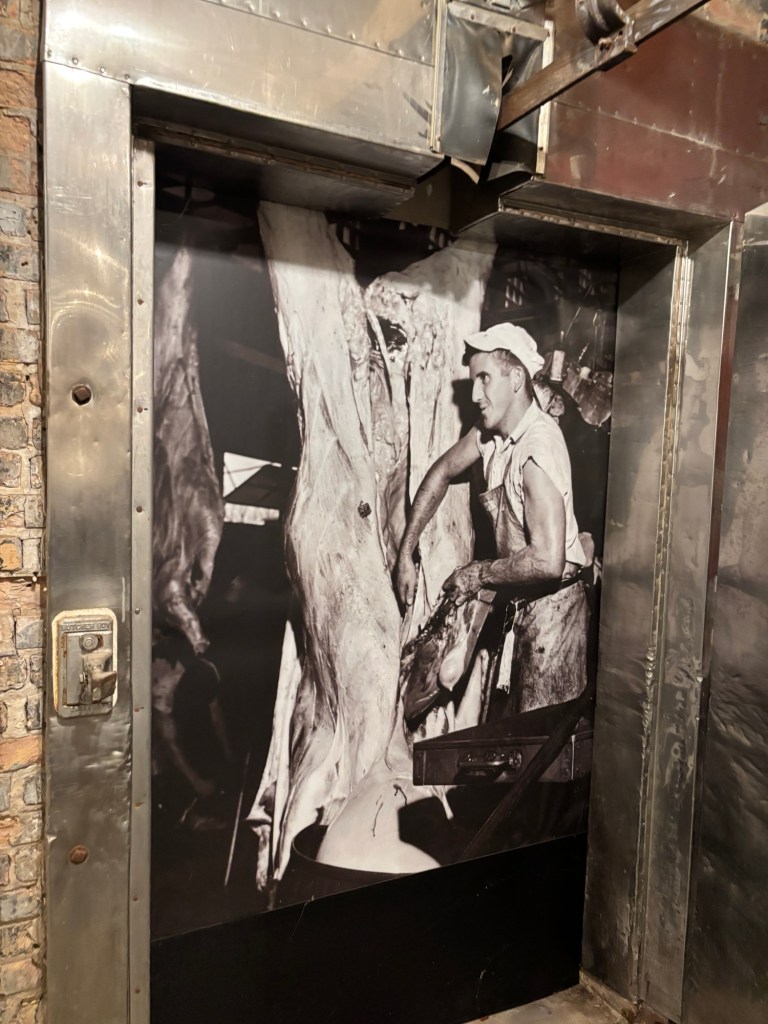
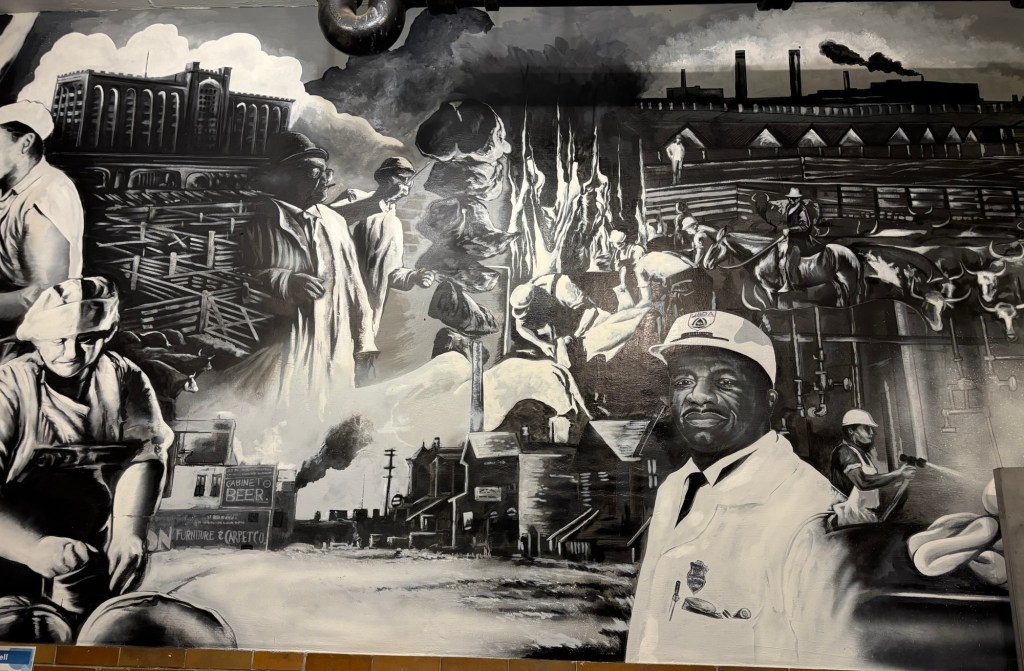
Yesterday we visited the Back of the Yards neighborhood in Southwest Chicago which, until the 1950s, was the largest livestock yards and meatpacking center in the country. The invention of the refrigerated boxcar in 1880, along with the concentration of railroads in the area, led to the industrialization of food processing and the rapid expansion of the Union Stock Yard and the adjacent packing plants.

The meatpacking industry provided thousands of jobs and attracted numerous immigrant populations including, Irish, German, Polish, Lithuanian, Slovakian, Czech, Mexican and African American communities, whose shared impact you can see in the surrounding neighborhoods today. (University of Chicago/ Chicago Studies)

In 1939, Saul Alinsky, along with Joseph Meegan, founded the Back of the Yards Neighborhood Council, which still exists today. It became a model for organizers, focusing on identifying common grievances, building large coalitions of existing institutions, and engage in strategic campaigns to pressure those in power to address community needs. The Neighborhood Council supported clergy, business owners, union officials, and neighborhood residents.Their motto was “ we the people will work out our own destiny”. By focusing on cross- organizational cooperation, they could overcome tensions between ethnic and racial groups. The Catholic Church was a major player. Click here to learn more about the Back of the Yards Neighborhood Council.

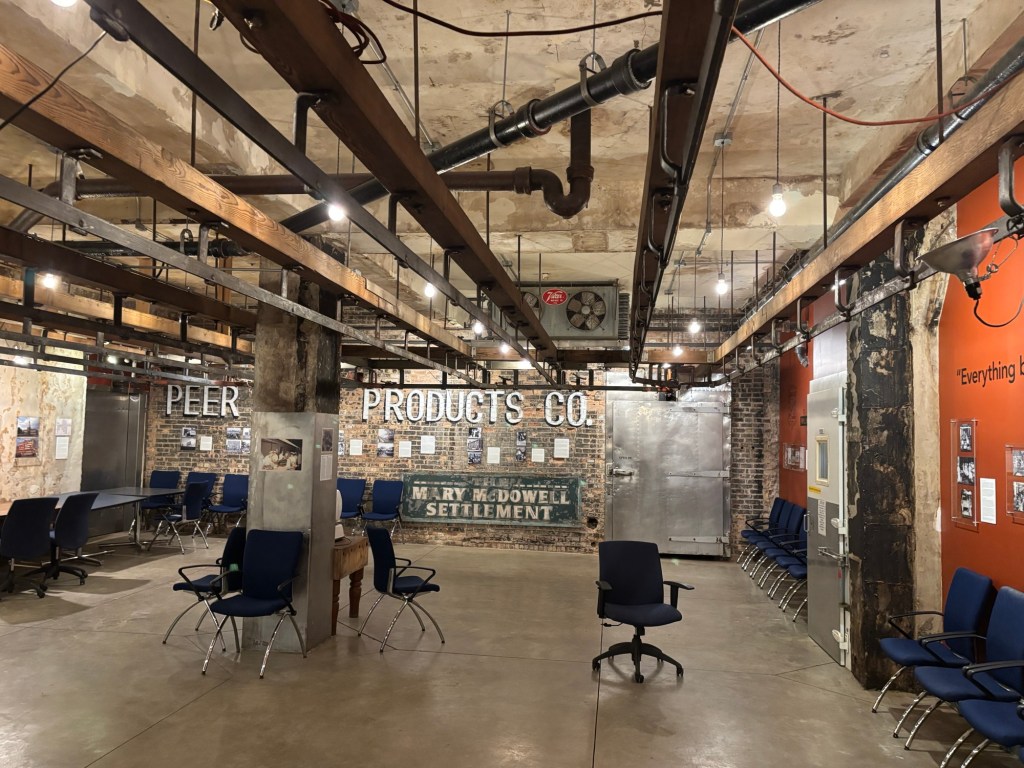
We encourage you to visit the Packinghouse Museum if you are in Chicago.

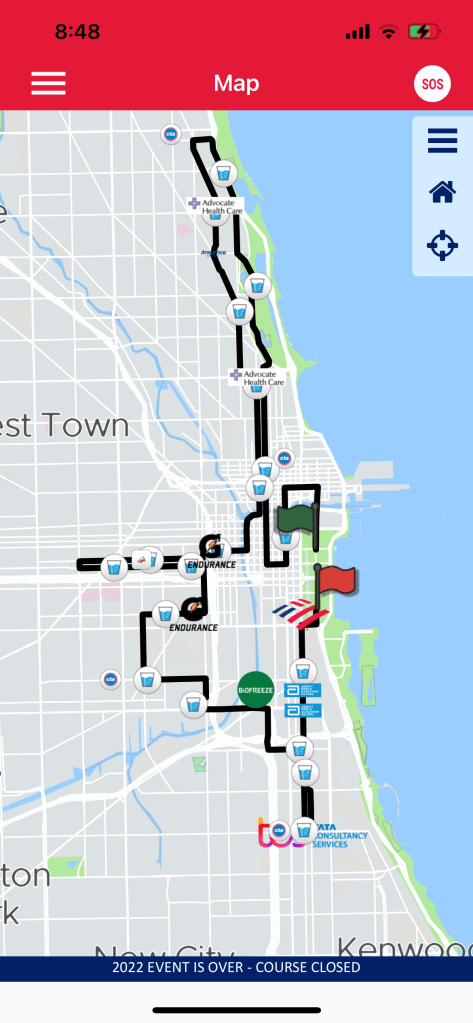
2022 Chicago Marathon

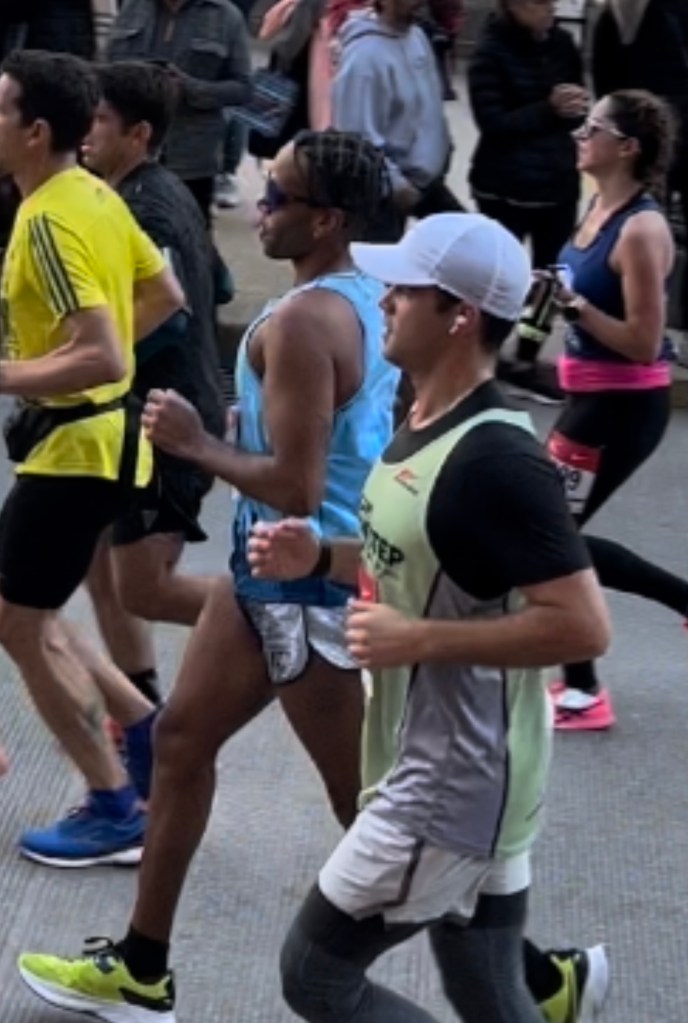
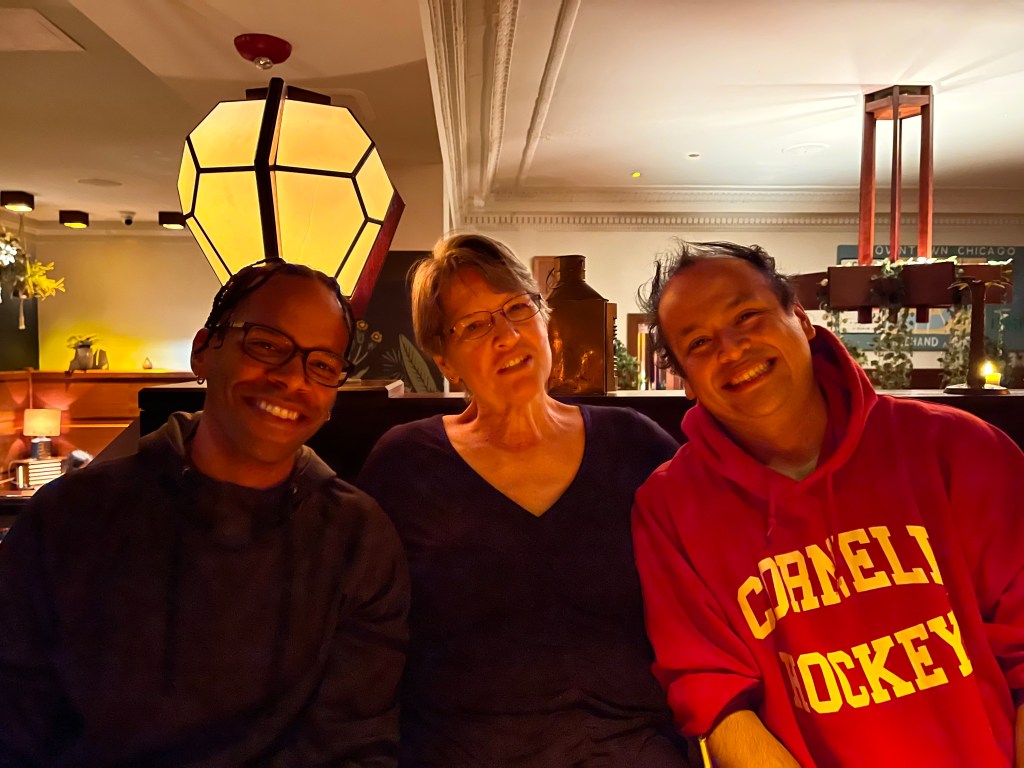
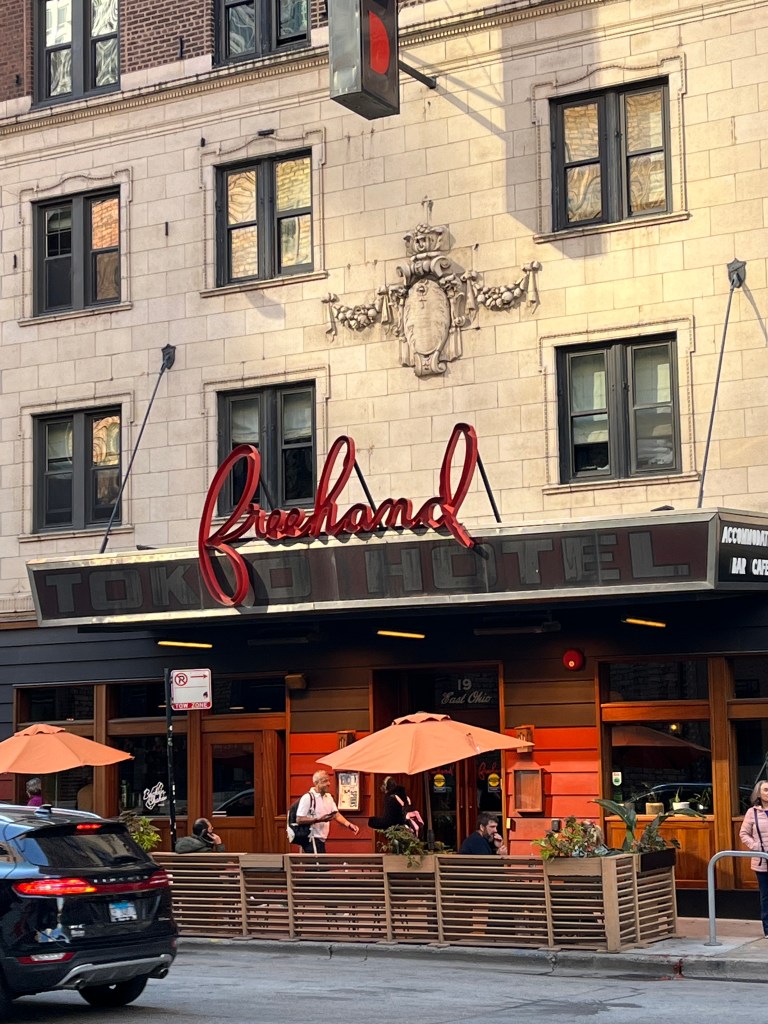
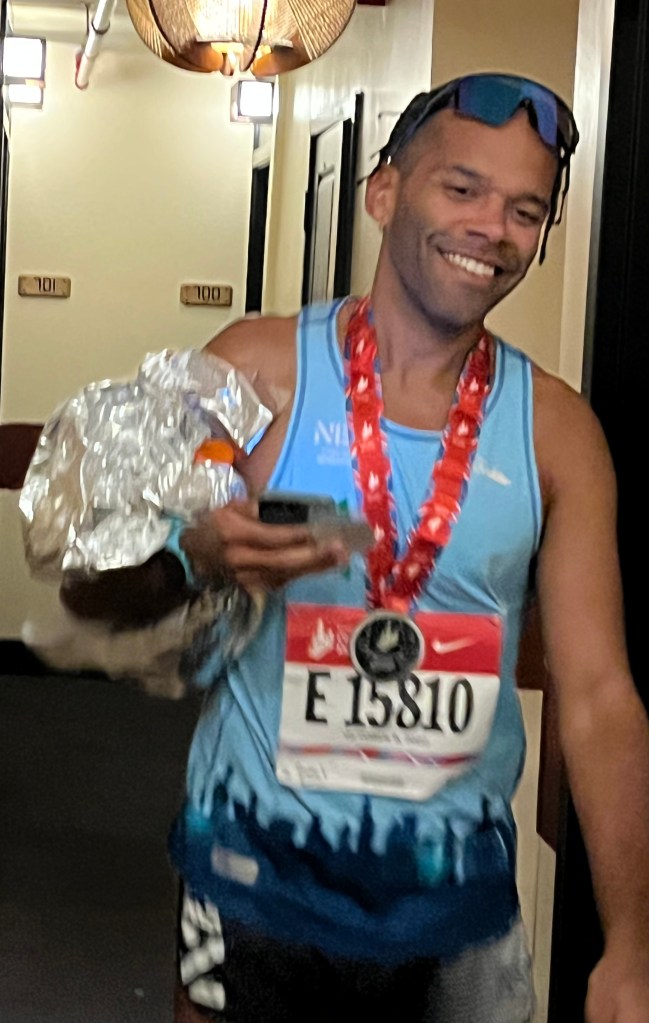
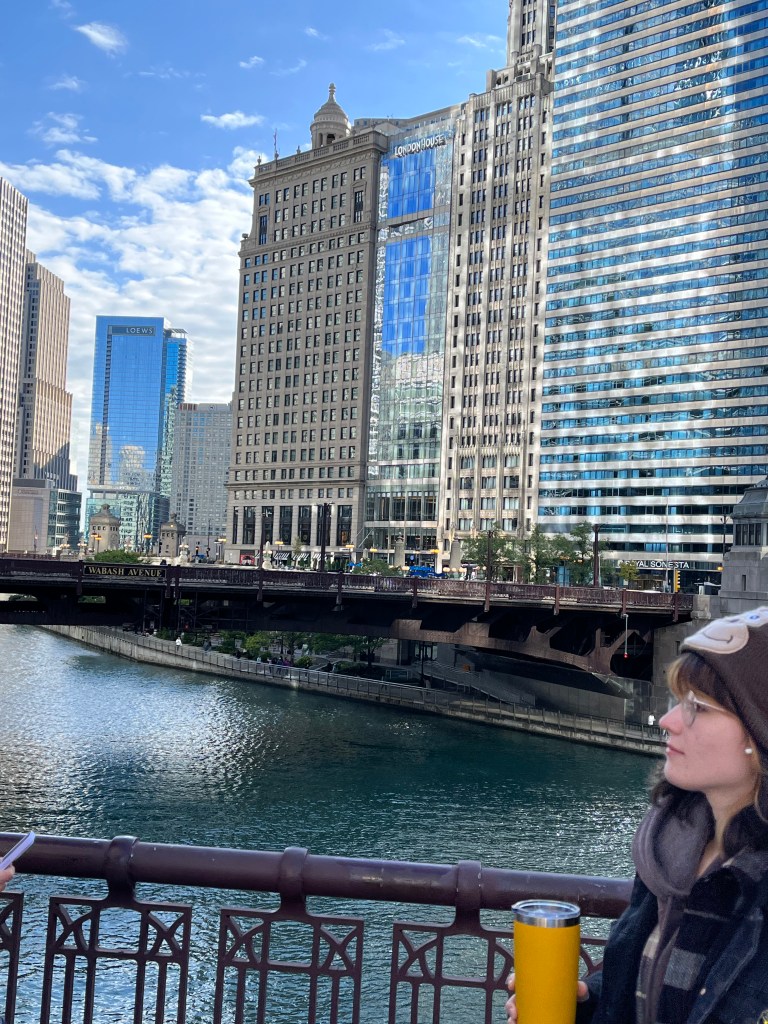
We ventured down to Chicago with Sebby, to watch Michael run the Chicago Marathon. We stayed at Freehand Hotel, not far from Grant Park and the finish line. We did the “spectator marathon” walking six miles to cheer Michael on from different spots.

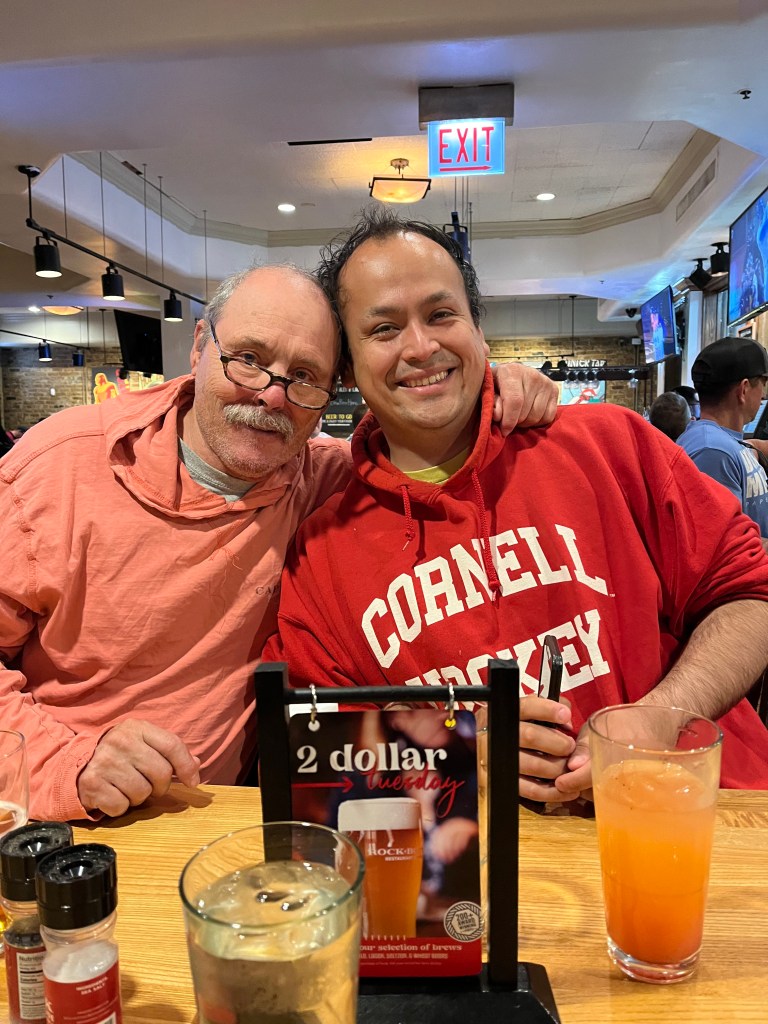
After a successful race Michael came over to our hotel to take a shower and rest. Then he went to party with other runners from the his Brooklyn runners’ club. We went out to dinner at the Rock Bottom Restaurant and Brewery.

Blog at WordPress.com.

Up ↑