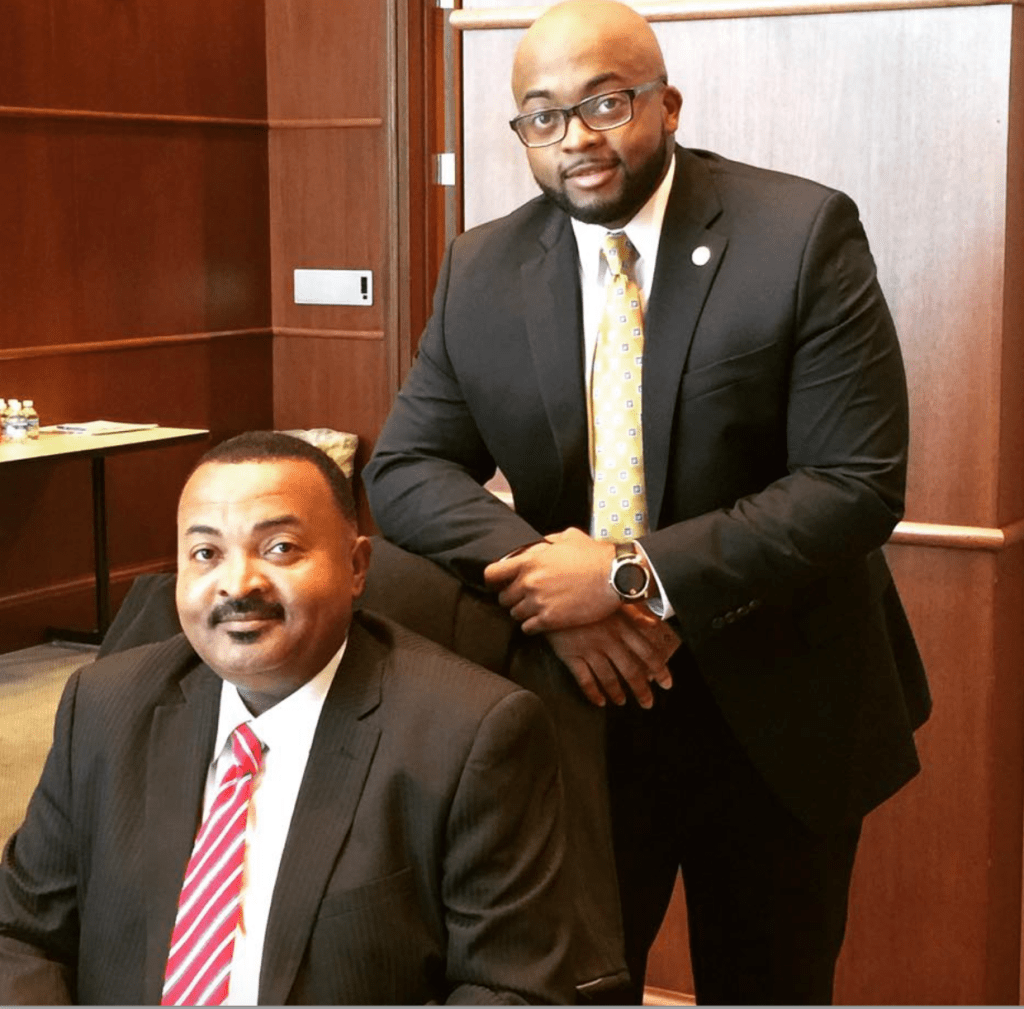
In a Montgomery, Alabama coffee shop, we ran into Greg Griffin, Jr. who is running for Circuit Court Judge. We had quite a long conversation with him and are inspired with how he returned to the south to fight for change. His father, Greg Griffin, Sr. is also a Circuit Court Judge. Here is an article about the both of them. I wish I lived in Montgomery so I could vote for him. Here is his campaign site if you care to make a donation.
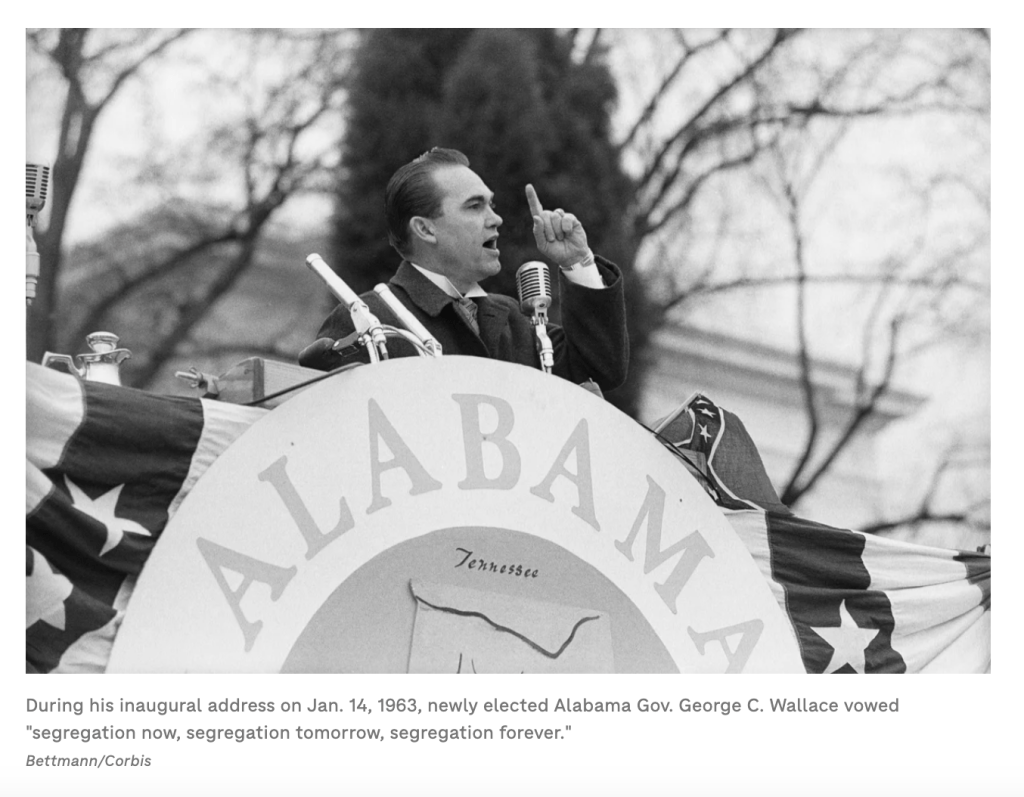
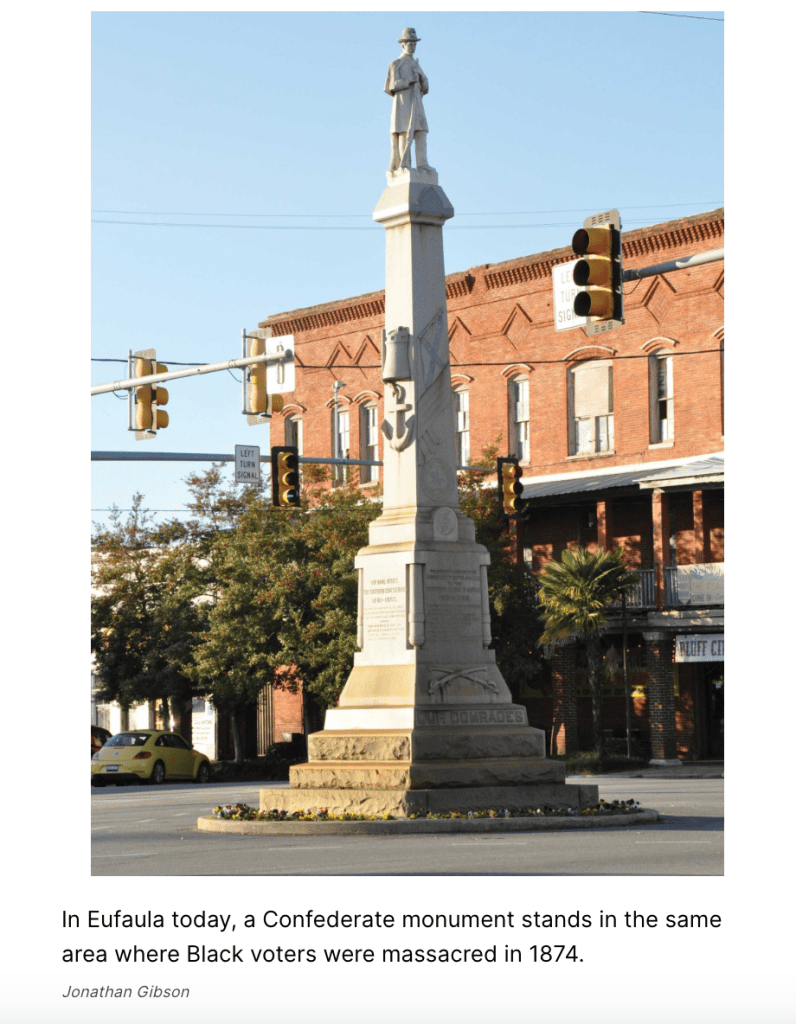
We are in Eufaula, 85 miles south east of Montgomery, in Barbour County, Alabama, still in the deep south on the Georgia border. Eufaula is where Governor George Wallace was born and raised. On January 14, 1963, George Wallace was sworn in as Alabama Governor (in the same spot that Jefferson Davis was sworn in as President of the Confederacy) spewing the infamous lines, “segregation now, segregation tomorrow, and segregation forever!” Wallace made sure to thank the “home folks” of his native Barbour County for giving “an anxious country boy” a chance.
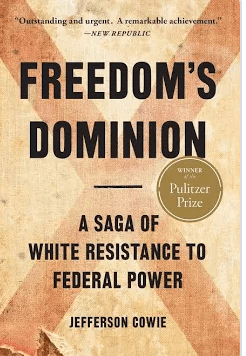
It is here in Barbour County, Alabama that Jefferson Cowie, in his Pulitzer Prize winning book, Freedom’s Dominion: A Saga of White Resistance to Federal Power (2022) chronicles “the unholy union , more than two hundred years strong, between racism and rabid loathing of government” (New York Times Book Review). I have always associated “freedom” with the fight of the oppressed for a better, more just world. Freedom is also a word used by those looking to dominate. This book helped me understand the hatred of white supremacists toward the Federal government that Trump used to enflame his followers to act during the January 6th, 2021 insurrection. I was first alerted to this book because Cowie is scheduled to speak at Ithaca College on Thursday, March 28th, at 5pm in the Park School Auditorium.
According to the book’s introduction, Freedom’s Dominion is ” a story of rough continuity, recurring conflict, and ideological regeneration across time in one place. In Barbour County, freedom served as an ideological scaffolding that supported most every form of domination discussed in this book- Indian land dispossession and removal, mob political violence, lynching, convict labor, Jim Crow, resistance to school integration, and the fight against voting rights… Those defending racism, land appropriation, and enslavement portrayed themselves, and even understood their own actions, as part of a long history of freedom.”
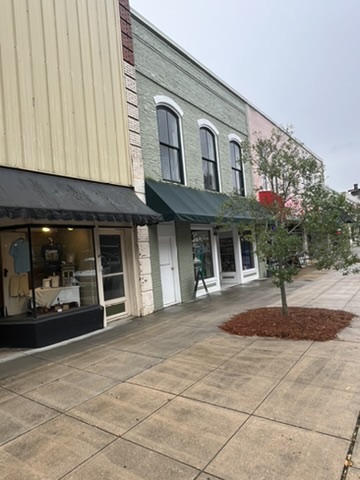
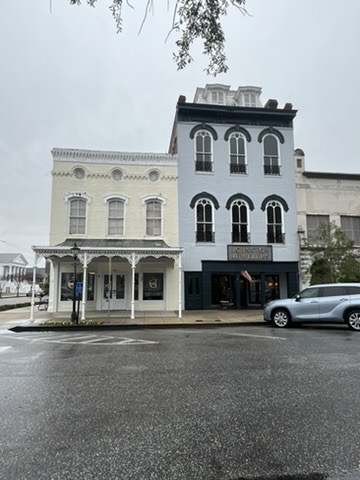
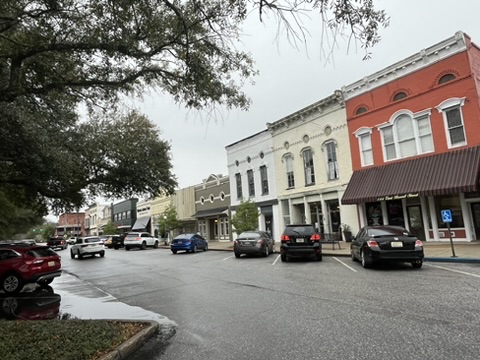
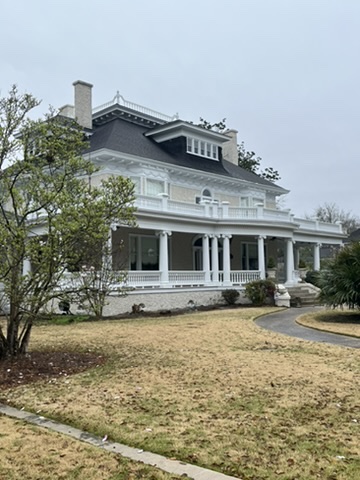
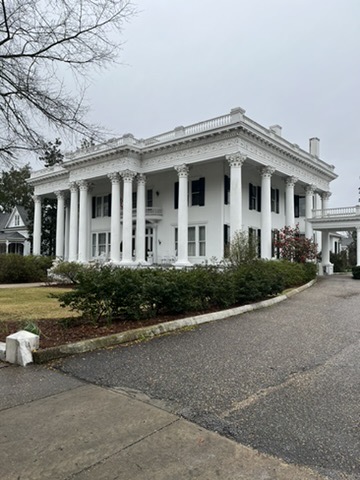
I have to say, since I skimmed this book before I arrives in Eufaula, I expected to find a back water place ravaged by history. This is not at all what we found. Eufaula is home to the second largest historic district in the state, with more than 700 historic and architecturally significant structures. There are quite a number of antebellum mansions and the downtown is quite well preserved and attractive. There is money here. According to the Eufaula Chamber of Commerce pamphlet , when the Union Troops rode in to Eufaula at the end of the Civil War, some town aristocrats wined and dined the Union General, who decided to spare the town and there was no death and destruction for the White gentry as occurred in many other southern towns. Somehow, this just makes the violent, racist history of the town seem worse.
Reconstruction in America: A Truth That Needs Telling, Equal Justice Initiative
Except for the fact that it was spared at the end of the Civil War, and so many grand historic structures remain, Eufaula and Barbour County are not so different than any other southern counties, and I dare say some northern counties, too. This point was driven home when we saw the sheer number of counties that had documented lynchings when we went to the lynching museum in Montgomery.
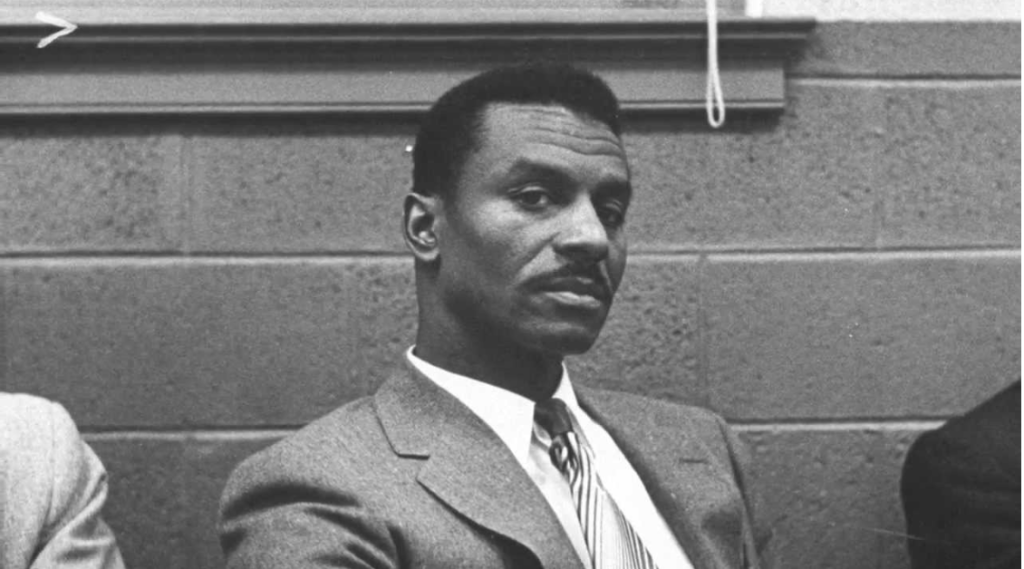
I had heard of Fred Shuttlesworth, but did not really know what this man accomplished during the civil rights movement until I came to Birmingham, Alabama. We took the Red Clay Fight for Rights tour and watched a PBS Documentary “Shuttlesworth”, both of which I recommend. In order to understand why Fred Shuttlesworth was exactly who the movement needed in Birmingham, one needs to understand what it was like there in the 1950s and 1960s under the rule of Bull Connor.
Birmingham was a company town with the owners of the steel, iron and coal companies making the rules. They were segregationists and there was agreement that Blacks should be kept in their place. Birmingham was essentially a police state supporting the industries. Bull Connor became the political intermediary between the corporate interests and the Ku Klux Klan, so that the corporations could keep their hands clean. In the documentary “Shuttlesworth”, eye witnesses talk about the Klan regularly parading with the police cars leading the procession. If a Black person stepped out of line, they could expect a violent reaction- bombing, beating, arrest or even lynching.
Fred Shuttleworth was described as a warrior, leading people in to battle, willing to risk his life for change. Some folks said he was crazy- they bombed his house, beat him up multiple times, took his car yet he persisted and refused to give up. He was not afraid of Bull Connor; he always believed that God would protect him. He was called “the most courageous civil rights fighter in the South” by Martin Luther King, Jr.
Reverend Fred Shuttlesworth was a firey preacher with an authoritarian personality. When he was growing up in an abusive household in Montgomery, his mother put him in charge of his 8 younger siblings. He felt like he was being prepared for something and other people felt that too. He learned his persistence from his mother. He knew by the time he was 22 years old that he would be a preacher.
Reverend Shuttlesworth came to Birmingham in 1952 and became preacher of Bethel Baptist Church in 1953. In 1956 the Alabama attorney general outlawed the NAACP, so Reverend Shuttlesworth established the Alabama Christian Movement for Human Rights (ACMHR), serving as president of the group until 1969. The ACMHR coordinated boycotts and sponsored federal lawsuits aimed at ending segregation in Birmingham and the state of Alabama.
The Shuttlesworth family lived next to the church. On Christmas Day, 1956, sixteen sticks of dynamite that had been placed under the house where the bedroom was, exploded and the house collapsed. Fred walked out of the rubble without a scratch on him. Andrew Manis, a member of the church said, “if we had seen Jesus walk on water, we wouldn’t have been any more reverent than we were when we saw Fred come out of that building alive. Fred Shuttlesworth was not only their man but God’s man.” He and his church survived two more bombing.
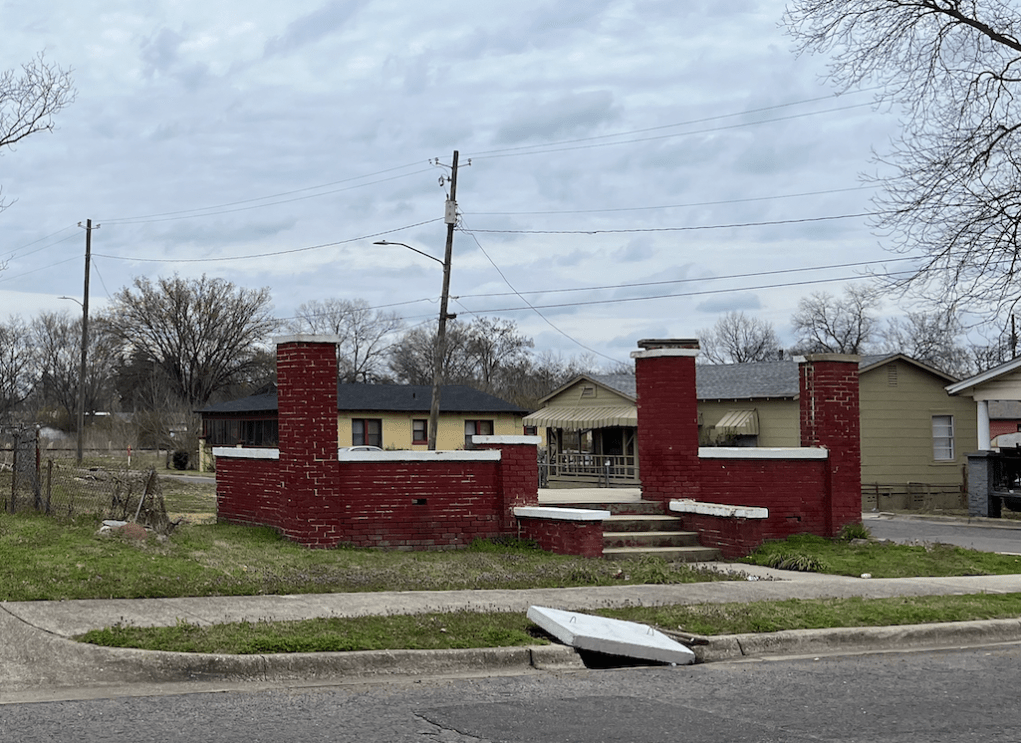
Remains of a guard station across from the Bethel Baptist Church and Shuttlesworth home. It was for volunteers who served as armed guards to protect Reverend Shuttlesworth and the church every night.
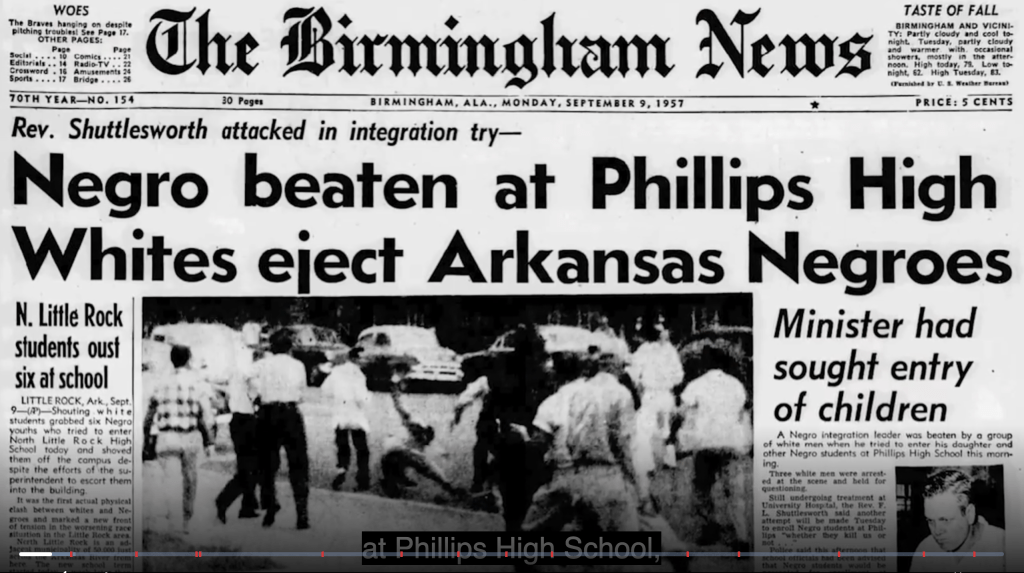
After the Brown vs.the Board of Education Supreme Court ruling desegregating schools, Birmingham schools stayed segregated. Shuttlesworth tried to enroll his own children at a white high school in Birmingham. The Klan was waiting for him in front of the school and beat him so bad he ended up in the hospital.
Shuttlesworth served as secretary of the Southern Christian Leadership Conference (SCLC) from 1958 to 1970. Joining forces with the Congress On Racial Equality (CORE), Shuttlesworth helped organize the Freedom Rides and in 1963, began a campaign called Project “C” to fight segregation in Birmingham through mass demonstrations and boycotts. Project “C” was about conflict, and they had all of the ingredients to make national headlines in Birmingham. They could count on Bull Connor to create physical conflict, so Shuttlesworth convinced Martin Luther King to come. The strategy was to fill the jails until they overflowed. There were lunch counter sit-ins and some arrests, but the adults were not showing up en mass to be arrested for fear of consequences. This is when the idea of the childrens march was hatched, which was an incredible success. A thousand children showed up to march and over 800 were arrested. The Sixteenth Street Baptist Church was where they held the mass meetings and trained the children for the march. When the jails overflowed on the first day, Bull Connor brought out the dogs and fire hoses on the second day. The national press was there to let the world know and the movement got the reaction they needed. Their demands were met, but shortly after that the 16th Street Baptist Church bombing took place and four little girls lost their lives. These events, among others, helped bring about the passage of the Civil Rights Act of 1964 and the Voting Rights Act of 1965. After the passage of the acts, Shuttlesworth continued to focus on issues in Birmingham until he died in 2011 at the age of 89. (https://www.nps.gov/. We need many more people today with the courage, conviction and the mind for strategy of Reverend Fred Shuttlesworth.




 Perspectives on the Road