In our retirement we are have decided it is time to leave the bubble of Ithaca, New York and see what America is really about. We invite you to join us as we learn about people, places and the natural history we experience in our travels.
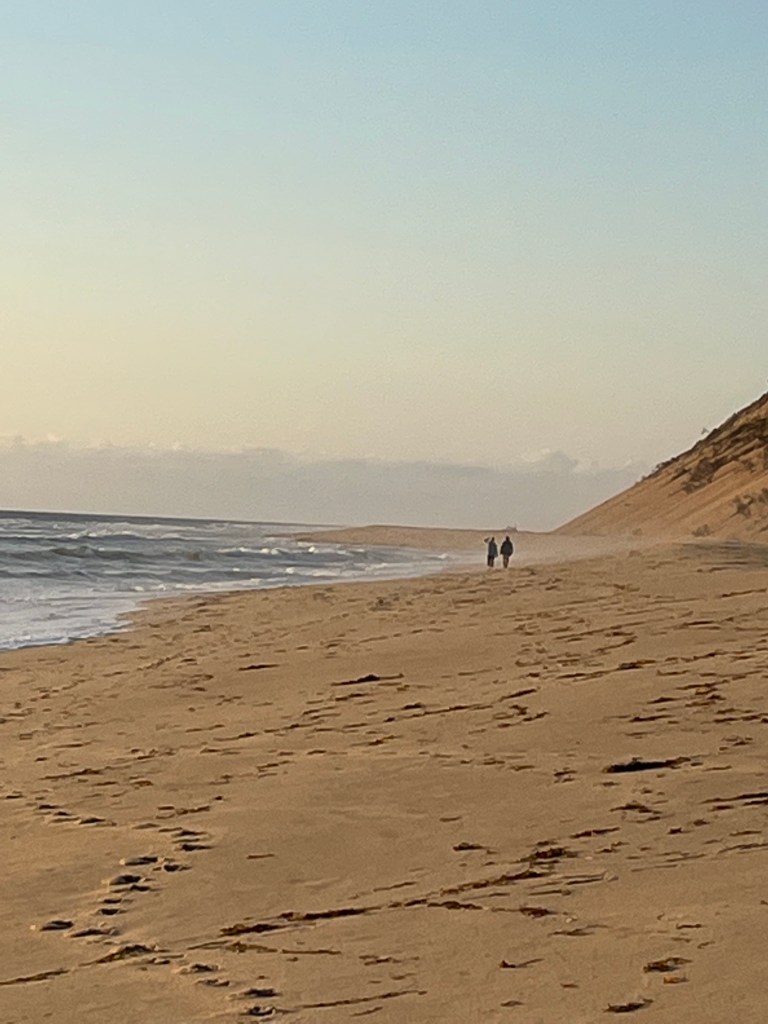
We are in Truro on Cape Cod, where we have been coming for some years now. Truro, located on the outer cape near Provincetown is the least populated town on the Cape. Known for its wild, natural beauty, dramatic sandy cliffs, and prehistoric kettle holes, it is popular with writers, artists, and nature lovers.
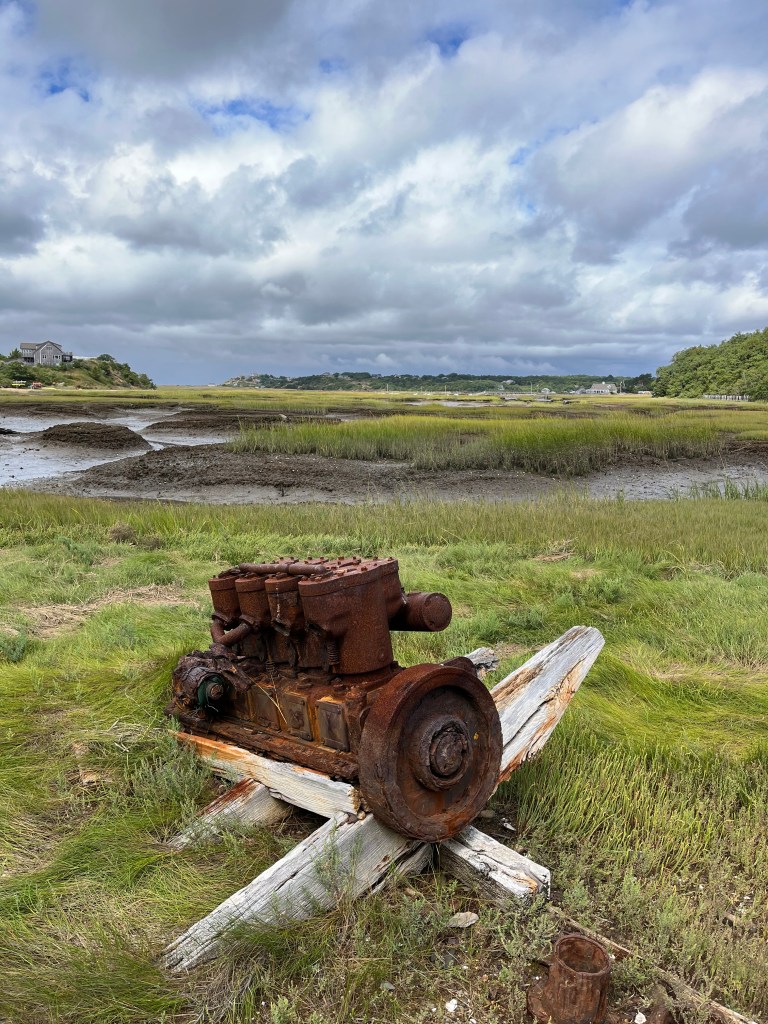
We are again staying at Westoe cottage, built in the 1920’s, one of eight Sladeville Cottages, which are all part of the historic registry. The Westoe cottage is on the Pamet River, which is rich with wildlife as it meanders through the salt marsh. It is fun to float down the river with a lifejacket in the tidal current or kayak over to the Corn Hill Beach a short distance away.
According to the sound ID on my Merlin Bird app, I found a new bird for my life list- a Whimbrel, which I had never heard of. According to the Cape Cod Seashore National Park Service, Whimbrels “hunt in in saltmarshes and mudflats for fiddler crabs. They visually spot the crab’s burrow in the mud and then extract it using their long decurved bills. They also use this technique to capture swimming crabs, mud crabs, crayfish, mole crabs, small fish, marine worms, sea cucumbers, sand shrimp, and small mollusks such as coffee bean snails. They will rinse off the crabs they catch and remove the largest claw before they consume it.” There are certainly plenty of fiddler crabs here. John says I can’t put it on my life list until I actually see one, so off I go to spot a Whimbrel!
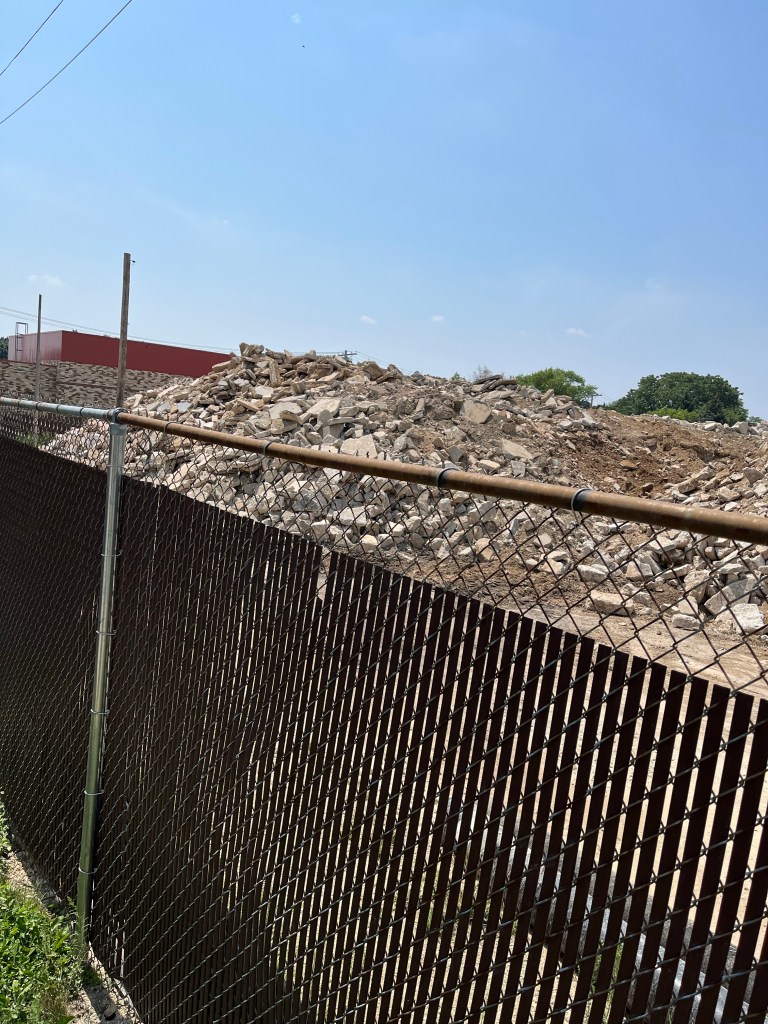
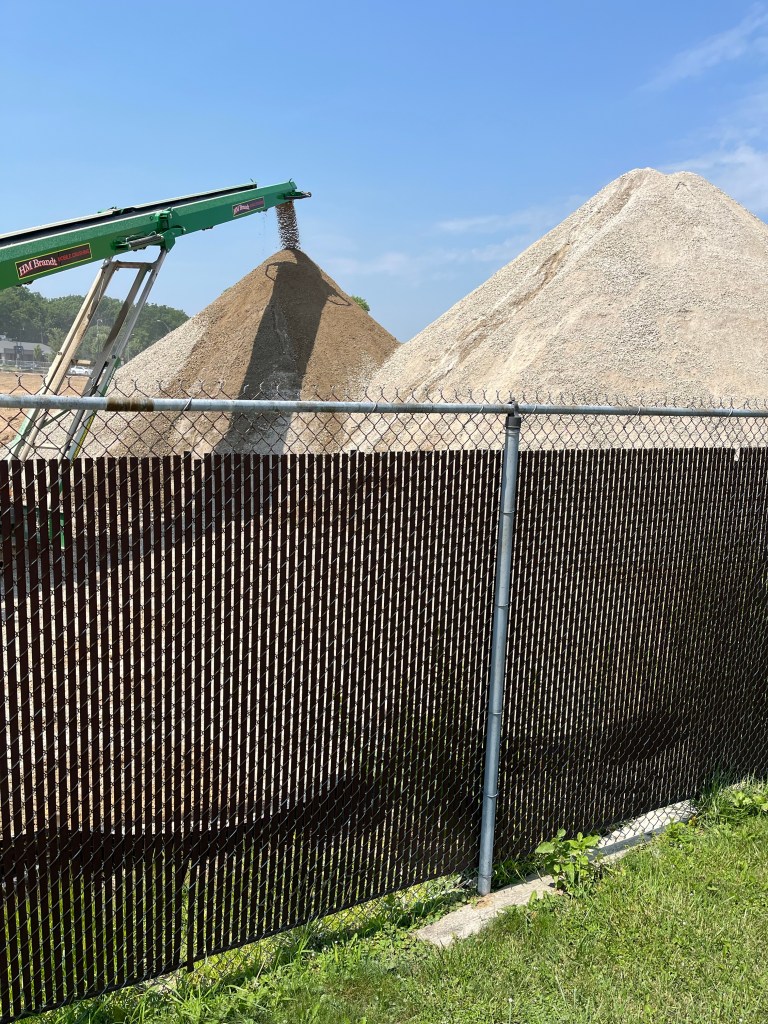
While in Madison, WI we stopped at this construction site to watch this concrete processing operation. This process includes the crushing and screening of large lumps of aggregate material in the construction and demolition (C&D) debris stream into smaller sizes suitable for construction use or further downstream processing.
I learned that construction and demolition (C&D) recycling is the process of recovering valuable resources from an array of inert construction waste, such as broken concrete, asphalt, soil, brick, metals, sand and stone that would otherwise be sent to the landfill. http://www.mclanahan.com
After this dry process, the wet processing part of the C&D recycling operation can include washing and scrubbing away deleterious material from the sound aggregate. It can also include classifying and dewatering the sand fraction. To add to the sustainability of the wet process, the resulting waste stream can include liquid-solid separation equipment for recycling reusable process water and getting the solids fraction to a drip-free, easy-to-manage state. http://www.mclanahan.com
The recycling process starts with a big pile of debris and ends with aggregate that can used for driveways, pathways, garden beds and affordable sub-base for roads. It can even be made into new concrete, saving valuable resources that would be otherwise used.
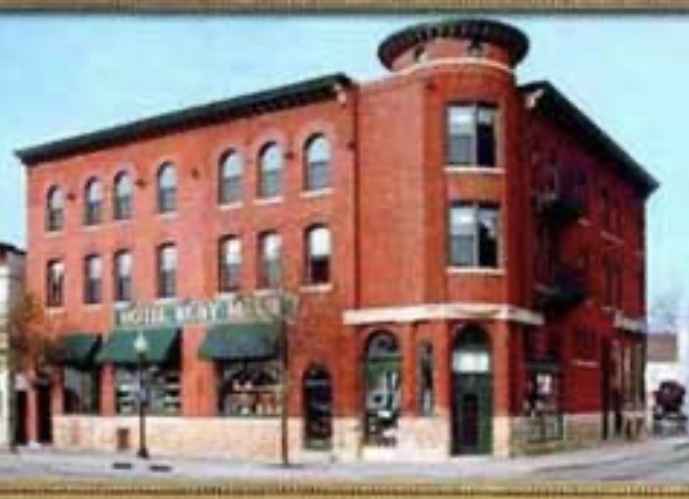
We are now in Madison, Wisconsin visiting our son, Sebby. We are staying at the historic Hotel Ruby Marie, across the street from Lake Monona in downtown Madison
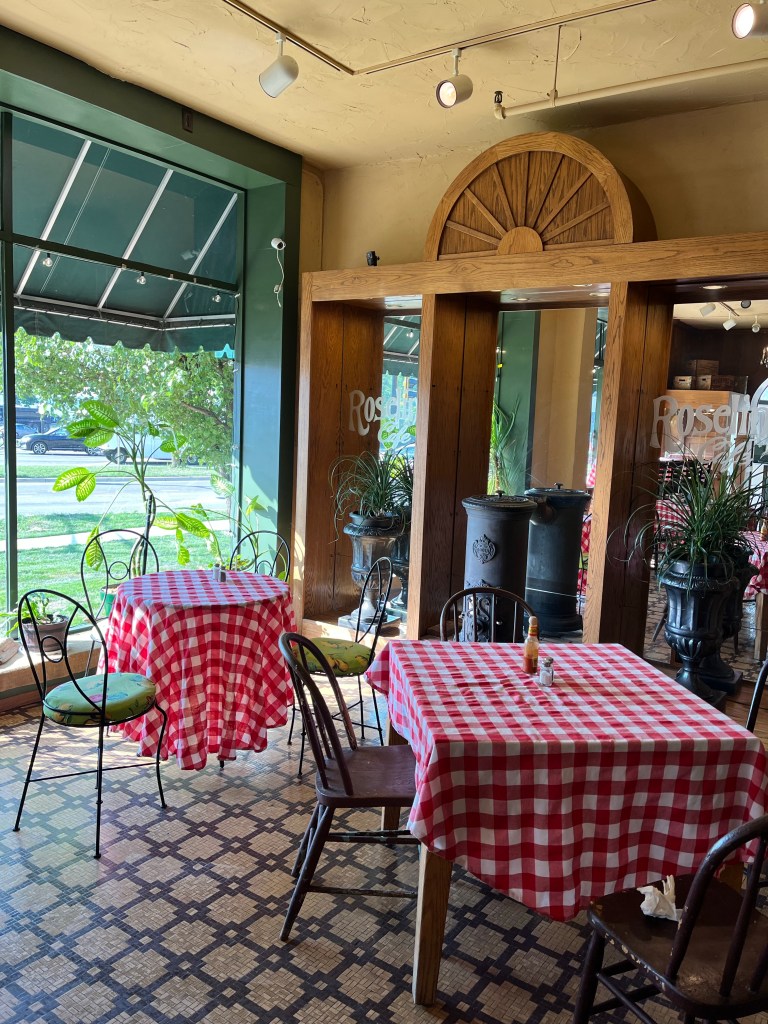
Hotel Ruby Marie has a quaint breakfast area. and delicious homemade treats.
The original hotel was built across from a railway depot in 1873 by August Ramthun. It was named the Ramthun Saloon and Rooms.
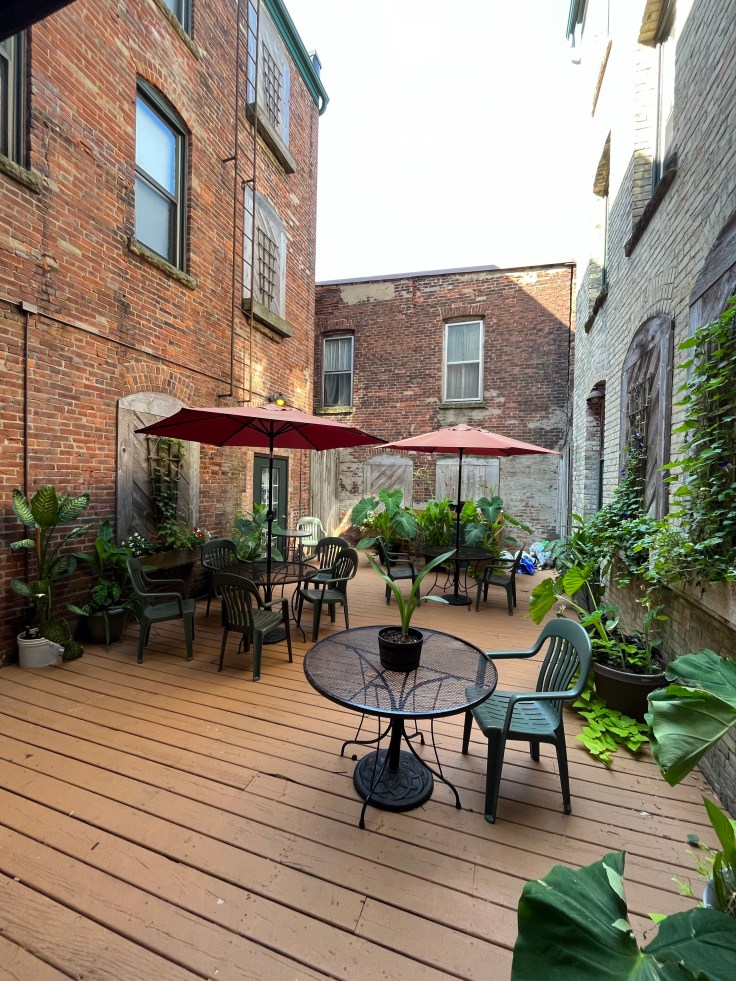
Within ten years, the hotel, now named the East Madison House, was bought by John B. Drives, who did major renovations and encased the building in brick. He added an addition, creating the courtyard.
Hotel Ruby Marie Courtyard
The hotel has changed names 5 times and has had 14 proprietors since it opened. In 1899. 148 trains passed through Madison each day creating much business for hotels in the area. With the invention of the automobile, passenger trains decreased. Milwaukee Road shut down its Madison east side depot in 1952 and the C&NW stopped passenger service in 1965. Nightly room rates went down and a seedy aspect of culture sprang up. Bar brawls, prostitution, and heavy intoxication marked a very rough era for Wilson St. until the 1980’s, when Robert Worm bought and opened two restaurants on the block. In 2000, with historic preservation grants and a vision, Robert Worm brought new life to the hotel that had become a dark and dingy place of ill repute. He renamed the hotel Ruby Marie after his mother and turned 30 small rooms into 15 good sized rooms and restored to it’s original victorian elegance.
I encourage you to check out the Hotel Ruby Marie if you are looking for accommodations in the heart of Madison downtown.
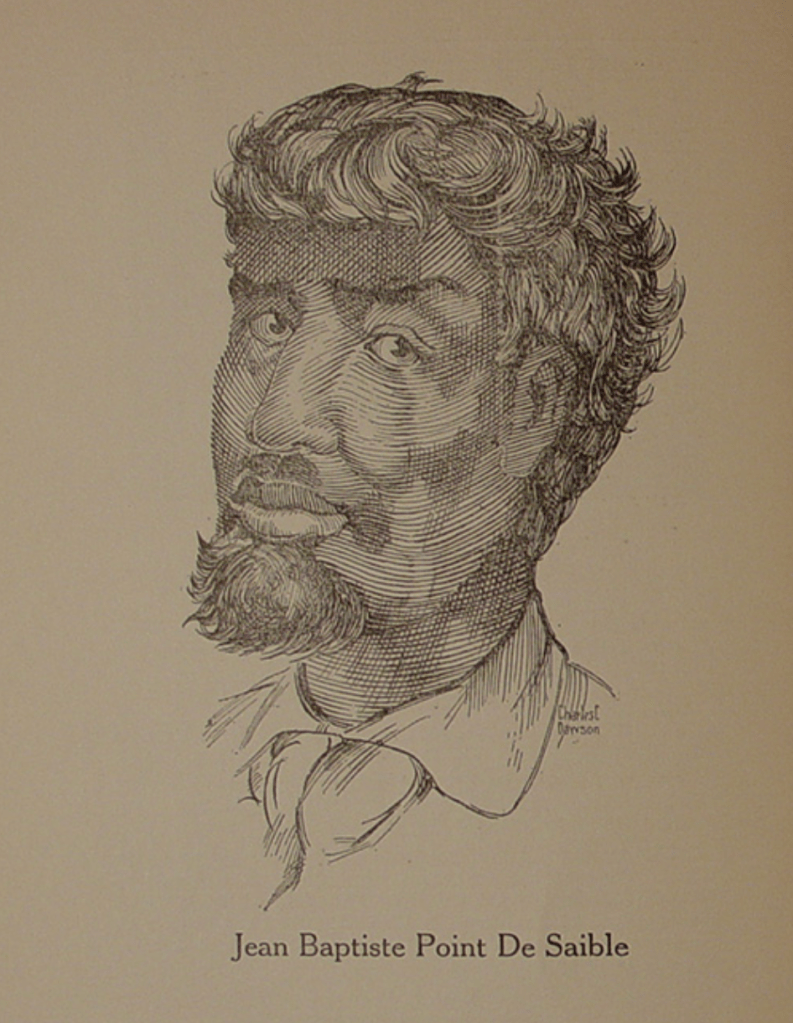
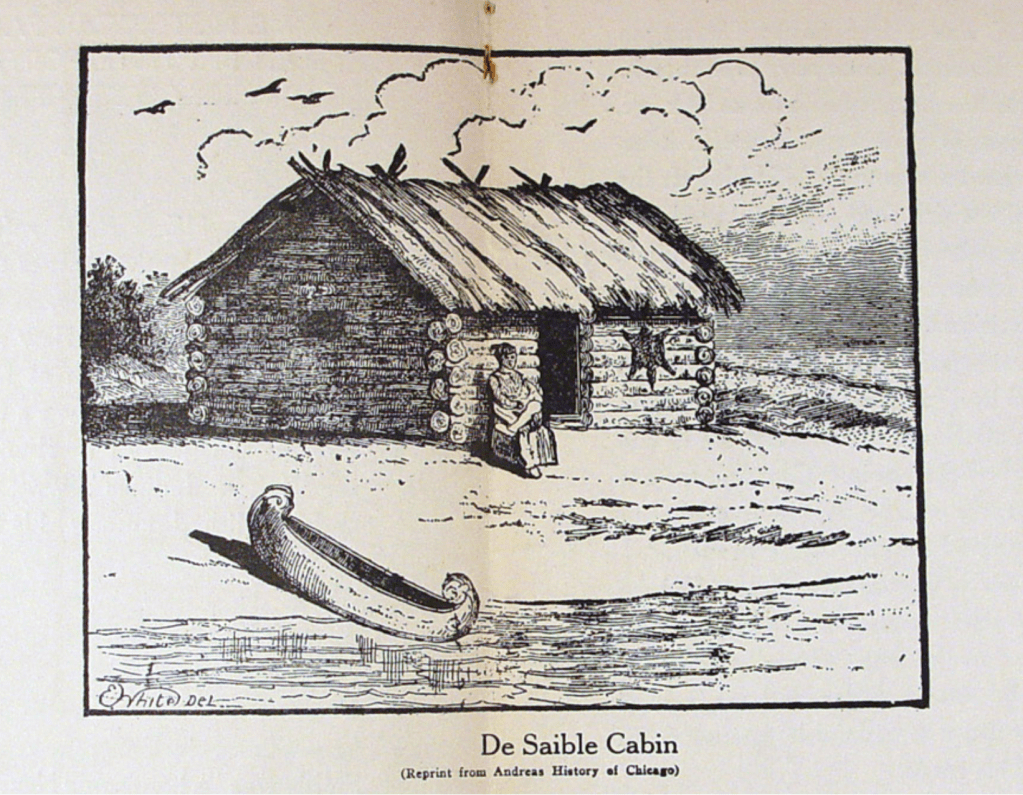
According to Wikipedia, Jean Baptiste Point du Sable (also spelled Point de Sable, Point au Sable, Point Sable, Pointe DuSable, Pointe du Sable[n 1]; before 1750[n 2] – August 28, 1818) is regarded as the first permanent non-Indigenous settler of what would later become Chicago, Illinois, and is recognized as the “Founder of Chicago”.[7] A school, museum, harbor, park, bridge, and road have been named in his honor. The site where he settled near the mouth of the Chicago River around the 1780s is recognized as a National Historic Landmark, now located in Pioneer Court.
Point du Sable was of African descent, but little else is known of his early life prior to the 1770s. He may have been born on the island of Haiti around 1745 to a French mariner and a mother who was a slave of African descent. During his career, the areas where he settled and traded around the Great Lakes and in the Illinois Country changed hands several times between France, Britain, Spain and the United States. Described as handsome and well educated, Point du Sable married a PotawatomiNative American woman, Kitihawa, and they had two children. In 1779, during the American Revolutionary War, he was arrested by the British on suspicion of being an American Patriot sympathizer. In the early 1780s he worked for the British lieutenant-governor of Michilimackinac on an estate at what is now St. Clair, Michigan.
Point du Sable is first recorded as living at the mouth of the Chicago River in a trader’s journal of early 1790. By then he had established an extensive and prosperous trading settlement in what later became the City of Chicago. He sold his Chicago River property in 1800 and moved to the port of St. Charles, where he was licensed to run a ferry across the Missouri River. Point du Sable’s successful role in developing the Chicago River settlement was little recognized until the mid-20th century.
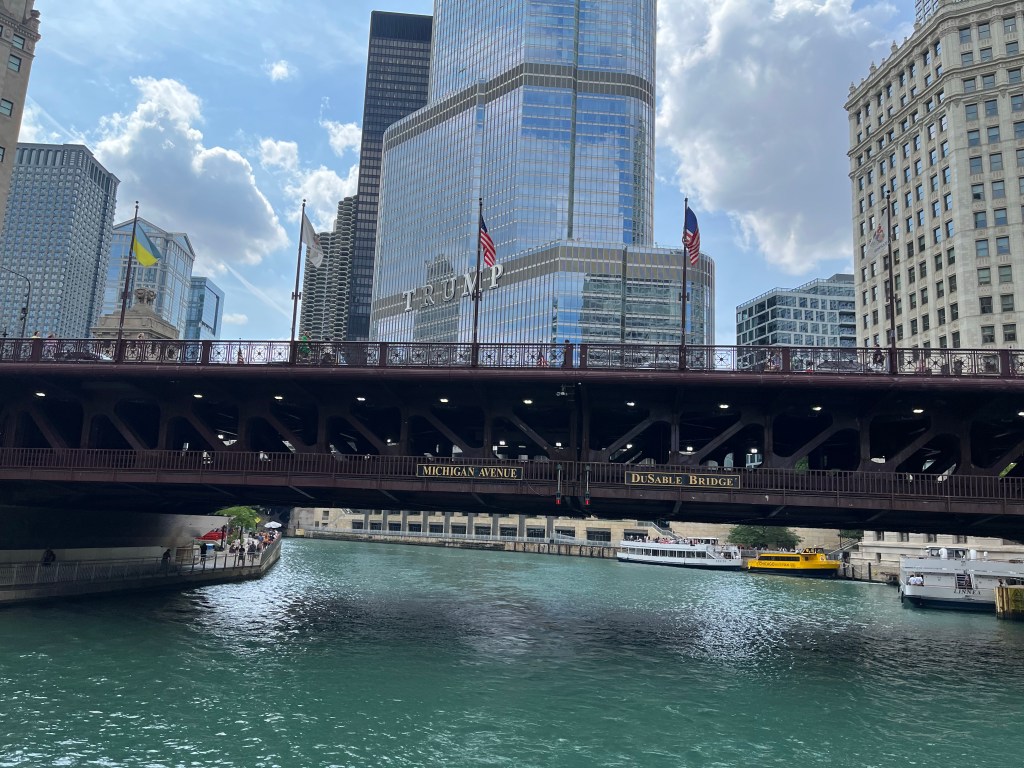
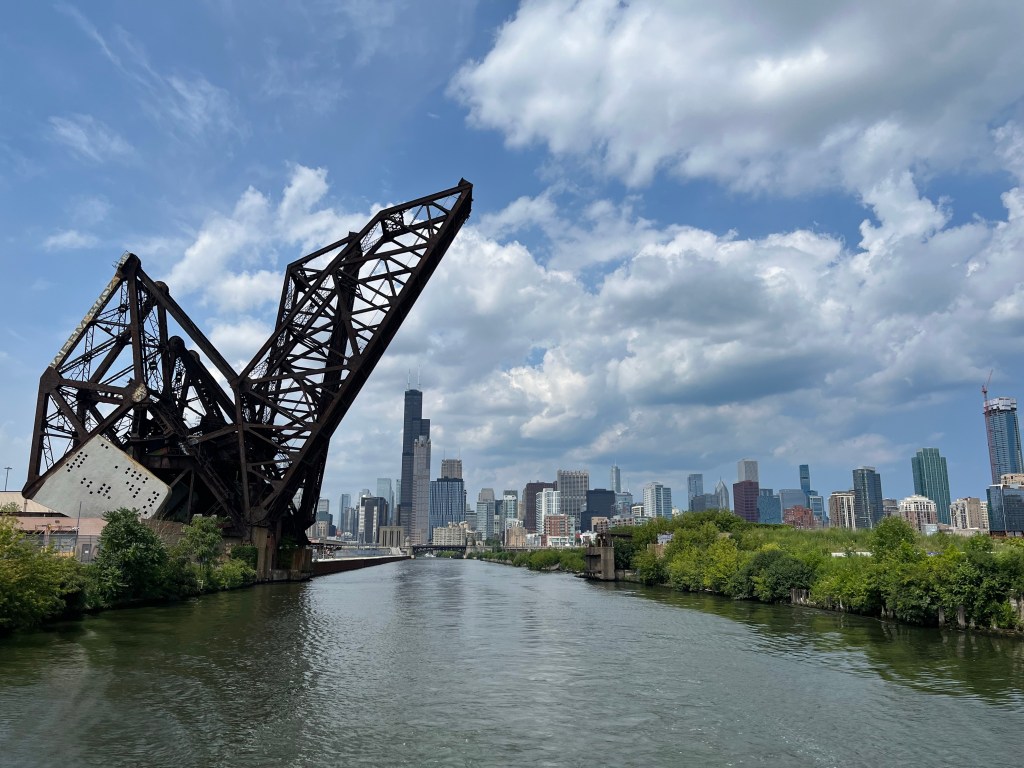
We were very interested in the many bridges in Chicago. They are called “Trunnion Bascule Bridges”; they rotate vertically about trunnions (axles) on the river bank and bascule describes a family of draw bridges that use counterweights to assist in the vertical movement of bridge leaf. You can see the huge concrete counterweight on the left in the above picture. The clear protective barrier under the bridge (to prevent anything from falling on pedestrians) is called an”eyelash”.
The bridges are opened twice a week in May and October to let people with tall-masted boats bring them to the lake since the river freezes in the winter. While many people think this is a bothersome disruption, the bridges, some of them 100 years old, used to be opened on demand.
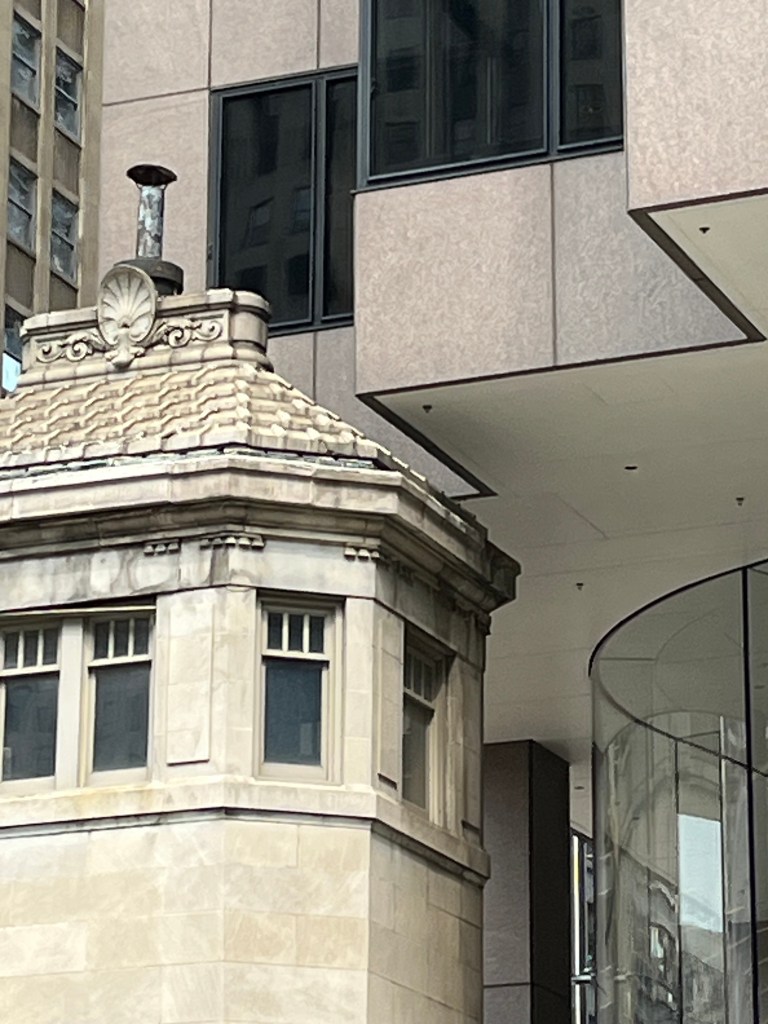
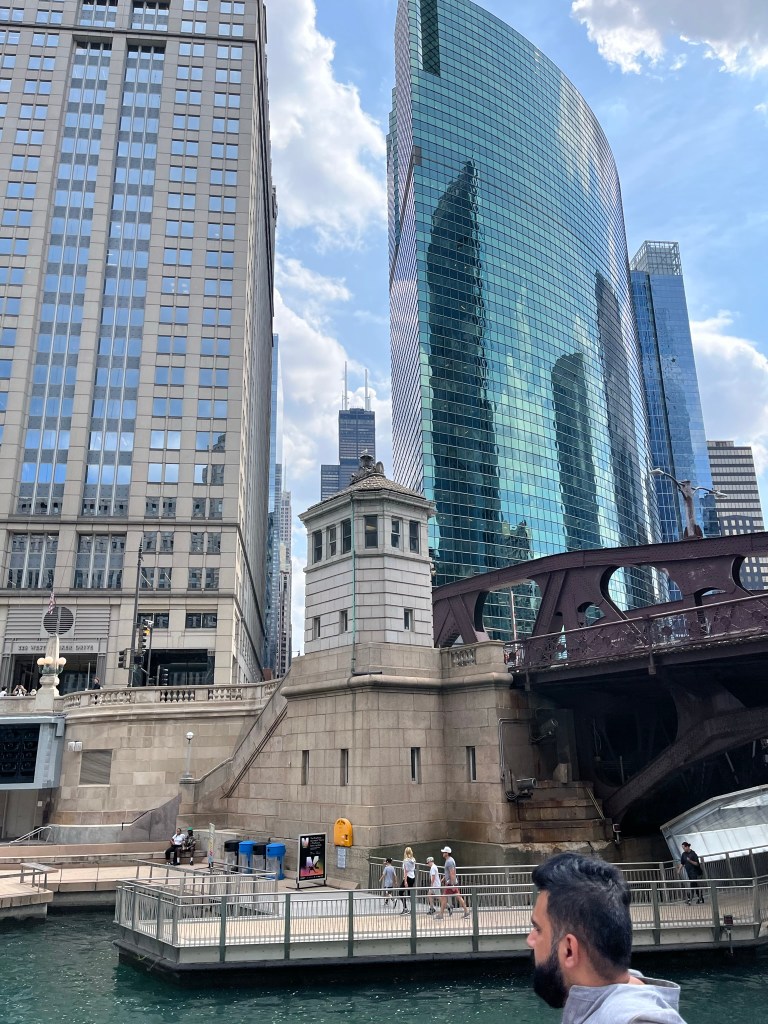
After 1910, involvement from the Chicago Plan Commission and architect Edward Bennett improved the bridges’ architectural elements, including bridge houses. These houses represent many major architectural styles, including Art Deco, Beaux-Arts and Modernism. The modern building on the left was built around the bridge house.
As you might guess, we are in Chicago. We went on an architecture tour that was rich with Chicago history as well, so I will share several posts with interesting Chicago factoids we learned. The first is about the great Chicago fire of 1871 that destroyed much of the city.
The myth is that a woman named Catherine O’Leary was milking her cow when the cow kicked over a lantern, igniting the barn and starting the fire. So is it true? Nope!
In 1997, the Chicago City Council went so far as exonerating the cow and its owner
Published October 7, 2021 • Updated on October 7, 2021
Chicago seems to like to pin the blame for its misfortune on farm animals. For decades the Cubs’ failure to get to the World Series was the fault of a goat that was once kicked out of Wrigley Field. And for well over a century, a cow belonging to Mrs. O’Leary caused the Great Chicago Fire of 1871.
But just as baseball fans know the Cubs’ pre-2016 shortcomings had nothing to do with a curse put on the team by a goat’s angry owner, historians say there is no evidence that the massive blaze that destroyed a huge swath of Chicago and displaced about a third of its residents began when Catherine O’Leary’s cow kicked over a lantern.
Indeed, nobody puts much stock in that story these days. In 1997, the Chicago City Council went so far as exonerating the cow and its owner.
“The family is still mad about how she was treated,” Peggy Knight, O’Leary’s great-great granddaughter, told The Associated Press on Thursday, a day before the 150th anniversary of the start of the fire. “She did not deserve that.”
How the immigrant from Ireland came to be blamed is a familiar story: She was a victim of prejudice and circumstance.
The fire started in or near her home and her family’s barn. And while it destroyed much of the city, it miraculously spared her own house.
More importantly, O’Leary was easy to blame because of who she was and what she represented
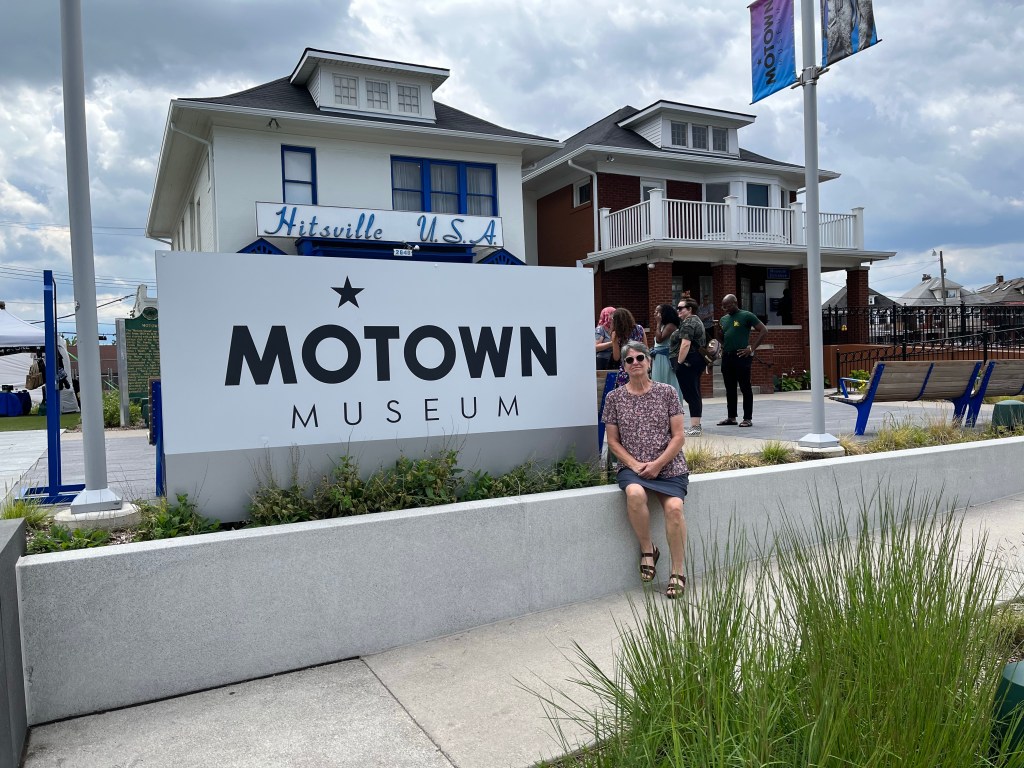
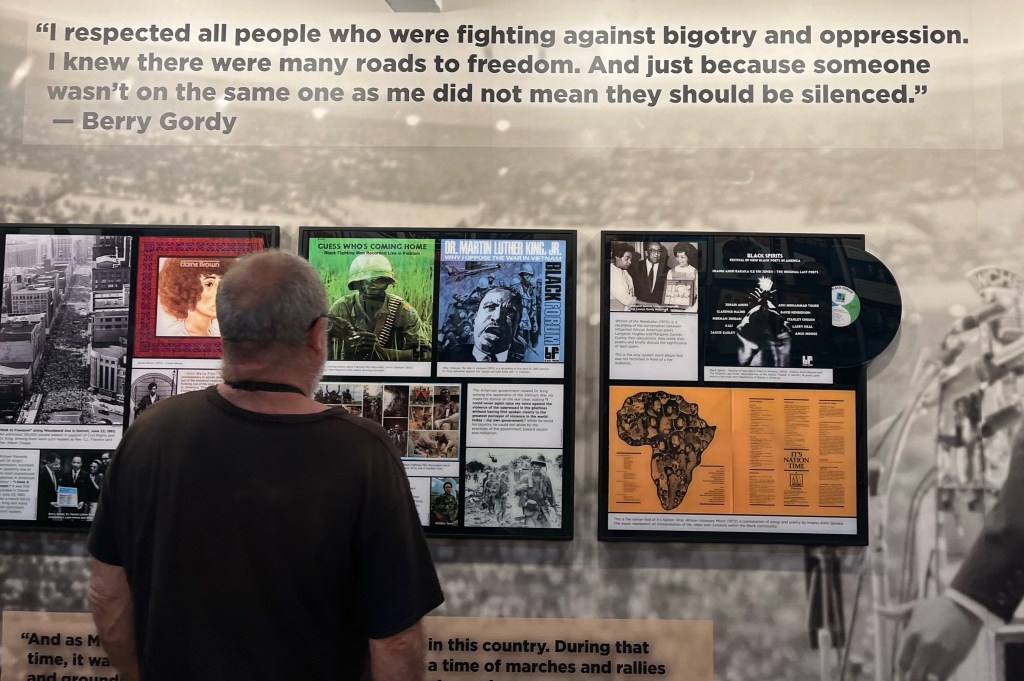
I decided before we get too far away from Detroit, that I must share about our Motown experience. I highly recommend a visit to the Motown Museum, the former home of Berry Gordy, founder and legend behind Motown Records. Actually, Motown Records bought 7 houses in a row and one across the street for the business as it grew.
The studio was open 24/7 and bursted with energy and creativity. Many of the artists, including Smokey Robinson and Diana Ross, lived in the neighborhood. If they got inspired at 2am, they could come over and work on a song.
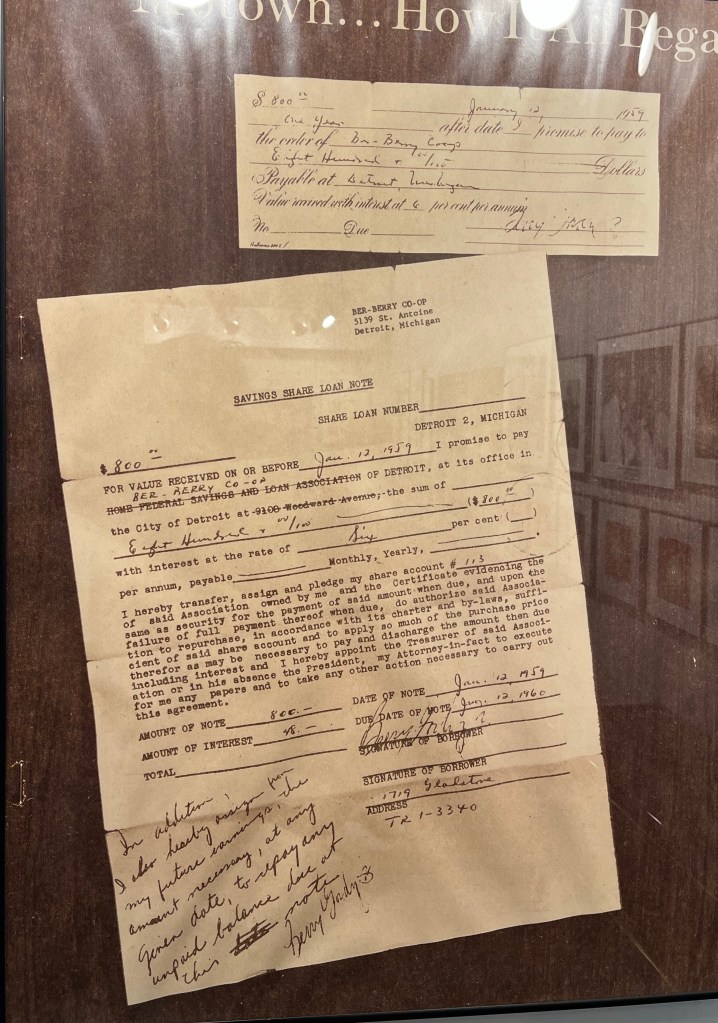
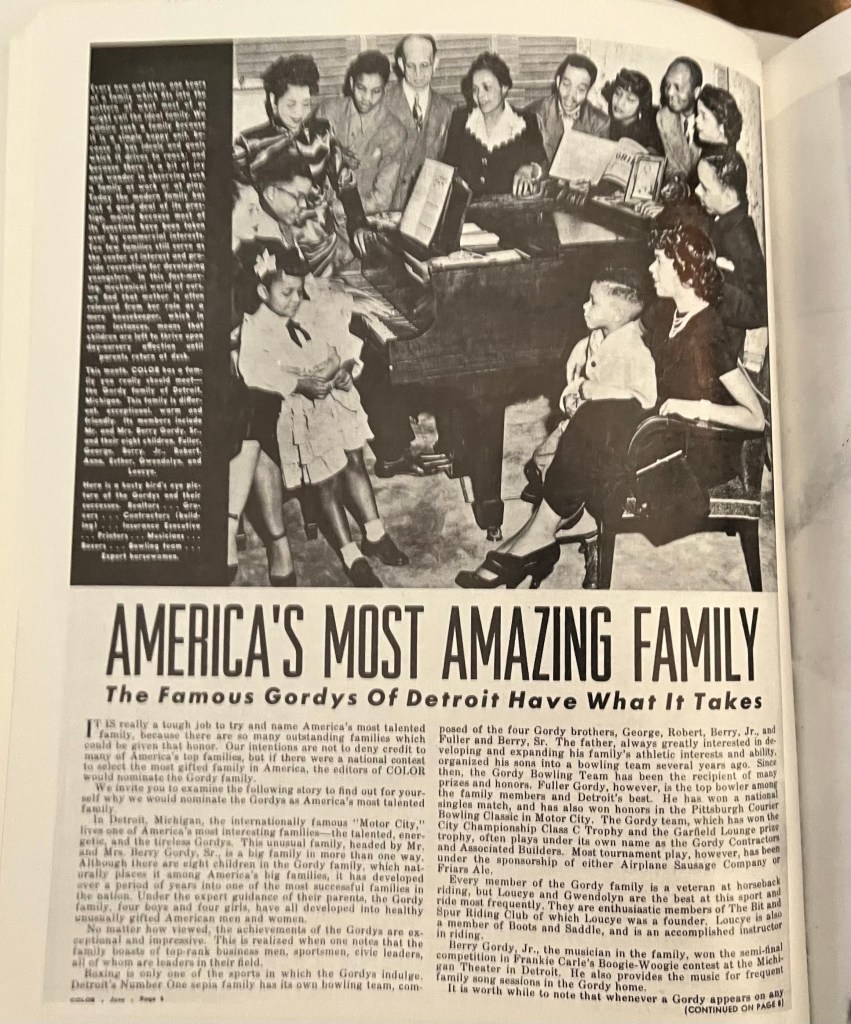
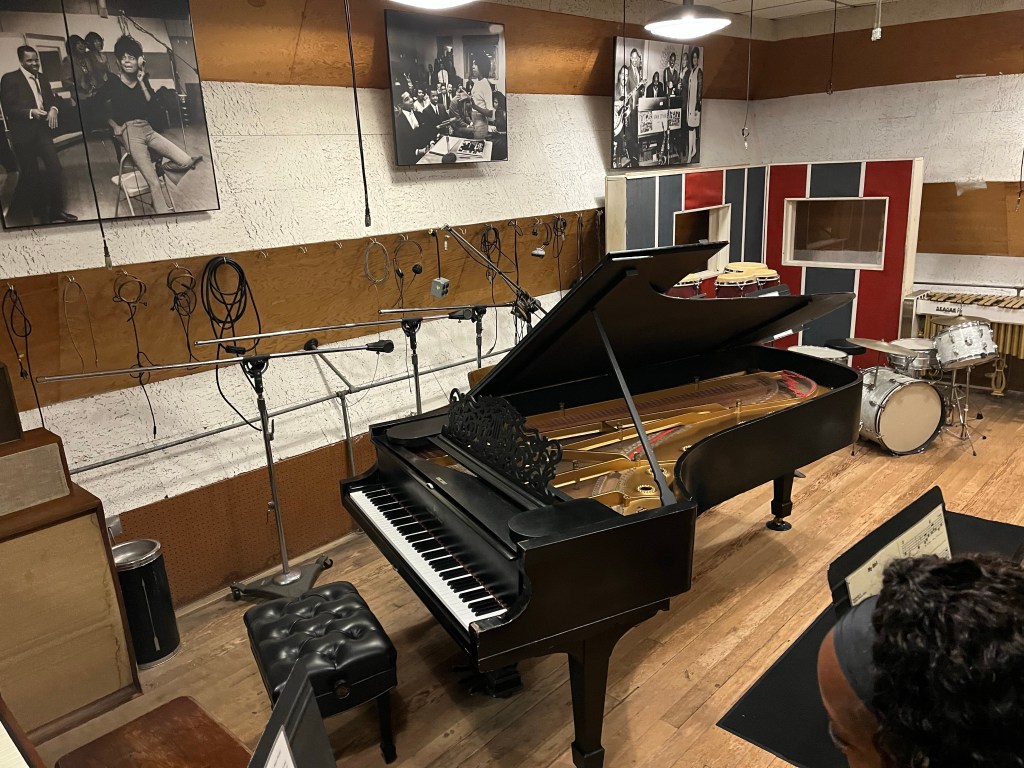
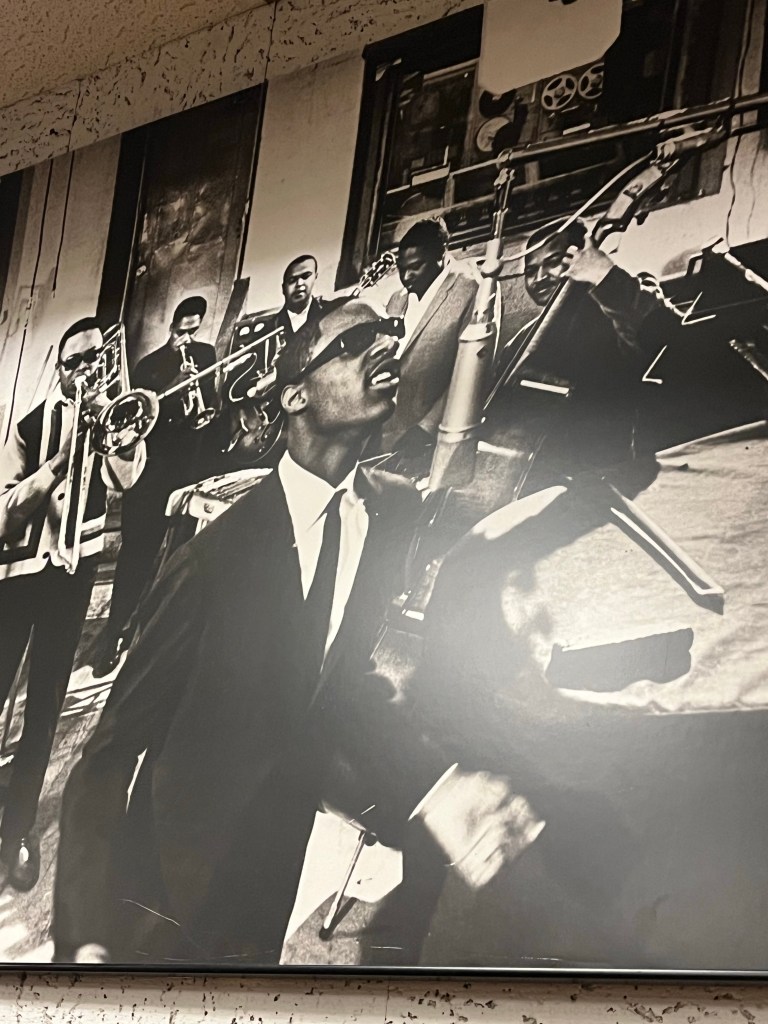
Motown Records was a family operation. Berry Gordy’s parents instilled a work ethic in their children. All adults were expected to work (many were entrepreneurs) and to contribute weekly to the Ber-Berry Co-op, a family savings fund. Berry borrowed $800 from the fund to start Motown records with his sister Esther Gordy Edwards. Photo from Berry Gordy’s autobiography, Berry Gordy: To Be Loved. This is Studio A where many a record were recorded. Stevie Wonder, Marvin Gaye, the Funk Brothers snd countless others made hits on this Steinway piano. Stevie Wonder recording in Studio A As times changed, the music changed too. Black Forum, 1970-1973., was a label used for “the presentation of the ideas and voices of the worldwide struggle of Black People to create a new era.”
Imagine a world without the Supremes, Smokey Robinson,Marvin Gaye, Stevie Wonder, Diana Ross, Michael Jackson, Lionel Richie, the Temptations and the Four Tops. You’ve just imagined a world without Berry Gordy and Motown Records.
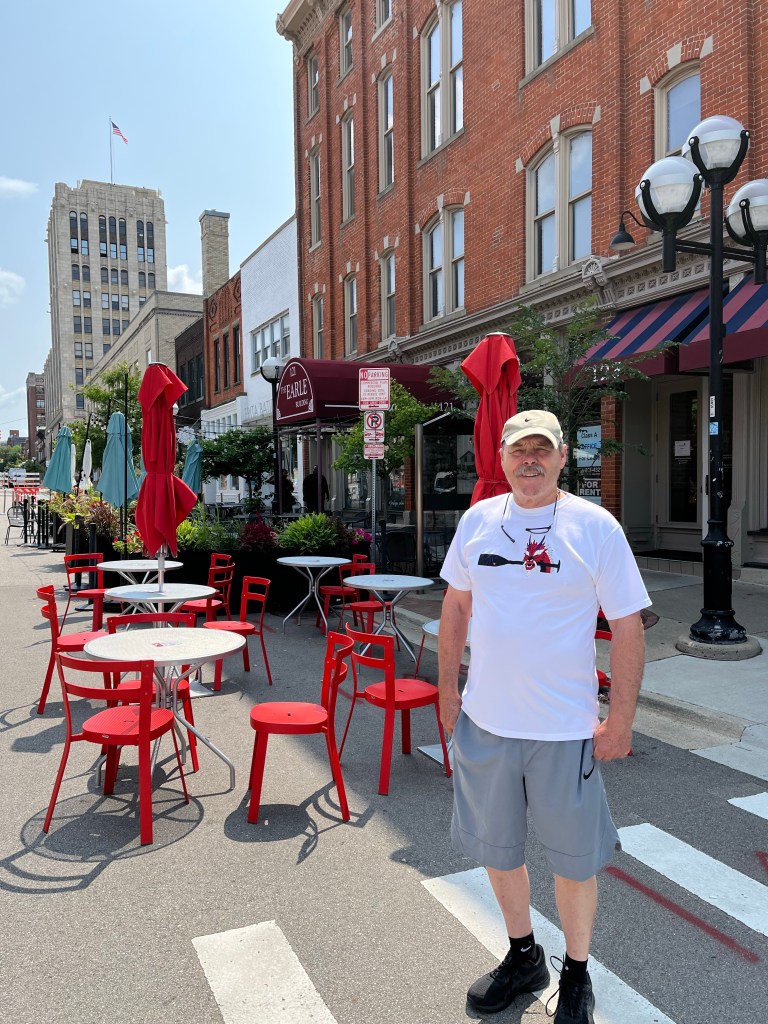
We stopped for lunch in Ann Arbor, college town extraordinaire. The similarities to Ithaca are striking.
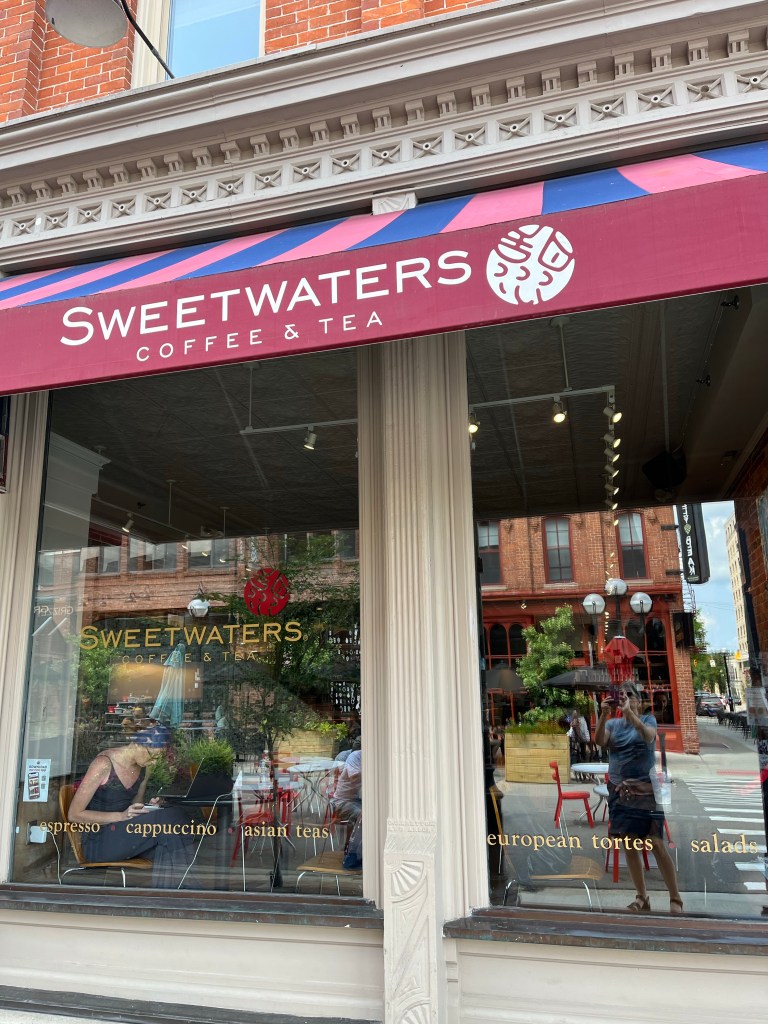
If you find yourself in Ann Arbor, I highly recommend the carrot cake at Sweetwaters bakery.
One difference between Ithaca and Ann Arbor is that Ann Arbor already has sustainable municipal power. The Ann Arbor Sustainable Energy Utility According to their website, “the Ann Arbor SEU is a community-owned energy utility that provides electricity from local solar and battery storage systems installed on homes and businesses throughout the city. The SEU provides 100% clean, reliable, locally built, and affordable electricity; built by the community, for the community.” I am curious about why there is not much talk about battery storage systems in Ithaca.
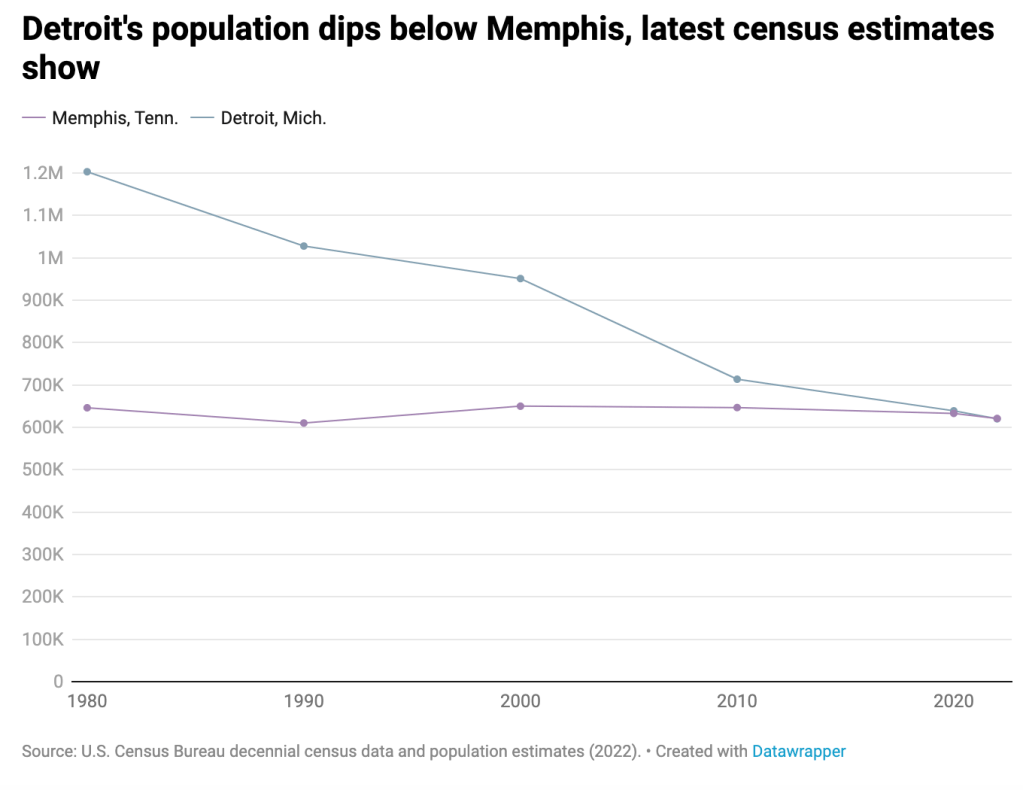
We arrived in Detroit yesterday, the ancestral homelands of three Anishinaabe nations of the Council of Three Fires: the Ojibwe, Ottawa, and Potawatomi. Detroit drew immigrants of many nationalities including Italians, English, Germans, Polish, Irish, Mexicans, Middle Easterners, Africans, and Greeks. Our downtown hotel is near the Corktown neighborhood, named after County Cork, Ireland the oldest existing neighborhood in the city.[2][3] Many Irish folk immigrated to the United States during the Irish Potato Famine in the 1840’s and at that time the Irish were the largest ethnic group settling in Detroit. By the Civil War, German immigrants had begun making inroads into the Corktown neighborhood.[5] By the turn of the century, the original Irish population had diffused through the city, and new immigrants, notably Mexican and Maltese, moved into this older housing.[5] As the century progressed, migrants from the American South and Appalachia, both Black and white, came to the city for good paying jobs in the automobile industry.[5] As these jobs were shipped overseas, the people left also. For the past 40 years, Detroit has been the largest Black majority city in the U.S. with 76% Black population, but due to the drastic loss of population in Detroit, Memphis may now the largest Black majority city. As jobs left the city, poverty increased and the city went bankrupt.
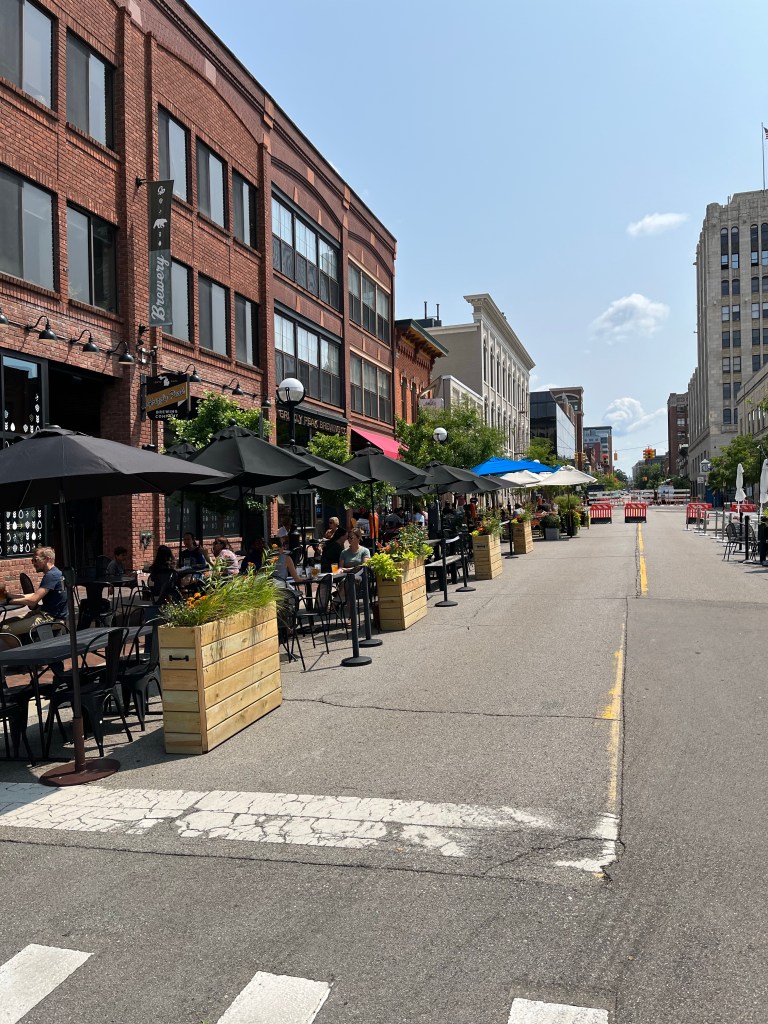
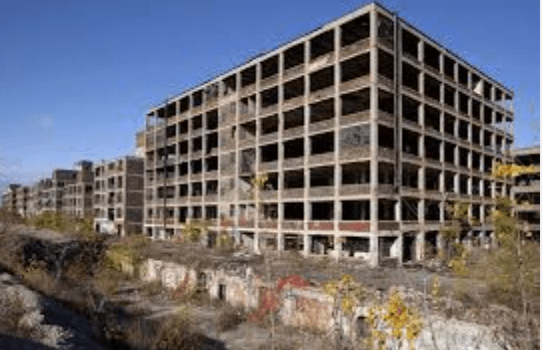
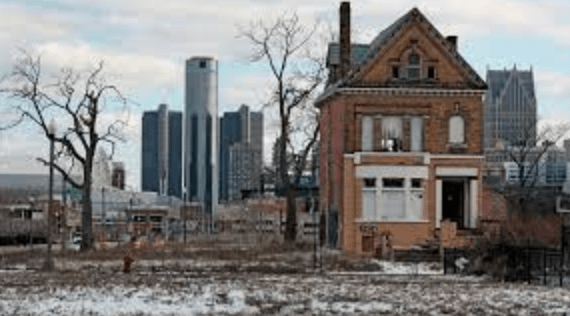
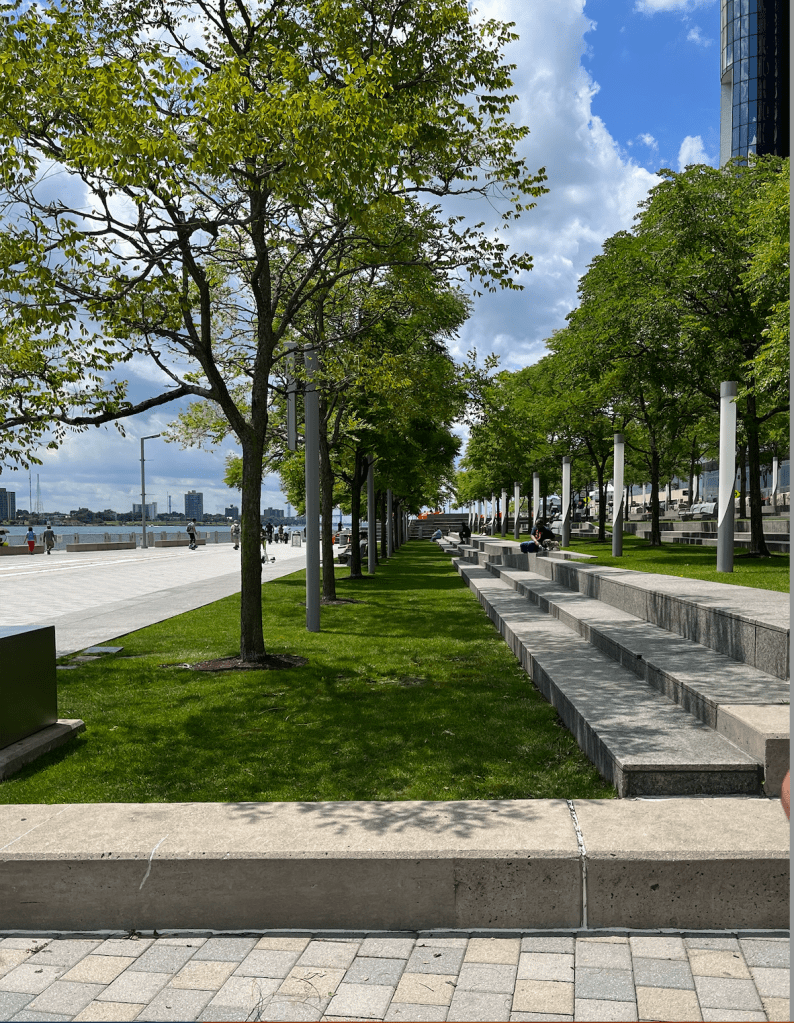
There are still many parts of Detroit that are abandoned still, but there is revitalization happening. An example of that is the Detroit Riverwalk, built through a public-private partnership to clean-up a five mile abandoned industrial area along the Detroit river. The strip right along the river is very nice walkway now, where we enjoyed seeing people biking, walking dogs and children playing. Right behind the walk way are miles of abandoned GM parking lots.
View right behind the Detroit Riverwalk
The fact that Detroit has so many vacant sites is a blight on the city, but also an opportunity. They may be a step ahead of other cities in building a new green infrastructure. For example, the City of Detroit Office of Sustainability is seeking block clubs and community groups to host solar fields on large parcels of vacant land to power city buildings. The Solar Company incentivizes it by giving back to the community – for a 10 acre site, the neighborhood group gets to decide what to do with $250,000. You can listen to the Mayor’s speech about it here.
According to an interesting National Geographic article, multibillionaire Dan Gilbert is Detroit’s sugar daddy. Gilbert, who founded Quicken Loans, bought more than 70 properties (mostly downtown and ripe for rehab), seeded dozens of start-ups, and employs an estimated 12,500 people.
Keep Growing Detroit is an organization with a mission “to cultivate a food sovereign city where the majority of fruits and vegetables consumed by Detroiters are grown by residents within the city’s limits”.
It will be interesting to watch Detroit’s evolution. It could be a good place for the young and adventurous to land.





















 Perspectives on the Road