In our retirement we are have decided it is time to leave the bubble of Ithaca, New York and see what America is really about. We invite you to join us as we learn about people, places and the natural history we experience in our travels.
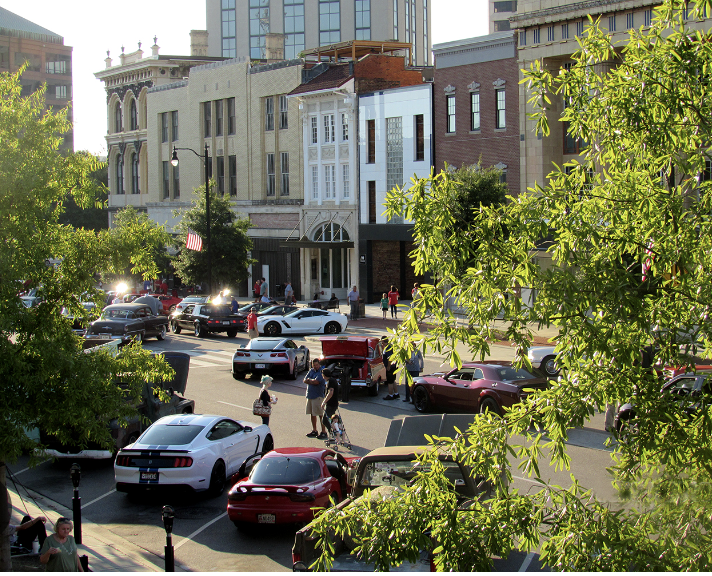
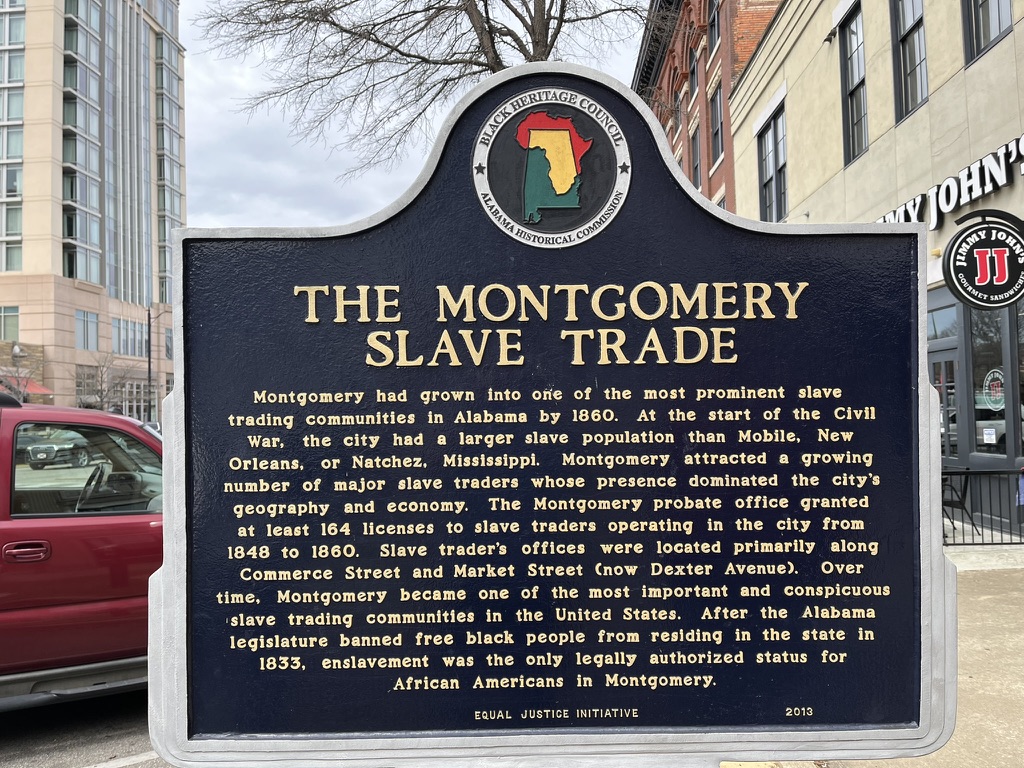
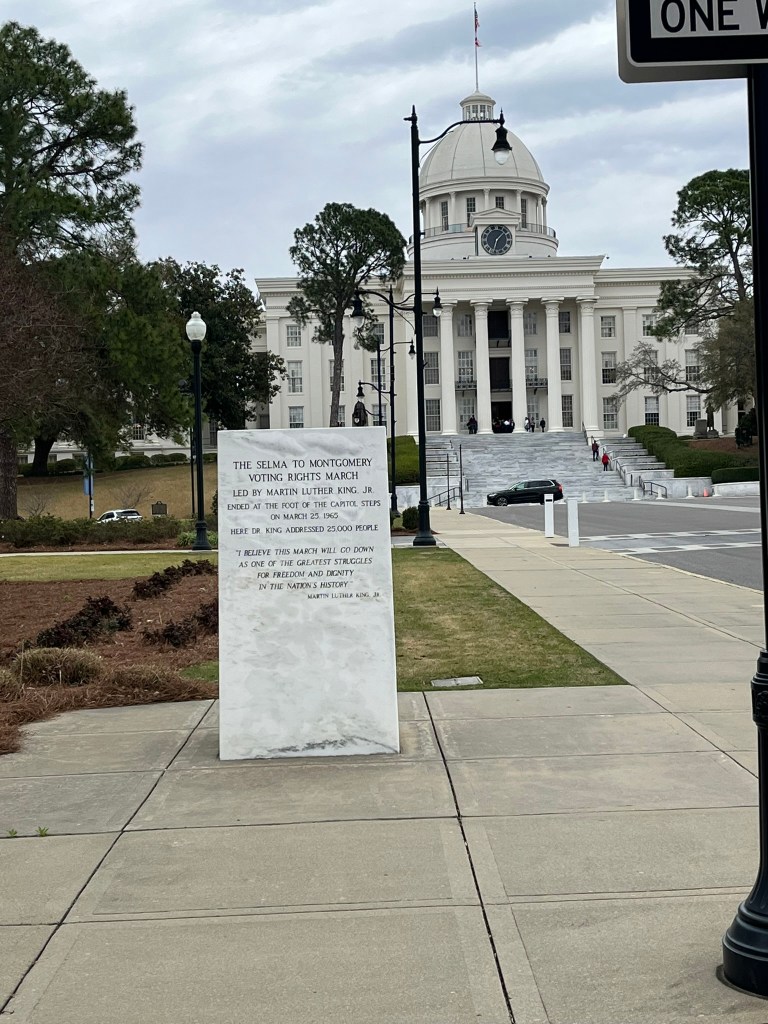
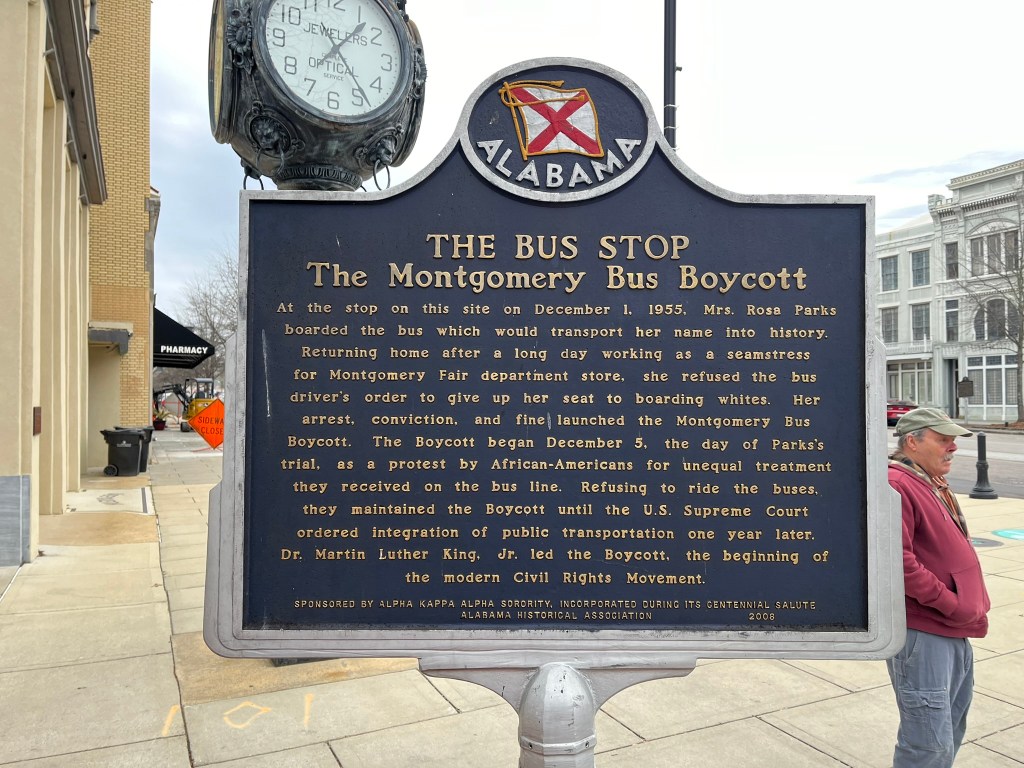
Montgomery, Alabama has to reconcile the fact that it is both the “Cradle of the Confederacy” and the “Birth Place of the Civil Rights Movement”. It raises the question of whose dreams are being fulfilled with it’s nickname “Capitol of Dreams”? To be fair, you can visit The First White House of the Confederacy (two blocks from the Dexter Ave. Baptist Church where Reverend Dr. Martin Luther King, Jr. was pastor), but I have seen no confederate flags in the city. There are plenty of plaques in the city recognizing the large role the city played in the slave trade and also marking civil rights milestones. Montgomery is the home of the Legacy Museum . It seems the city has done a pretty good job of recognizing all aspects of its past, however I did not see any plaques acknowledging what they did to the Creeks, the indigenous people living there when White settlers arrived.
Montgomery is a pretty city with a lot of downtown revitalization happening. It was one of the first cities in the nation to implement SmartCode Zoning, focusing on walkable neighborhoods. Montgomery is a majority Black city (61% of population) and, we were told it has an increasing Korean population due to the large Hyundai plant located there. Once home to the First White House of the Confederacy, Montgomery grew to become the center of the Civil Rights Movement, notably the Montgomery Bus Boycotts.
Reverend Martin Luther King, Jr. was pastor of The Dexter Avenur Baptist Church from 1954- 1960. The Montgomery Bus Boycott was organized here. The church stands right next to the State Capitol.Rosa Partk’s protest happened on December, 1st, 1955 on the day oi my birth.
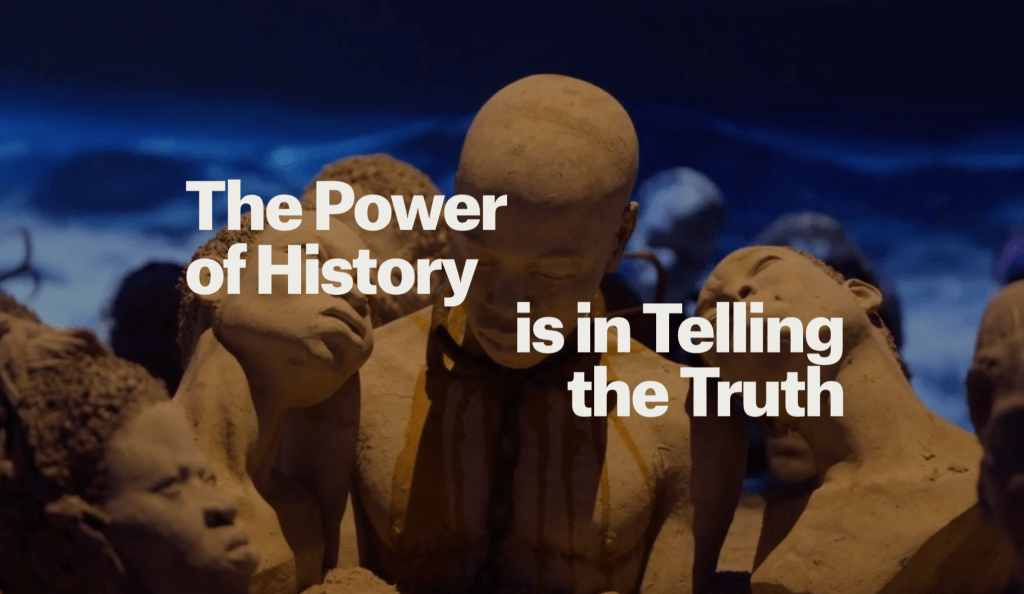
If I had to choose one stop on the National Civil Rights Trail, the Legacy Museum in Montgomery, Alabama is at the top of the list. We have visited a number of Civil Rights Trail sites over the years and this is one of the most powerful. The museum takes you on a journey over 400 years from enslavement to racial terrorism to codified segregation and finally the mass incarceration of today. Photos and videos are not allowed so I am reporting mostly from memory. When you first enter the museum, you experience huge ocean waves as you cross the ocean as part of the middle passage. You hear many first hand narratives-from ghosts of enslaved people waiting for auction, to a father holding his young daughter in his arms before he is dragged away from her to be sold down the river, (half of enslaved families were broken up) to people who were incarcerated as teenagers serving life without parole. You see jars of dirt holding the DNA of a fraction of the 4,400 people lynched over a 73 year period in this country.
“When we have the courage to learn the truth we open up doors that permit justice, that permit reckoning, that permit healing. This museum is dedicated to creating a society where the children of our children are no longer burdened by the legacy of slavery.”
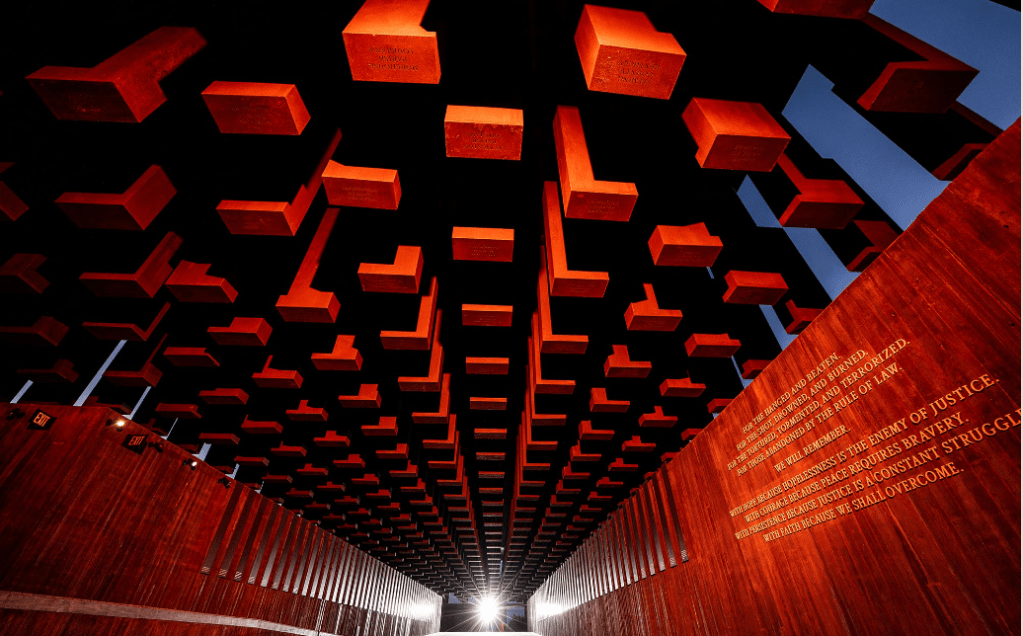
The National Memorial for Peace and Justice, standing on a hill overlooking Montgomery is a sacred, reflective space memorializing more than 800 people who were lynched. The names and dates of people who were lynched in each county are etched onto a hanging steel monument. The sheer number of counties is overwhelming, and they are not just in the South. They have gifted each county stones that can be publicly displayed in their county. Jefferson County. Alabama had 63 documented lynchings. They are planning a display in Kelly Ingram Park in Birmingham.
I had heard of Fred Shuttlesworth, but did not really know what this man accomplished during the civil rights movement until I came to Birmingham, Alabama. We took the Red Clay Fight for Rights tour and watched a PBS Documentary “Shuttlesworth”, both of which I recommend. In order to understand why Fred Shuttlesworth was exactly who the movement needed in Birmingham, one needs to understand what it was like there in the 1950s and 1960s under the rule of Bull Connor.
Birmingham was a company town with the owners of the steel, iron and coal companies making the rules. They were segregationists and there was agreement that Blacks should be kept in their place. Birmingham was essentially a police state supporting the industries. Bull Connor became the political intermediary between the corporate interests and the Ku Klux Klan, so that the corporations could keep their hands clean. In the documentary “Shuttlesworth”, eye witnesses talk about the Klan regularly parading with the police cars leading the procession. If a Black person stepped out of line, they could expect a violent reaction- bombing, beating, arrest or even lynching.
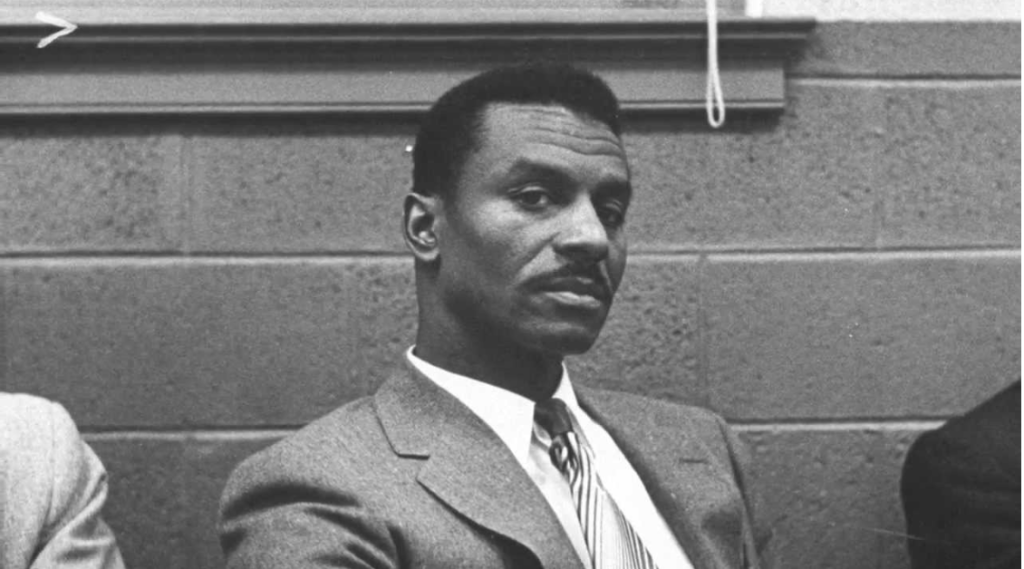
Fred Shuttleworth was described as a warrior, leading people in to battle, willing to risk his life for change. Some folks said he was crazy- they bombed his house, beat him up multiple times, took his car yet he persisted and refused to give up. He was not afraid of Bull Connor; he always believed that God would protect him. He was called “the most courageous civil rights fighter in the South” by Martin Luther King, Jr.
Reverend Fred Shuttlesworth was a firey preacher with an authoritarian personality. When he was growing up in an abusive household in Montgomery, his mother put him in charge of his 8 younger siblings. He felt like he was being prepared for something and other people felt that too. He learned his persistence from his mother. He knew by the time he was 22 years old that he would be a preacher.
Reverend Shuttlesworth came to Birmingham in 1952 and became preacher of Bethel Baptist Church in 1953. In 1956 the Alabama attorney general outlawed the NAACP, so Reverend Shuttlesworth established the Alabama Christian Movement for Human Rights (ACMHR), serving as president of the group until 1969. The ACMHR coordinated boycotts and sponsored federal lawsuits aimed at ending segregation in Birmingham and the state of Alabama.
The Shuttlesworth family lived next to the church. On Christmas Day, 1956, sixteen sticks of dynamite that had been placed under the house where the bedroom was, exploded and the house collapsed. Fred walked out of the rubble without a scratch on him. Andrew Manis, a member of the church said, “if we had seen Jesus walk on water, we wouldn’t have been any more reverent than we were when we saw Fred come out of that building alive. Fred Shuttlesworth was not only their man but God’s man.” He and his church survived two more bombing.
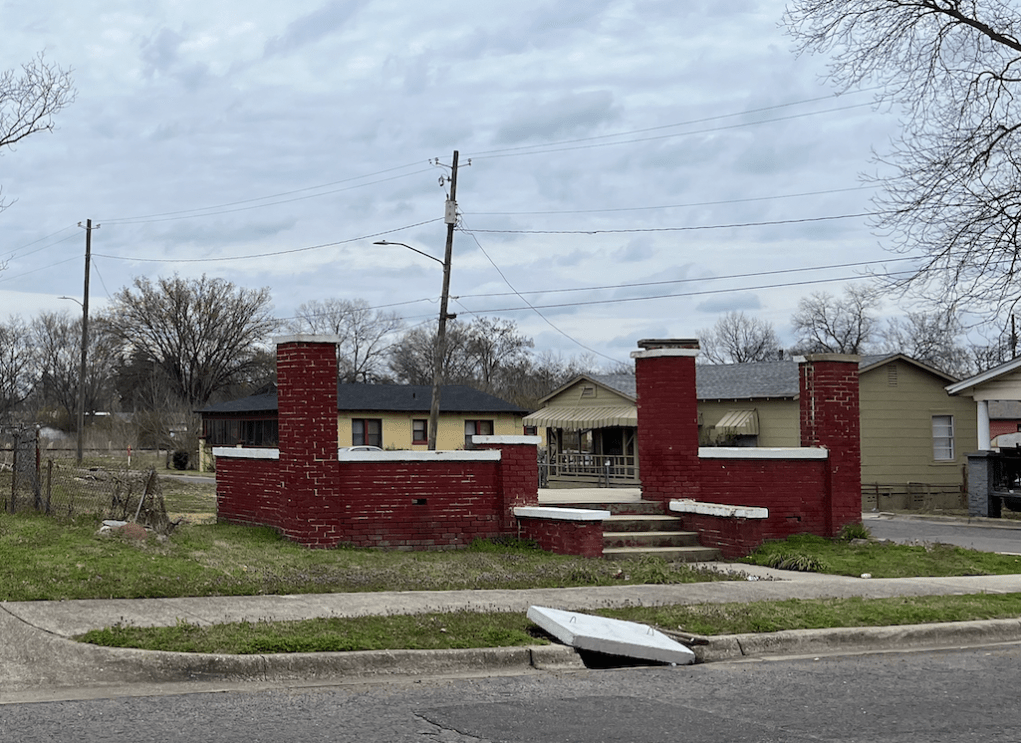
Remains of a guard station across from the Bethel Baptist Church and Shuttlesworth home. It was for volunteers who served as armed guards to protect Reverend Shuttlesworth and the church every night.
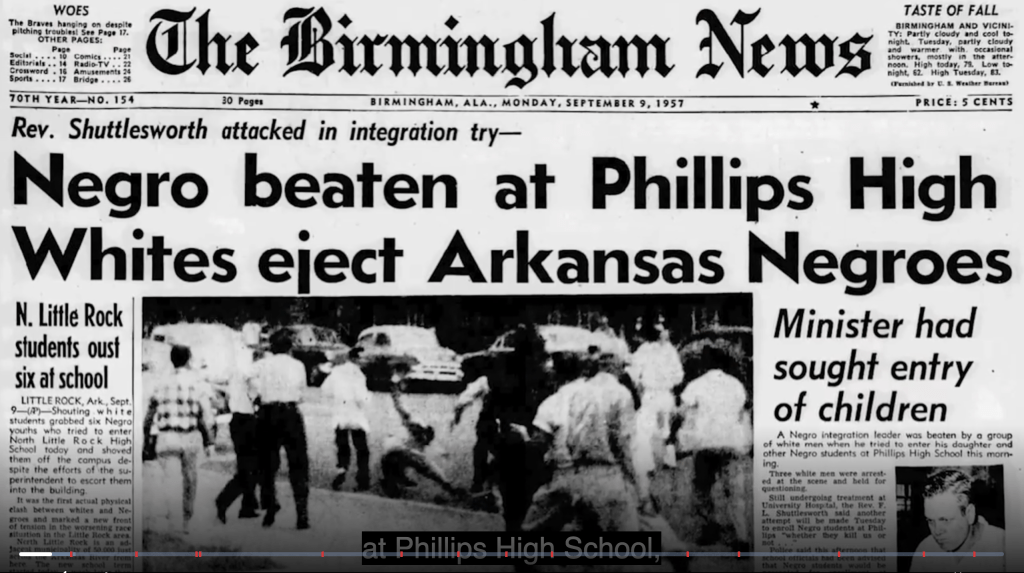
After the Brown vs.the Board of Education Supreme Court ruling desegregating schools, Birmingham schools stayed segregated. Shuttlesworth tried to enroll his own children at a white high school in Birmingham. The Klan was waiting for him in front of the school and beat him so bad he ended up in the hospital.
Shuttlesworth served as secretary of the Southern Christian Leadership Conference (SCLC) from 1958 to 1970. Joining forces with the Congress On Racial Equality (CORE), Shuttlesworth helped organize the Freedom Rides and in 1963, began a campaign called Project “C” to fight segregation in Birmingham through mass demonstrations and boycotts. Project “C” was about conflict, and they had all of the ingredients to make national headlines in Birmingham. They could count on Bull Connor to create physical conflict, so Shuttlesworth convinced Martin Luther King to come. The strategy was to fill the jails until they overflowed. There were lunch counter sit-ins and some arrests, but the adults were not showing up en mass to be arrested for fear of consequences. This is when the idea of the childrens march was hatched, which was an incredible success. A thousand children showed up to march and over 800 were arrested. The Sixteenth Street Baptist Church was where they held the mass meetings and trained the children for the march. When the jails overflowed on the first day, Bull Connor brought out the dogs and fire hoses on the second day. The national press was there to let the world know and the movement got the reaction they needed. Their demands were met, but shortly after that the 16th Street Baptist Church bombing took place and four little girls lost their lives. These events, among others, helped bring about the passage of the Civil Rights Act of 1964 and the Voting Rights Act of 1965. After the passage of the acts, Shuttlesworth continued to focus on issues in Birmingham until he died in 2011 at the age of 89. (https://www.nps.gov/. We need many more people today with the courage, conviction and the mind for strategy of Reverend Fred Shuttlesworth.
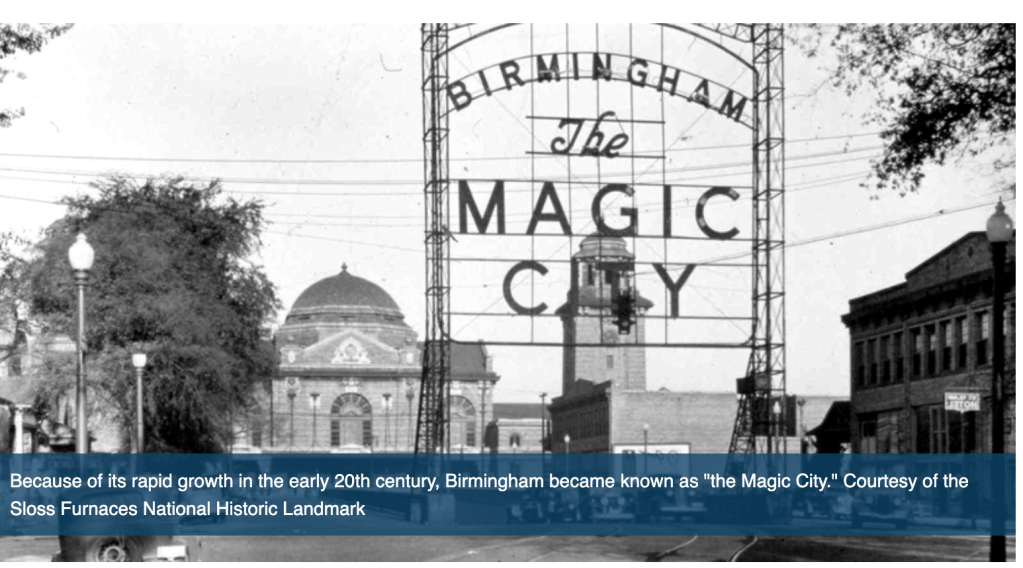
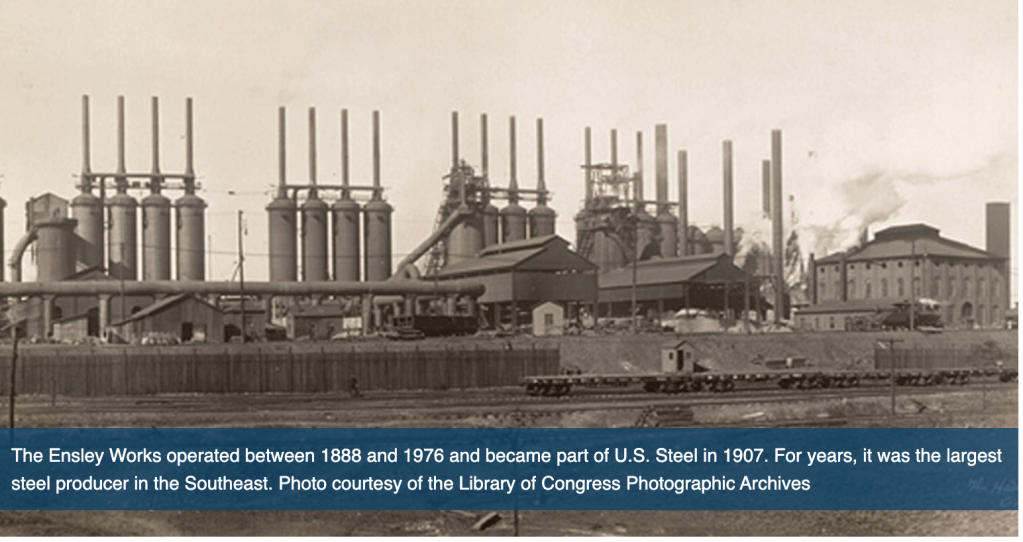
Birmingham, Alabama, founded in 1871 during the post civil war reconstruction period, was called the “magic city” because of its fast pace of growth during the period from 1881 through 1920. The city’s population expanded from 3,000 in 1880 to 260,000 by 1930. Birmingham was built at the crossing of Alabama & Chattanooga and South & North Alabama railroads. It had nearby deposits of iron ore, coal, and limestone – the three main raw materials used in making steel and iron. Birmingham is the only place in the world where these minerals can be found in significant quantities and in close proximity, so Birmingham was planned from the start as a steel and iron producing industrial city. (Wikipedia).
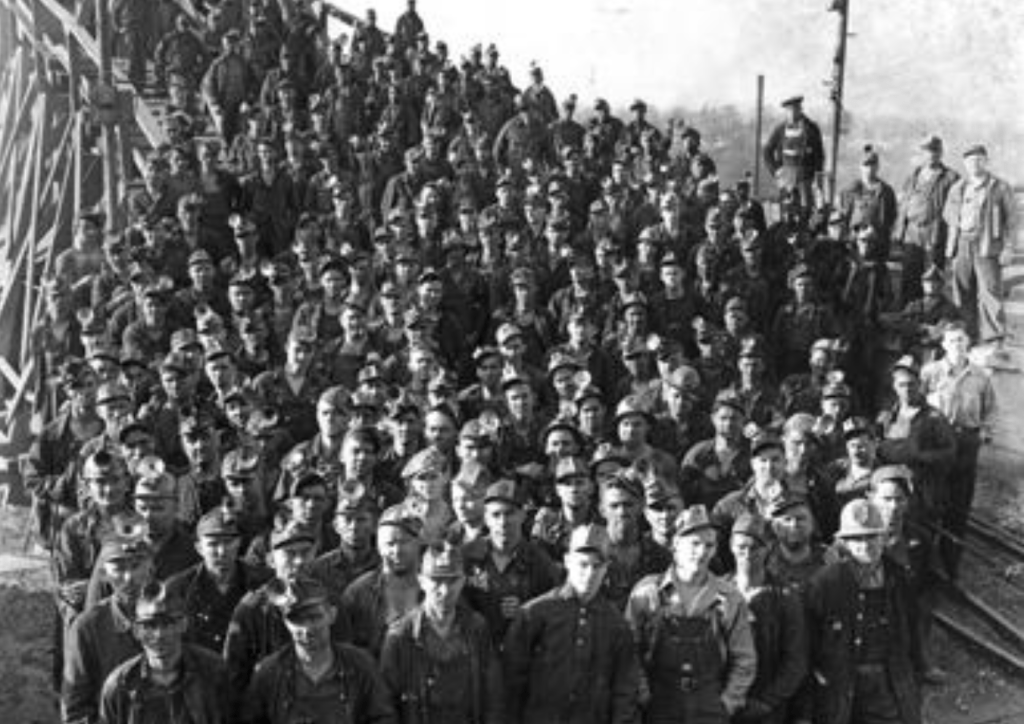
It also had a competitive advantage over northern industrial cities: cheap labor. The availability of a large population of destitute freedmen and impoverished whites in the vicinity of the coalfields offered mine owners an important advantage: workers who were both desperate enough to settle for meager wages and so thoroughly divided along racial lines that they would not organize to protest their predicament or so those in power thought. They did not anticipate the formation of one of the South’s few viable interracial labor unions, District 20 of the United Mine Workers. In 1908, they went on strike for two months, but the strike was crushed by the mine owners when they convinced Alabama Governor Comer to send in the Alabama National Guard.
Coal miners, United Mine Workers District 20, 1908
A nationwide depression in the 1890s caused mining and furnace companies inAlabama to fail. Sloss and Tennessee Coal, Iron and Railroad (TCI) purchased some of these firms and greatly expanded their operations. Sloss reorganized as the Sloss-Sheffield Steel and Iron Company in 1899 and became the second-largest iron manufacturer in the state. Later, outside investors from New York gained control of Sloss and TCI, and Pioneer was absorbed by Ohio-based Republic Iron and Steel Company, leaving Woodward as the only locally owned ironmaking firm. (https://encyclopediaofalabama.org)
The Great Depression that began in 1929 devastated Birmingham’s economy. Production of steel and pig iron shrank to the lowest levels since 1896, and operations at TCI, Republic, Sloss-Sheffield, and Woodward were drastically curtailed. Business leaders fought bitterly against labor reforms enacted under the New Deal, particularly the Fair Labor Standards Act of 1938, which aimed to raise the wages of southern laborers to the level of their northern counterparts. Labor unions won recognition against strong resistance, but unemployment reached unprecedented levels.(https://encyclopediaofalabama.org)
Industrialists soon realized that Alabama’s coal reserves, which remained plentiful, commanded higher prices in foreign markets than coke-fired pig iron, which was becoming uneconomical to produce. In 1970, USP&F’s last active furnace in Birmingham, one of the two that had been remodeled on the site of the original Sloss Furnace Company, shut down for good. In 1980, Jim Walter Corporation closed the huge new furnace that USP&F had erected in North Birmingham in 1956, then dismantled and sold it for scrap. Even Woodward, long the most profitable company in the Birmingham District, was forced out of business in the early 1970s, and only U.S. Steel’s Fairfield plant remained in production.
From its highest population of 340,887 in 1960, the population was down to 200,733 in 2020, a loss of about 41 percent. White flight to the suburbs after the city was integrated in the late 1960’s contributed to the population decline. Today most of the metropolitan area lies outside the city itself. Other businesses and industries such as banking, telecommunications, transportation, electrical power transmission, medical care, college education, and insurance have diversified the Birmingham economy. Mining in the Birmingham area is no longer a major industry with the exception of coal mining.
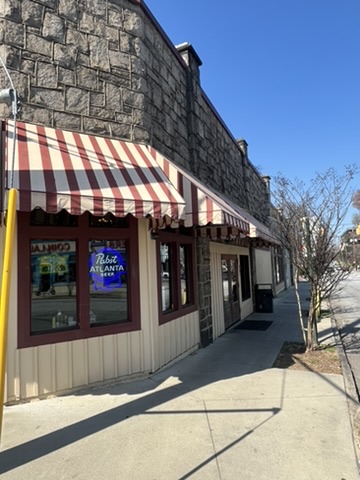
After going to the Jimmy Carter presidential Library and Museum in Atlanta, we stopped for lunch at the famous Manuel’s Tavern just down the road.
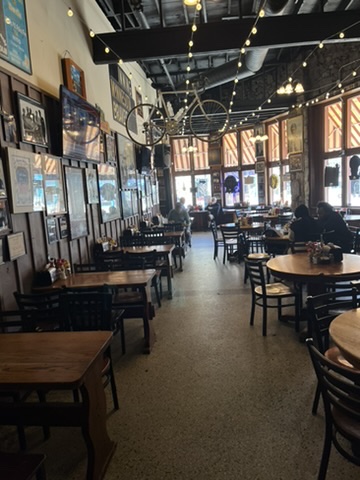
This restaurant and bar has been run by the Maloof family since it opened in 1956. They pride themselves on being a place that welcomes everyone- where, according to their website, “one can find, at any given time, a broad cross-section of American culture rubbing elbows at the bar, discussing the news item of the day, arguing the merits of a sports team, or espousing the idea of the century. Here a doctor, a plumber, a lawyer, an electrician, a student, a journalist, a salesman, a politician, or a construction worker can feel comfortable–accepted for who they are, known by their name or what they drink.” According to our server, David, since the place opened it has also been racially integrated, with Manuel refusing to follow Jim Crow laws of segregation.
Manuel became deeply involved in Democratic politics in Atlanta and Georgia. His political career dovetailed with the Tavern, which he said let him listen to the man on the street. He passed away in August of 2004. Still, he is fondly referred to as the “Godfather” of Georgia Democratic politics.
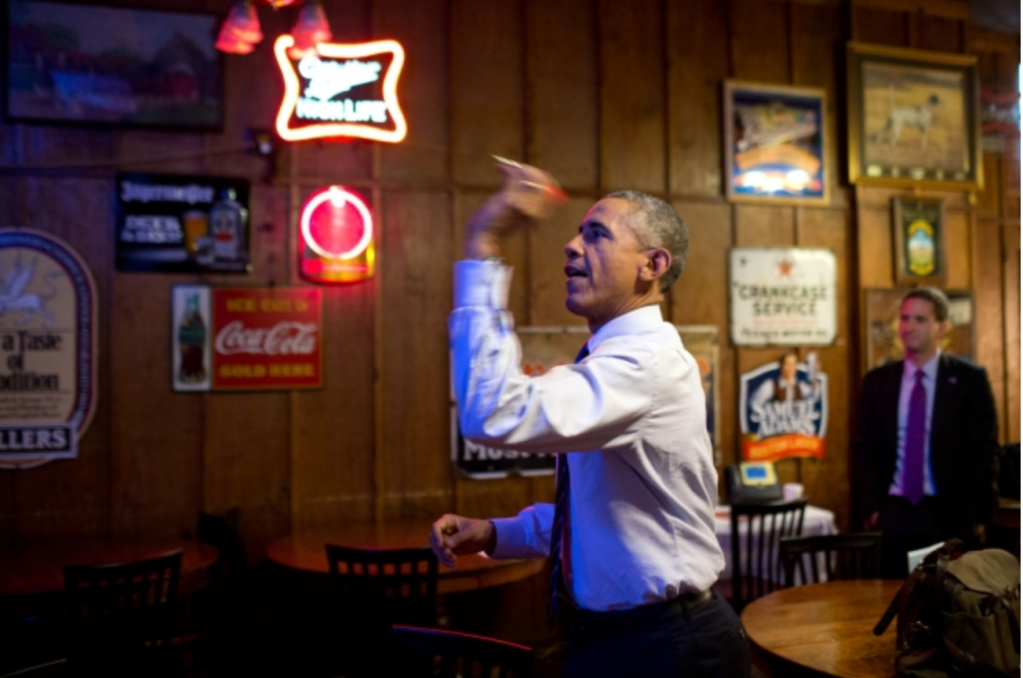
The pictures on the wall attest to the fact that major political figures and celebrities regularly drop by the Tavern. President Obama stopped by to play a game of darts and President Jimmy Carter was a regular. It is also a place for the press to gather. During the 2022 Senate run off between Democrat Ralph Warnock and Republican Herschel Walker, Joy Reid, from MSNBC set up shop at Manuel’s Tavern to cover it.
If you find yourself in Atlanta, we recommend a visit to Manuel’s Tavern.
This is the first time we have been to Atlanta, Georgia. Here are some of our observations:
• Atlanta looks like a modern city with few historic buildings. Of course, this is in part because of Sherman’s march to the sea during the Civil War, when many buildings in Atlanta were burnt to the ground, although it is a myth that Sherman burned the whole city. Lack of historical preservation laws and aggressive urban renewal razed the rest.
• Atlanta is a majority minority city with Black or African American making up 48% of the population in 2021, Whites 39, Asian 5%, Latino 2%.
• There are a lot of hot tricked out cars here, that you don’t see in Northern cities we visited. We also learned what a slingshot motorcycle is.
Slingshot Motorcycle
• Good food can be had in Atlanta. Last night we dined at Mary Mac’s Tea Room, a famous soul food restaurant established in 1945. The walls are lined with pictures of celebrities who have dined there from James Brown to Jimmy Carter to Joe Biden. The best fried chicken, collard greens and peach cobbler I have ever had.
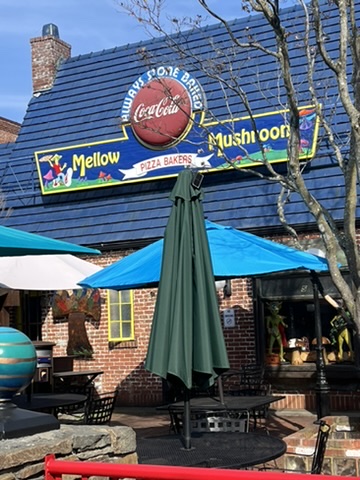
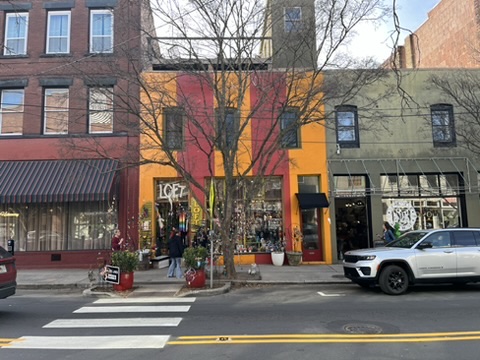
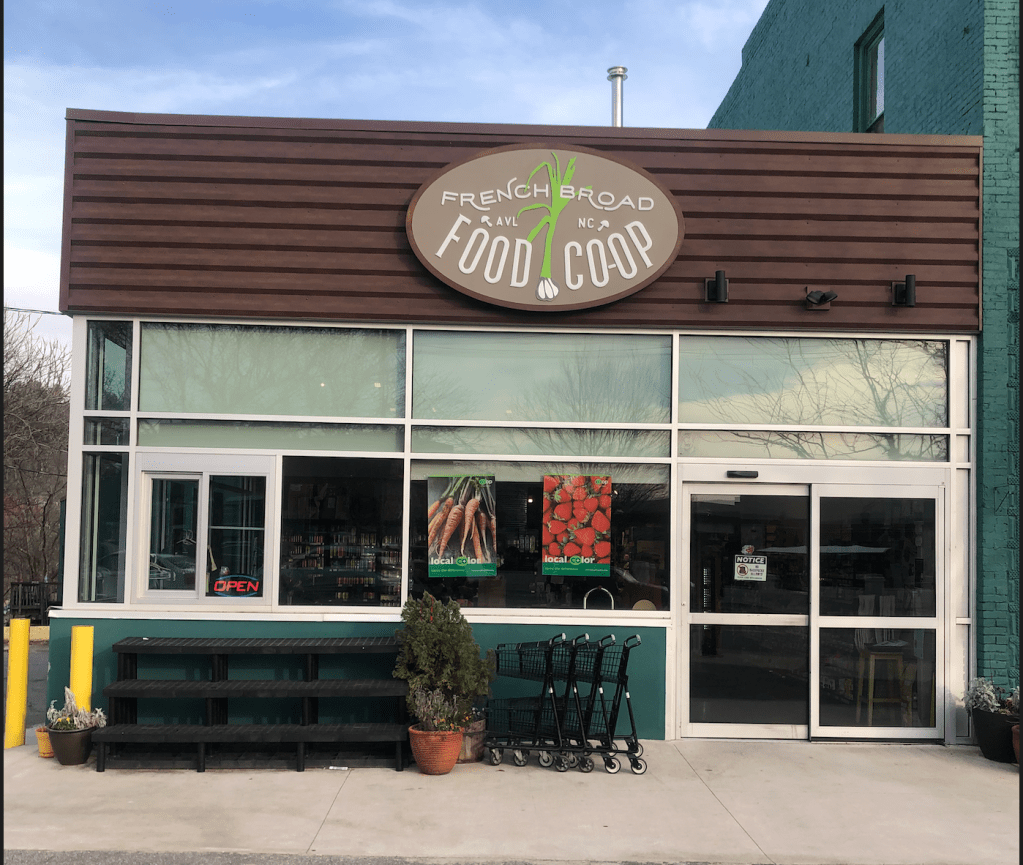
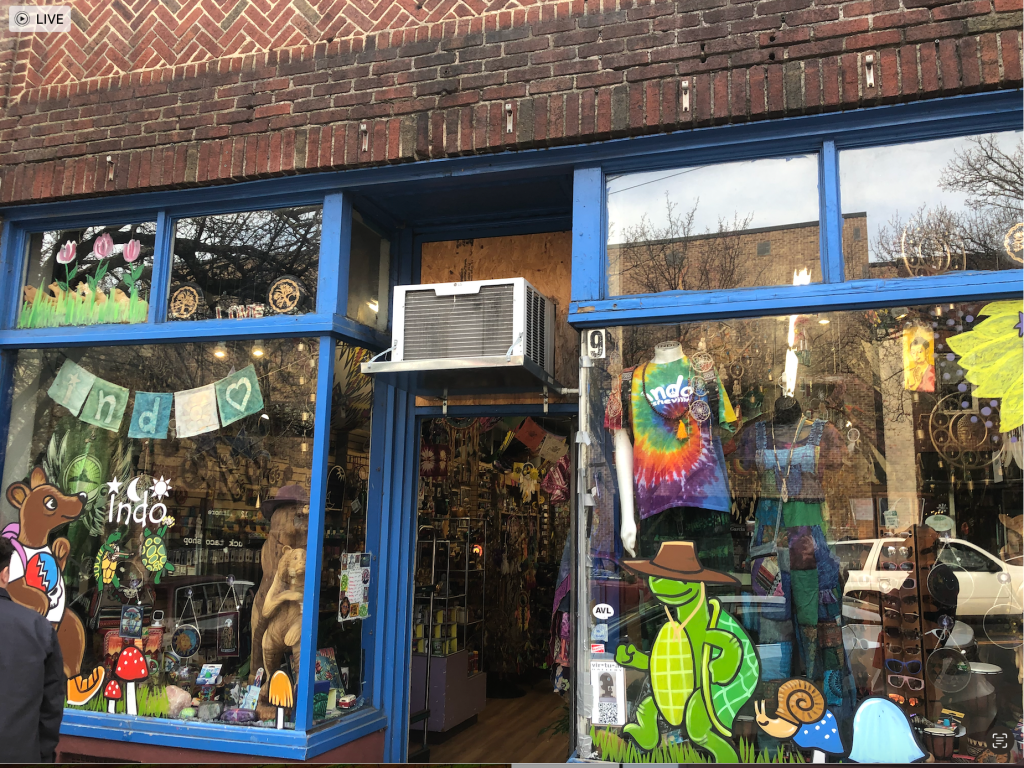
We have been in Asheville, North Carolina for a couple of days. I have to say, Ithaca has nothing on Asheville as a hippy haven! We have been enjoying walking around town seeing the sites.
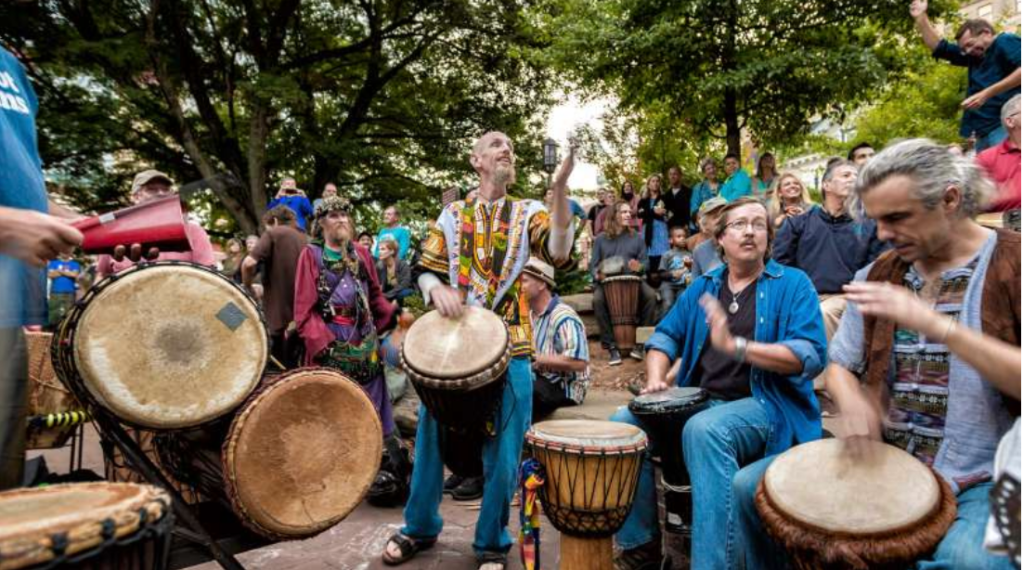
Every Friday night they even have a drum circle in a downtown park.
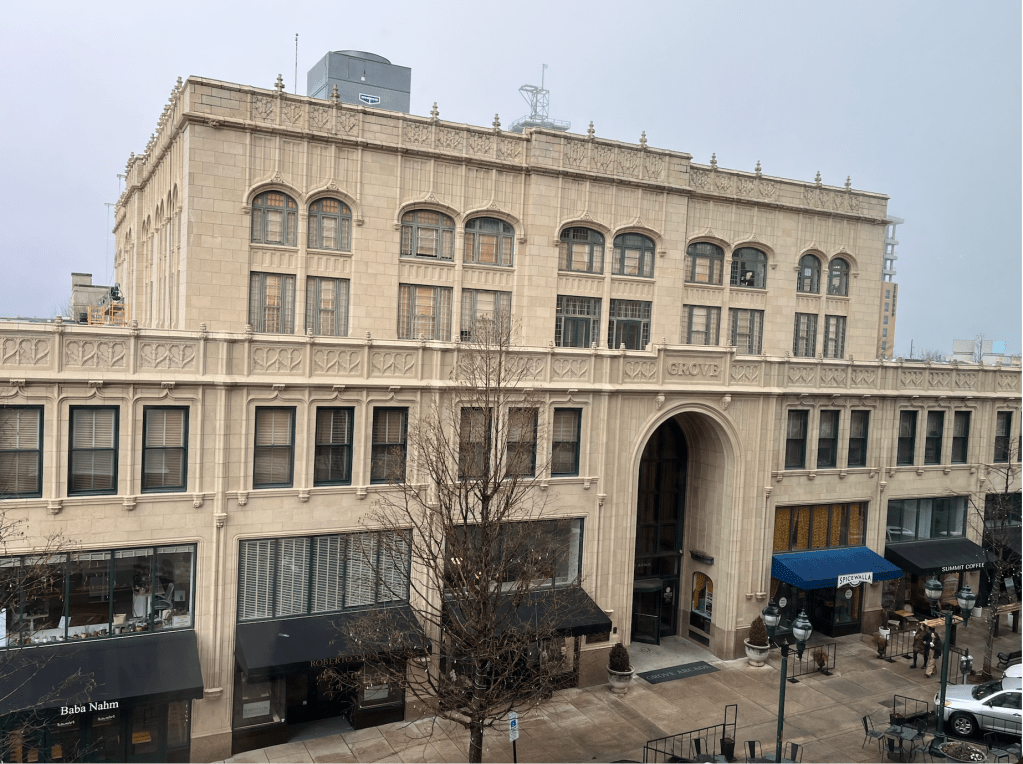
These pictures are of the historic Grove Arcade, a huge indoor mall built in 1929. The first floor of the building (which is a whole block) is stores, the second floor is offices and the top floors are luxury apartments. In 1976, it became the first indoor mall to be added to the National Register of Historic Places.
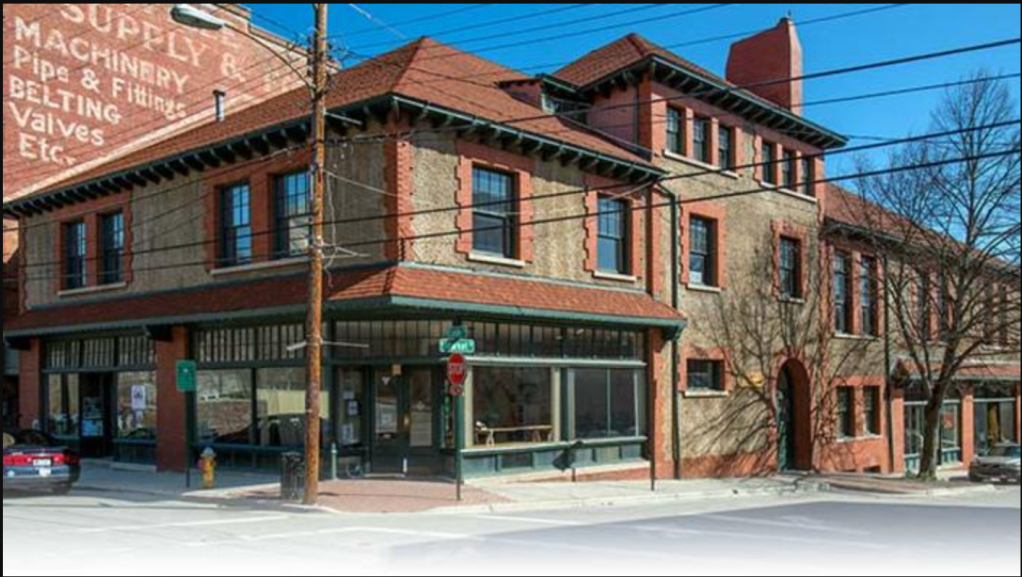
YMI Culture Center in Asheville houses art galleries, classes and performances in African-American cultural art and history. It was founded in 1893 in the Black business district as the Young mens Institute to give Black people a safe place to gather. Here is an interesting article about The Block and efforts to bring back a once thriving Black business district.
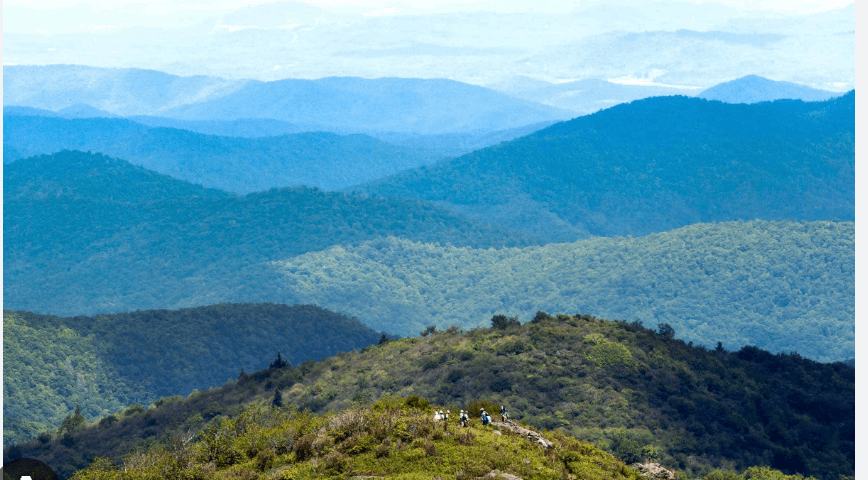
And of course there are the beautiful Blue Ridge Mountains with Mt. Mitchell, (elevation 6,684 feet) the highest mountain east of the Mississipi, which we can see from our hotel room.
I can understand why many Ithacans choose Asheville as their escape from winter instead of Florida.
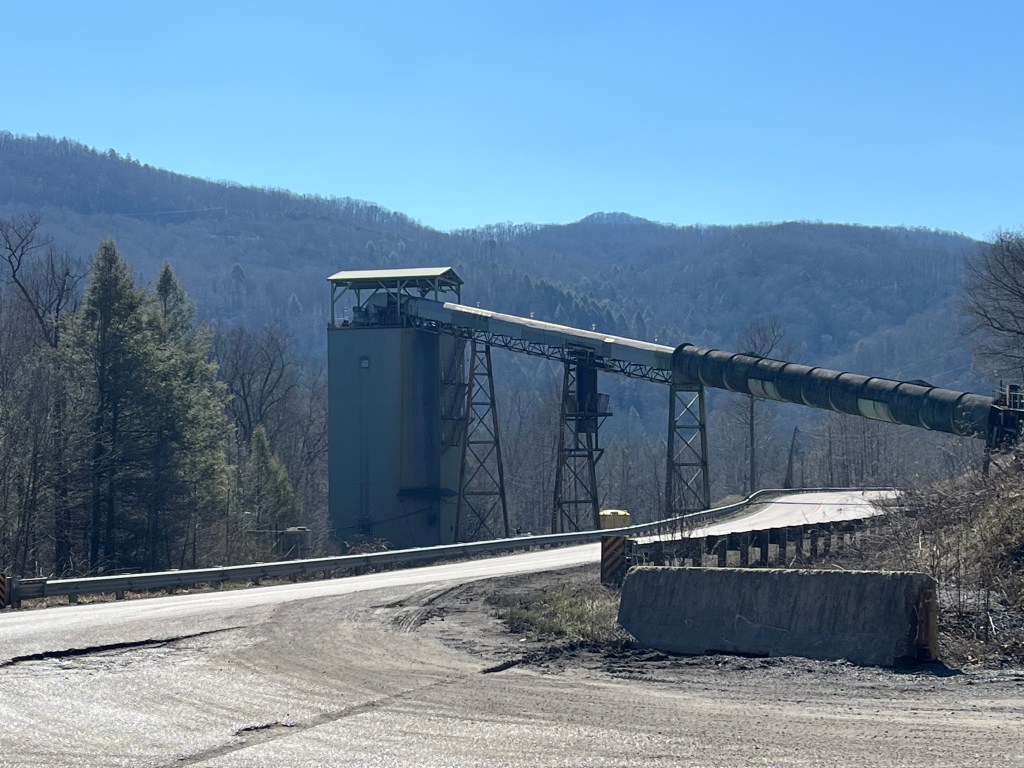
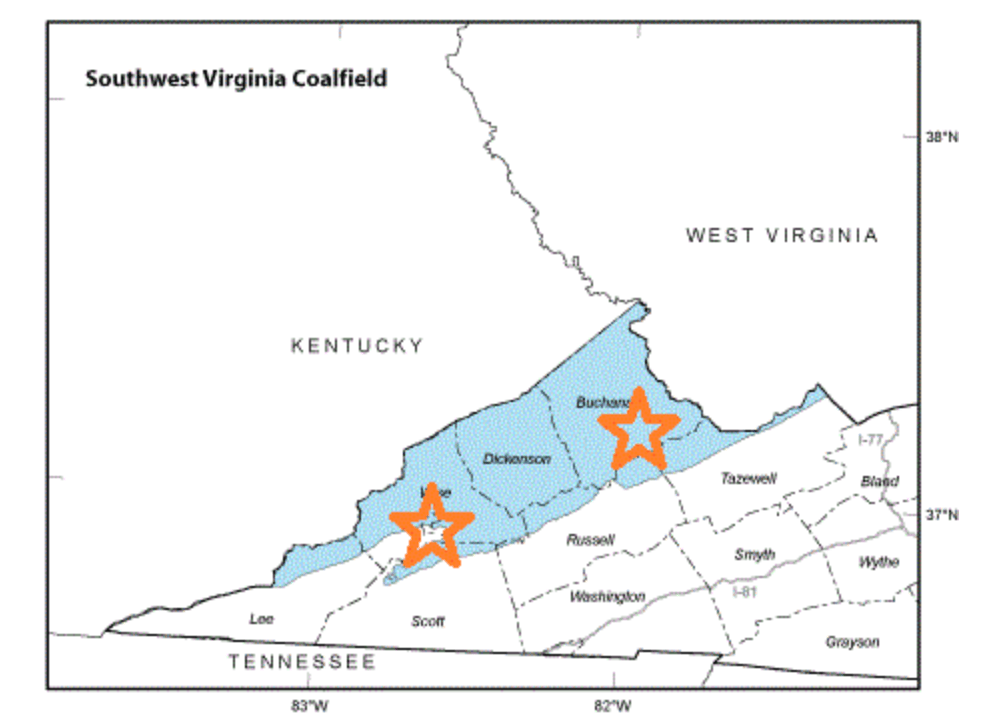
We are now in the heart of coal country in southern Virginia near the Kentucky border. Almost all of the small towns carved out of the steep mountains are decreasing in population and struggling to replace coal as an economic engine for the community. The large coal companies have left for places like Colorado, leaving small outfits like the one above.
In the 1880s, coal deposits became the dominant resource utilized in the area. Immigration trends and economic conditions across the country attracted many people to the area for work, including African Americans and Irish, Polish, Italian, and Hungarian immigrants. In the 1970s, the change in regulations and the OPEC oil embargo drove up the price of coal and created a boom for the coal economy in the region. New mines were opened and existing mines expanded. The boom lasted until 1983, when coal prices declined, mines were opened in western states in the U.S and mining technology reduced the demand for coal miners.The boom turned into a bust. (https://www.jstor.org/stable/3590402) As our country attempts to deal with climate change, regulations have been put in place to reduce greenhouse gas emissions and protect public health. And coal is being replaced by lower-cost natural gas and renewable energy sources.
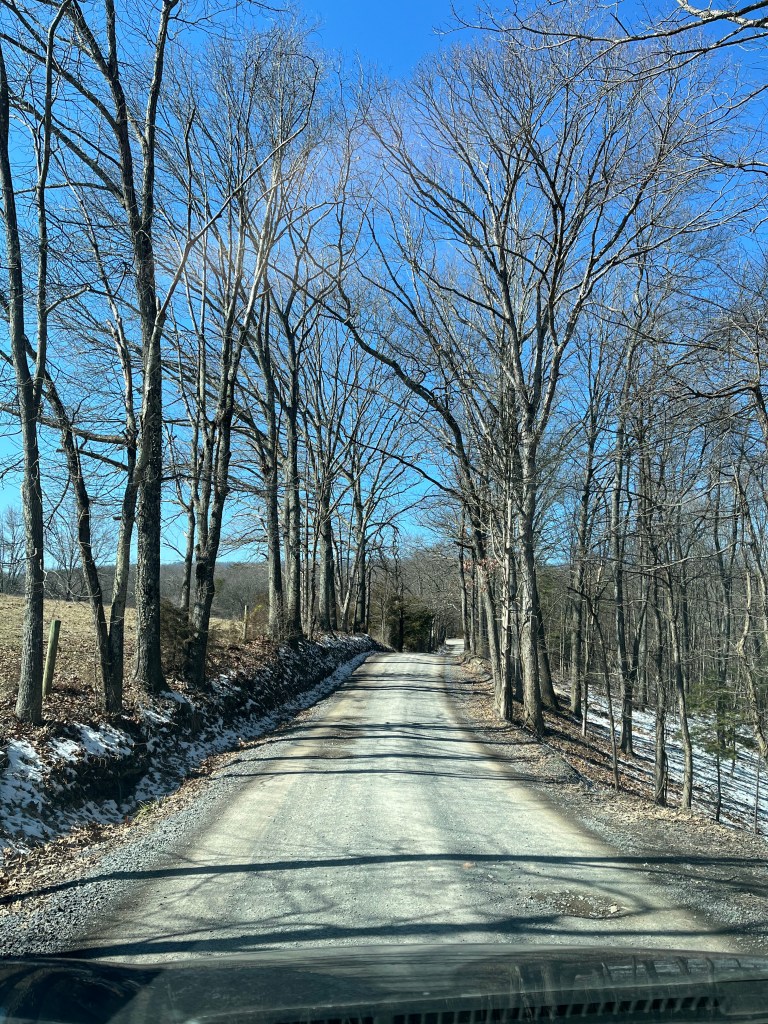
So what are these communities to do? They are isolated, with no population centers close by to attract new business customers or commute to new jobs. There are still jobs in the lumber industry, confirmed by all of the log trucks we passed on the mountain roads, although this industry is in decline as well. And they do have another major rural employer in Wise County, the prison industry. Virginia’s two highest security “super max” state prisons are located in Wise County: Red Onion State Prison, opened in 1998, and Wallens Ridge State Prison, opened in 1999.[3](Wikepedia). According to a local former miner we spoke with, many former coal miners have become prison guards. But this is not keeping the towns thriving. There are many boarded up stores and signs of decline.
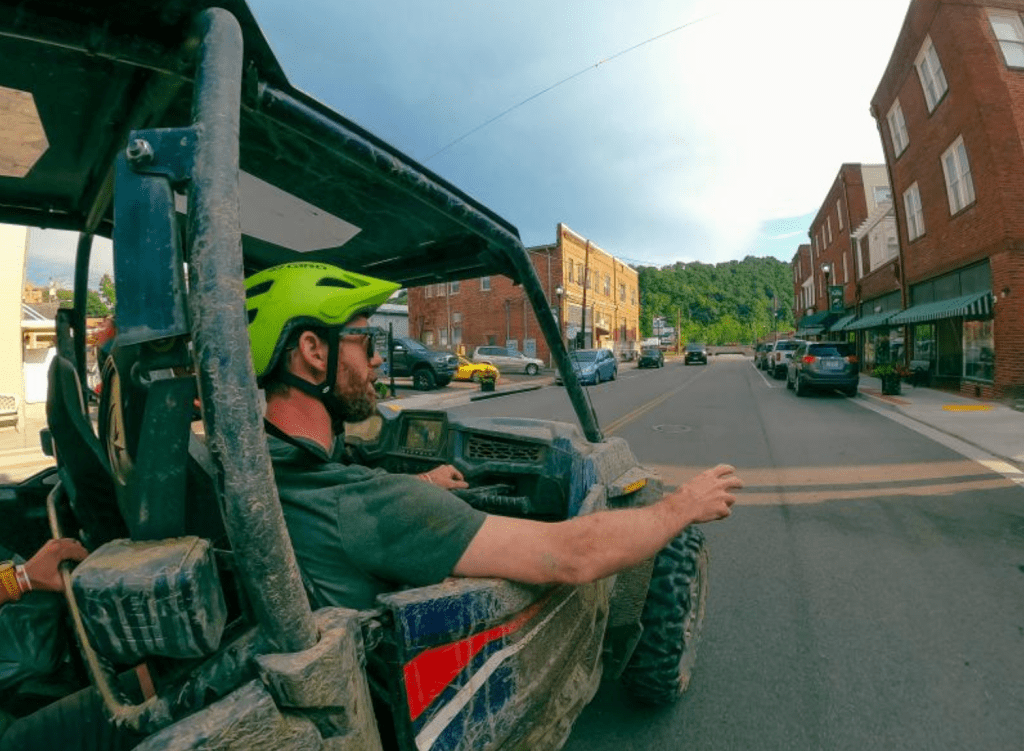
Many of the towns are trying to attract outdoor adventure tourists. A big attraction now is atv trailing that takes advantage of the steep mountain trails; we saw that in several towns they allow atvs on the town streets. It is not at all clear that many of these towns will make a come back, although not for lack of effort. We met Jim, a lawyer in Williamson, WV, who was working hard on bringing the arts and other tourist attractions to Williamson. It is clear there is a great deal of effort expended to recreate these tiny towns.
Our first stop was in Paw Paw, West Virginia to visit John’s high school friend Reed, and his wife Deborah. They live in a beautiful and remote area outside the tiny town of Paw Paw (population 410 in 2020), with a commercial area consisting of small restaurant, gas station, Dollar Store, like our town of Enfield in upstate New York, although we don’t have a restaurant. Paw Paw is named after the fruit tree that is native to the area. This entire area of the West Virginia is quite rural, although is only a 2 hour drive to Washington DC, which attracts people with money wanting to purchase or build a second home. They have to drive 40 minutes to buy groceries or get medical care.
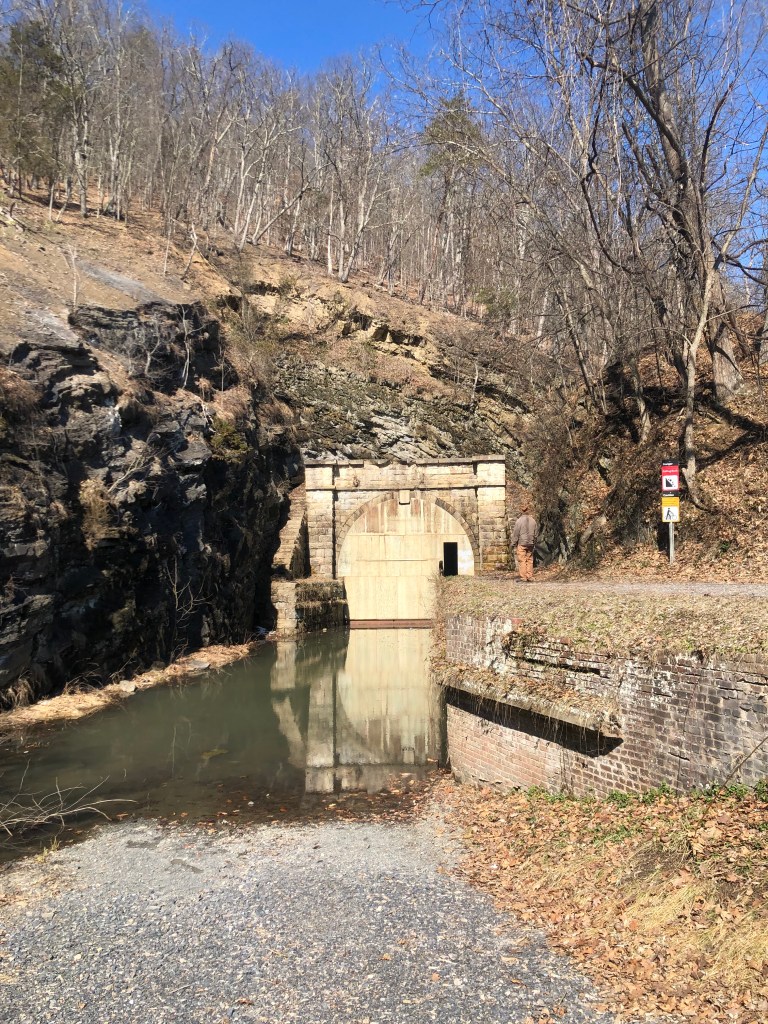
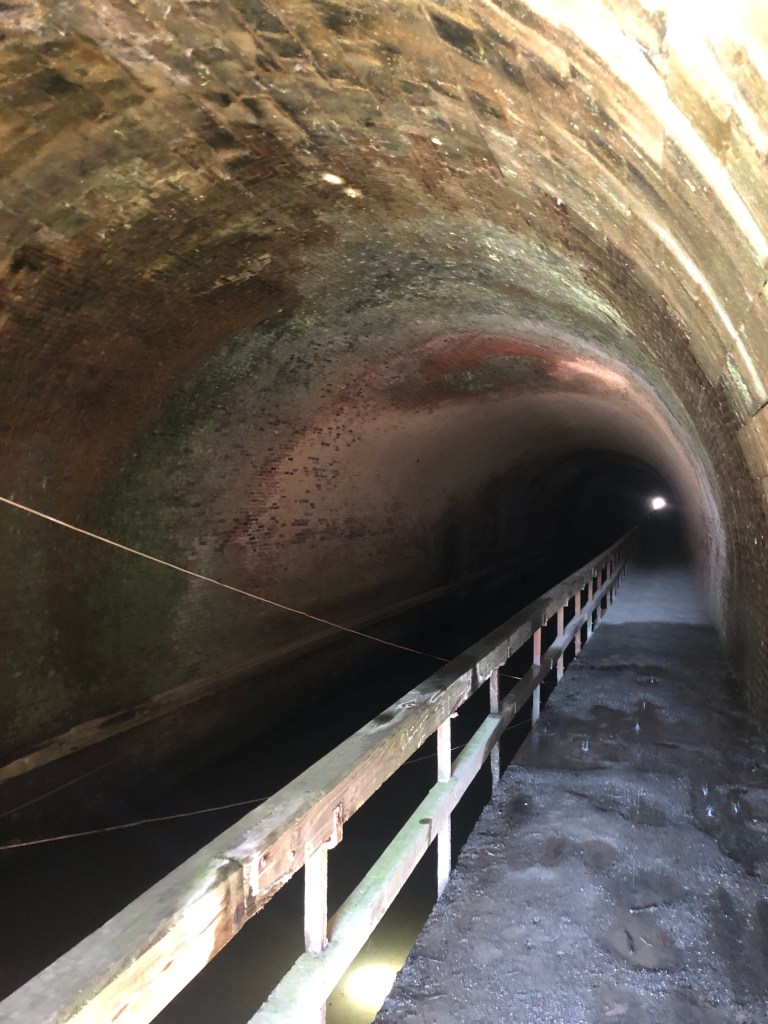
Paw Paw is known for the Paw Paw tunnel through the mountain, The C&O Canal Company started work on the tunnel in 1836 estimating that it would take 2 years to build; it was built to save them from digging 6 miles of canal on the Potomac River. The canal’s main cargo was coal, brought from Cumberland Maryland and stops along the way to Washington DC. Due to riots, labor strikes by the Irish, English and German workers, fund shortages and difficulty digging through loose shale, the 3,118 ft tunnel through the mountain was not finished until 14 years later. It sounds like it might not have been such a great investment. When the tunnel finally did open, there were often bottlenecks because it was impossible for boats to turn around or pass. Today the hiking trail through the tunnel is maintained by the National Park Service.
Another interesting fact about Paw Paw is that that grammy award winning Texas swing band, Asleep at the Wheel got their start on a farm in Paw Paw. West Virginia.
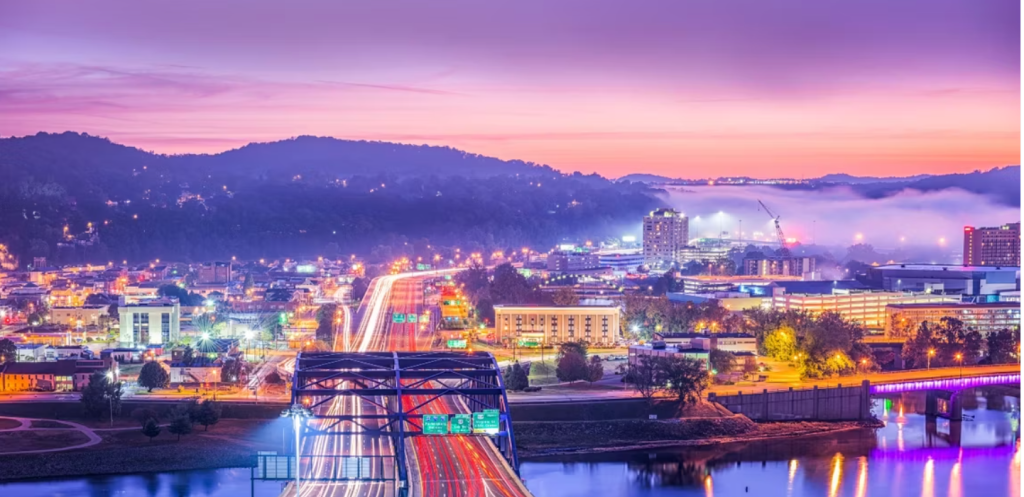
After traveling on one lane mountain roads through isolated West Virginia for most of the day, we spent the night in Charleston, West Virginia, a surprisingly large city, with 210,605 residents in the larger metropolitan area. It is now the capital of West Virginia, which once was part of Virginia. I found the West Virginia’s beginnings to be surprising and interesting. Once again I am reminded that we can and should learn from history in this time of political turmoil.
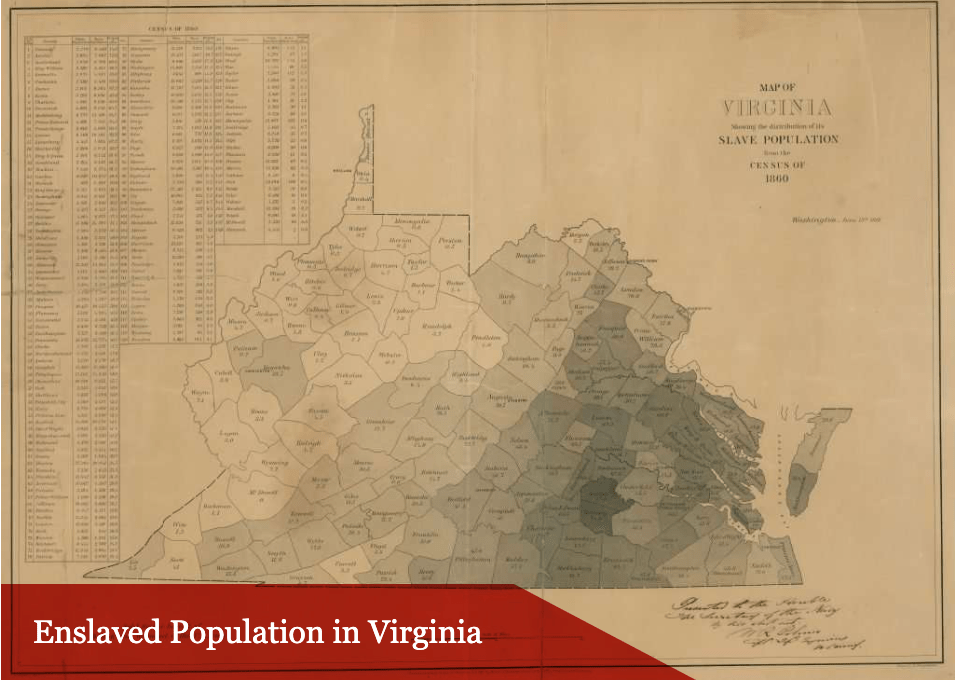
Political divisions between the eastern agricultural Virginia and mountainous western Virginia were present from the beginning of the revolutionary period. The Virginia Constitution of 1776 hampered western political participation by placing property-holding qualifications on voters and officeholders and allowing for disproportionate eastern political representation. Confronted with a tax code that benefited slaveholders and large landowners and eastern reluctance to dedicate taxes for western internal improvements, western Virginians clamored for reform from the beginning. This set the stage for the creation of a separate state.
The development of western Virginia industries (iron, coal, salt, and oil) that largely relied on free labor emerged in sharp contrast to eastern Virginia’s slave-based commercial agricultural economy. By the early 19th century, salt brines were discovered along the Kanawha River, and the first salt well was drilled in 1806.[13] This created a prosperous time and great economic growth for the area. By 1808, 1,250 pounds of salt were being produced a day, and the Farmers’ Repository newspaper began publication.[14] An area adjacent to Charleston, Kanawha Salines (now Malden) would become the top salt producer in the world. Later, coal became central to economic prosperity in the city and the surrounding area. The emergence of an economically motivated western antislavery ideology threatened relations between the eastern and western Virginians. (encyclopediavirginia.org).
The 1860 election of Abraham Lincoln as U.S. president resulted in the secession of seven Southern states and on February 13, 1861, Governor John Letcher opened Virginia’s own secession convention. During the convention, Lincoln’s inaugural address, the attack on Fort Sumter in Charleston, South Carolina (April 12 and 13), and Lincoln’s call for 75,000 volunteers led to the passage of the Ordinance of Secession on April 17, 1861. Nearly two-thirds of the votes against secession came from northwestern Virginia. VirginianSouthern Unionists, who aimed to repeal the Ordinance of Secession that Virginia made during the American Civil War, won their fight to succeed from Virginia and remain part of the Union when West Virginia was admitted as a U.S. State on June 20, 1863 (https://encyclopediavirginia.org)
John S. Carlile, an Unconditional Unionist at the Richmond Secession Convention stated, “For several days before the Convention passed the Ordinance of Secession, it was absolutely besieged; members were threatened with being hung to the lamp posts; their lives were jeopardized; the mob was marching up and down the streets, and surrounding the Capitol, and everything was terror and dismay.”[5]
Carlile continued to impeach the legitimacy of Virginia’s referendum on secession. “Immediately upon the passage of the Ordinance of Secession, in every county, as far as I can learn, a systematic reign of terror was inaugurated.” Throughout the state, “irresponsible persons assembled, under the name of ‘committees of safety’, who [told Union men] that they must leave the State… All Union men were admonished that they would be prosecuted for treason.” Carlile then described the days leading up to the referendum: ” Before the day of election arrived we see the troops from South Carolina, Georgia and other Southern States, placed all over the eastern and southern parts of the States running up into the valley, and in some parts of Western Virginia. In those parts of the State freedom of election was completely suppressed, and men who dared to vote against secession done it at the hazard of their lives. Thus, sir, you see the concert by which secession has been inaugurated and carried out in Virginia; and we see that same spirit that reigned in it from the beginning… TREASON…”[5]
On June 13, 1861 Carlile introduced to the Wheeling Convention “A Declaration of the People of Virginia.” The document declared that under the Virginia Declaration of Rights, any substantial change in the form of state government had to be approved by the people via a referendum. Therefore, the Secession Convention was illegal since it had been convened by the legislature, not a referendum, and all of its acts–including the Ordinance of Secession–were ipso facto void. It also called for a reorganization of the state government, on the grounds that all state officials who had supported the Ordinance of Secession had effectively vacated their offices. On June 19, delegates approved this plan unanimously.
The next day, June 20, the convention selected new state officers for what came to be called the Restored Government of Virginia to avoid confusion with the pro-secessionist government. Francis Pierpont of Marion County was elected governor. On June 25, the convention adjourned until August 6. President Lincoln and Congress swiftly recognized the Restored Government as the legitimate government of the entire Commonwealth of Virginia.
On October 8, 1869, Virginia voted to ratify the Fourteenth and Fifteenth Amendments as part of the requirement for being readmitted to the Union. The act readmitting Virginia to the Union and its representatives into Congress was signed by President Ulysses S. Grant on January 26, 1870.
In this time of political turmoil, it is important that we learn from history.
















 Perspectives on the Road