In our retirement we are have decided it is time to leave the bubble of Ithaca, New York and see what America is really about. We invite you to join us as we learn about people, places and the natural history we experience in our travels.
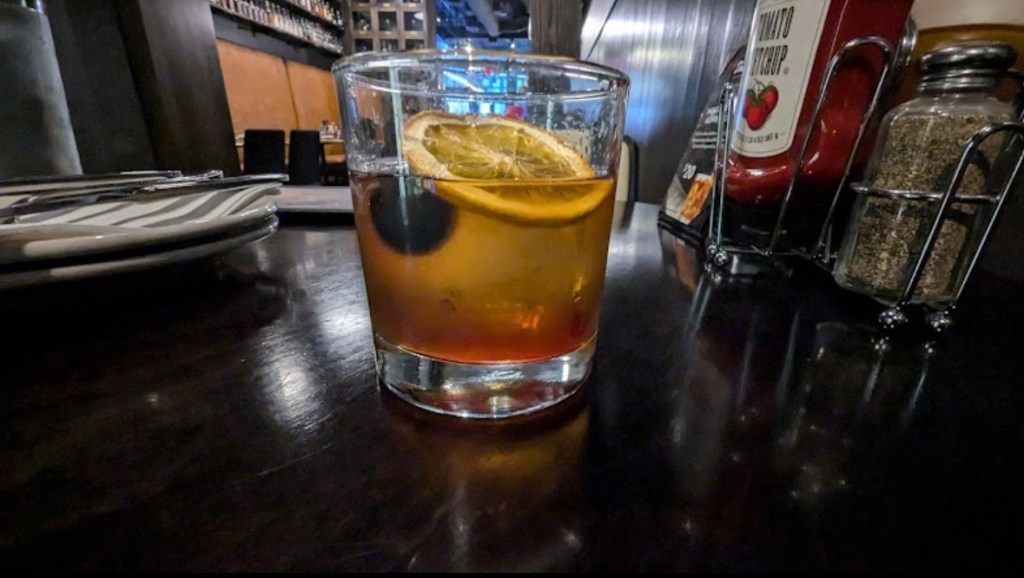
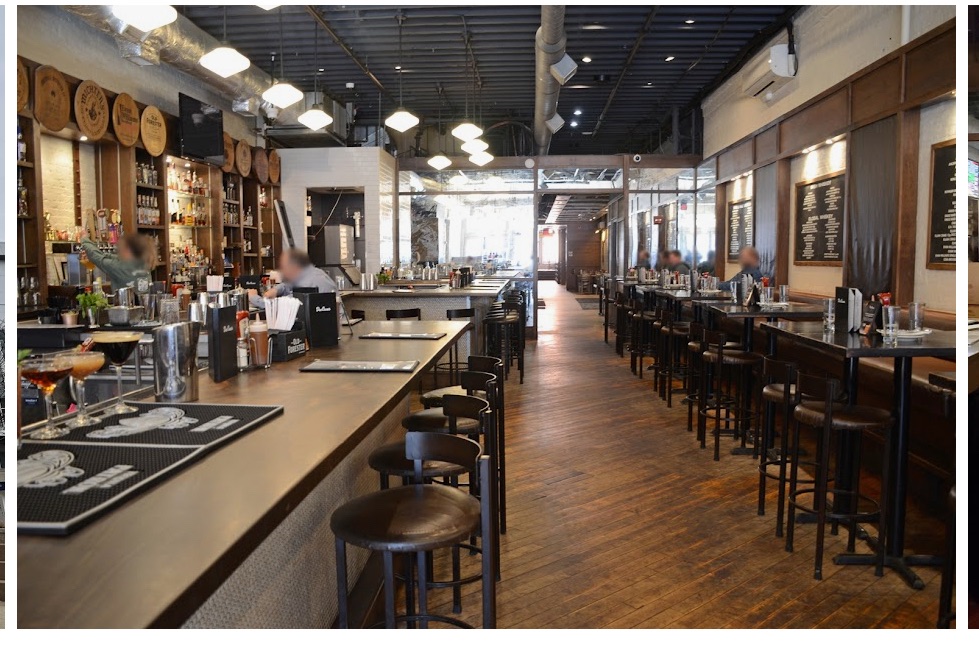
We arrived in Louisville yesterday and are having dinner tonight in Doc Crows on Whiskey Row. I don’t usually do restaurant reviews on this blog, but if you find yourself in Louisville you gotta check it out.
The southern slow smoked roasted chicken with bourbon honey is to die for. Also Fern’s Derby Pie, a chocolate walnut pie (a Louisville tradition) is outrageous.
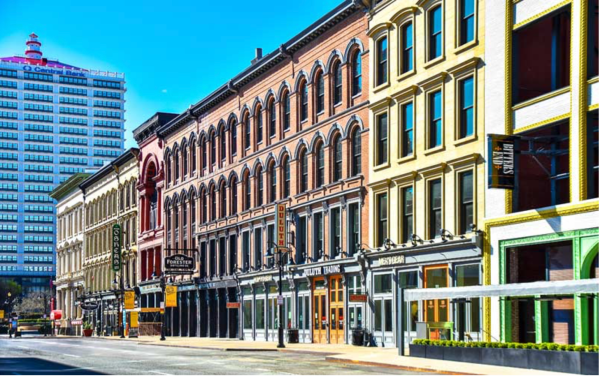
Doc Crows is on Whiskey Row, that was home to some of Louisville’s most booming businesses. Revivalist and Chicago School-style buildings, many with cast-iron storefronts, were built between 1852 and 1905 on Main Street, which was the major trade center for whiskey dealers, blending houses, barrel warehouses and bottling plants. It is now a popular destination for whiskey named bars, restaurantsand shops.
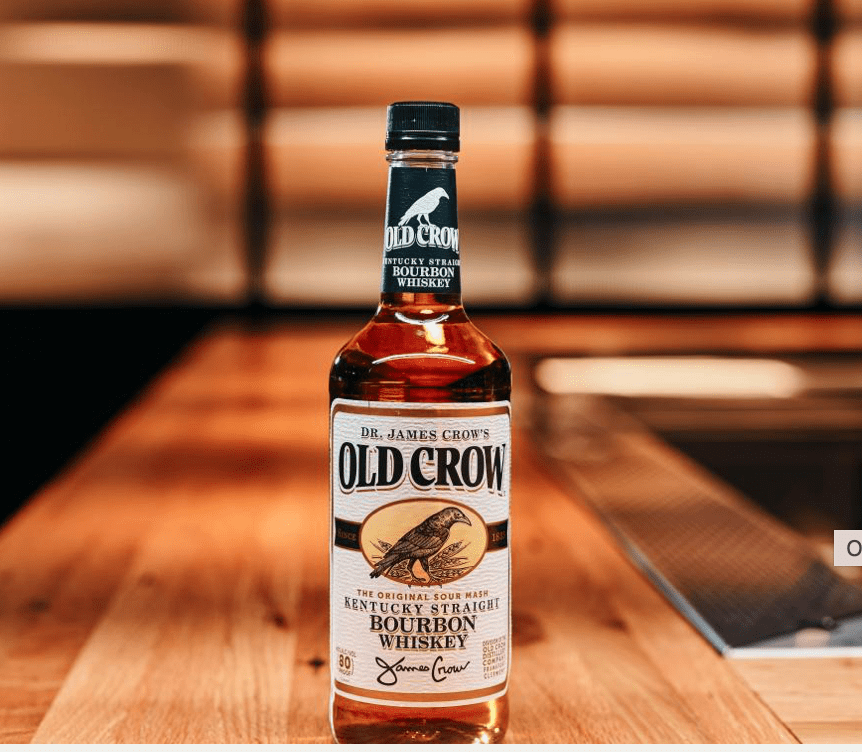
Doc Crows pays homage to the father of bourbon, Dr. James C. Crow, who paved the way for Kentucky bourbon to be born. By utilizing corn & local sweet limestone filtered water, Dr. Crow was able to establish a method of creating bourbon that took the nation by storm. It is now a product of Jim Beam Distilling.
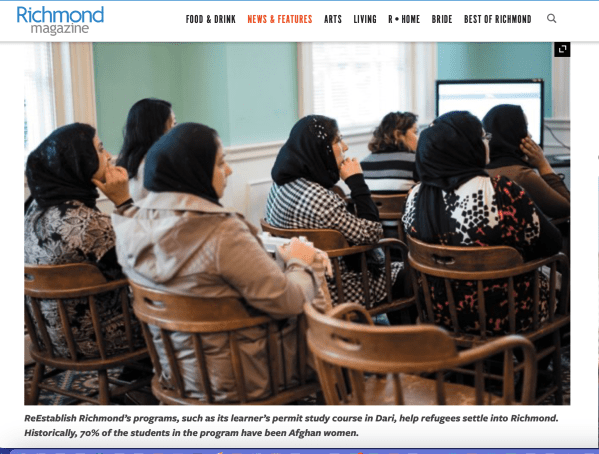
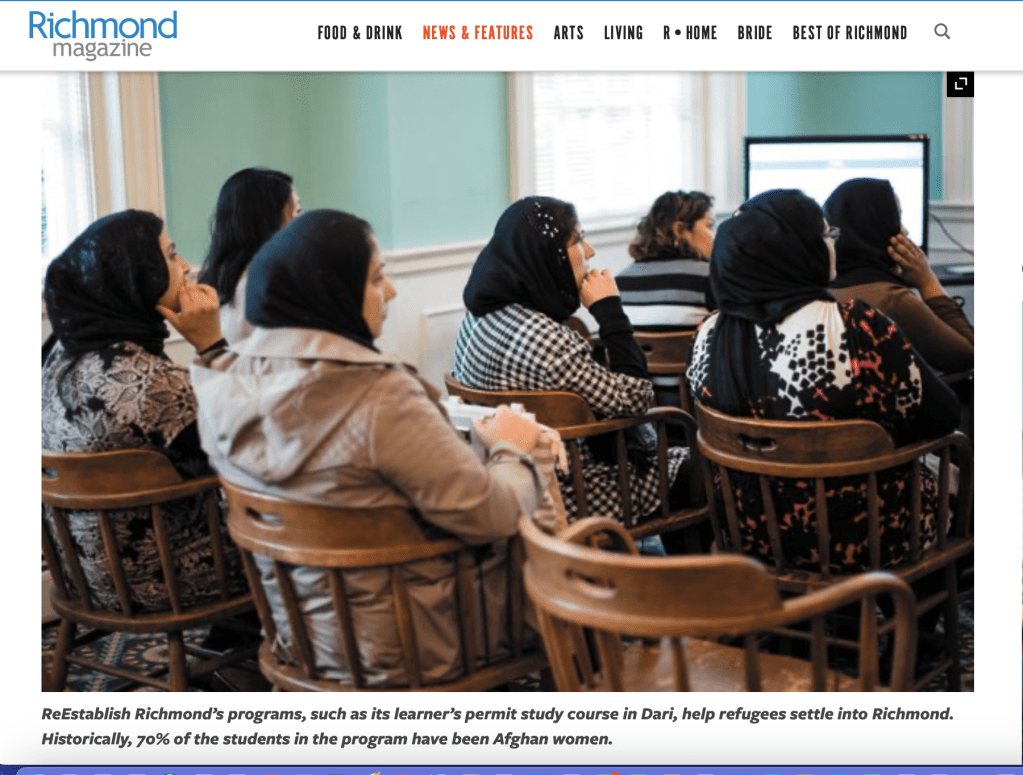
When the history is written of the Afghan diaspora at the end of America’s longest war, the Richmond region will have its own story to tell.
The first group of 221 Afghan Special Immigrant Visa holders (SIVs) and their families arrived on July 30, 2021 at Dulles International Airport after a daylong flight from Kabul, Afghanistan. From there, they were bused to Fort Gregg-Adams (formerly known as Fort Lee) south of Richmond to complete their processing for entry into the country before being resettled. Thousands of other SIVs arrived in subsequent weeks under a program the Biden administration has called Operation Allies Refuge.
These Afghan citizens (SIVs) worked to support the U.S. armed forces as interpreters, drivers and in other capacities during America’s 20-year war in Afghanistan. When the U.S. withdrew troops, SIVs and their families were among the first to be evacuated, as they faced deadly reprisals from the Taliban for cooperating with Americans.
Richmond, Virginia has welcomed over 3,500 refugees from Afghanistan in the last five years.Virginia has the second largest Afghan community in the United States, with over 23,000 Afghans living in the state. Stands to reason because three of the eight military bases used by Dept of Defense to initially house SIV applicants and other vulnerable Afghans are in Virginia- Marine Corps Base Quantico, Fort Pickett and Fort Gregg-Adams. After they finished processing at the port of entry, U.S. citizens, lawful permanent residents, and SIV holders departed the airport, while SIV applicants and other vulnerable Afghan allies who were granted humanitarian parole were provided transportation to U.S. military facilities where they received a full medical screening and a variety of services before moving onto their next destination.
On August 29, 2021, President Biden directed the Department of Homeland Security (DHS) to lead and coordinate ongoing efforts across the federal government to support vulnerable Afghans, including those who worked alongside us in Afghanistan for the past two decades, as they safely resettle in the United States. Tens of thousands of recently arrived refugees are now losing support for basic necessities like food and rent after a Trump administration order suspended federal funding for resettlement agencies.s.
There is widespread confusion as agency leaders seek greater clarity from the government. The most pressing question is how they will continue supporting refugees already under their care in the United States.
The suspension of federal funding “paralyzes the program,” said Krish O’Mara Vignarajah, president and CEO of Global Refuge, the national Lutheran refugee resettlement agency. At least 26,494 refugees and recipients of Special Immigrant Visas are affected, and almost certainly more, according to an analysis of government statistics.
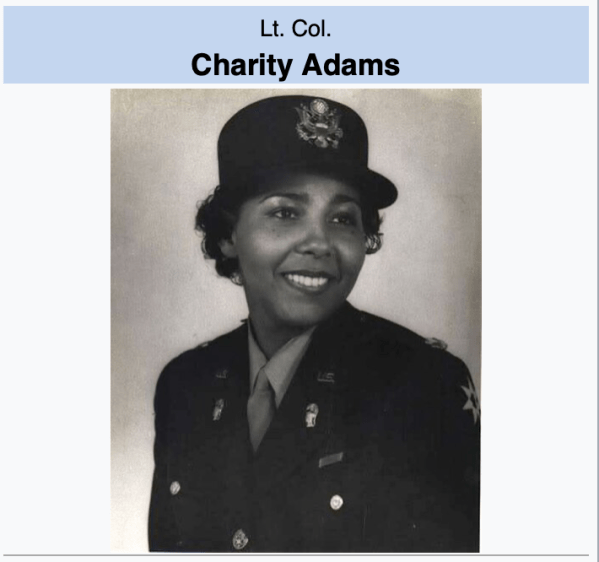
We are in Richmond, Virginia near Fort Gregg-Adams, formerly known as Fort Lee. On 27 April 2023 the name of Fort Lee was changed to Fort Gregg-Adams after two African American officers Lt. Gen. Arthur J. Gregg and Lt. Col. Charity Adams.The name change was part of an effort to rename military assets associated with the Confederacy. Fort Gregg-Adams is the first base named for African Americans. Charity Adams is a very inspirational person. I recommend watching the 2024 movie, “The Six Triple Eight” on Netflix about Lt. Col Charity Adam’s acomplishments.
Charity Adams was born on December 5, 1918, in Kittrell, North Carolina, and grew up in Columbia, South Carolina. She graduated from Booker T. Washington High School as valedictorian and from Wilberforce University in Ohio in 1938, majoring in math and physics. After graduation, she returned to Columbia, where she taught mathematics at the local high school while studying part-time for a M.A. degree in psychology at the Ohio State University, receiving her master’s degree in 1946.
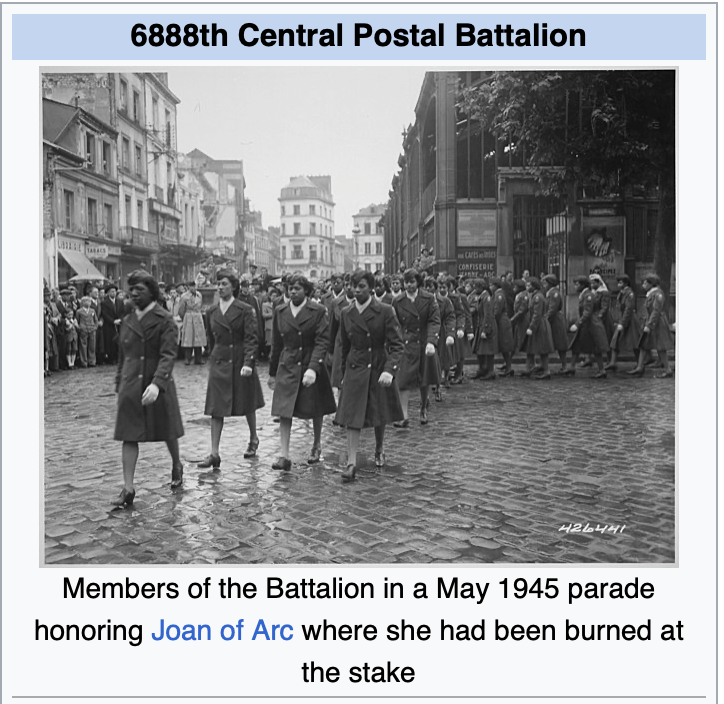
Adams enlisted in the U.S. Army’s Women’s Army Auxiliary Corps (WAAC) in July 1942. She was the first African-American woman to be an officer in the WAAC and was the commanding officer of the 6888th Central Postal Directory Battalion, which was made up of African-American women serving overseas during World War II.. The 6888 was stationed first in Edgbaston, a suburb of Birmingham, England. Three months later they were moved to Rouen, France and then to Paris. They were responsible for the delivery of millions of pieces of mail to soldiers during World War II. Wikipedia
Mail written to the troops would be sent overseas to Europe and processed by a postal battalion, but by 1945 multiple warehouses in Birmingham, England contained mail for soldiers that had not been distributed. The backlog would take six months to process. At the time, there were about 7 million American soldiers and government workers in Europe. Service members were frustrated about not receiving their letters.
In the waning months of World War II, the 855 women of color who comprised the 6888th Central Postal Directory Battalion — 824 enlisted Soldiers and 31 officers — completed a time-sensitive mission in the European Theater of Operations. Army leadership believed their success would be key to boosting morale amongst the 7 million war-weary American service members, U.S. Government personnel, and Red Cross workers stationed throughout Europe in 1945. The mission? To label, sort, and clear millions of pieces of mail — including letters, photographs, and gifts — that had been stockpiled and left languishing in warehouses for months, even years. One general predicted it would take six months to process the massive backlog of undelivered mail, yet the battalion, nicknamed “Six Triple Eight,” managed to do it in just three. (National Museum of the U.S. Army)
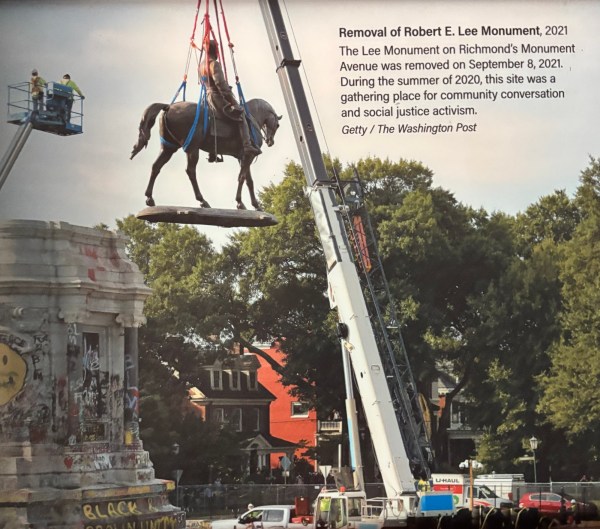
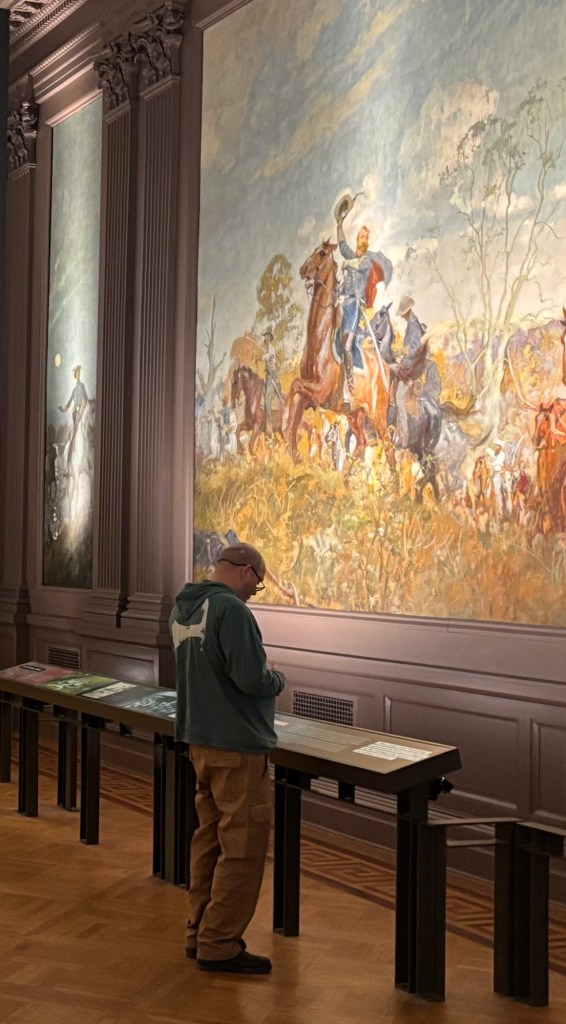
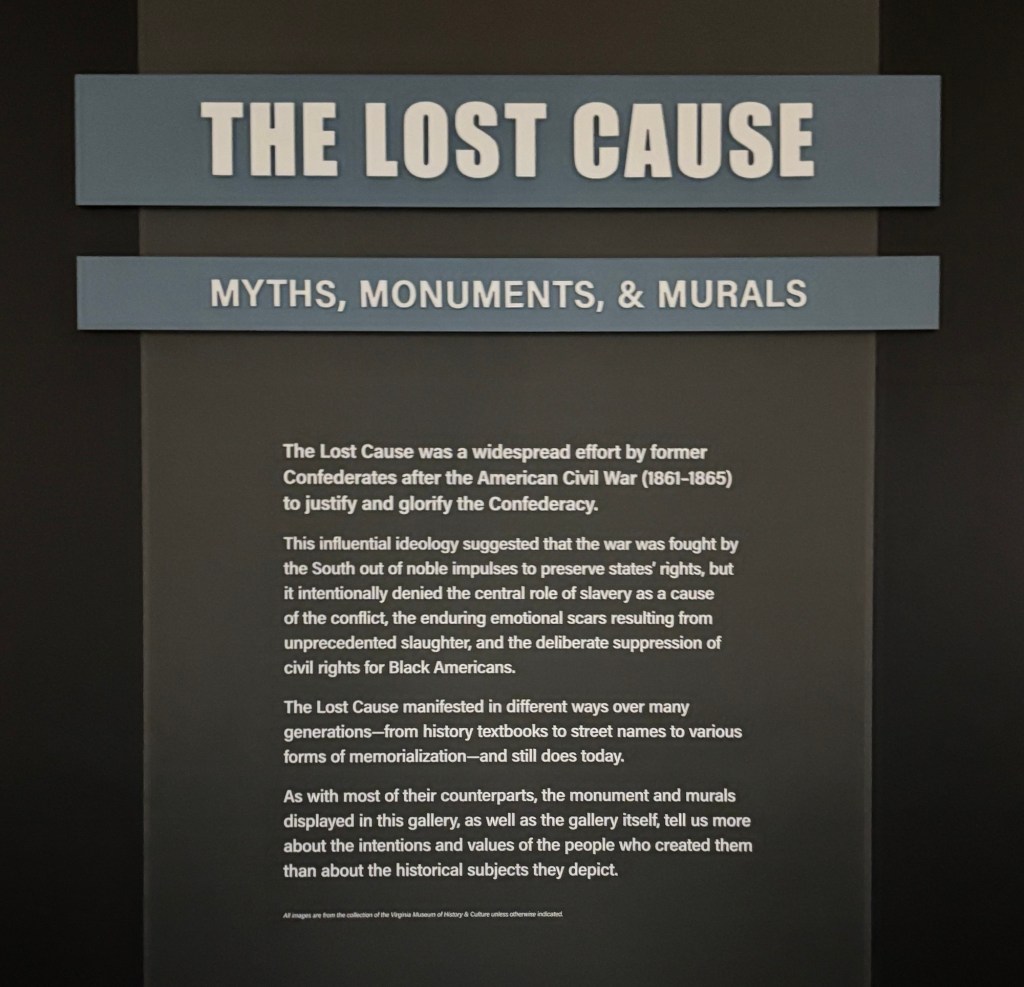
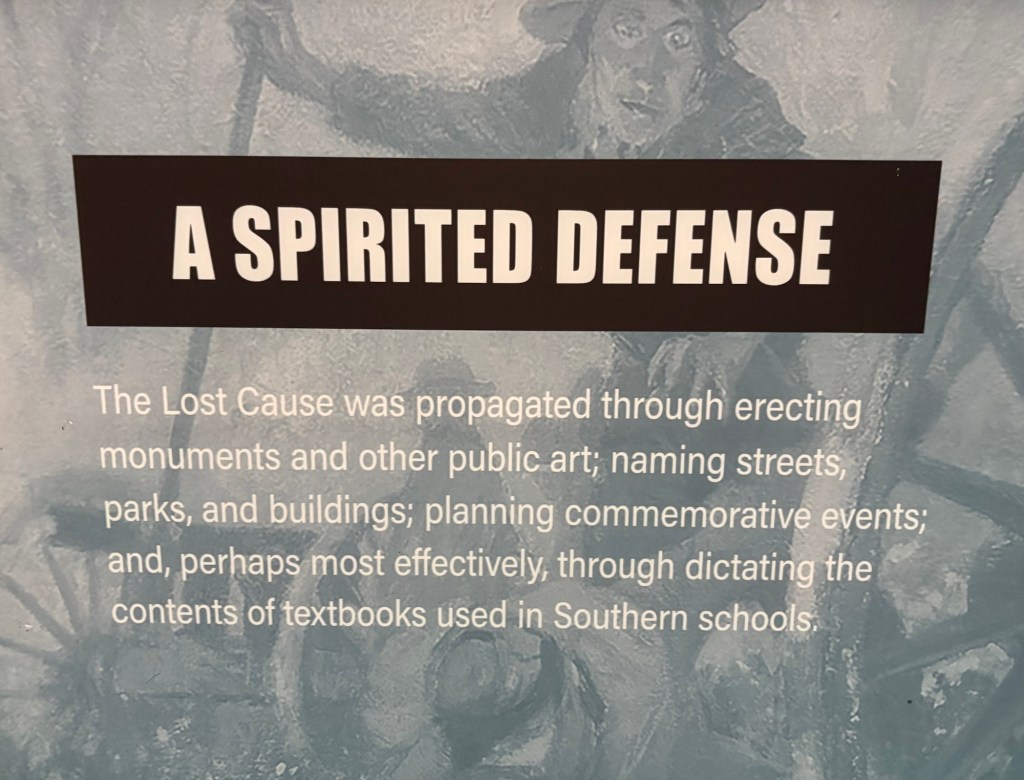
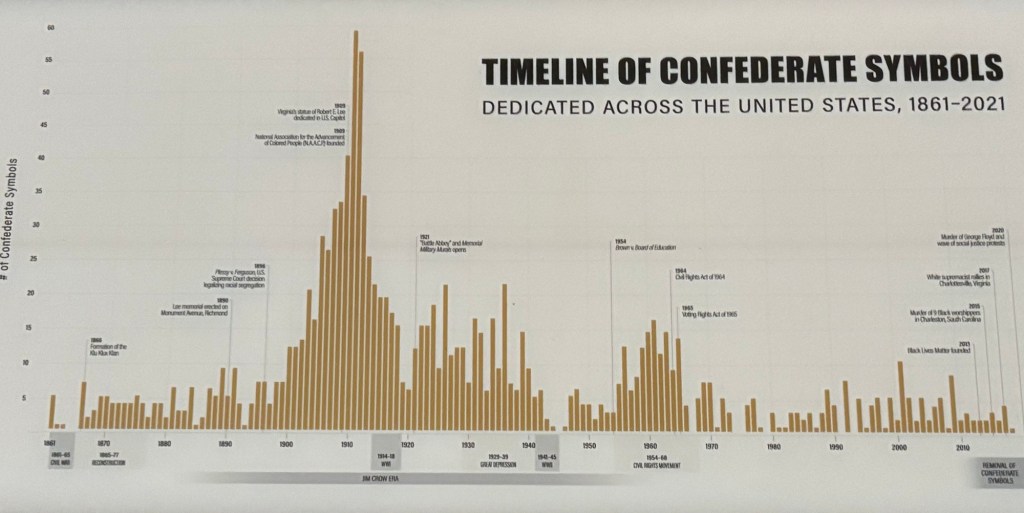
On Wednesday we visited the Virginia Museum of History and Culture (VMHC) in Richmond. I I had very mixed feelings when I saw the VMHC had a Lost Cause room. However, I do think it is important not to forget history lest we repeat it. I believe it was truthfully done, the murals, statue and other artifacts on display with plaques telling the truth and dispelling myths.
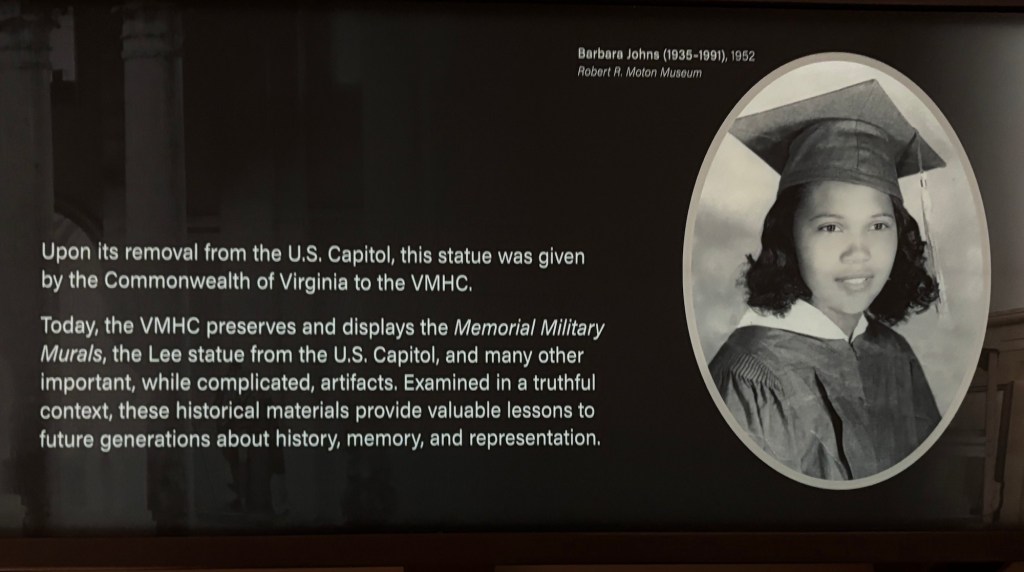
I learned that in 2020, the Virginia General Assembly voted to remove Robert E. Lee from the U.S. Capitol and replace him with a state of Civil Rights Activist Barbara Johns (later Powell). At age 16, this Virginian led a student protest of inferior conditions in her Black high school that ultimately culminated in Brown v. Board of Education (1954).the landmark U.S. Supreme Court decision declaring segregation unconstitutional.
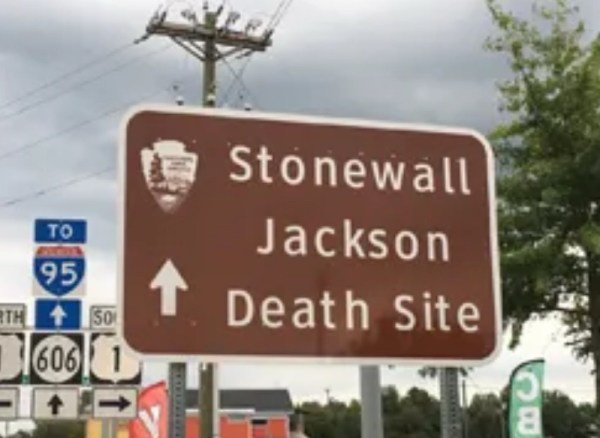
We saw this sign along I95 on the way to Richmond, VA., “Stonewall Jackson Death Site”. Seems like peculiar wording and got us wondering how Stonewall Jackson did die. Did he die in battle during the Civil War? Apparently, he was accidentally fired upon by his own troops, the 18th North Carolina Infantry Regiment, while reconnoitering with members of his staff. He lost his left arm to amputation. Weakened by his wounds, he died of pneumonia eight days later. Jackson’s death proved a severe setback for the Confederacy
Another interesting story (I can’t attest to the truth of it) is that Union Troops dug up his arm during the Battle of the Wilderness in 1864. Another story suggests that U.S. Marines visiting the area in 1921 also dug up and reburied the arm. While these stories are difficult to substantiate, they confirm that Jackson’s arm has become a point of curiosity over time. In 1998, archaeologists working for the National Park Service investigated the area but did not find a specific burial site.
Not sure why there is such interest in Stonewall Jackson’s arm. Maybe we will have to visit this national park site to find out more.
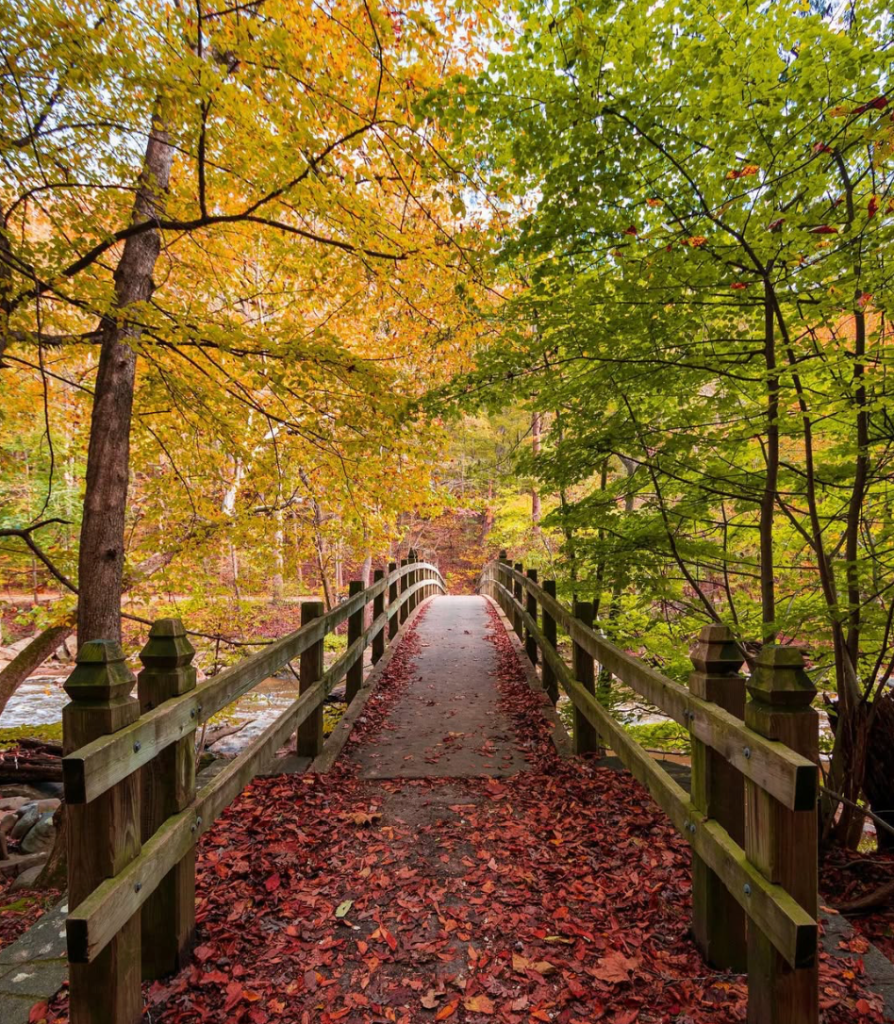
Yesterday we arrived in Silver Spring, Md, a suburb of Washington, DC. to visit friends. They love Silver Spring for its diversity and proximity to Washington DC. They live very near Rock Creek Park, an 1,754 acre national park that stretches from Silver Spring into Washington DC. Matt, who works for the State Dept., has an 11 mile bike ride in to work.
Rock Creek Park
In 2024, Fortune magazine rated Silver Spring, Md as number one on its list of the 50 best places to live for families in the United States,“Silver Spring’s top ranking as a family-friendly home speaks volumes about the quality of life we offer,” said Montgomery County Executive Marc Elrich. Elrich highlighted aspects of Silver Spring- the Recreation and Aquatic Center, Silver Spring Jazz Festival, the Silver Spring Blues Festival, numerous international festivals, robust public transportation and diversity. Silver Spring residents echoed many of Elrich’s comments–it’s close enough to Washington, D.C., to enjoy the city, while having its own amenities, tight-knit community and excellent schools. (Bethesdamagazine.com)
And it is true that Silver Spring ( and the whole of Montgomery County) could not be more diverse. According to the 2020 census (and our observation) Silver Spring is, in fact, a very diverse community. Thirty three percent are White (non-Hispanic), 28% are Black, 28% identified as Hispanic and 7% were Asian. Prior to the arrival of Europeans, present-day Silver Spring was inhabited by variousIndigenous people for approximately 10,000 years, including the Piscataway, an Algonquian-speaking people. Now the Native American population in Silver Spring is less than 1%.
Thirty-six percent of the 81,000 residents were born outside of the United States, which is higher than the national average of 13.9%. Most of the foreign born hail from El Salvador, Ethiopia, India, and China.
One of the reasons that Silver Spring is so ethnically diverse is the presence of the International Rescue Committee, that works in 40 countries worldwide and 28 cities in the U.S. to help people affected by humanitarian crisis to survive, recover and rebuild their lives. (IRS website).
With discussions on racial and ethnic equality taking center stage in recent years, WalletHub analyzed America’s current cultural makeup. This study compared over 500 of the largest U.S. cities across three key indicators of ethnic diversity, focusing on factors such as residents’ ethnicity and race, language usage, and birthplace. Gaithersburg, Germantown, and Silver Spring, all in Montgomery County, MD are in the top five of WalletHub’s “Most Diverse Cities 2024”.
“People who live in ethnically diverse cities have the opportunity to experience new cultures, languages, foods and viewpoints, allowing them to learn more about the world,” WalletHub analyst Cassandra Happe said. “People who grow up in diverse cities also are less likely to develop prejudiced views of people who are different from them. In addition, cities benefit from the unique skill sets that people of different cultures and national origins bring to the table.”
My impression is that Silver Spring is truely a good place to live. We are looking forward to going back for a visit.
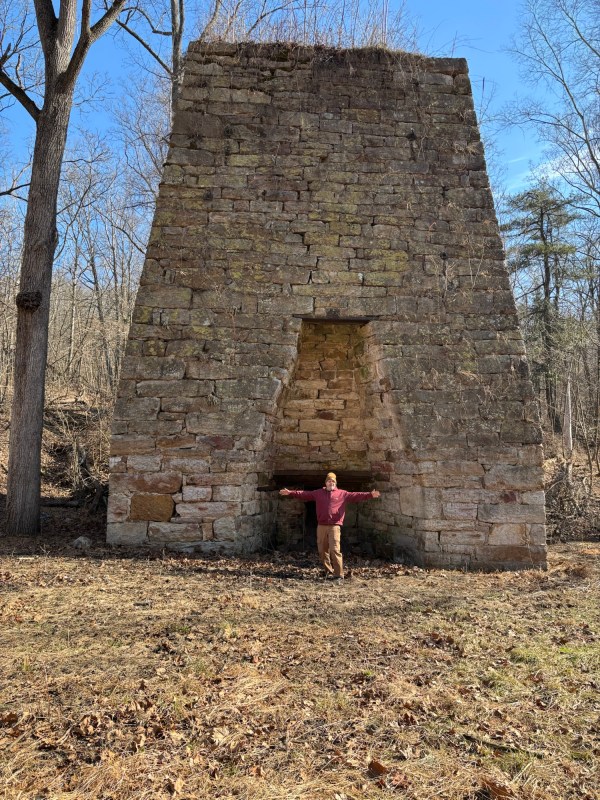
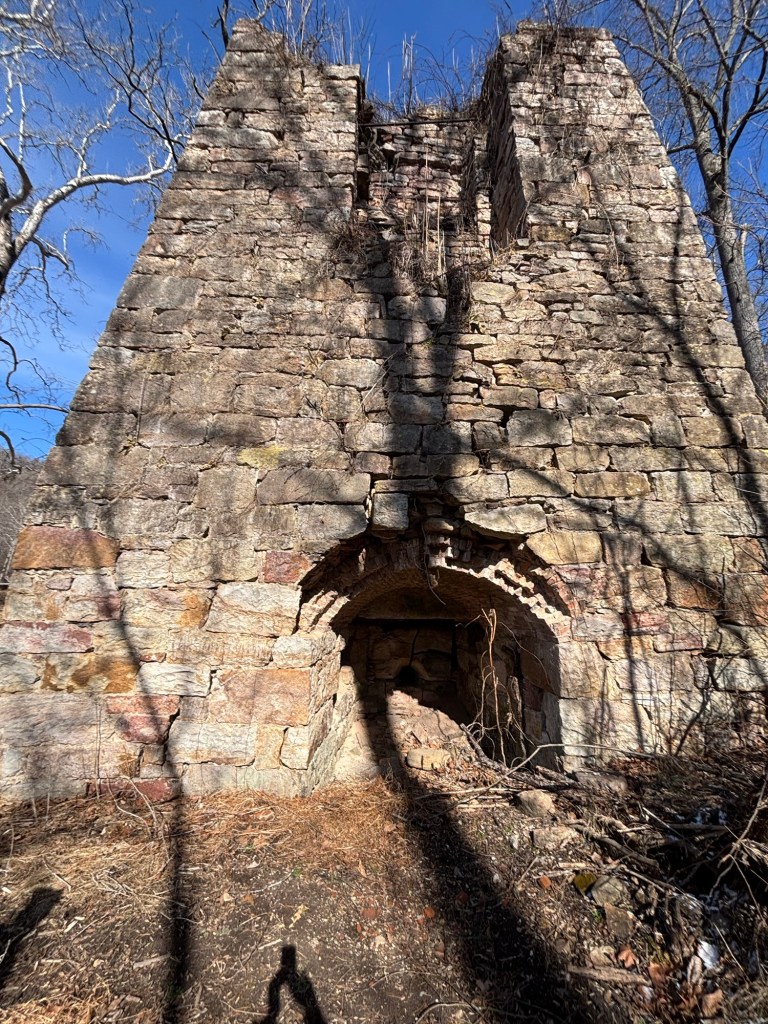
Iron making evolved over a few thousand years. Using the ancient “bloomery” method, iron ore was converted directly into wrought iron by heating the ore while at the same time melting the ore’s impurities and squeezing them out with hand hammers. The bloomery furnace differs from a modern blast furnace because it does not actually melt iron. The bloomery operates at lower temperatures but still achieves the same result of separating metallic iron from undesirable elements.
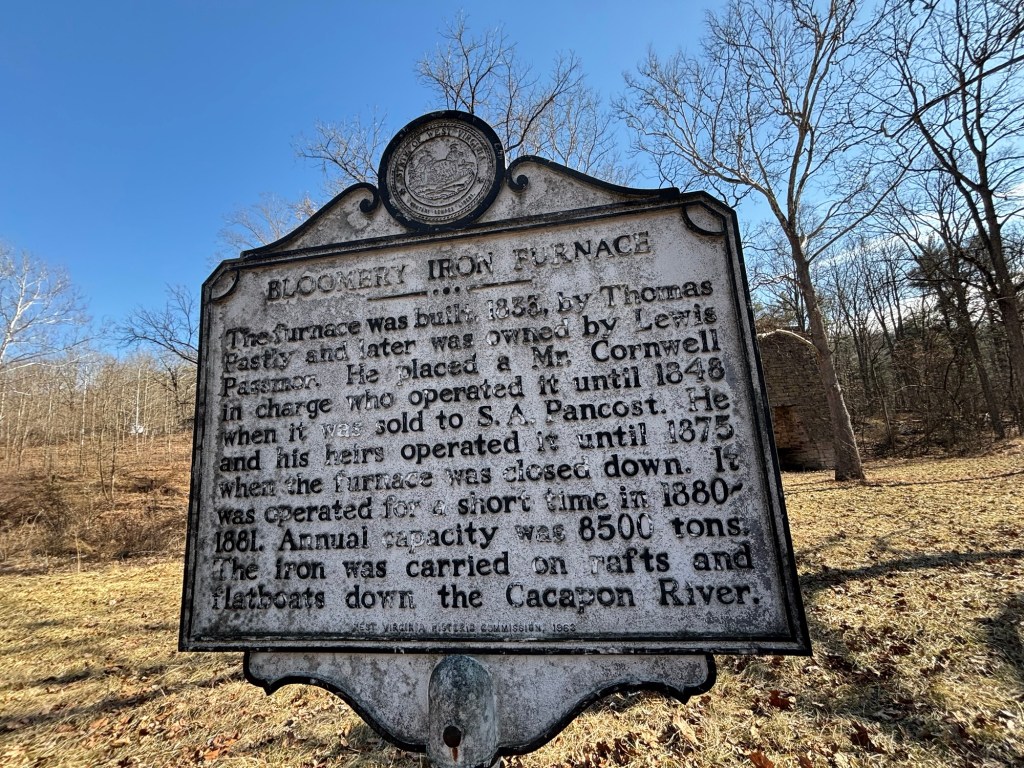
We passed this iron bloomer ruin by the side of the road near PawPaw, West Virginia.
Bloomery Gap Iron Bloomery
It was built in 1838, and produced up to 8500 tons of iron annually that was carried on rafts and flatboats down the Cacapon River, a tributary of the Potomac River.
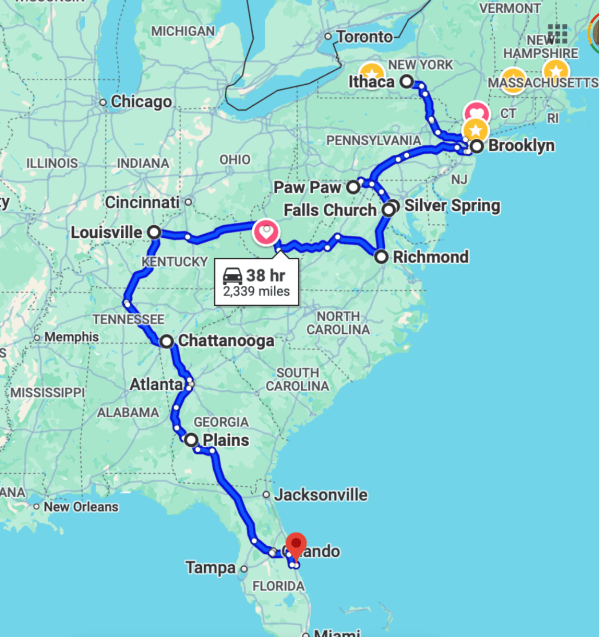
Well, it is that time of year where we all get little cabin fever, wishing for warmth and sunshine. We will take four or five weeks to venture South to Florida and back. We plan to visit friends and places we have never been. This year, we will focus on finding out the truth about immigration in Southern cities and rural communities by visiting first hand. Are there success stories where immigrants have helped uplift a community? What are the obstacles to resettling immigrants successfully? And what are the impact of Trump 2.0 policies really? I’ll let you know what we find out. Stay tuned.
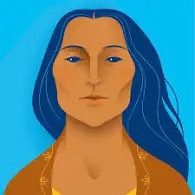
Today I learned about Jigonhsasee, the Haudenosaunee Mother of Peace. According to Wikipedia, she was known for her hospitality to warriors as they traveled to and from battlegrounds and their homes. At her hearth, warriors of the various factions could come in peace. While they ate her food, she acted as counsel and learned their hearts.
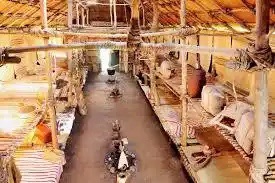
It is in this context that the Great Peacemaker came to her and described his vision for a peace to be built upon a confederacy of the warring nations. She said this sounded good but asked what form it would take. He replied, “It will take the form of the longhouse in which there are many hearths, one for each family, yet all live as one household under one chief mother. They shall have one mind and live under one law. Thinking will replace killing, and there shall be one commonwealth.”[3.
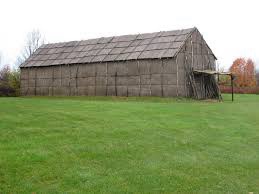
Longhouse at Ganondagan State Historic Site
The woman recognized the power in peace. The Great Peacemaker gave her the task of assigning the men to different positions at the peace gathering, and to women the power to choose the chiefs of the longhouse. He called her Mother of Nations, as she was the first ally of his peace movement.
This seems very relevant in today’s world. Who is our current day Mother of Nations?
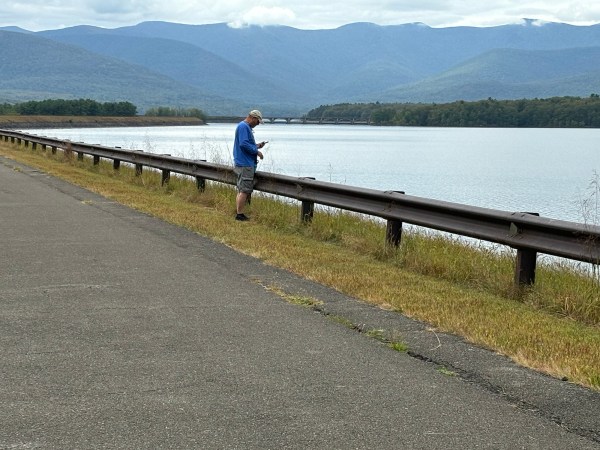
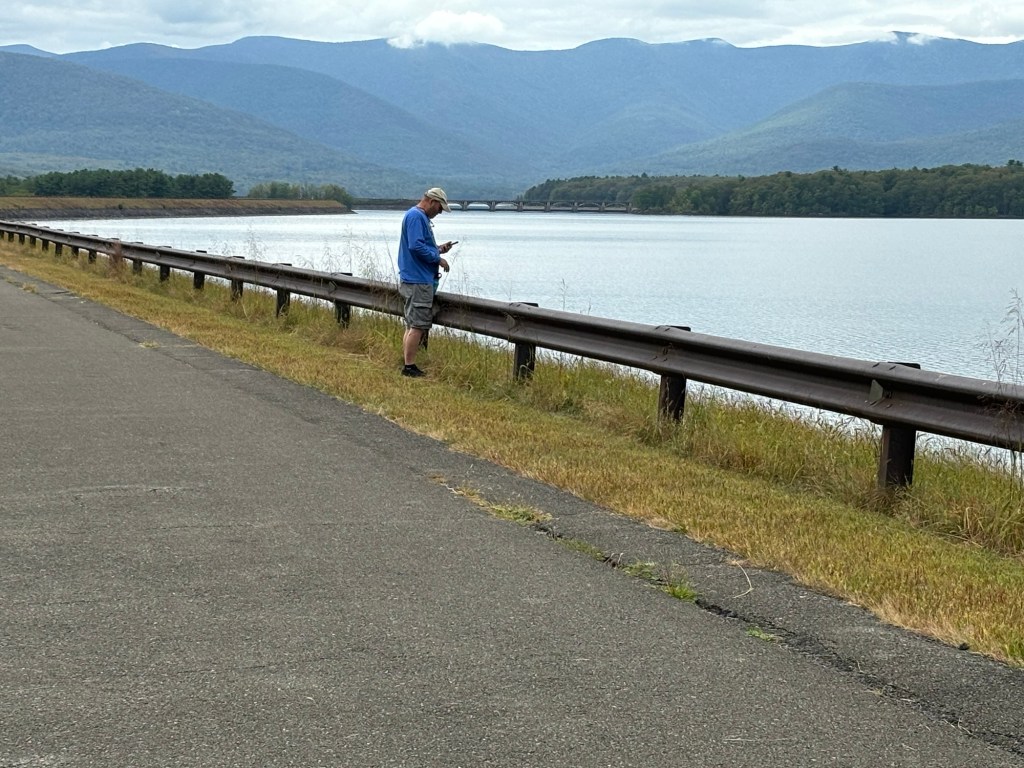
We stopped to take a walk on the Ashokan Reservoir Promenade, a walking and bicycle trail around the edge of this mammoth 8,300 acre reservoir that supplies 40 percent of New York City drinking water. This project finished in 1915 was an engineering marvel at the time. It consists of 5.5 miles of dams and dykes within the Esopus Creek drainage in the Catskill Mountains. The water travels under the Hudson river via the 92 mile Catskill Aqueduct to New York City by gravity alone. The water is so clean that it does not require filtration and only minimal treatment is needed.
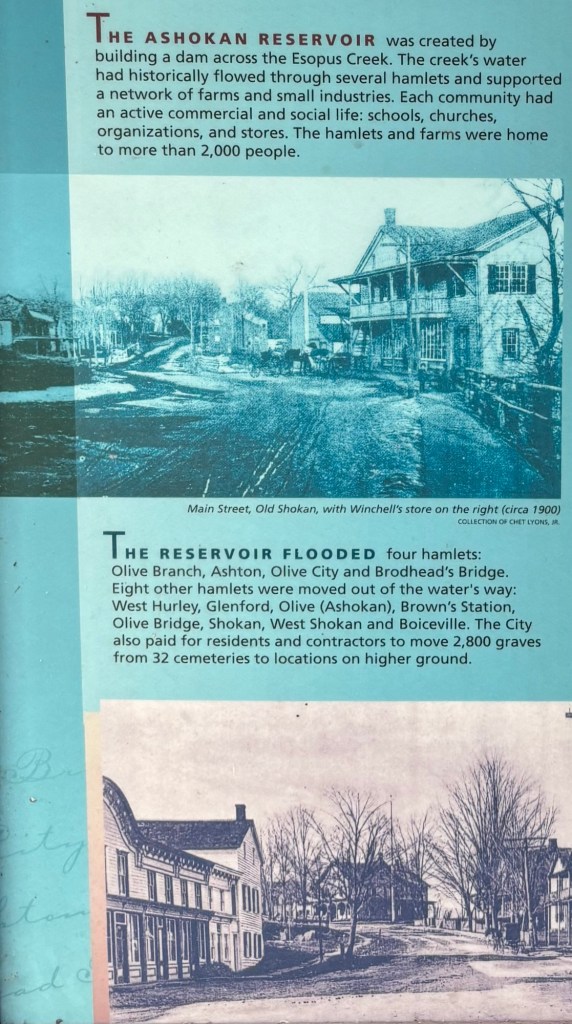
To build the Ashokan Reservoir, thousands of acres of farmland were submerged.[3] The impoundment covered 12 communities located in a valley where farming, logging, and quarrying prevailed. Approximately 2,000 residents[2] along with roads, homes, shops, farms, churches, and mills were either moved or abandoned, but most of them were torn down. The area that became the West Basin of the reservoir contained 504 dwellings, nine blacksmith shops, 35 stores, 10 churches, 10 schools, seven sawmills and a gristmill.[3] Several of these communities were re-established in nearby locations. Nearly twelve and a half miles (20.1 km) of a local railroad line (the Ulster and Delaware Railroad) was moved and cemeteries were relocated. (Wikipedia)
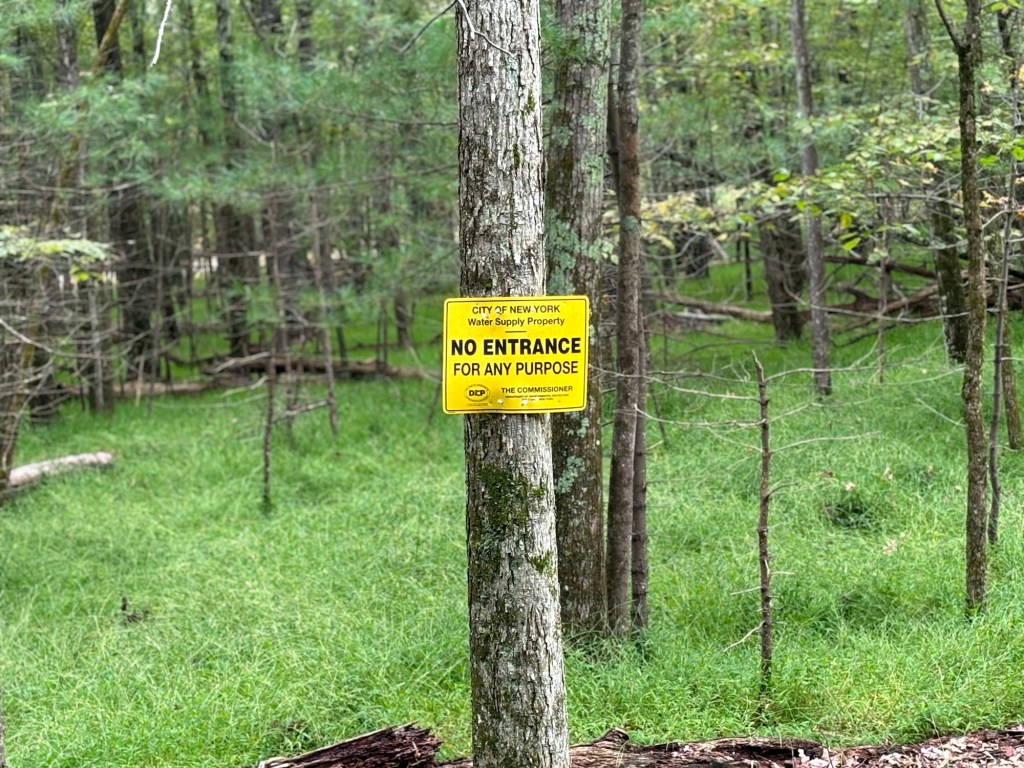
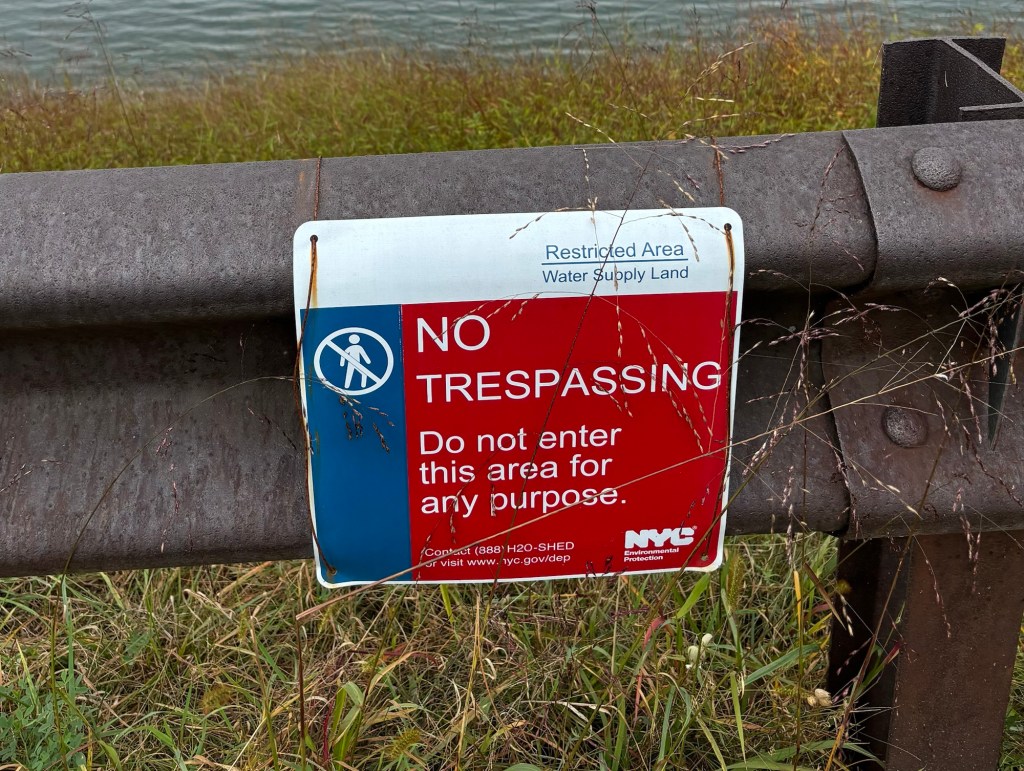
There are 1 million acres of land in the Catskill/Delaware Watershed, including villages, farms, homes and businesses. The watershed is both public and private. The state’s Catskill Park consists of 300,000 acres designated as a “forever wild” state forest preserve. To keep the water clean, an historic agreement was signed in 1997 between New York City, upstate towns, counties and villages and the U.S. Environmental Protection Agency. This agreement includes programs, paid for by New York City to replace septic systems, build new community wastewater treatment facilities, provide sand and salt storage buildings, fund educational projects and support appropriate economic development in the area. Other programs established under a 1994 partnership between New York City and the watershed agricultural community help farmers and forest owners protect water quality while preserving their way of life. These programs are administered by the non-profit Watershed Agricultural Council. Learning about these partnerships made me wonder why something similar is not in place to protect the Finger Lakes where we live?