In our retirement we are have decided it is time to leave the bubble of Ithaca, New York and see what America is really about. We invite you to join us as we learn about people, places and the natural history we experience in our travels.
Iron making evolved over a few thousand years. Using the ancient “bloomery” method, iron ore was converted directly into wrought iron by heating the ore while at the same time melting the ore’s impurities and squeezing them out with hand hammers. The bloomery furnace differs from a modern blast furnace because it does not actually melt iron. The bloomery operates at lower temperatures but still achieves the same result of separating metallic iron from undesirable elements.
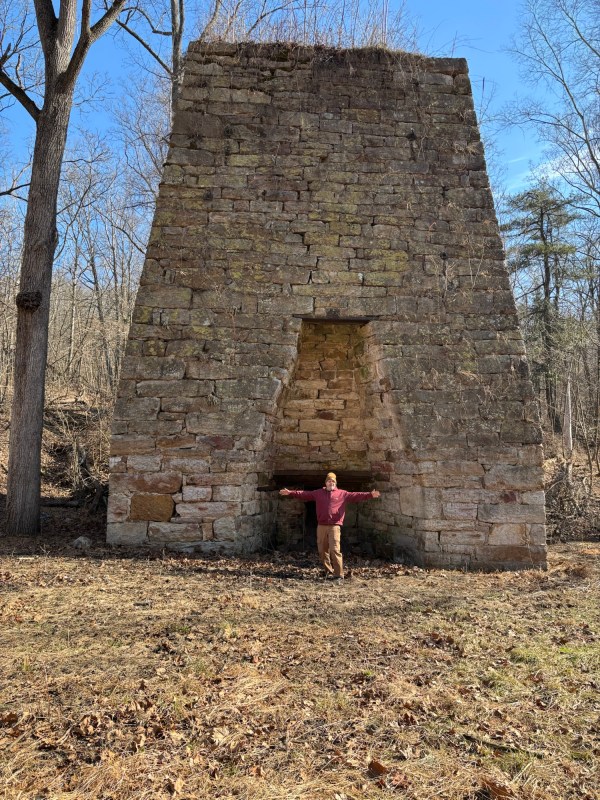
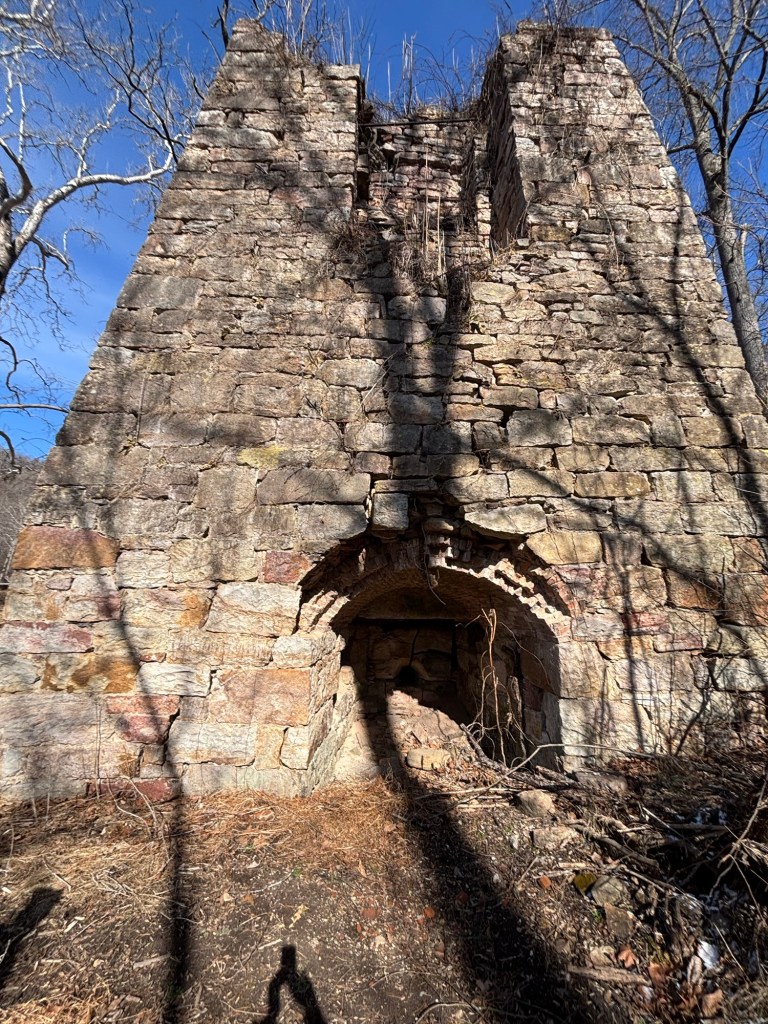
We passed this iron bloomer ruin by the side of the road near PawPaw, West Virginia.
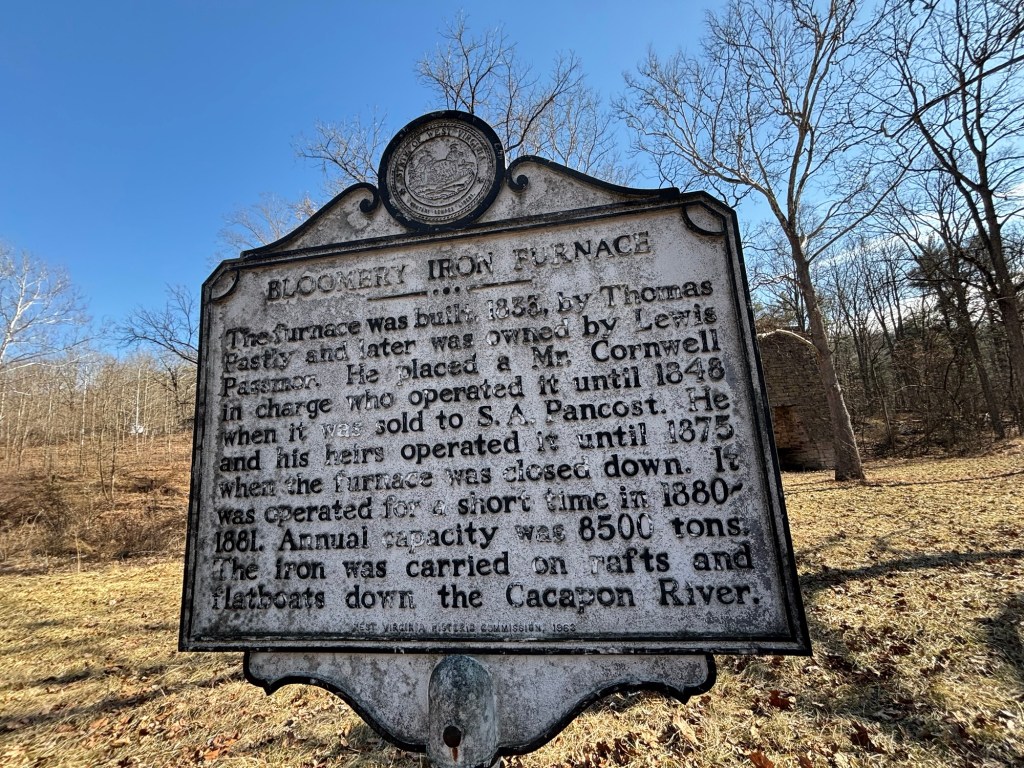
Bloomery Gap Iron Bloomery
It was built in 1838, and produced up to 8500 tons of iron annually that was carried on rafts and flatboats down the Cacapon River, a tributary of the Potomac River.
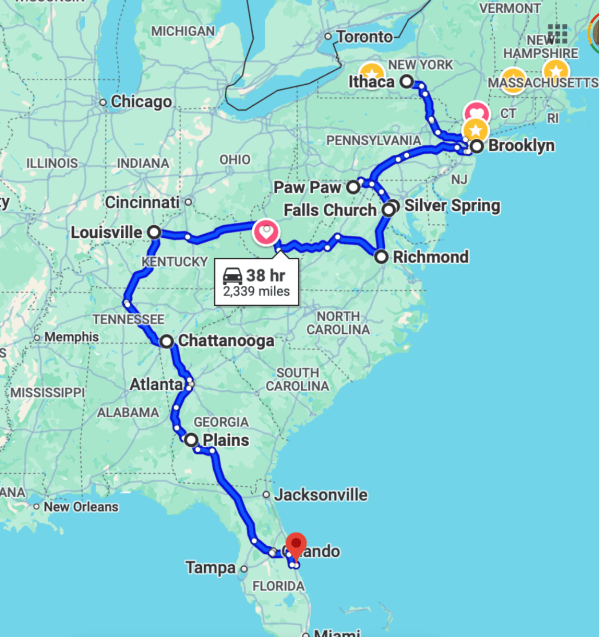
Well, it is that time of year where we all get little cabin fever, wishing for warmth and sunshine. We will take four or five weeks to venture South to Florida and back. We plan to visit friends and places we have never been. This year, we will focus on finding out the truth about immigration in Southern cities and rural communities by visiting first hand. Are there success stories where immigrants have helped uplift a community? What are the obstacles to resettling immigrants successfully? And what are the impact of Trump 2.0 policies really? I’ll let you know what we find out. Stay tuned.
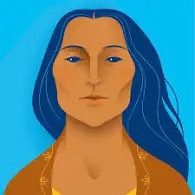
Today I learned about Jigonhsasee, the Haudenosaunee Mother of Peace. According to Wikipedia, she was known for her hospitality to warriors as they traveled to and from battlegrounds and their homes. At her hearth, warriors of the various factions could come in peace. While they ate her food, she acted as counsel and learned their hearts.
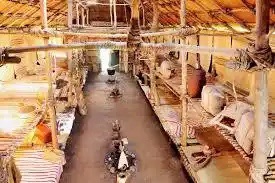
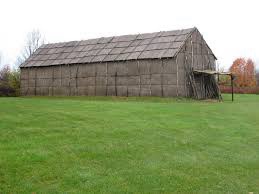
It is in this context that the Great Peacemaker came to her and described his vision for a peace to be built upon a confederacy of the warring nations. She said this sounded good but asked what form it would take. He replied, “It will take the form of the longhouse in which there are many hearths, one for each family, yet all live as one household under one chief mother. They shall have one mind and live under one law. Thinking will replace killing, and there shall be one commonwealth.”[3.
Longhouse at Ganondagan State Historic Site
The woman recognized the power in peace. The Great Peacemaker gave her the task of assigning the men to different positions at the peace gathering, and to women the power to choose the chiefs of the longhouse. He called her Mother of Nations, as she was the first ally of his peace movement.
This seems very relevant in today’s world. Who is our current day Mother of Nations?
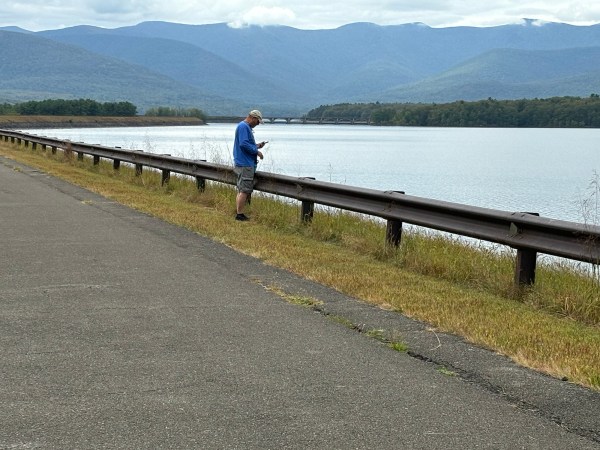
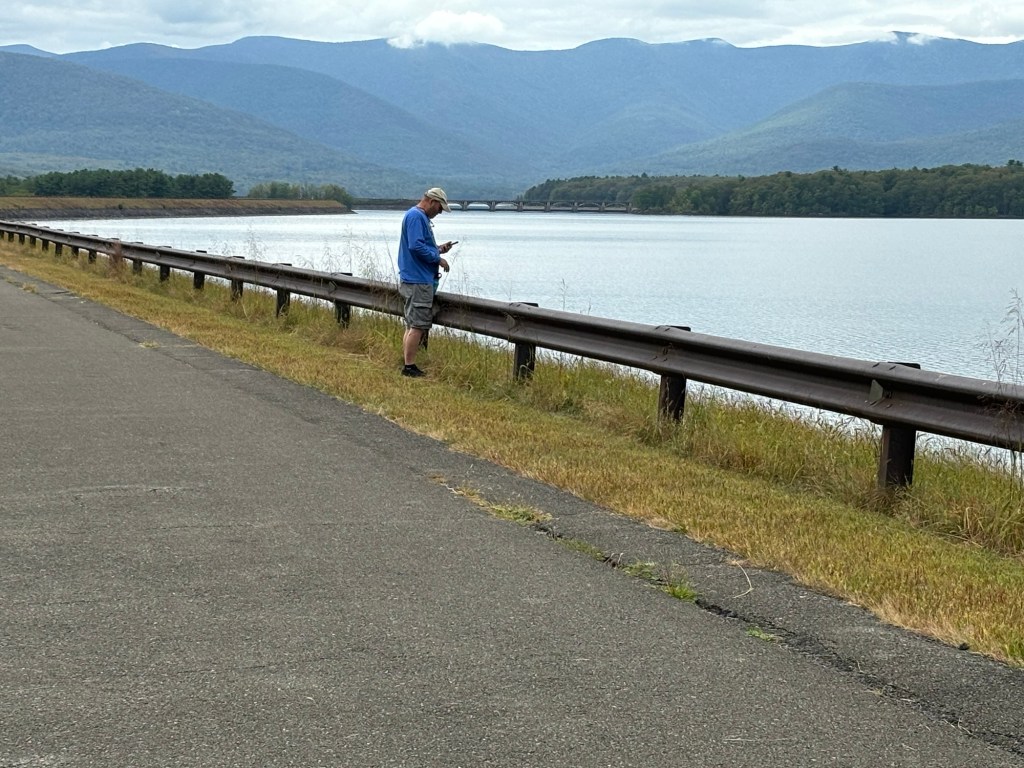
We stopped to take a walk on the Ashokan Reservoir Promenade, a walking and bicycle trail around the edge of this mammoth 8,300 acre reservoir that supplies 40 percent of New York City drinking water. This project finished in 1915 was an engineering marvel at the time. It consists of 5.5 miles of dams and dykes within the Esopus Creek drainage in the Catskill Mountains. The water travels under the Hudson river via the 92 mile Catskill Aqueduct to New York City by gravity alone. The water is so clean that it does not require filtration and only minimal treatment is needed.
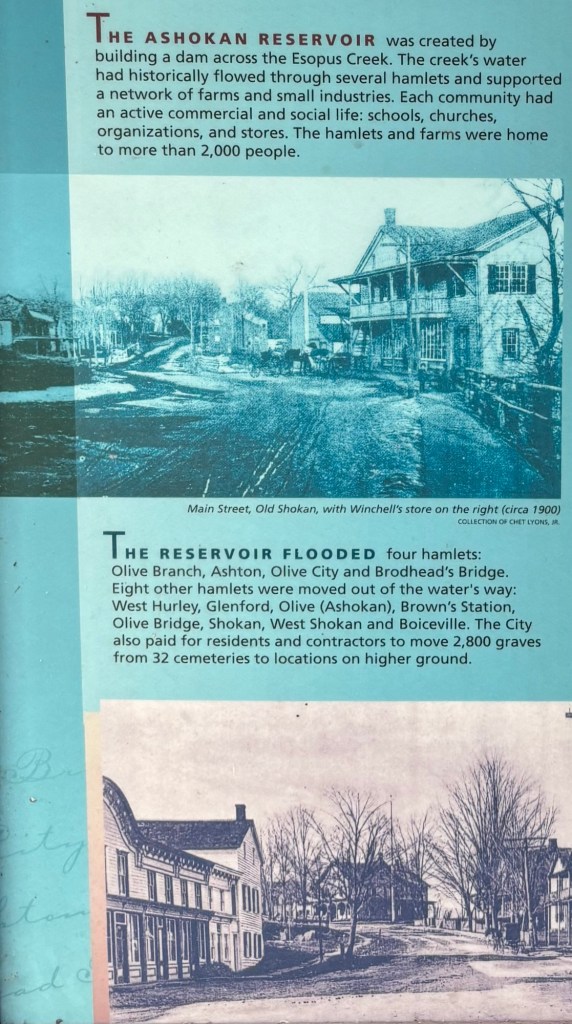
To build the Ashokan Reservoir, thousands of acres of farmland were submerged.[3] The impoundment covered 12 communities located in a valley where farming, logging, and quarrying prevailed. Approximately 2,000 residents[2] along with roads, homes, shops, farms, churches, and mills were either moved or abandoned, but most of them were torn down. The area that became the West Basin of the reservoir contained 504 dwellings, nine blacksmith shops, 35 stores, 10 churches, 10 schools, seven sawmills and a gristmill.[3] Several of these communities were re-established in nearby locations. Nearly twelve and a half miles (20.1 km) of a local railroad line (the Ulster and Delaware Railroad) was moved and cemeteries were relocated. (Wikipedia)
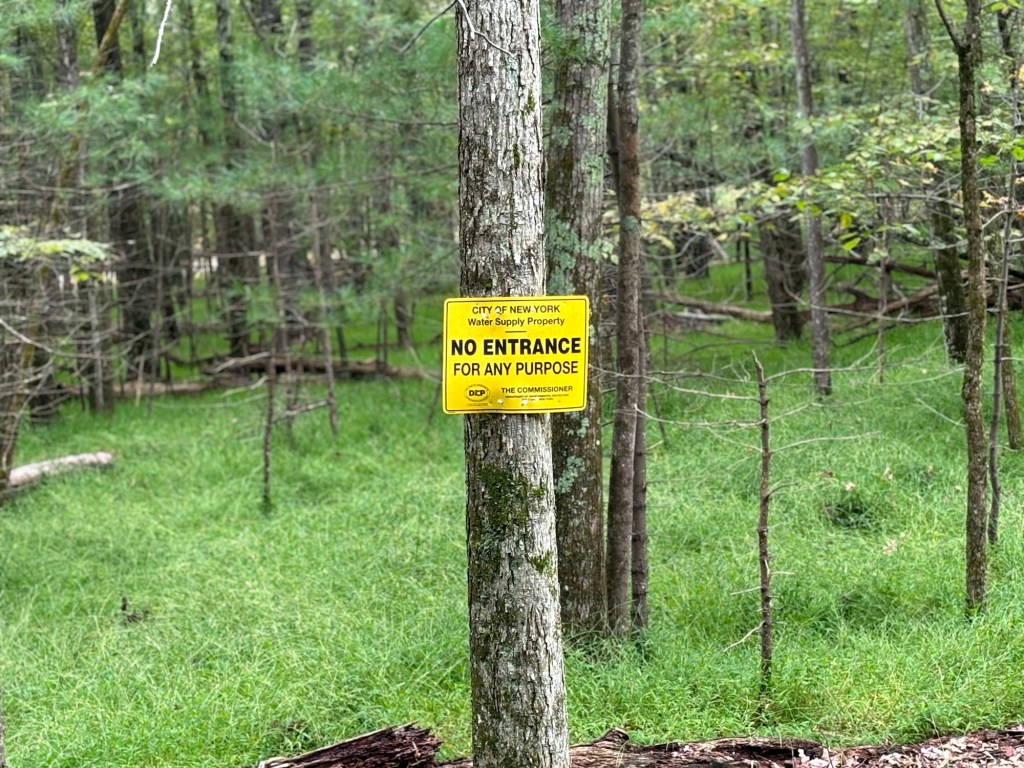
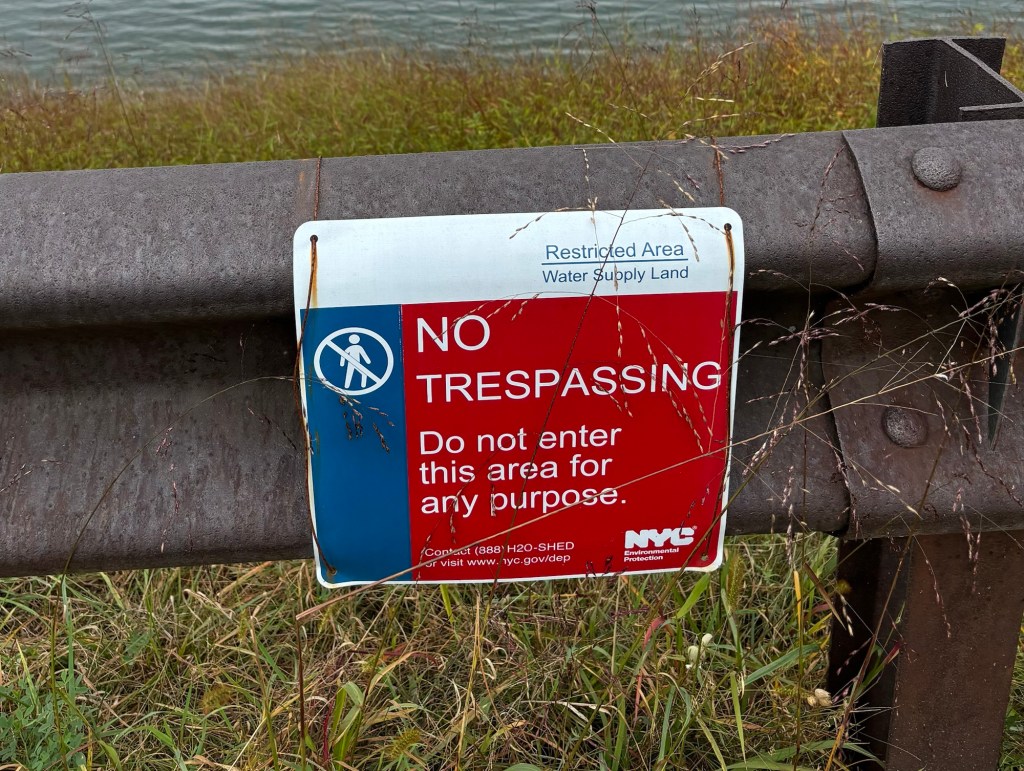
There are 1 million acres of land in the Catskill/Delaware Watershed, including villages, farms, homes and businesses. The watershed is both public and private. The state’s Catskill Park consists of 300,000 acres designated as a “forever wild” state forest preserve. To keep the water clean, an historic agreement was signed in 1997 between New York City, upstate towns, counties and villages and the U.S. Environmental Protection Agency. This agreement includes programs, paid for by New York City to replace septic systems, build new community wastewater treatment facilities, provide sand and salt storage buildings, fund educational projects and support appropriate economic development in the area. Other programs established under a 1994 partnership between New York City and the watershed agricultural community help farmers and forest owners protect water quality while preserving their way of life. These programs are administered by the non-profit Watershed Agricultural Council. Learning about these partnerships made me wonder why something similar is not in place to protect the Finger Lakes where we live?
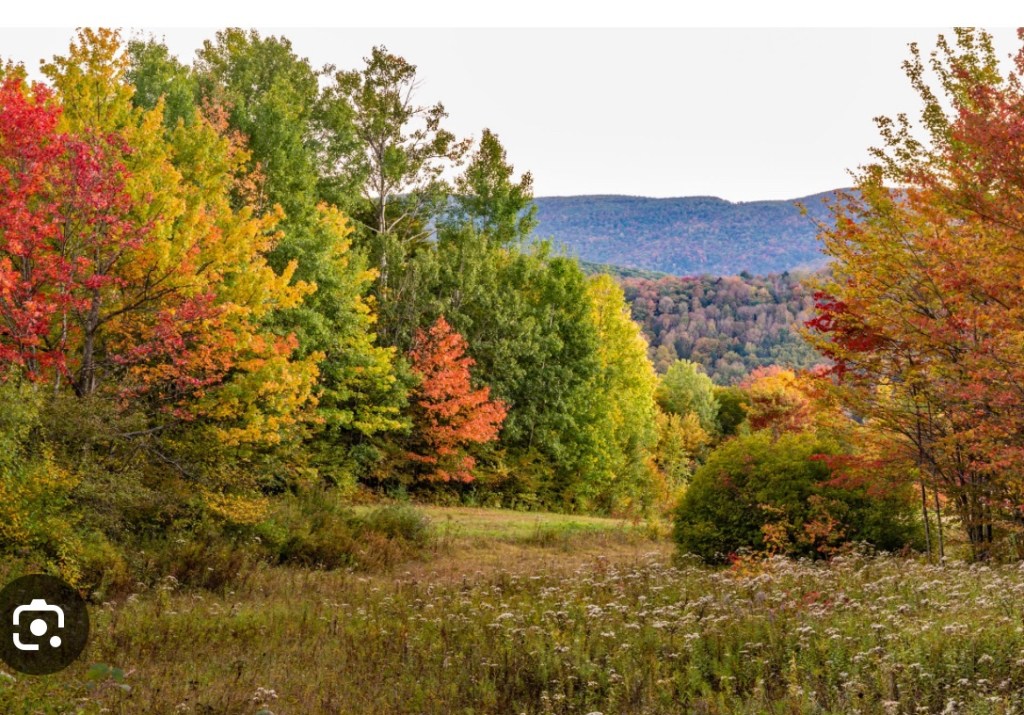
We took a short couple day trip to the Hudson River Valley this week via the scenic Rt. 28 route through the Catskills. We were pleasantly surprised by peak foliage due to the higher elevation.
We came across Andes, New York (population 1, 114), perhaps the smallest town in the Catskills. We were happy to see the plethora of Harris/ Walz yard signs lining Main St. in an otherwise politically red Delaware County.
Main street Andes is lined with quaint boutiques and restaurants. The town has been successfully marketed as a tourist destination for New York City. We are told the town fills up on weekends, so we recommend coming on a weekday during peak tourist season. It is a great place to hike, fish, ski or just enjoy the outdoors.
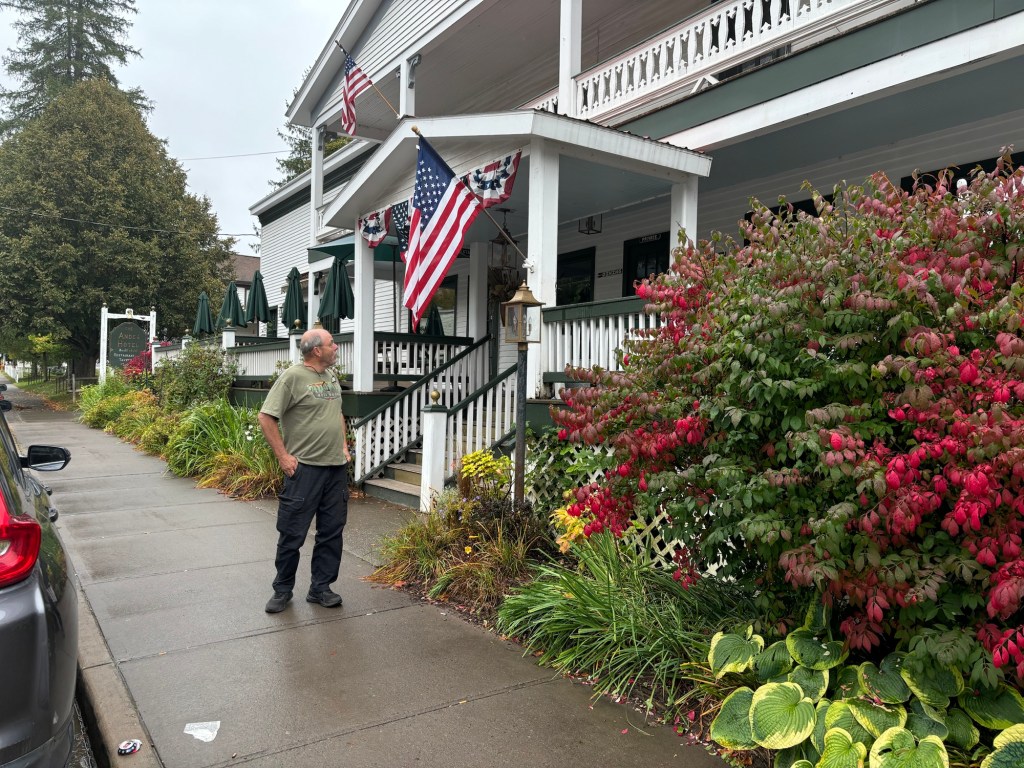
We had dinner at the Andes Hotel, where there is a jovial crowd of locals filling up the porch and bar in the evening. The food was decent.
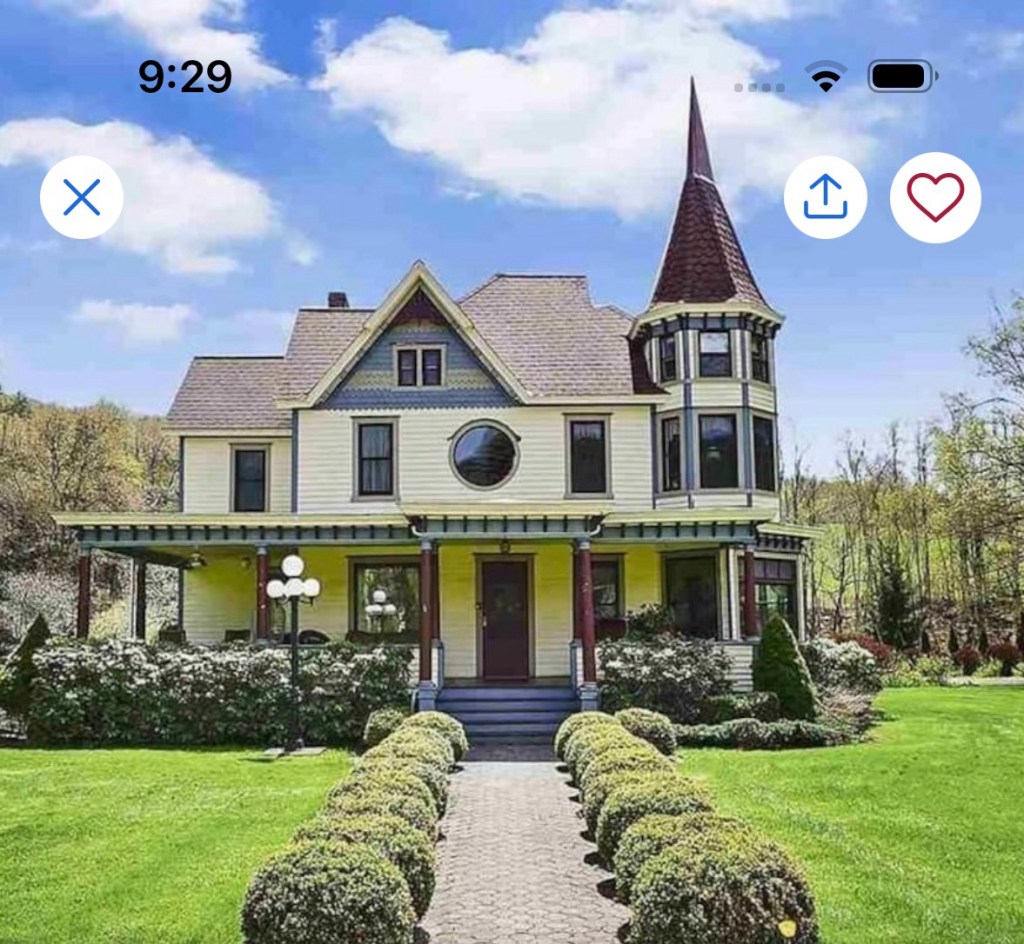
The Doll House
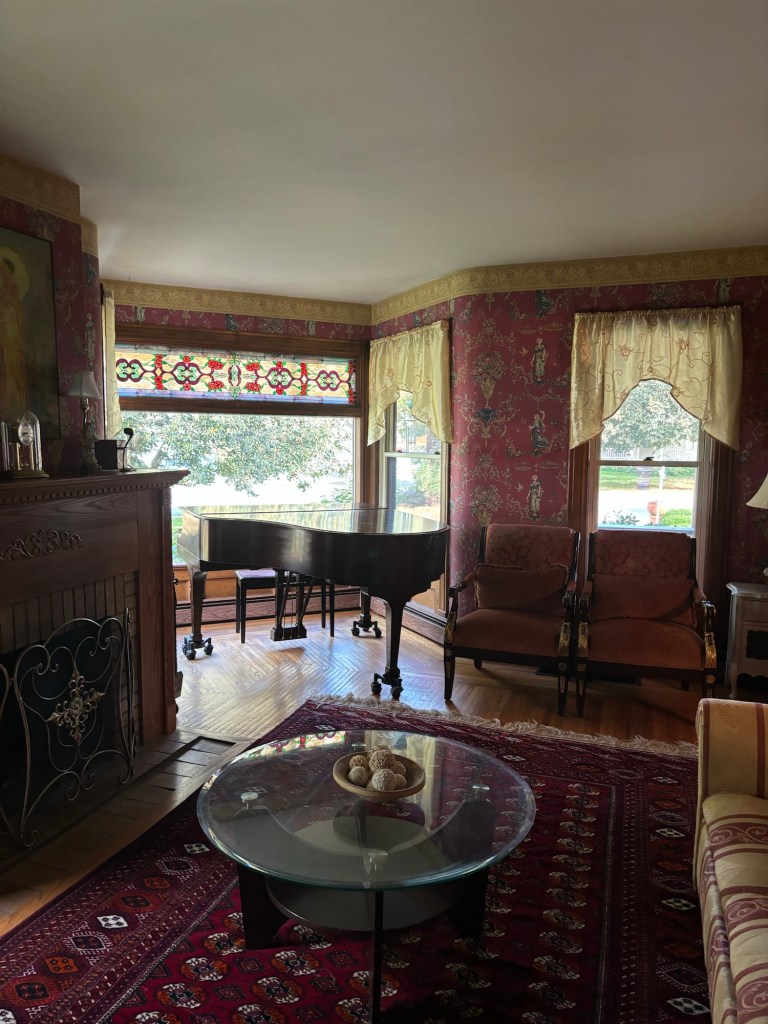
We stayed at The Doll House, a fully renovated victorian house on Main St. In the hamlet.
We recommend this treasure if you are planning a get away in the Catskills.
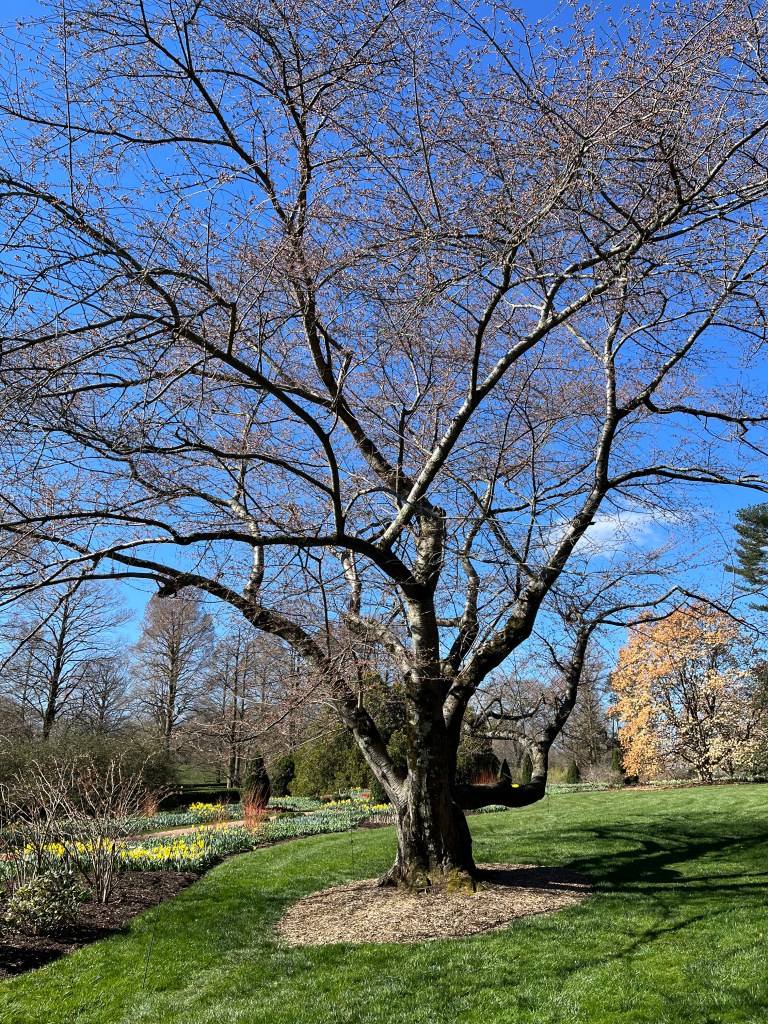
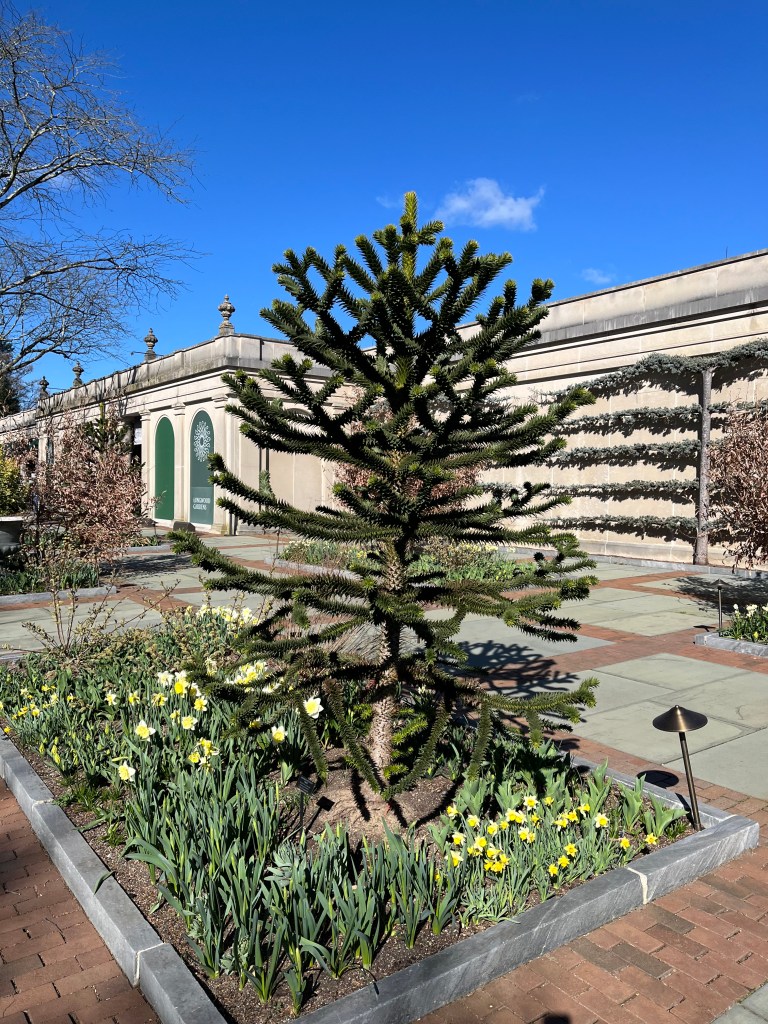
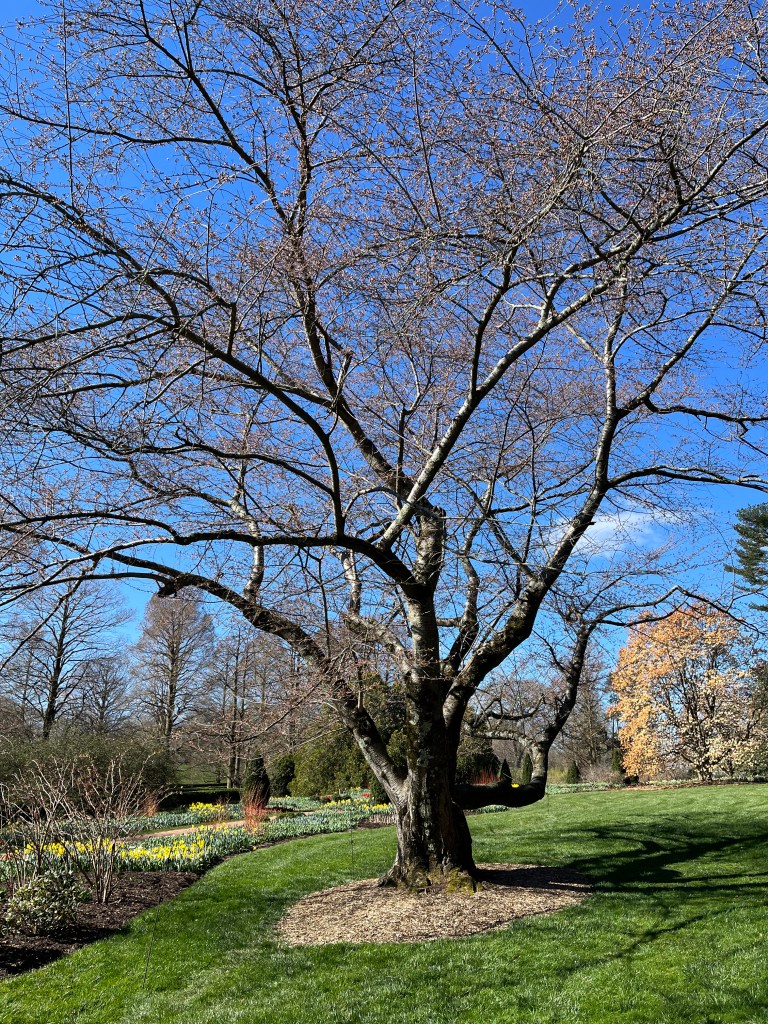
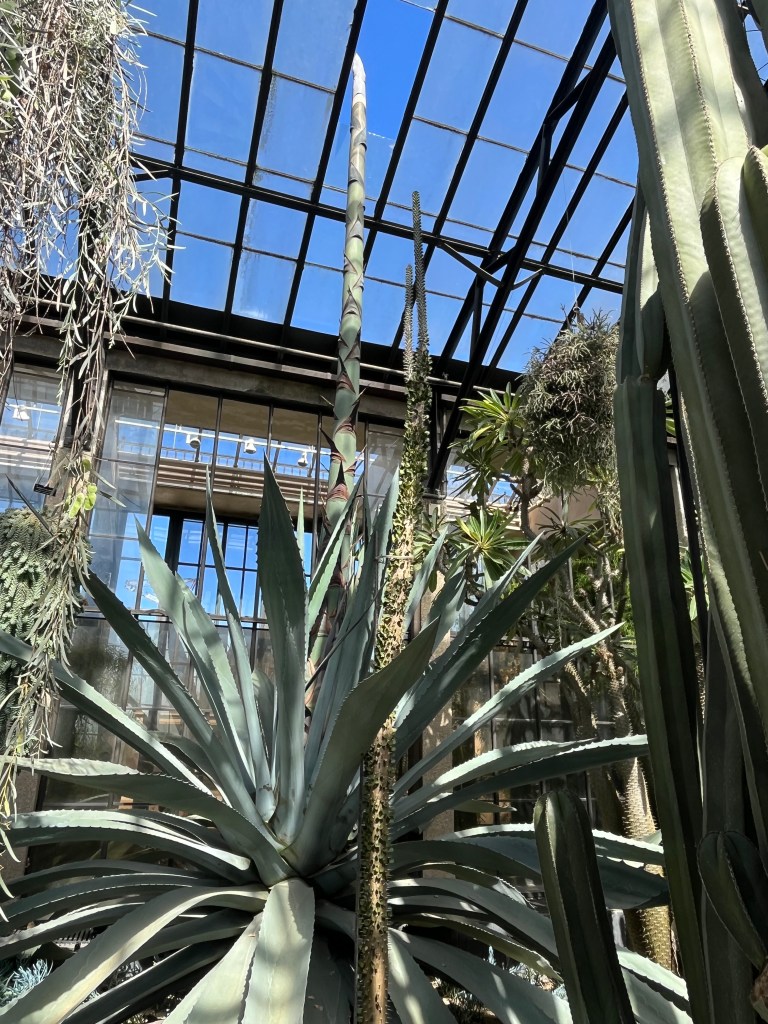
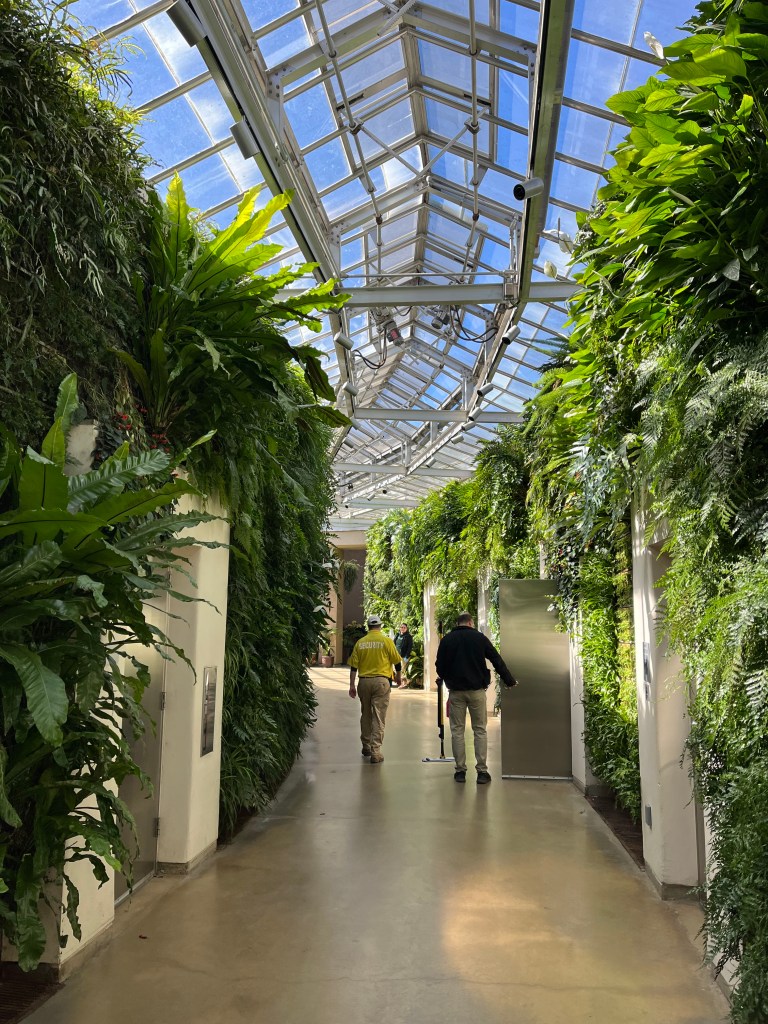
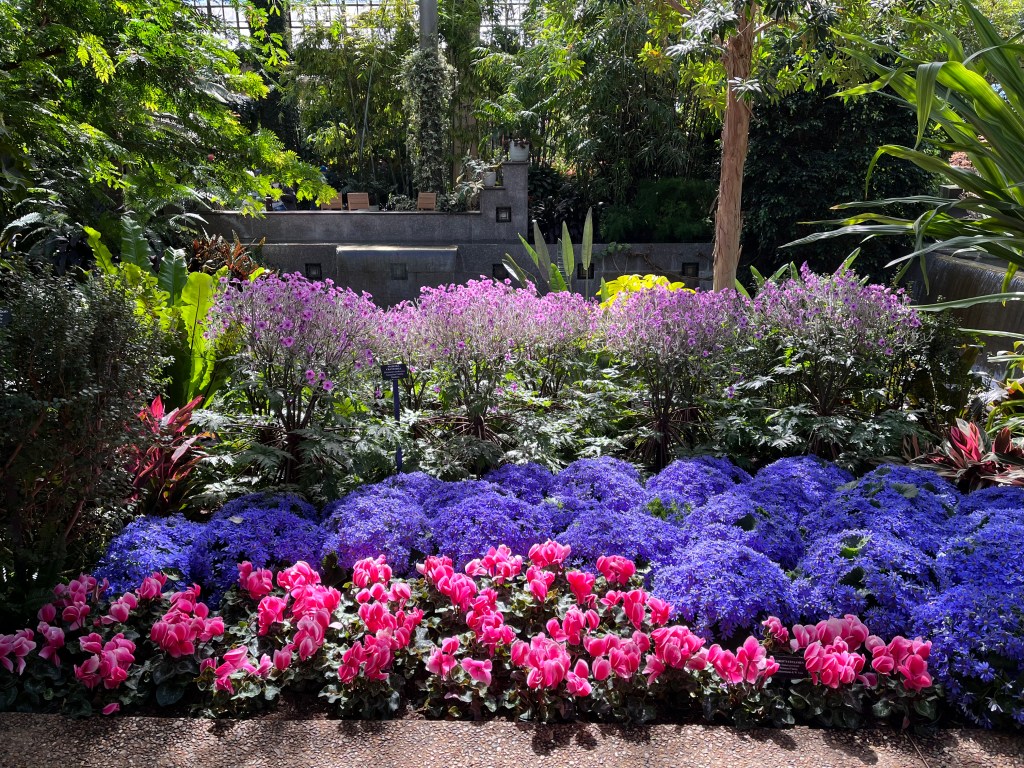
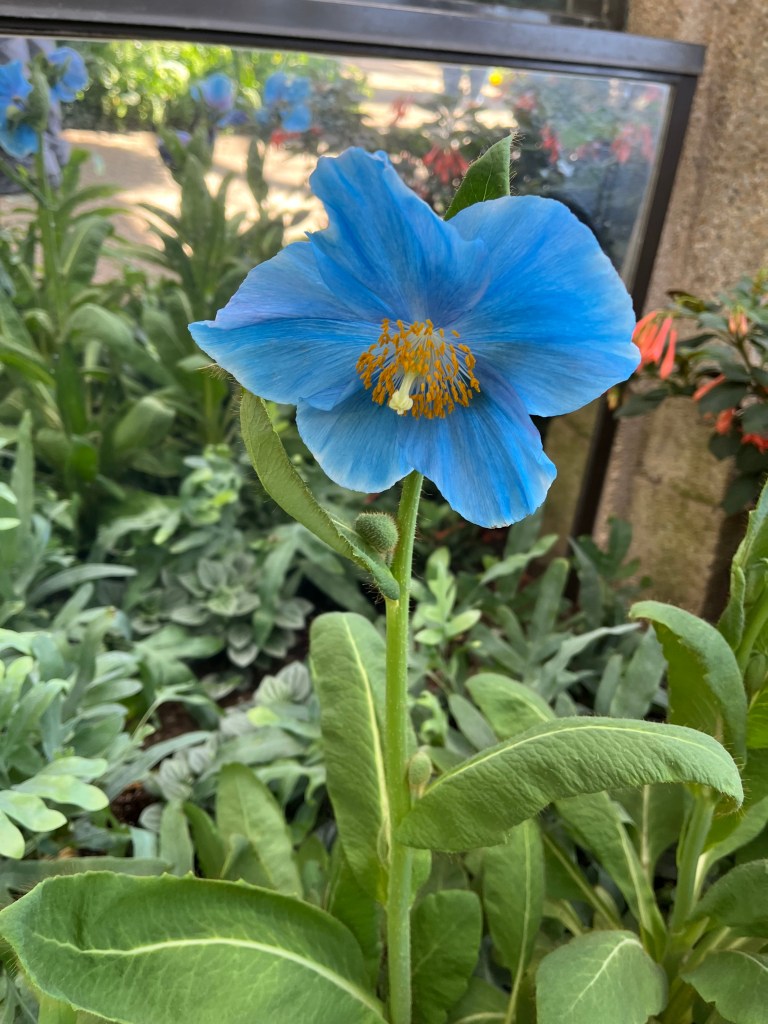
On the last day of our trip we visited Longwood Gardens near Philadelphia. A visit to this place has been on John’s bucket list for a long time and it did not disappoint. We plan another visit when more is in bloom outside. I will leave you with a collage of beauty until next trip. Thank you for adventuring with us!
We are in Williamsburg, Virginia and yesterday we visited the Jamestown Settlement Museum. We were not sure what to expect in terms of an inclusive historical perspective and were happy to see that they describe the museum”s mission as fostering “an awareness and understanding of the early history, settlement, and development of the United States through the convergence of American Indian, European, and African cultures and the enduring legacies bequeathed to the nation.” It does seem that they are very much attempting to be inclusive in the telling of history. I am wondering how different it is from the presentation of facts 20 years ago?
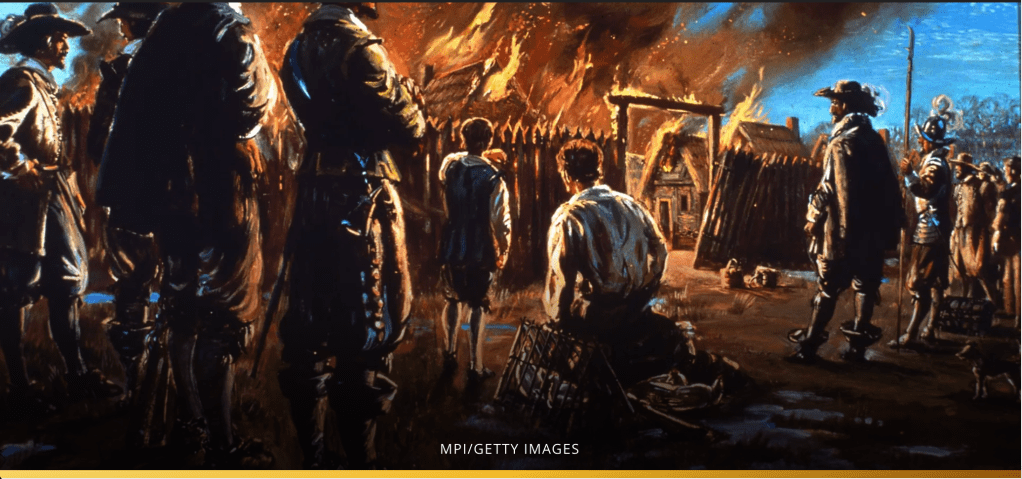
I did not know much about Bacon’s Rebellion, an armed rebellion of settlers against Colonial GovernorWilliam Berkeley, Bacon and his armed rebels ransacked their colonial capital, threatened its governor and upended Virginia’s social order. They managed to chase Berkely from Virginia and burned the settlement to the ground. The rebellion failed. Soon Bacon was dead and his militia defeated. The rebellion he led is commonly thought of as the first armed insurrection by American colonists against Britain and their colonial government a hundred years before the American Revolution. (History.com) The alliance between European indentured servants and Africans (a mix of indentured, enslaved, and free Blacks) disturbed the colonial upper class. They responded by hardening the racial caste of slavery in an attempt to divide the two races from subsequent united uprisings with the passage of the Virginia Slave Codes of 1705.[5][2][6]. White indentured servants were subsequently offered 50 acres of land to farm when their servitude ended, giving them considerably more status, while Blacks were subject to lifetime servitude or slavery, which was a very effective way to prevent any future uprisings.
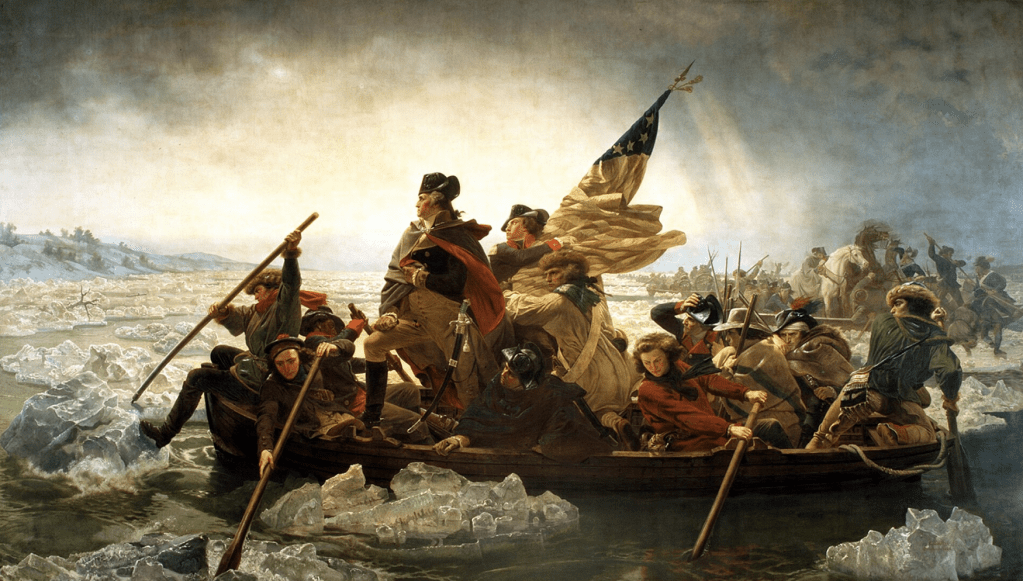
John Glover’s racially integrated regiment rowed George Washington’s troops across the Delaware leading to a victory at the Battle of Trenton
Yesterday we arrived in Williamsburg, Virginia, which is home to both the Jamestown Settlement Museum and Colonial Williamsburg living history museum. We decided to visit the Jamestown Settlement first and were very surprised to see pods of military people all over the place dressed in costume from the Greek Phalanx (500 B.C.E) to the current day Virginia National Guard as part of the 40th annual Military through the Ages event. Being a Quaker and a pacifist, I was not happy to see this taking over the Jamestown Settlement Museum. I have to admit, that I did find elements of it very interesting. There was a pod there representing Black Soldiers of the American Revolution.
We spoke at length with a man from New Jersey (I never got his name) who was representing the 14th Continental Regiment. He was a wealth of information about Black history in general and particularly John Glover’s regiment from Marblehead, Massachusetts.
Glover marched his regiment to join the siege of Boston in June 1775. At Boston, General George Washington chartered Glover’s schooner Hannah to raid British supply vessels, the first of many privateers or warships authorized by Washington. For this reason the Hannah has been occasionally called the first vessel of the Continental Navy or its later successor the United States Navy.[10] (Wikipedia)
The Marblehead militia or “Glover’s Regiment” became the 14th Continental Regiment. John Glover was able to raise a regiment of 500 men composed of both his militia and Marblehead mariners, and termed by Washington as soldiers “bred to the sea.”[11] This regiment became known as the “amphibious regiment” for their vital nautical skills. It was composed almost entirely of seamen, mariners and fishermen.[12] Many of these men of were Native Americans, Jewish, African-Americans, and Spanish forming the first integrated units in the new American military.[2] The regiment’s muster rolls listed one-third of the men as dark complexioned. A Pennsylvania general was shocked by the “number of negroes” treated as equals in Glover’s Regiment.[13] Most of the regiment lived in Marblehead, and came together before the war, fishing in the Grand Banks. At sea, everyone was working towards a common goal, and a person’s background didn’t matter, a philosophy carried over into the regiment.[2] (Wikipedia)
Our Jamestown experience in all was very interesting, although it was disconcerting to see Jamestown Settlement staff in costume intermingled with people walking around in togas, suits of armor, kilts, viking costumes and current day combat gear. I will do another post on what I learned about the Jamestown Settlement itself.
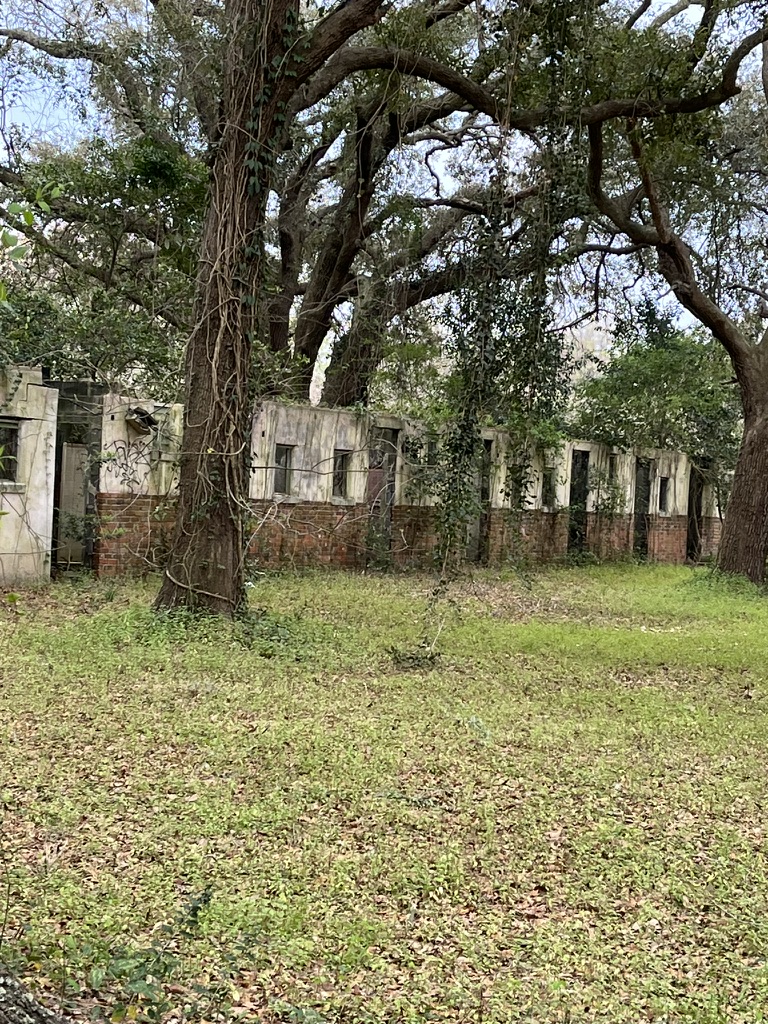
Remains of Magnolia Beach Hotel in Georgetown, South Carolina
In our travel we have come across abandoned African American resorts all across the country. While we would never want to turn back hard won victories during the civil rights movement, it is sad that these vibrant vacation spots for the African American community were lost.
The Magnolia Beach Hotel, built in the 1930’s during the time of segregation in the South, was a popular destination for local and visiting African Americans. It was listed in the Green Book and was known for its vibrant nightlife. It hosted many famous performers of the day- Duke Ellington, Louis Armstrong, and Pearl Bailey were among the famous acts. The hotel and Beach were destroyed in 1954 by Hurricane Hazel and was never rebuilt.
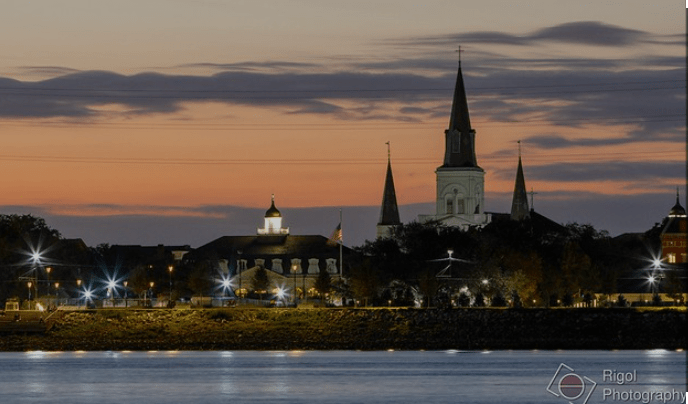
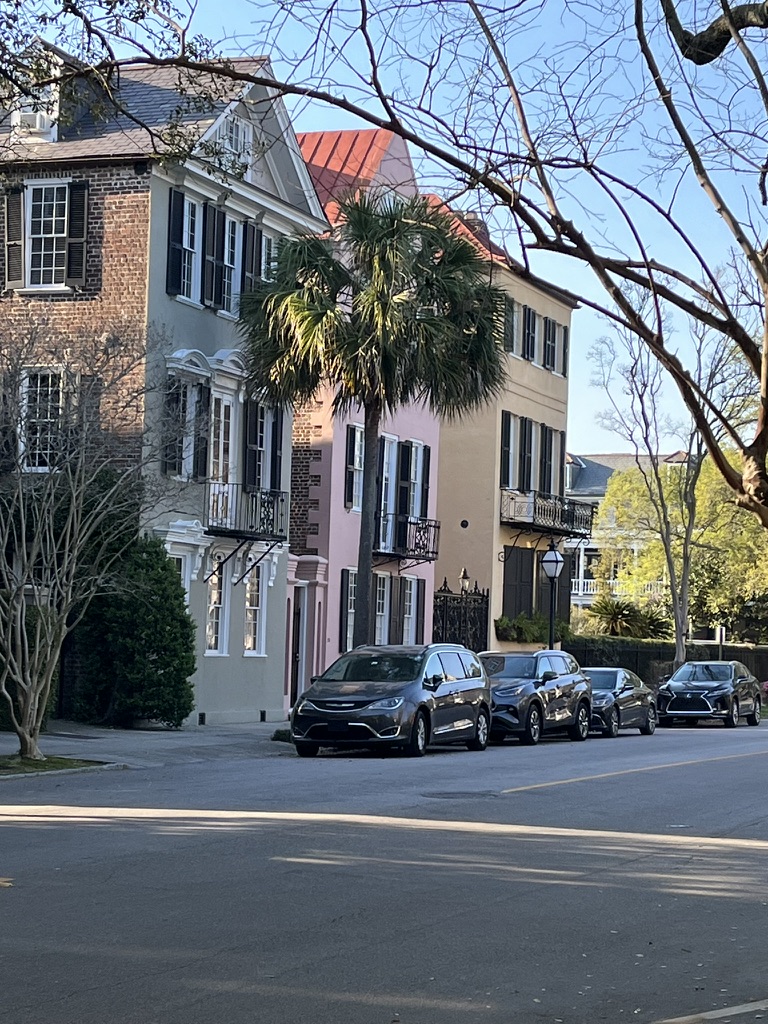
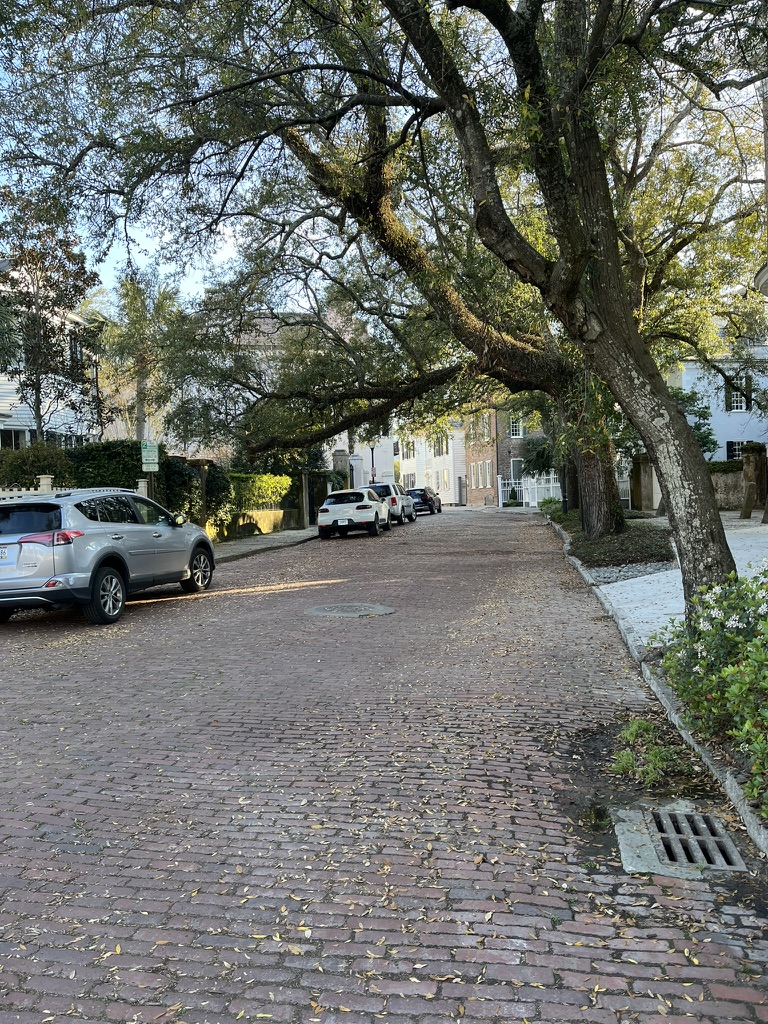
Charleston, South Carolina really is a beautiful and interesting city. I had forgotten that it was one of the original 13 colonies from the founding of the U.S. and has many buildings dating to the colonial period.
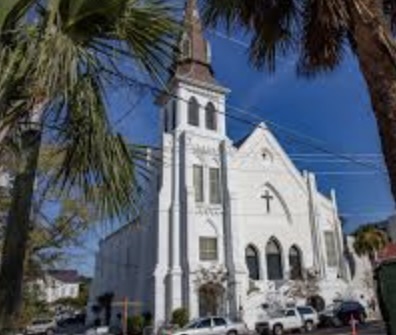
One interesting fact is that there is a city ordinance saying that no building may be built taller than the tallest church steeple. Charleston is known as the “Holy City” because of it’s religious tolerance and the abundance of places of worship. Though the history of Charleston’s nickname is hotly debated, one thing remains clear: it’s home to one of the largest concentrations of churches in the U.S. (including some of the country’s oldest congregations). It is worth noting that this tolerance came over time- the famous Mother Emanuel African Methodist Episcopal Church, the first Black church built in 1818, faced major discrimination and hostility. State and city ordinances at the time limited worship services by black people to daylight hours, required that a majority of congregants in a given church be white, and prohibited black literacy. In 1818, Charleston officials arrested 140 black church members and sentenced eight church leaders to fines and lashes. City officials again raided Emanuel AME Church in 1820 and 1821 in a pattern of harassment. (Wikipedia).











 Perspectives on the Road