In our retirement we are have decided it is time to leave the bubble of Ithaca, New York and see what America is really about. We invite you to join us as we learn about people, places and the natural history we experience in our travels.
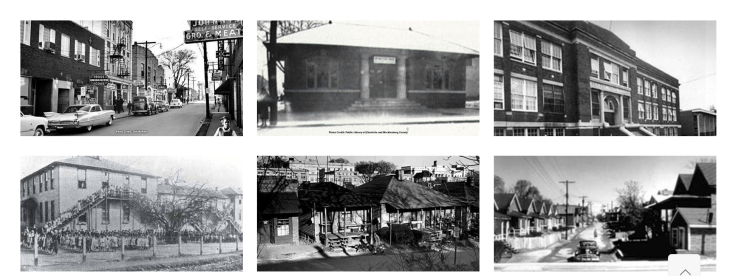
This is a sad story all over the United States: Black communities erased by urban renewal in the 1960s and 70s. There once was a neighborhood in the Charlotte, North Carolina 2nd Ward called Brooklyn. Due to racially segregated housing, all black people- poor, middle class and well-to-do lived in Brooklyn. There were Black owned businesses, churches and all kind of housing. It was a thriving, self sustaining town within a city. Everyone felt safe and all watched out for the children. In spite of poverty, there was a vibrancy to Brooklyn. Here is a video about the plight of Brooklyn.
The good news is that the nation’s largest Black developer is leading redevelopment efforts with the input of former residents of Brooklyn. . The Development Partnership is committed to doing justice to the memory and spirit of what Brooklyn once was. We will see what develops.
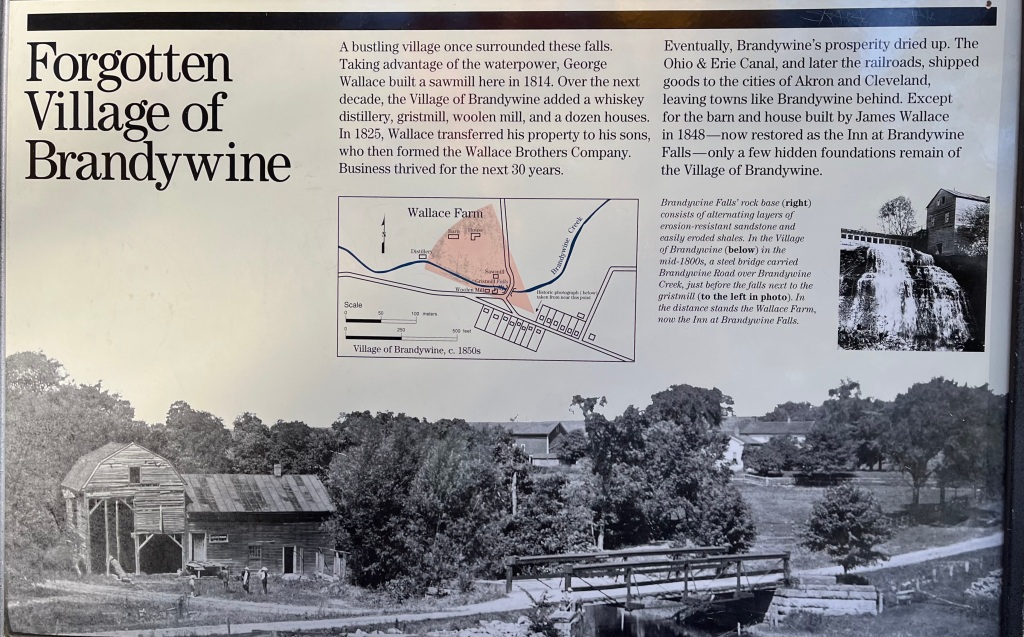
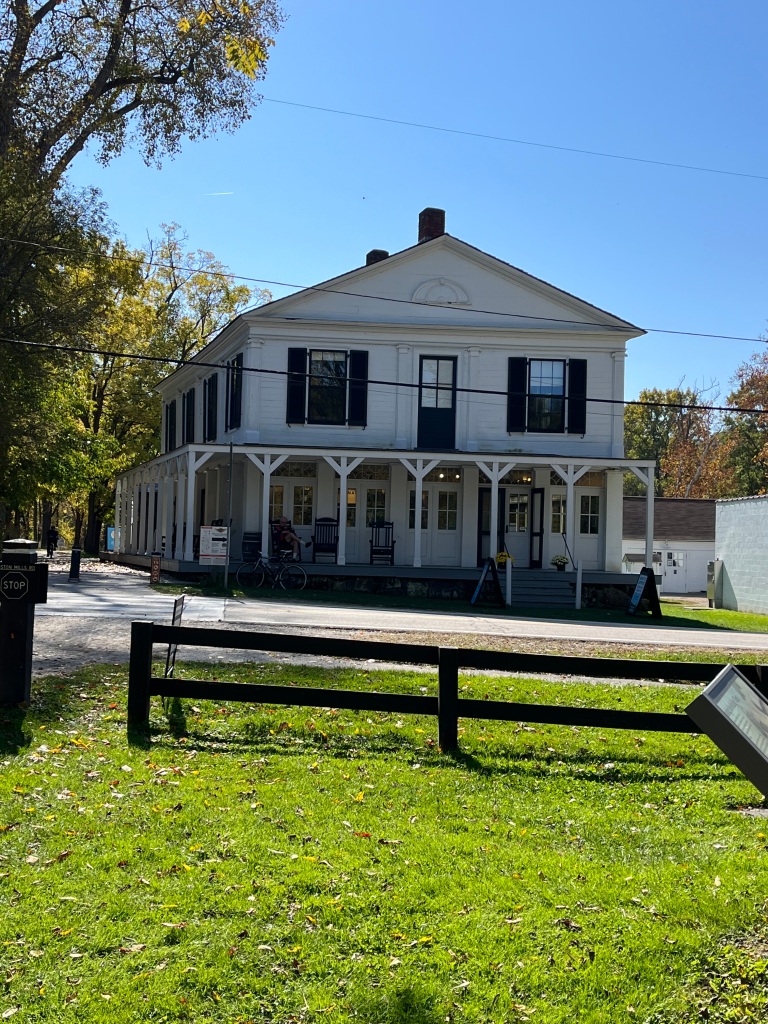
We spent two nights in the lovely historic Inn at Brandywine Falls in Cuyahoga Valley National Park between Cleveland and Akron Ohio. The four room inn, originally a farmhouse was built in 1848 and is on the National Register of Historic Places.
Although you would never guess her age, Katy Hoy, the innkeeper, is 92 years old. She and her late husband George opened the inn in 1988 after signing a 50 year lease with the federal government. The inn is chock full of antiques and offers an excellent formal breakfast every morning with homemade breads and other hearty, delicious items. On the wall behind us is a portrait of George Wallace, the founder of Brandywine.
We are heading home today, so signing off until our next journey, Hope you enjoyed traveling with us!
We have driven through northern Ohio many times on our way to destinations in the west. We never knew that we were a stone’s throw away from Cuyahoga Valley National Park. My brief survey of people around me confirmed that few people know about Cuyahoga National Park even though it gets more visits annually than Bryce Canyon National Park!
Many people my age (old) do recall the heavily polluted Cuyahoga River catching on fire numerous times, most famously on June 22, 1969, helping to spur the American environmental movement (Wikipedia). Since then, the river has been extensively cleaned up through the efforts of Cleveland’s city government and the Ohio Environmental Protection Agency (OEPA).[12] In 2019, the American Rivers conservation association named the Cuyahoga “River of the Year” in honor of “50 years of environmental resurgence”.[13][14]
It was a glorious day for a bike ride. We rode 14 miles on the Tow Path Bike Trail along the historic Ohio & Erie Canalway. Fall foliage was at its peak and just gorgeous.
We came to little towns along the way, now part of the National Park, that were once thriving towns. Boston. Ohio was one of those towns. In 1974, in order to create the Cayahoga Valley National Park, President Ford ordered the town to be evacuated. There were rumors of a mutation-causing chemical spill and extreme paranormal activity. The Travel Channel made a movie of the town called Helltown (2017), which according to Snopes is mostly fiction. You can learn more about the movie here, which now I do think I want to see.
Park store in Boston where we bought ice cream and sat in the porch rockers.
I would encourage anyone looking to hike, bike or canoe to consider a stop at the Cayahoga Valley National Park.
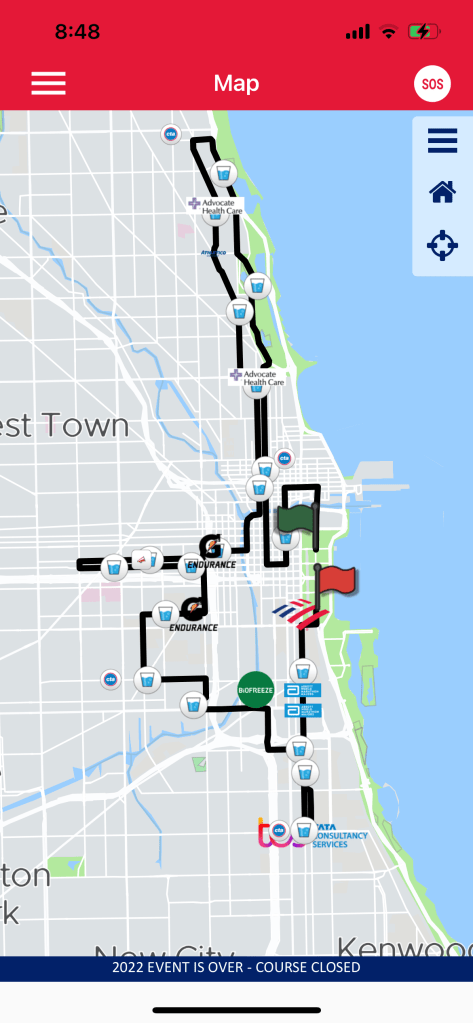
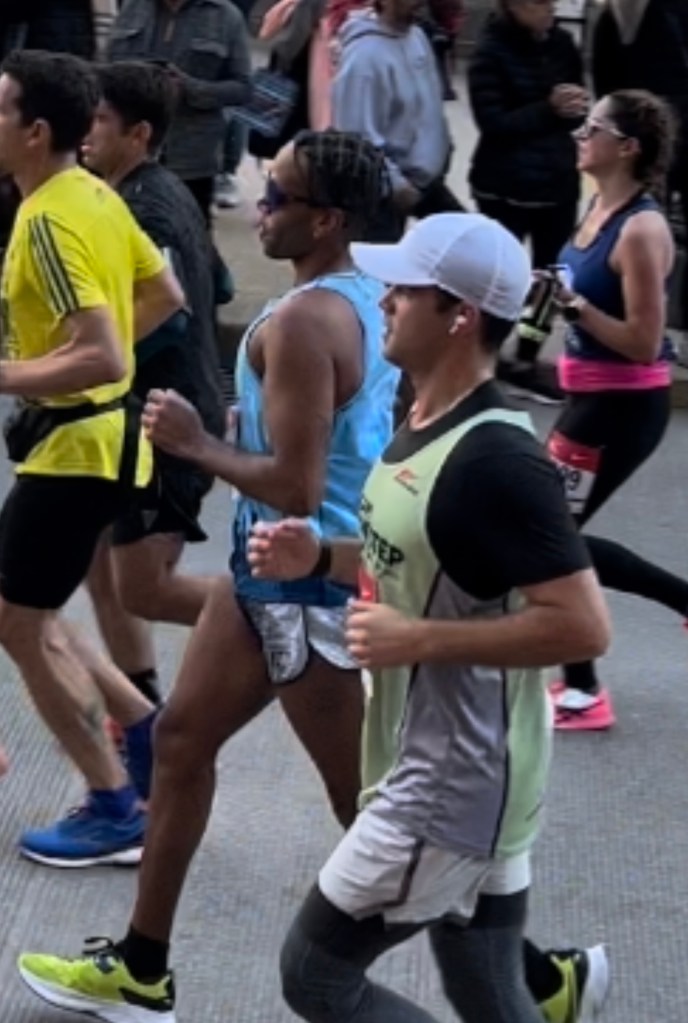
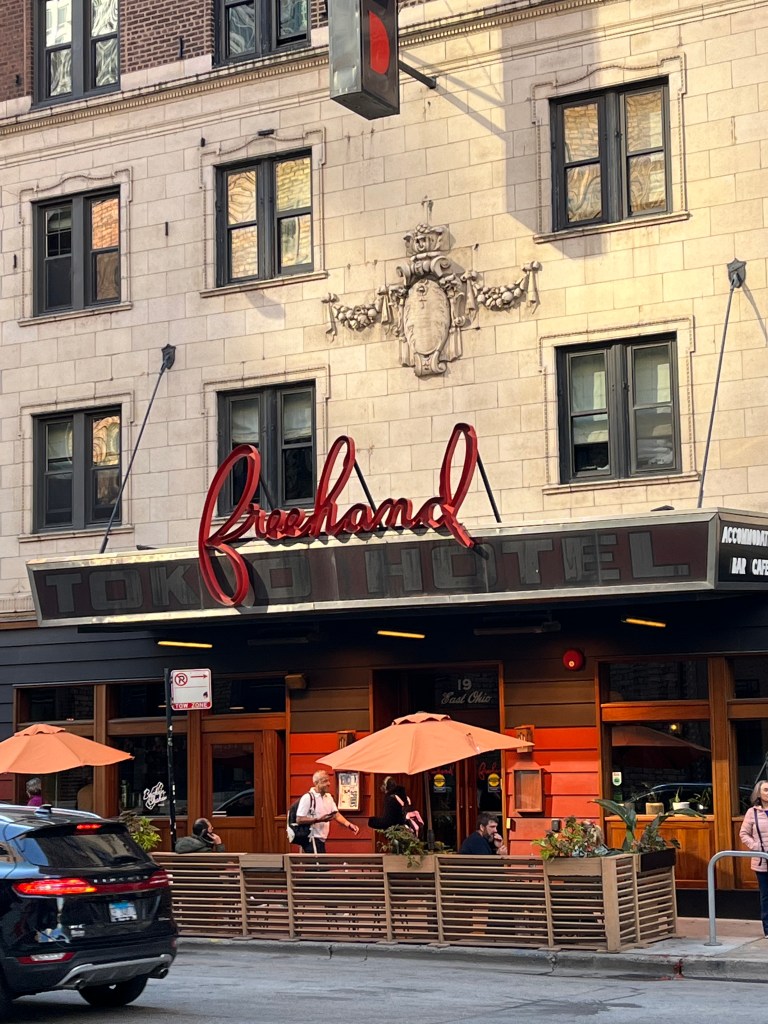
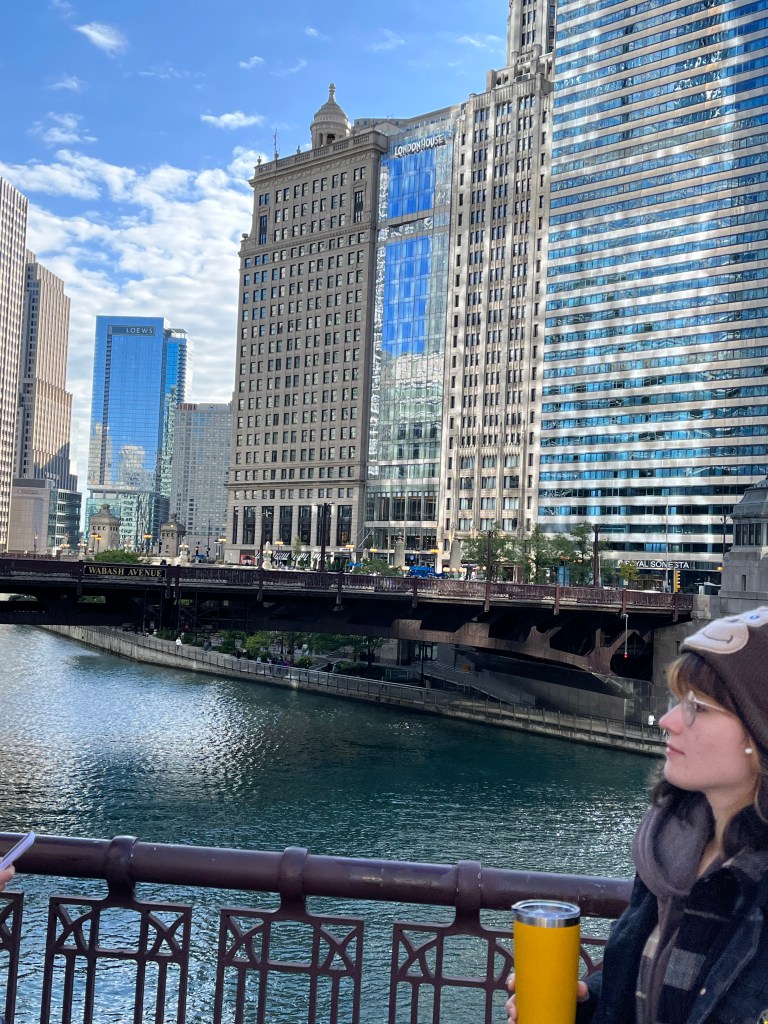
We ventured down to Chicago with Sebby, to watch Michael run the Chicago Marathon. We stayed at Freehand Hotel, not far from Grant Park and the finish line. We did the “spectator marathon” walking six miles to cheer Michael on from different spots.
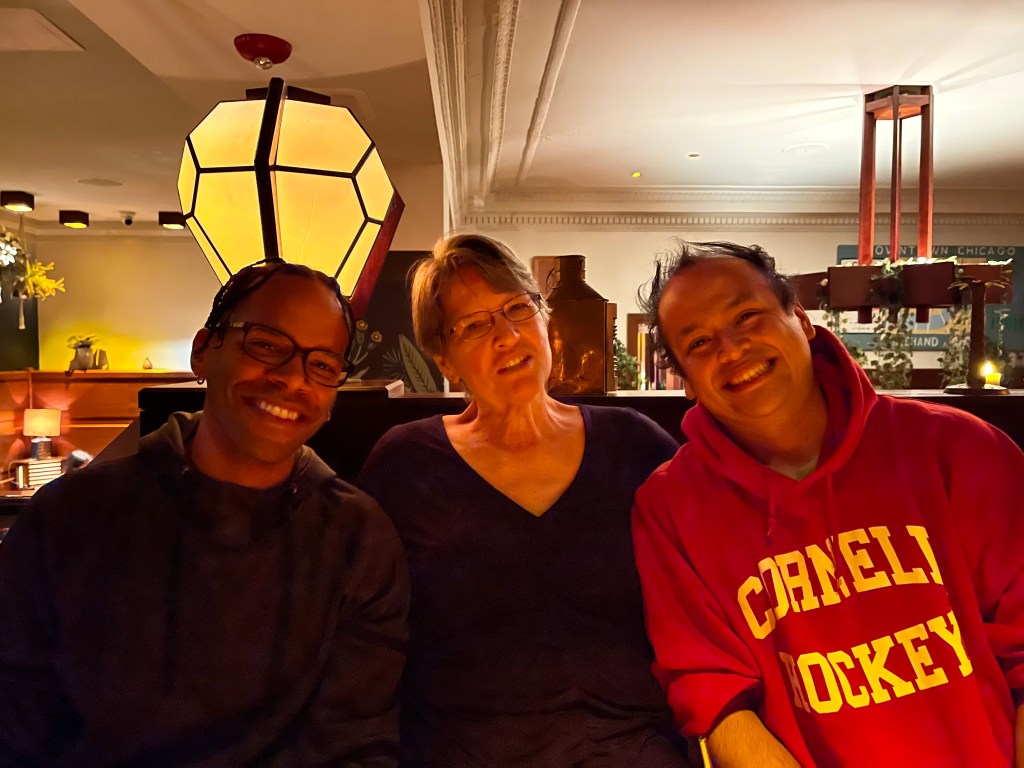
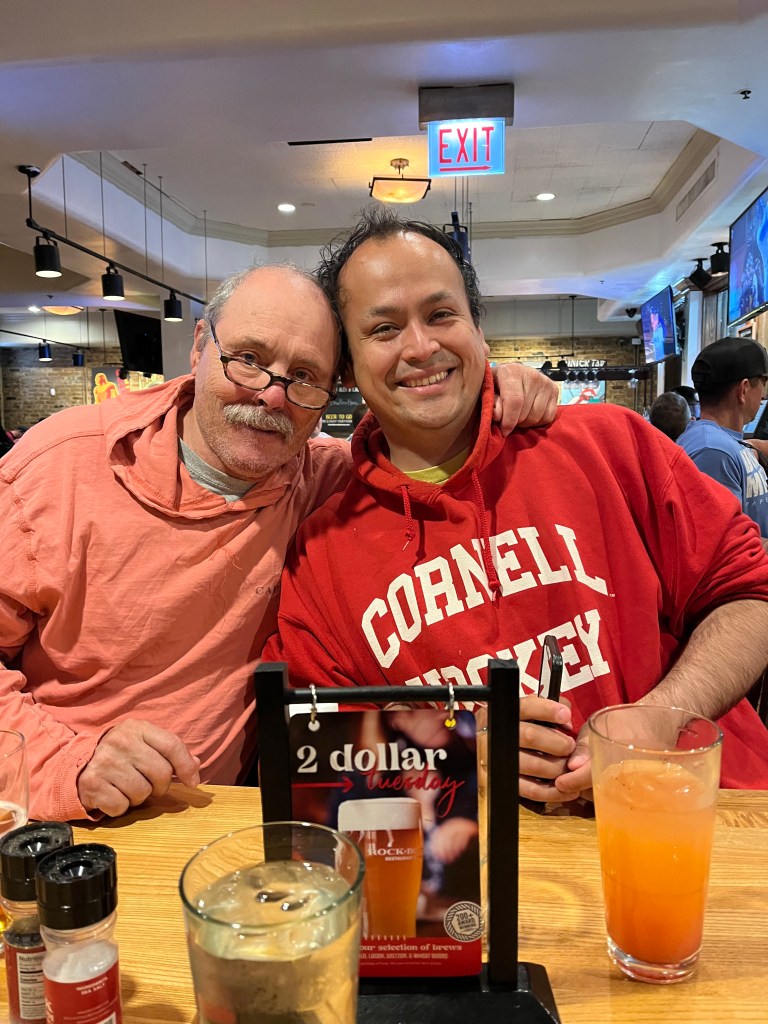
Me and my boys. In Chi town to watch Michael run the Chicago Marathon tomorrow.
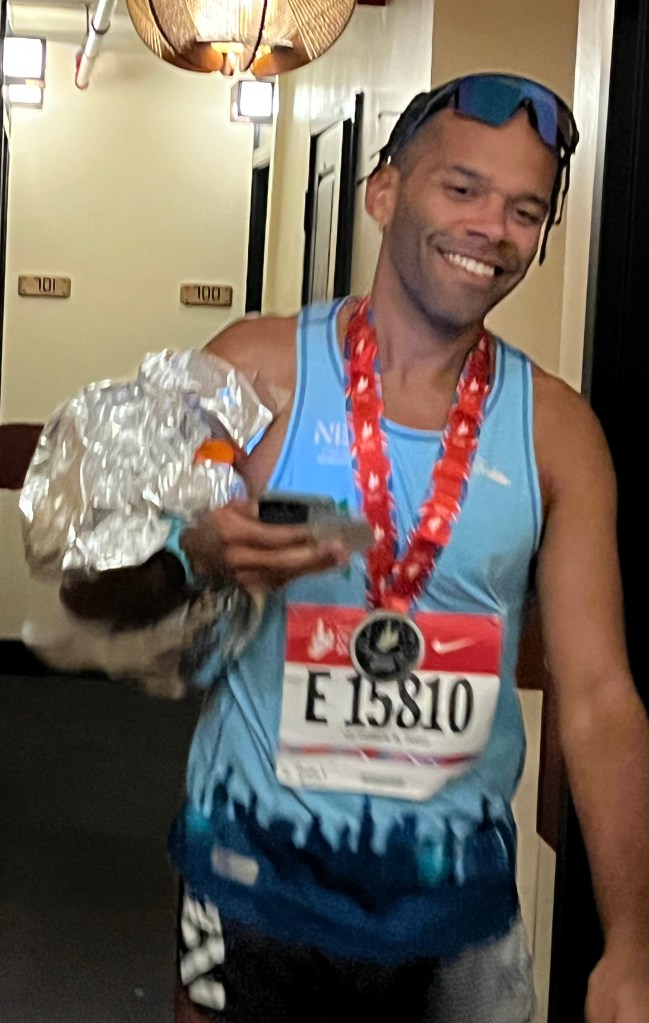
After a successful race Michael came over to our hotel to take a shower and rest. Then he went to party with other runners from the his Brooklyn runners’ club. We went out to dinner at the Rock Bottom Restaurant and Brewery.
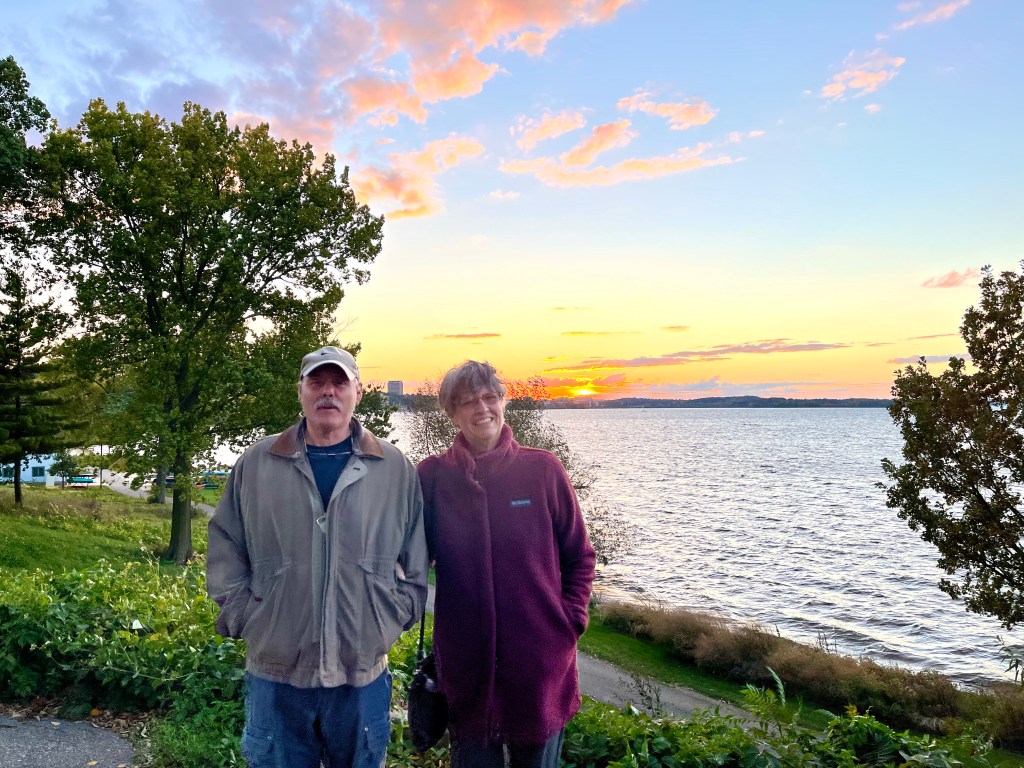
We arrived in Madison, WI yesterday. It was wonderful to see son, Sebby and have dinner with his new girlfriend Jayne.
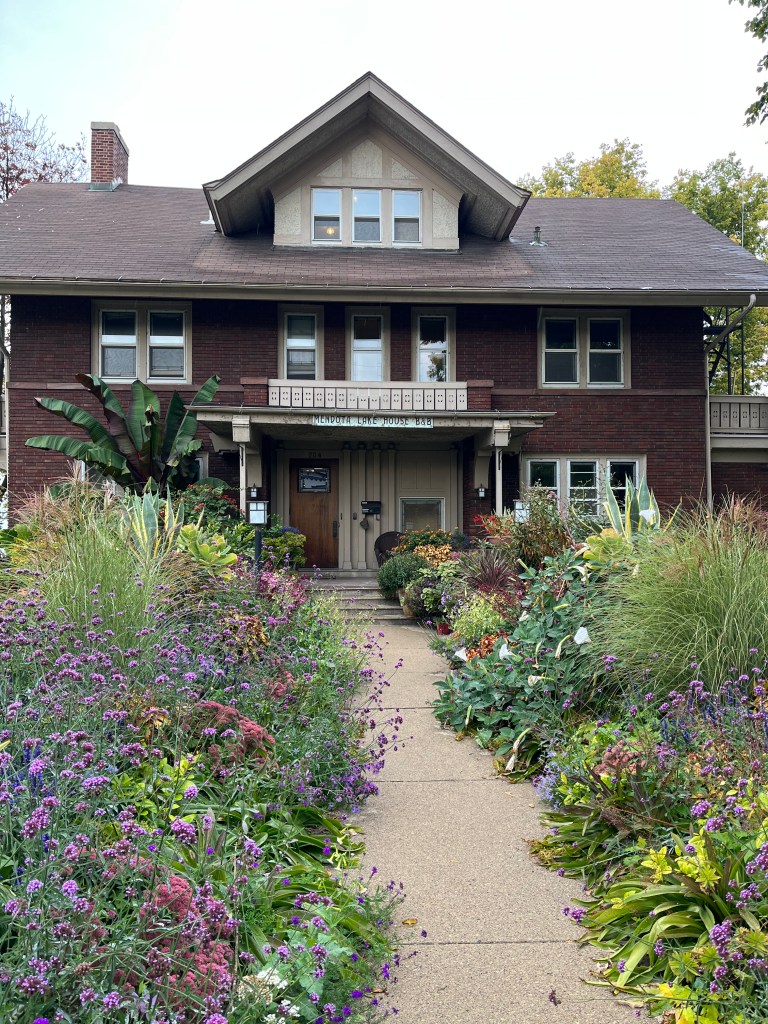
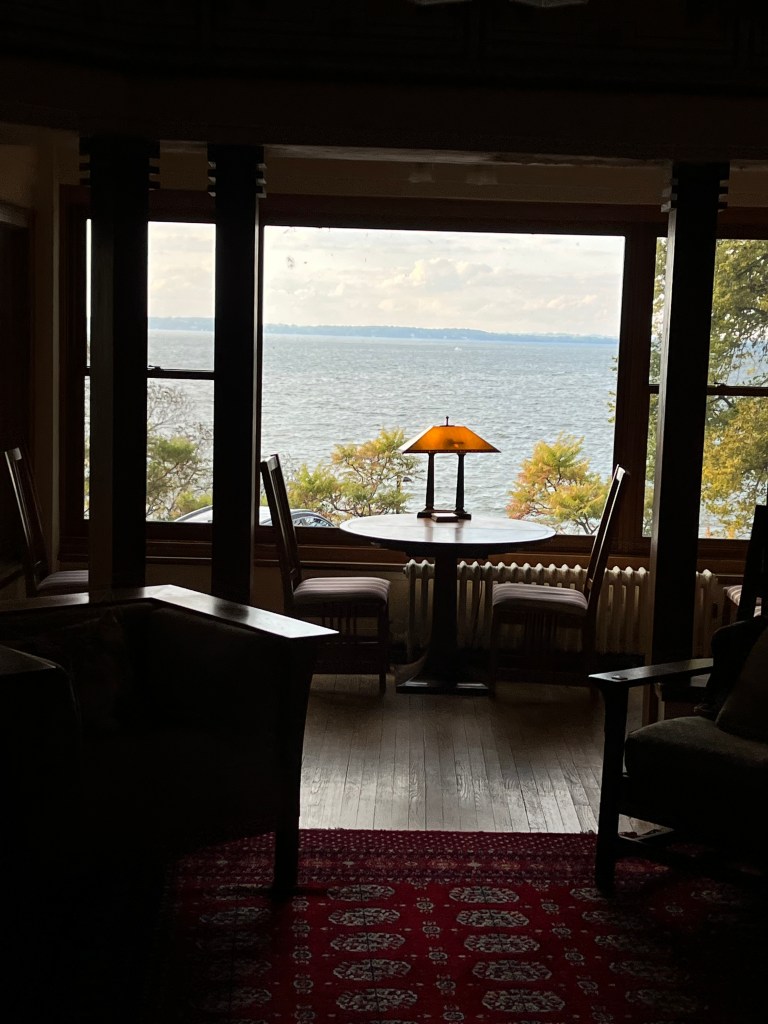
We are staying at the Mendota Lake B&B, which has become our home away from home in Madison. https://mendotalakehouse.com/
We like the relaxed atmosphere, locally sourced, organic breakfasts and comfy accomodations. We recommend the Mendota Lake House B& B if you find yourself in Madison!
Hotel Oberlin opened in 2016 as one of the first hotels in the US to incorporate solar and geothermal power as well as use radiant heating and cooling
In Oberlin, we saw evidence of climate positive actions, movement toward sustainability and use of renewable energy. It seems that Ithaca has a rival in that regard. Oberlin is one of just three C40 “Climate Positive” cities in the U.S. recognized by the Clinton Foundation Climate Initiative and the U.S. Green Building Council; the other two are Portland, OR. and San Francisco, CA. The Oberlin Project, a joint project of Oberlin college and the city , has the following goals:
Creating one of the first climate positive cities in America by shifting the City and College to renewable energy sources, radically improving efficiency, sharply reducing our carbon emissions, and improving our economy in the process.
Creating new and supporting existing business ventures in energy efficiency and solar deployment, food and agriculture, and the sustainable use of local resources.
Conserving 20,000 acres of green space and developing a robust local foods economy to meet 70% of our consumption.
Creating an educational alliance between the College, the Oberlin schools, the Joint Vocational School, and Lorain County Community College focused on integrating sustainability into education at all levels.
Developing a 13-acre Green Arts District at the US Green Building Council Platinum level.
Serving as a model that can be replicated in other communities.
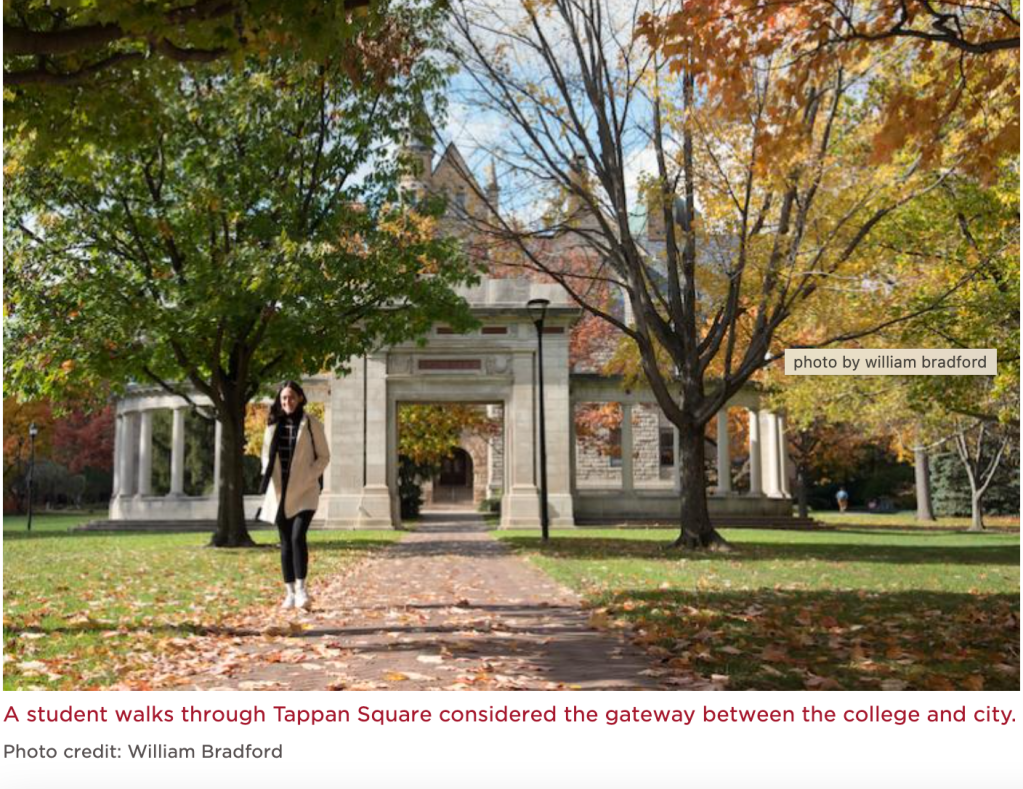
We stayed at the Oberlin Hotel right on campus across from Tappan Square in the heart of the city and campus. In addition to being a solar/geothermal building, it is unique in sharing a building with the Admissions Office, which undoubtably is a great convenience for families looking at the college.
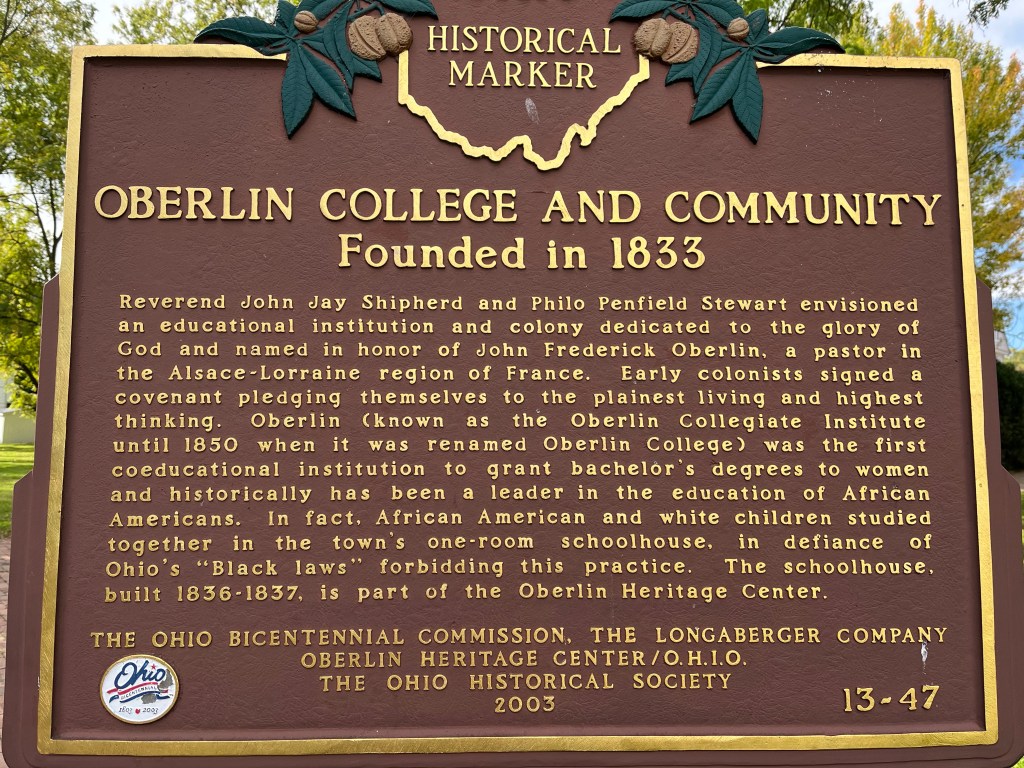
Today we stoped in Oberlin, which is a beautiful college town with an inspiring beginning. It was founded by a Presbyterian Minister and a missionary- Rev. John J. Shipherd and Philo P. Stewart. They became friends while during the summer of 1832 in nearby Elyria, when they realized they were both disillusioned with the new towns and cities were being “settled by greedy, ignorant people who did not follow God’s commandment to love their neighbors”.(Oberlin: Yesterday, Today, Tomorrow). They shared a vision of founding a community and college based on their religious beliefs. In 1833 , on 500 acres of donated land in the wilderness and financial help from generous benefactors, they founded the town and college. The college was to accept Blacks and women, a first in the United States.
The first Oberlin President was Asa Mahan, an abolitionist with controversial views. “Mahan was appointed President of the Oberlin Collegiate Institute on January 1, 1835. Things did not go smoothly, however. He was a passionate man with strong views, and a stronger personality. His views on ‘perfectionism’ and abolition opened the college to criticism. He thought his colleagues lukewarm, and they thought him excessive. His fellow staff tried to remove him in the 1840’s but did not succeed until 1850.” (Healing and Revival, 2004)
The college and community seem to have thrived on progressive causes and social justice to this day. The founders succeeded in attracting young families, students and financial support. The motto of the school was “”Learning and Labor” because students could work in the community in lieu of tuition. This attracted students who were eager for an education, but could not afford tuition, a concept unique to Oberlin at the time.
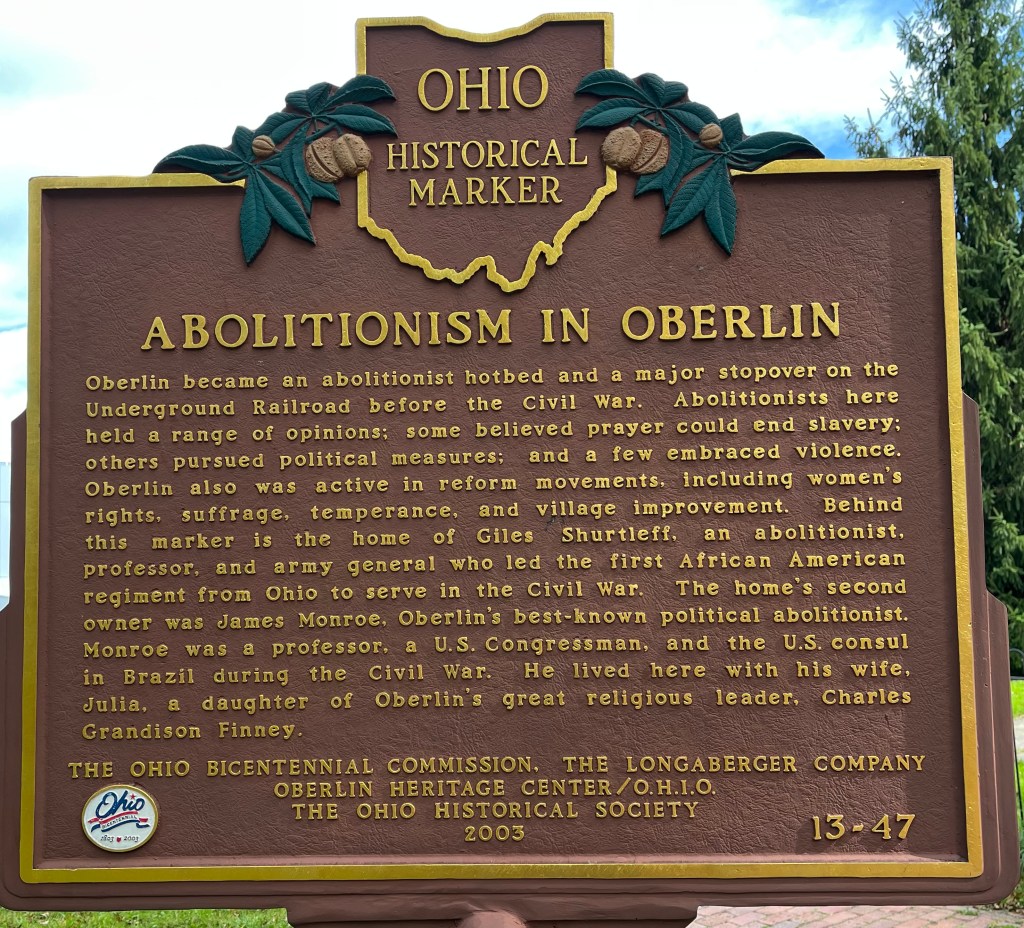
We stopped at the Oberlin Heritage Center, which includes the Monroe House, of Italianate architecture, built in 1866. James Monroe (1821- 1898) was born to a Quaker family who raised him with strong humanitarian values of abolition and pacifism. As a young man, Monroe was convinced by William Lloyd Garrison to use his oratorical skills to speak out against slavery. He traveled with Frederick Douglass on the abolitionist lecture circuit. Douglass respected Monroe because he not only spoke out against slavery, but also against racism. If Douglass was refused meals and accommodations because of his race, which happened often even with white abolitionist allies, Monroe refused their offers also.
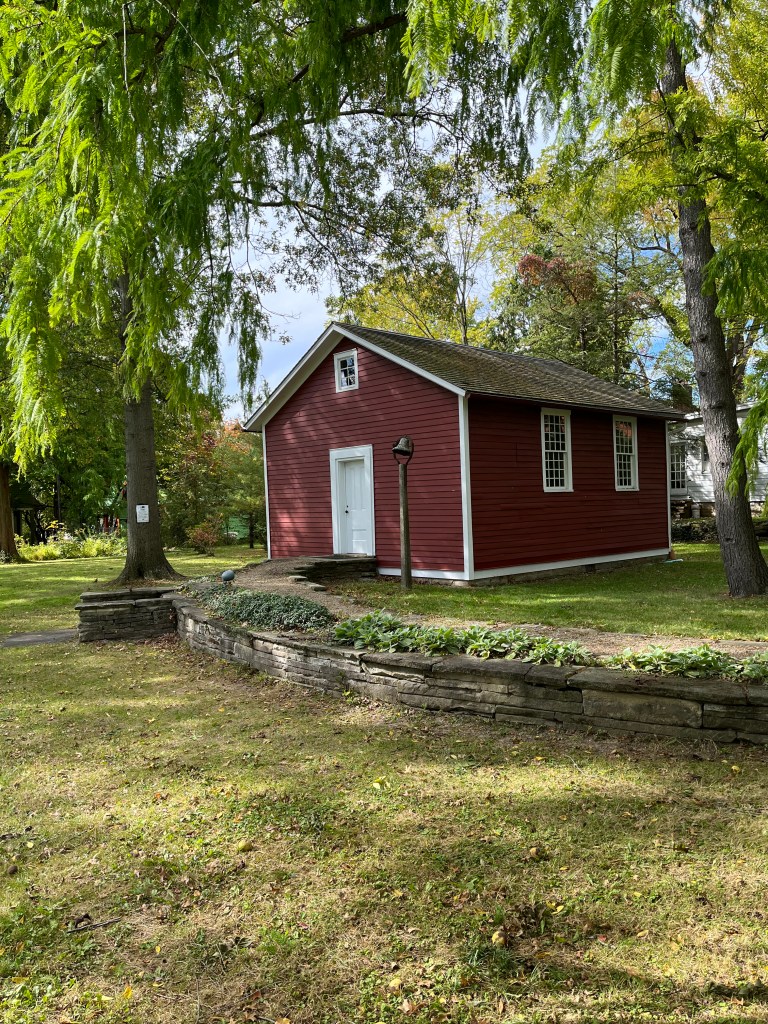
The Oberlin Heritage Center also includes the original Oberlin school house, which defied Ohio “Black laws” at the time by serving children of all races together.
I am sure if I look hard enough, I will find serious hypocricies that defy these auspicious beginnings, however, I desperately need to believe in the ability of communities to live up to their ideals, so I am going to leave it alone!
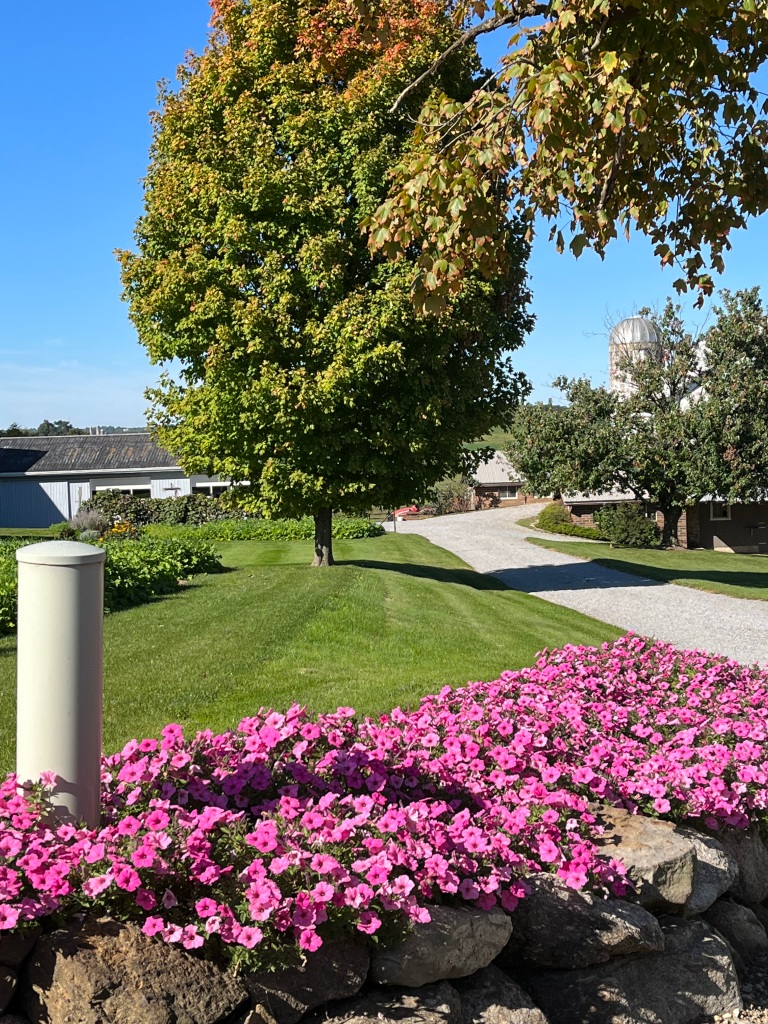
We took a little detour south to swing through Ohio Amish county. It was a beautiful fall day to drive through beautiful countryside.
Not my photoNot my photo
We learned so many things including: most Amish homes have beautiful flower gardens in their yards; horses working in unison (which we have seen before) is truly amazing to behold; Monday is wash day- every house had laundry on the line; local “English” (Amish term for all non-Amish folks) are pretty cavalier about passing buggies on the road.
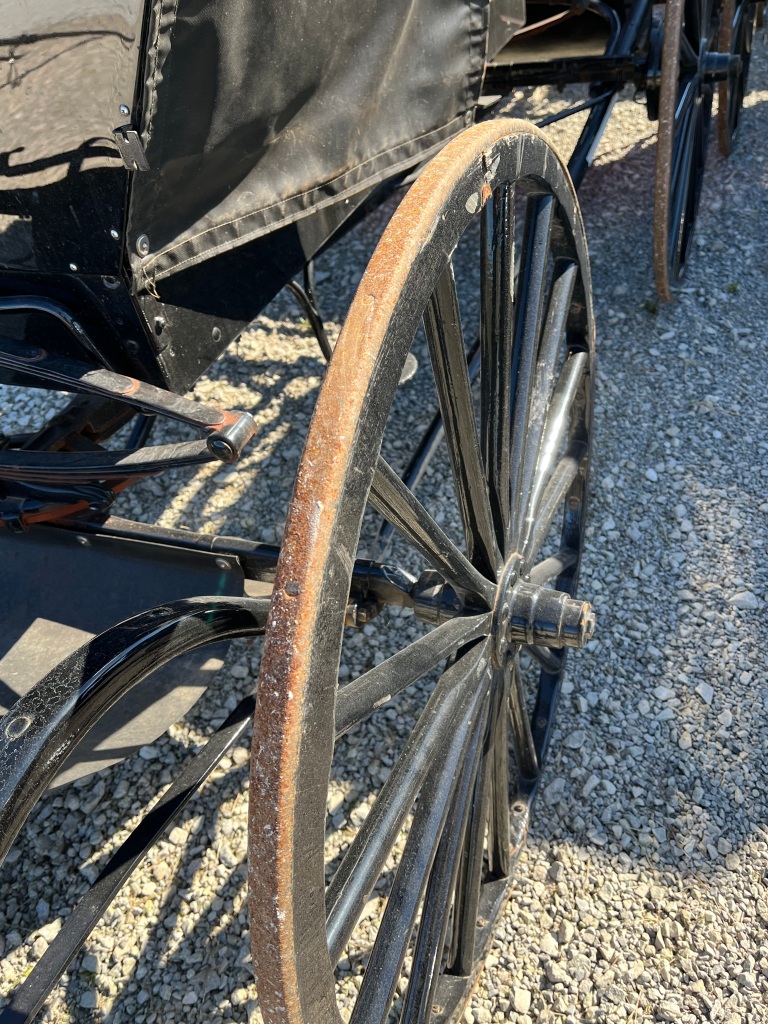
Speaking of buggies, we came across a sales lot for new buggies. Guess how much a new buggy costs? If you guessed $2,800, you would be correct- not sure what trim level that includes though! Did you know that buggy’s have metal wheels? Not such a smooth ride, I imagine. We also learned that electric bicycles are very popular with the Amish.
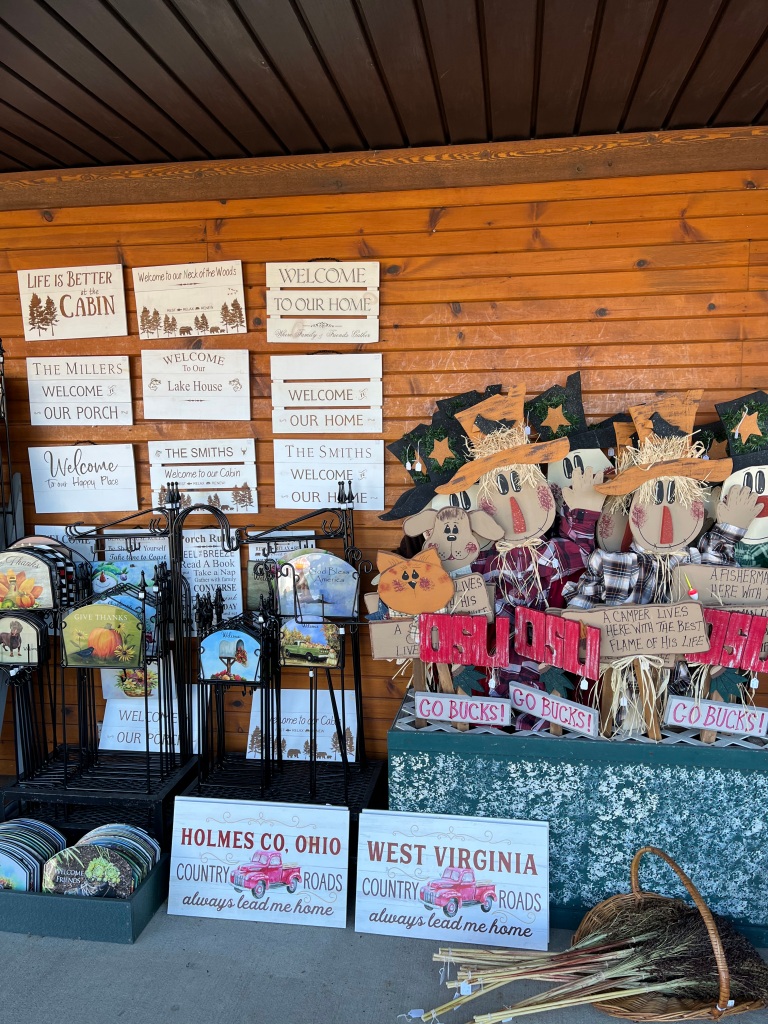
We drove into Berlin, Ohio, which we were told was the heart of Amish country. What we did not expect was tacky tourists traps and gifts shops. It reminded us of Lake George, but to be fair, we also found authentic Amish foods, handmade furniture and crafts.
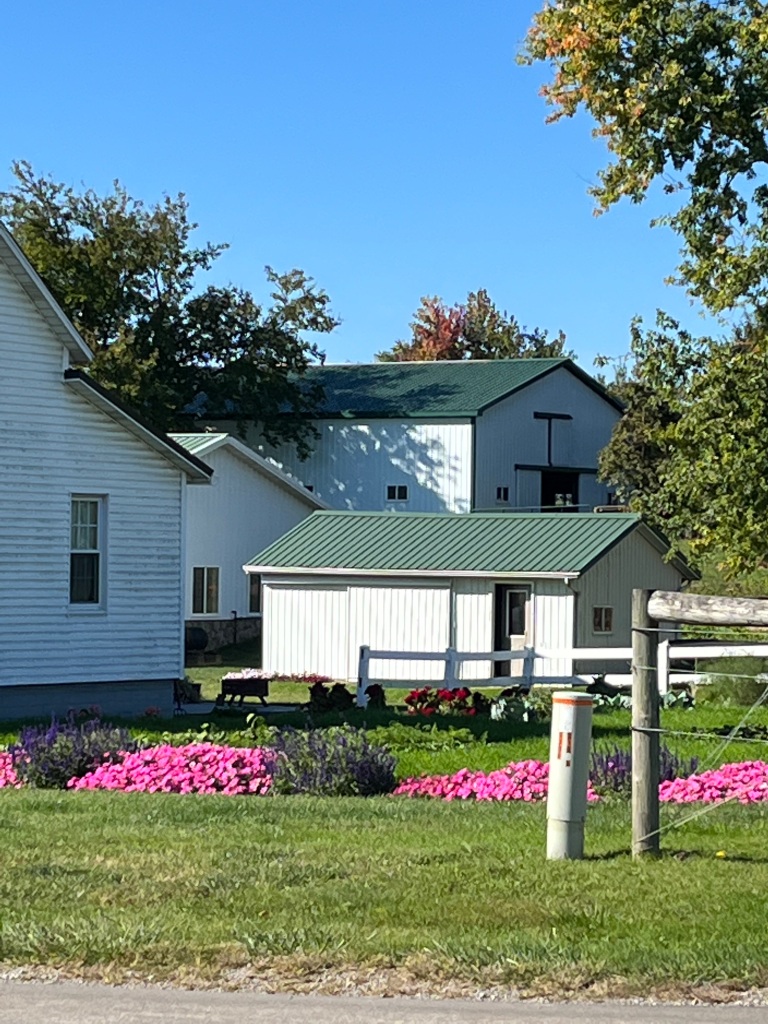
The final thing we noticed was an architectural style for barns we have never seen. There were many barns that looked like this, with shutters rather than windows. We were not able to get any answers on the history of this style. Let us know if you have answers!
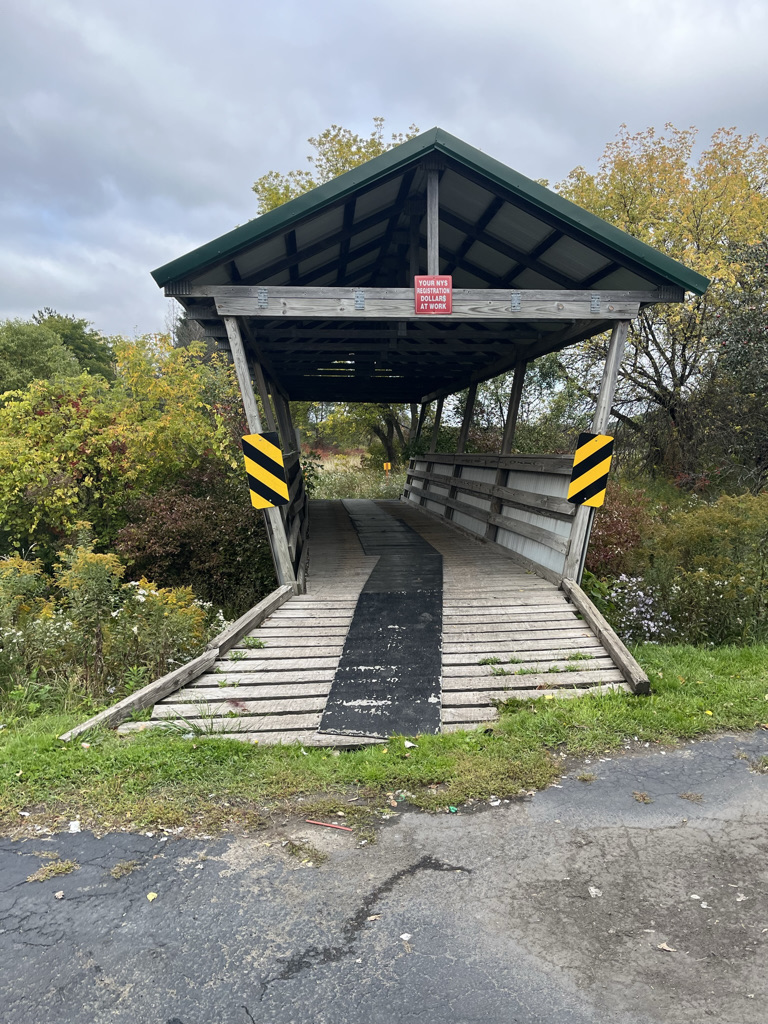
We stopped in Cuba, New York on Rt. 86 in Allegany County for a pit stop. I got wondering about the town, especially why it is called “Cuba”. The story goes that in 1822, the white settlers carved a piece out of a neighboring town called “Friendship”. and they needed a name for the new town. Someone suggested the Roman word “Cuba” that means “Goddess” or “protector of the young” and it was chosen for no apparent reason other than it sounds nice. This was a little disappointing as I was hoping for a much more interesting story and the name was not it. There was a cute covered bridge next to the gas station/ liquor store where we stopped. It is not big enough for a car. Any guesses what it is for?
If you guessed snow mobiles you would be correct!
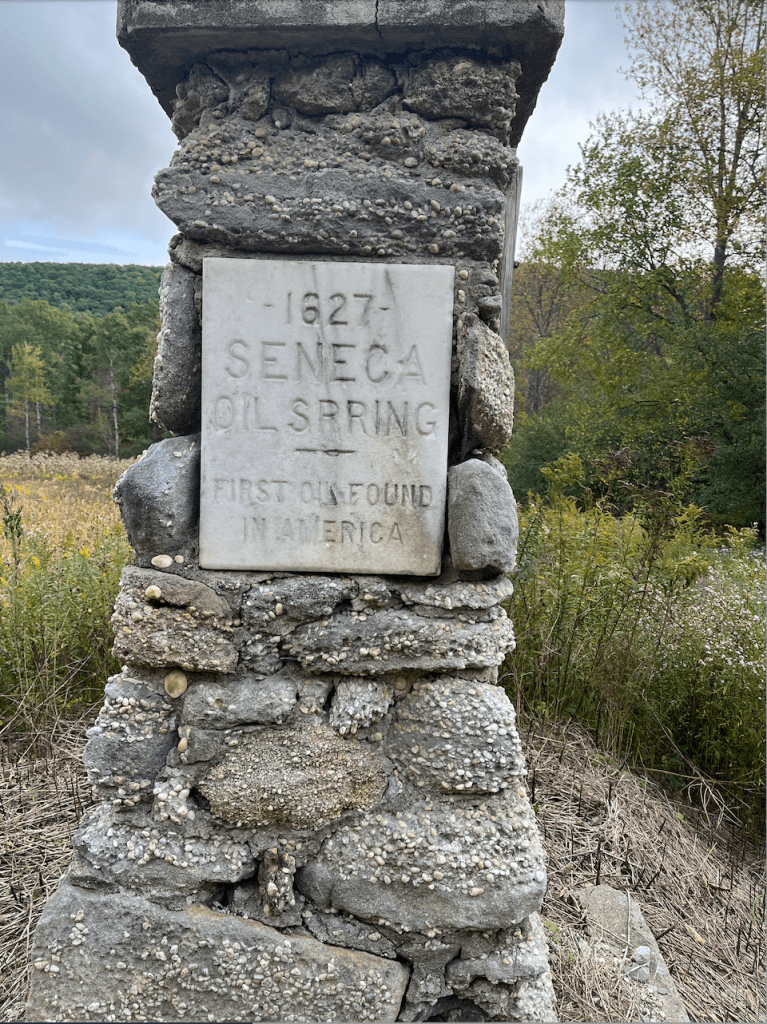
I read that the town is best known for Cuba Cheese, Cuba Lake and the Seneca Oil Spring. Being ever inquisitive, we wondered about Seneca Oil Spring, of which neither of us had ever heard a mention. It is on the Seneca Nation Territory that starts just west of the Cuba town line and google knew the way. We came to a stone pillar next to a dirt road that said “1627 Seneca Oil Spring- First One Found in America”
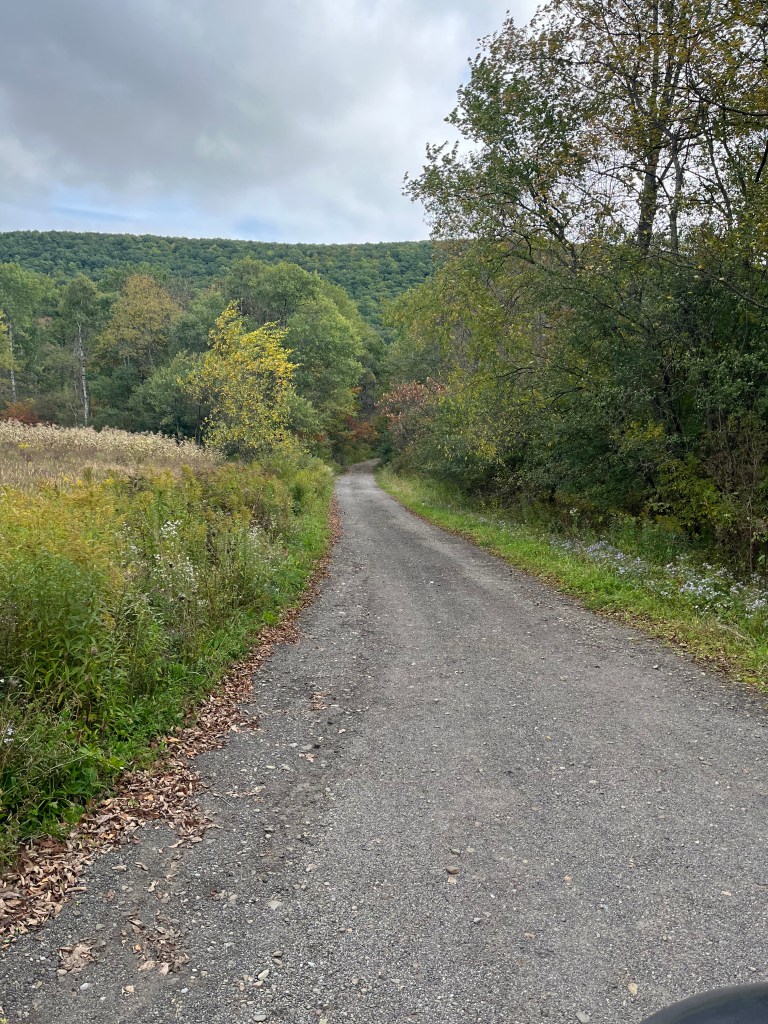
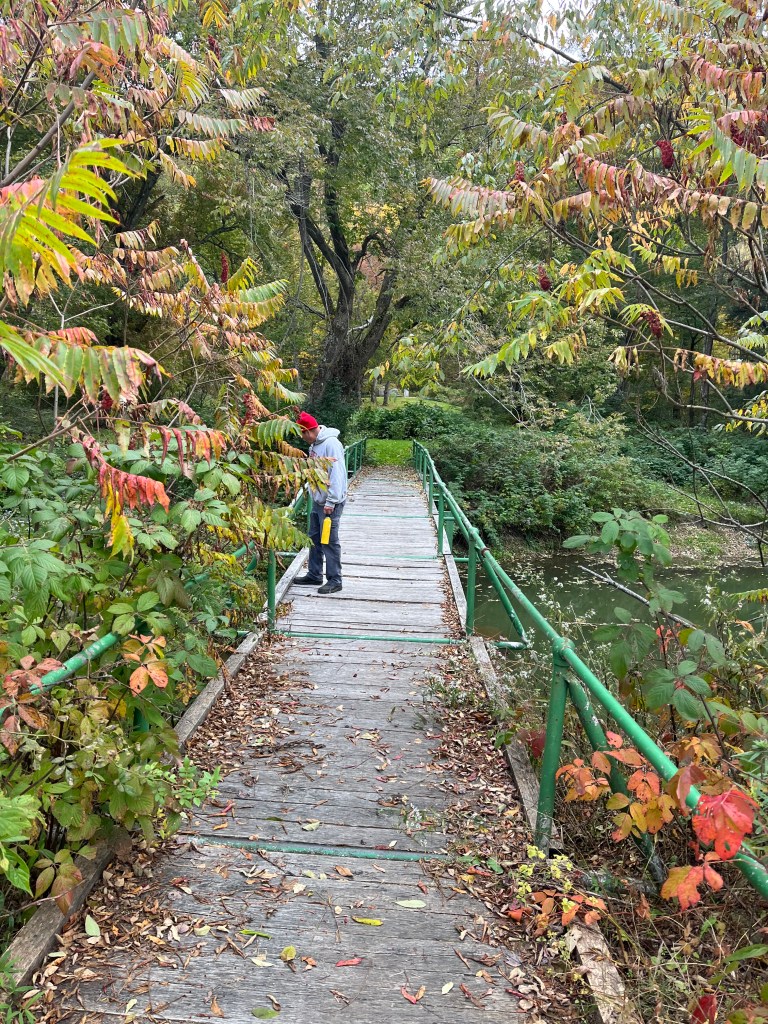
Of course we took the dirt road and came to a parking lot and a walking bridge over a creek to the Spring.
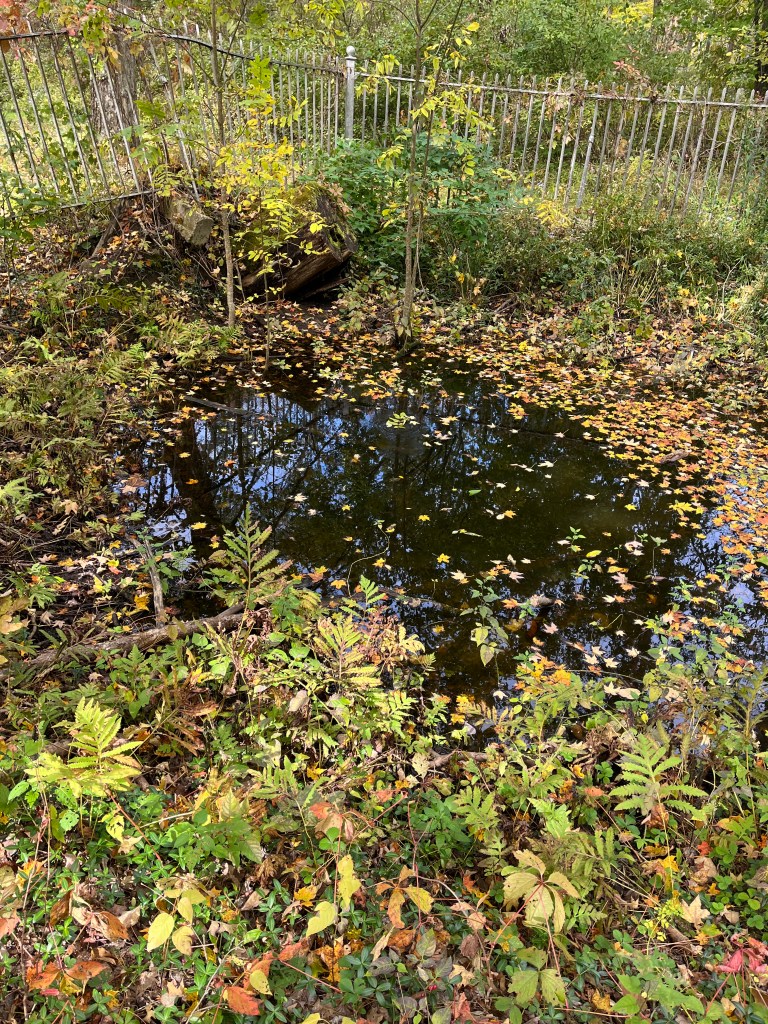
The Seneca discovered the oil spring and kept the “mysterious and magical” substance floating on the water secret. They would dip their blankets in and wring them into brass kettles to collect the liquid. They used the oil for medicinal purposes, making body paints, and adding it to fires and torches to make them flare (nyhistoric.com). Their mistake was trusting a missionary Father Joseph De La Roche and telling him the secret of the spring in 1627, who wrote back to his people in France about it. This is the first recorded discovery of oil in North America.
The Seneca fought on the side of the British during the American Revolution in an attempt to oust European settlers on their land. The Seneca and other Iroquois nations were forced to cede most of their lands to the U.S. in the Treaty of Canandaigua in 1794, , but the Seneca negotiated to keep 5 plots, including the Oil Springs. In the 1850s , the Seneca began a case to evict squatters, including Horatio Seymour, future New York Governor from Oil Springs Reservation in order to restore control and use to the tribe. Thanks to the efforts of influential Seneca leader, Governor Blacksnake, the state appeals court ruled in the tribe’s favor and the reservation was returned to the Seneca in 1861. Oil no longer comes from the spring, but the Seneca did build a casino on the Oil Springs Reservation.
Tomorrow we are embarking on another road trip to Madison, Wisconsin to visit our son, Sebby. It’s exciting to think about being on the road again. We plan to stop in Oberlin, Ohio, take a little detour down to Amish Country, then on to Madison. We’ll let you know what we find as we go!




















 Perspectives on the Road