In our retirement we are have decided it is time to leave the bubble of Ithaca, New York and see what America is really about. We invite you to join us as we learn about people, places and the natural history we experience in our travels.
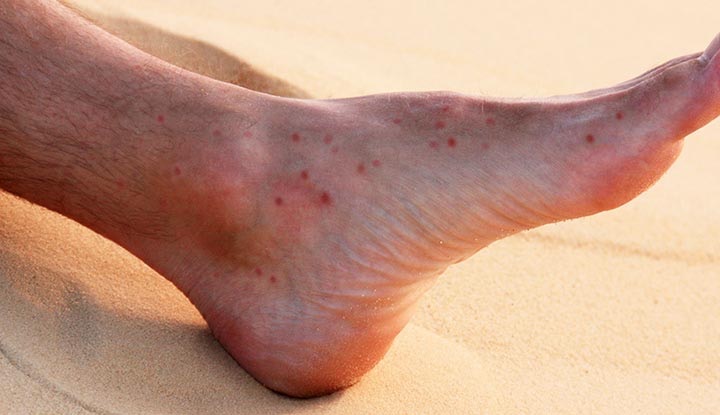
In New York and Massachusetts we talk about being bitten by sand fleas when sunbathing on beaches. They leave very itchy little bumps around the ankles. It turns out these are insects sand flies or mites, not sand fleas.
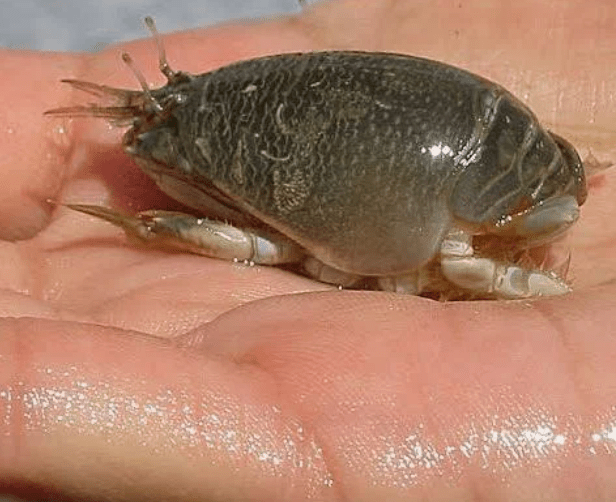
Today I learned that sand fleas are not fleas. They are small shrimp-like crustaceans, but without claws- and they don’t bite. They are called fleas because they hop and jump. Fishermen use a basket to dig in the tidal sand and catch them for bate.
They are used for surf fishing to catch pompano, redfish, sheepshead, and striped bass. You can also cook them up and eat them. Cook them in butter with seasoning until they turn orange. They are considered a crunchy, shrimp-like delicacy, best cooked live and seasoned with options like Old Bay, Dano’s, or Cajun spices.
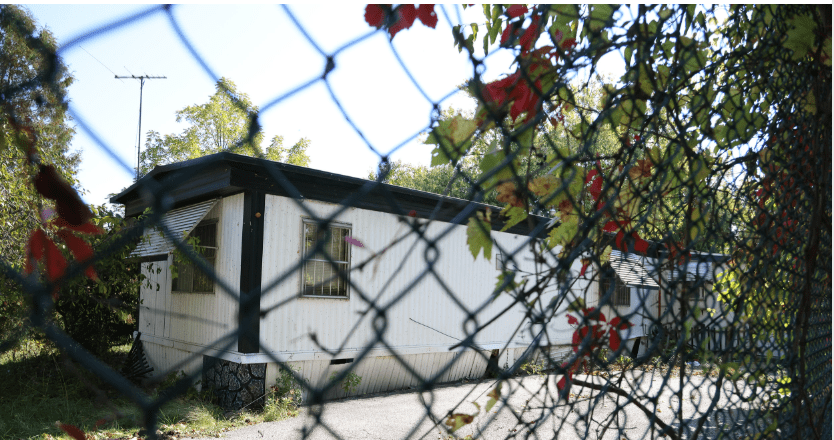
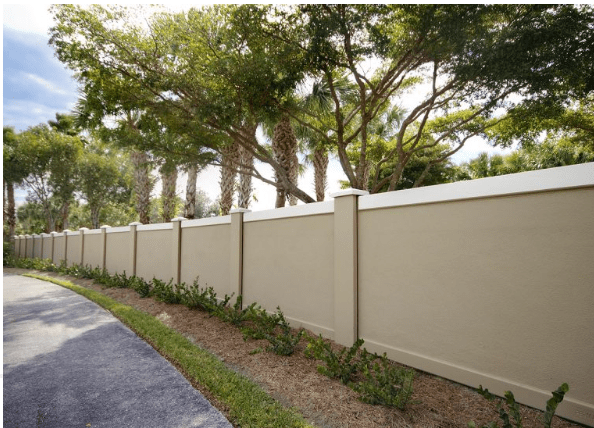
As we made our way down the East coast of Florida we passed many walls and fences. This is not something I had noticed before, in spite of driving these roads many times. From exclusive gated communities to modest mobile home parks, it seems de rigueur to live behind a wall in this part of the world.
It got me wondering whether I would feel safer living behind a wall. So many of us are looking for safety and security now in this political climate of division and distrust. Presumably, the feeling of safety would come from locking the “others” , the undesirables out. Of course in the past this had everything to do with race, as many housing developments, walls or not, had housing covenants explicitly saying who could and could not live there based on race and religion. I suspect, perhaps more subtlety, this still exists. Since my family is interracial, I think we would not feel safer in this type of community.
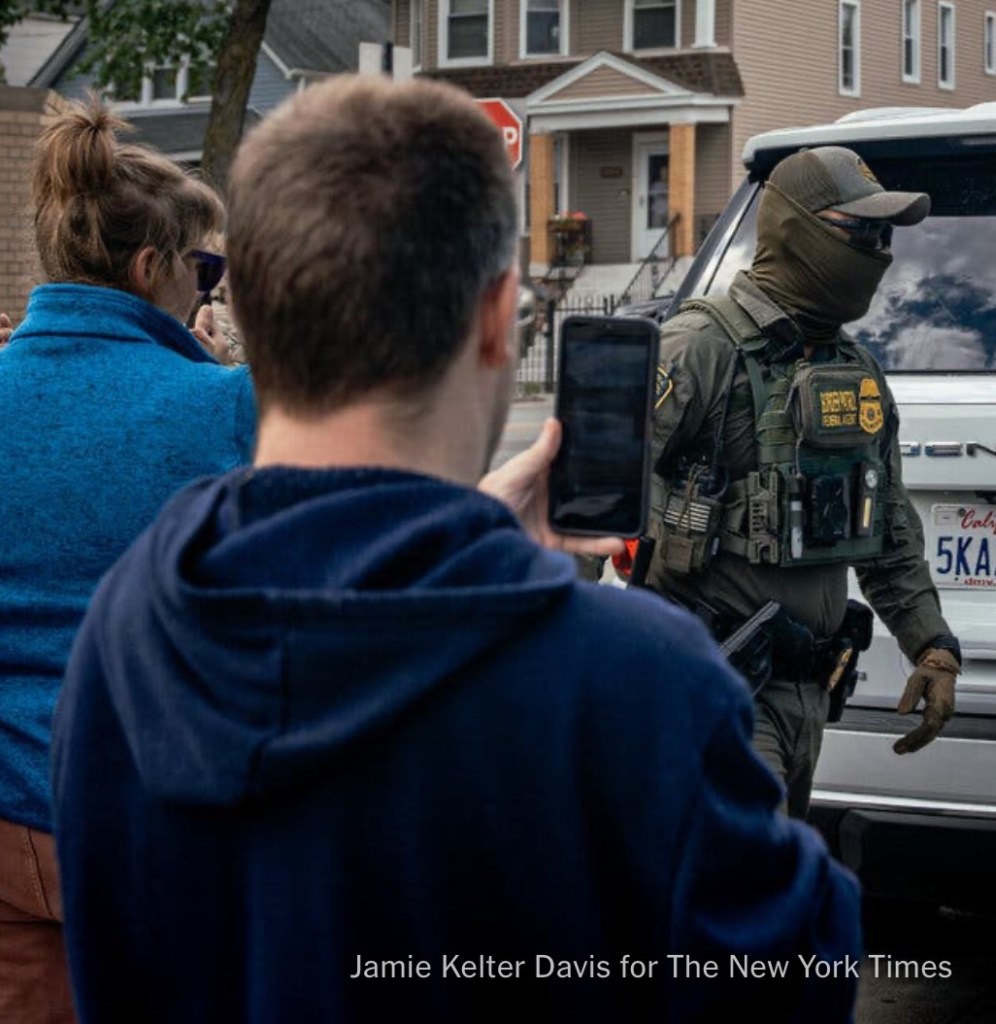
As I think more about community safety, my mind wanders to Minneapolis and how the residents are responding to very real threats. I have read about how they have come together, block by block, to support their neighbors. It’s funny how quickly outside threats , such as 3000 masked and armed ICE and Border Patrol agents swarming a city can bring people together.
Timothy Snyder, author of On Tyranny, states that memoirs of victims of tyrannical regimes in the 20th century all share a single tender moment. “People living in fear of repression remember how their neighbors treated them. A smile a handshake, or a word of greeting or banal gestures in a normal situation- took on great significance. When friends, colleagues, and aquaintances looked away or crossed the street to avoid contact, fear grew.You might not be sure, today or tomorrow, who feels threatened in the United States. But if you affirm everyone, you can be sure that certain people will feel better.”
I think this is a better solution than building walls.
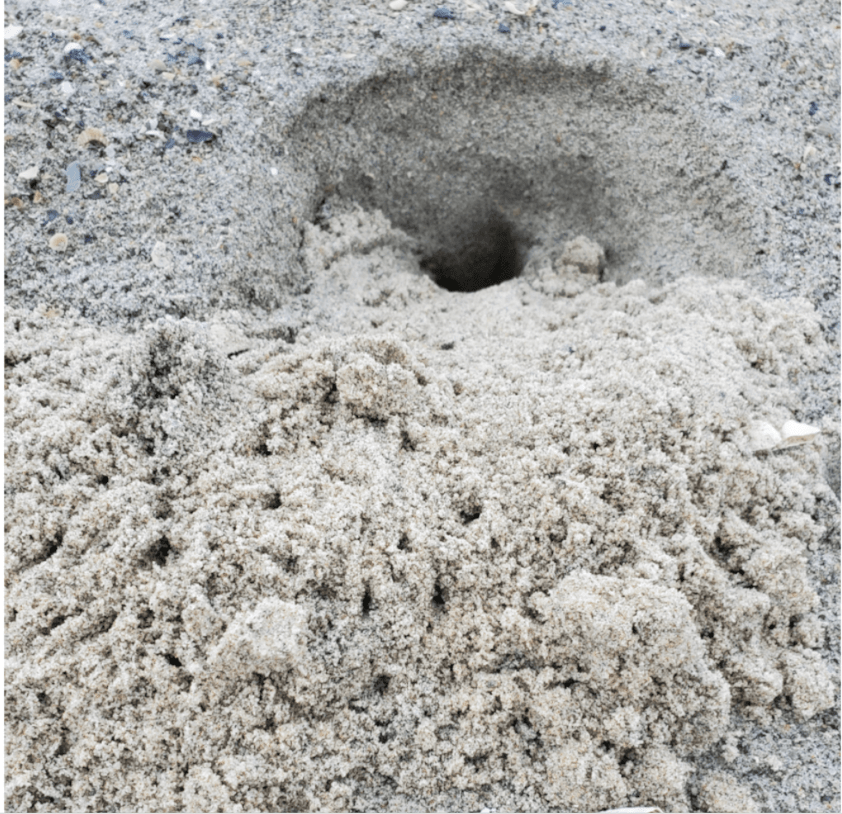
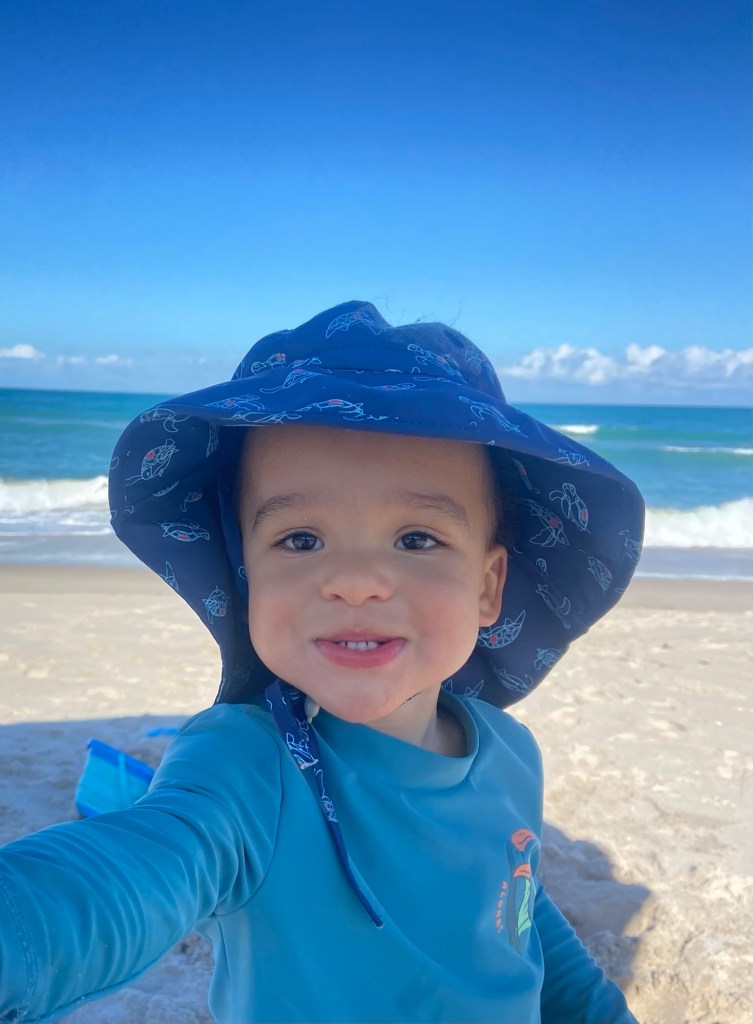
I asked my grandson, Miles (age 20 months) what he thought lived in this hole on the beach and he informed me that it was an “owl”. He is quite a nature boy and he does know about owls, but this surprised me. Have you ever heard of a sand owl? I believe, in fact, that this hole was made by a nesting turtle.
It is the beginning of sea turtle nesting season on the Space Coast in Florida. There are four kinds of sea turtles that make the annual pilgrimage to nest here: Loggerhead, Leatherback, Green and occasionally Kemps Ridley turtles. The last three are considered endangered. The Loggerhead is now considered threatened in Florida. Hatchlings emerge from their nests and head for the ocean, which causes the little tracks you see.
We once again have made our winter journey South. This time, we are only away for 10 days, so we flew rather than taking our usual meandering five week road trip to explore. Hopefully, we will make a few interesting discoveries to muse about. Stay tuned!
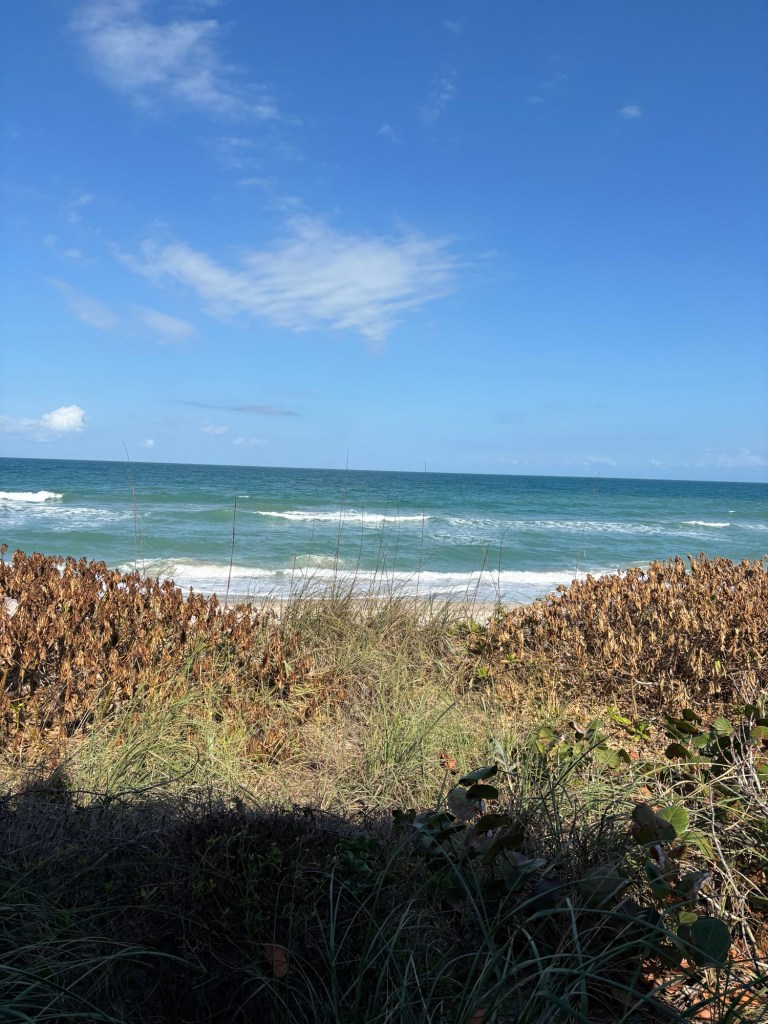
We are now in our secret hideaway in Florida. Soaking up the sunshine after this exceptionally harsh winter in upstate New York.
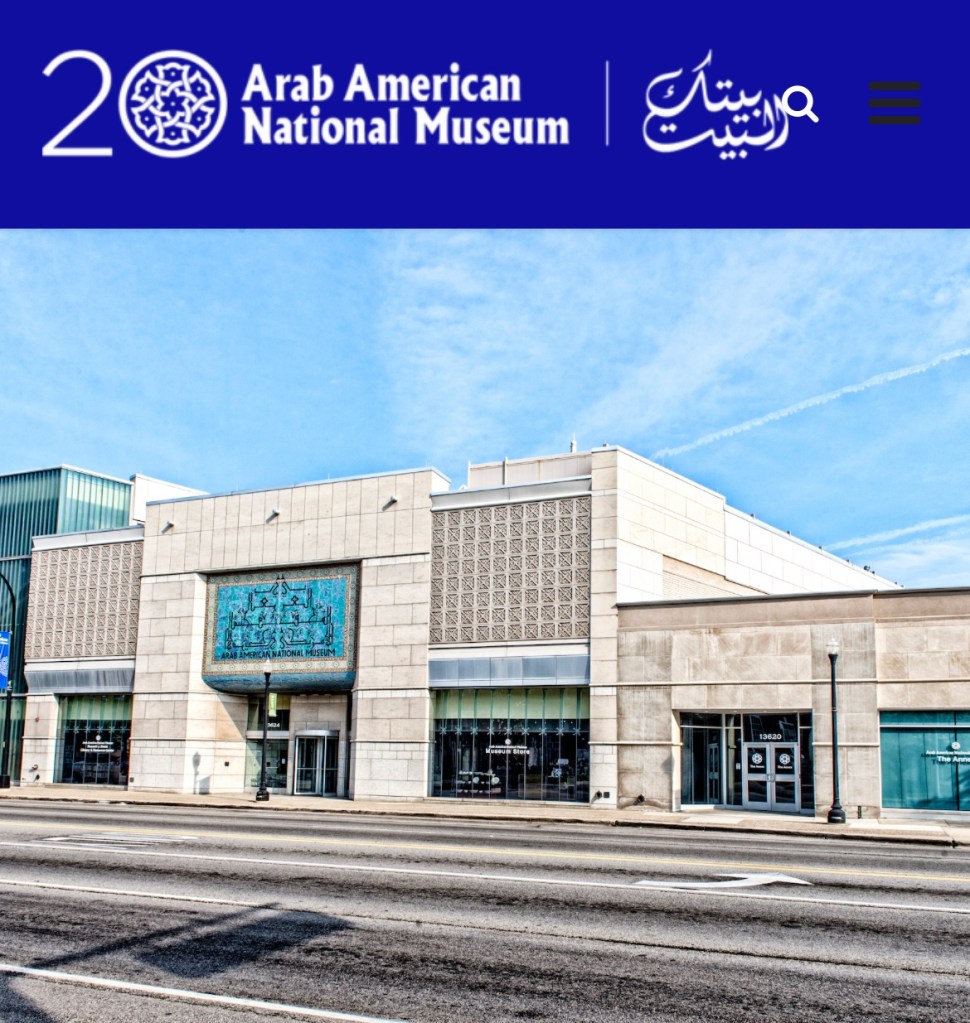
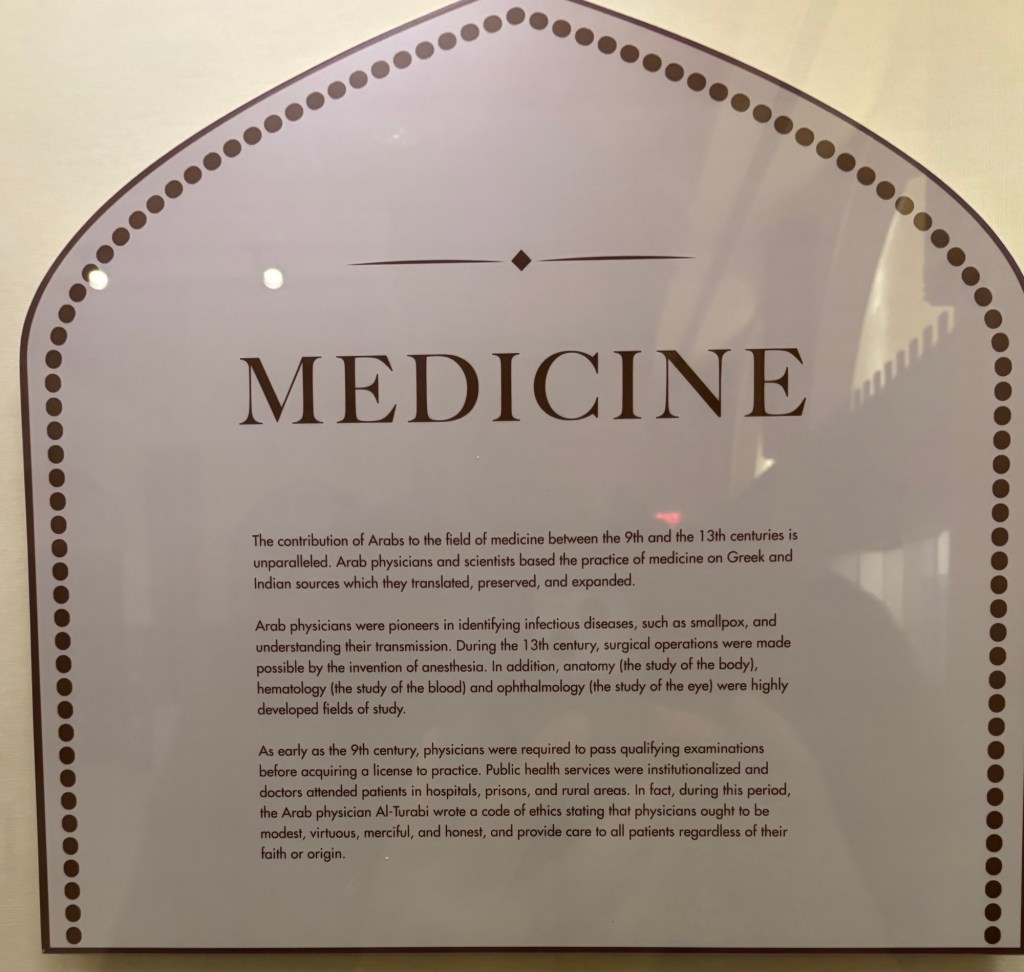
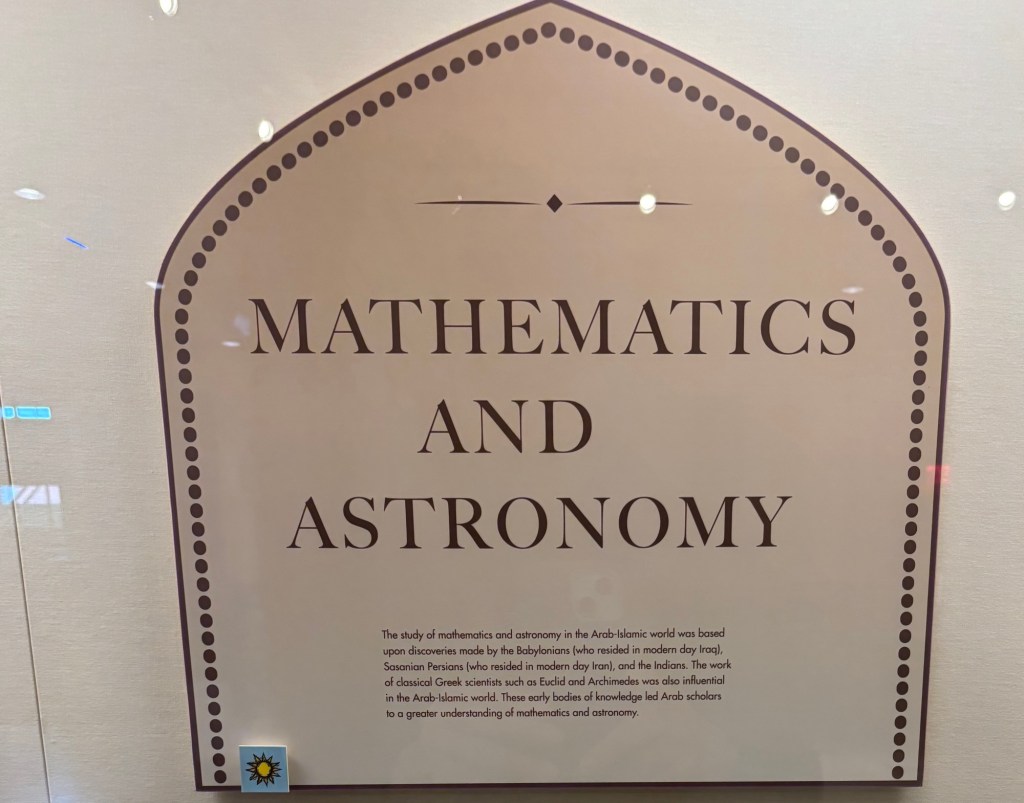
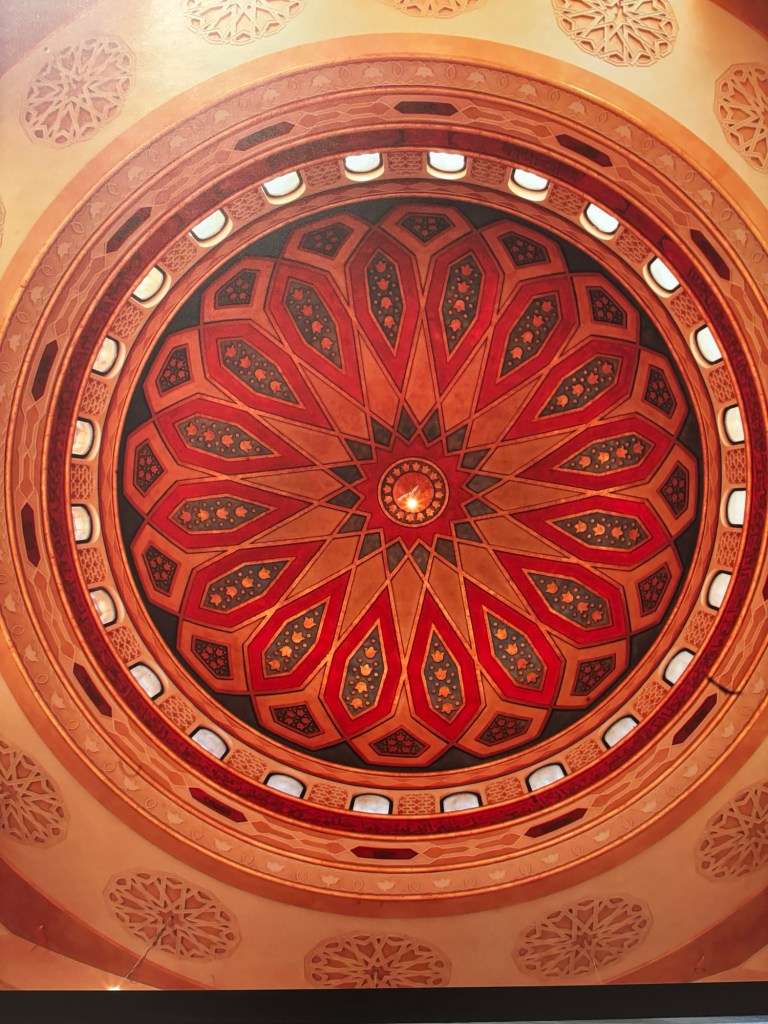
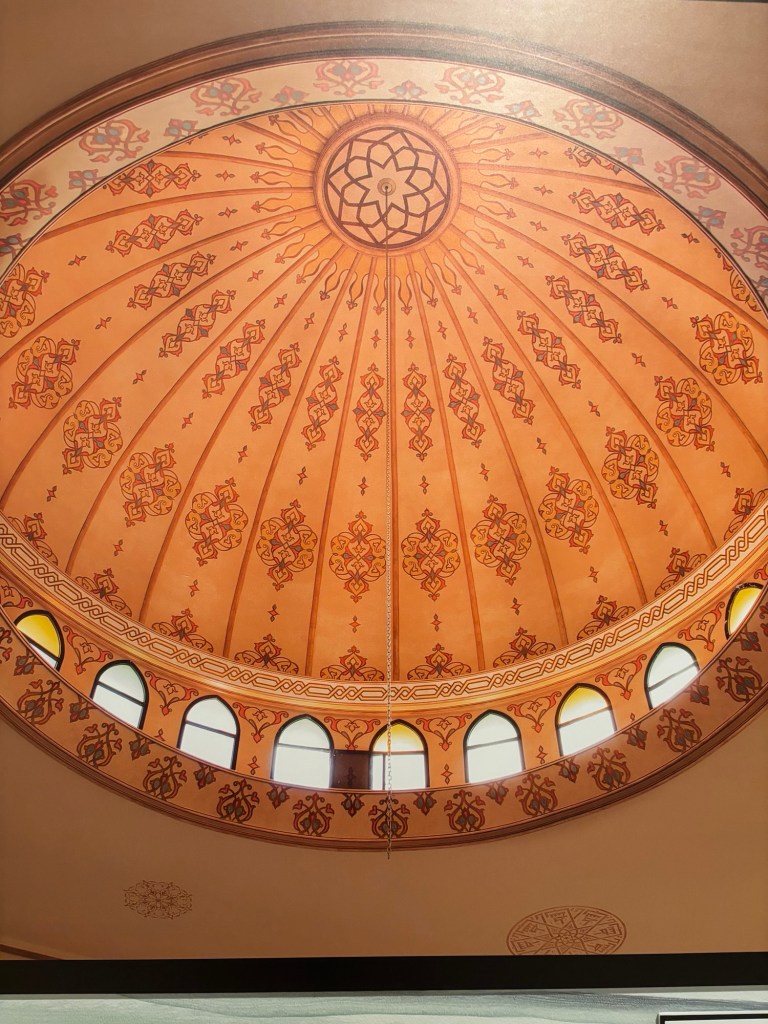
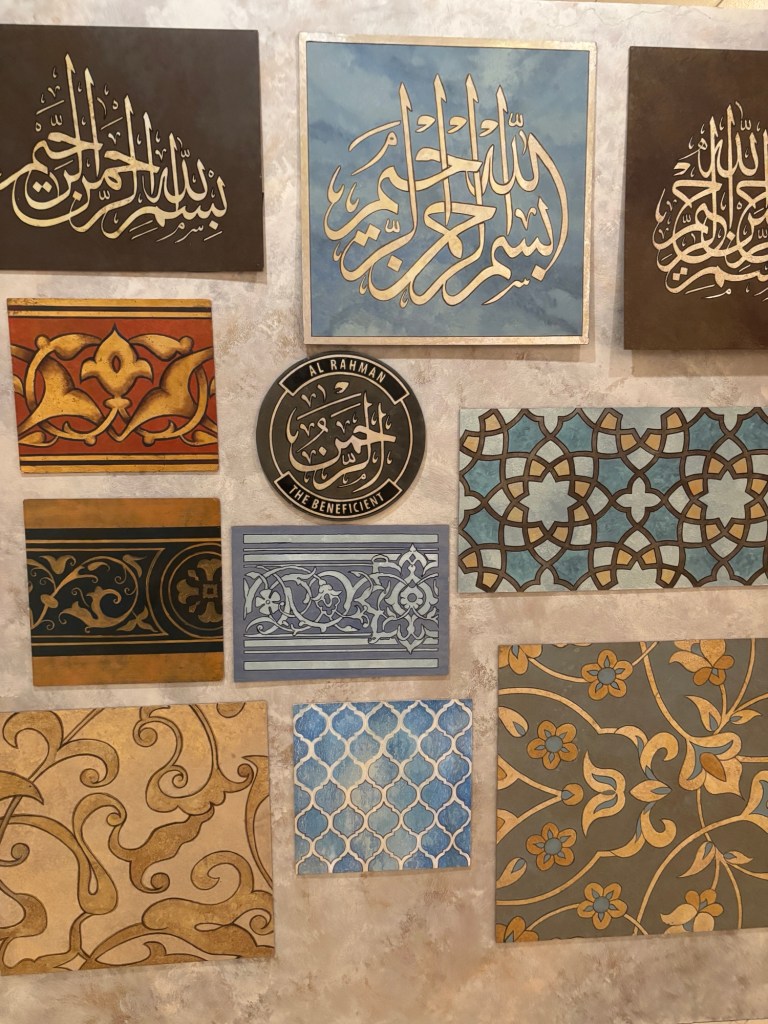
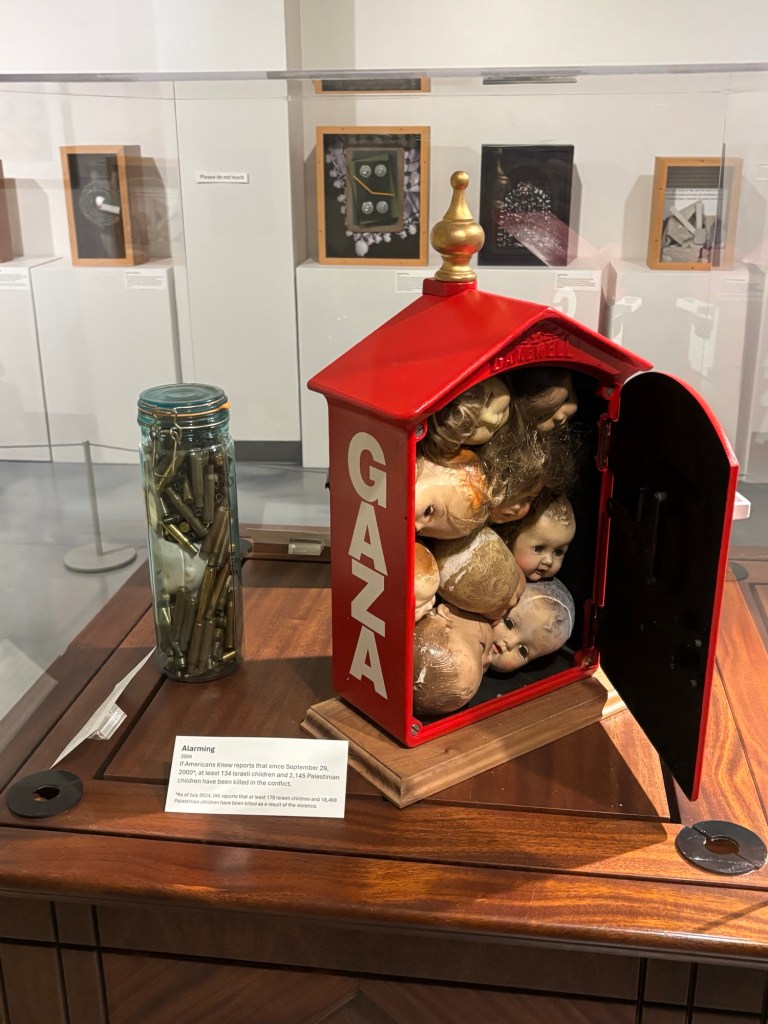
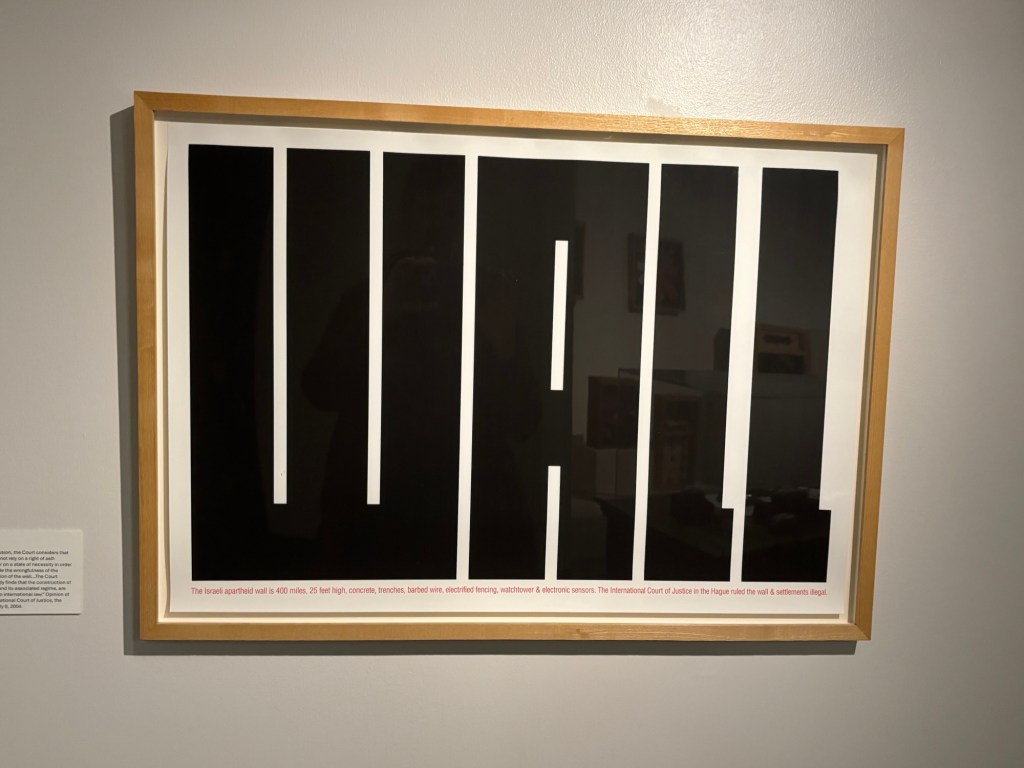
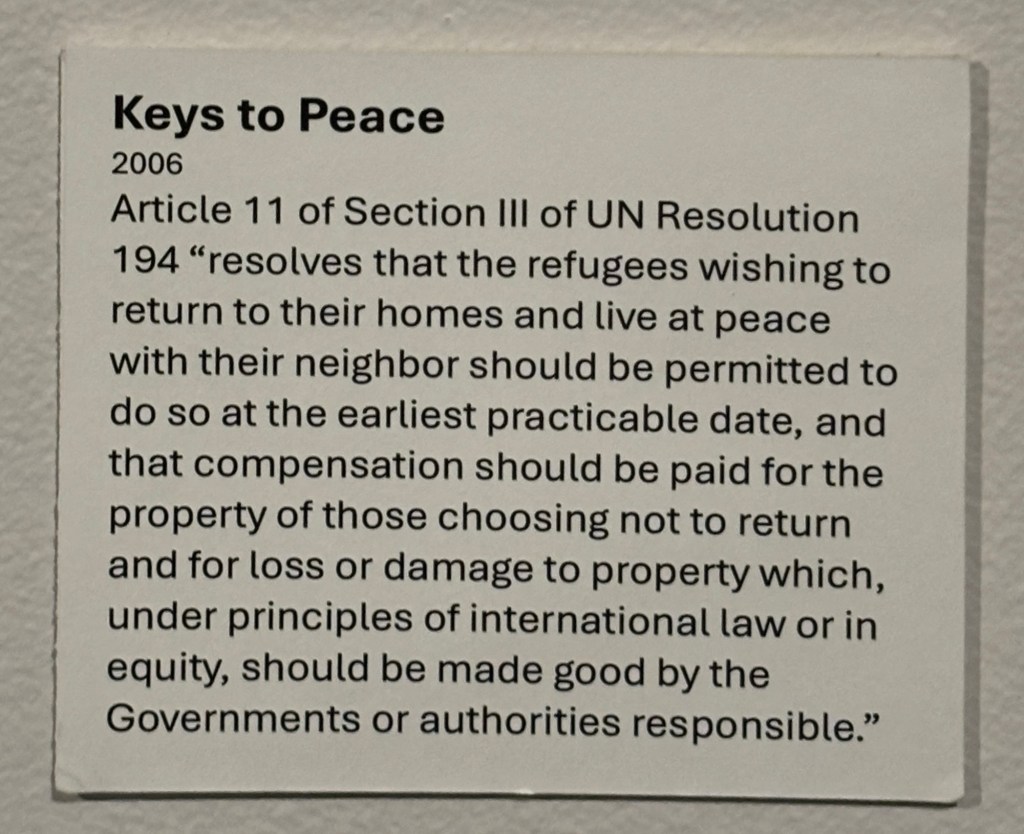
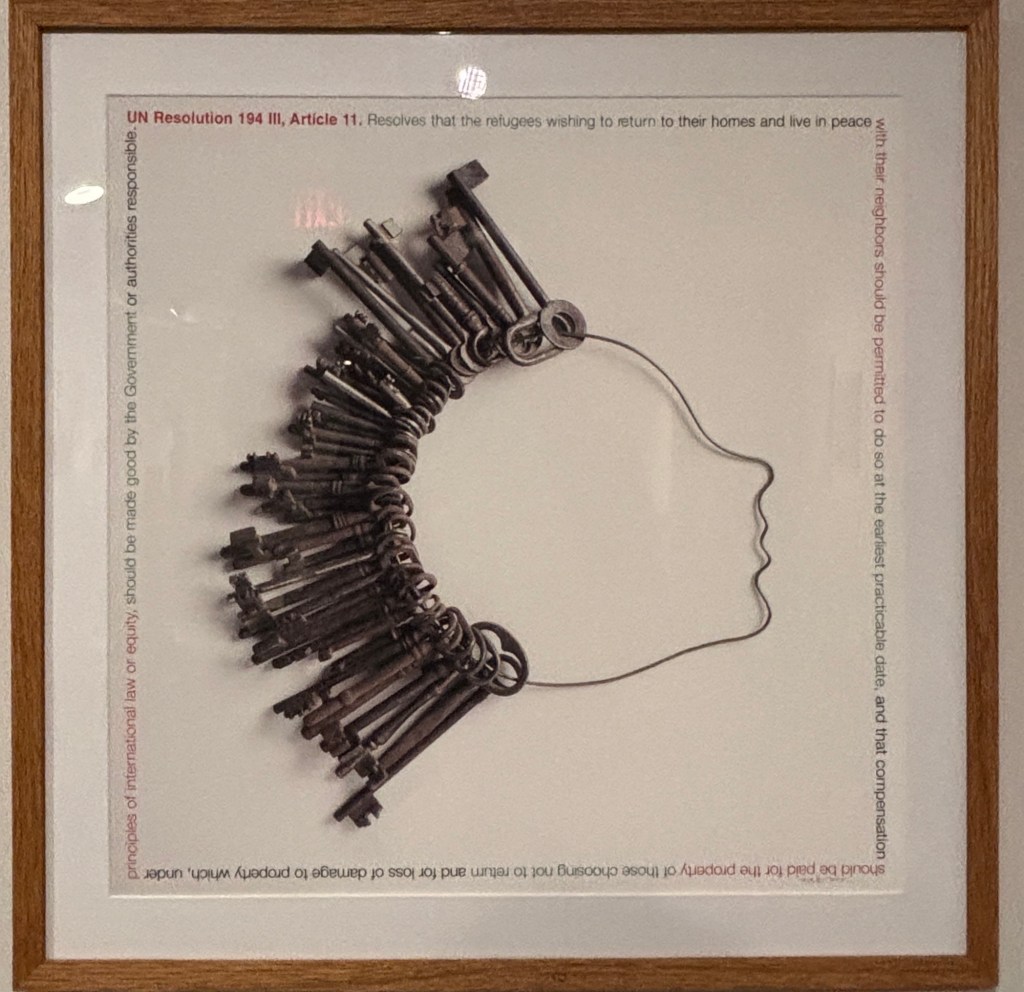
Did you know that Dearborn Michigan is an Arab majority city? Yesterday we visited the Arab American National Museum in Dearborn. It claims to be the first and only museum of its kind about the Arab American experience.
We learned that “the middle east” is an outdated term that is based on British colonization. The preferred term is “the Arab world”.
We learned about the cradle of civilization and ancient Arab contributions to art, music, mathematics, astronomy, medicine and architecture.
We learned how to write in Arabic.
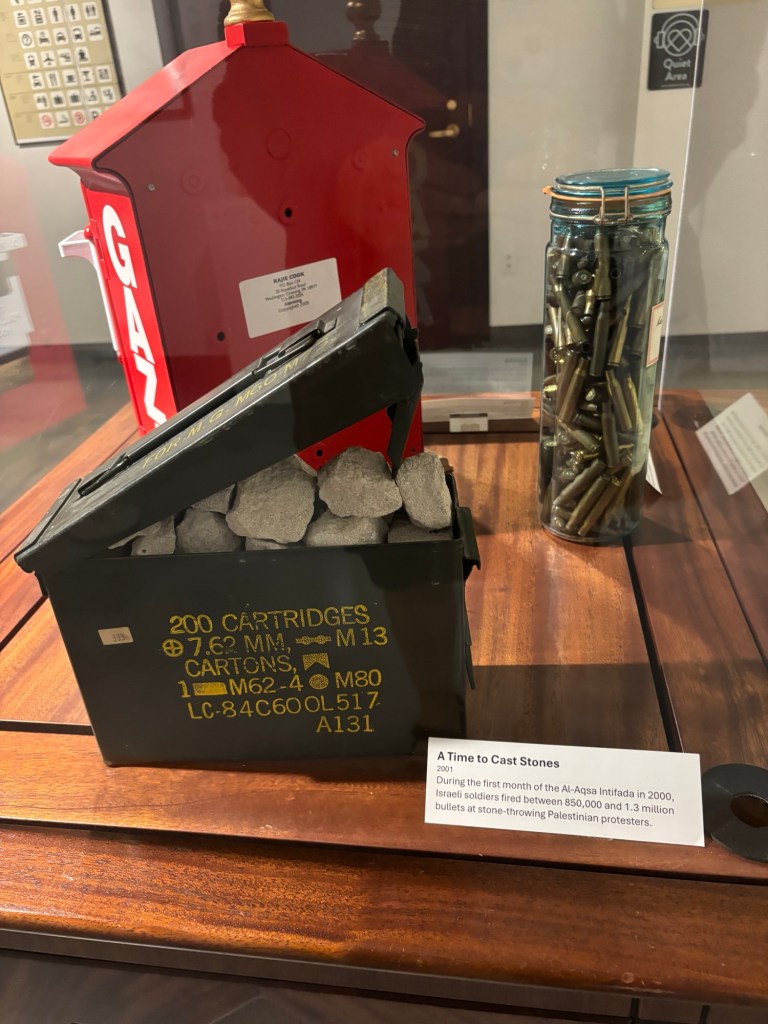
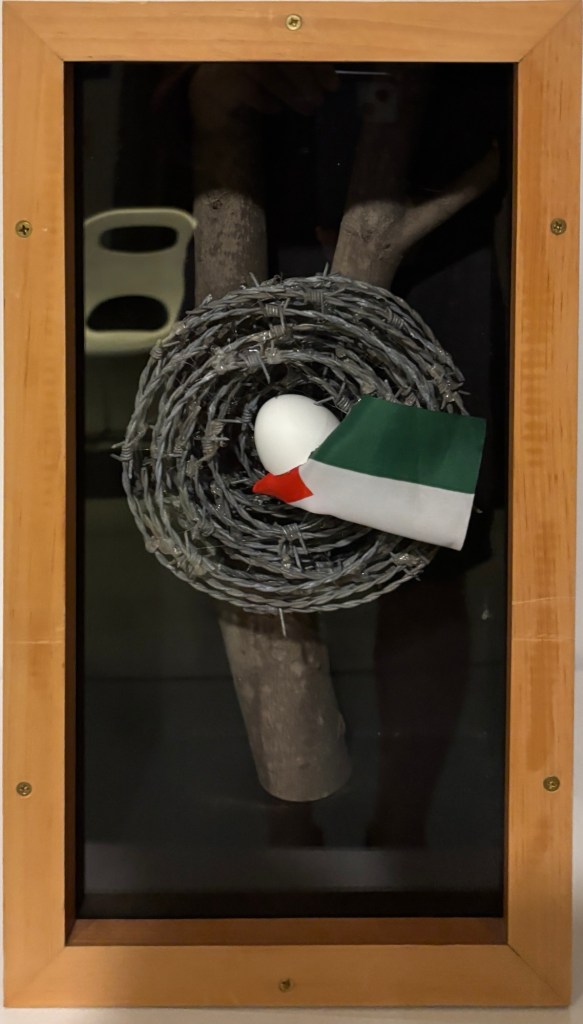
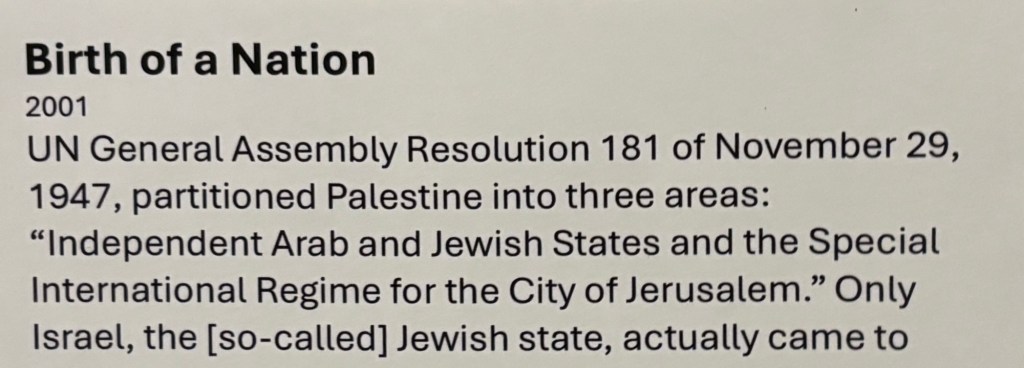
A very moving exhibit was called “Waiting for Peace“ by Rajie Cook. I will let the exhibit speak for itself:
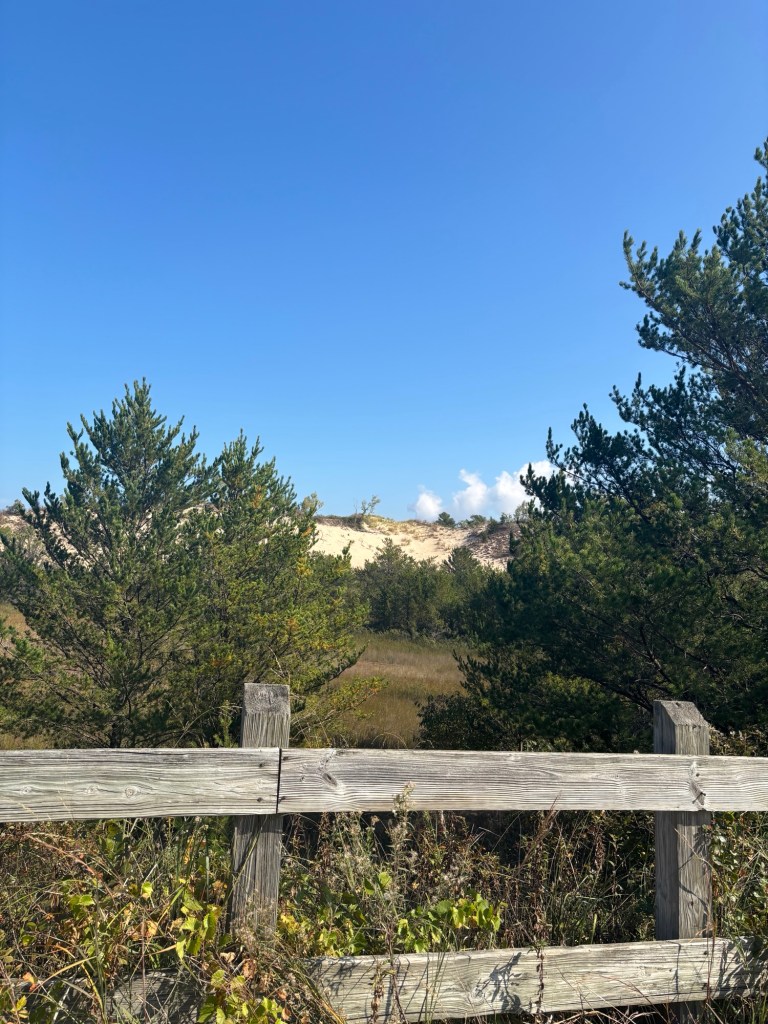
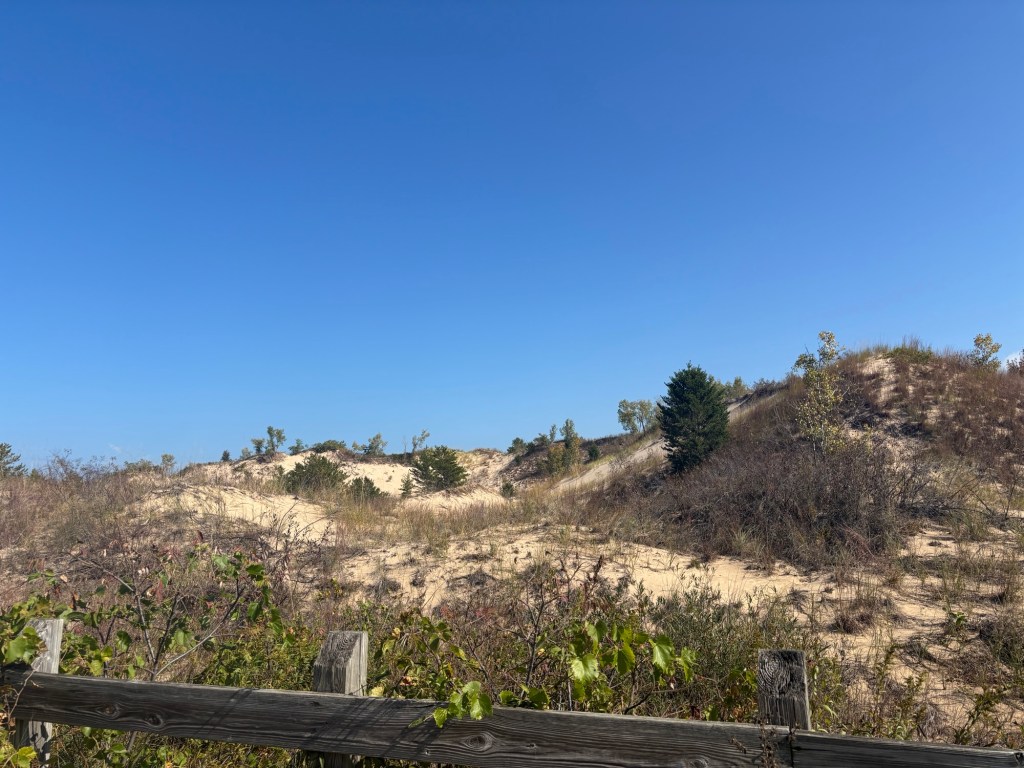
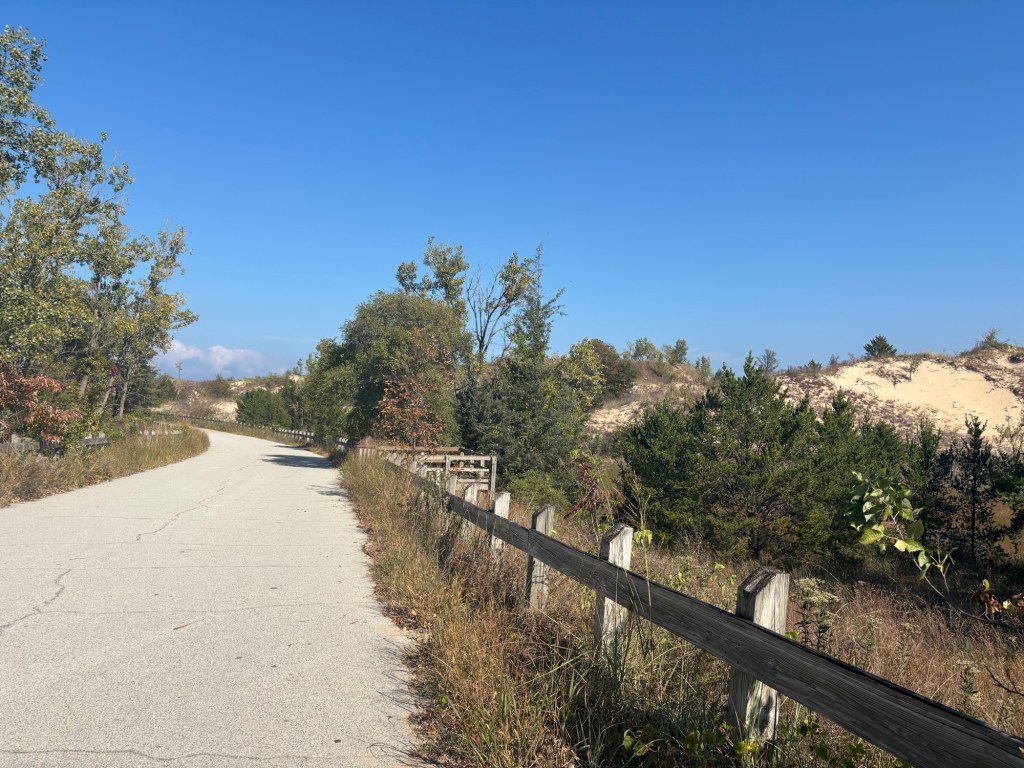
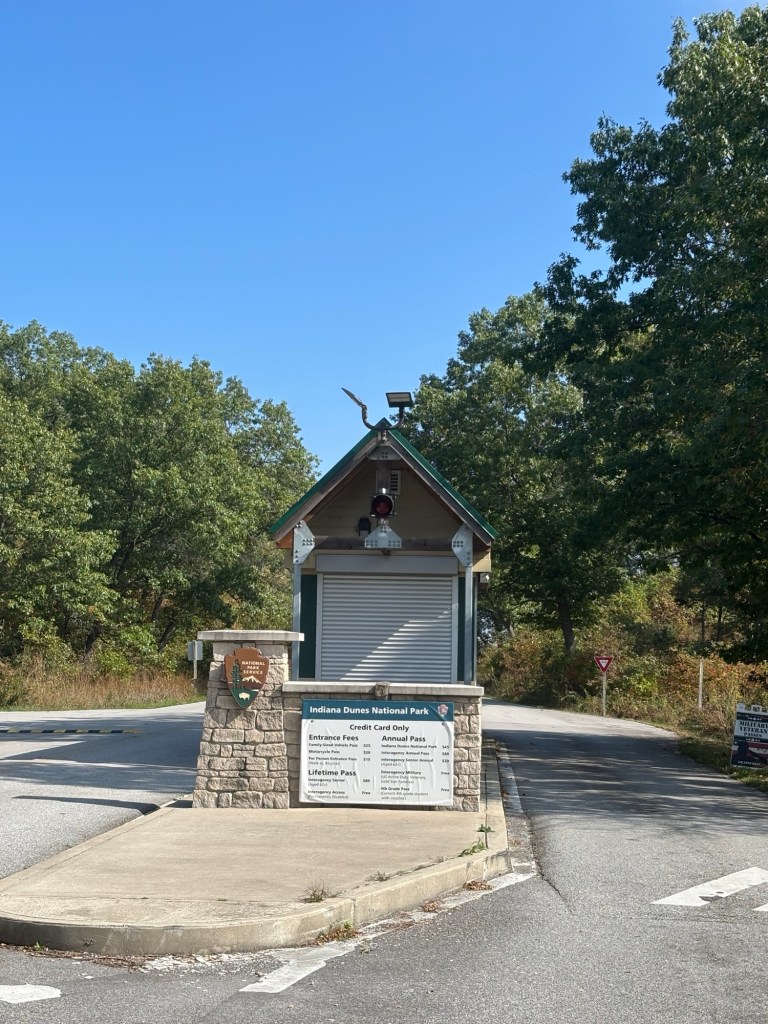
As we were driving east on Rt. 90 near Gary, Indiana we noticed a sign we had never noticed before for Indiana Dunes National Park. This piqued our curiosity and we decided we had to have a look.
Gary is about 25 miles east of Chicago. You know you are near Gary by the stench of sulphur dioxide spewing from the US steel plant there. Gary is a decaying post- industrial city. A national park here?
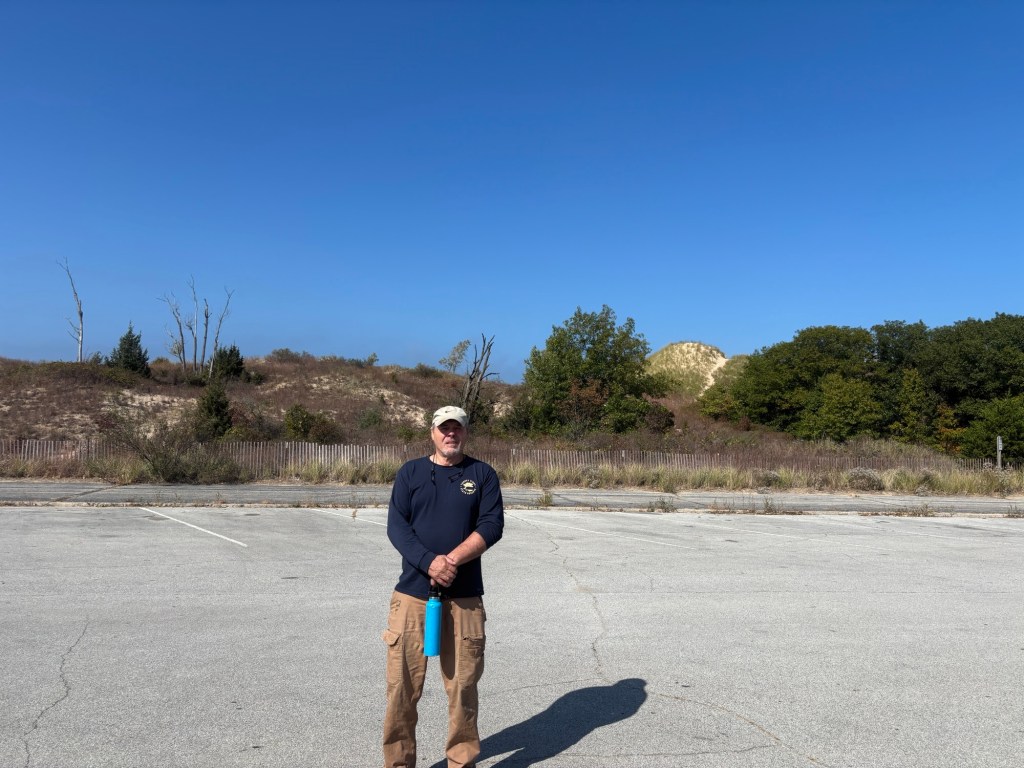
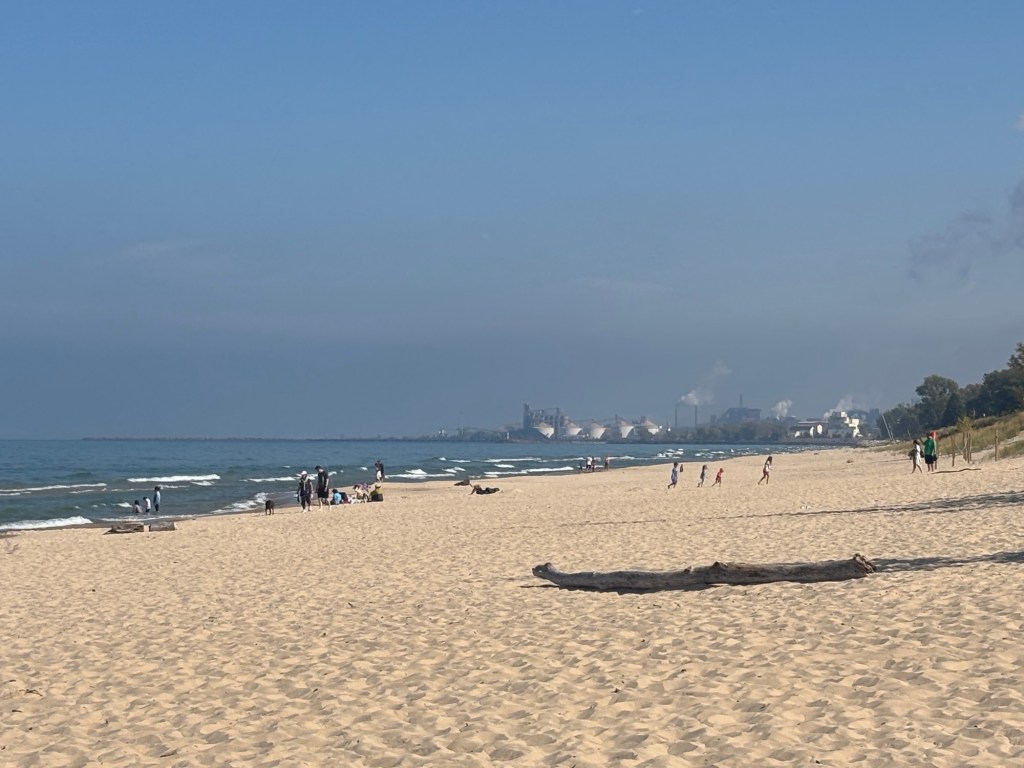
We drove through Gary and came to a back road leading into the countryside. We left Gary and its smell in the rearview mirror and came upon sand dunes and a swampy natural area. We could no longer detect that we were just a few miles from Gary.
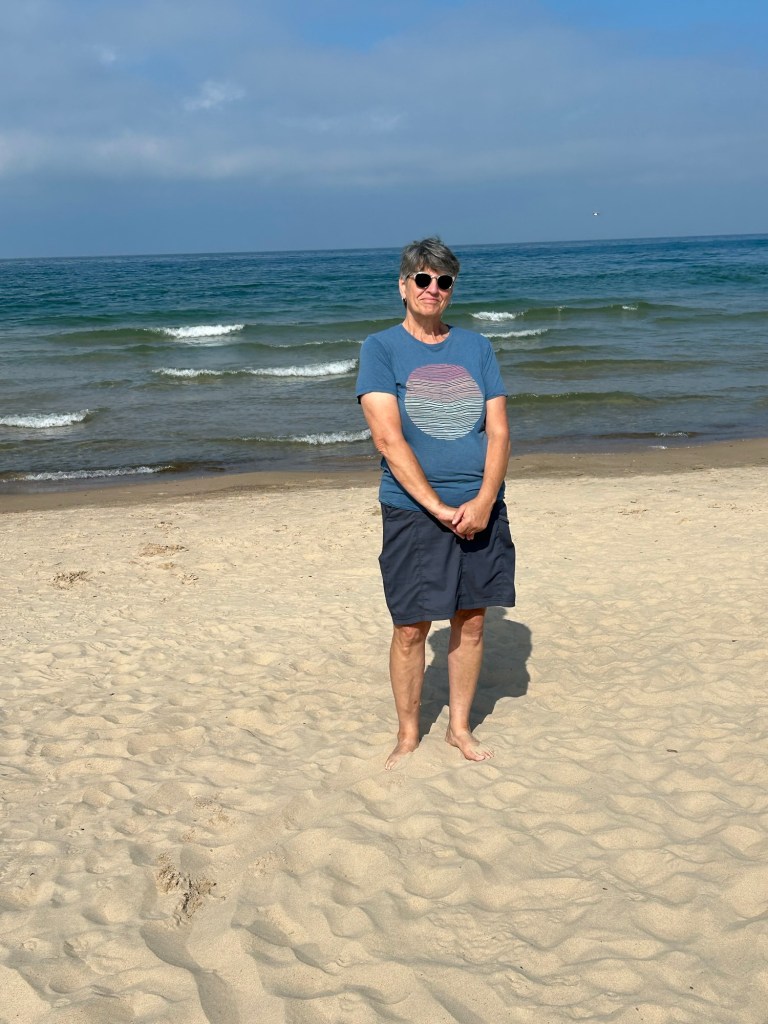
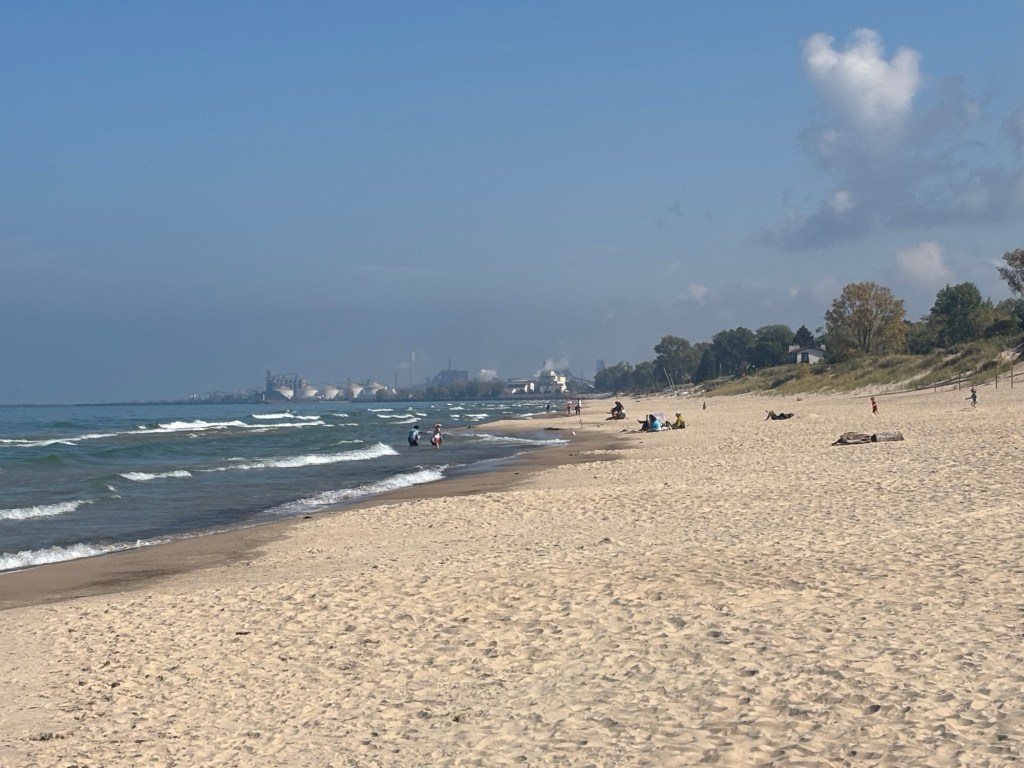
Once on the LakeMichigan beach, it is hard to tell you are not on Cape Cod or some other ocean vacation spot, except for the shoreline view of Gary and Chicago to the west and Michigan City to the east.
I’m glad that the good folks of Gary have a place like this to get away and enjoy.
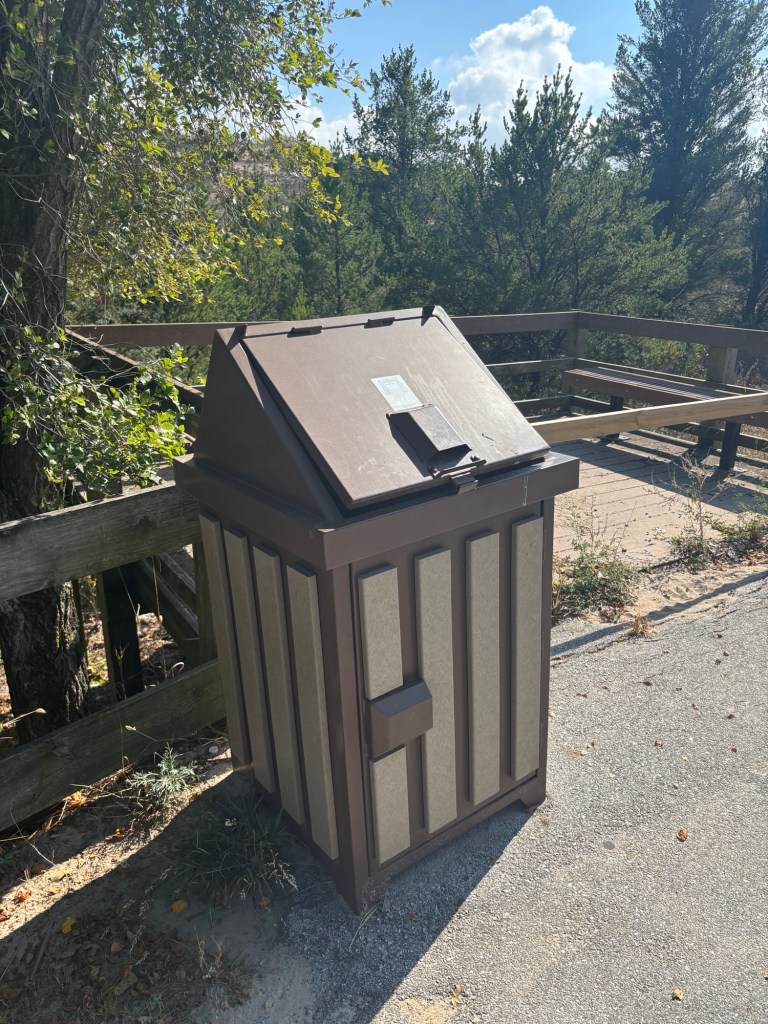
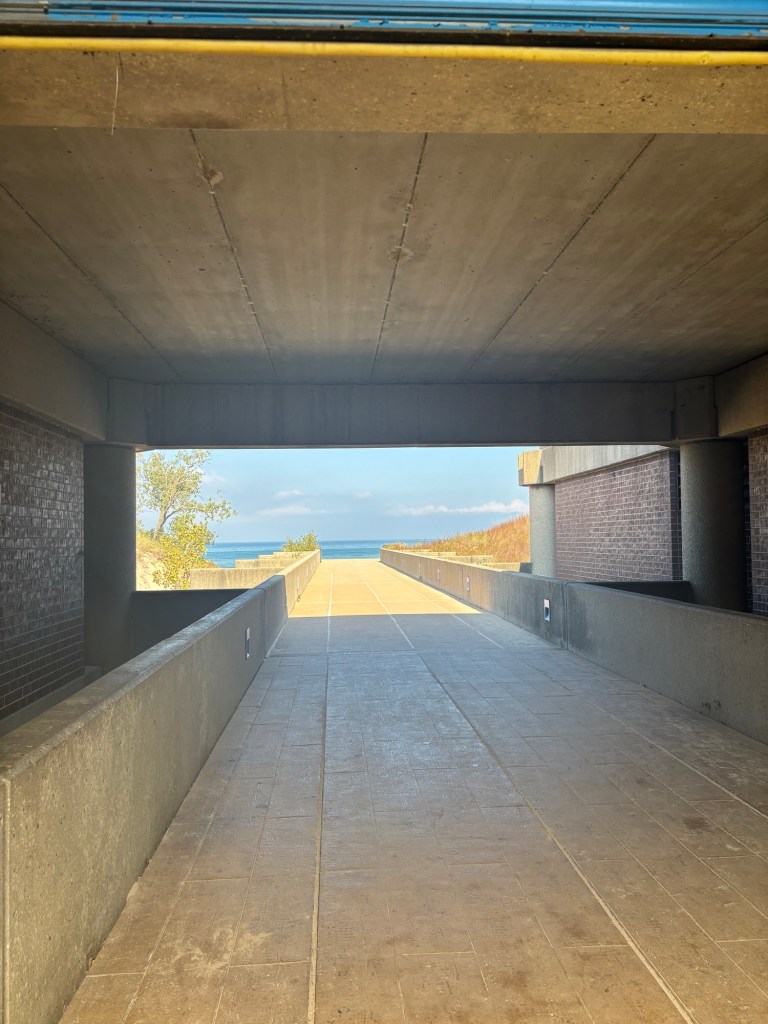
The park was closed due to the government shutdown, but the bathrooms were open and immaculately maintained. The garbage cans were empty. There was no litter anywhere. All was well (and free).
My heroes of the day are the volunteers who have stepped up to maintain this park. In spite of our initial skepticism, we recommend a visit to the Indiana Dunes National Park.
My heroes of the day are all of the Chicago residents who have decided to fight back to protect their neighbors from being kidnapped by ICE agents. ICE agents are now in multiple Chicago neighborhoods- swooping in and taking street vendors, mothers walking their children to school and harassing pretty much anyone with brown skin who is out in public.
But Chicagoans are fighting back. There are now rapid response and mutual aid efforts organized in multiple neighborhoods. These grassroots efforts are organized into a network. There are crowd sourced maps of where ICE agents are spotted and people with orange whistles verifying ICE sightings. When ICE agents are spotted they blow whistles and others blow their car horns. People come running to help. Neighbors are walking to school in groups and doing shopping for their neighbors so they do not have to venture outside.
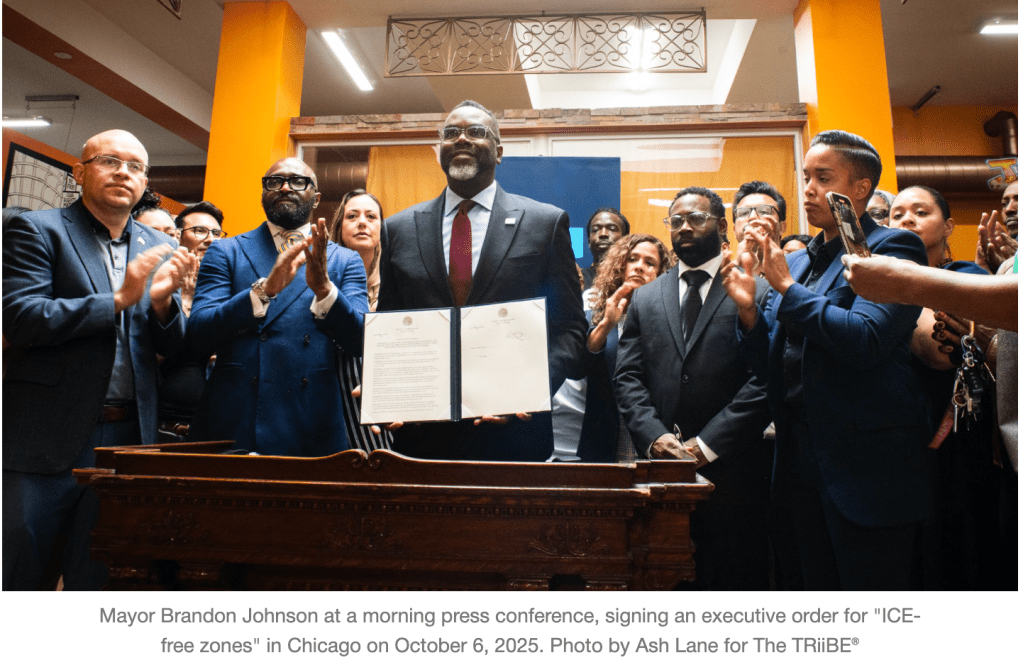
Chicago Mayor Brandon Johnson has signed an executive order declaring public property, such as parks and city garages, off limits for ICE agents. They may not use public property for staging any more. He has encouraged private businesses to join with them.
This is a terrible moment in U.S history that will go down in infamy, but the upside is that people in communities everywhere are uniting. This is inspiring and cause for hope.
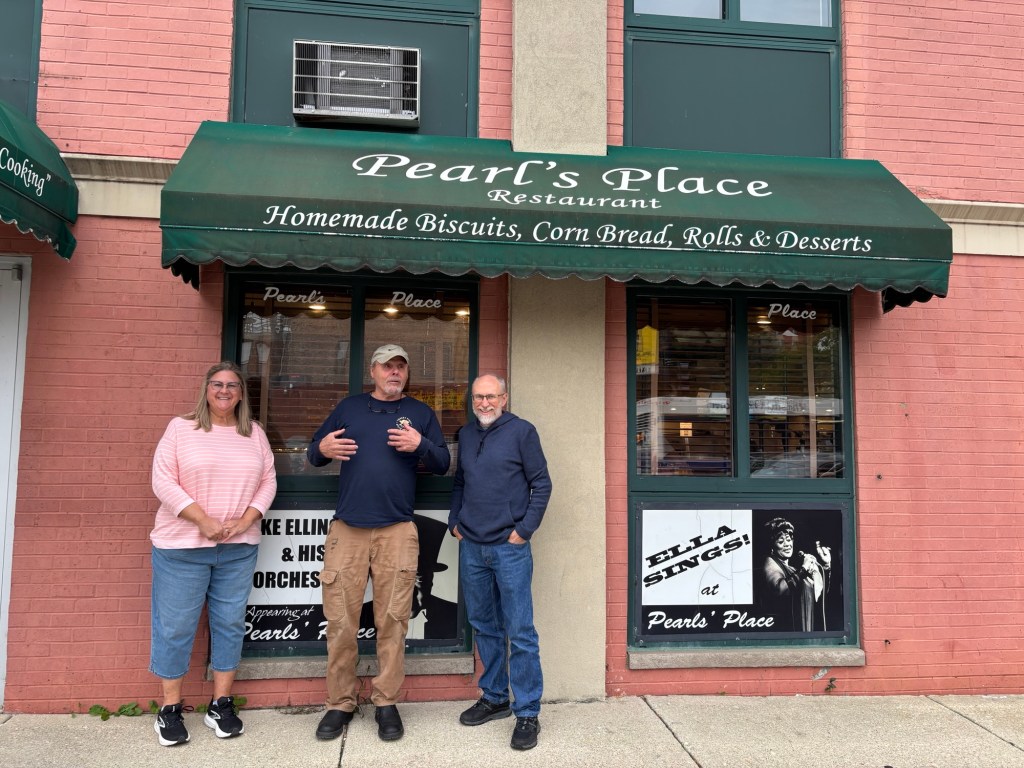
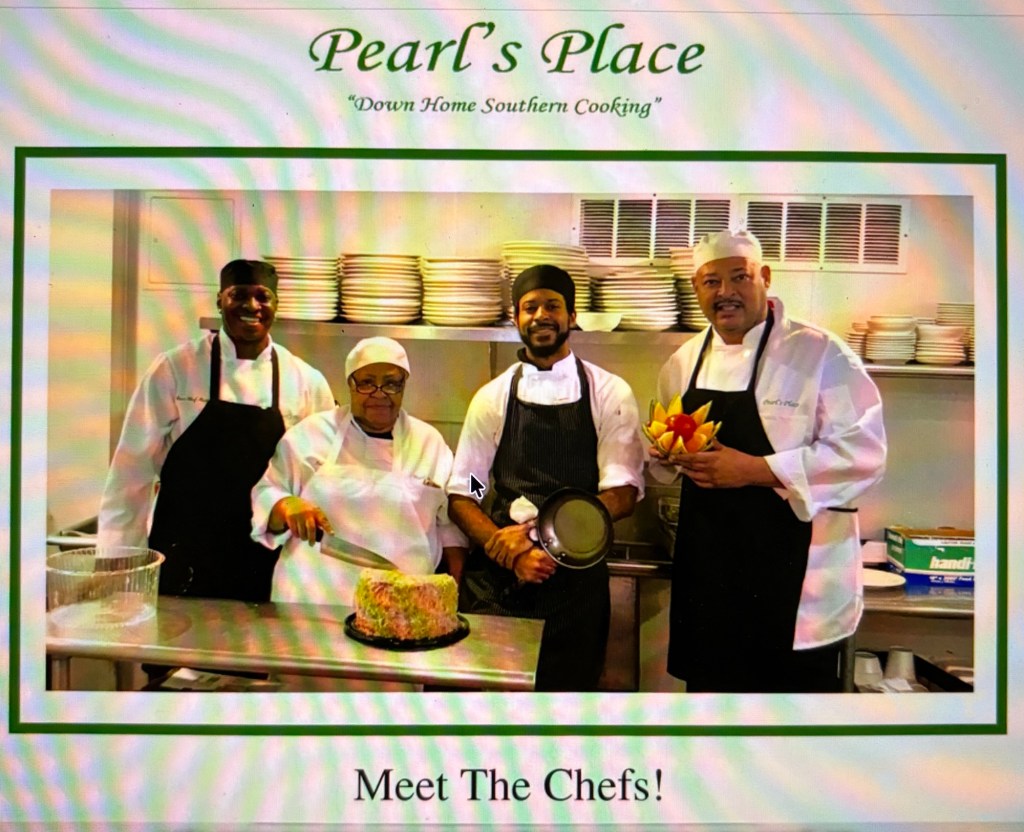
We were introduced to Pearl’s Place soul food restaurant in Bronzeville (in South Chicago) by our new friends, Andrew and Lisa, who live in Chicago.
Pearl’s Place serves delicious home- style food and in a very friendly atmosphere. We were seated by Michelle, whose father is a chef there. They have an amazing, award- winning buffet and peach cobbler to die for.
Pearl’s Place has deep roots in the community, having served its residents (and celebrities from far and wide) for 30 years. Needless to say, I recommend you visit Pearl’s Place on your next visit to Chicago!
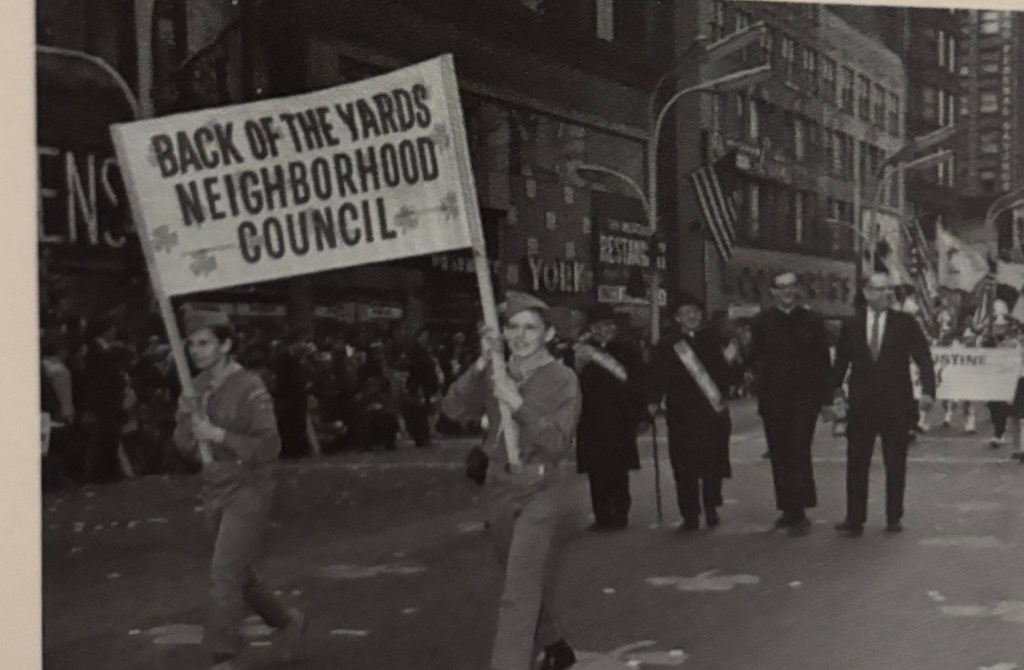
Photo courtesy of the Back of the Yards Neighborhood Council
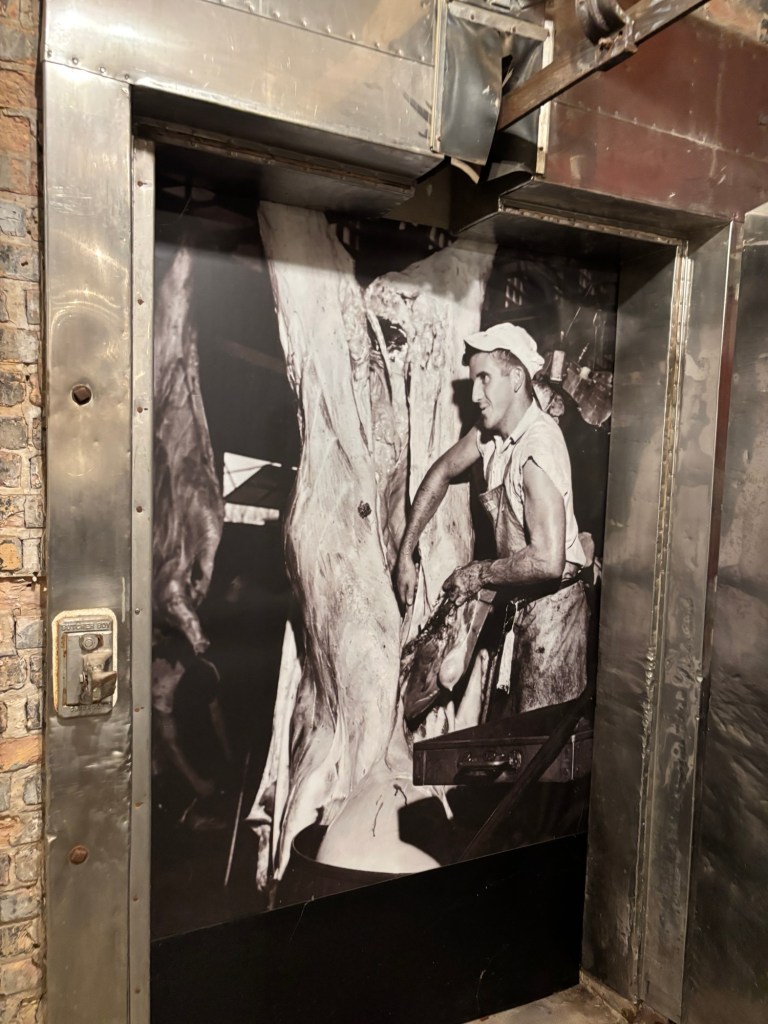
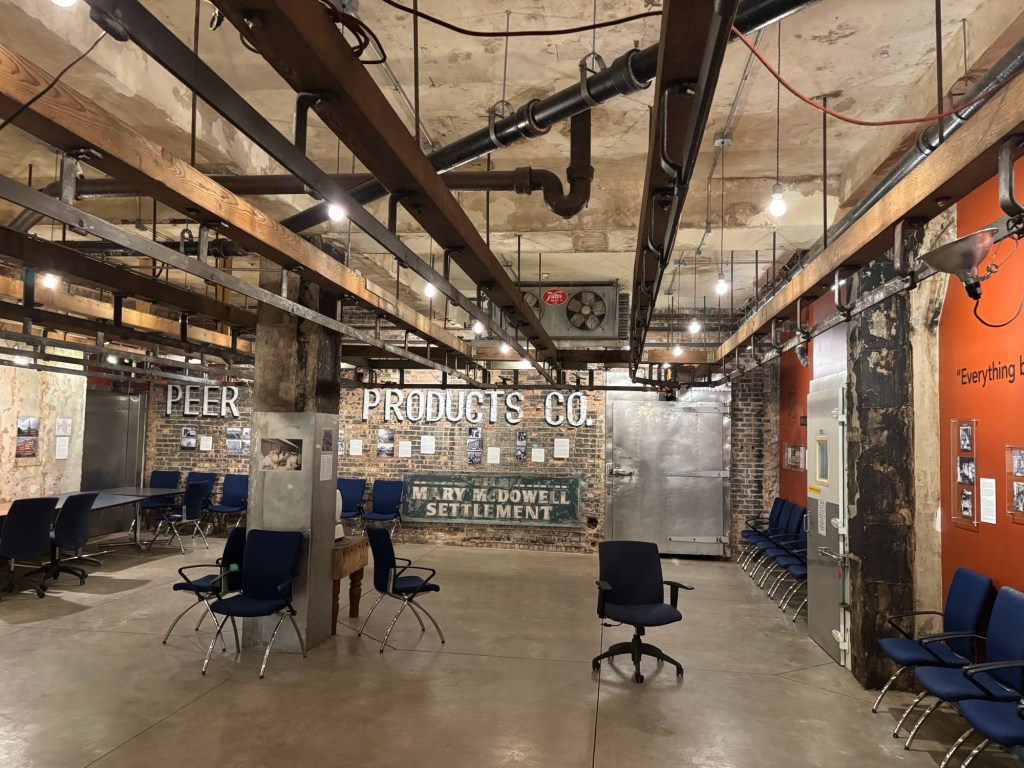
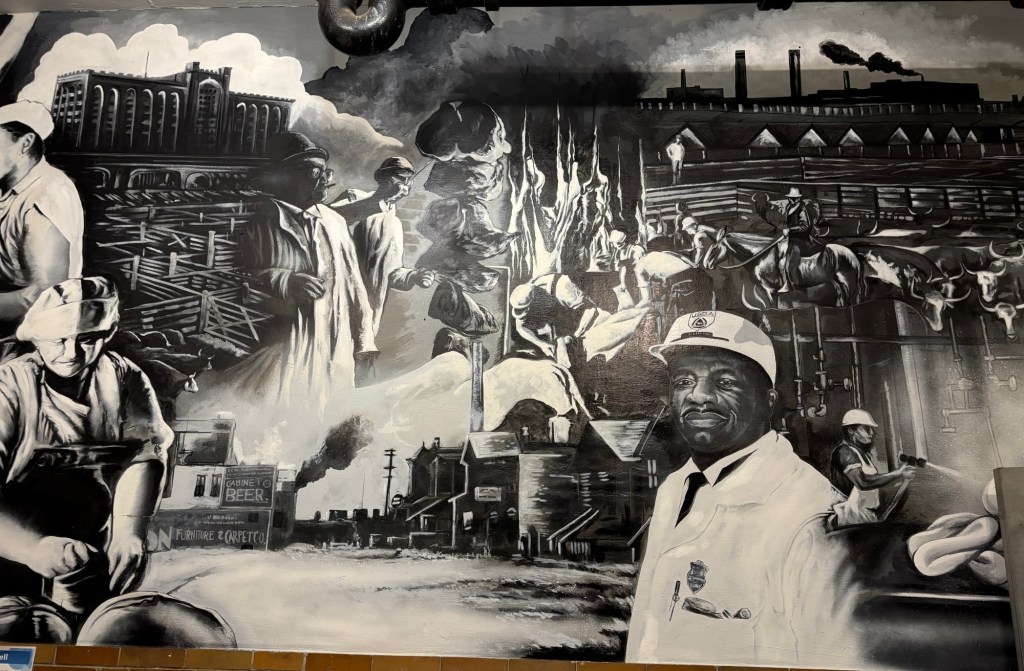
Yesterday we visited the Back of the Yards neighborhood in Southwest Chicago which, until the 1950s, was the largest livestock yards and meatpacking center in the country. The invention of the refrigerated boxcar in 1880, along with the concentration of railroads in the area, led to the industrialization of food processing and the rapid expansion of the Union Stock Yard and the adjacent packing plants.
The meatpacking industry provided thousands of jobs and attracted numerous immigrant populations including, Irish, German, Polish, Lithuanian, Slovakian, Czech, Mexican and African American communities, whose shared impact you can see in the surrounding neighborhoods today. (University of Chicago/ Chicago Studies)
In 1939, Saul Alinsky, along with Joseph Meegan, founded the Back of the Yards Neighborhood Council, which still exists today. It became a model for organizers, focusing on identifying common grievances, building large coalitions of existing institutions, and engage in strategic campaigns to pressure those in power to address community needs. The Neighborhood Council supported clergy, business owners, union officials, and neighborhood residents.Their motto was “ we the people will work out our own destiny”. By focusing on cross- organizational cooperation, they could overcome tensions between ethnic and racial groups. The Catholic Church was a major player. Click here to learn more about the Back of the Yards Neighborhood Council.
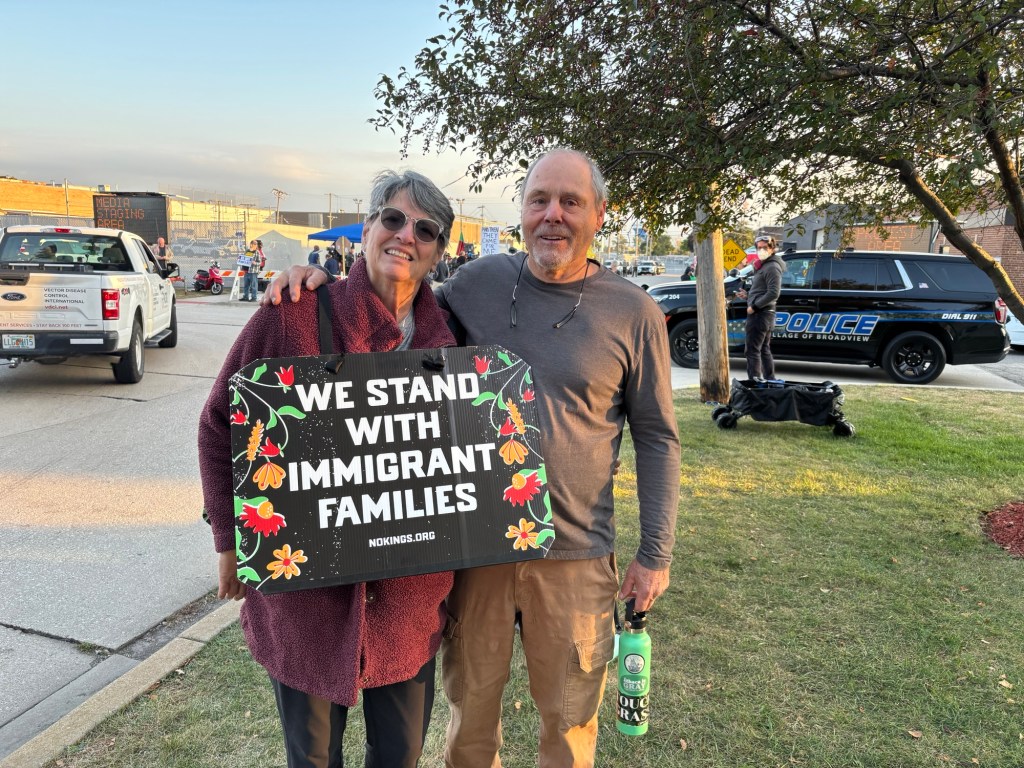
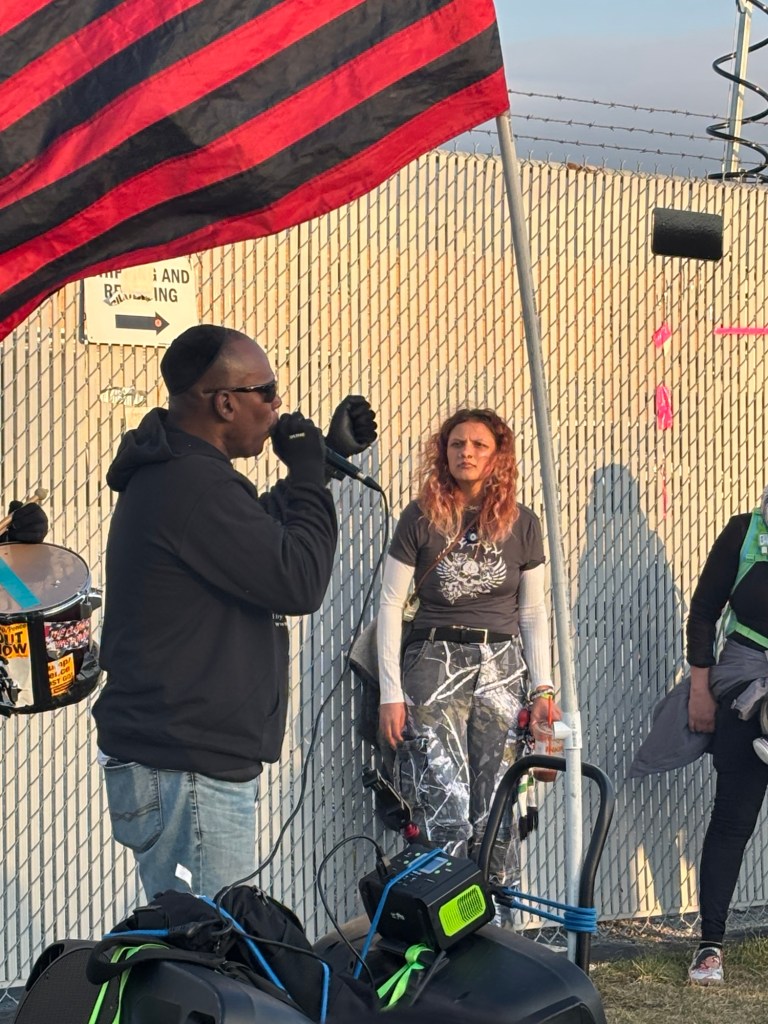
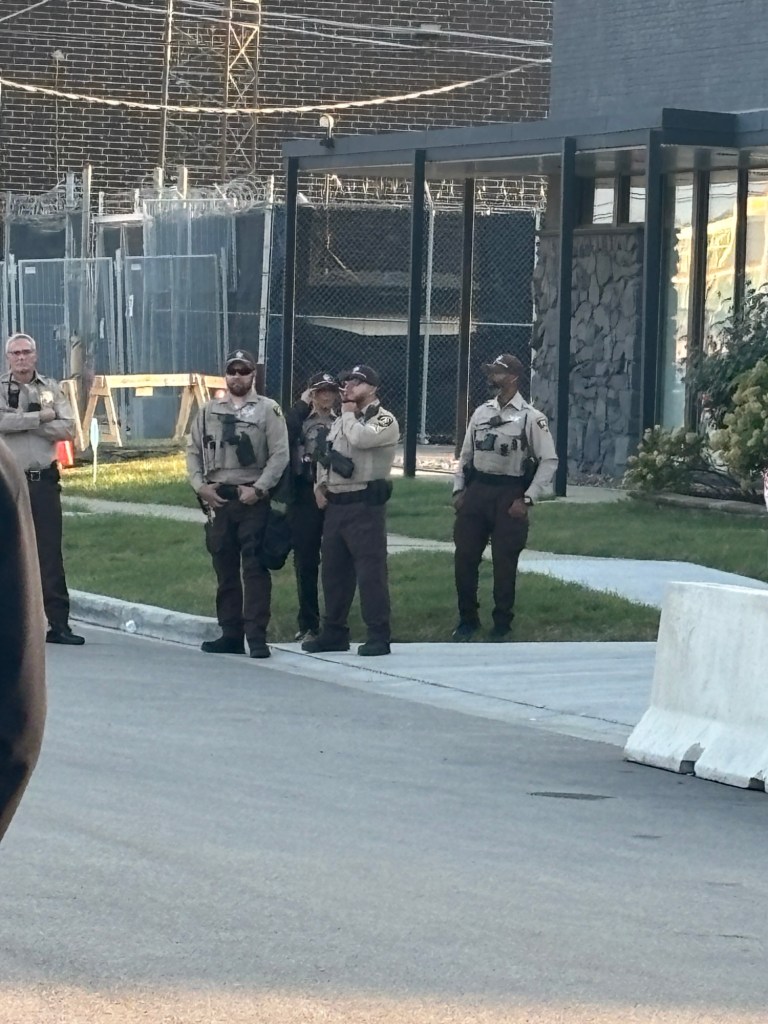
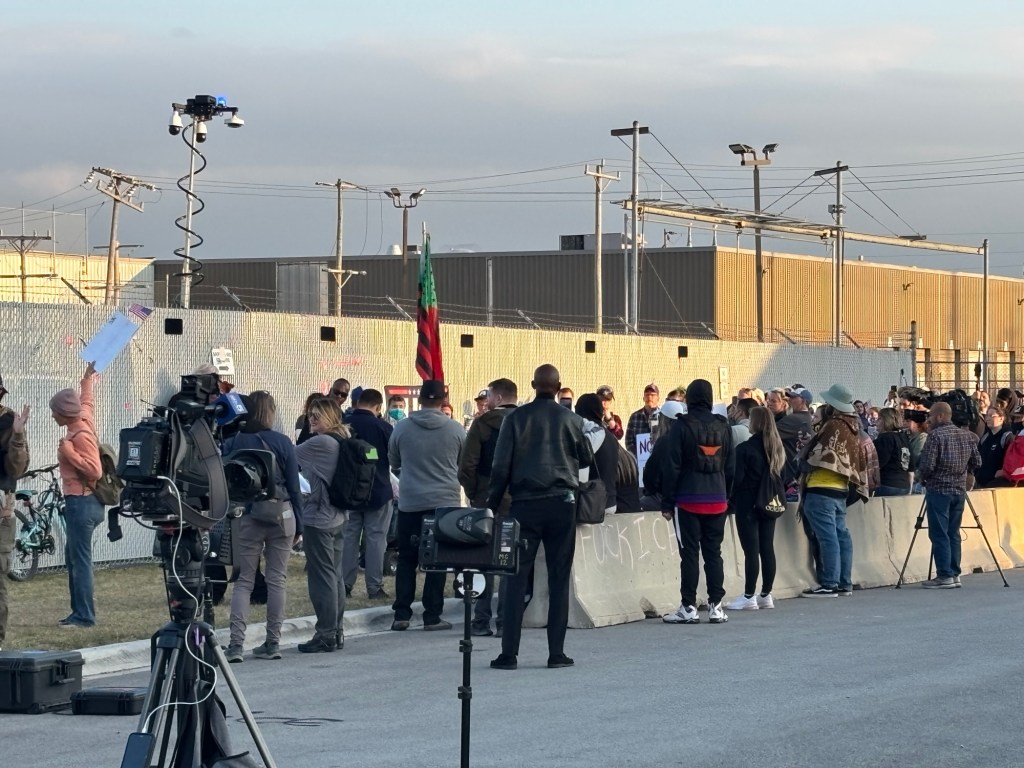
We stopped at the Broadview Immigration and Customs Enforcement Processing Facility t(outside of Chicago) to participate in the protests there.
My justice hero for the day is Caren, who has been going to the Broadview ICE Detention protests every day in spite of being shot with pepper spray bullets. She is a nurse for the VA who works around the corner and decided she needed to be there.
There were probably only about 50 people at this protest, but it is clear that they have created a community – these dedicated souls, diverse is age and back grounds, are showing up every day. I was inspired.











 Perspectives on the Road